
Quick Take
- Parents once bought millions of these pets without knowing the invisible hitchhiker they carried.
- The ban worked better than anyone might expect, yet the problem hasn't gone away.
- Turtles aren't the only pets with this secret, and a spotless tank won't save you.
When many people consider getting a starter pet, they often think of a turtle. This is especially true for families with children. Small pet turtles can seem like a great idea because they’re generally low-maintenance and visually interesting. However, as with any pet you add to your household, you need to do your research before committing to caring for the animal. When it comes to the smallest turtles, there are big risks, including potential disease.
It all goes back to 1975, when the U.S. Food and Drug Administration (FDA) banned the sale and distribution of small pet turtles with shells measuring less than four inches long. The reason was that some pets can carry the disease Salmonella, which is particularly dangerous for young children. Today, we’ll tell you more about this ongoing situation and provide safety tips to follow if you decide to add a reptile to your family.
Why Did the FDA Ban Small Pet Turtles?
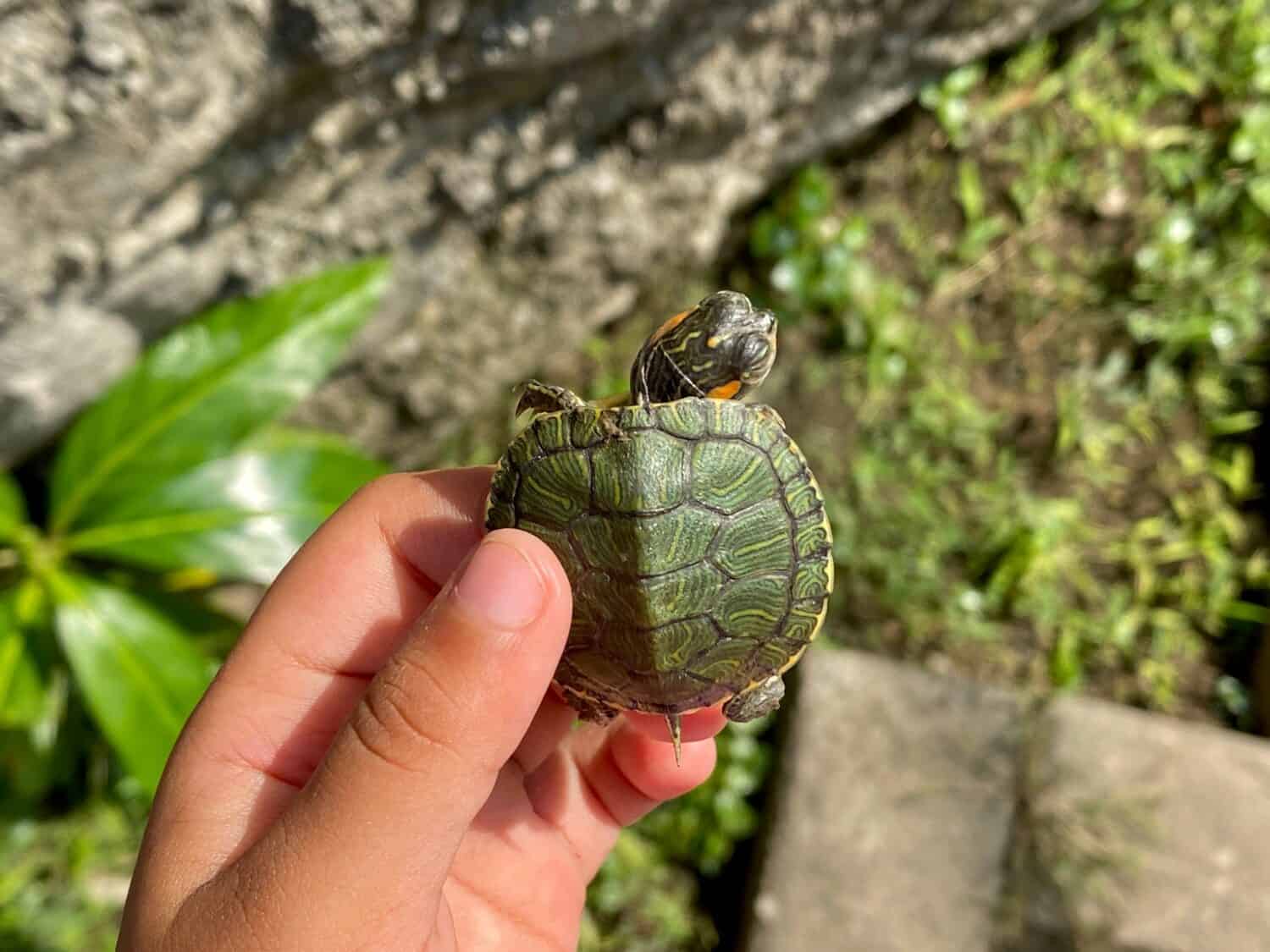
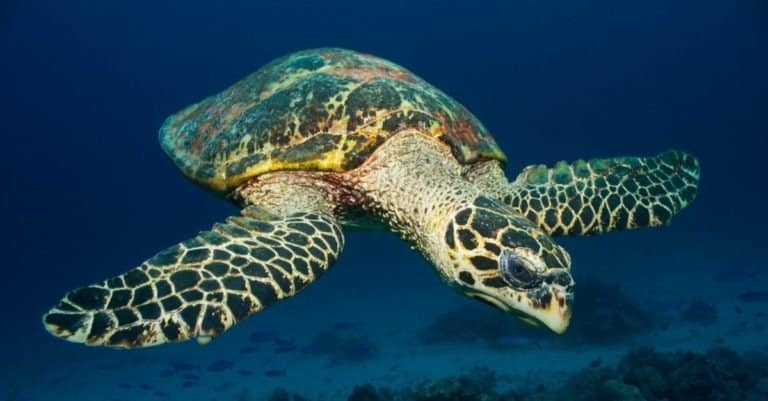
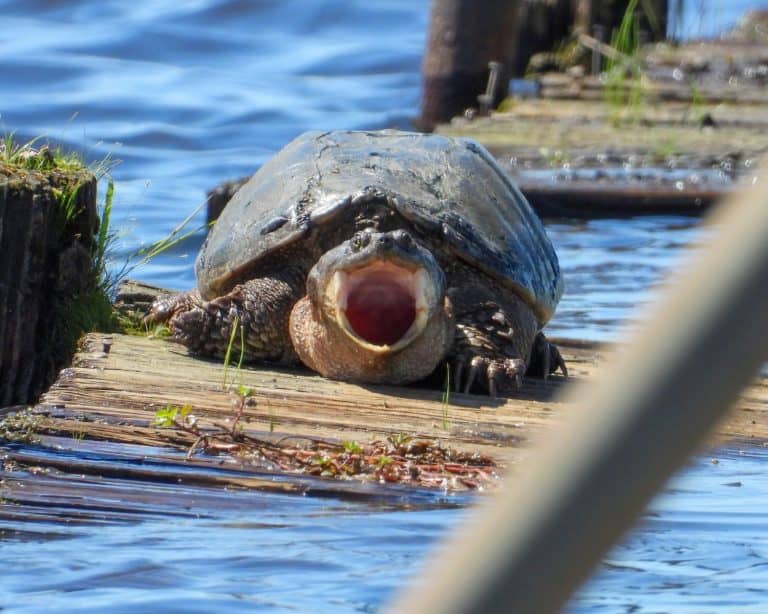
Avoid keeping turtles with shells that are below 4 inches long for the health and safety of your family.
©irfan meidiant/Shutterstock.com
During the 1960s and early 1970s, small turtles were extremely popular household pets. Millions of baby turtles were sold annually throughout the United States, often coming in inexpensive plastic containers with miniature plastic palm trees. Pet turtles were particularly appealing to families with young children because they were inexpensive, low-maintenance, and easy to transport. By the early 1970s, millions of pet turtle hatchlings were being sold in the United States.
Of course, parents were unaware that many turtles can naturally carry Salmonella bacteria in their intestinal tracts without showing any signs of illness. The bacteria are released through their droppings, contaminating their shells, skin, aquarium water, and surrounding environments.
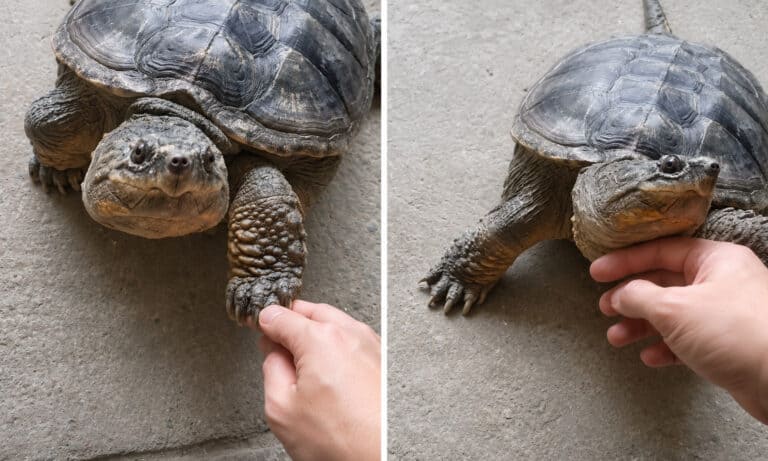
When someone touches an infected turtle or its habitat, bacteria can transfer to their hands. If that person subsequently touches their mouth, handles food, or eats without washing their hands first, they may accidentally ingest the bacteria. Even cleaning the aquarium or handling the decorations and toys in the tank can be dangerous if your turtle has Salmonella and you aren’t regularly washing your hands.
Salmonella is dangerous to humans because it can cause serious health effects, including diarrhea, stomach cramps, and fever. Some people also experience nausea or vomiting. In rare cases, Salmonella bacteria can spread beyond the intestines and enter the bloodstream, potentially causing life-threatening complications. Young children with weaker immune systems could get the worst effects.
Why Children Are Especially Susceptible
Turtles of every size can carry Salmonella, and anyone can get sick. So, why are children more at risk? When unsupervised, children may pick up a turtle, get contaminants on their hands, and then not wash afterward. Even worse, many children may put small turtles in their mouths, if only because that’s often what little kids do with their toys. Even if they don’t put the entire turtle in their mouths, they may kiss it, hold it against their face, or cuddle it without understanding the potential health risks.
To make things even worse, infants and toddlers are particularly vulnerable because their immune systems are still developing, making them more susceptible to serious complications from Salmonella infections.
The FDA Steps In
Once kids started getting sick, the FDA stepped in and introduced a nationwide restriction in 1975, which prohibited the sale and commercial distribution of turtles with shells shorter than four inches. The regulation also covers viable turtle eggs and includes limited exceptions for legitimate scientific, educational, and exhibition purposes.
Luckily, the corrective measure was amazingly successful. According to research published in the CDC’s Emerging Infectious Diseases journal, the ban is estimated to prevent about 100,000 Salmonella infections among children each year.
Cases Still Persist
Although Salmonella cases have dropped dramatically, people still get sick from reptiles in 2026. The CDC continues to monitor the situation and recommends that children younger than five avoid contact with reptiles and amphibians, including turtles. Households with very young children are encouraged to consider other types of pets.
Sadly, even with this proven knowledge, small turtles are still sold illegally at some markets and online. The CDC has documented illegal sales at flea markets, roadside stands, souvenir shops, pet stores, and online retailers. Some vendors may not understand the regulation, while others continue selling turtles despite the restriction. The online marketplaces present particular challenges because sellers can reach customers across state lines without operating traditional storefronts.
It’s worth noting that the law didn’t make owning all small pet turtles illegal. Instead, it primarily restricted their sale and distribution. Larger turtles could still be sold, although they carried the same types of bacteria. Now that you know the risks, the safest approach is to avoid buying turtles with shells shorter than four inches and to buy legally sold animals from reputable sellers.
All Reptiles and Amphibians Can Carry Salmonella
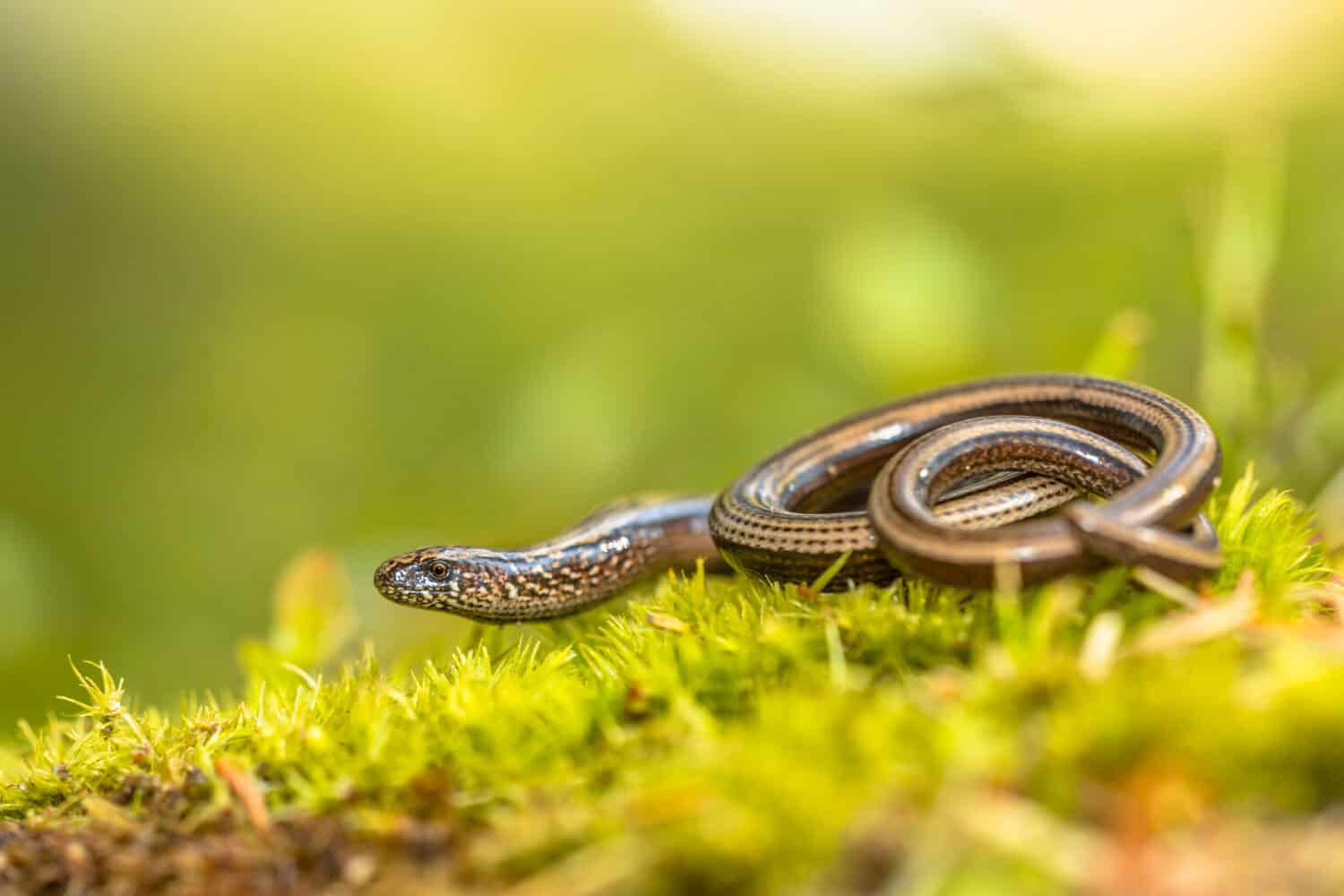
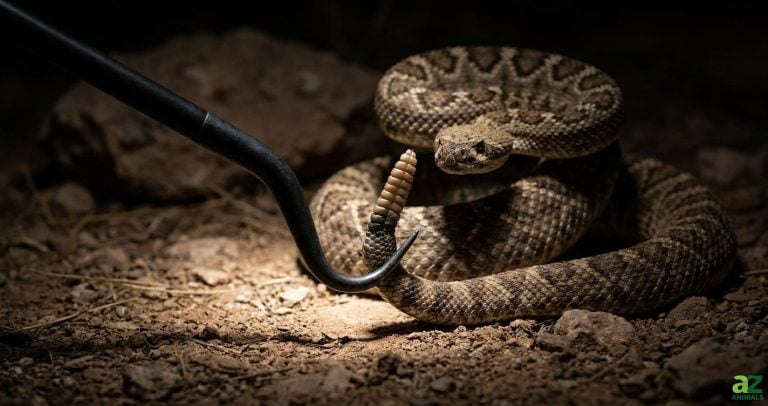
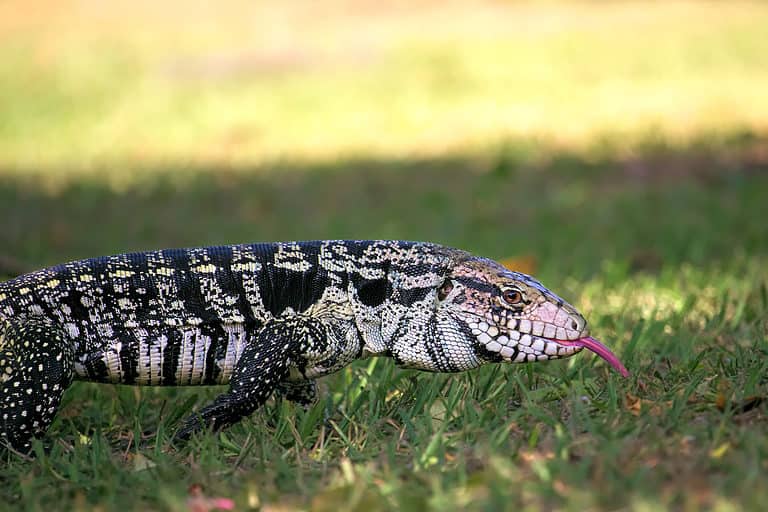
Many amphibians and reptiles can carry Salmonella, including snakes, so always wash your hands after handling them.
©Rudmer Zwerver/Shutterstock.com
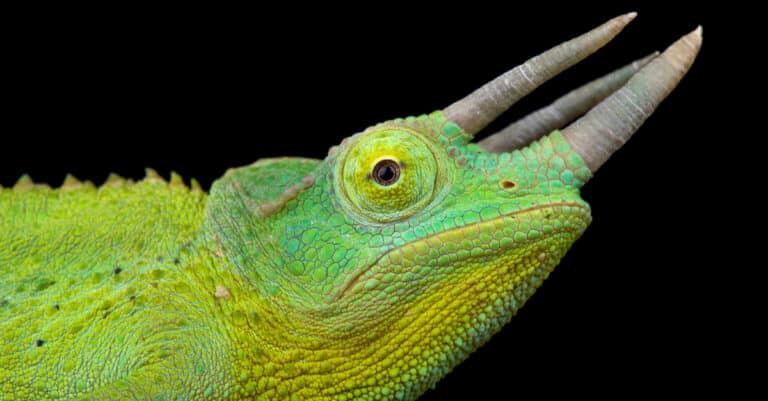
Although small pet turtles get most of the attention, the potential Salmonella issue isn’t exclusive to these tiny, shelled creatures. Other reptiles, including snakes, lizards, geckos, and bearded dragons, can also carry the bacteria. Even reptiles purchased from reputable breeders or maintained in carefully cleaned enclosures may carry the bacteria. This means you must be careful when owning or handling these animals.
Safety Tips for Reptile Owners
Owning a reptile doesn’t automatically mean someone will develop a Salmonella infection. However, responsible ownership requires consistent hygiene and precautions. The most basic and effective step you can take is to wash your hands after every physical encounter with small pet turtles and other reptiles.
When we say wash, we mean actually use soap and scrub. Supervise children’s handwashing. Even older children who are permitted to handle reptiles should have adult supervision to ensure they wash properly. Children younger than five should avoid handling reptiles and amphibians altogether. There’s really no reason for them to be handling the pet anyway. Similarly, advise vulnerable people to keep their distance. This includes adults 65 and older or individuals with weakened immune systems.
Another basic practice that can prevent many issues is keeping the turtle in its enclosure. Never allow turtles or other reptiles to roam across kitchen counters, dining tables, or other areas used to prepare and serve food. Even if you keep the turtle in its enclosure, clean that habitat carefully. Whenever possible, wash tanks and accessories outdoors using dedicated cleaning equipment. Avoid using kitchen sinks and keep animal-cleaning supplies separate from household dishes and utensils.
Finally, avoid kissing or cuddling reptiles. Bringing reptiles close to the face increases the chance that bacteria will reach the mouth. Also avoid eating or drinking while handling reptiles.
A 50-Year-Old Ban That Still Matters Today
If you do decide to get a turtle, remember that the regulation from 1975 is just as important today.
More than five decades after the original ban, the message remains relevant: small turtles may be adorable, but protecting children from Salmonella should always come first.