
Quick Take
- Bengals' intelligence sounds like a selling point. That is, until you discover exactly what they do with it. See what they get into →
- Most people don't check this before adopting a Bengal, and some find out too late that ownership isn't even legal where they live. Check your state's rules →
- Bengals are built for affection, but that same trait is the one most likely to wreck your home. How bonding turns destructive →
- If a Bengal is keeping you up at night, the real cause isn't what most owners assume. Why Bengals vocalize at night →
Bengals are known for their gorgeous coats, energetic natures, and friendliness. While these cats can be amazing pets for the right people, they can also wreak havoc in a home that’s unprepared for them. So, what are some common complaints about Bengals? In this article, we’ll discuss eight of the most common Bengal complaints to help you decide whether this breed is right for you.
#1: Bengals Are More Energetic Than Your Average Cat
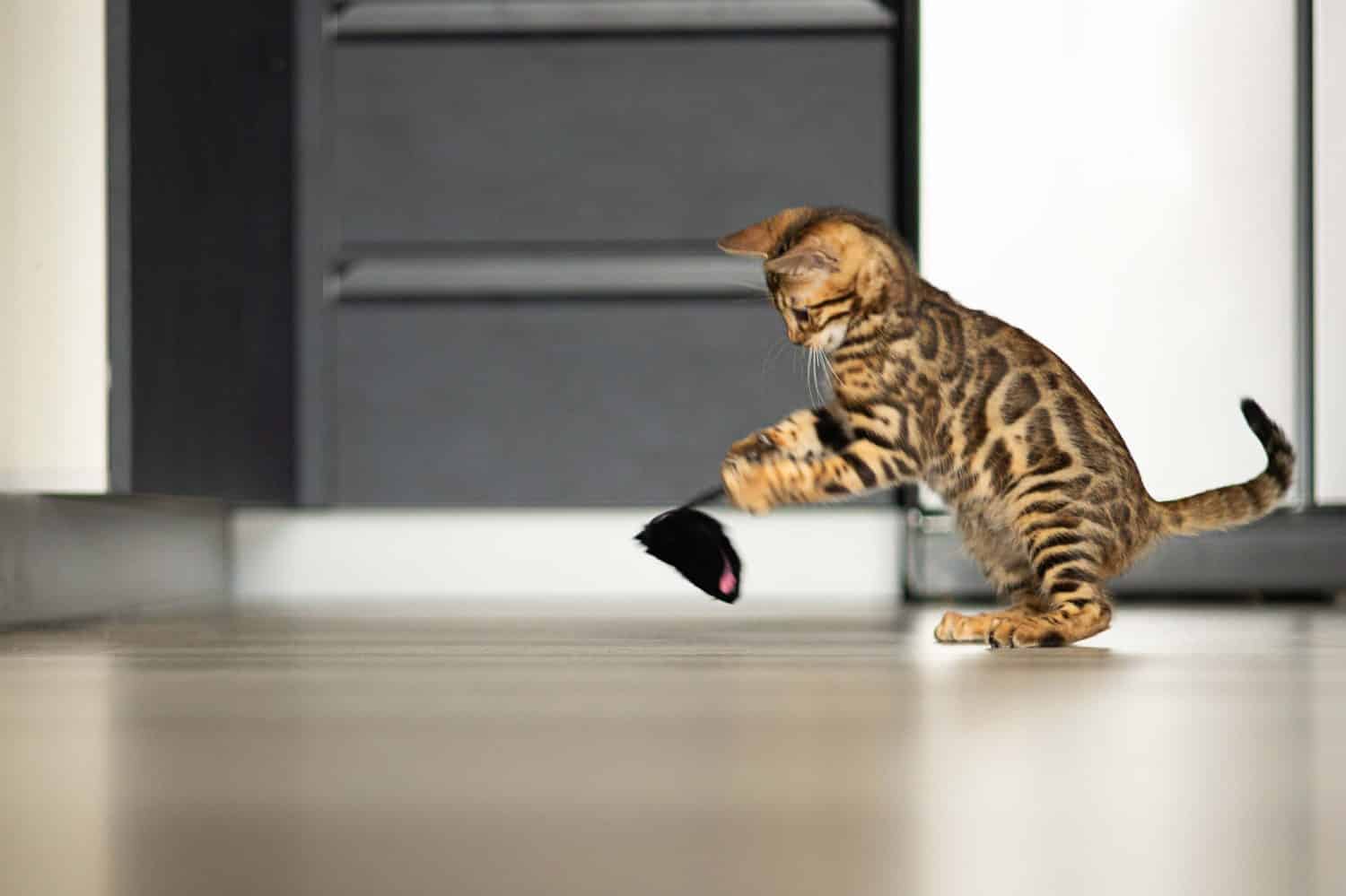
Bengals need a lot of exercise.
©KaMaLeMi/Shutterstock.com
Your typical house cat benefits from two to three play sessions of 10–15 minutes each per day. Bengals need much more than this. Many people purchase cat wheels for their Bengals to use for exercise.
Some even take them out on walks or hikes. Free-roaming outdoors is dangerous for cats and shortens their lifespan. However, harness training your Bengal cat is simple and effective, even if they might never sit at your side like a dog. They’ll also need all of your typical cat things, such as tall, sturdy scratching posts, cat trees, and wand toys. Bengals enjoy vertical space and must have things to climb, just like any other cat.
#2: They Have a High Prey Drive
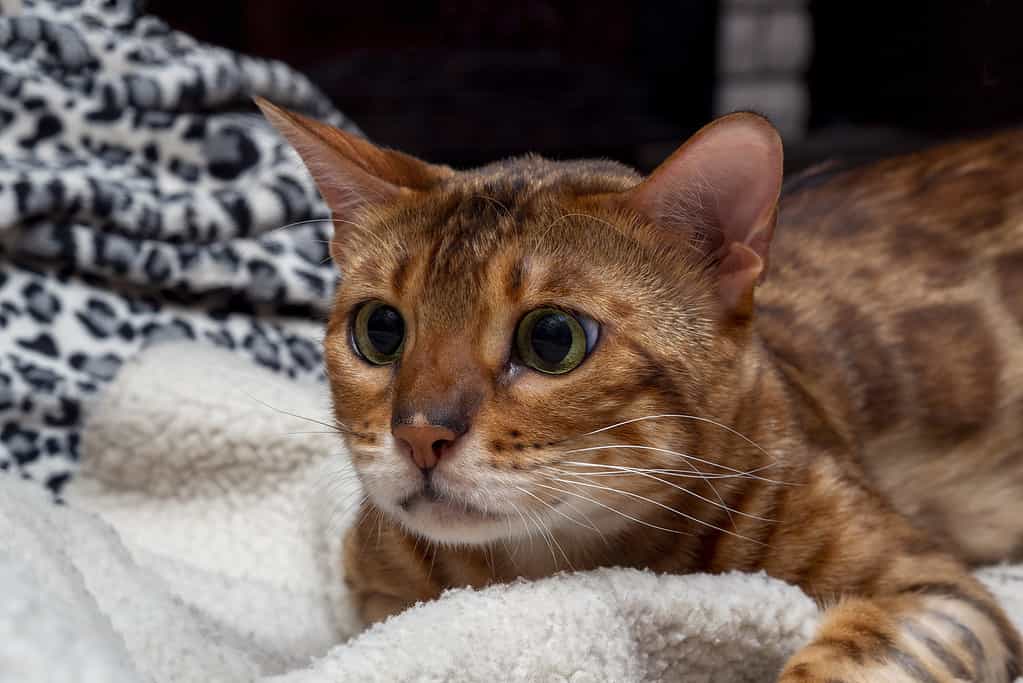
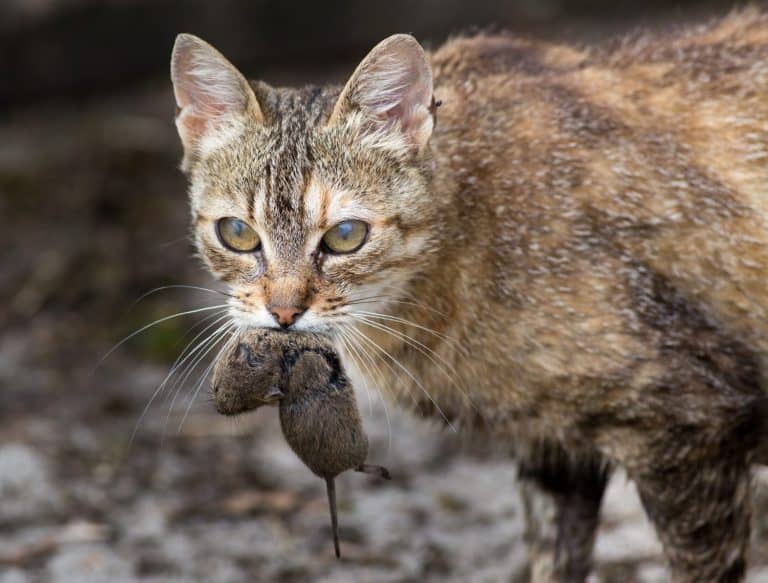
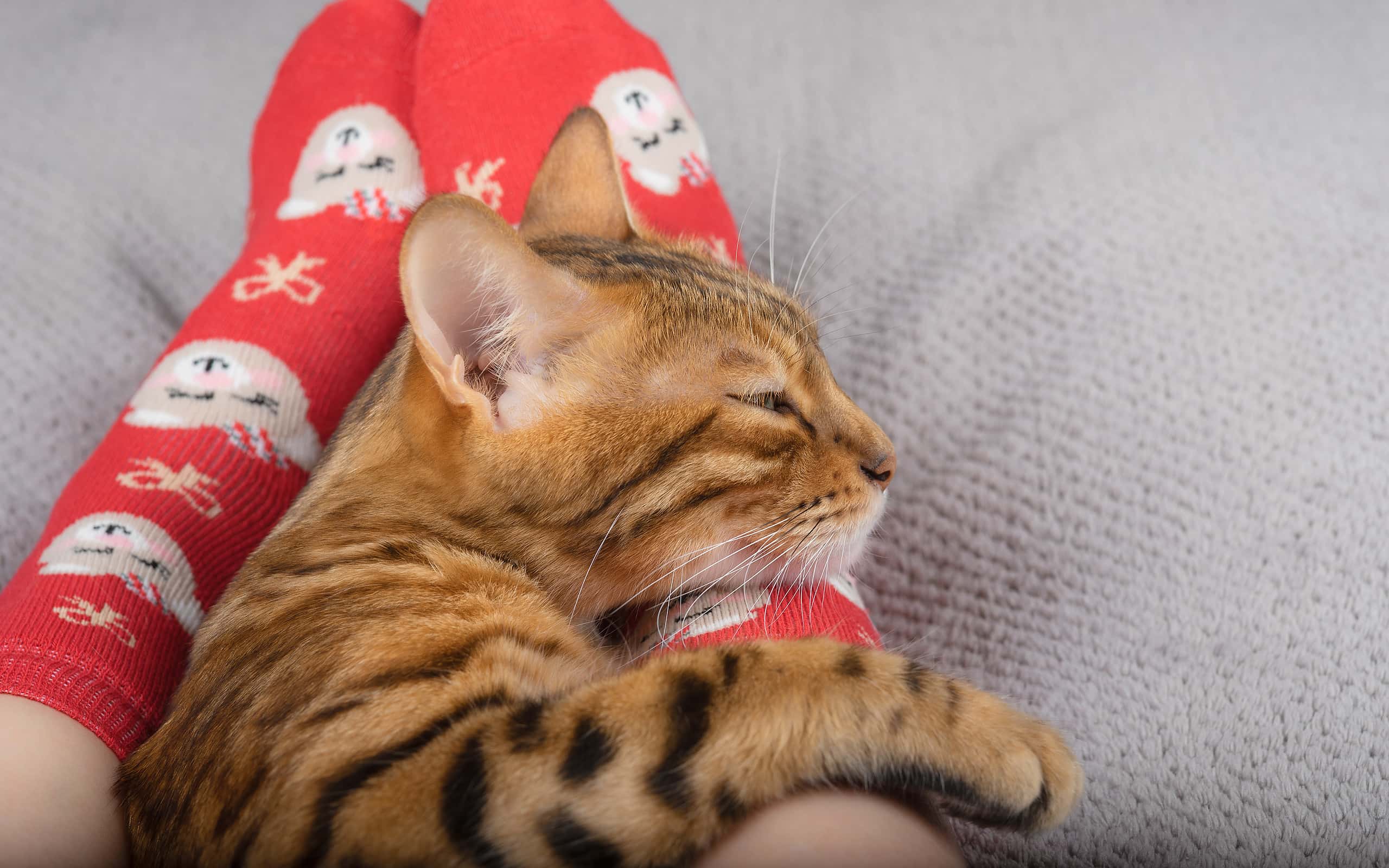
Bengals have a high prey drive and will hunt anything that moves.
©Azovsky/ via Getty Images
Due to their wild cat ancestry, Bengals generally have a high prey drive. These cats will chase anything that moves, including local wildlife and even your feet under a blanket. However, they typically have sweet temperaments and get along with other pets when introduced properly. Ensure you give your Bengal a healthy outlet for their hunting and chasing instincts using wand toys, springs, automatic prey simulators, and crinkly toys they can carry in their mouths.
#3: They Can Be More Destructive
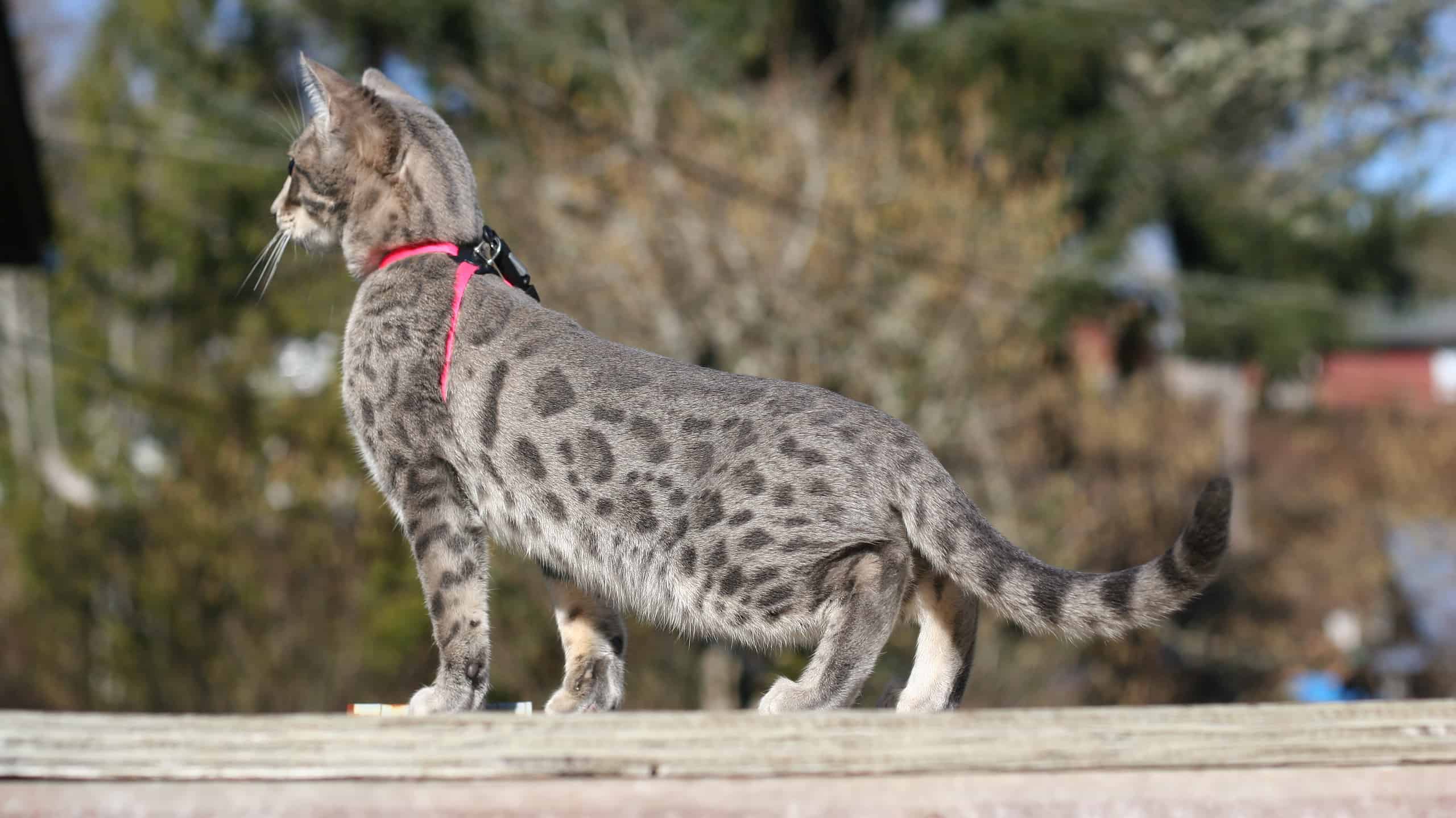
Bengals can be destructive if they don’t get enough exercise or mental enrichment. While this is true of all cats, it’s especially true for this smart, energetic, and mischievous breed. You can curb these behaviors by playing with them daily, and providing plenty of perches and spaces to climb and run.
Mental stimulation in the form of daily training, walks on a harness, or time in a catio (cat patio) can keep them occupied so they aren’t bouncing off the walls as much. They’ll also need to be trained like any other cat to scratch appropriately and to stay off of counters.
#4: Bengals Are Prone to Separation Anxiety
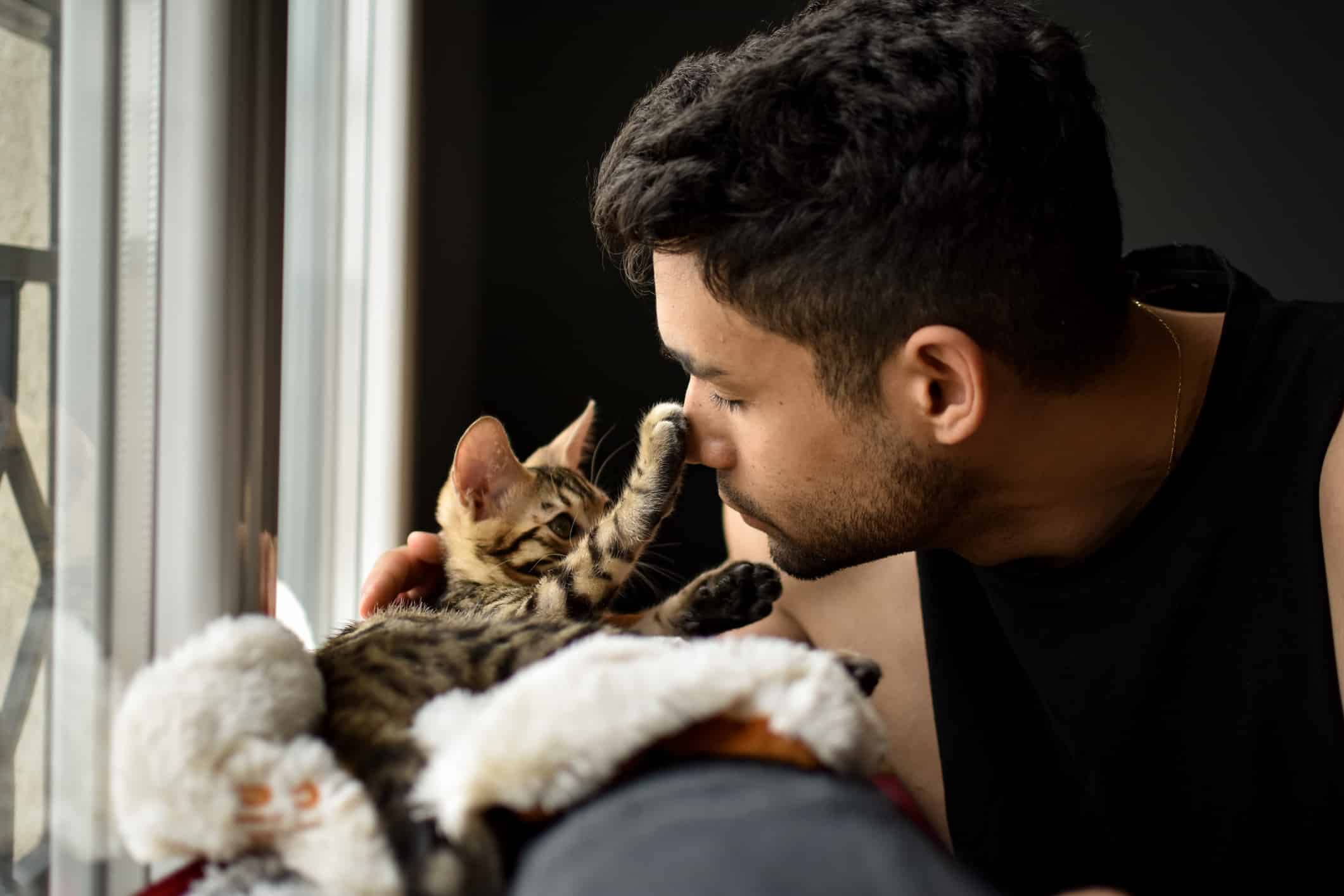
Your Bengal may become anxious if left alone.
©Raphael Angeli/iStock via Getty Images
Bengals are very affectionate and develop strong bonds with their people. They love to be part of the family’s activities. While no cat should be left alone all day, Bengals tend to tolerate it less. These cats may develop separation anxiety, isolation anxiety, or depression, which can lead to destructive behavior and inappropriate elimination.
#5: They’re Highly Intelligent
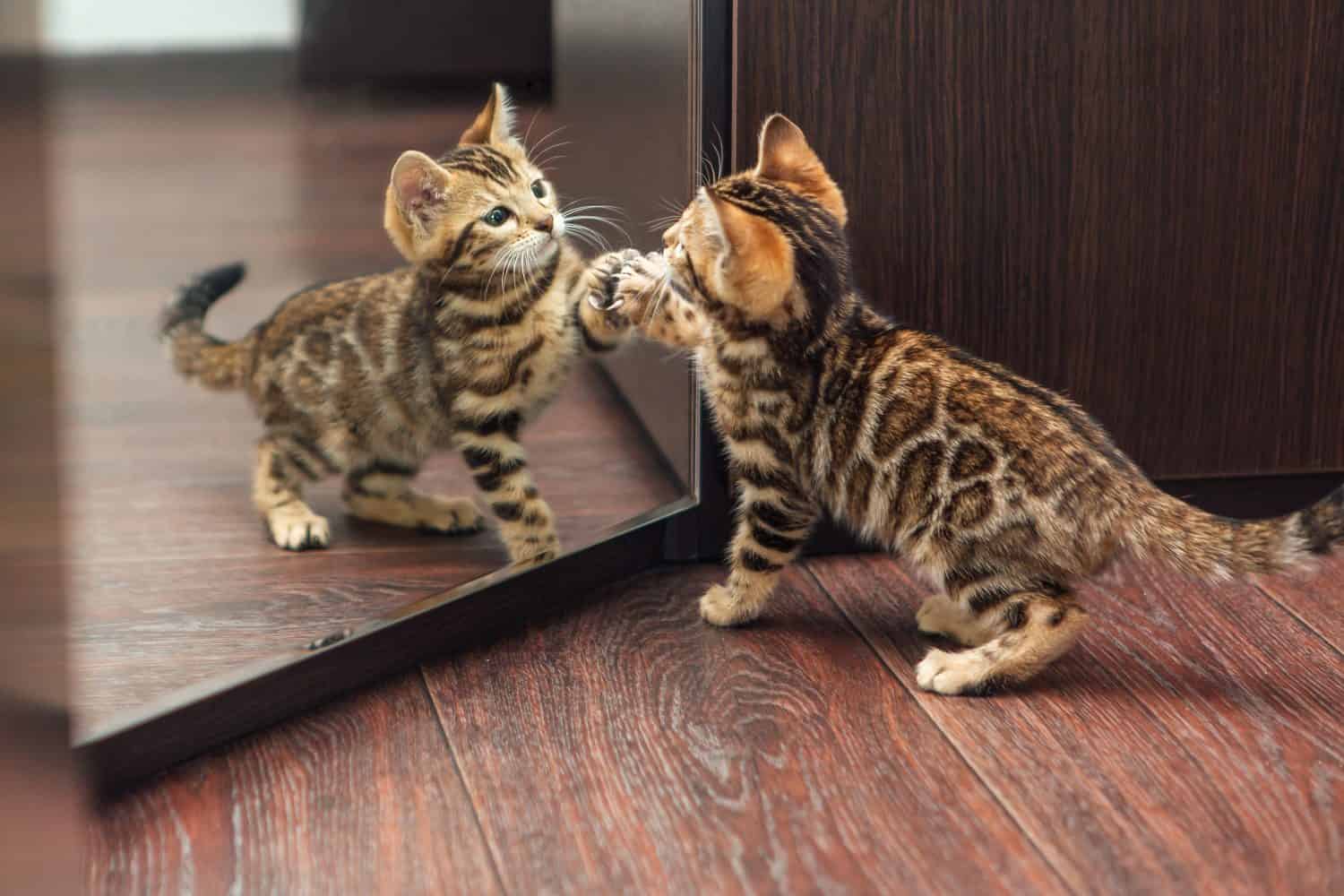
Bengals tend to be smarter than your average cat.
©Smile19/Shutterstock.com
Cats are smart, but most won’t learn how to open doors or turn on the kitchen faucet for a drink. Bengals can do these things and seem to watch their people in order to learn from them. However, they can get into more mischief and also have higher mental enrichment needs as a result.
#6: They’re Very Vocal
Talking with your Bengal can make them feel more connected to you.
©Svetlana Sultanaeva/iStock via Getty Images
If you don’t want a chatty cat, you should think twice about this breed. Bengals tend to be incredibly vocal, although every cat is an individual. They won’t only vocalize when they need something, but instead, always seem to have something to say. It’s also common for Bengals to meow, especially at night, because they’re bored and not expending enough energy during the day.
#7: Bengals Are Prone to Specific Health Problems
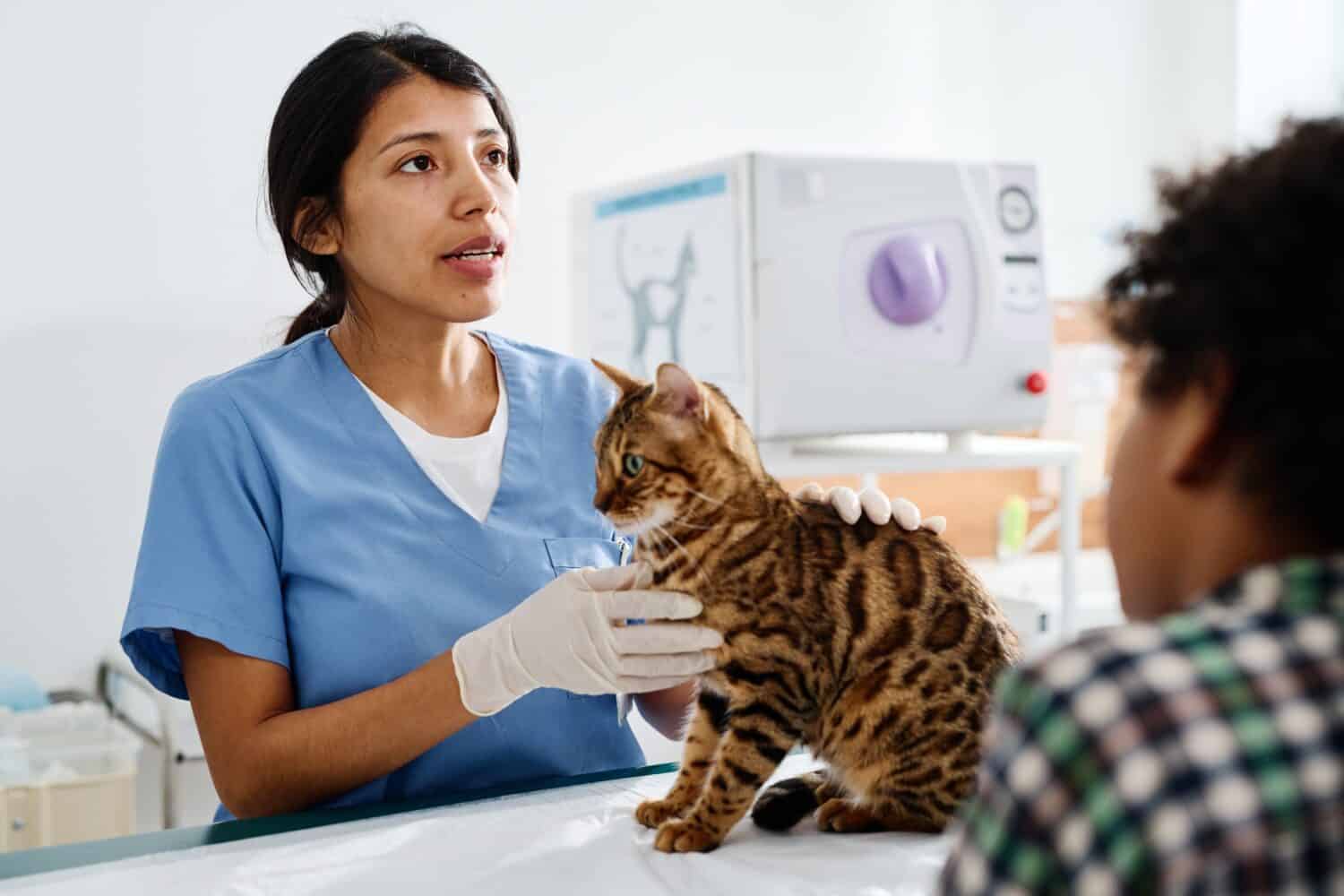
Bengals are prone to certain genetic issues, but reputable breeders screen for these problems.
©Pressmaster/Shutterstock.com
Purebred Bengals are prone to specific genetic conditions due to their smaller gene pool. These can include:
- Luxating patella
- PK deficiency
- Eye conditions
- Heart disease
- Lymphoma
Reputable breeders will screen for genetic health problems and will never breed unhealthy cats. They should make health test results public for you to view and provide their veterinarian as a reference for potential adopters.
#8: They’re Banned in Some States
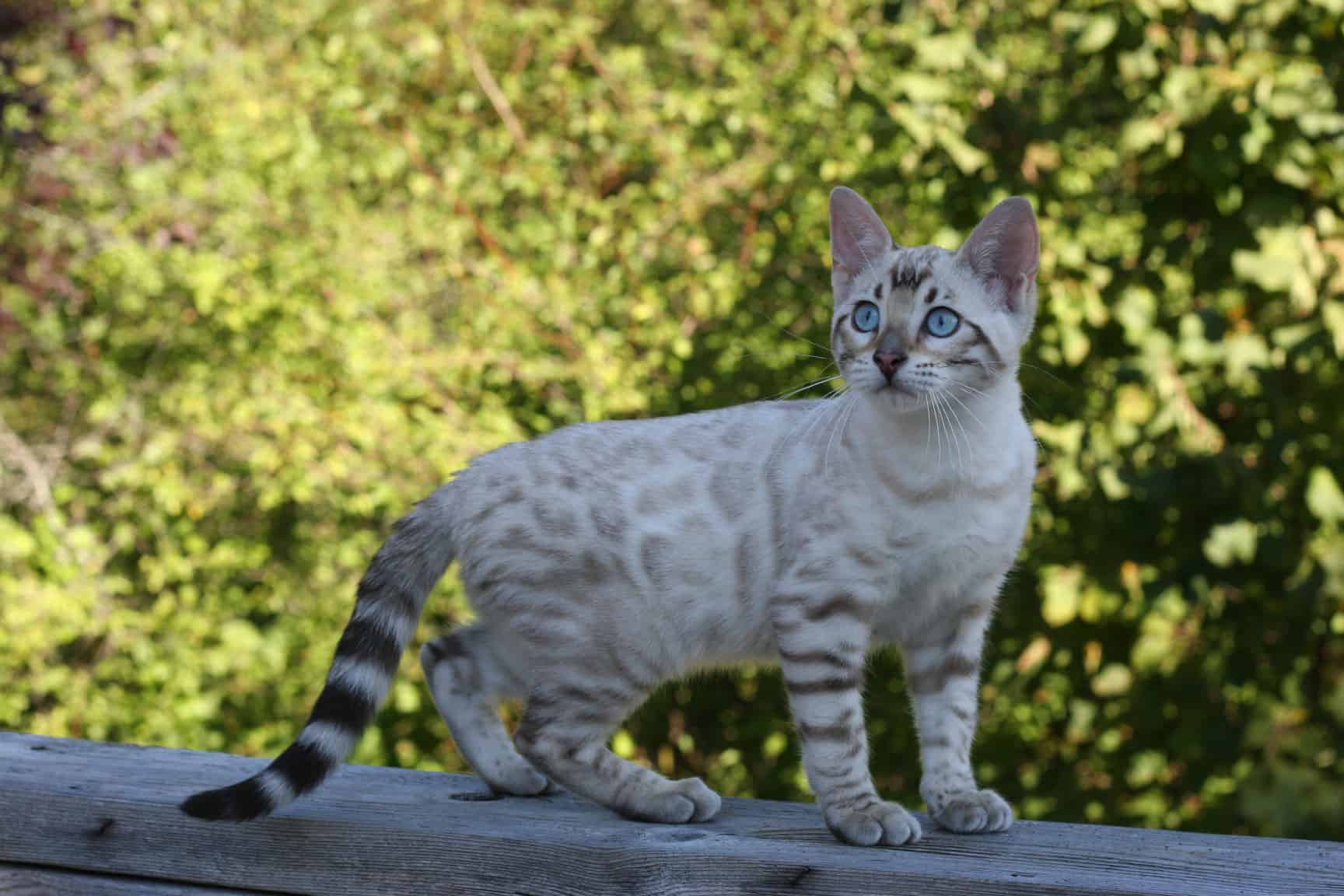
Since they’re hybrids, your state may ban or limit the sale of Bengal cats.
©A-Z-Animals.com/Rachael Monson / Nemera Bengals
Some states and municipalities ban Bengals, particularly cats who have too much wild ancestry. For instance, Bengals with one Asian leopard cat parent may be banned by your state, while those with two Bengal cat parents might not be. It often depends on the generation, with some states requiring the cats be 4-5 generations removed from their wild ancestry, which is typically considered fully domesticated. Others may require a permit. Be sure to check your state and local laws before adopting a Bengal.