

Quick Take
- Giving your cat the same amoxicillin from your medicine cabinet could be dangerous, and that remains true even if the active ingredient is identical. Why human amoxicillin differs →
- There's a specific weight threshold where the dosing math stops scaling. Crossing that threshold changes everything about how vets prescribe this drug. See the dosage limits →
- One common symptom of an amoxicillin allergic reaction in cats mimics normal side effects, and missing the difference could be life-threatening. Spot the warning signs →
- Stopping the medication the moment your cat feels better is one of the worst things you can do, and finishing the course matters more than you might think. Finishing the full course →
If your cat is suffering from a bacterial infection, your vet might prescribe amoxicillin as a treatment. You may have some questions about amoxicillin and how this medication may affect your cat’s health. In this guide, we’ll discuss the amoxicillin dosage chart for domestic cats, along with side effects, possible risks, and additional information cat owners should know about this prescription antibiotic.
What Is Amoxicillin and How Does it Work?
Amoxicillin is a a derivative of penicillin used to manage and treat bacterial infections in both humans and animals. Amoxicillin and other beta-lactam antibiotics attach to proteins inside the bacteria called penicillin-binding proteins (PBPs). This binding stops the process of linking peptidoglycan, a material required to complete cell walls, which prevents the growth of the bacteria.
What Types of Bacteria Is Amoxicillin Effective Against?
The beta-lactam group of antibiotics is currently the most broadly used group of antibiotics worldwide. In cats, veterinarians frequently prescribe amoxicillin for infections of the skin, upper and lower respiratory tracts, gastrointestinal system, and urinary tract.
More specifically, amoxicillin is effective against the following common pathogenic bacteria genera and species that infect cats:
- Most Streptococcus species
- Some Staphylococcus species (typically in conjunction with clavulanic acid)
- Escherichia coli
- Actinomyces
- Clostridium
- Some Salmonella strains
- Corynebacteria
- Pasteurella multocida
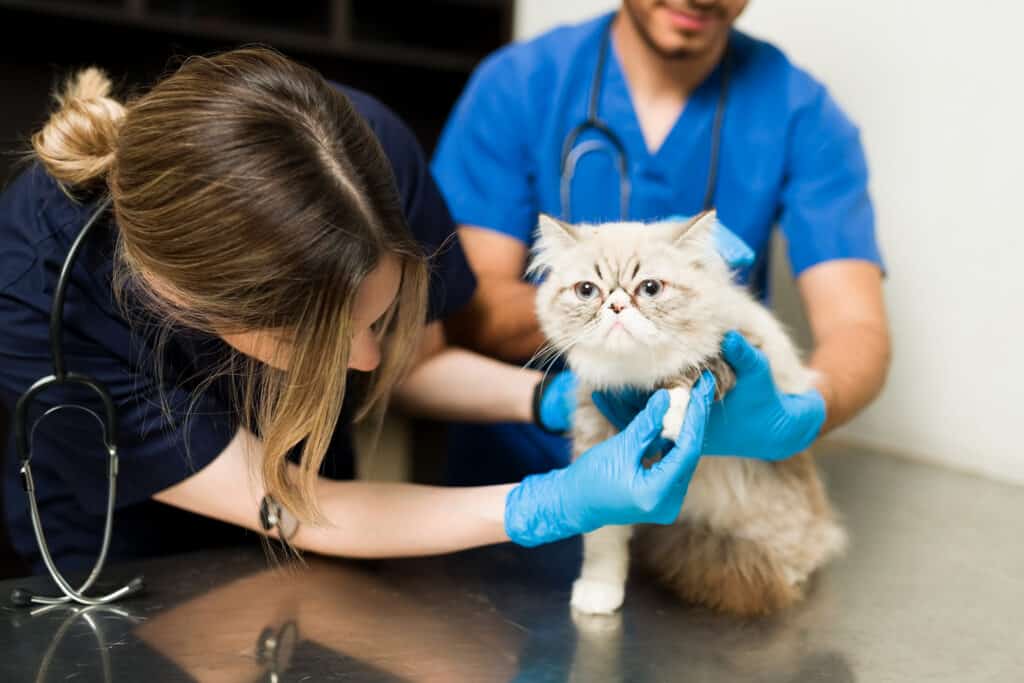
Your vet may prescribe amoxicillin for a range of bacterial infections.
©Beach Creatives/Shutterstock.com
Dosage Chart
After your vet has determined that your cat has a bacterial infection that amoxicillin is effective against, they will prescribe the appropriate dose based on your cat’s weight. The following is an amoxicillin dosage chart for cats by weight that may reflect the dose prescribed by your veterinarian. Please only give the exact amount of amoxicillin to your cat that is prescribed by your vet.
Typically, vets will prescribe amoxicillin to cats at a dose of 5 mg/pound for cats up to 10 pounds. For cats over 10 pounds, the prescribed dose is usually limited to 50 mg per dose, as the risk of adverse effects increases with higher doses. Your vet may prescribe the medication to be given once or twice daily.
This chart is for cats over 6 months of age.
| Weight of Cat | Amoxicillin Dose |
|---|---|
| 5 pounds | 25 mg every 12-24 hours |
| 6 pounds | 30 mg every 12-24 hours |
| 7 pounds | 35 mg every 12-24 hours |
| 8 pounds | 40 mg every 12-24 hours |
| 9 pounds | 45 mg every 12-24 hours |
| 10 pounds | 50 mg every 12-24 hours |
| 15 pounds and over | 50 mg every 12-24 hours |
Risks and Side Effects
Generally, both doctors and veterinarians consider amoxicillin to be a reasonably safe and widely effective antibiotic. However, there are some risks and side effects that you should know about if your vet has prescribed this medication for your cat.
Most Common Side Effects
If your cat does experience side effects from taking amoxicillin, it’s likely that these effects will be on the mild side. The most common side effects involve the GI system and include a lack of appetite, vomiting, and diarrhea.
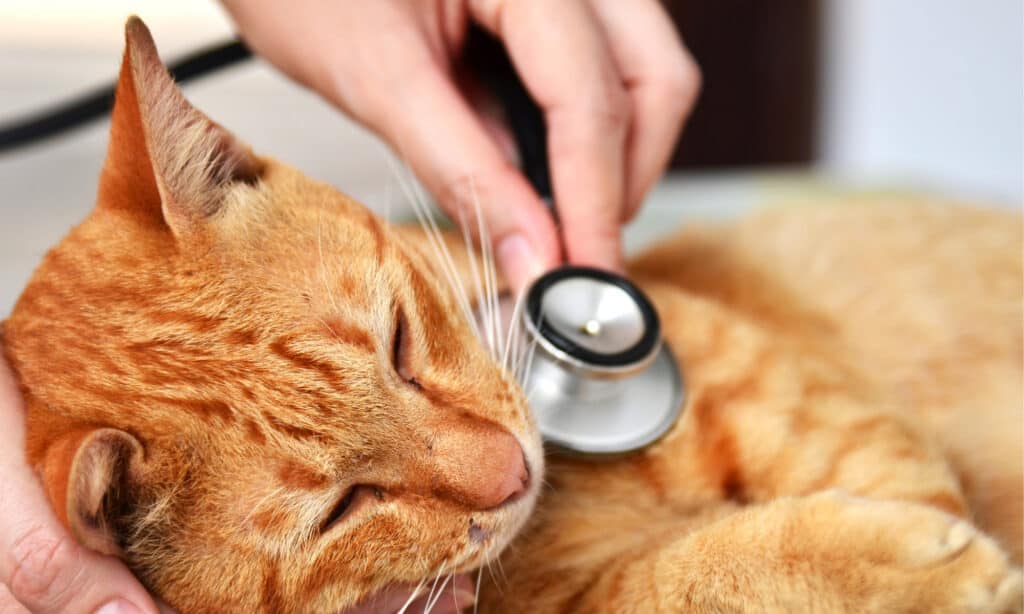
If your cat displays signs of an allergic reaction to amoxicillin, take them to the vet immediately.
©iStock.com/Jeng_Niamwhan
Allergic Reaction
Although a serious allergic reaction to amoxicillin in cats is rare, it’s always best to pay close attention to your feline companion’s behavior after administering the medication. This is especially true for the first few doses.
Signs of an allergic reaction to amoxicillin include fever, skin rashes, inflammation, respiratory distress, vomiting, facial swelling, increased heart rate, unsteadiness, disorientation, and diarrhea. Your cat will also likely appear anxious and in distress. If your cat displays signs of an allergic reaction to amoxicillin, take them to the vet immediately.
Damage from High Doses
Serious risks associated with amoxicillin in cats typically occur only at extremely high doses. At these high doses, your cat may suffer from kidney or liver damage, formation of crystals in the urine, and even kidney or liver failure. However, these risks are more likely to occur from overdosing rather than from taking the prescribed dosage. Always make sure medications are kept out of reach of your pets.
Administering Amoxicillin
Amoxicillin for cats is usually available in tablet, capsule, and liquid suspension forms. You can give the medication with or without food. Some caregivers have success with hiding the capsule or tablet in a tasty treat. You can also mix the liquid amoxicillin in with a small amount of wet food.
So, if your cat experiences GI upset after giving them amoxicillin without food, try administering it with food for future doses. You will often see improvement in your cat’s health within three days, but be sure to administer the medication for the entire duration prescribed by your vet. Call your vet if your cat does not improve or if their condition worsens.

You can mix liquid amoxicillin into a small handful of wet food.
©iStock.com/Lightspruch
Can I Give My Cat Human Amoxicillin?
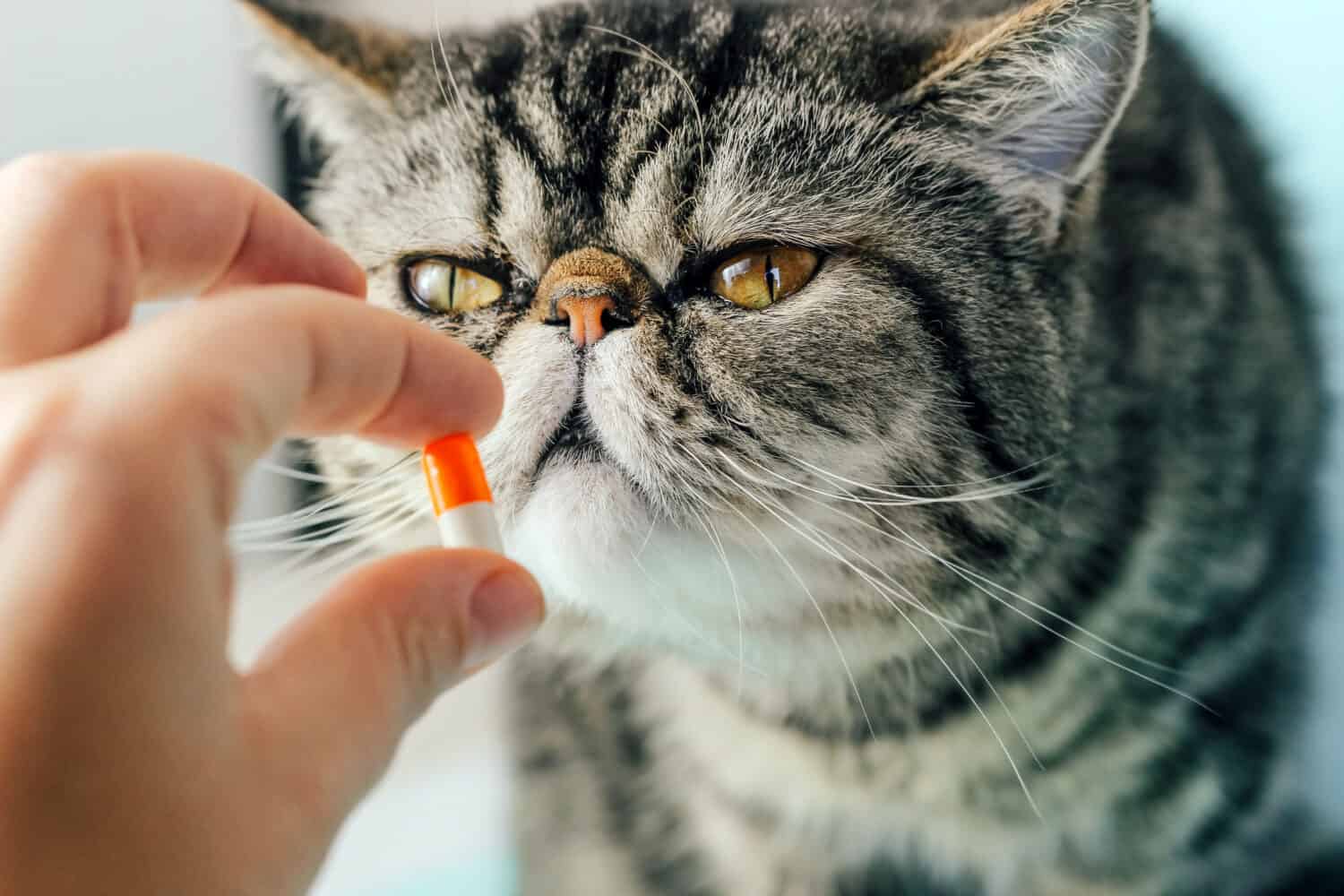
Amoxicillin is a prescription antibiotic medication that is available in both human and veterinary-specific formulations. Human amoxicillin is not appropriate for cats, even if it contains the same active ingredient. Pet dosages are based on each animal’s weight, so giving your cat human amoxicillin could result in an overdose or other adverse reactions. Additionally, amoxicillin for humans can contain additives such as artificial sweeteners that are toxic to animals.
In fact, many seemingly harmless over-the-counter medications are deadly to cats. Simple things like Tylenol (acetaminophen), ibuprofen, and aspirin are all toxic to cats. For this reason, you should never give your cat any over-the-counter or prescription medicine designed for humans. If you believe your cat is sick or experiencing pain, take them to the vet for treatment.
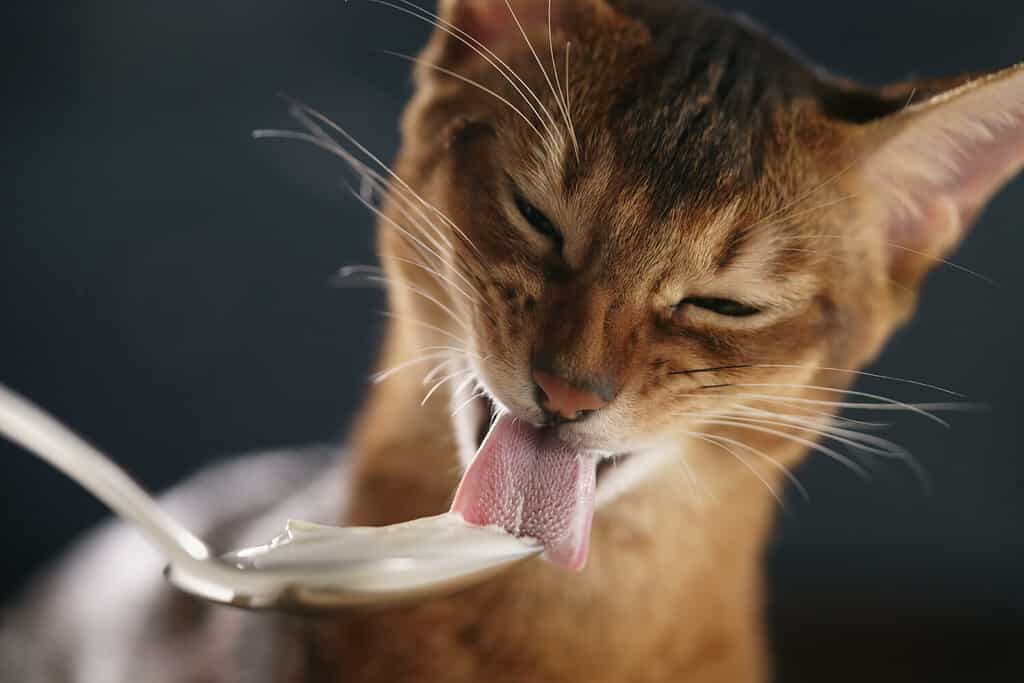
Only administer medicine designed specifically for cats. Never give them any medicine made for humans.
©GCapture/Shutterstock.com