
Quick Take
- The location of your cat's abscess can reveal exactly who started the fight, and this detail also changes how vets approach treatment. See abscess location details →
- Skipping clindamycin before a dental cleaning is not simply a risky choice. It could be life-threatening for your cat. See dental surgery risks →
- Clindamycin is deadly to some animals but safe for cats, and the distinction is far from obvious. Getting it wrong is fatal. See species safety warnings →
- There's one simple addition to your cat's routine that studies show dramatically cuts clindamycin side effects, yet most owners never hear about it.
Clindamycin is an antibiotic commonly given to humans for bacterial infections and skin conditions. However, did you know this bitter-tasting antibiotic medication is also used by veterinarians to treat infections in both cats and dogs? Common uses include wounds, abscesses, skin infections, and dental disease, but its use in treating some diseases like toxoplasmosis is “off label.” Can and should your cat take this medication? Read on to learn more about clindamycin for cats.
The FDA and Clindamycin
In addition to its FDA approved use for soft tissue infections and dental infections in cats, veterinarians may use clindamycin off-label to treat other diseases. Off-label means using a medication in patients or diseases for which the FDA (Food and Drug Administration) has not approved. Some veterinarians also use clindamycin off-label for birds, ferrets, and reptiles, but it should never be used in horses, cows, sheep, goats, and other small mammals. That’s because it can cause fatal diarrhea in these species.
Just a quick reminder: giving medication of any kind to your pet requires a veterinarian’s advice and direction. This article does not replace veterinary advice. Failure to consult a veterinarian before giving medication to your cat could result in major side effects up to and including death. Learn more about the uses, side effects, risks, and dosage for clindamycin for cats.
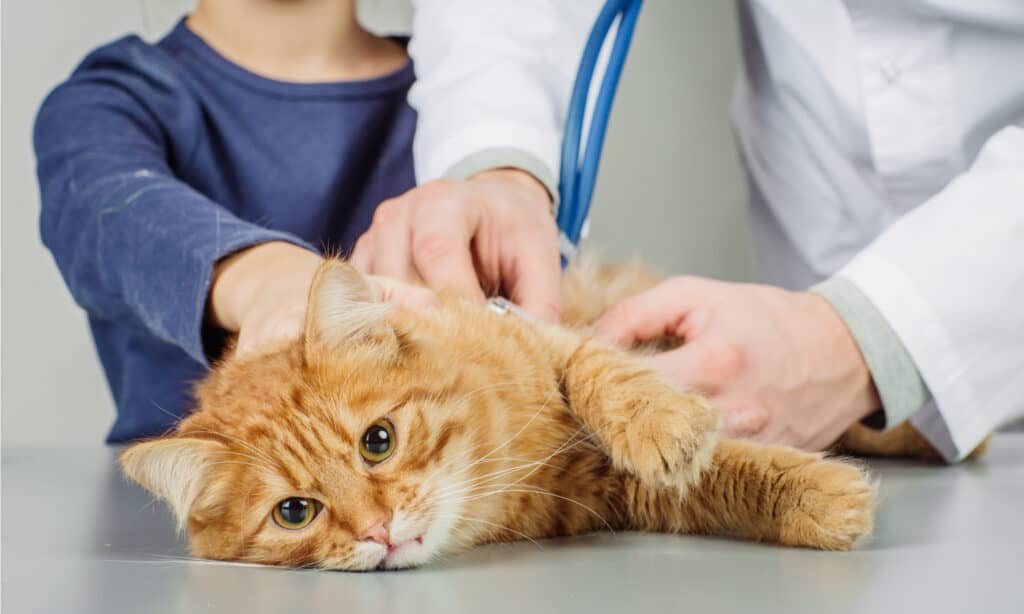
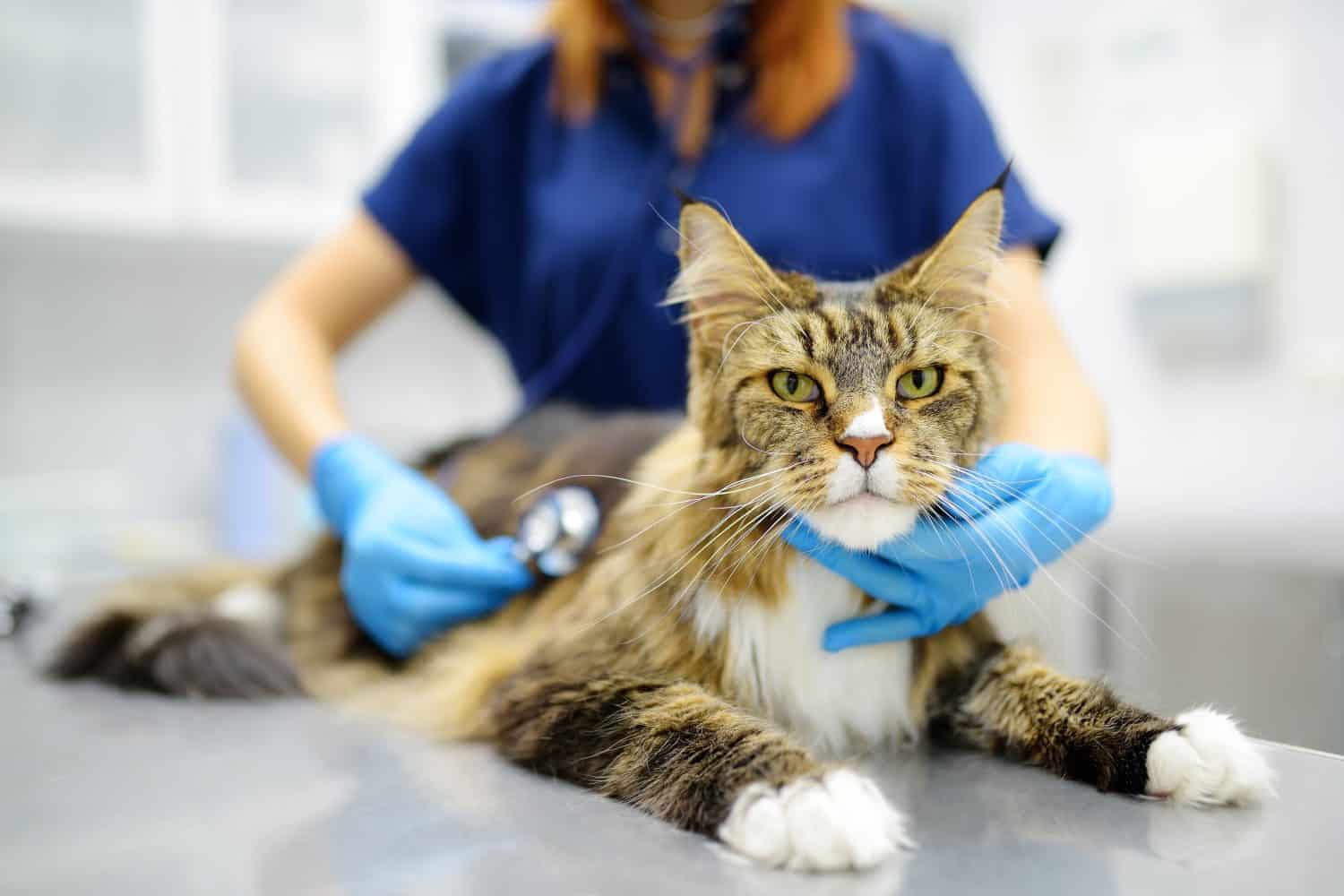
Only a veterinarian has the knowledge to determine whether your cat needs clindamycin.
©PRESSLAB/Shutterstock.com
What Is Clindamycin Used for in Cats?
Clindamycin treats a variety of conditions in cats. This medication is considered relatively safe for cats of all ages. However, young kittens may experience more side effects. Learn about the most common applications of this antibiotic below.

More than half of all cats over the age of 3 years have some form of dental disease.
©mojahata/Shutterstock.com
Dental Disease
Studies have shown that between 50% and 90% of cats over the age of four years of age suffer from some type of dental diseases. Really, it is one of the most common illnesses among cats worldwide. Properly called periodontal disease, this condition encompasses gingivitis (inflammation of the gums), tartar buildup, and tooth root resorption, all of which can lead to more serious problems. Feline dental disease results in the loss of teeth if not treated.
Usually, a dental cleaning can help restore cat teeth and relieve gingivitis. However, sometimes infection builds around the root of a tooth leading to an abscess. Cats with active abscesses cannot undergo dental surgery as the risk of sepsis (an infection that moves into the bloodstream) is extremely high in such cases. Cats with this condition often must take clindamycin for 14 days prior to their dental cleaning.
Signs your cat has periodontal disease include bad breath, inflammation around the gums, discolored teeth, and drooling. Your cat may also refuse to eat hard food if their teeth are causing them pain.
Abscess
Cats, especially those that venture outdoors, are extremely prone to developing abscesses. That’s because they tend to get in fights with other cats, dogs, or wild creatures (like raccoons and opossums). An abscess is a pus-filled pocket that forms around a wound or injury.
The nature of cats predisposes them to develop abscesses. Their bodies readily lock away bacteria and infection in pockets that fill with pus. Cats are designed to show as little pain as possible since they are both predators and prey. Oftentimes, it is hard to tell when a cat is sick until it becomes very lethargic. That leads to large, deep abscesses going untreated for long periods of time.

Abscesses in cats usually occur as the result of a bite wound from another cat.
©Elen11/iStock via Getty Images
Sometimes, abscesses rupture on their own. Other times, they need to be lanced (the medical term for cutting open an abscess). Regardless of the method that opens the abscess, the resulting wound needs to be flushed with an antiseptic solution, and the cat should take antibiotics. Clindamycin is commonly prescribed for the treatment of abscesses in cats.
Interestingly, the placement of an abscess in a cat indicates what type of fight occurred. An abscess on the face, foreleg, or chest suggests the cat likely initiated the fight. An abscess forming on the rear leg, tail, or flank suggests the cat fled from the fight. The best way to prevent abscesses in your cat is to keep them inside.
Side Effects of Clindamycin in Cats
While side effects of clindamycin are uncommon in cats, it’s important to be aware of them. Remember, if you think your cat is having a side effect from any medication, the best thing to do is call your veterinarian right away! Some side effects can be serious or even life-threatening.

Drooling can be a sign of nausea or tasting something bad.
©Schearbl/iStock via Getty Images
Possible side effects include:
- Vomiting
- Nausea
- Drooling/foaming at the mouth due to the bitter taste and/or nausea
- Diarrhea with or without blood
- Stomach ulcers
- Refusal to eat (cats can suffer from hepatic lipidosis, or fatty liver syndrome, after as little as 2–7 days without food)
- Lethargy/lack of energy
- Injury of the esophagus (the tube in the throat that passes food, water, etc. into the stomach)
- Liver irritation
- Kidney damage
- Gallbladder disease
When Should Cats Not Take Clindamycin?
Dr. Shelly Wyatt, a licensed Doctor of Veterinary Medicine at Northwood Hills Animal Hospital, told A-Z Animals, “Clindamycin should be used with caution in pregnant or nursing cats and those with known kidney or liver disease. Because the drug is processed through the kidney and liver, additional damage could occur. Young kittens are more susceptible to diarrhea related to clindamycin than older cats, as well.” Diarrhea can be especially harmful for kittens because it causes dehydration.
One study showed that cats who were given a combination of probiotics and prebiotics (synbiotics) had fewer reactions to the medication than those who did not take them.

Mothers nursing kittens should not take clindamycin as it can cause diarrhea in the kittens.
©A-Z-Animals.com/Rachael Monson / Nemera Bengals
Conditions That Prevent Your Cat From Taking Clindamycin
A few conditions require extra caution when treating cats with clindamycin. They include:
- Pregnancy
- Nursing
- Liver Disease
- Kidney Disease
Medications Your Cat Cannot Take With Clindamycin
Some medications may increase the risk of side effects when given along with clindamycin in cats and vice versa. As always, tell your veterinarian any and all medications, supplements, vitamins, and herbal remedies your cat is taking. This way, they can determine if clindamycin is safe for your cat. No specific information was found regarding medications that should never be taken with clindamycin.
Dosage Chart for Clindamycin in Cats
Always follow your veterinarian’s instructions exactly and finish the prescribed course unless otherwise instructed, even if your cat appears to be feeling 100% better. The course prescribed for clindamycin is generally 14 days.
This chart is for informational purposes only. Do not give clindamycin to your cat without consulting a veterinarian. The typical dose range for clindamycin in cats is 5.0 to 15.0 mg per pound of body weight, depending on the condition being treated and the severity. Dosing is sometimes every 12 hours but is typically every 24 hours. You should always give this medication with a full meal as it can cause stomach upset and nausea.
| Clindamycin Hydrochloride Oral Drops | Dosage |
|---|---|
| To provide 5.0 mg/lb | Administer 1 mL/5 lbs body weight |
| To provide 15.0 mg/lb | Administer 3 mL/5 lbs body weight |