
Quick Take
- Your bird feeder might be doing more harm than the harsh weather you're trying to protect birds from. See how feeders spread disease →
- H5N1 has already reached a species that experts say one single outbreak could erase entirely, and backyard habits may be accelerating that clock. See which species are at risk →
- The virus doesn't stop at birds, and the animals most likely to be next are probably already visiting your yard. Explore threats beyond birds →
- Experts have a specific hygiene workaround for people who refuse to stop feeding, though they say skipping it makes the feeder worse than useless. Get the hygiene workaround →
For many, the simple act of scattering seeds or offering scraps to birds is a cherished way to support wildlife and bring nature closer to home. The sight of parrots, finches, or even the bold magpie making a stop at your backyard feeder feels like a win for birds, especially during harsh weather or food shortages. But as bird flu sweeps through wild populations, experts are now urging people to reconsider this well-intentioned habit.
Continue reading
A Deadly Virus Changes the Rules
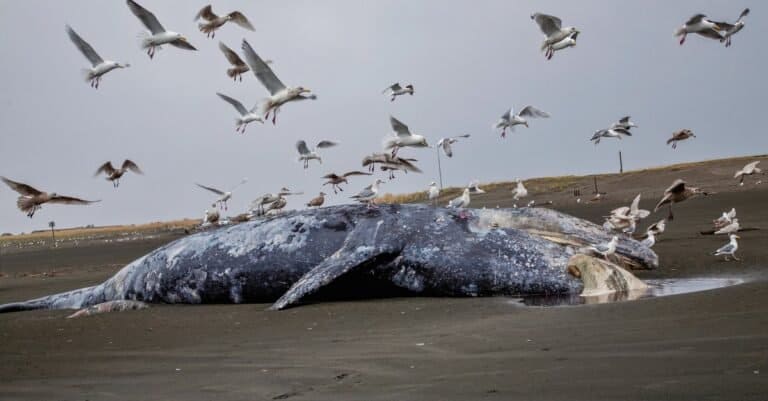
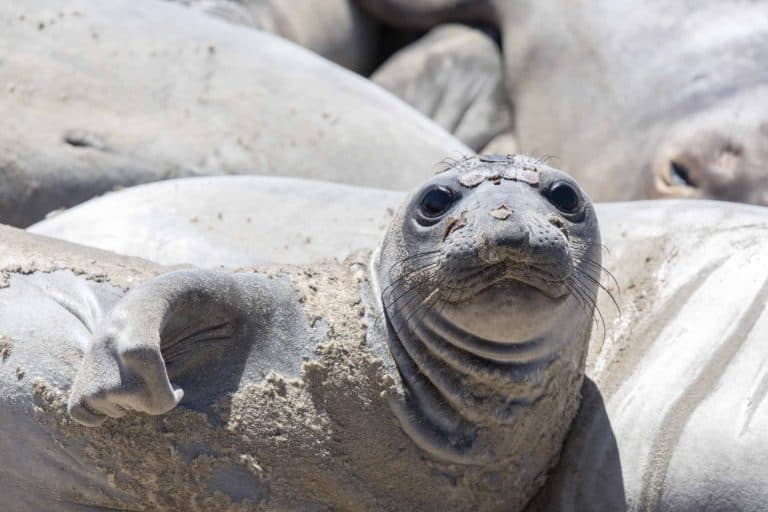
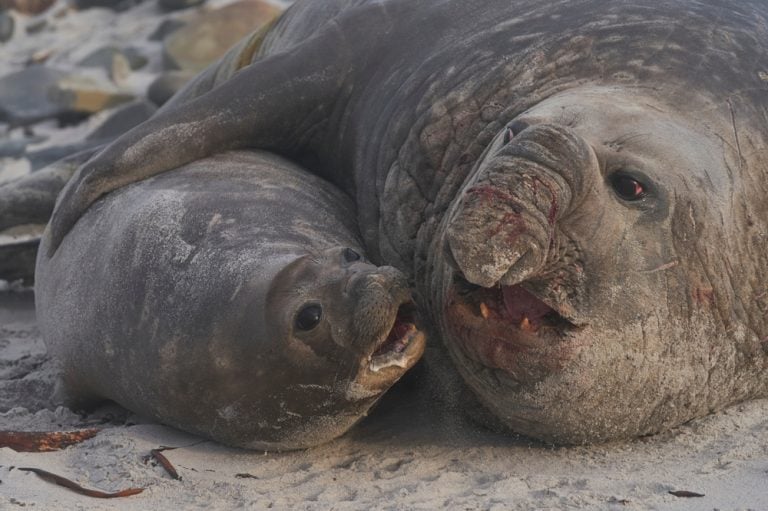
The H5N1 virus, a highly lethal strain of avian influenza, has already cut a swath through bird and some mammal populations around the globe. In recent months, Australia has seen its impact up close. More than 1,000 crested terns have died, along with a long-nosed fur seal, marking a troubling first detection in an Australian mainland mammal.
©OlegD/Shutterstock.com
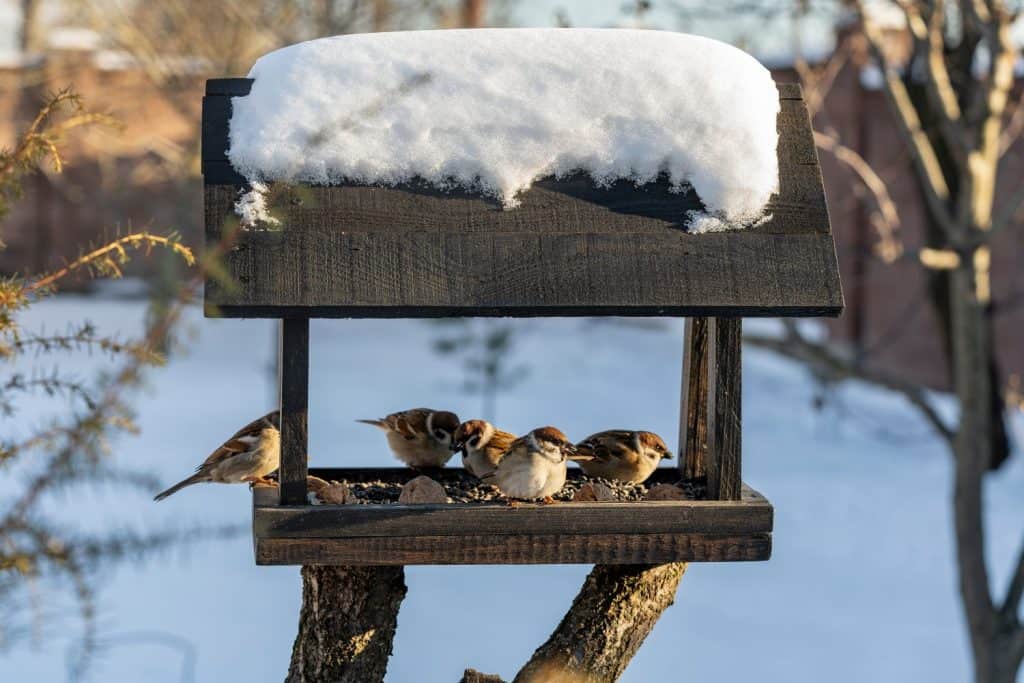
What seems like harmless backyard feeding could be creating “superspreader” events for the virus. When people offer extra food, it draws birds, often from different species, together in larger numbers than would naturally occur. This increases the chance for diseases like H5N1 to jump from bird to bird, and even to other animals that may scavenge the leftovers or the remains of infected birds.
Risks Reach Beyond Birds
It’s not just avian life at risk. Scavengers such as crows, foxes, and possums are exposed when feeding on infected carcasses. Although the jump to humans is rare, wildlife carers and veterinarians with close contact have reported mild cases of infection. The threat to endangered birds, including the orange-bellied parrot, is even more severe; a single outbreak could push threatened species to the brink.
Every well-stocked feeder increases the odds of birds clustering and unwittingly spreading viruses. With millions participating in backyard feeding, the cumulative effect could be many more wildlife deaths. It’s a stark reminder that actions meant to help can sometimes have devastating consequences.
How to Respond: Steps for Safer Backyards
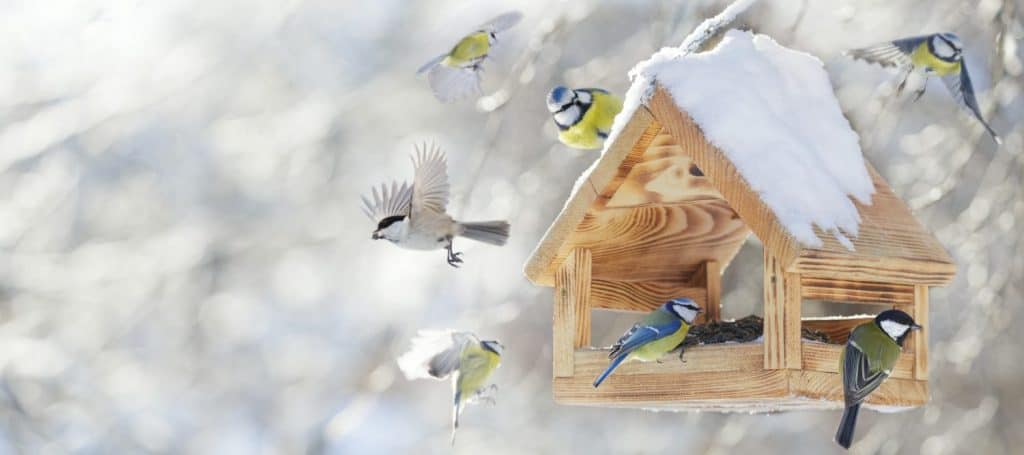
Experts advise halting all backyard bird feeding as the most effective measure. Without handouts, birds are less likely to gather in potentially risky numbers. Decades of research confirm that most birds supplement their diets with natural food sources, worms, insects, and seeds, not just what’s on offer in feeders. In short, human-provided snacks are rarely essential for their survival.
©Nitr/Shutterstock.com
If you decide to continue feeding birds, consider scaling back. Providing less food lowers the risk of crowding, mirroring the “social distancing” strategies used against COVID-19. And never hand-feed birds; the intimacy isn’t worth the danger to either party during an outbreak of avian influenza.
Hygiene becomes critical for anyone persisting with feeding. All surfaces and equipment used should be cleaned regularly with domestic bleach. If that’s not practical, experts recommend stopping the practice entirely.
Reporting and Responsibility
The health consequences don’t end at your garden gate. Anyone encountering sick or dead birds or marine mammals should avoid touching them. Instead, record the location, take photos from a safe distance, keep pets away, and report the sighting to authorities. In Australia, sightings can be reported to the Emergency Animal Disease Hotline at 1800 675 888.
Changing routines in response to emerging disease threats is never easy. Birds may linger, looking for treats that no longer appear, and longtime enthusiasts may miss those daily visits. But, as ecologists point out, these small sacrifices help shield not only neighborhood flocks but the broader ecosystem from a rapidly spreading threat.