
Quick Take
- The human liquid form of gabapentin hides a common ingredient that is secretly toxic to cats, something most pet owners have no idea about. Learn about xylitol danger →
- Gabapentin can actually make your cat clumsier, but that's not always a red flag. Knowing the difference matters. See coordination side effects →
- There's a specific group of cats for whom gabapentin is completely off the table. Could yours be one of them? Check the contraindications →
- Your vet might reach for gabapentin before a routine visit, and there's a surprisingly good reason why. See vet visit uses →
The anticonvulsant medicine class includes the medication gabapentin. It is one of the more popular drugs for those suffering from seizures. Medical professionals also provide this for nerve pain, shingles, and restless leg syndrome. It has an impact on the nerves and chemical messengers in the brain. Gabapentin may be the ideal prescription for helping your feline friend feel better if they are experiencing persistent pain, tension, or anxiety.
Throughout the years, vets and pet parents have been able to treat a number of illnesses with the safe and efficient use of this medication on cats. Today, we’re going to be looking at how this drug, mostly given to humans, can help our feline friends. We’ll discuss the types of gabapentin, the side effects that are possible, and the proper dosage.
Types of Gabapentin
Gabapentin comes in several different formulations. Some of these include:
- Neurontin: People can find relief from shingles-related pain, also known as, post-herpetic nerve pain by using Neurontin, which is the original brand name For partial onset seizures among individuals who are three years of age and older, it also serves alongside other anti-seizure medications.
- Gabapentin: Gabapentin is the generic equivalent of Neurontin. It is approved in adults for the management of post-herpetic neuralgia, and as an adjunctive treatment for partial-onset seizures in adults and pediatric patients three years of age and older.
- Gralise: Gralise is an extended-release, brand-name medication containing gabapentin. Vets and doctors only prescribe this for postherpetic nerve pain, which develops after getting shingles. One should not take this medication to treat any other medical issue.
- Horizant: An extended-release medication called Horizant (gabapentin enacarbil) is prescribed for the treatment of shingles-related discomfort and restless legs syndrome.
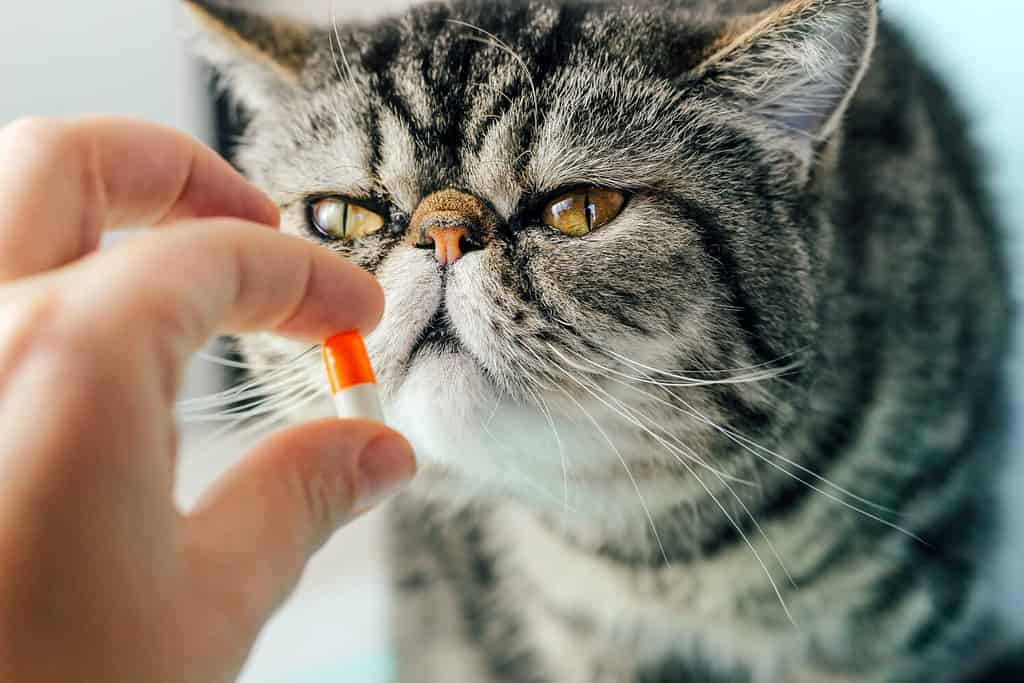
Gabapentin is available in multiple forms.
©Piskova Photo/Shutterstock.com
How Does Gabapentin Work?
Gabapentin reduces pain by calming nerve cells in the brain that impact seizures and the transmission of pain signals. Your cat experiences less pain as a result, which also lowers its stress levels. When used correctly, gabapentin is a safe drug for felines with few negative side effects that usually pass after some time.
When Does a Cat Need Gabapentin?
Gabapentin is a very safe and effective drug for cats that suffer from chronic or neuropathic pain, as well as anxiety-related conditions. Spinal conditions in cats can cause nerve pain. Intervertebral disc disease and feline hyperesthesia syndrome both have a neurological foundation. Cats may feel more at ease as a result of gabapentin’s ability to help them feel less anxious. This is particularly pertinent when fear is the mediator of their anxious behaviors.
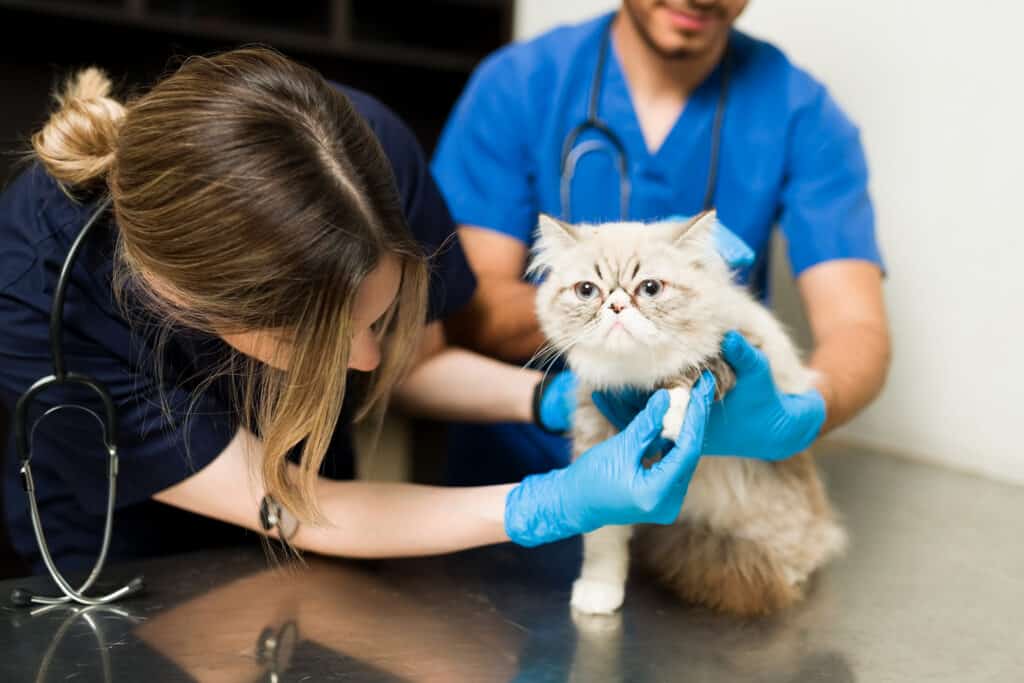
Gabapentin is a drug that many vets swear by for pain or anxiety.
©Beach Creatives/Shutterstock.com
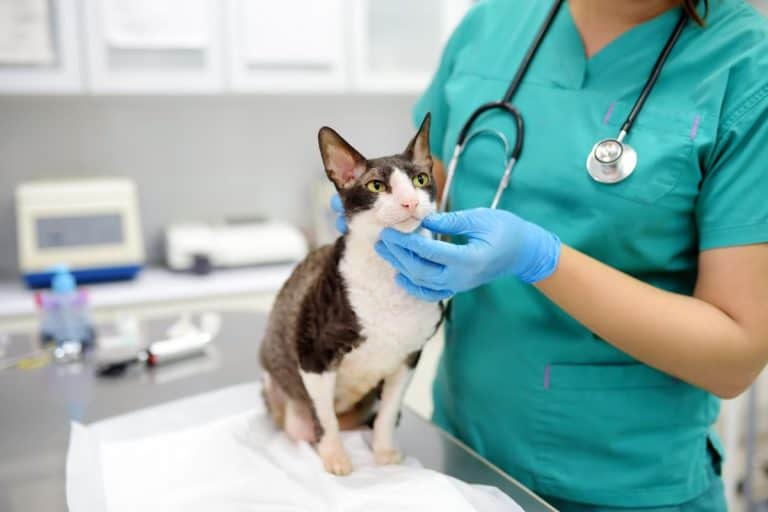
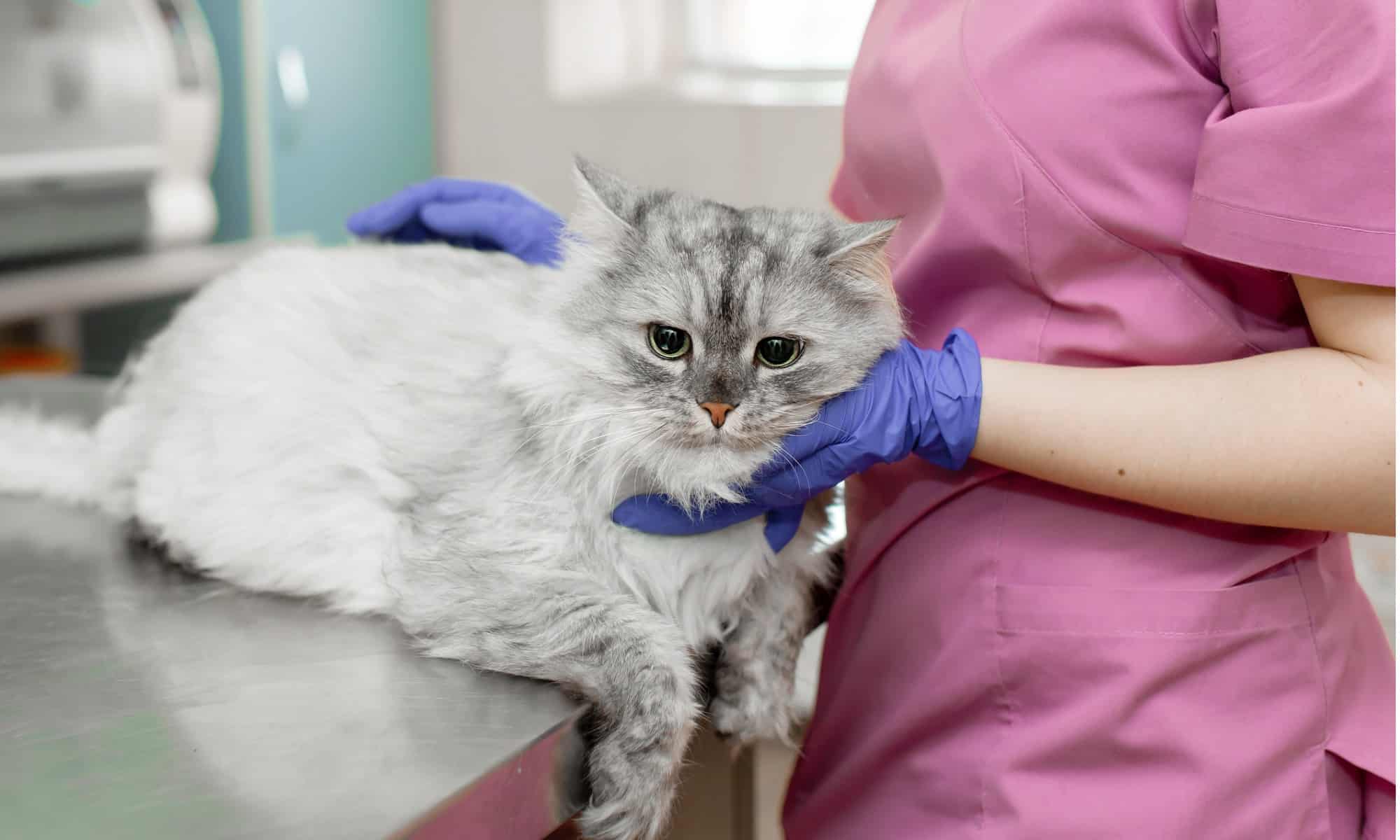
For example, just about every human feels fear around flying. It’s safe to say that your cat does too. If you have a trip coming up where your cat is tagging along, asking your vet about gabapentin to ease any fears the cat may have can be useful. Giving gabapentin to cats before frightening events, including veterinarian visits, car rides, or moving to a new home, can be very helpful because it reduces the cats’ perception of fear.
Side Effects of Gabapentin on Cats
Like with anything, it’s essential to know the possible side effects that come with taking a prescription. Because the side effects are dosage-dependent, using a higher dose will increase their likelihood and severity.
This is one of the medications cats tolerate well. Because of this, side effects are relatively uncommon. Owners of should be aware of a few negative effects before getting a prescription, though. The following are some of the side effects you may see:
Drowsiness and Fatigue
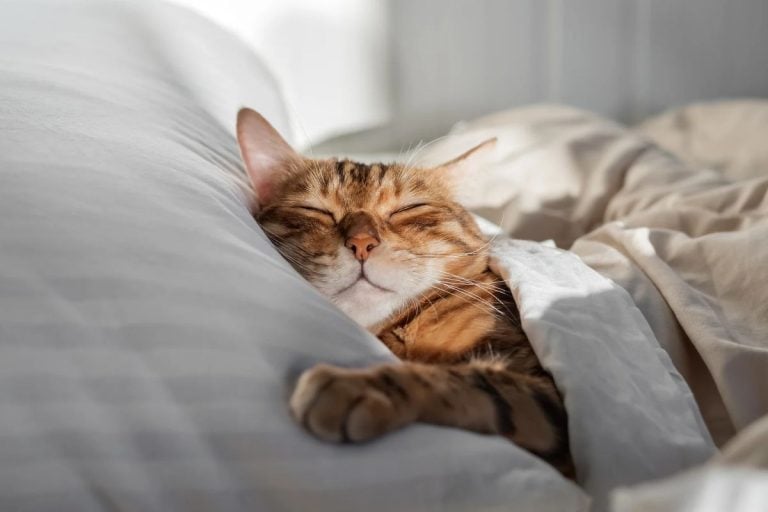
Cats already spend a lot of time sleeping, however when taking gabapentin, you may notice your cat is drowsy and less active. Sedation is among the most prevalent side effects of gabapentin in felines. When taking gabapentin, cats will sometimes feel extremely tired and low-energy. So if your pet sleeps a lot than usual, it may be a side effect of the drug. If for any reason you start to get worried about this, please contact your vet.
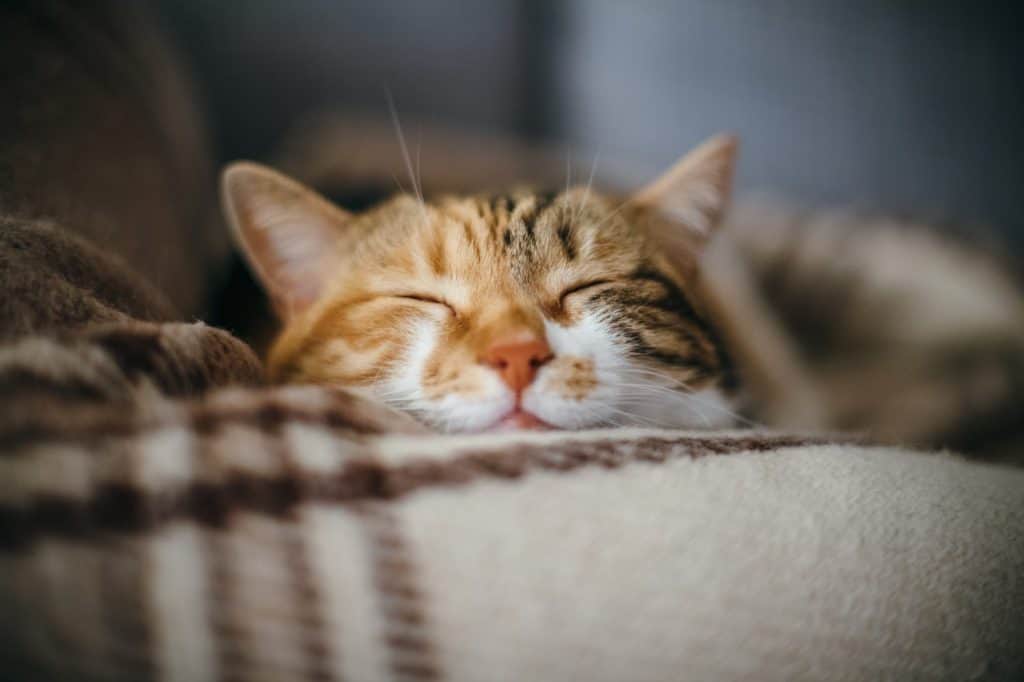
One of the side effects of gabapentin is drowsiness.
©Hadrian/Shutterstock.com
Lack of Coordination
Lack of coordination and loss of balance are typical side effects of gabapentin for pets. When using gabapentin, animals, particularly cats, frequently become clumsy. Owners of cats must keep a watch on them to ensure they don’t become unsteady while walking or jumping.
Drooling
Drooling and foaming at the mouth are also common side effects of gabapentin, especially if your cat is given a bitter-tasting compounded liquid.
Nausea, Vomiting, or Loss of Appetite
Cats taking gabapentin may also experience nausea, vomiting, or loss of appetite, but these side effects are less common. Pet owners should monitor their cats and notify their veterinarians if they notice their cat experiencing any of these issues.
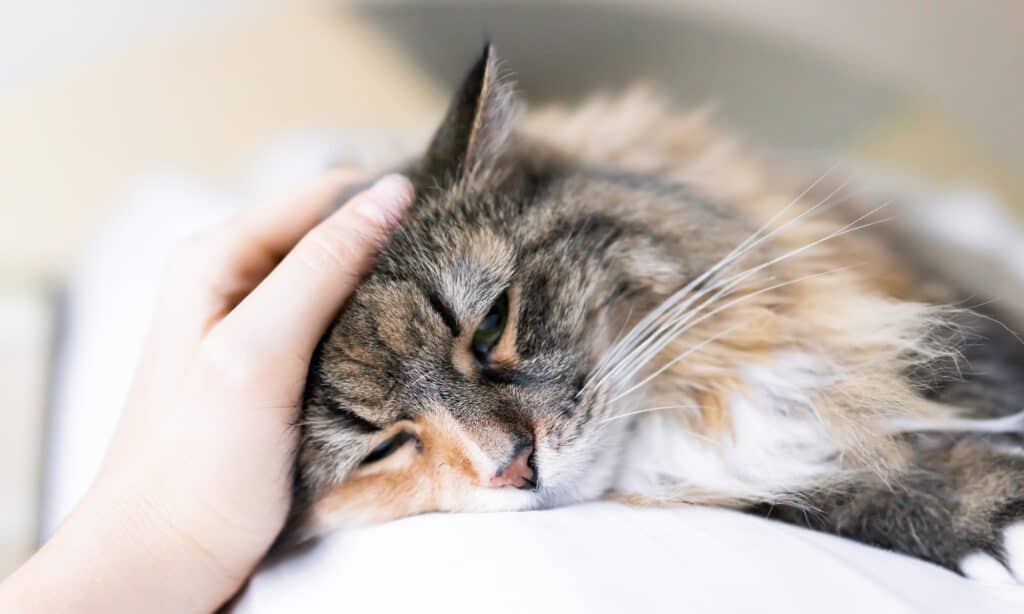
Less common side effects of gabapentin are nausea and vomiting.
©iStock.com/krblokhin
Diarrhea
Cat owners may notice that their cats experience diarrhea after taking the medication, but this side effect is also less common. Cats need to have access to a clean litter box when taking this medication, so pet parents must ensure that they do at all times. As your cat becomes used to gabapentin, these symptoms should improve over time.
When Is Gabapentin Not an Option for Cats?
Most cats are safe when using gabapentin, yet the medication isn’t ideal for every feline. Never administer this medication to cats that have liver or kidney problems, sensitivities, or allergies unless directed to do so by a veterinarian. Additionally, one should not give pregnant cats gabapentin.
Gabapentin may also interact with other medications, including pain medications, antacids, and nervous system suppressants and sedatives, such as antihistamines. Before administering the drug concurrently with other medications, get your veterinarian’s guidance.
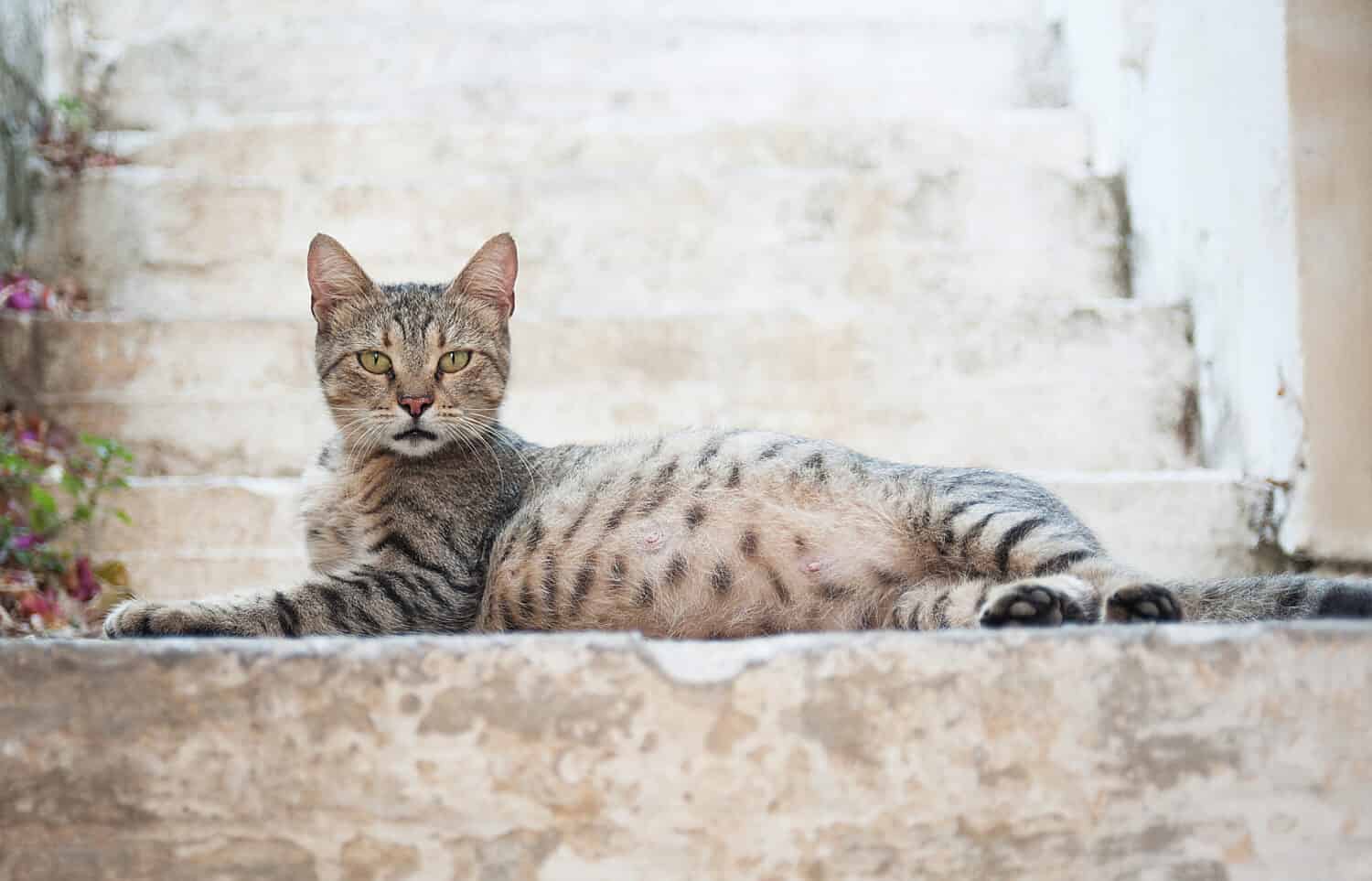
Pregnant cats should not take gabapentin.
©Jim Polakis/Shutterstock.com
Gabapentin Dosage Chart for Cats
Below, you’ll find a display chart for a low dose of this drug for safety reasons for cats. Before administering any medication to an elderly or ill cat or a newborn kitten, make an appointment with your veterinarian.
Never give your cat a human form of gabapentin. Human gabapentin in liquid oral solutions typically contains xylitol, a toxic artificial sweetener that is harmful to cats.
| Cat Size in Pounds | Dosage for Seizures | Dosage for Pain | Dosage for Sedation |
|---|---|---|---|
| 4 pounds | 10mg to 20mg | 2mg to 4mg | 20 to 40mg |
| 7 pounds | 15mg to 30mg | 3mg to 6mg | 30 to 50mg |
| 9 pounds | 20mg to 40mg | 4mg to 8mg | 50 to 75mg |
| 11 pounds | 25mg to 50mg | 5mg to 10mg | 50 to 75mg |
| 13 pounds | 30mg to 60mg | 6mg to 12mg | 50 to 75mg |
Alternatives to Gabapentin for Cats
If Gabapentin isn’t a good match for your feline friend, don’t worry. There are other options out there that could work. Ask your vet about the following medications.
Benadryl
Diphenhydramine (Benadryl) is one over-the-counter remedy that is sometimes used to help treat anxiety in cats. Benadryl is generally considered most useful for transient anxiety disorders such as anxiety related to travel. It might be challenging to administer human medications to pets, so it’s crucial to make sure your calculations and measurements are accurate. Only give your cat diphenhydramine for nervousness or anxiety under the direct guidance of a veterinarian.
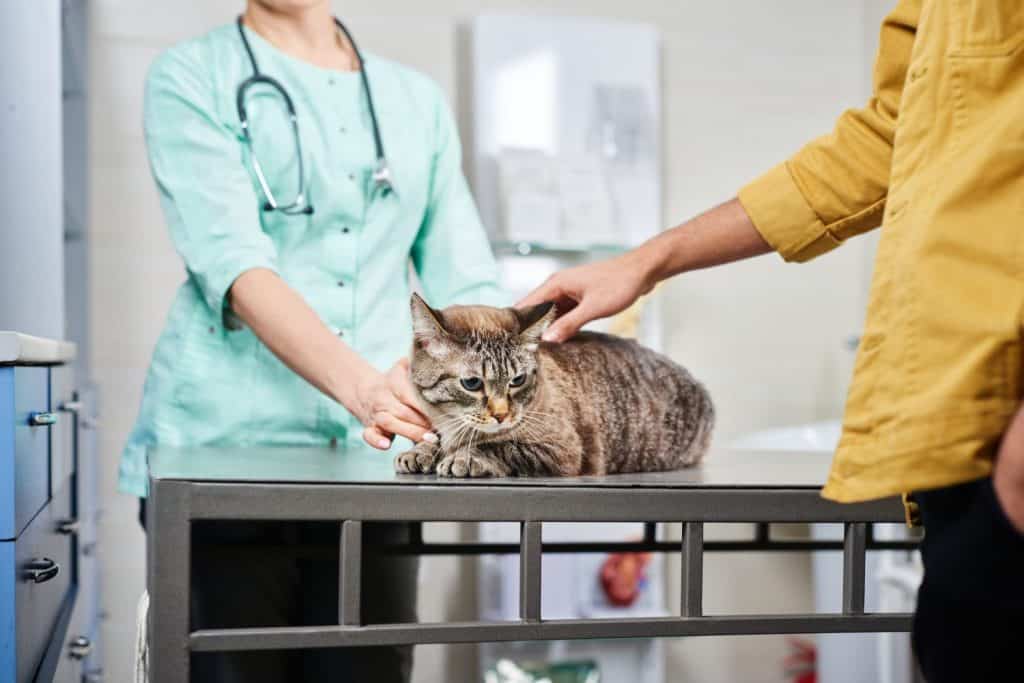
If your cat cannot take gabapentin, there are some alternatives that your vet can prescribe.
©Sata Production/Shutterstock.com
CBD
Cannabidiol, or CBD, has many benefits for felines, including the ability to relax and help with movement concerns. Major research on the safety or effectiveness of CBD for cat anxiety has not yet been conducted. Yet, there are some studies that can help educate pet owners. It is best to introduce CBD to your cat with the guidance of a vet. Your veterinarian is the best source of advice for dosage, duration, and which products to try. To achieve the greatest outcomes, it will be crucial to monitor your pet and collaborate with your veterinarian.
Tramadol
In felines, tramadol is administered to treat both acute and persistent pain. Chronic osteoarthritis (OA) pain, pain from surgery, and pain brought on by trauma or illness are among the conditions that can be relieved by this drug. Tramodol is given by mouth as a tablet, capsule, or compounded liquid. It is a prescription pain medication that must only be given under the direct guidance of a licensed veterinarian.
Buprenorphine
In the context of a medical facility, this opioid analgesic serves to manage pain. It’s also used as a pre-anesthetic. In the field of veterinary medicine, many medications, including this one, are frequently prescribed for off-label uses. In these situations, carefully follow your veterinarian’s instructions and warnings, as they may differ significantly from those on the label. Buprenorphine is administered orally as a liquid.