
Quick Take
- Sphynx cats were supposed to be the hypoallergenic dream, yet owners report something completely unexpected about their allergies. See why allergies persist →
- Not shedding sounds like a clean home, but so why are Sphynx owners doing more laundry than ever? See the grease stain problem →
- There's a hidden cost to owning a Sphynx that has nothing to do with the breeder's price tag, and it surprises most new owners. See the hidden ownership costs →
- Leaving a Sphynx alone while you go to work might be a bigger problem than you think, and the solution is probably not what most people assume. Understand their social needs →
Sphynx cats are affectionate, smart, and they don’t shed. Their unique look and love of people have won them worldwide popularity. However, there are some challenges with the breed as well. In this article, we’ll discuss eight common complaints about sphynx cats to help you determine whether this breed is right for you.
#1: Sphynx Cats Are Not Hypoallergenic
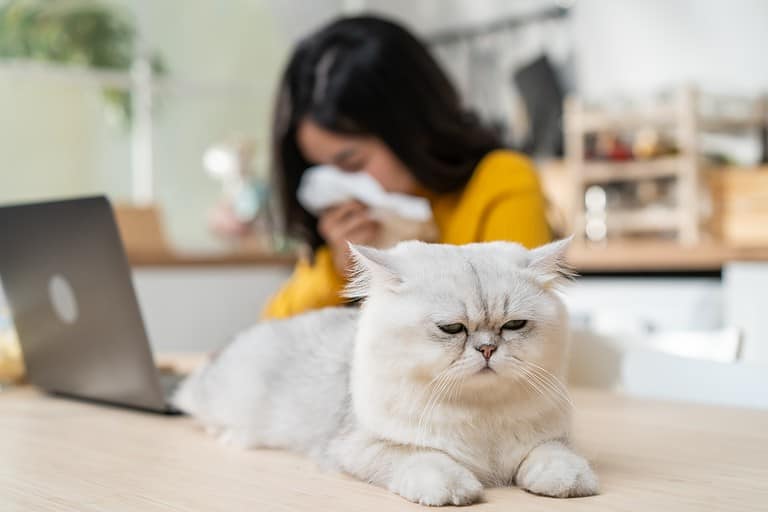
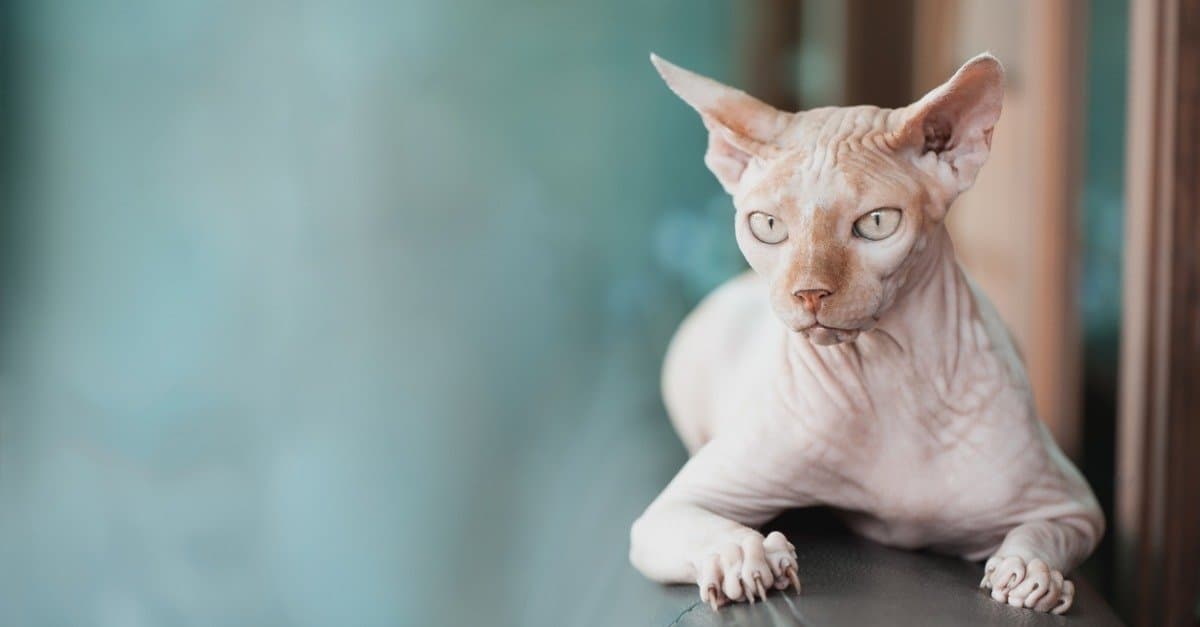
If you’re allergic to cats, a sphynx may set off your allergies even more than a furry cat.
©ElenaBoronina/Shutterstock.com
Contrary to popular belief, it isn’t the cat fur that causes allergies. Fel d 1 is a microscopic protein that causes most cat allergies. This allergen can be found in cats’ sebaceous glands, saliva, and anal glands. The protein is transferred to their fur and skin during grooming. When they shed skin and dander (dead skin cells), the allergen spreads into the surrounding environment.
A common misconception about sphynx cats is that they are hypoallergenic, but they are just as likely to trigger allergies as cats with fur. While they may not shed fur full of dander in your home, they still produce the Fel d 1 allergen. Without regular baths, body oils and allergens from their saliva can accumulate on their skin. Direct contact with a sphynx can sometimes transfer more of the allergen than petting a furred cat.
#2: They Leave Grease Stains Around the House
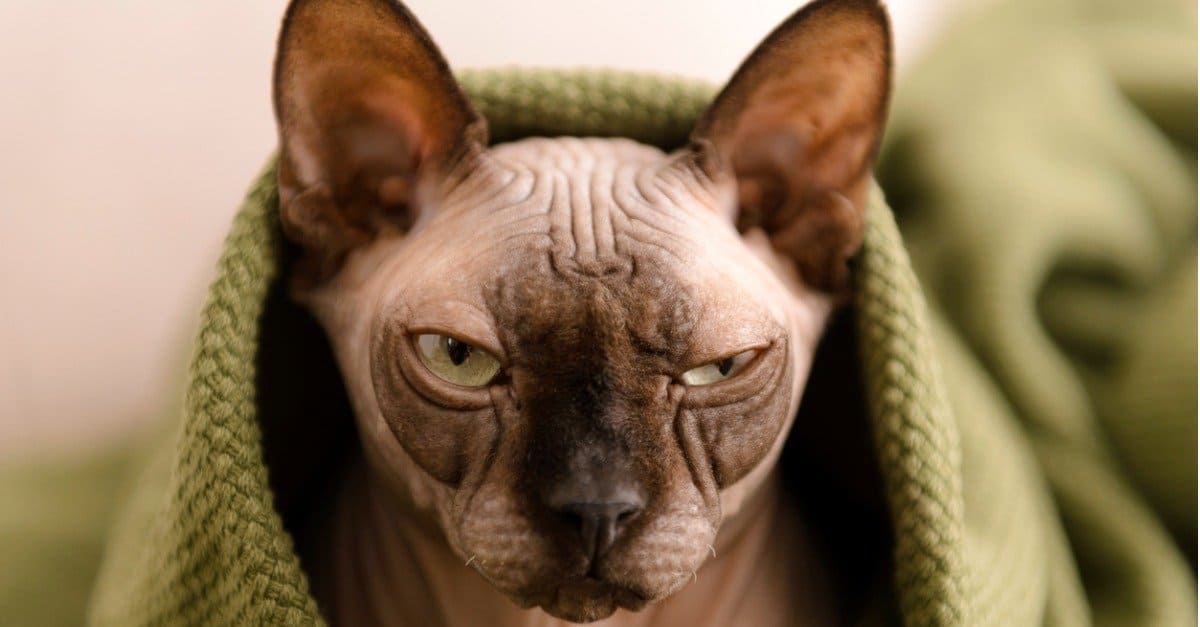
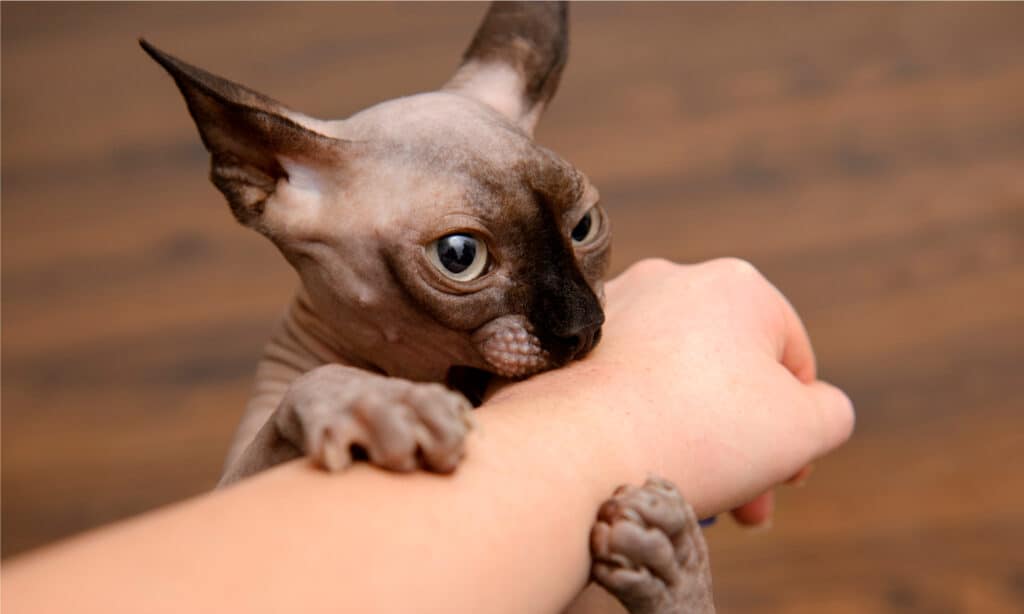
Sphynxes may not shed, but they do leave grease stains due to the oils their skin produces.
©iStock.com/ElenaBoronina
Your blankets, carpets, and furniture can become stained by the natural body oils your sphynx cat produces. All cats produce these oils, but in a sphynx, they aren’t absorbed by fur as they normally would be. These stains are typically brown and greasy.
You’ll also find these greasy stains on your cat’s items, such as their bedding and clothing. Be prepared to do a lot of extra laundry when you add a sphynx to the family. Regular baths with a gentle cat shampoo and pet-safe wipes can help cut down on the oil, but do not over-bathe your cat, as drying out their skin can cause them to produce even more oil.
#3: They Need Regular Baths and Skincare
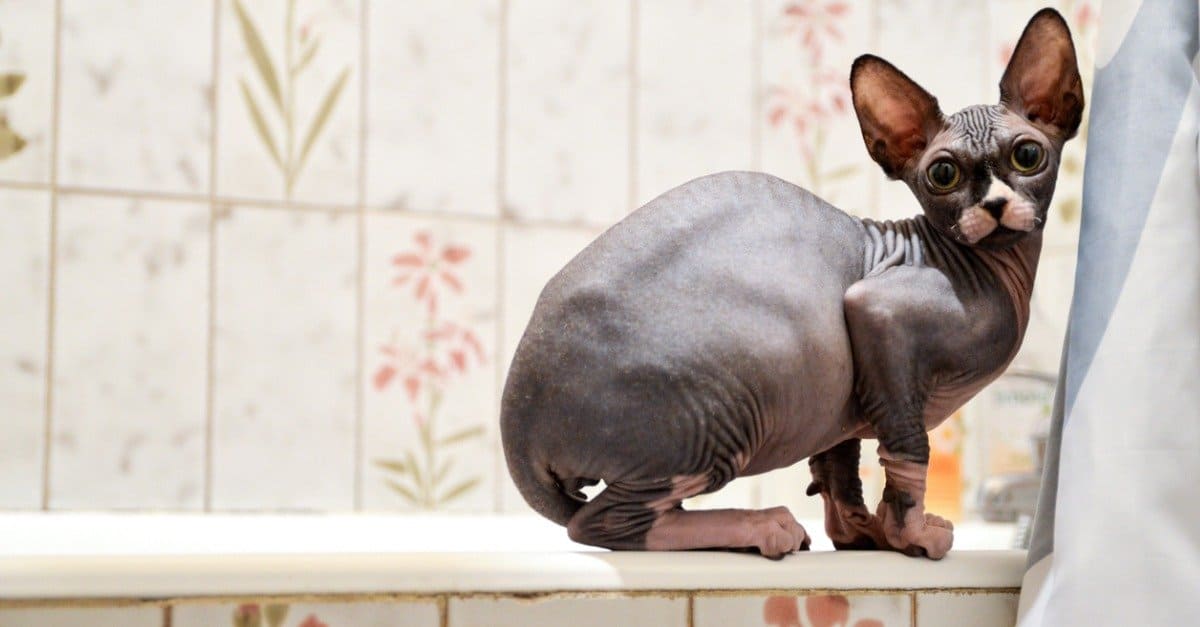
While most cats don’t need baths, sphynx cats need them regularly.
©iStock.com/Jpr03
As mentioned above, sphynxes need regular baths. You must wash their entire bodies with a gentle cat shampoo, including between their toes. You’ll also want to clean their ears with a pet ear-cleaning solution.
Coconut oil can be applied to the skin before baths to help soften and remove oil and debris, but don’t let your cat lick too much of it as this can cause stomach upset. You’ll also want to purchase cat lotion made for sphynxes to ensure their skin does not get dry.
#4: Sphynx Cats Get Cold Easily
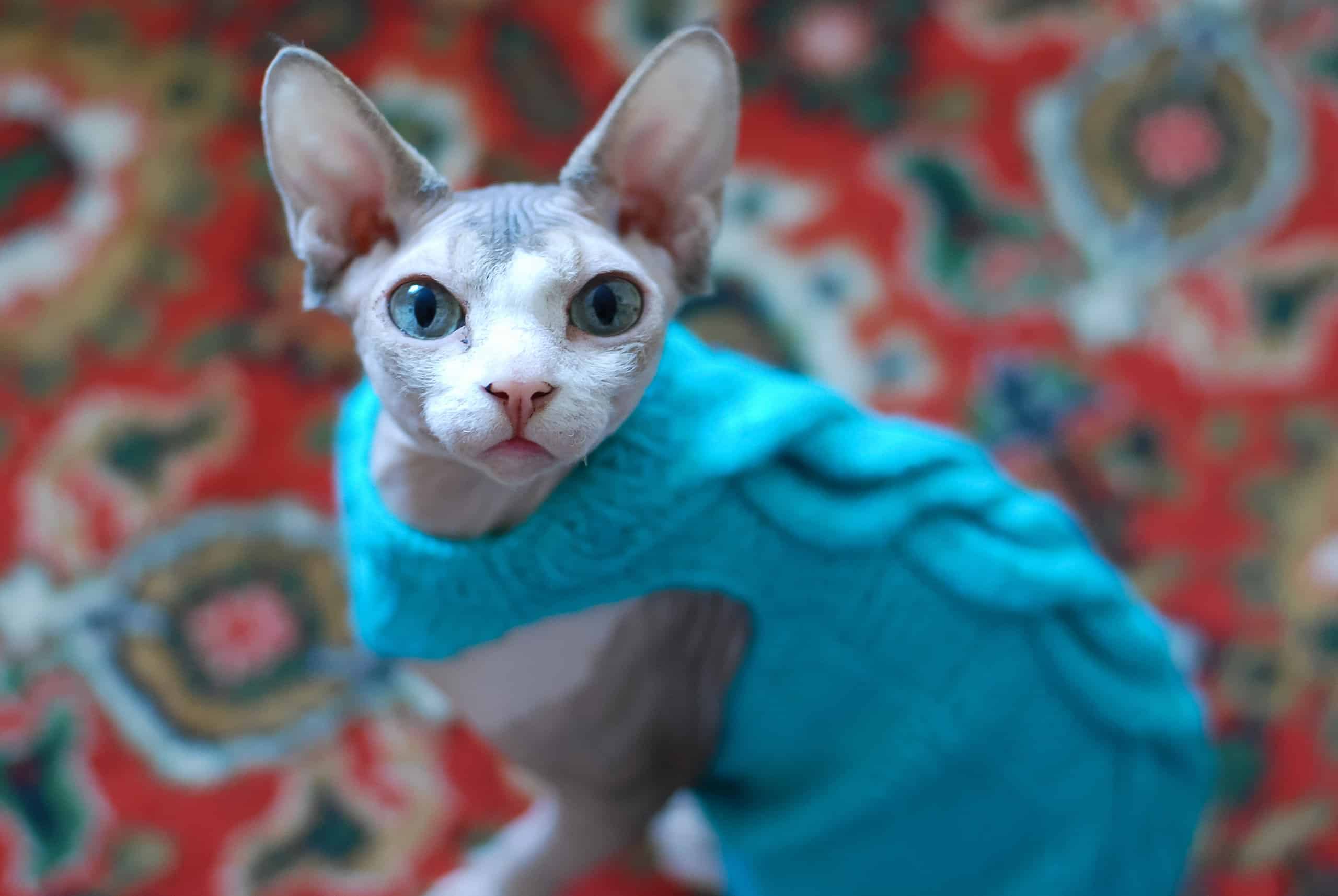
Sphynxes often struggle to stay warm.
©iStock.com/OlgaChan
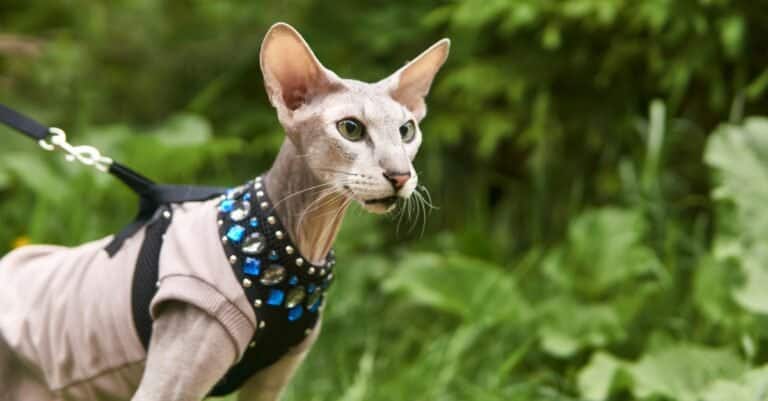
Your sphynx will likely need sweaters to keep it warm, especially if your house gets chilly in the winter months. Predictably, sphynxes get cold much more easily than cats with fur. Provide them with plenty of cozy, warm sleeping spots like cat beds and blankets, and keep the heat turned up.
While sphynxes can go outside in a catio (cat patio) or on a harness, you may need to limit these outdoor adventures in the cooler months. It’s also okay to leave it up to your cat. Sphynxes are not shy about communicating their needs. They’ll often tell you by turning right around at the sight of snow.
#5: Sphynxes Eat More Than Other Cats
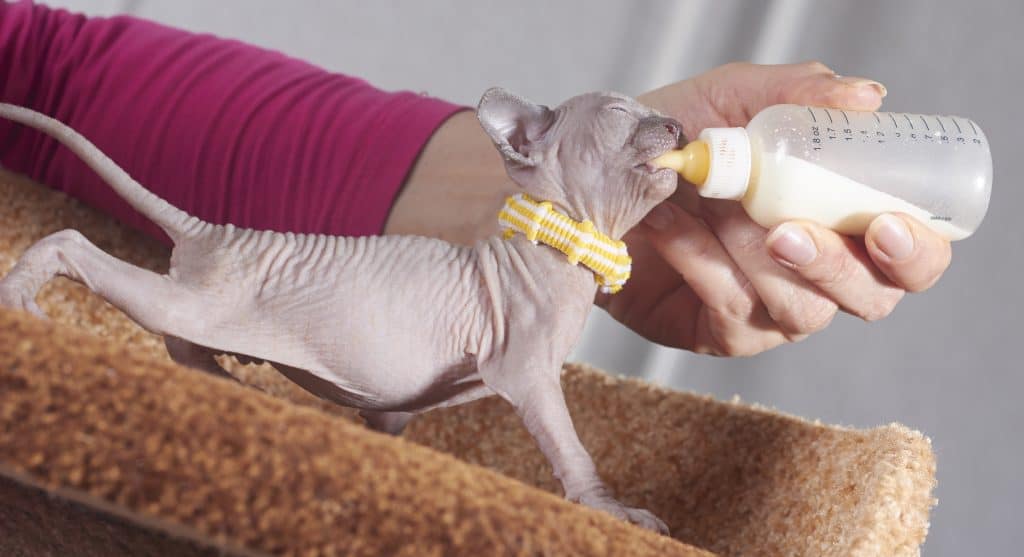
While you don’t want to overfeed them, sphynx cats need more calories than your average cat.
Sphynx cats need more calories to help them maintain their body temperatures without fur. Their high metabolisms mean they eat quite a bit more than other cats. Some sources estimate they may require 20%-30% more than a furred cat of similar size.
It’s also widely agreed that sphynx cats have sensitive stomachs and require high-quality cat food that is high in protein and calories and low in carbohydrates. You should make all decisions regarding your cat’s diet alongside a trusted veterinarian. You may need to try various foods until you find one that agrees with your sphynx’s stomach.
#6: They Need Companionship
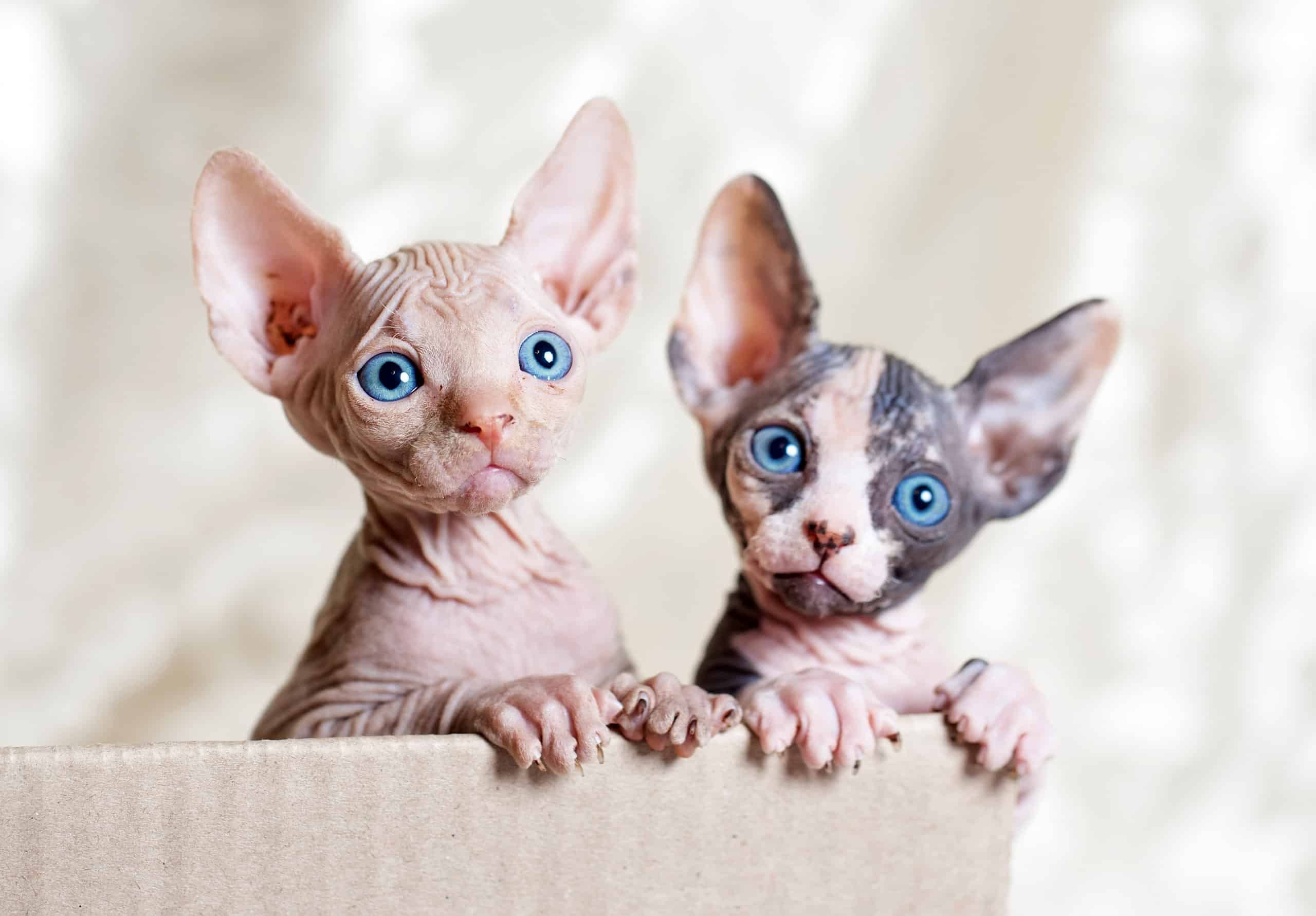
You’re likely to see behavioral problems and stress in sphynx that lack companionship.
©David Tadevosian/Shutterstock.com
Kittens should never be adopted alone. Ideally, they should be adopted with a littermate. You can also adopt two unrelated kittens of the same age and slowly introduce them to one another.
This prevents single kitten syndrome and isolation anxiety. Sphynxes are very social and thrive in the company of other cats, especially other sphynx. They do not do well when left alone for very long.
#7: They’re Expensive Pets
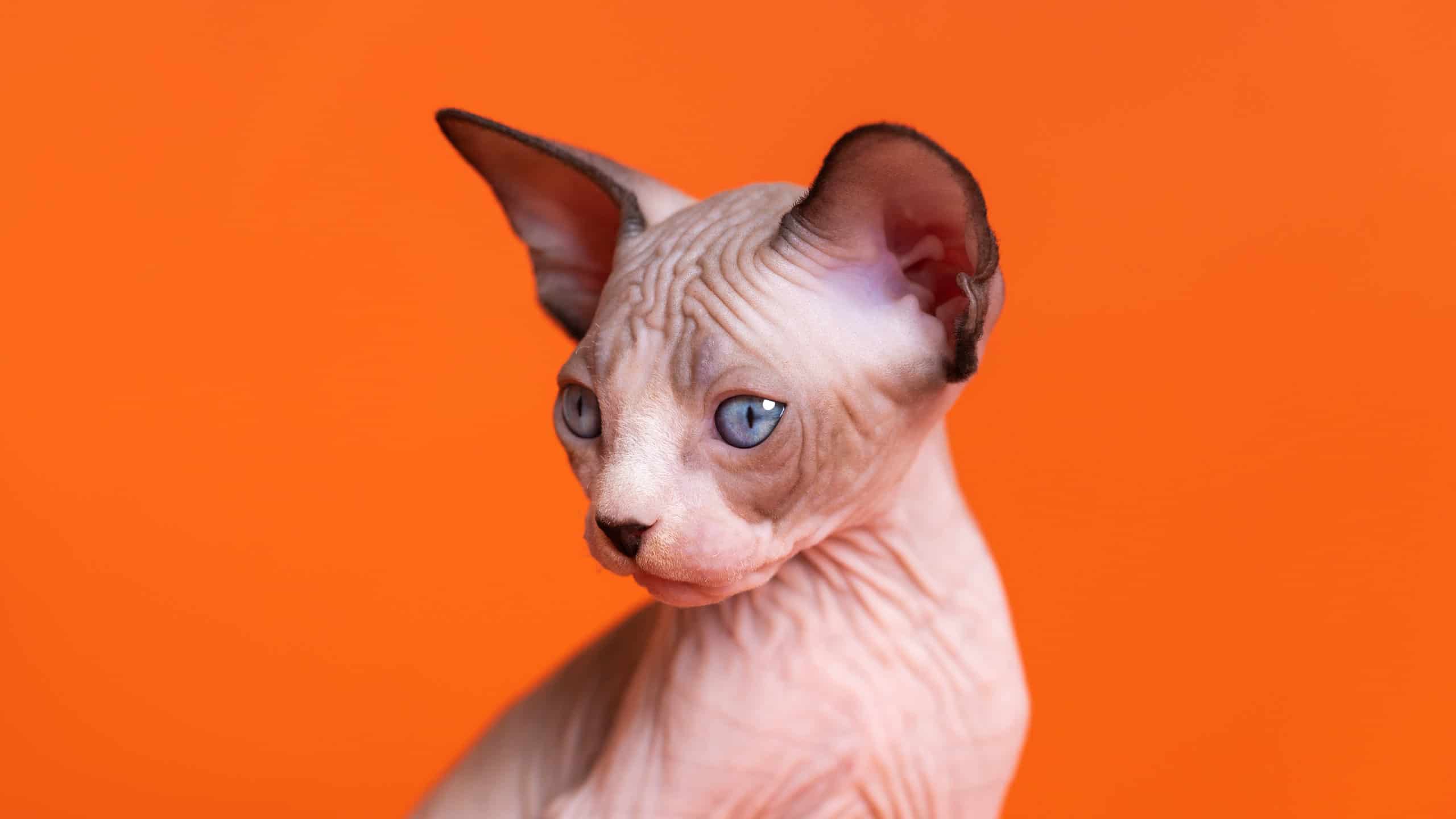
Reputable breeders tend to charge a lot for sphynx kittens.
©iStock.com/geyzer
Another common complaint about sphynx cats is that they’re expensive. Adoption can cost thousands of dollars from reputable breeders. They’re also more expensive to feed since they eat more than your average cat.
Specialized care for your sphynx, such as bathing, skincare, and laundry to remove grease stains, will also add to your budget. They can also have high vet bills, especially if they’ve been poorly bred. When adopting a sphynx, or any pet, you should either have a savings account for their veterinary needs or immediately purchase pet insurance.
#8: Sphynx Cats Have Specific Genetic Health Concerns
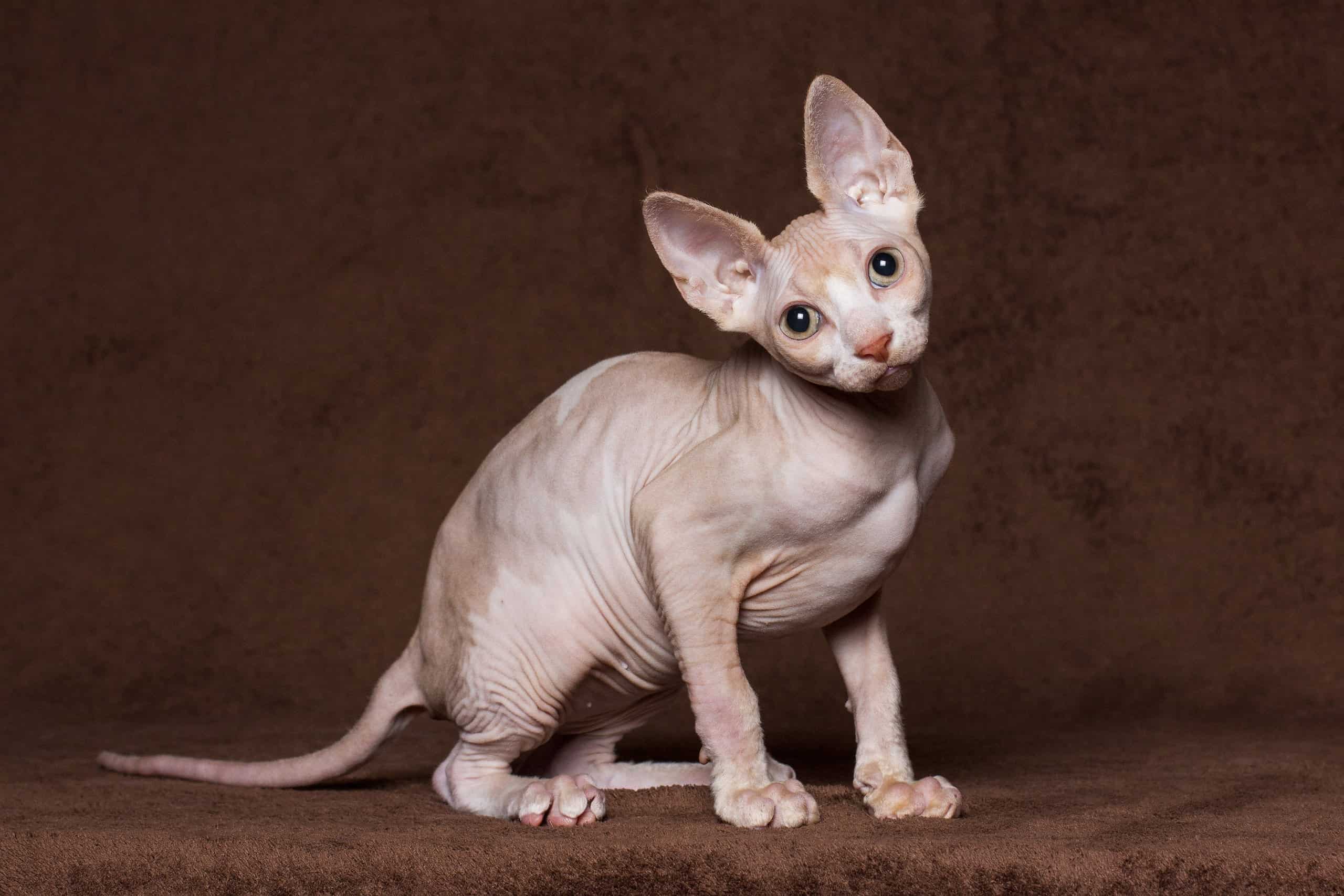
Like every breed, sphynx are prone to certain genetic health problems.
©Sviatoslav_Shevchenko/Shutterstock.com
Sphynx cats are prone to genetic health problems due to their breeding. Some of these can be avoided by choosing a reputable breeder, while others are inherent to the breed.
Some common health concerns to look for include:
- Stomach issues and diarrhea
- Allergies
- Skin problems
- Ear infections
- Respiratory infections
- Heart disease
- Dental disease
Only adopt from reputable breeders who screen for genetic health issues, provide you with test results for both parents, and provide their veterinarian as a reference.