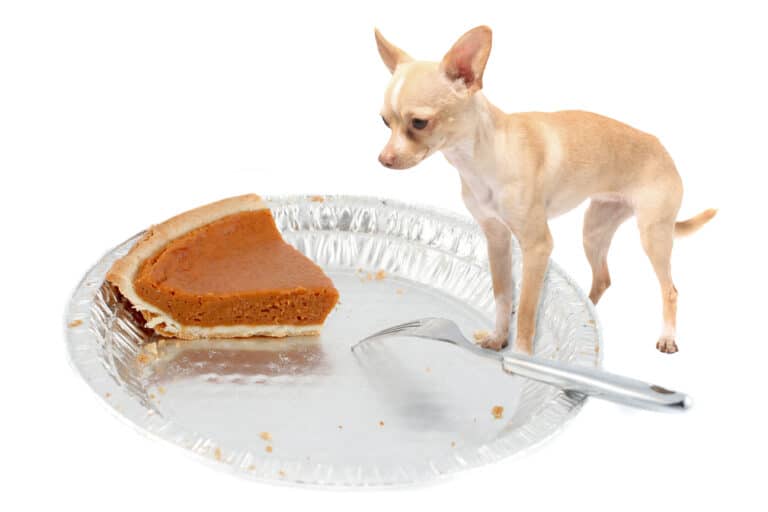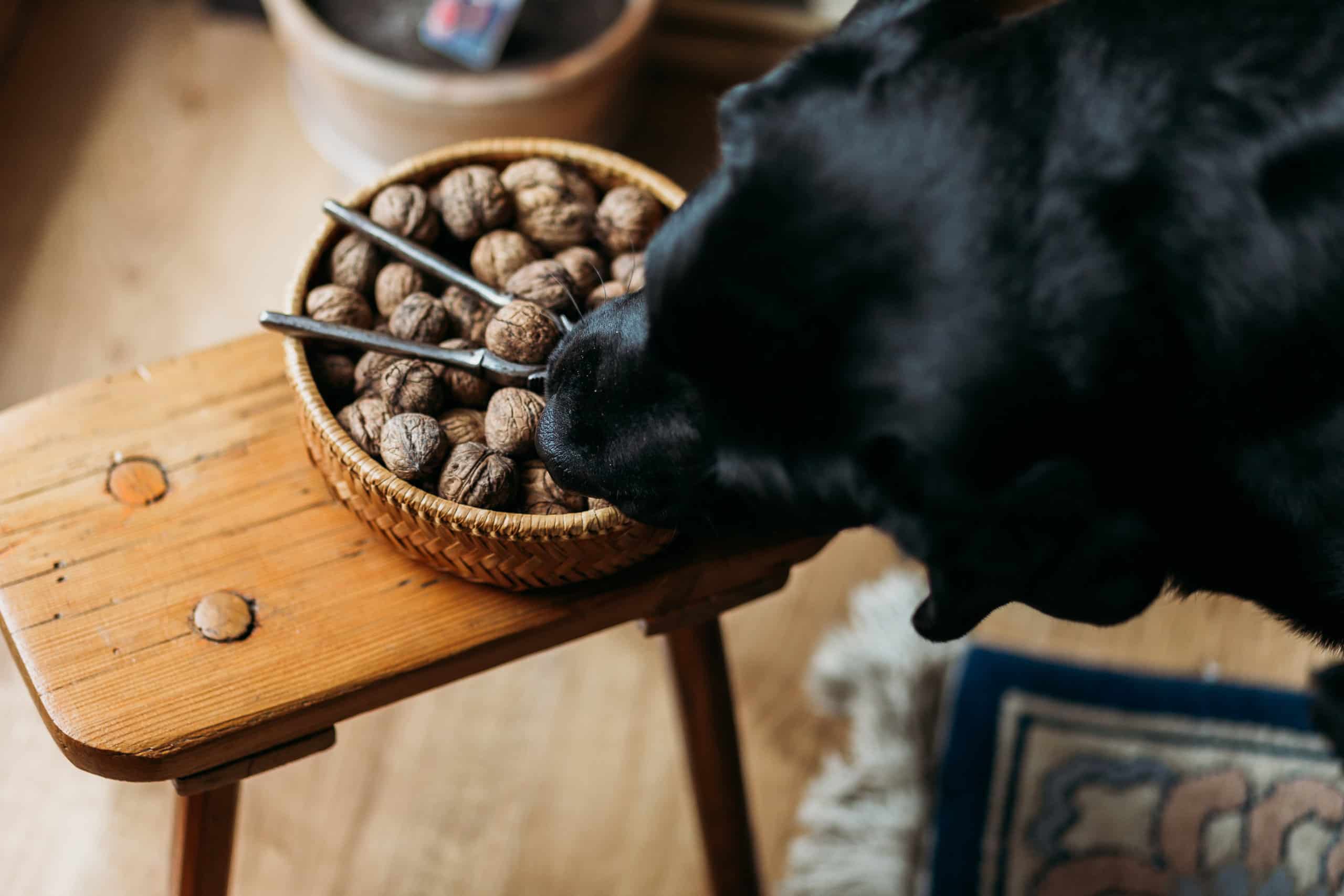

It’s no secret that dogs can’t always eat the same things that humans can. We like to think our dogs have iron stomachs — and why shouldn’t they? After all, they’re the descendants of wolves. That may be true, but it doesn’t mean they’re invincible. Unfortunately for our pups, their bodies digest food differently than our bodies do. Chocolate is a classic example of this; humans can eat chocolate all day. Dogs, on the other hand, might be poisoned by the ingredients of a small chocolate bar.
As a result, it’s best to curate a diet for your dog and avoid deviating from it. That still leaves a lot of open-ended questions about what dogs can eat, though, which brings us to the subject of today’s discussion: walnuts. Can dogs eat walnuts? We’ll cover everything you need to know.
Worried About Poisoning? Call (855) 764-7661
If you’re worried that your dog has been poisoned already, it’s urgent that you call your veterinarian or the Animal Poison Control Center’s hotline. The Pet Poison Helpline’s phone number is (855) 764-7661.
Is It Safe for Dogs to Eat Walnuts?
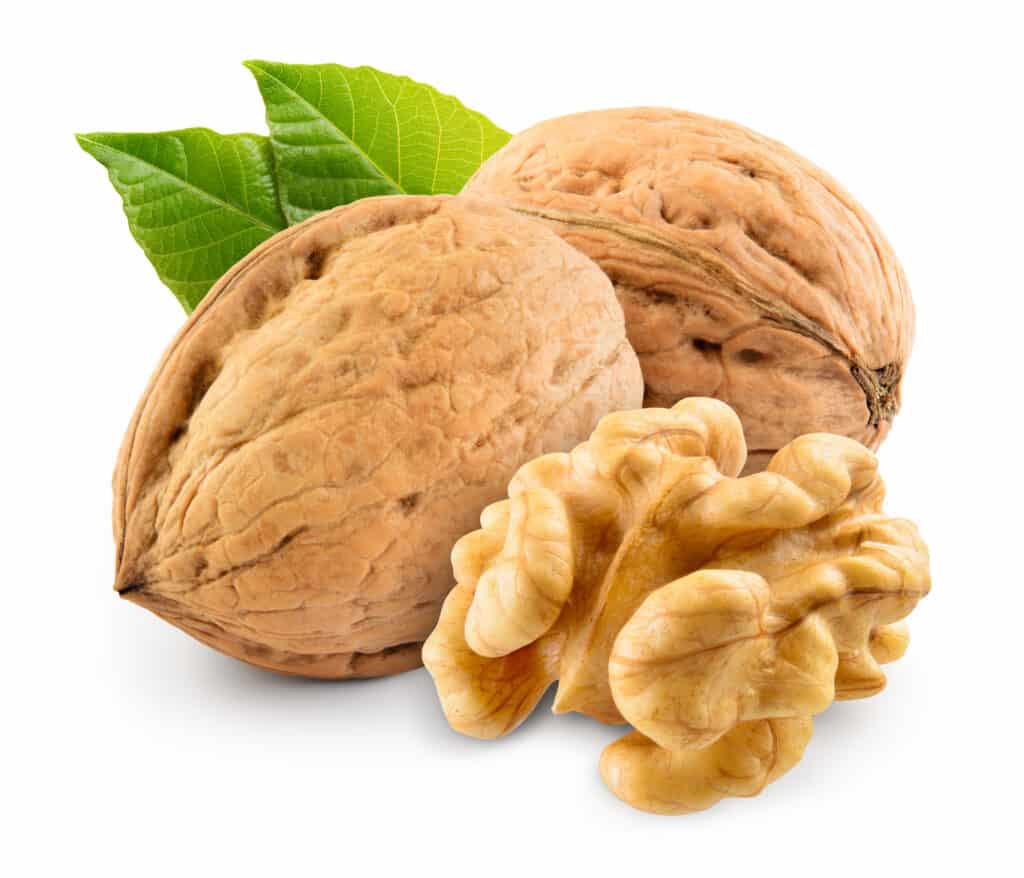
While walnuts are a healthy and nutritious snack for humans, they can be a real threat to your dog, especially in large quantities.
©Tim UR/Shutterstock.com
While walnuts are a healthy and nutritious snack for humans, they can be a real threat to your dog. That said, if you happen to drop a walnut on the ground and your pup swallows it, you don’t necessarily have to run to the vet.
If they tear into a bag of walnuts, however, a visit to your vet would be a good idea. Generally speaking, more than one or two walnuts could pose a risk to your dog’s health, although that won’t always be the case. When there’s a chance that your pet is in danger and you’re not sure, that’s always a cause for concern and a good reason to go to the vet.
Another thing to consider is the hard, pointy shell surrounding the walnut. Most nuts and seeds aren’t equipped with such rigid shells and casings. In the case of the walnut, the shattered shell is difficult to digest and could puncture your dog’s stomach or GI tract. So, if your dog does eat a walnut, you’re in a better position if the skin and shell are already off.
Beyond that, small walnuts that don’t get chewed or digested are the perfect size to create a digestive blockage. As dogs don’t have the language or ability to tell us how their stomachs feel, we have to wait until symptoms emerge to find out what’s going on. Symptoms can take days to show up, leading to serious health issues that could have been prevented if treated sooner.
It’s also important to know the type of walnut you’re dealing with. Certain types are more toxic to dogs than others. We’ll cover that in more detail next.
The English Walnut
Fortunately for dog owners, the most common walnut sold in stores is called the English walnut. This variety is not dangerous for dogs if consumed in very small amounts.
So, when you spill a bag of English walnuts and your dog comes barreling down the hallway to investigate, do your best to get them all cleaned up quickly, but don’t worry if you miss one. A single English walnut or two won’t do any damage to your dog. Again, consult your vet if they gobble down a handful of them or more.
However, don’t use small amounts of walnuts as normal additions to your dog’s diet, though. It might be tempting, considering that these nuts are packed with nutrients and healthy fats. Dogs’ bodies aren’t as equipped to deal with those fats, however. Regular consumption of walnuts (or most naturally fatty foods) could lead to issues with obesity.
Toxic Walnuts
Two types of walnuts are the most dangerous for dogs: black walnuts and moldy walnuts. In many cases, those two categories are one and the same. Note that there isn’t a species of walnut called the “moldy walnut” — walnuts are just particularly dangerous to dogs when they happen to get moldy.
There are black walnut trees scattered throughout the central and eastern United States. They regularly get moldy due to their high water content. Black walnuts, in particular, have a history of poisoning dogs and horses. The fungus that grows on the actual walnut grows on the tree as well, and studies have shown that extensive contact with these trees and nuts can be harmful to animals.
Aside from the digestive issues, black walnuts pose another threat to dogs: neurotoxicity. One fungus that grows in black walnut trees is a dangerous neurotoxin that can cause tremors, seizures, and more. The active ingredient in this fungus is called juglone, and it’s incredibly dangerous for dogs. This chemical is found in the green hulls around the nuts, the roots, and other aspects of the tree.
What Do Black Walnuts Look Like?
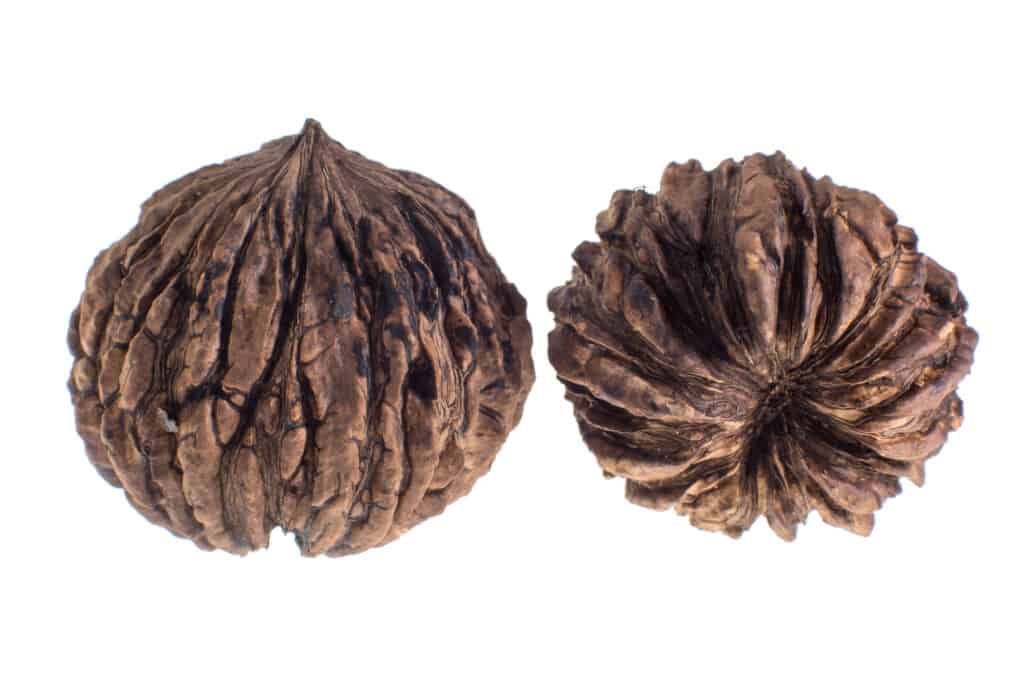
Black walnuts fall from their trees in a green casing called a “husk.”
©Barna Tanko/Shutterstock.com
The biggest threat to you and your dog is the chance of stumbling upon black walnut hulls as you go for a walk. Your dog might smell some sugar or acidity and dart over to check it out. They mustn’t get the chance to eat a black walnut or its hull, but it’s also key to get veterinary help if they do.
You’ve got to know what these nuts look like to take action, though. Black walnuts fall from their trees in a green casing called a “husk.” Many people living on the eastern side of the United States have seen green balls clustered under trees, smelling like citrus mothballs.
The key time to look out for these nuts is in the late summer and fall when they descend from their trees. They ripen in fall and get fat enough to break their bonds, falling down to the grass where our dogs can access them.
What To Do If Your Dog Swallows Toxic Walnuts
In the case of English walnuts, call your veterinarian if the dog eats several of them. Depending on your breed and your particular dog, there could be more or less sensitivity to the nut. A single English walnut isn’t a cause for concern, however.
In almost all other cases, it’s wise to take the situation seriously. If your dog eats a black walnut or any other species of walnut, it’s difficult to know how it’s going to affect them. Furthermore, it’s not always easy to see signs and symptoms right away.
Note that seizures and tremors aren’t uncommon after a dog has eaten a black walnut. If they’ve eaten multiple black walnuts, those seizures could be fatal.
It’s impossible to read the situation perfectly, and it’s often tough to know just how many black or moldy walnuts your dog has eaten. So, in those situations, hop in the car and take a trip to the vet or the animal hospital.
You might be pleasantly surprised that there are no issues at all. Your vet needs to look at your dog after eating black walnuts, though. There’s a very real chance of serious injury or death if toxic neurotoxic chemicals are ingested.
Inducing Vomiting
If you’re out on a hike or away from your car and you think you have to act fast, you might consider inducing vomiting. Getting your dog to throw up is an effective way to remove the walnuts and neurotoxins from their systems before things advance too far.
Note that inducing vomiting in a dog is also a dangerous thing to do without veterinary supervision. It’s a method of last resort and should be done in the presence of or with the help of a veterinarian, such as over the phone if you’re unable to get your dog to the vet quickly enough. You should never attempt to induce vomiting in your dog without prior approval and guidance from a professional.
Dog Walnut Ingestion: Signs and Symptoms
The following are symptoms some dogs show after consuming walnuts:
- Heavy breathing
- Inability to relax
- Excessive drooling
- Self-induced vomiting
- Confused motor function
- Twitches (tremors) in the musculature
- High internal temperature
- Extreme reactivity to the environment
- Full seizures
- Stomach pain, lethargy, and jaundice as indications of damage to the liver