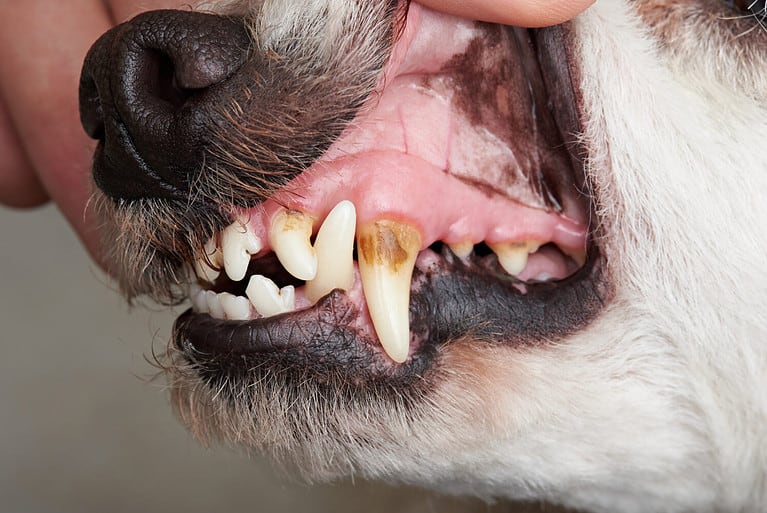


Quick Take
- The version of Zyrtec® you grab off the shelf could be toxic to your dog, and this danger is not obvious from the label. Avoid toxic ingredients →
- Most dog owners reach for Benadryl® first, but vets often prefer a different antihistamine for chronic allergies, and the reason behind that preference might surprise you. See why vets prefer it →
- Giving cetirizine the wrong way can trigger the exact symptoms you're trying to stop. There's a simple fix that most owners overlook. Check the empty stomach risk →
- Your dog's existing health conditions could turn a routine allergy pill into a serious risk, so knowing which ones matter is critical before the first dose. See health conditions that matter →
Cetirizine, also known as Zyrtec®, is a common over-the-counter antihistamine used to treat various allergy symptoms in humans. This has led many pet owners to wonder if it can also help dogs with allergies. While cetirizine is safe for dogs, there are many details you need to be aware of before giving it to your pup. Continue reading to learn everything you need to know about Cetirizine for dogs, ranging from safe dosing to potential side effects.
What Is Cetirizine?

Dogs can develop irritating allergies, just like humans can!
©Aleksey Boyko/Shutterstock.com
Cetirizine is a popular antihistamine that is most commonly known as Zyrtec®. It works by blocking the histamine receptors in the body, which minimizes the body’s allergic response to an allergen.
Cetirizine is intended to manage allergies without causing the drowsiness often associated with other antihistamines. However, compared to other non-drowsy options like loratadine (Claritin®) or fexofenadine (Allegra®), cetirizine has a slightly higher risk of causing drowsiness.
Is Cetirizine (Zyrtec®) Safe For Dogs?
Cetirizine is safe for dogs when it is used as directed by your veterinarian. It can be effective in managing minor allergy symptoms such as irritated bug bites, itchy skin, and even mild hives.
Many veterinarians consider cetirizine to be one of the most effective antihistamines for dogs. It is often preferred over Benadryl® for managing chronic allergies because it provides better relief from inflammation. For this reason, cetirizine is commonly prescribed for dogs with atopic dermatitis.
Why Do Dogs Take Cetirizine?
Cetirizine is used to manage the symptoms that accompany seasonal allergies in dogs, including:
- Itchy skin
- Mild hives
- Skin redness
- Irritated insect bites/stings
- Watery eyes
- Nasal discharge
- Sneezing

Cetirizine can be used to treat itchy skin in dogs.
©Photo-Vista.de/Shutterstock.com
While Cetirizine is effective in managing mild allergy symptoms in dogs, it is not ideal for severe allergic reactions or anaphylactic reactions. If your dog is experiencing facial swelling, severe and sudden hives, GI upset, or changes in breathing, you should seek veterinary care immediately.
How Do I Give My Dog Cetirizine?
Cetirizine (Zyrtec®) is available in both pill and liquid forms. Your veterinarian may provide their own version, but it is also available over the counter. Be sure to purchase standard Zyrtec® and not Zyrtec-D®, as Zyrtec-D® contains a decongestant that is toxic to dogs.
Brand-name liquid Children’s Zyrtec® is sugar-free but contains the alternative sweeteners sorbitol and sucralose to improve flavor. These sweeteners are not toxic to dogs, unlike xylitol (also known as birch sugar), which is highly dangerous but is not currently used in any name-brand Zyrtec® products.
However, sorbitol can cause your dog mild digestive issues like gas or diarrhea. Generic or store-brand versions of cetirizine frequently change their inactive ingredients and may contain xylitol in their chewable or fast-melting forms. To keep your dog safe, veterinarians recommend using only plain, unflavored generic cetirizine tablets that are meant to be swallowed whole. Always carefully check the inactive ingredients list on your specific product to ensure xylitol is not included.

Plain, unflavored Cetirizine tablets are the safest choice for your pup.
©iStock.com/Cunaplus_M.Faba
Cetirizine does not need to be given with food, but if your dog vomits soon after taking it, try giving the medication with a meal. Cetirizine will take effect within 20 minutes to one hour after administration.
What Is The Cetirizine (Zyrtec®) Dose For Dogs?
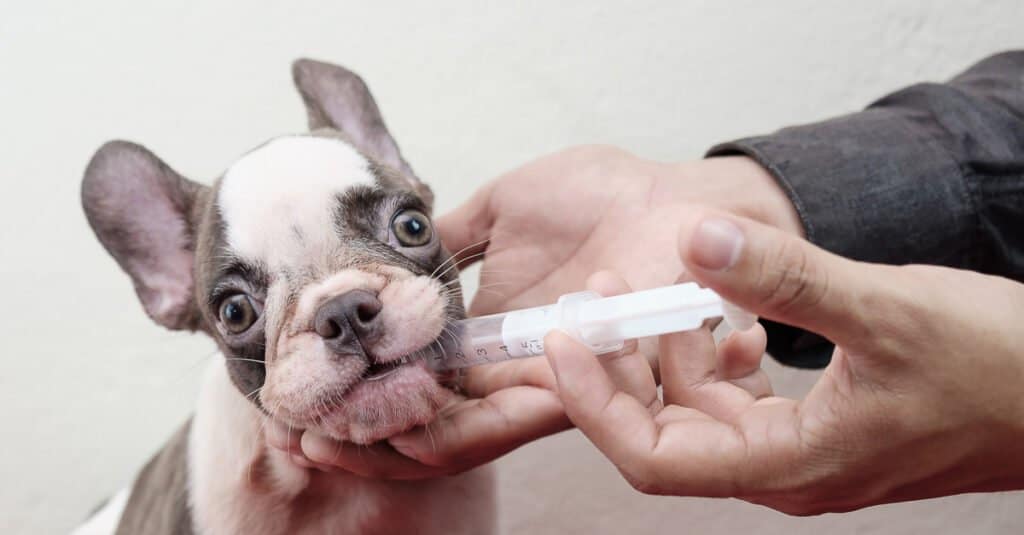
Cetirizine can be found over the counter in pill and liquid form.
©JOKE_PHATRAPONG/Shutterstock.com
You should always speak with your vet before giving your dog Cetirizine. Your vet can offer an appropriate dose based on your dog’s size and allergy symptoms. However, the dosing range that most veterinarians follow is:
| Dogs under 10 pounds | 2.5 milligrams by mouth |
| Dogs 10–50 pounds | 10 milligrams by mouth |
| Dogs 50 pounds and up | 10 to 20 milligrams by mouth |
Cetirizine (Zyrtec®) is typically given once every 24 hours for dogs with atopic dermatitis and every 12 hours for dogs with general allergy symptoms. Cetirizine can be purchased over-the-counter in 5 and 10 milligram tablets.
We should mention again that you should never give your dog Zyrtec-D® or any form of Cetirizine that contains an additive for congestion. Human decongestants are highly toxic to dogs.
Are There Side Effects With Cetirizine In Dogs?
Cetirizine side effects are not common with use in dogs. Vomiting and hypersalivation can occur in some cases, primarily when the medication is given on an empty stomVomiting and excessive drooling (hypersalivation) can occur in some cases, especially if the medication is given on an empty stomach. Be sure to give your dog’s cetirizine dose with food if they experience nausea or vomiting after taking the medication.
Cetirizine Risks In Dogs
Consult your veterinarian before giving your dog cetirizine if they have a seizure disorder, heart disease, kidney disease, liver disease, thyroid disease, or glaucoma. You should not give Cetirizine to dogs that are currently taking other medications without consulting your vet, as it could lead to dangerous drug interactions.