
Quick Take
- Your vet's first dose of meloxicam is deliberately different from every dose after it, and skipping that distinction could undermine the entire treatment. See the loading dose →
- Meloxicam causes fewer GI side effects than most NSAIDs, yet there's a specific way you can accidentally make those side effects worse at home. See how food helps →
- Before your dog swallows a single pill, your vet may need to run tests, and the reason why reveals a hidden risk most pet owners overlook. See the pre-treatment tests →
- Meloxicam treats a surprisingly broad range of conditions, including some that most dog owners would never think to connect to an anti-inflammatory. See all conditions treated →
Has your veterinarian prescribed meloxicam for your dog? You likely have questions about this medication and how it works. Meloxicam is a nonsteroidal anti-inflammatory drug (NSAID) used to manage pain, inflammation, and fever in dogs. It is designed to reduce inflammation while causing fewer severe gastrointestinal side effects than other NSAIDs. Meloxicam is a human medication that has been reformulated and flavored for veterinary use to better suit dogs’ needs. When used according to your veterinarian’s instructions, meloxicam is generally safe and effective at reducing inflammation in your dog without major health risks.

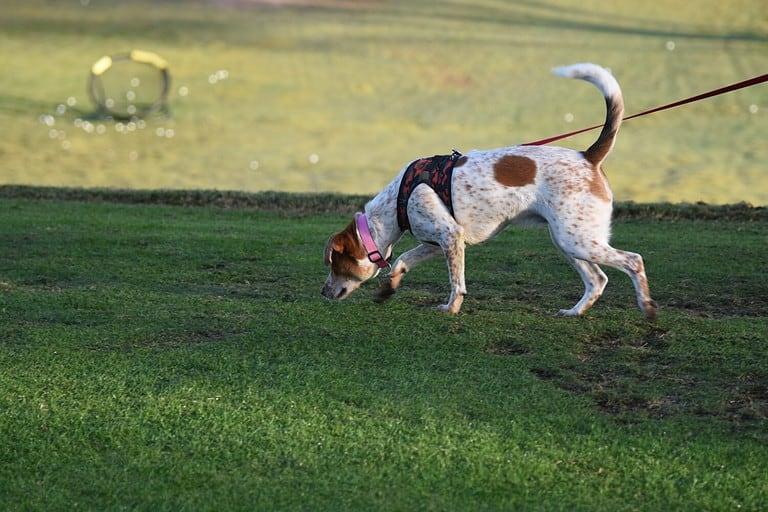
Meloxicam is used to manage pain, fever, and inflammation in dogs.
©Jaromir Chalabala/Shutterstock.com
Why Do Dogs Take Meloxicam?
Meloxicam is used to treat a variety of painful inflammatory conditions in dogs. Some of the most common conditions that benefit from the use of meloxicam include:
- Managing a fever
- Pain and inflammation associated with arthritis or hip dysplasia
- Post-surgical management of inflammation and pain
- Soft tissue injuries like muscle injuries and lacerations
- Injuries of the back and spine (when steroids are not prescribed)
- Inflammation from ear infections
- Inflammation from skin infections
While these are the most common reasons vets prescribe meloxicam to dogs, your vet may use it in other situations as well.

Meloxicam for dogs can be used to manage post-operative pain, arthritis, fever, soft tissue injuries, and more.
©Yobab/Shutterstock.com
How Do I Give My Dog Meloxicam?
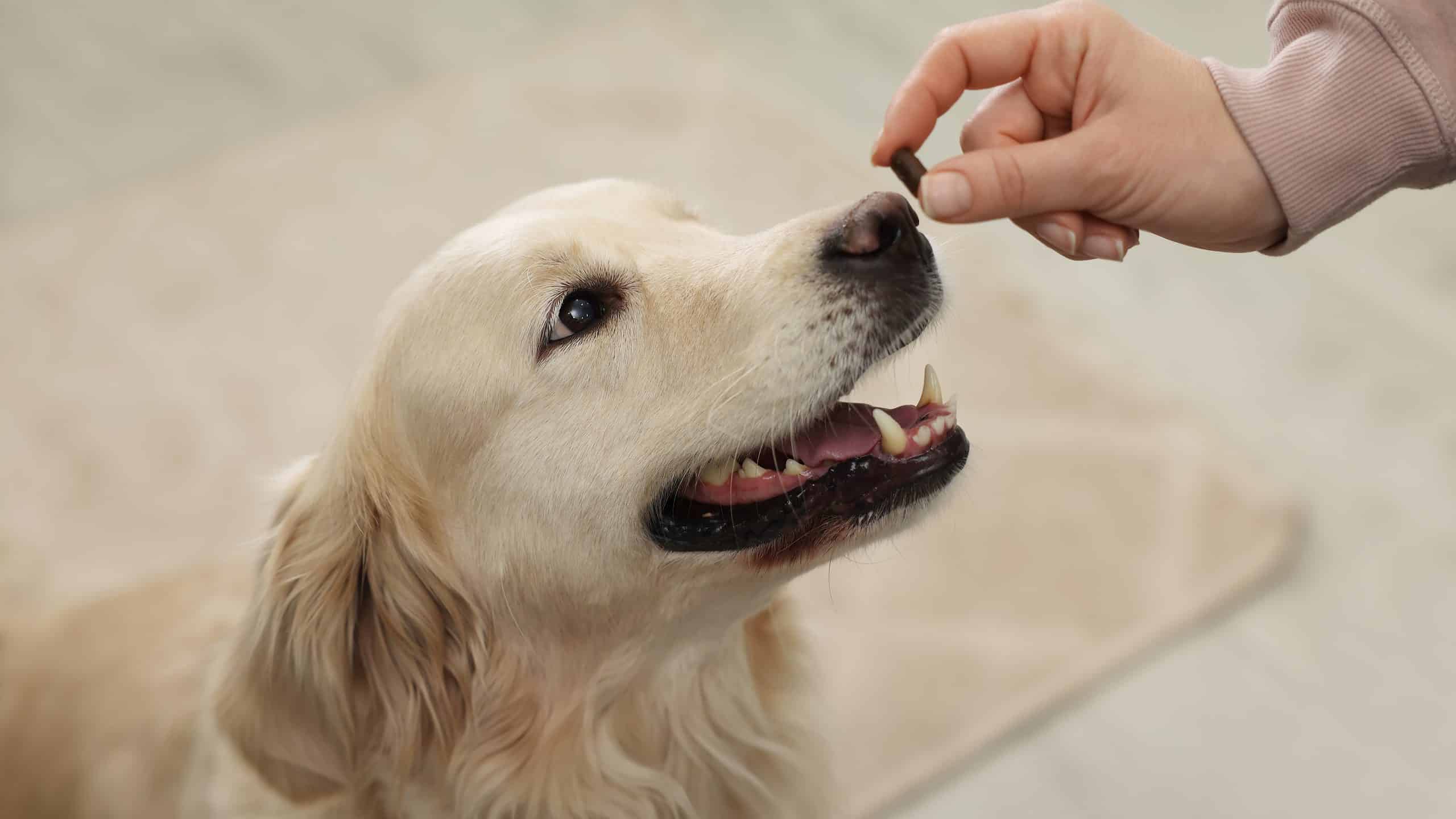
Meloxicam can be prescribed for use in dogs in pill, liquid, and oral spray form. It can also be given in injectable form, though this is typically administered by your vet. It is common for a vet to give one dose of injectable meloxicam when it is initially prescribed, as this allows the NSAID to take effect more quickly. Your vet will then send you home with an oral form of meloxicam to continue treatment.
Although meloxicam can be given without food, some dogs may experience nausea on an empty stomach. When possible, give your dog meloxicam with a small meal to help prevent nausea or vomiting.
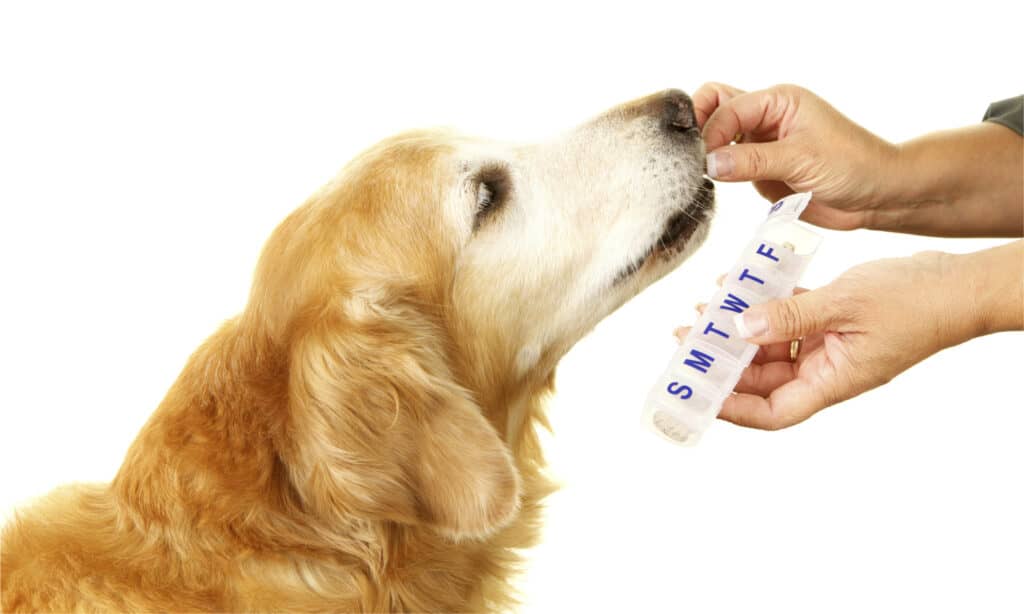
Your vet may perform blood tests to rule out any kidney or liver dysfunction before sending your dog home with a meloxicam prescription.
©Donna Ellen Coleman/Shutterstock.com
What Is the Dose of Meloxicam in Dogs?
Never give your dog meloxicam without veterinary approval. With that in mind, there is a common meloxicam dose that most veterinarians prescribe.
The standard dose of meloxicam for dogs is 0.1 mg per kilogram of body weight. Your vet will often instruct you to double your dog’s first dose, then reduce to the standard 0.1 mg per kilogram for all subsequent doses. This initial higher dose is called a loading dose, which is common practice with anti-inflammatory medications. For example, a 4.5-kilogram (10-pound) dog may be prescribed 0.45 mg once every 24 hours but would receive approximately 0.9 mg for the first (loading) dose.
Veterinarian Dr. Amy Nicole Lewis told A-Z Animals that a loading dose is often used when it is necessary to achieve effective concentrations of a medication as quickly as possible. This is particularly common when treating inflammatory conditions, given the immediate need to relieve the dog’s discomfort.
Does Meloxicam Have Any Side Effects in Dogs?
Meloxicam is generally safe for dogs when used according to your veterinarian’s guidance, but like any prescription medication, it can cause mild side effects. Some of the most common side effects seen with meloxicam use in dogs include:
- Vomiting
- Diarrhea
- Bloody stool
- Black, tarry stool
- Decreased appetite
- Lethargy
- Kidney & liver complications
- Central nervous system issues
The most common side effect in dogs is mild GI upset. Giving your dog meloxicam with food can reduce nausea or appetite changes, but consult your veterinarian for additional guidance.
Your vet may perform blood tests to rule out kidney or liver dysfunction before prescribing meloxicam, since NSAIDs can worsen these conditions in some dogs. Blood tests help confirm that your dog can safely tolerate the medication before it is prescribed. However, serious kidney and liver damage are a concern with both short-term and long-term use of meloxicam, particularly in dogs with pre-existing conditions.