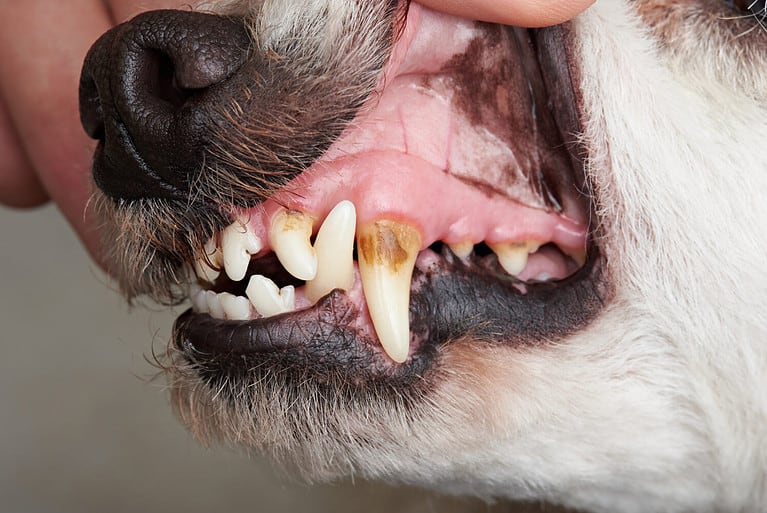

Quick Take
- Not every dog in pain qualifies for Vetprofen®, and giving it to the wrong dog can make things significantly worse. See which dogs to exclude →
- An overdose doesn't always look like what you'd expect. Some warning signs are easy to miss until it's too late. Spot the overdose signs →
- The correct dose isn't a single number, and getting it wrong by even a small margin can have serious consequences. Check the dosage chart →
- Some common side effects of Vetprofen® can signal organ damage hiding beneath the surface. Review the side effects →
It can be very stressful for both the animal and its owner when a pet falls ill. Thankfully, veterinary science has come incredibly far throughout the years, and animals are now living longer and happier lives than ever before. A major part of this progress stems from advancements in prescription medicine. Vetprofen® is a prescription non-steroidal anti-inflammatory drug (NSAID) containing carprofen, which is used to relieve pain and inflammation in dogs. Continue reading to learn about the dosage, risks, and side effects of Vetprofen® in dogs.
When Do Dogs Need Vetprofen®?
Dogs that have recently undergone surgery and older dogs that have developed osteoarthritis are common candidates for Vetprofen®. However, not every dog with inflammation is a good candidate for Vetprofen®. If you think your dog would benefit from this drug, consult your veterinarian.

If you notice a sudden change in your dog’s behavior, discontinue the use of Vetprofen® and contact your vet immediately.
©megaflopp/Shutterstock.com
Side Effects of Vetprofen® on Dogs
Although many dogs take Vetprofen® without adverse effects, others are not as fortunate. Owners should be aware of the side effects associated with Vetprofen®. Common side effects include:
- Weakness
- Lethargy
- Vomiting
- Appetite loss
- Diarrhea
- Bloating
- Gastrointestinal bleeding
- Irregular bowel movements
- Dark-colored, tarry stool
- Skin conditions
- Kidney issues
- Liver issues
- Pregnancy complications
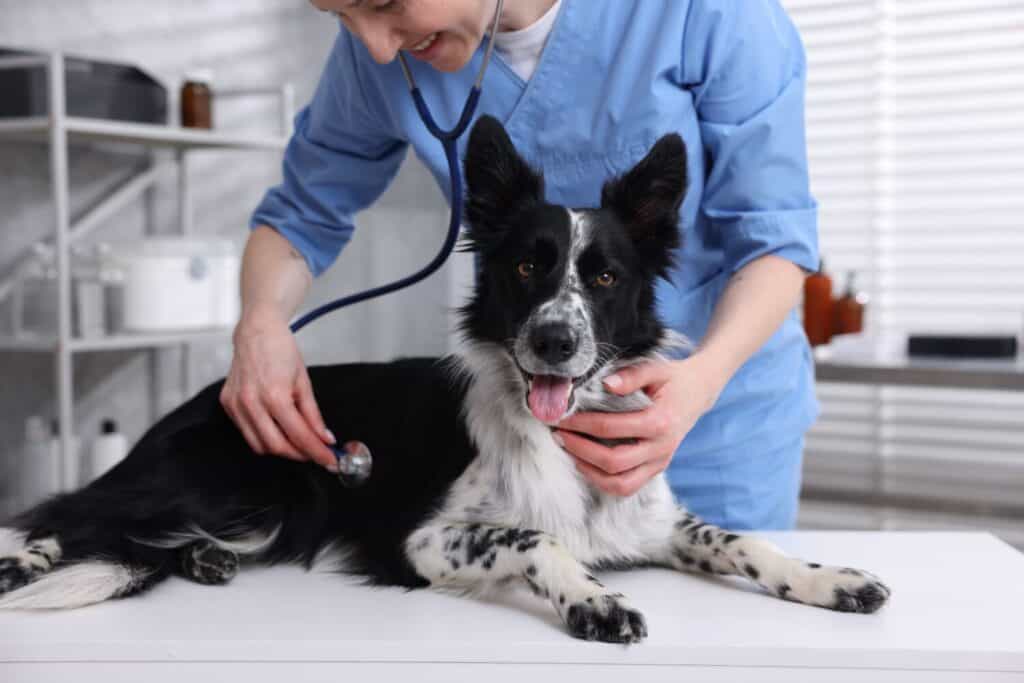
Vetprofen® affects dogs differently, so it’s important to monitor your pup.
©New Africa/Shutterstock.com
Although many of these side effects are mild, they can be serious in certain cases. If your dog begins behaving abnormally after being given Vetprofen®, discontinue use immediately. If any of these side effects worsen over time, contact your vet immediately.
Signs of Vetprofen® Overdose in Dogs
Signs of a Vetprofen® overdose include black, tarry stools, vomiting, and diarrhea. An overdose of any NSAID can damage the gastrointestinal tract and cause internal bleeding. Owners may also observe weakness and difficulty walking. In extreme cases, dogs may suffer seizures and muscle spasms. A Vetprofen® overdose can be fatal and must be treated promptly. If you suspect your dog has ingested too much Vetprofen®, take them to an emergency vet immediately.

Always follow your veterinarian’s instructions when treating your pet for inflammation.
©maxbelchenko/Shutterstock.com
Taking too much Vetprofen® in a single dose can be life-threatening, and prolonged use can also cause complications. Always follow your vet’s instructions carefully and never exceed or deviate from the prescribed dose.
When Is Vetprofen® Not an Option for Your Dog?
While some dogs benefit greatly from this drug, others are not good candidates for Vetprofen®. According to the FDA‘s website: “Dogs and cats at greatest risk for developing side effects from NSAID therapy are those that are dehydrated, on concomitant diuretic therapy, have recently been treated with a corticosteroid, or have pre-existing kidney, heart, or liver dysfunction.” Dogs in any of the above categories should receive alternative forms of pain relief.
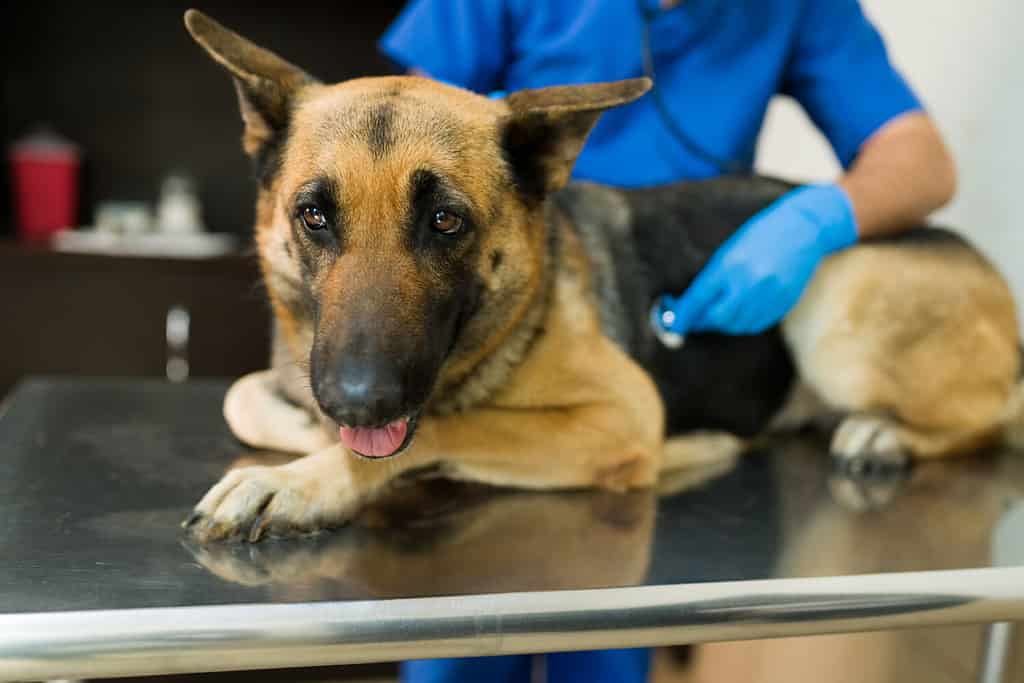
If you find that your dog is experiencing a serious complication related to their use of Vetprofen®, seek veterinary help immediately.
©Beach Creatives/Shutterstock.com
Any dog that has previously reacted negatively to NSAIDs or carprofen should not be prescribed Vetprofen®. Dogs used for breeding should also avoid this medication, as it may cause complications during pregnancy. Vetprofen® should be administered to dogs only. It should never be given to cats or other animals.
Vetprofen® Dosage Chart
Improper use of Vetprofen® can lead to serious side effects and, in extreme cases, death. Ensuring that your pet is taking the proper amount is paramount to protecting their health. Vetprofen® comes in caplet form and should be given orally.

The weight of your dog will play a role in how many milligrams of Vetprofen® they should ingest.
©Juice Flair/Shutterstock.com
The recommended dosage of Vetprofen® is two milligrams per pound. Caplets come in three strengths: 25 mg, 75 mg, and 100 mg. These can be split to give your dog the correct dosage for their weight.
| Dog’s Weight (Pounds) | Vetprofen® Dosage |
|---|---|
| 0 – 5 | 0 to 10 milligrams |
| 5 – 10 | 10 to 20 milligrams |
| 10 – 20 | 20 to 40 milligrams |
| 20 – 30 | 40 to 60 milligrams |
| 30 – 40 | 60 to 80 milligrams |
| 40 – 50 | 80 to 100 milligrams |
| 50 – 60 | 100 to 120 milligrams |
| 60 – 70 | 120 to 140 milligrams |
| 70 – 80 | 140 to 160 milligrams |
| 80 – 90 | 160 to 180 milligrams |
| 90 – 100+ | 180 to 200+ milligrams |
This chart is intended as a general guide for Vetprofen® dosage. Always follow the advice of a veterinarian who has personally evaluated your dog.