
Quick Take
- Ear cropping was originally done for a practical reason that has nothing to do with looks, and some owners still defend it on those grounds today. Explore the historical reasons →
- One of the biggest arguments for cropping ears turns out to have zero scientific backing, and which one it is might surprise you. See the lack of evidence →
- Cropped ears don't just change how a dog looks. They can fundamentally change how other dogs react to it, with dangerous consequences. See the communication risks →
- Ear cropping is legal in places where you probably assume it isn't, and banned in places where you might not expect. Check the legal status →
Ear cropping is a medical procedure where a dog’s ears are trimmed so they can stand erect instead of flopping over. The American Kennel Club (AKC) recognizes around 20 breeds with cropped ears, including Great Danes, Doberman Pinschers, and Boston Terriers. In this article, we’ll go through everything you need to know about ear cropping, from why why it’s done to its impacts on dogs.
Why Do Owners Crop Their Dogs’ Ears?
Historically, working breeds, guarding breeds, and some sporting breeds had their ears cropped to prevent their ears from being torn or injured in fights with predators or catching on dense brush. According to the AKC, some owners of specific breeds want to “maintain their dog’s historic practical function.” However, there are some owners who believe cropping their dog’s ears makes them look more intimidating as guard dogs.
Although many argue that the procedure is purely cosmetic, some owners claim that the procedure can improve their dog’s ability to perform the tasks that the breed was bred to do. For example, the Doberman Pinscher Club of America notes that a dog with an erect ear can pinpoint the direction of a sound far better than a dog with a dropped ear. Since these dogs often do search and rescue work, increased hearing is an advantage.
It has also been suggested that dogs with cropped ears are less likely to experience ear canal infections. Heavy, dropped ears have been linked to ear infections in dogs. However, there is currently no evidence to indicate that cropping alleviates or prevents these infections.

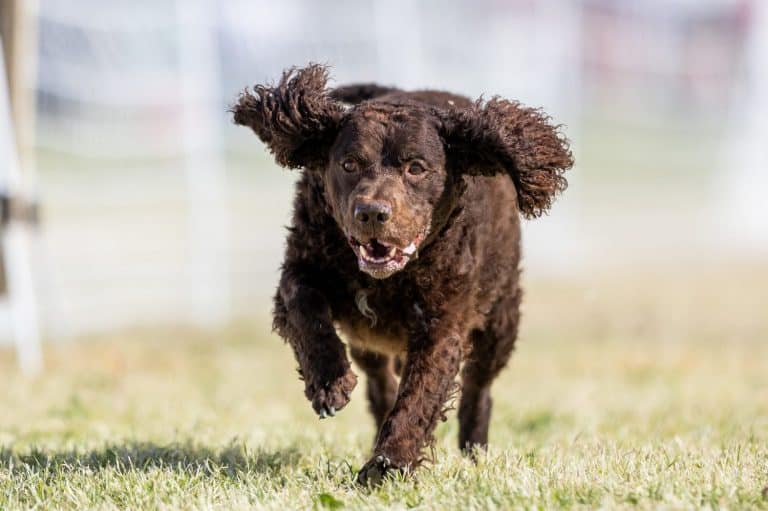
Cropped ears ensure a dog’s ears stand upright instead of flopping over.
©iStock.com/f8grapher
The Risks of Ear Cropping
It should go without saying that ear cropping should only be performed by a licensed veterinarian. Whether you are for or against ear cropping, there are some risks to the procedure that must be recognized.
Anesthesia Risks
While anesthesia is generally safe, there are inherent risks to it, which can include cardiac arrest, stroke, and even death in extreme cases. The American Veterinary Medical Association (AVMA) recommends weighing the risks and benefits of anesthesia before administering anesthesia to a dog.
Pain as the Ears Heal
Dogs will experience pain as their ears heal. Even if dogs are given painkillers during and after the procedure, the medication is unlikely to eliminate all the pain. Healing can take days to months according to AVMA, which means dogs can potentially be in pain for months after surgery.
Infections and Other Complications
Complications like infection or improper healing can also occur. An infection means the dog will need to return for treatment. When ear crops heal incorrectly or fail to take on the desired shape, dogs are often subjected to another surgery. This means facing the risks of anesthesia and experiencing the pain from surgery all over again. Each surgery also comes with the risk of infection.
Loss of Communication
Ear cropping permanently removes a vital part of a dog’s ability to communicate with both humans and other dogs. For example, dogs raise their ears when excited, lay them flat when scared, and turn an ear in one direction when listening to something, allowing humans to discern their emotional state. Because dogs with cropped ears cannot communicate effectively with other dogs, they’re at an increased risk of getting into fights. Through no fault of their own, other dogs may perceive them as a threat. This means that even even the friendliest dogs may struggle to socialise at best, or get attacked at worst.
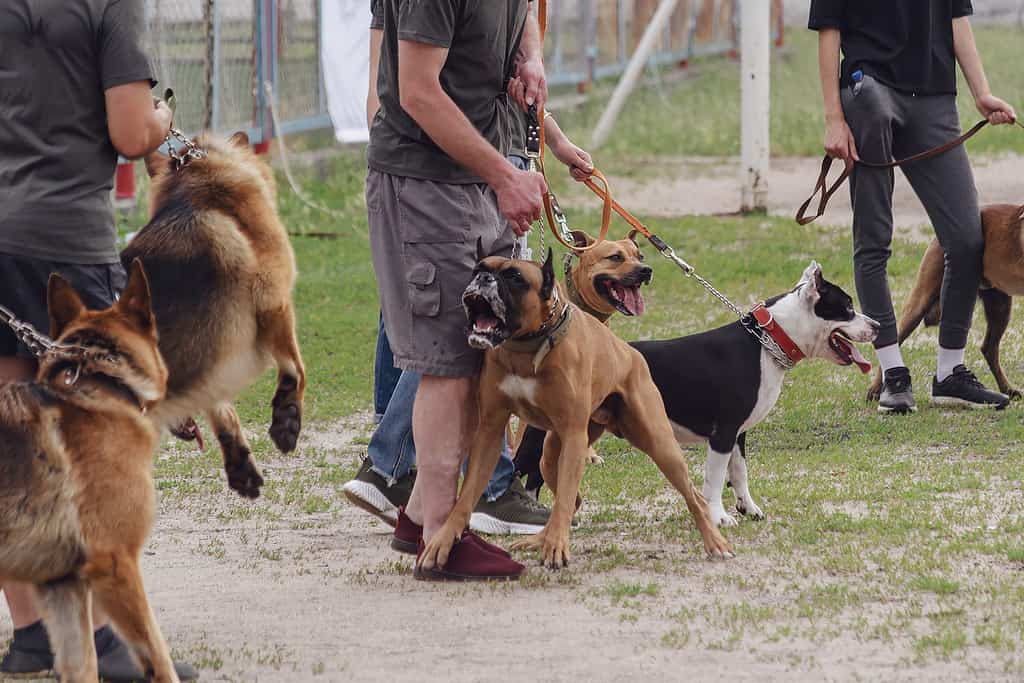
Dogs with cropped ears cannot communicate effectively with other dogs, increasing the risk of dog fights.
©iStock.com/Mikhail Dmitriev
Is Ear Cropping Legal?
Ear cropping is currently legal in all 50 states. However, it is heavily regulated in some states, including Connecticut, Maryland, New Hampshire, New York, and Pennsylvania, among others. Other states also have restrictions on who can perform the surgery and the circumstances under which it may be performed. It is also legal throughout most of Canada, although regulations vary by province, and it is prohibited in Quebec. Ear cropping has also been outlawed in the United Kingdom and the European Union. Non-EU states such as Switzerland and Norway have banned the practice as well.