Quick Take
- A rabbit showing zero signs of illness can still send its guinea pig companion straight to the vet, or even worse. See the disease risks →
- The reason people originally paired these two animals together had nothing to do with compatibility, and the truth behind it changes everything.
- A single accidental movement from a rabbit can be fatal to a guinea pig, something most owners never see coming. See how injuries happen →
- These two animals can share a home peacefully, though one specific condition must be met that most owners overlook. Find the key condition →
Rabbits and guinea pigs were historically paired as pets because neutering rabbits was once considered unsafe, leaving owners to seek alternative companions for their rabbits. As veterinary practices improved, organizations like the RSPCA clarified that rabbits and guinea pigs communicate differently, have distinct dietary needs, and risk injuring one another. A shift from high-risk to routine rabbit surgeries has occurred rapidly over the last few decades as exotic animal medicine has become more established. These advances made spaying and neutering rabbits safer, eliminating the need to pair rabbits with guinea pig companions.
Rabbits Can Injure Guinea Pigs
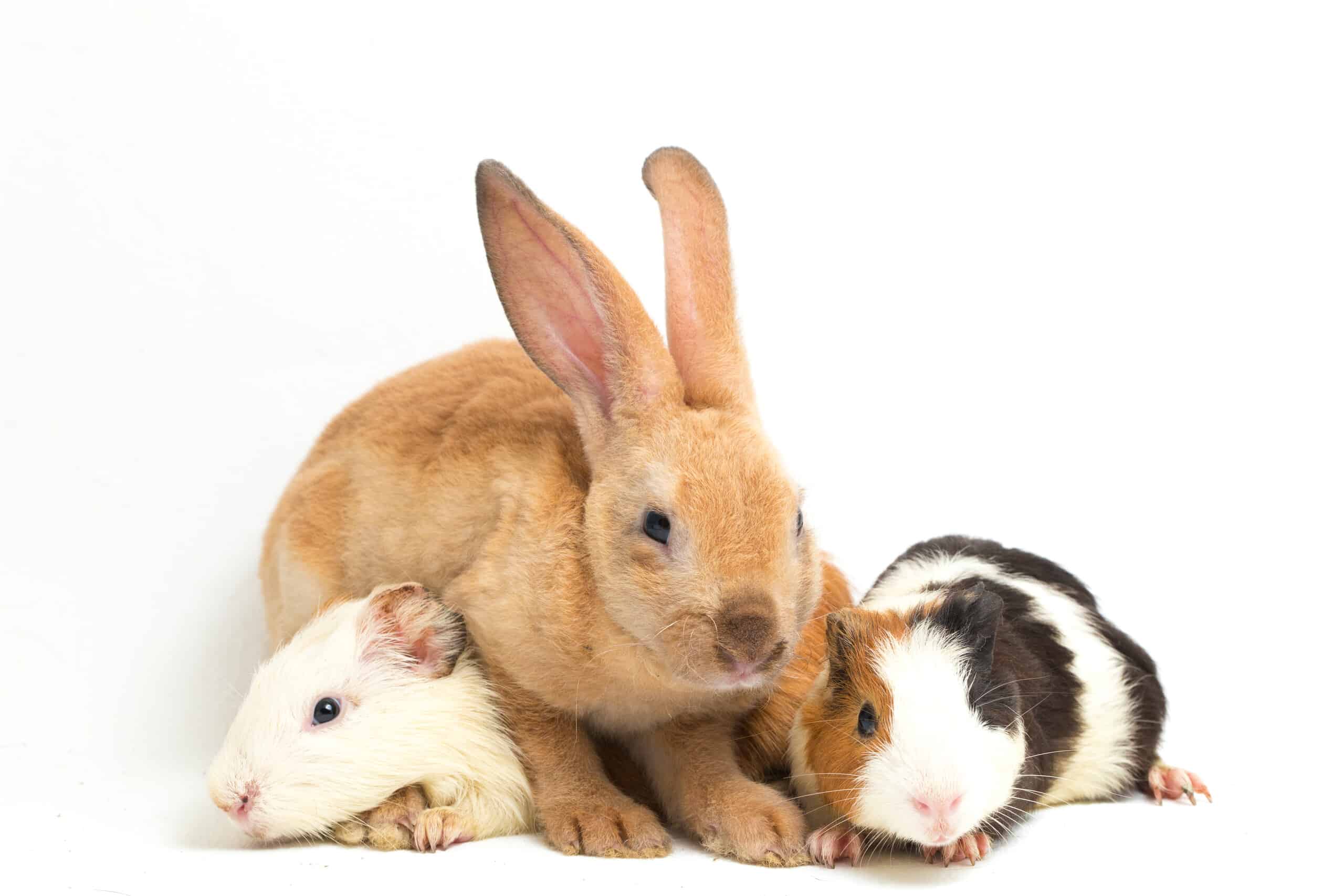
Rabbits can sometimes bully guinea pigs or accidentally hurt them.
©dwi putra stock/Shutterstock.com
Because of their larger size, rabbits frequently bully guinea pigs, making peaceful cohabitation nearly impossible.
Because the two species cannot read each other’s body language, rabbits often become frustrated and assert dominance by chasing, biting, and mounting the smaller guinea pig, which places extreme stress on the guinea pig’s fragile spine.
Also, a rabbit’s instinct to guard resources can leave a guinea pig malnourished, while a single accidental kick from a rabbit’s powerful hind legs can inflict fatal internal injuries or fractured ribs.
Living with Rabbits Can Make Guinea Pigs Sick
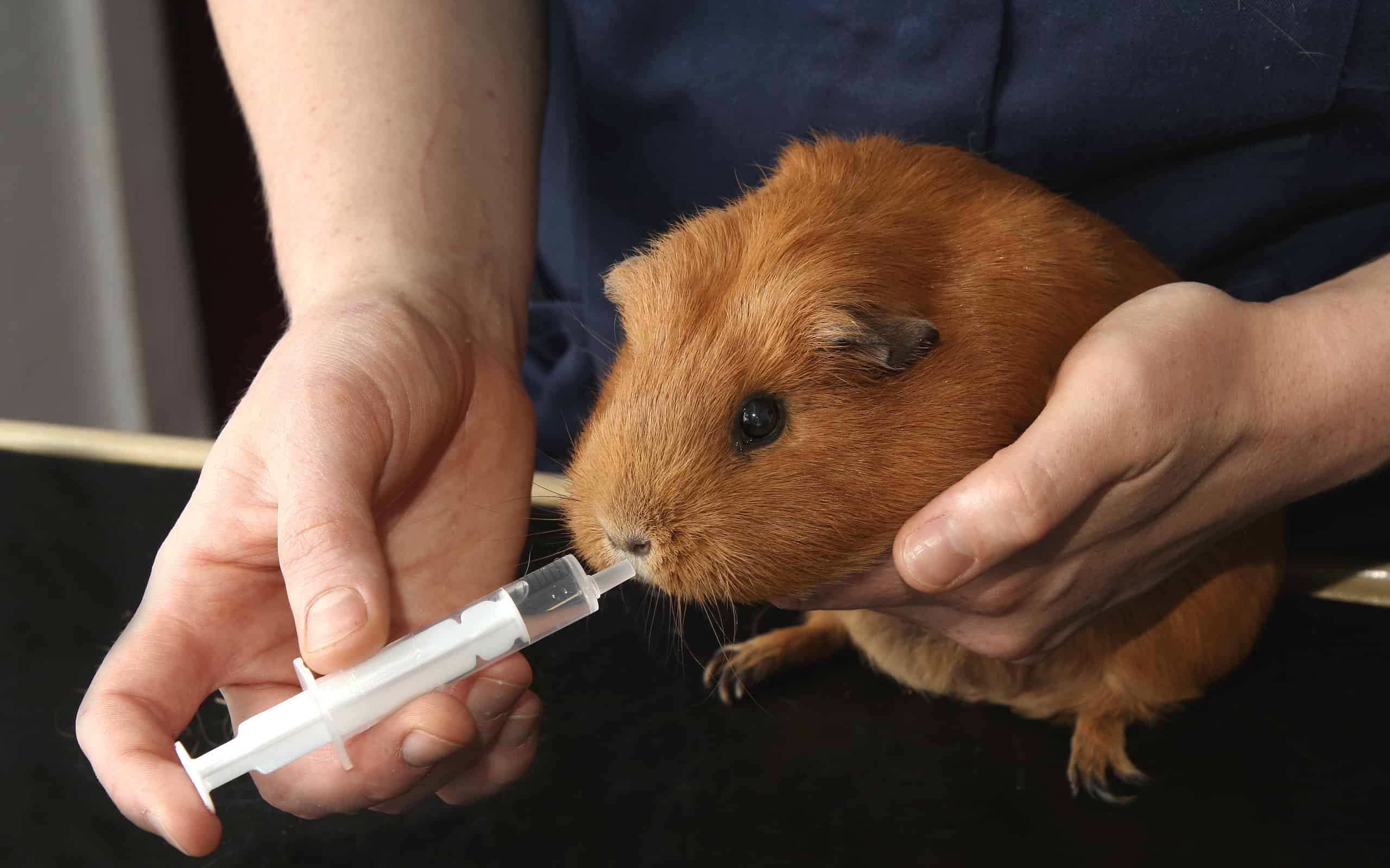
Guinea pigs can get sick even from healthy rabbits!
©mwpenny/iStock via Getty Images
Rabbits can carry Bordetella, which is one of the most common causes of upper respiratory infections in guinea pigs. URIs progress very quickly and can be deadly.
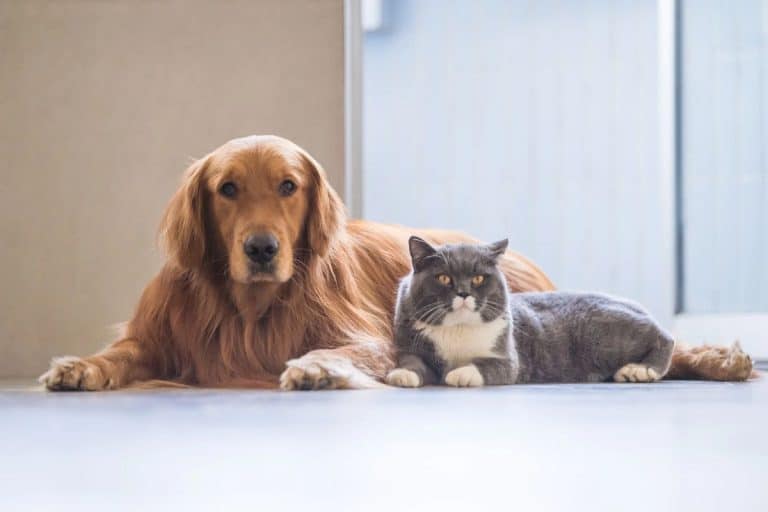
Even a rabbit who shows no symptoms of illness can pass it on to their guinea pig companion. The same is true for cats and dogs!
This is why other pets should be kept separate from guinea pigs, and hands should be washed before handling them. It’s also recommended not to share items between rabbits and guinea pigs without washing or disinfecting them first.
They Need to Socialize With Their Own Species
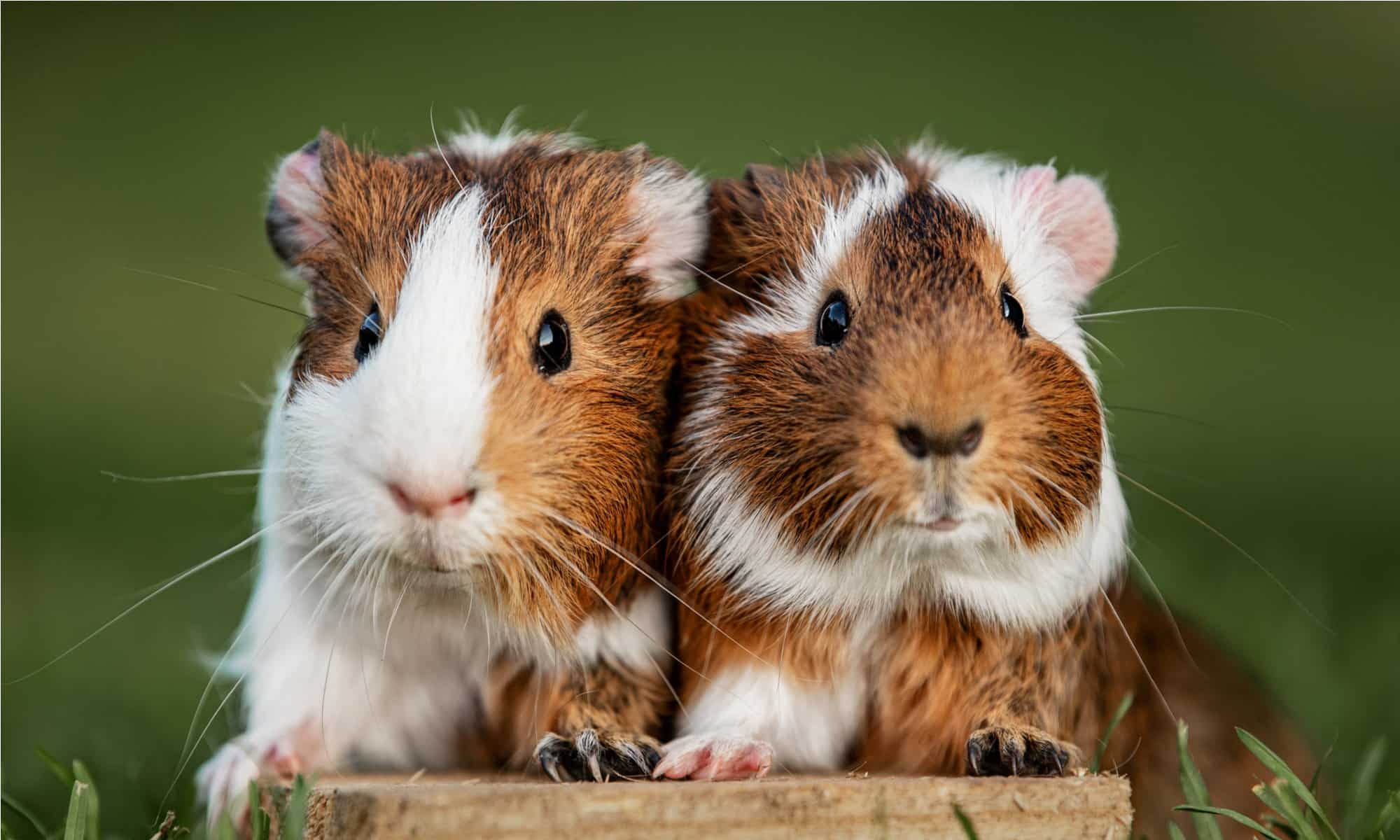
Nothing can replace socialization with their own species.
©Rita_Kochmarjova/Shutterstock.com
Rabbits belong with other rabbits, and guinea pigs belong with other guinea pigs.
Modern veterinary science and animal welfare organizations have determined that interspecies pairing can create severe welfare issues, as communication mismatches often lead to bullying, and the physical size difference poses a constant risk of fatal injury.
This realization shifted toward the understanding that social animals require companions of their own species who share the same vocalizations, behavioral cues, and precise dietary needs.
Consequently, current veterinary guidelines strongly advocate for same-species pairings to ensure the long-term mental and physical health of domestic pets.
They Have Different Diets
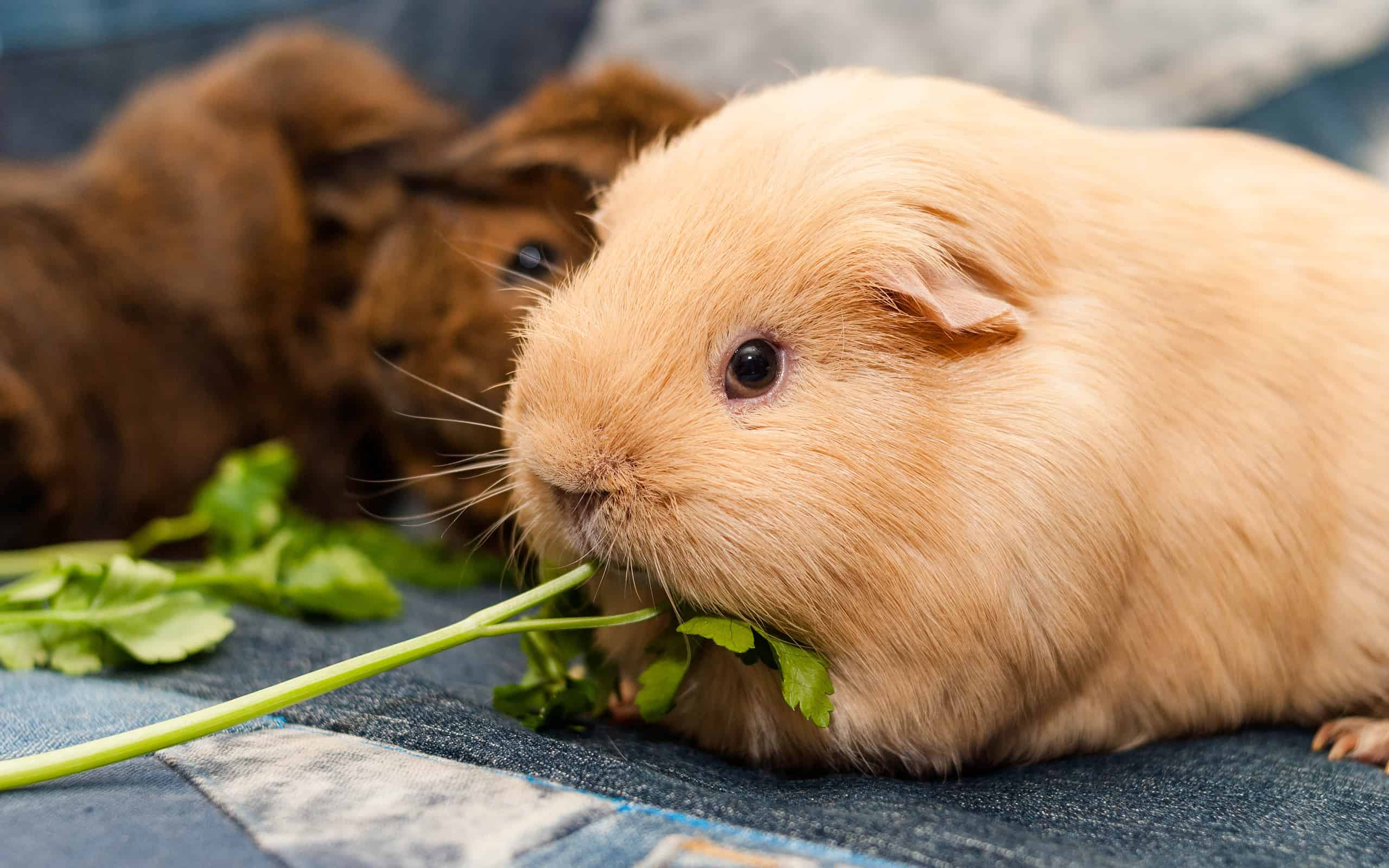
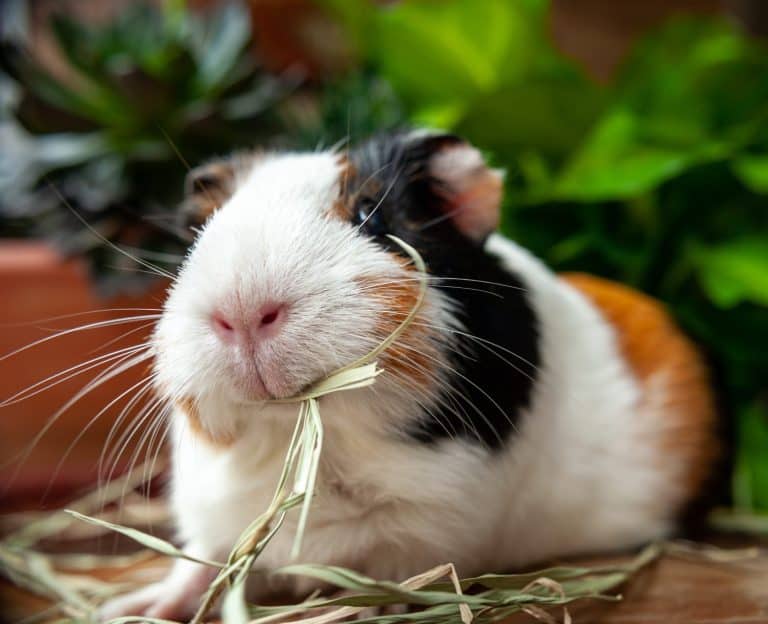
Guinea pigs need more vitamin C in their diets.
©Sofiia Petrova/iStock via Getty Images
Rabbits and guinea pigs have distinct dietary requirements that make communal feeding difficult.
When housed together, the larger and more dominant rabbit typically commands the food bowl, taking the lion’s share of the nutrient-dense pellets and fresh produce.
As a result, the intimidated guinea pig is left to suffer the consequences of malnutrition, frequently developing scurvy, severe weight loss, and a compromised immune system.
They Have Different Housing Needs
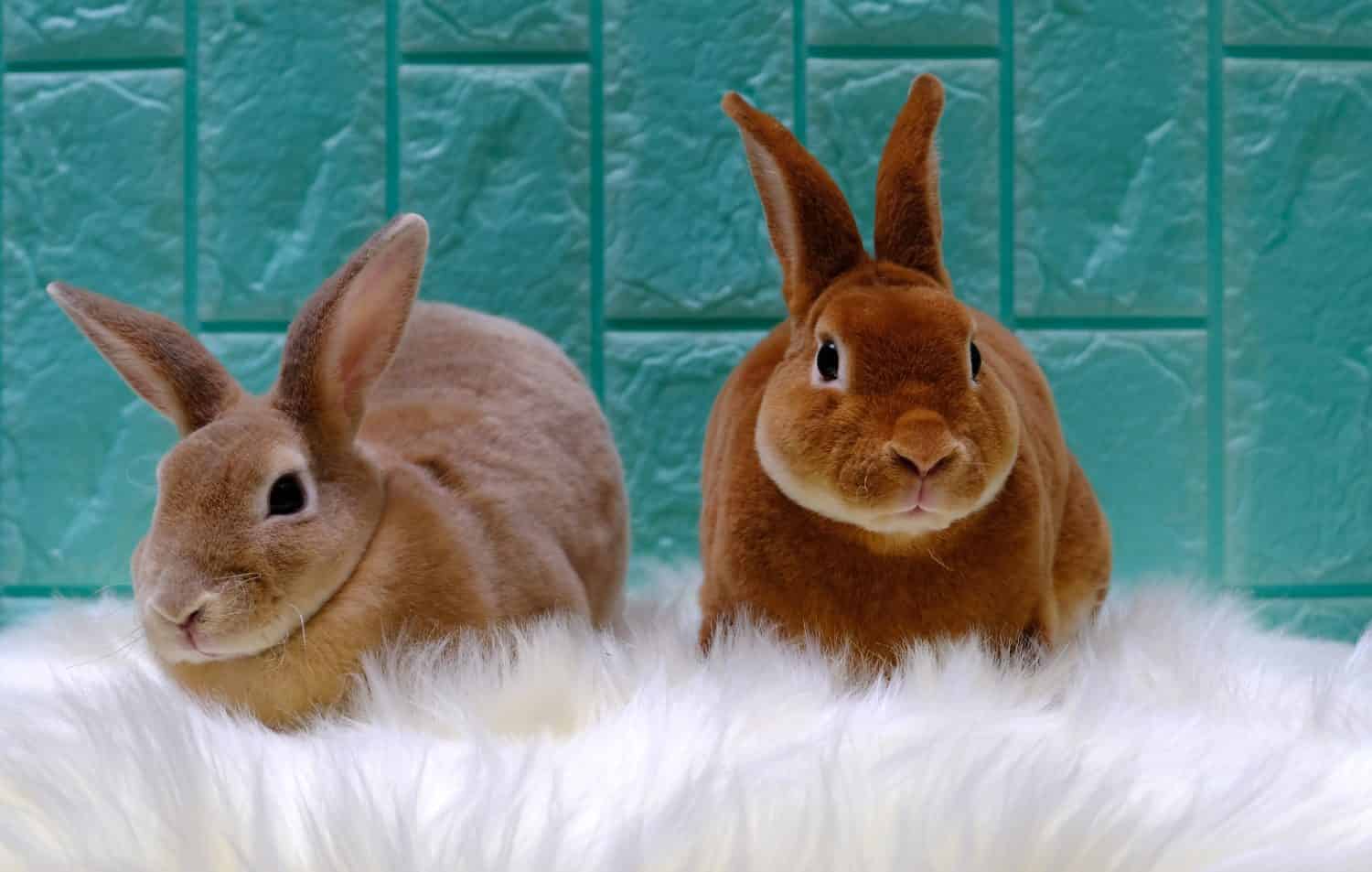
Guinea pig cages often don’t provide enough space for rabbits.
©ansoz/Shutterstock.com
Guinea pigs can live in large enclosures of 7.5 square feet or more, with the ideal size for two being 10-12 square feet or greater. The bigger their cage, the better!
Rabbits should not be kept in cages, and a guinea pig enclosure likely won’t provide them with enough space. Ideally, your rabbits will free-roam at least one room in your home.
They Can Live in the Same Household, but Separated
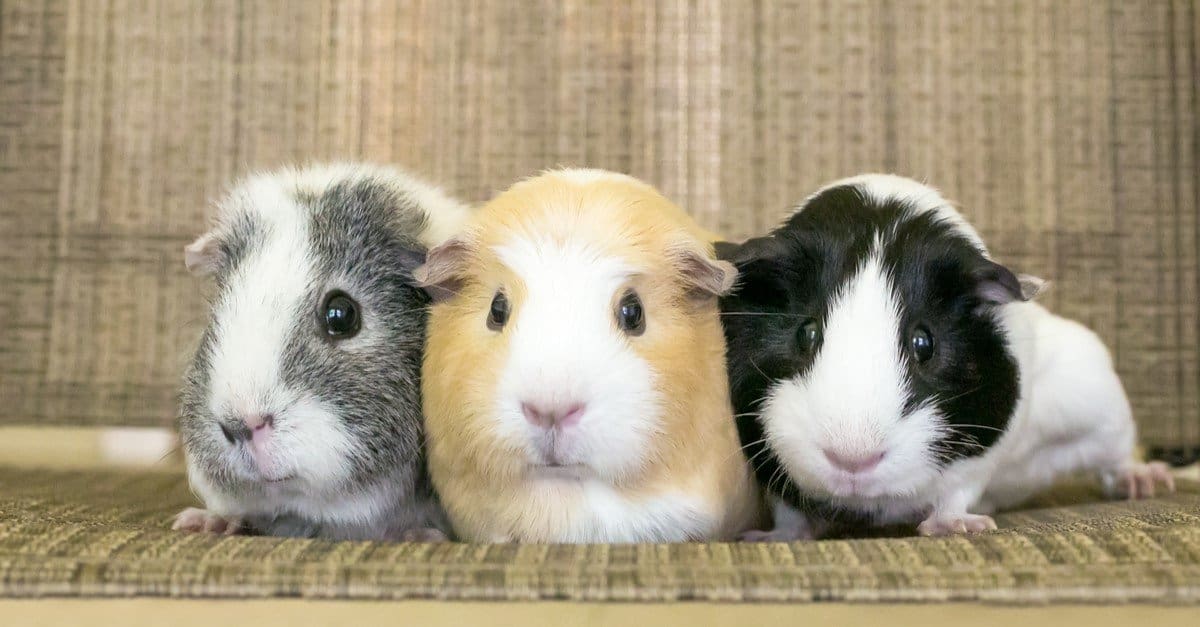
Guinea pigs do best separately from rabbits but can live in the same household without issue.
©Mary Swift/Shutterstock.com
Rabbits and guinea pigs have vastly different housing requirements that make shared enclosures unsafe. However, they can still happily coexist within the same home if kept in separate habitats.
Rabbits are larger, high-energy animals that require tall enclosures with ample vertical space to stretch, hop, and leap.
Guinea pigs are low-to-the-ground, fragile rodents that require single-floor plans with specialized ramps and smooth surfaces to protect their delicate feet and multiple low-clearance hiding spots where they feel secure from predators.
It’s also vital to have at least two guinea pigs and at least two rabbits. After all, both species thrive with companionship from their own kind.