
Quick Take
- Cows have close companions that help them lower their stress levels, particularly in new or changing situations.
- Calves raised in pairs rather than on their own appear to show more positive growth and changes, likely thanks to their partnership.
- 2 cows form stable partnerships and do not treat other animals in the herd as interchangeable units in regard to their friendship.
- Farmers and ranchers should keep bonded pairs in mind when making changes to their herds, as cattle form deep connections.
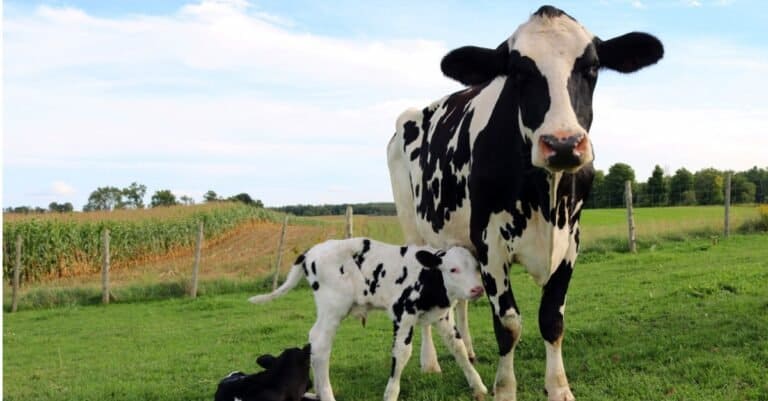
It’s common in just about any pasture to notice two cows grazing side by side and going about their typical activities together rather than alone. But did you realize this is because many cattle species operate best through collaborative partnerships?
Research surrounding cattle social structures finds that relationships inside a herd are not evenly distributed, and stable partnerships can emerge when animals have time to settle into a group. But do all cattle species operate in this way, and just how powerful are these social bonds to begin with? We dive into the research today to see just how bonded cows become to their best friends in the herd.
Here’s what studies show about cows and the friends they make, including the physiological responses involved as well as how farmers can better support connections in their own herd.
Do Cows Get Stressed When Separated From Their Friends?
While implausible and surprising, research suggests that cows actually get stressed when separated from their friends or partners, companions they choose. Their preferred partners appear to function like a built-in safety system, a familiar companion who reliably buffers stress during anything uncertain or aversive.
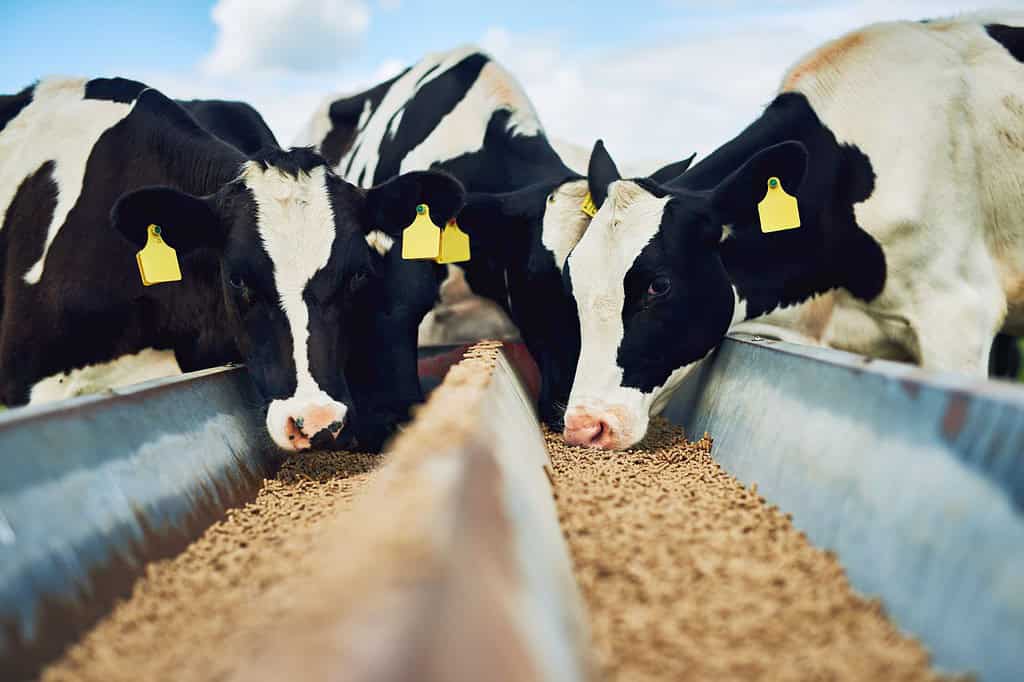
Cows do indeed have best friends, according to stress research across multiple cattle species.
©PeopleImages.com – Yuri A/Shutterstock.com
When their preferred partner disappears, cows experience far more stress-linked physiology. Ultimately, stable pair bonds reduce any perceived risks in their environment. They find safety in one another, and here’s how researchers uncovered this.
How Researchers Identify a Cow’s Preferred Partner
Researchers have uncovered how cow friendships form by observing repeatable behavioral signals. One common approach is tracking proximity and affectionate behavior over time. Allogrooming, or social grooming, is an especially useful observation because it is an intentional, directed behavior, not a side effect of an overcrowded pasture.
In a peer-reviewed study on allogrooming in cattle, researchers mapped grooming networks in dairy cows and examined how individual traits and changing group dynamics shaped who groomed whom. It helped researchers identify preferred social ties, as grooming relationships tend to be selective and patterned rather than random or proximity based.
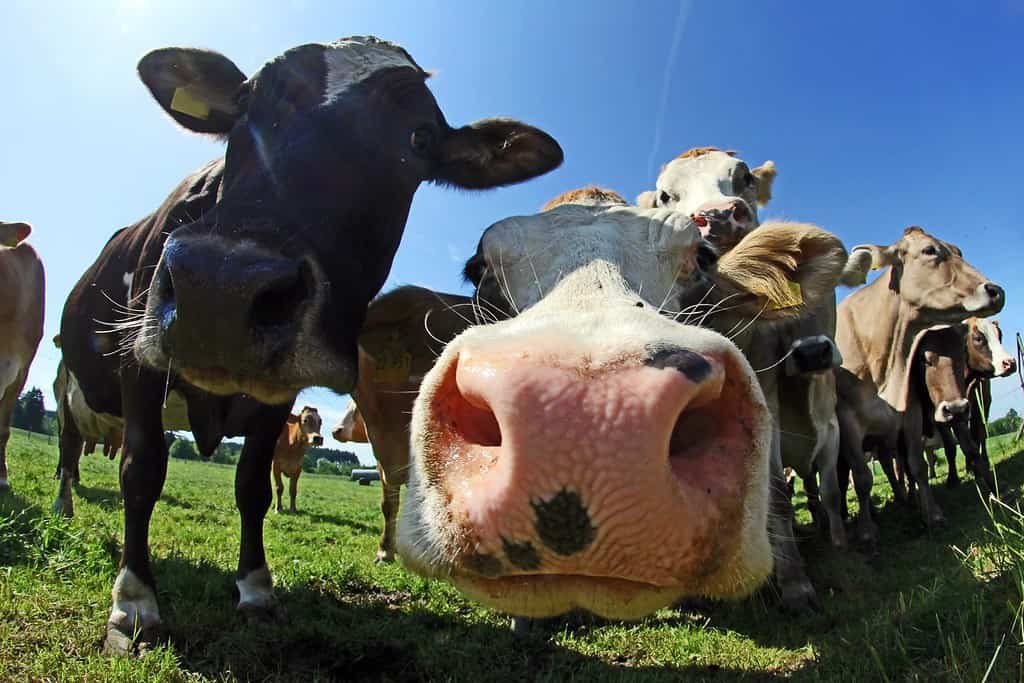
Grooming is a clear sign of a cow’s potential friendship.
©Astrid Gast/Shutterstock.com
It became clear to researchers that, when the same two cows keep turning up as preferred partners across multiple observation windows, their friendship and connection become measurable, something worthy of future study. In fact, these partnerships in cattle became detrimental to determining surprising signs of stress and loneliness.
Separation Stress in Cattle Without Their Friends
In cattle and calves, separation and regrouping commonly trigger signs that are easy enough to recognize, even without equipment. Some of those signs were observed as more vocalizing, restless movement, reduced resting, increased vigilance, and more time spent checking gates or fence boundaries.
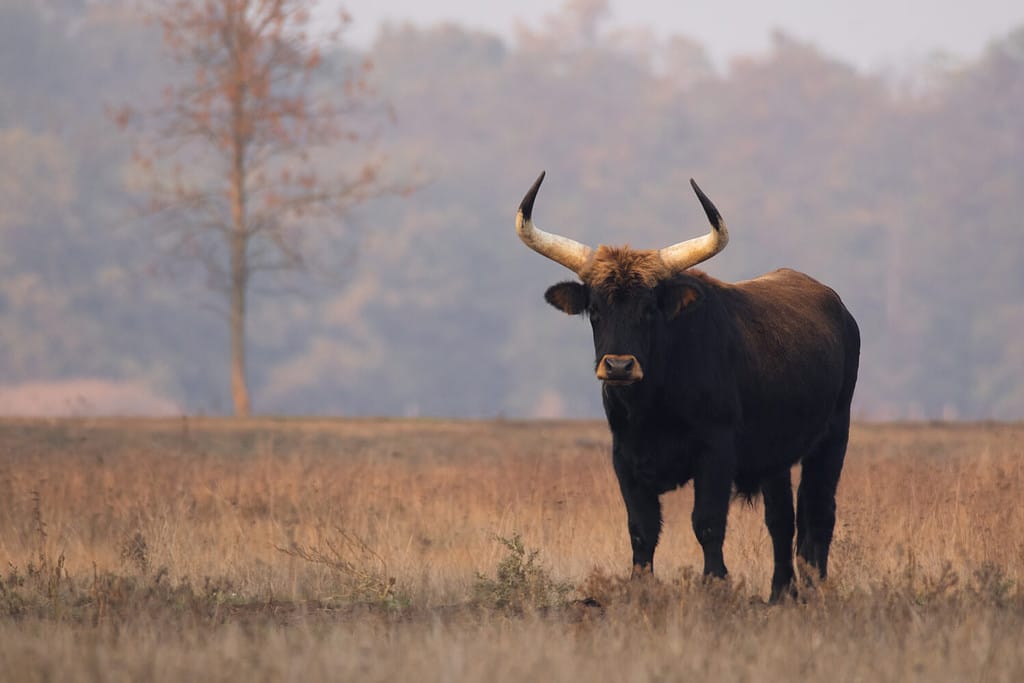
When cattle are separated from their friends during periods of change, their stress levels rise.
©Simon Vasut/Shutterstock.com
The reason researchers care about companion effects is that these stress responses show up in situations farms already have to manage, including transport, pen changes, veterinary handling, and the social churn created by large, dynamic groups. Cows that experience frequent group changes and limited control over their social partners exhibit more stress-related symptoms.
A Cow’s Heart Rate When a Preferred Partner Is Present
With their need for connection in mind, does it truly matter who a cow is with during a stressful separation event? The short answer is a resounding yes.
In fact, cattle observed as undergoing a short social isolation challenge showed a significantly lower heart rate when they were separated with a preferred partner compared with a non-preferred partner, alongside lower agitation-type behavior. These results suggest that cattle were receiving social support from their preferred partners, which allowed them to have a reduced stress response to the test.
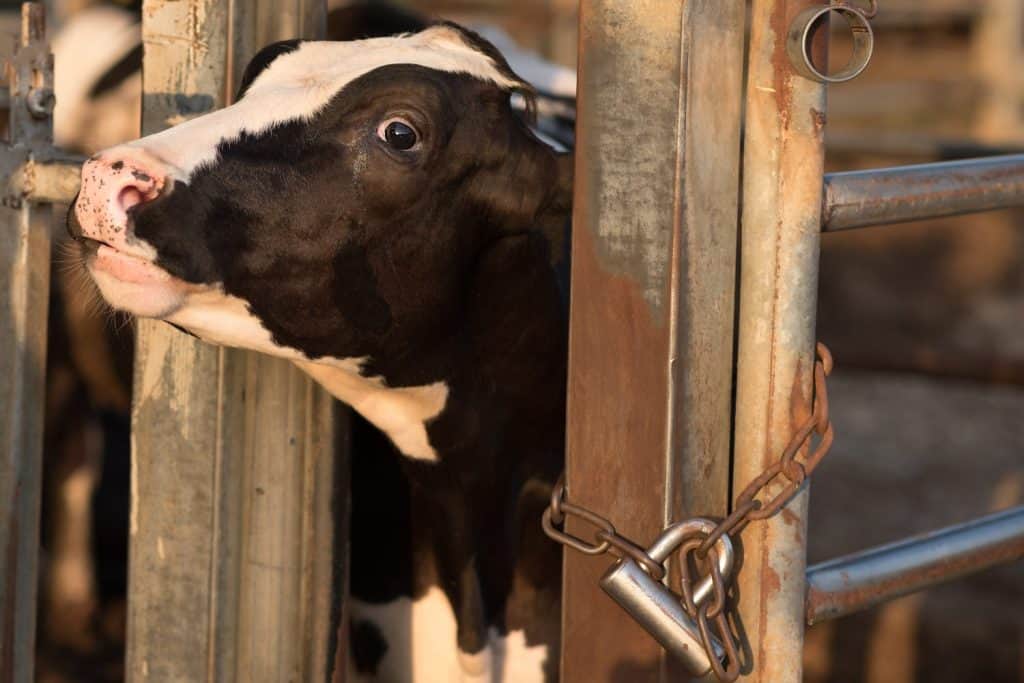
Observing a cow’s heart rate while with their preferred partner indicates less stress within them.
©Inna Reznik/Shutterstock.com
But why do cows seem to be so affected by their friends, and how does the stress of loneliness harm them in the long run?
Why Friendship Can Change a Cow’s Stress Levels
Cows need support through stressful situations, just like people. In fact, animal behavior researchers have a name for this: social buffering. The core idea behind this is that the presence of a familiar social partner can help dampen stress responses during threatening or unfamiliar events.
The research about social buffering shows that social contact can reduce stress-linked responses in social mammals, including cattle herds. You do not need to claim cows think like humans to use the concept; it demonstrates that a trusted companion can reduce the overall load of a stressful situation.
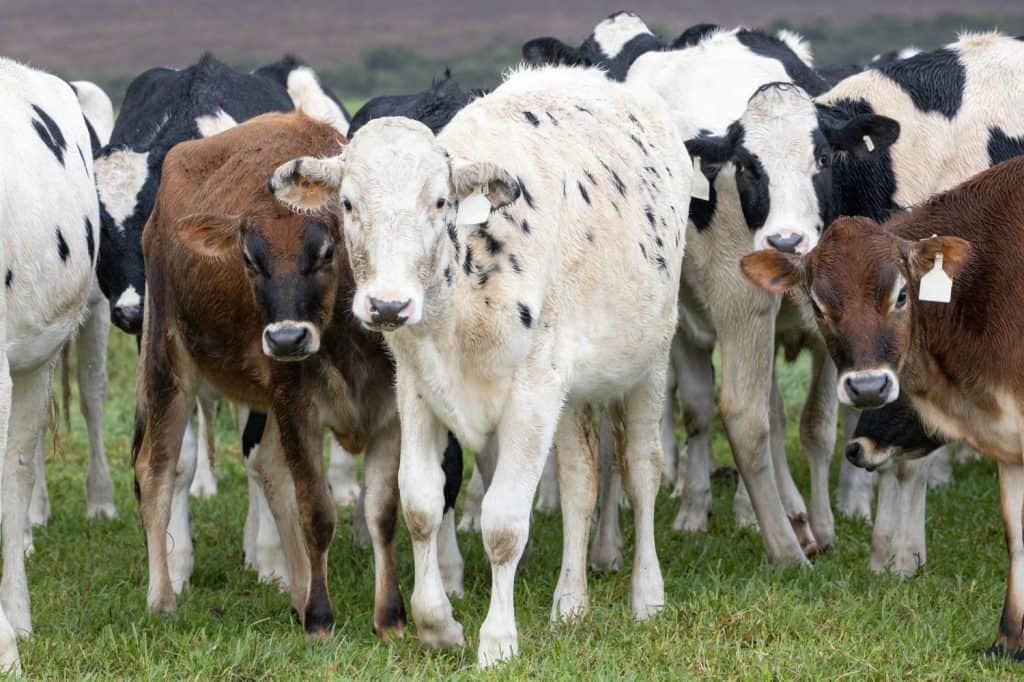
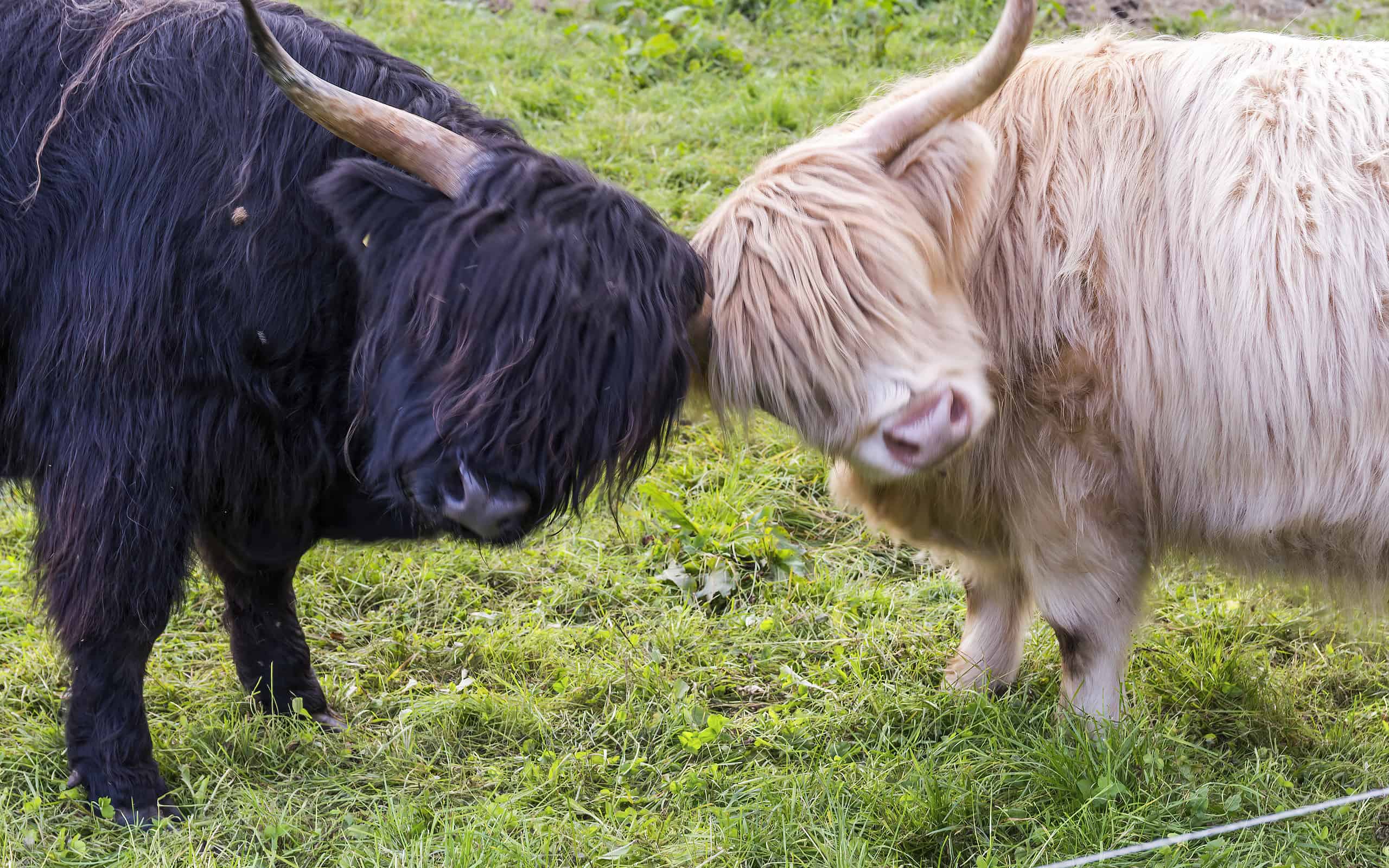
Whenever changes occur in a herd, cattle gravitate toward their preferred partners.
©Clint Austin/Shutterstock.com
Cattle stressors are often social and environmental at the same time, as they regularly grapple with changes in their pen, routines, overall food competition, and availability of friends, depending on the type of farm they live on. Any of these changes are best faced with a buddy, and their stress responses prove it.
Grooming and Calves Within the Herd
Grooming is one of the clearest, most visible ways cows maintain bonds, and it is often considered an indicator of relationships. However, grooming is not often evenly distributed across a herd. It tends to cluster within preferred relationships, which gives farmers and caretakers a clue into who seeks whom out, and who consistently chooses proximity when they could choose anyone.
And grooming is especially obvious when cows are young. In fact, this process shows that cattle start looking for companionship early, much earlier than previously expected.
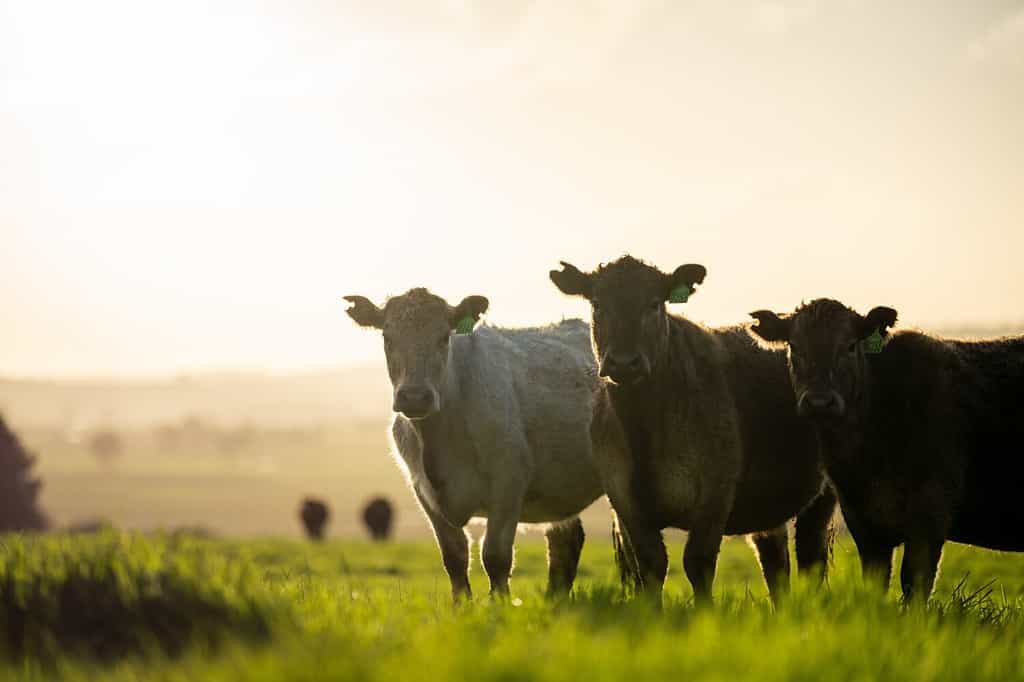
Calves housed together tend to be more resilient compared to only-child calves.
©William Edge/Shutterstock.com
Recent systematic reviews and studies (2025-2026) confirm that pair or group housing of calves provides significant welfare and growth benefits compared to individual housing, including reduced stress responses to weaning and improved performance after weaning. When kept together, these young cows appeared more resilient and less reactive compared to single calves.
In many ways, social contact is not optional enrichment for cattle. It shapes how they handle stressful events and how they grow up, especially as herds continually shift and change. Even from an early age, cattle are capable of vast emotional connections, ones we are just beginning to understand.
What This Suggests About Cattle Emotion and Intelligence
An extremely valuable piece of research known as The Psychology of Cows summarizes cattle research across their cognition, emotion, personality, and social complexity in their herds. According to the studies performed, cows are capable of flexible learning, socially meaningful relationships, and emotional responses that show up through their behavior and physiology.
Cattle species appear to have deeper social complexities than previously thought.
©Mitch Shark/Shutterstock.com
These findings point toward a richer inner life than many people assume when they think of livestock as interchangeable units. Most cattle species seem to need a companion, just like human beings.
What Farms Can Do to Support Their Cow Besties
While not necessarily a current priority for the average farm or cattle ranch, cattle owners can support their herd’s relationships in a few different ways.
During planned disruptions like pen moves, new routines, veterinary procedures, or short-term separations, keeping familiar partners together can reduce their stress. And, when regrouping is unavoidable, reducing the frequency of reshuffling can also help, as this allows cows to form new connections and maintain them for the long haul.
For calves, adopting social housing early is increasingly recommended by animal welfare experts and industry guidelines, as recent research shows it supports calves during major transitions like weaning and improves overall welfare. Additionally, small farms and sanctuaries should take the time to notice which cows consistently pair up, then opt to avoid unnecessary breakups, especially during stressful routines.
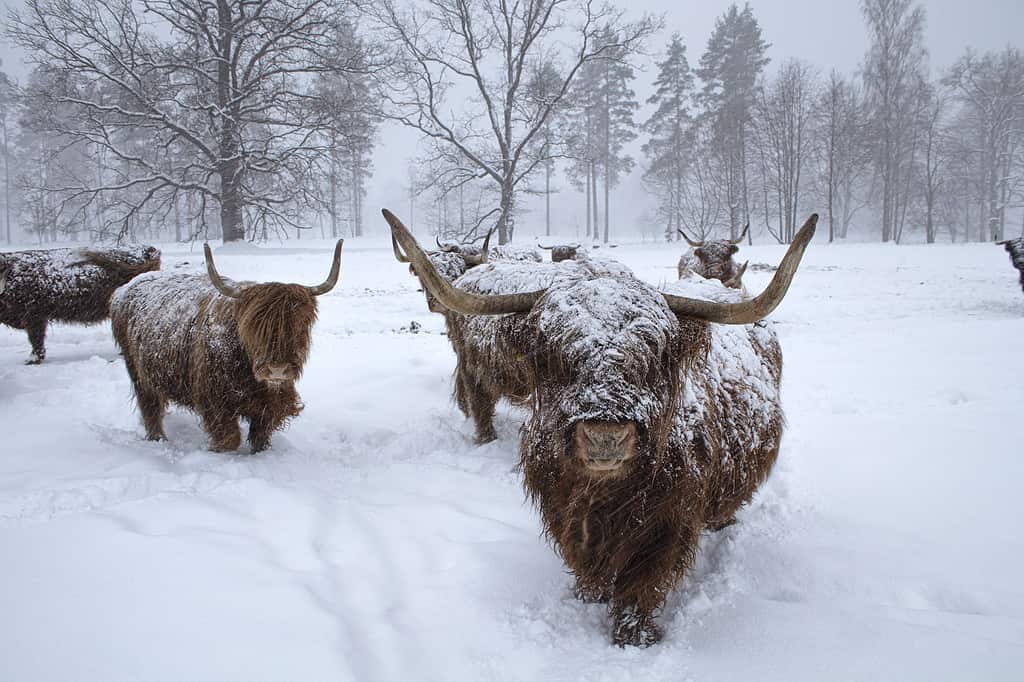
Ultimately, companionship in cattle species is a must for their overall stress levels.
©Viesinsh/iStock via Getty Images
Cows need companionship, as it can lower their measurable stress in many ways. Familiar partners can make a difficult moment much easier to move through.