

C
Species Profile

Curly Coated Retriever

Canis lupus familiaris

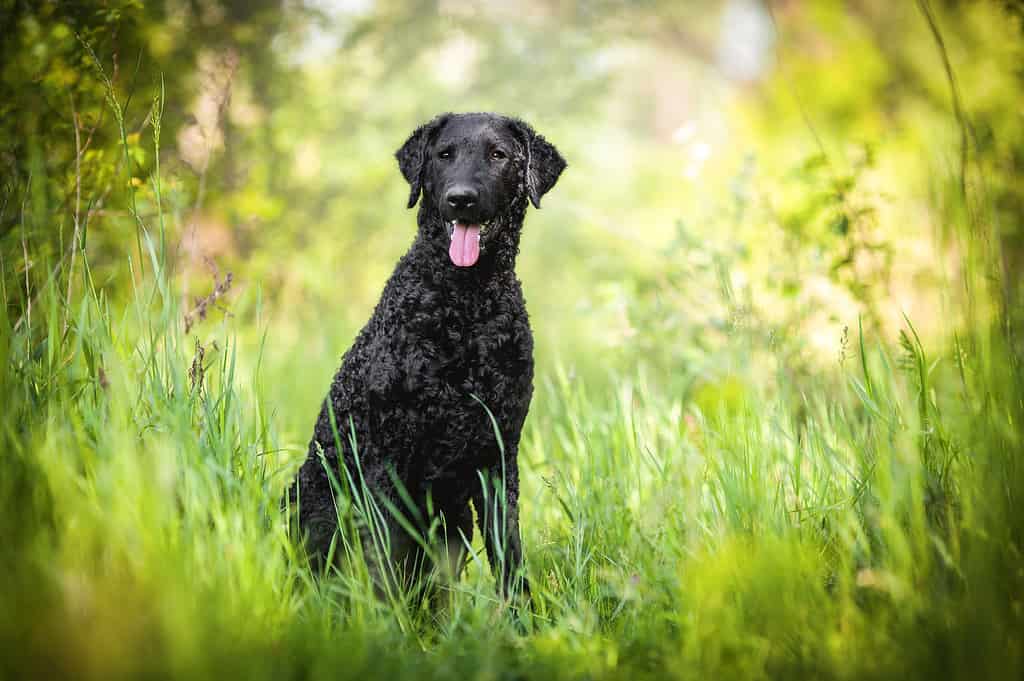
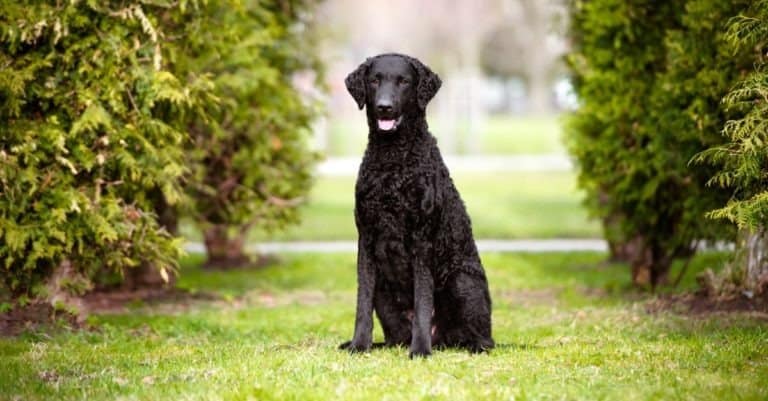
Curls built for the water & field
budur.foto/Shutterstock.com

Curly Coated Retriever Distribution

Click a location to explore more animals from that region

Origin Location

This map shows the native origin of the Curly Coated Retriever. As a domesticated species, they are now found worldwide.

Loading map...

Size Comparison

Human 5'8"
Curly Coated Retriever 2 ft 1 in

Curly Coated Retriever stands at 36% of average human height.

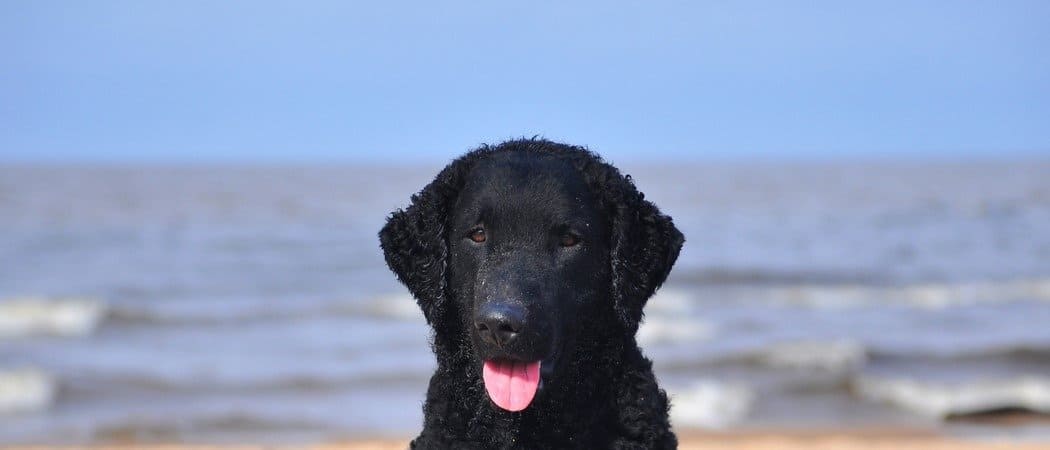
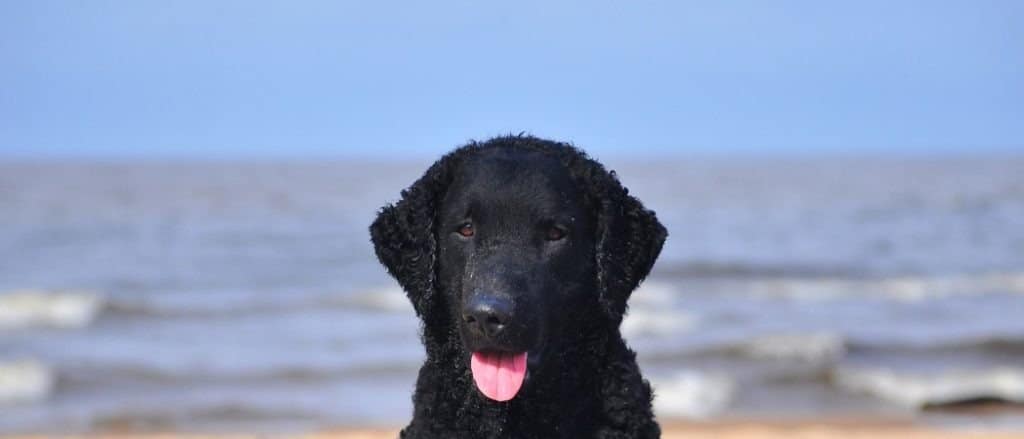
Curly coated retriever on a seaside

At a Glance

Domesticated
Also Known As Curly, CCR, Curly-Coated, Curly Coat
Diet Omnivore
Activity Diurnal+
Lifespan 5 years
Weight 41 lbs
Status Not Evaluated
Did You Know?

It's considered the oldest of the recognized retriever breeds, developed in England for gamebird work on land and in water.

Scientific Classification

A distinct purebred domestic dog developed as a gundog/retriever, known for its tightly curled, water-resistant coat and strong retrieving ability on land and in water.

Kingdom
Animalia
Phylum
Chordata
Class
Mammalia
Order
Carnivora
Family
Canidae
Genus
Canis
Species
Canis lupus

Distinguishing Features

  • Tight curls over most of the body with a crisp, water-resistant texture
  • Distinct smooth/short-haired face and forequarters compared with the curled body coat
  • Retriever/gundog build with endurance for swimming and field work
  • Typically solid liver (brown) or black coloration

Physical Measurements

Males and females differ in size

Height
♂ 2 ft 2 in (2 ft 1 in – 2 ft 3 in)
♀ 2 ft (1 ft 11 in – 2 ft 1 in)
Length
♀ 3 ft 7 in (3 ft 3 in – 3 ft 10 in)
Weight
♂ 79 lbs (71 lbs – 90 lbs)
♀ 63 lbs (55 lbs – 71 lbs)
Tail Length
♀ 1 ft 1 in (12 in – 1 ft 3 in)
Top Speed
28 mph
Fast, steady runner

Appearance

Primary Colors
Secondary Colors
Skin Type Mammalian skin with a dense, tight-curled, water-resistant coat (single-looking coat with minimal undercoat); skin and pigment typically match coat color (black or liver).
Distinctive Features
  • Domestic dog (Canis lupus familiaris) retriever/gundog selectively bred from the base domestic dog population for water work and strong retrieve drive; not a separate wild species.
  • Tight, crisp curls cover the body and tail, with a smooth, short-haired face and usually smoother front legs. This coat and shape differ from poodles and feathered spaniels.
  • Athletic, moderately large working build with a deep chest, strong forequarters, and powerful swimming ability; bred to retrieve game on land and in water.
  • Head is wedge-shaped with a relatively long muzzle; eyes are often dark in black dogs and amber/brownish in liver dogs; expression tends to be alert and confident.
  • Temperament/behavior: steady, confident, sometimes more independent than some other retrievers; strong retrieving instinct, good endurance, often slower to fully mature mentally; can be reserved with strangers but typically loyal and biddable with consistent training.
  • Care requirements: high daily exercise and structured training (field work, swimming, retrieving games) to prevent boredom; early socialization is important to support stable adult temperament.
  • Sheds less than many double-coated dogs but not non-shedding. Needs little trimming. Don’t brush often—comb only sometimes, wet coat to reset curls, and check for mats after water or field work.
  • Health issues: hip dysplasia; eye disease like progressive retinal atrophy and cataracts; ear infections after lots of swimming; skin problems such as follicular dysplasia/alopecia; bloat/GDV; some lines higher cancer risk; health screening recommended.

Sexual Dimorphism

Males are typically larger, heavier-boned, and broader in head/chest; females are usually slightly smaller and finer-boned while maintaining the same functional working outline and coat type.

♂
  • Greater overall height and body mass; broader skull and thicker neck/forequarters.
  • Often a more pronounced, deep-chested, muscular silhouette.
♀
  • Slightly smaller frame with a more refined head and lighter bone.
  • Often appears a bit more streamlined while retaining athletic working structure.

Did You Know?

It's considered the oldest of the recognized retriever breeds, developed in England for gamebird work on land and in water.

The coat is made of tight, crisp curls over most of the body, while the face and front of the legs stay noticeably smooth-coated.

Typical colors are solid black or solid liver (a rich brown); small white on the chest is sometimes seen but not preferred in show standards.

Compared with many retrievers, Curlies are often more independent and a bit reserved with strangers-yet deeply loyal to their people.

The curly coat is naturally water-resistant and offers protection from cold water and brambles, helping the dog push through rough cover.

The breed spread early to places like Australia and New Zealand, where it was valued as a tough, all-purpose working gundog.

Their coat care is counterintuitive: frequent brushing can make curls go frizzy-many owners rely on occasional bathing, towel-drying, and light tidying instead.

Unique Adaptations

  • Tightly curled, water-resistant coat that helps shed water and insulate during repeated retrieves (distinct from the gray wolf's double coat by selective breeding for curl and texture).
  • Smooth-faced head and short coat on the front of legs reduce burr accumulation and make post-hunt clean-up easier than a fully feathered retriever coat.
  • Athletic, deep-chested build and strong rear drive suited to powering through water and thick cover during gundog work.
  • Retriever-specific temperament selection: reduced predatory "consume" sequence and enhanced "carry/return" behaviors compared with the base species (Canis lupus), enabling cooperative fetching.
  • Generally webbed toes typical of many water-oriented retrievers, aiding propulsion during swimming (individual variation exists).

Interesting Behaviors

  • "Soft mouth" retrieving: many individuals naturally carry birds or dummies gently, a hallmark of retriever gundogs.
  • Water confidence: they often enter cold water readily and will keep working through waves, reeds, and mud when conditioned.
  • Problem-solving independence: on blinds or long retrieves they may choose an efficient route rather than slavishly following direction-great in the field, needs skilled handling in training.
  • 'One-person dog' tendency: many Curlies bond strongly to a primary handler and work best with consistent, fair training.
  • Alert-but-not-noisy guarding: they commonly watch strangers carefully and may place themselves between family and a newcomer without excessive barking.
  • Endurance pacing: instead of constant high-speed sprinting, they often settle into a steady, efficient working trot for long outings.

Cultural Significance

The Curly-Coated Retriever (Canis lupus familiaris) is part of Britain’s sporting-dog history. Bred for gamekeepers to fetch waterfowl and upland birds, shown in 19th-century exhibitions, and prized in Australia and New Zealand as a tough, adaptable gundog.

Myths & Legends

Old gamekeeper lore in England held that a good 'Curly' could come out of icy water and still look "barely wet," the tight coat seeming to shrug off ponds and marshes like oiled cloth.

19th-century sporting anecdotes describe Curlies as the "keeper's dog"-steady, self-possessed, and less showy than some retrievers-valued by professionals who wanted results over flash.

Early breed origin stories often linked the Curly's coat to Poodle ancestry, a popular Victorian explanation for the distinctive curls as the breed's reputation spread through dog shows.

In Australian hunting circles, stories grew around black Curlies working remote wetlands-dogs remembered for pushing through reeds and bramble where lighter-coated dogs struggled, becoming symbols of rugged reliability.

Traditional naming habits among some working kennels favored repeating short, sharp calls (for field handling), and old-timers insisted a Curly 'worked truest' when its name carried clean, whistled syllables.

Conservation Status

NE Not Evaluated

Has not yet been evaluated against the criteria.

Population Stable

Life Cycle

Birth 6 pups
Lifespan 5 years

Lifespan

In the Wild
1–12 years
In Captivity
8–14 years

Reproduction

Mating System Polygynandry
Social Structure Managed Domestic
Breeding Pattern Transient
Fertilization Managed Selective
Birth Type Managed_selective

Behavior & Ecology

Social Pack Group: 3
Activity Diurnal, Crepuscular, Cathemeral
Diet Omnivore Fish-based or game-meat-rich meals (reflecting retriever work and scent-driven preference).

Temperament

Species context (domestic dog): highly adaptable social generalist shaped by human selection; reads human cues well but varies by breed/line and training.
Breed distinction: confident, intelligent, and relatively independent for a retriever; typically less 'effusively friendly' with strangers than Labradors/Goldens, often showing a calm, observant reserve.
Work drive: strong retrieving instinct, persistence on land and in water; tends to enjoy purposeful activity (field work, scent games, structured training) more than repetitive drilling.
With family/known people: loyal, steady, affectionate; may be protective-alert without being sharp when well bred and socialized.
With other dogs: usually stable; can be assertive in play if under-exercised-benefits from polite play skills and controlled introductions.
Care/exercise requirement: needs daily aerobic exercise plus mental work (retrieving, tracking/scentwork, obedience, dock diving); under-stimulation can lead to restlessness or nuisance behaviors (barking, chewing).
Coat/care requirement (breed-specific): tight, water-resistant curls shed less visibly but still require routine grooming; avoid over-brushing (can frizz/loosen curls). Regular checks for mats at friction points; rinse/condition after salt/chlorine when swimming.
Ear care (breed-specific risk): water work + dense curls can trap moisture-dry and inspect ears after swimming to reduce otitis/yeast risk.
Common health issues: hip dysplasia, elbow dysplasia, eye disease (PRA or cataracts in some lines), and bloat/GDV. Keep dogs at healthy weight, feed measured meals, and watch after exercise.

Communication

bark Alert/attention/play
whine/whimper Appeasement, anticipation, frustration
growl Warning, play-growl, resource guarding if poorly managed
howl Occasional, context-dependent
body posture and facial expression Soft vs hard eye, ear set, mouth tension
tail carriage and wag style Broad loose wag vs stiff high flagging
play signals Play bow, bouncy approach, self-handicapping
scent communication Sniffing, urine marking, ground-scratching
tactile contact Leaning, pawing, nudging
object-mediated signaling common in retrievers: bringing/holding items to initiate interaction or 'ask' for work
water/play behaviors (splashing, swimming to re-engage handler), especially in water-confident lines

Habitat

Biomes:
Temperate Forest Wetland Freshwater Marine Temperate Grassland Mediterranean Boreal Forest (Taiga) Tundra Alpine Desert Hot Desert Cold Savanna Tropical Dry Forest Tropical Rainforest +8
Terrain:
Plains Coastal Riverine Hilly Valley
Elevation: Up to 16404 ft 3 in

Ecological Role

Domesticated mesopredator/omnivorous scavenging generalist maintained by humans; in working roles, a selective predator substitute that retrieves rather than consumes prey.

assists humans in game retrieval, reducing lost/wounded wildlife can deter some nuisance wildlife through presence and scent companion/working animal roles that support human activities (hunting, training, sport) when free-roaming, may impact local wildlife via opportunistic predation/scavenging (managed through responsible ownership)

Diet Details

Main Prey:
Waterfowl and other birds Rabbits and other small mammals Fish Small rodents
Other Foods:
Berries and other soft fruits Grasses Roots and tubers Plant ingredients

Human Interaction

Domestication Status

Domesticated

Domestic dogs (Canis lupus familiaris) came from gray wolves and were shaped by people for calmer behavior, talking with people, and useful work. The Curly Coated Retriever, made in the United Kingdom as a gundog, fetches game on land and water. It has a tight, water‑resistant curly coat, strong swimming drive, and an independent style.

Danger Level

Low
  • bite or nip risk exists like any dog, especially with poor socialization, pain, fear, or resource guarding
  • injury from jumping, mouthing, or strong leash pulling (common in young, high-drive retrievers)
  • zoonotic disease risk is low with vaccination and routine care (e.g., rabies prevention), but scratches/bites can transmit bacteria
  • allergic reactions in sensitive individuals (dander/saliva) despite relatively low shedding

As a Pet

Suitable as Pet

Legality: Curly Coated Retriever (Canis lupus familiaris) is usually legal to own in most places. Local rules — licensing, leashes, shots, or limits on number of dogs — may still apply. Rarely singled out by breed laws.

Care Level: Moderate

Purchase Cost: $1,200 - $3,000
Lifetime Cost: $18,000 - $50,000

Economic Value

Uses:
Companionship and family pet value Sporting/hunting working dog value (retrieving) Competitive dog sports and conformation showing Breeding and stud services Professional services ecosystem (training, grooming, boarding, veterinary care)
Products:
  • puppy sales/adoption fees
  • stud fees and breeding program revenue
  • hunting/field training services
  • grooming services and coat-care supplies
  • sport entry fees, handling, and equipment (dummies, whistles, vests)
  • veterinary services (screening, vaccinations, orthopedic/eye evaluations)

Relationships

Ecological Equivalents 8

Animals that fill a similar ecological role in their ecosystem

Labrador Retriever
Labrador Retriever Canis lupus familiaris Occupies a similar sporting/gundog niche as a versatile retriever. Bred for reliable fetching of shot game—including water work—with high trainability and a strong retrieve drive.
Golden Retriever
Golden Retriever Canis lupus familiaris Fills a similar retriever role: soft mouth, high biddability, and proficiency at waterfowl and upland retrieving. Commonly regarded as a family-friendly sporting dog with a strong field heritage.
Flat-Coated Retriever
Flat-Coated Retriever Canis lupus familiaris Similar land-and-water retrieving niche. Closely aligned in gundog function and temperament, with differences mainly in coat type and some working style.
Chesapeake Bay Retriever
Chesapeake Bay Retriever Canis lupus familiaris Similar waterfowl-retrieving niche emphasizing cold-water stamina and water resistance. Often compared for toughness and water work, though Chesapeake Bay Retrievers are typically more protective and independent.
Irish Water Spaniel
Irish Water Spaniel Canis lupus familiaris Similar water-focused gundog niche: its curly, water-resistant coat and strong swimming ability overlap with the Curly-Coated Retriever's traditional water-retrieving role.
Portuguese Water Dog Canis lupus familiaris Comparable aquatic working niche: water work, swimming endurance, and a water‑resistant coat; historically associated more with maritime tasks than hunting retrieves.
Standard Poodle Canis lupus familiaris Historically developed as a water dog with a strong retrieving aptitude and a tightly curled coat. Shares functional parallels in water work and coat performance.
Nova Scotia Duck Tolling Retriever
Nova Scotia Duck Tolling Retriever Canis lupus familiaris Shares a waterfowl-oriented retrieving niche—fetching from water, high drive, and strong trainability—although tollers additionally use distinct luring behavior as part of their working style.

The Curly Coated Retriever, sometimes referred to as a Curly, is a member of the sporting group. It’s notable for the black or liver (dark brown) curls all over its body except for its face and front legs. This intelligent dog is good with kids, but is known as one of the few retrievers that can be shy around unfamiliar people.

This breed came about in 19th-century England. It’s thought to be a mix between the English Water Spaniel and the Retrieving Setter. Both of those breeds are extinct now. Curly Coated Retrievers are also related to poodles. Aside from the curly fur, these dogs are elegant and smart like poodles. This dog was popular with hunters in Britain who wanted a dog to retrieve ducks and other dead animals without biting into them. Curly Coated Retrievers are known to have a ‘tender’ mouth.

These affectionate dogs enjoy being indoors with their family members as much as running through a field looking for new scents.

3 Pros and Cons of Owning a Curly Coated Retriever

ProsCons
Easy to obedience train
These dogs are intelligent, making them good candidates for successful obedience training.
A bit shy
These dogs take a little longer to warm up to unfamiliar people than other types of retrievers.
Loyal family dogs
They are loyal to the members of a household and enjoy relaxing on the sofa with family.
Seasonal shedding
Though these dogs shed very little most of the time, they have an increased amount of shedding every six months.
Good with other dogs
If there are other dogs in a family, a socialized Curly Coated Retriever is going to get along well with them.
Special grooming attention
This dog needs special grooming with an undercoat brush to loosen dead hair. Its curls need to be combed instead of brushed to reduce frizz.

Evolution and Origins

ATTRIBUTION NOT FOUND

Curly coated retrievers are believed to be descended from English water spaniels, Irish water spaniels, St John’s dogs, and retrieving setters.

It has the elegance of a poodle and its curls too, and yet a peek into the hotly disputed origins of the curly coated retriever hints at a few more forebears. Experts assert that in its veins runs the blood of the web-footed Irish water spaniel, the now-extinct English water spaniel, St. John’s dog, and the retrieving setter.

When did it first come on the scene? In 19th-century England, it soon became a star participant at the nation’s shows. Its popularity soon made it the hunting companion of choice in Australia and New Zealand, a position it still maintains.

However, elsewhere, it has had to share some of that shine with Labradors and Golden retrievers, which have also pawed their way into the spotlight.

Size and Weight

Curly coated retrievers have short, curly hair without an undercoat. Males grow to be 27 inches tall at the shoulder, while females grow to be 25 inches tall. Adult Curly Coated Retrievers typically weigh between 60 and 95 pounds, with most falling in the 65 to 80 pound range. At 7 weeks old, Curly Coated Retriever puppies weigh around 7 pounds. These dogs are fully grown at around 2 years, though they’ll still have puppy-like behavior until they are about 3.
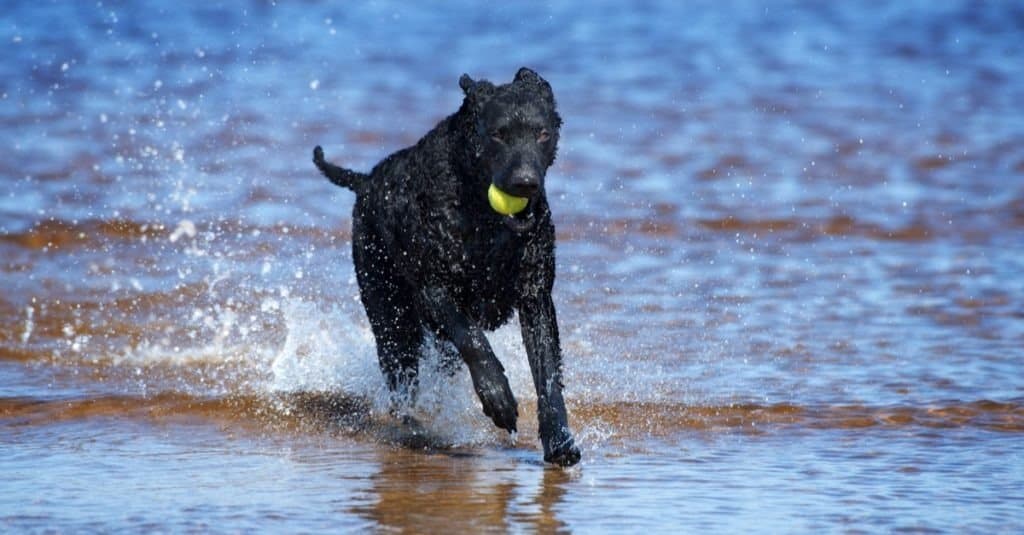
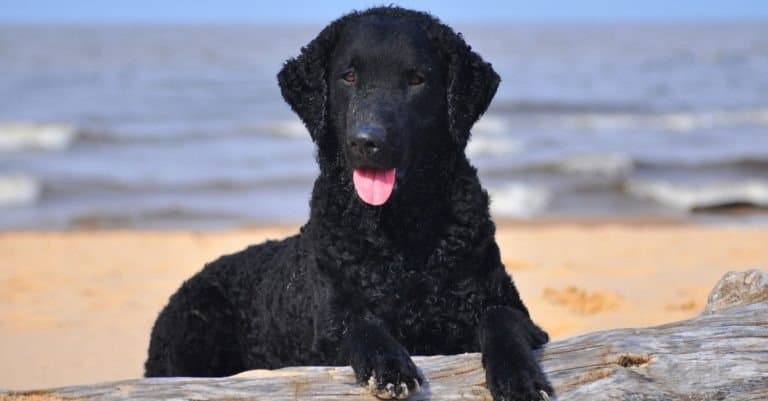
black curly coated retriever dog on the beach

Curly coated retrievers reach their full size at the age of two.

Common Health Issues

Curly Coated Retrievers are more prone to some health issues than others. One of those issues is called follicular dysplasia. Follicular dysplasia is genetic and causes bald spots in various areas of the dog’s coat. Gentle grooming, special shampoos, or medications can sometimes help with this issue.

Another common health issue is hip dysplasia. This is common in retrievers and other large dogs. Hip dysplasia is when the dog’s hip joint is out of alignment. It can cause limping and problems with the range of movement. Sometimes surgery is required for this issue, depending on how severe it is.

The third common health issue of Curly Coated Retrievers is cataracts. Cataracts show up as cloudiness in the eye or eyes of this dog. This is a condition that occurs in older dogs. Maintaining a dog’s eye health with the proper diet can help to prevent this condition.

Temperament
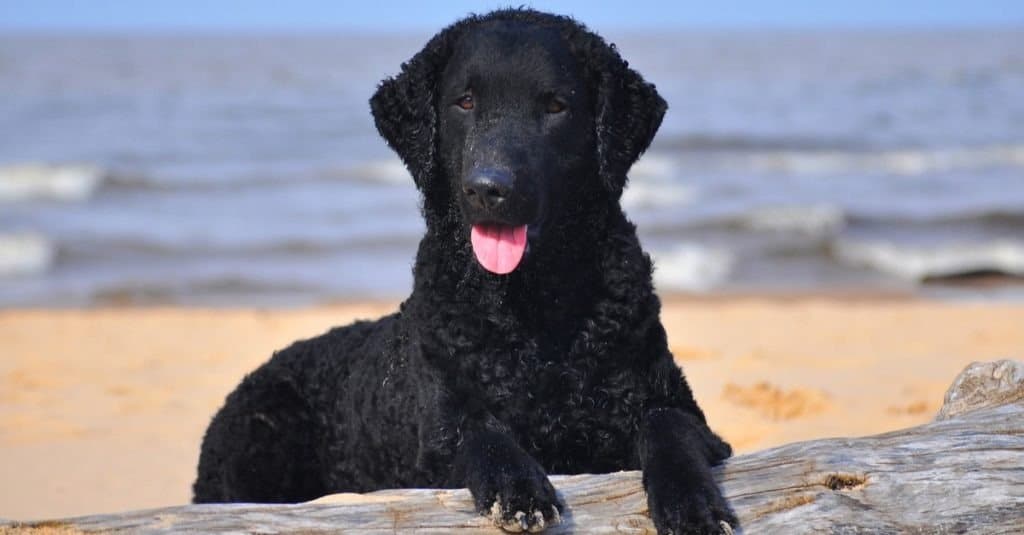
Curly coated retriever on a seaside

Curly coated retrievers are energetic, intelligent, and affectionate, although they may take a while to warm up to strangers.

Intelligence is one of the most notable traits of this dog breed. This means they are quick to pick up lessons during obedience training. Like most retrievers, Curlies have a friendly temperament. However, it may take this breed a little longer to cozy up to people outside the family.

This is a high-energy dog. It loves to run, jump, and play chase. Consequently, it needs a lot of space to move around in. If this dog doesn’t receive exercise every day, it can develop destructive behavior such as chewing items in the household.

A Curly Coated Retriever is a playful, loyal addition to a household with or without children.

How to Take Care of a Curly Coated Retriever

Learning about the dietary, exercise, and healthcare needs of a pet can help an owner to provide the best possible care. Whether someone gets a Curly Coated Retriever puppy or adult dog, it’s beneficial to look at this breed’s unique needs when planning its daily care.

The Best Dog Food

Not surprisingly, Curly Coated Retriever puppies and adult dogs have different nutritional requirements. Look at some of the nutrients needed to maintain the health of this breed of dog at different ages.
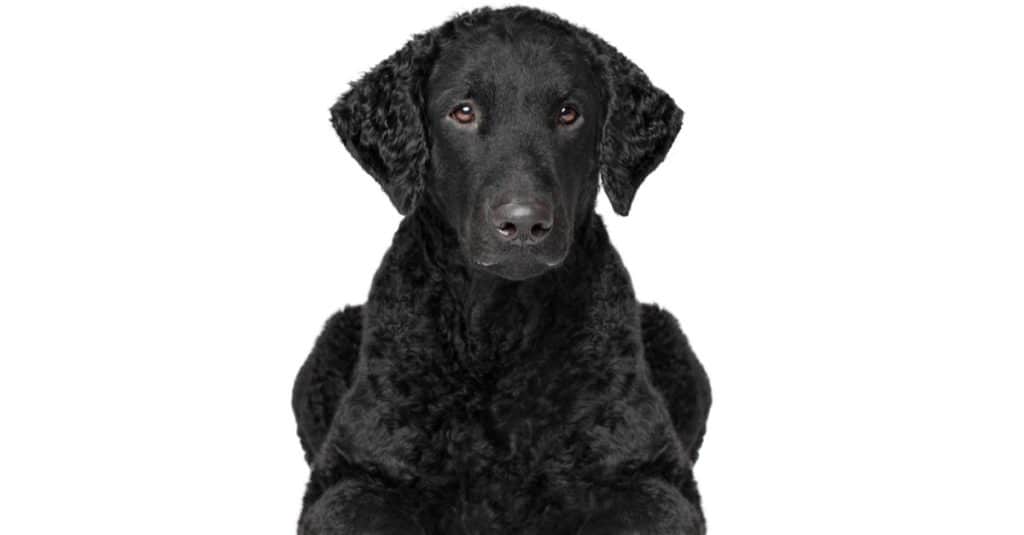
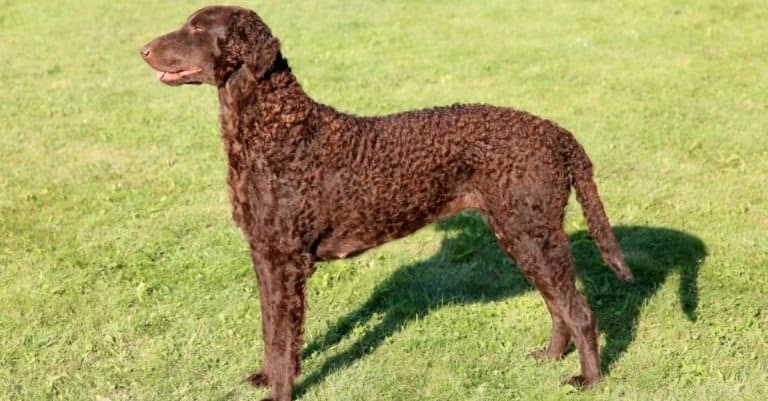
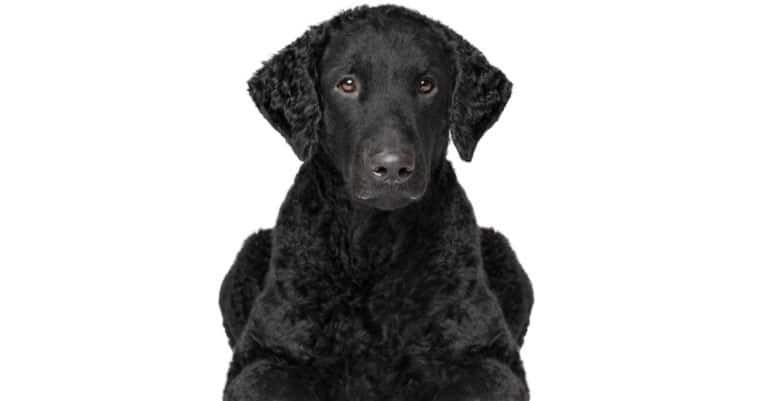
Curly coated retriever lying down on white background

Curly Coated Retrievers need a diet that is rich in omega-3 fatty acids to keep their coats in excellent condition.

Puppy food: High-quality puppy food for this breed should contain around 30 percent protein. Protein supports the growth of strong muscles and supplies energy to these active puppies. Omega-3 fatty acids support healthy coat growth. Fatty acids are especially important for this breed because they are prone to follicular dysplasia. A limited amount of fat in a puppy’s diet supplies energy without adding excess weight. Calcium contributes to strong bones and teeth, while Vitamin A supports eye health. Fiber helps with proper digestion.

Adult dog food: A high-quality dog food designed for Curly Coated Retriever adult dogs can help them to avoid obesity. Unfortunately, excess weight can increase the likelihood of hip dysplasia. Protein in the form of chicken, eggs, and pork, as well as spinach and other veggies, contributes to keeping muscles and bones strong in an adult dog. Vitamin A supports eye health, which can help to prevent cataracts. Also, Vitamin A is good for a dog’s skin. A limited amount of fat supplies energy, and Vitamin E is an antioxidant.

Maintenance and Grooming

Some claim that dogs with curly hair, including this breed, are hypoallergenic. This isn’t the case. A hypoallergenic dog sheds very little or not at all.

How much do Curly Coated Retrievers shed? They shed a normal amount while shedding an increased amount twice per year (every 6 months). This breed doesn’t have an undercoat.

When the dog is experiencing this increased shedding, many owners use a grooming tool called an undercoat rake to loosen dead hair. Look for an undercoat rake with plastic, rounded bristles that won’t hurt the dog’s skin. Weekly grooming can be done with a simple comb. Avoid using a brush because they tend to make this dog’s curls look frizzy!

Bald spots can be a sign of a common health issue with this breed called follicular dysplasia.

This dog should only be bathed when its coat becomes dusty or begins to take on an odor.

Training

Curly Coated Retrievers are known for their intelligence. This is a trait that works in an owner’s favor during obedience training. However, they can be stubborn dogs. So, it’s effective to use treats and praise during training sessions.

Exercise

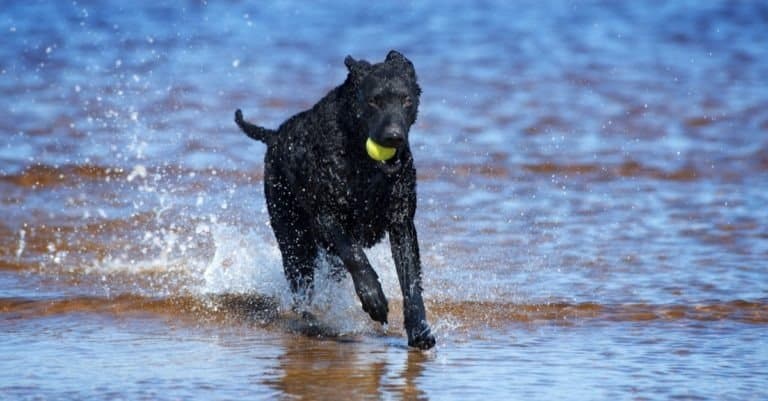
Getting 30 to 60 minutes of exercise per day plays an important part in keeping this dog in good health. They are high-energy canines and like to run, jump, chase, and play fetch. They like to explore the woods, fields, and other outdoor areas.

This dog is not an ideal choice for apartment dwellers. It needs lots of space and is better suited for a family with a large yard or even one that lives on a farm.

Puppies
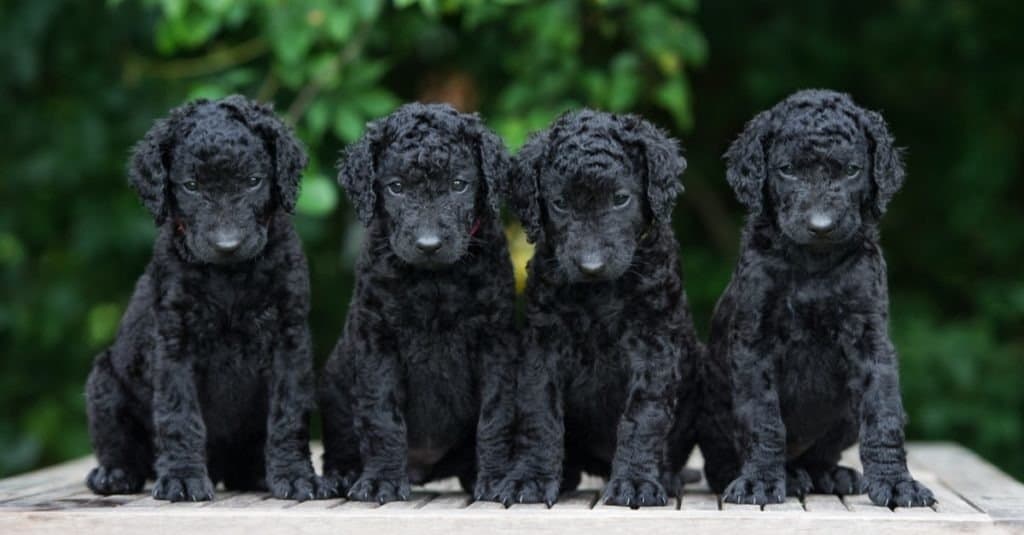
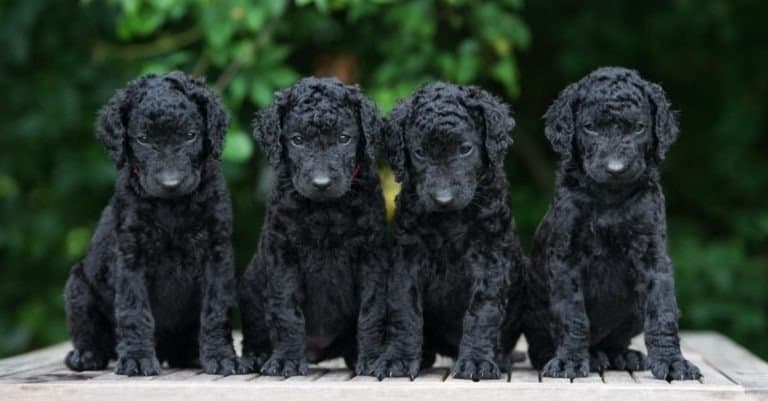
Curly Coated Retrievers must be socialized as puppies and given plenty of room to play and explore.

When raising a Curly Coated Retriever puppy, it’s important to socialize it by allowing it plenty of time around people and other pets. That way, as the dog grows, it will be more at ease in the household. Also, these high-energy puppies need plenty of space to stretch their legs!

Children

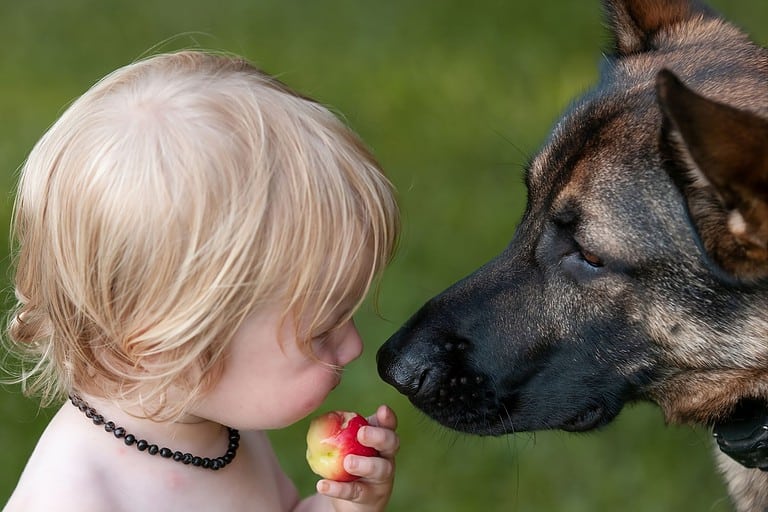
Curly Coated Retrievers that are socialized from puppyhood are good with kids. When these dogs get very excited, they may start running around at full speed. If so, it’s best to monitor small children so they aren’t inadvertently knocked down.

Dogs Similar to Curly Coated Retrievers

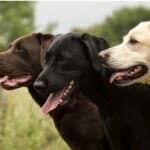
Dogs that are similar to Curly Coated Retrievers include the Labrador Retriever, the poodle, and the American Water Spaniel.

  • Labrador Retriever: Curly Coated Retrievers and Labrador Retrievers are similar in size (height) and weight. They are both in the sporting group, but Labradors are a little more social and friendlier than Curlies.
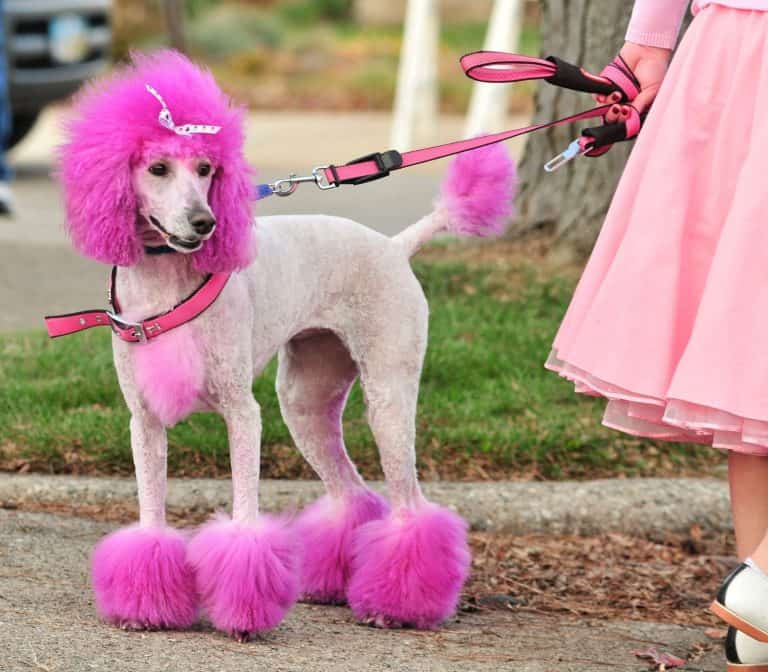
  • Poodle: Poodles and Curly Coated Retrievers share the same type of coat. They are both very intelligent and have a loyal temperament. Poodles are smaller in size than Curly Coated Retrievers.
  • American Water Spaniel: American Water Spaniels and Curly Coated Retrievers are both intelligent and alert. They both have a curliness to their coat. An American Water Spaniel has a sweet temperament, whereas a Curly Coated Retriever has to have a little time to warm up to unfamiliar people.

View all 392 animals that start with C

Sources

  1. American Kennel Club / Accessed February 1, 2021
  2. United Kennel Club / Accessed February 1, 2021
Dana Mayor

About the Author

Dana Mayor

I love good books and the occasional cartoon. I am also endlessly intrigued with the beauty of nature and find hummingbirds, puppies, and marine wildlife to be the most magical creatures of all.
Connect:

Thank you for reading! Have some feedback for us?


Curly Coated Retriever FAQs (Frequently Asked Questions)

The lifespan of a Curly Coated Retriever goes up to 12 years. But, of course, some of these dogs have been known to live longer than 12 years.