
S
Species Profile

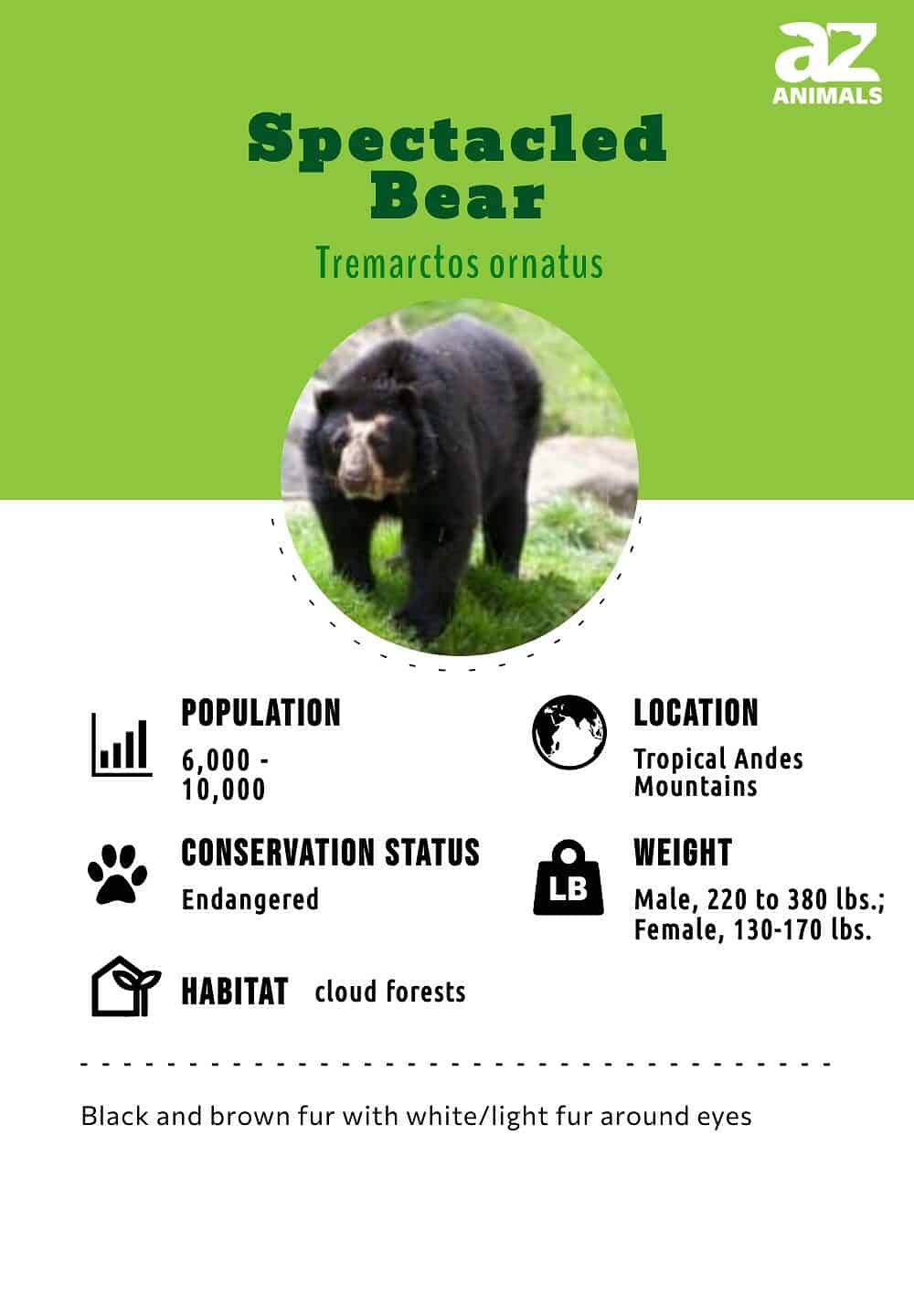
Spectacled Bear

Tremarctos ornatus

Andes' secret gardener in fur
birdphotos.com / Creative Commons

Spectacled Bear Distribution

Click a location to explore more animals from that region

Endemic Species
Loading map...

Size Comparison

Human 5'8"
Spectacled Bear 2 ft 6 in

Spectacled Bear stands at 43% of average human height.

Spectacled Bear sitting in cave entrance

At a Glance

Wild Species
Also Known As Andean bear, Bear of the Andes, Oso de anteojos, Oso andino
Diet Omnivore
Activity Cathemeral+
Lifespan 20 years
Weight 175 lbs
Status Vulnerable
Did You Know?

It's the only living bear species native to South America (genus Tremarctos).

Scientific Classification

A medium-sized South American bear known for pale facial markings that can resemble spectacles; largely omnivorous and strongly associated with Andean forest and páramo ecosystems.

Kingdom
Animalia
Phylum
Chordata
Class
Mammalia
Order
Carnivora
Family
Ursidae
Genus
Tremarctos
Species
ornatus

Distinguishing Features

  • Variable cream/white markings around eyes, muzzle, and chest (“spectacles”)
  • Only extant bear native to South America
  • Strong climber; often uses trees for feeding/resting and may build platforms
  • Diet heavily plant-based (fruits, bromeliads, other vegetation) but also opportunistically consumes animal matter

Physical Measurements

Males and females differ in size

Height
2 ft 6 in (1 ft 12 in – 2 ft 11 in)
2 ft 3 in (1 ft 12 in – 2 ft 6 in)
Length
5 ft 3 in (3 ft 11 in – 6 ft 7 in)
Weight
309 lbs (220 lbs – 441 lbs)
161 lbs (141 lbs – 181 lbs)
Tail Length
3 in (3 in – 4 in)
3 in (3 in – 4 in)
Top Speed
25 mph
running

Appearance

Primary Colors
Secondary Colors
Skin Type Mammalian skin with dense, shaggy double-layered fur; darkly pigmented skin beneath coat typical of ursids.
Distinctive Features
  • Only extant South American bear; endemic to the Andes from Venezuela to Bolivia (IUCN).
  • Elevational range recorded from ~200 to 4,750 m, using Andean forest and high-elevation grassland mosaics (IUCN).
  • Facial 'spectacles' formed by pale periocular arcs; markings vary greatly among individuals and can extend to throat/chest (Peyton 1980; IUCN).
  • Coat is long and shaggy, often with a slightly ruffed neck/shoulder appearance; well-suited to cool montane climates.
  • Powerful forelimbs with long, curved claws adapted for climbing and tearing bromeliads; frequently builds feeding/resting platforms in trees (field observations; Peyton 1980).
  • Body size (head-body length) typically 120-200 cm; tail ~7-10 cm; shoulder height commonly ~60-90 cm (Nowak; IUCN accounts).
  • Adult mass is strongly sex-biased: males commonly ~100-175+ kg; females often ~35-82 kg (species accounts; IUCN/Nowak summaries).
  • Primarily omnivorous with a plant-dominated diet (fruits, bromeliads, palm hearts), but may take small vertebrates/carrion; important seed disperser across Andean habitats (ecological studies summarized by IUCN).
  • Usually solitary and mostly diurnal/crepuscular; home ranges can overlap but adults typically avoid direct contact outside breeding (IUCN species account).
  • Longevity reported ~20+ years in the wild; up to mid-30s years in captivity (zoo records/species accounts).
  • Key threats include Andean habitat conversion/fragmentation and human-bear conflict (crop damage, livestock depredation leading to persecution) (IUCN).

Sexual Dimorphism

Males are substantially larger and more robust, with broader skulls and heavier forequarters; females are smaller and lighter. Facial/chest markings vary individually and are not a reliable sex indicator.

  • Typically heavier body mass (commonly ~100-175+ kg) and more muscular build.
  • Broader head and more massive jaws; thicker neck/shoulder region.
  • Proportionally larger forelimbs and paws with strong claws.
  • Typically lighter body mass (often ~35-82 kg) and slimmer overall profile.
  • Narrower skull and less pronounced neck/shoulder musculature.
  • Smaller paws/forelimbs; otherwise similar coat and variable markings.

Did You Know?

It's the only living bear species native to South America (genus Tremarctos).

Recorded across ~200-4,750 m elevation in the Andes (IUCN Red List: Tremarctos ornatus).

Facial and chest markings are highly variable; researchers use them to help identify individuals in camera-trap studies.

Adults are strong climbers and often build "feeding platforms" (nest-like piles of branches) in trees to eat safely.

Diet is largely plant-based in many areas (fruits, bromeliads, palms), but it also eats insects and occasional vertebrates-an adaptable omnivore.

Typical litter size is 1-2 cubs (range 1-3); newborns are very small for the mother's size (hundreds of grams).

Gestation is commonly reported as ~160-255 days (includes delayed implantation), like many bears (zoo and field reproductive reports).

Unique Adaptations

  • Vegetation-processing teeth and jaws: relatively broad molars and strong jaw musculature for grinding fibrous plant foods (a key distinction among bears).
  • Long, curved claws and agile limbs: effective for climbing, tearing epiphytes/bromeliads, and manipulating branches when building feeding platforms.
  • High-Andes tolerance: occupies ecosystems from humid montane forest to cold, low-oxygen high-altitude grasslands, aided by dense fur and behavioral thermoregulation (bedding and denning choices).
  • Individualized "spectacles": pale facial markings vary greatly among individuals (not a fixed pattern), enabling noninvasive individual recognition in photo studies.
  • Seed dispersal capacity: by consuming large volumes of fruit and traveling across steep elevational gradients, it spreads seeds among forest patches (documented in Andean ecological studies).

Interesting Behaviors

  • Tree-platform feeding: builds branch platforms to feed on fruit, bromeliads, or palm hearts while off the ground.
  • Solitary spacing: adults are mostly solitary outside mating and mother-cub periods; they communicate via scent marking (rubbing, clawing) and signposts on trails.
  • Flexible daily activity: can be diurnal/crepuscular in remote areas but often shifts to more nocturnal patterns near people and farms (a common human-avoidance response in bear studies).
  • Seasonal elevational movements: tracks fruiting and flowering pulses, moving between cloud forest and high-elevation shrub and grassland mosaics as foods change.
  • Bromeliad "excavation": uses powerful forelimbs and claws to tear apart rosettes and reach nutrient-rich bases and invertebrates.
  • Conflict behaviors: may raid maize, sugarcane, or fruit crops and occasionally take livestock, which can trigger retaliatory killing in some regions.

Cultural Significance

The Spectacled Bear (Tremarctos ornatus), called the Andean bear, is a flagship species for protecting Andean cloud forests and high grasslands in Venezuela, Colombia, Ecuador, Peru, and Bolivia. It is used in conservation campaigns and education, appears in local stories, and is seen as a guardian of mountain waters.

Myths & Legends

Southern Peruvian pilgrimage stories describe a bear-man figure living in high mountains, mediating between human communities and the world of snow, glaciers, and spirits.

Bolivian and Peruvian mountain folklore describes a wild bear-being of forested slopes, sometimes feared as untamed and sometimes treated as an ancestral figure tied to fertility.

In an Andean folktale cycle, a woman is taken or married by a bear-like man; their child grows immensely strong and later returns to human society.

In local narratives from high-altitude grassland and cloud-forest regions, the bear is sometimes seen as a keeper of springs and headwaters, signaling healthy water-producing highlands.

Conservation Status

VU Vulnerable

Facing a high risk of extinction in the wild.

Population Decreasing

Protected Under

  • CITES Appendix I (international commercial trade prohibited)
  • National legal protection in multiple range states (e.g., Colombia, Ecuador, Peru, Bolivia, Venezuela) with varying enforcement; occurs in numerous protected areas across the Andes

Life Cycle

Birth 2 cubs
Lifespan 20 years

Lifespan

In the Wild
15–25 years
In Captivity
20–35 years

Reproduction

Mating System Promiscuity
Social Structure Solitary
Breeding Pattern Transient
Fertilization Internal Fertilization
Birth Type Internal_fertilization

Solitary adults meet briefly during a seasonal breeding peak (often Apr-Jun). Both sexes may mate with multiple partners; copulation is internal, followed by delayed implantation and ~180-240-day gestation, producing 1-3 cubs raised solely by the female.

Behavior & Ecology

Social Sleuth Group: 1
Activity Cathemeral, Diurnal, Crepuscular, Nocturnal
Diet Omnivore Bromeliad rosettes/"hearts" (notably Puya spp. and other large bromeliads)

Temperament

Primarily shy and avoidant; human encounters usually end in retreat (Peyton 1980; Vélez-Liendo & García-Rangel 2017).
Intraspecific interactions are limited; adult males can be intolerant at close range, especially near mates/food (Vélez-Liendo & García-Rangel 2017).
Flexible activity: often day/crepuscular in remote areas, shifting more nocturnal with human disturbance (Vélez-Liendo & García-Rangel 2017).

Communication

Huffs/snorts and jaw-clacking as agitation or warning signals Peyton 1980
Low grunts/moans used at close range, especially between mother and cubs Peyton 1980
Cub distress calls Bawls/bleats) that elicit maternal attention (general ursid pattern; Peyton 1980
Scent marking via rubbing on trees/posts and leaving odor from skin glands and fur Peyton 1980
Clawing/biting tree trunks and breaking branches as visual/olfactory signposts Peyton 1980
Urine/feces deposition along travel routes; strong olfaction supports indirect communication Vélez-Liendo & García-Rangel 2017

Habitat

Biomes:
Tropical Rainforest Tropical Dry Forest Temperate Forest Alpine
Terrain:
Mountainous Hilly Plateau Valley Riverine Rocky
Elevation: 656 ft 2 in – 15583 ft 12 in

Ecological Role

Omnivorous ursid functioning ecologically as a large-bodied frugivore/seed disperser and occasional mesopredator/scavenger in Andean cloud forest and high Andean grassland mosaics.

Seed dispersal of many Andean forest plants via frugivory (including long-distance dispersal across elevational gradients) Promotion of forest regeneration and plant community connectivity through movement between forest patches and páramo edges Creation of localized disturbance/microhabitats through bromeliad tearing and vegetation breakage (small-scale ecosystem engineering) Nutrient redistribution via scat deposition across home ranges Opportunistic predation/scavenging that can influence invertebrate populations and carrion processing

Diet Details

Main Prey:
Social insects Other insects and larvae Earthworms and other soft-bodied invertebrates Bird eggs and nestlings Small mammals Carrion Larger vertebrates and livestock +1
Other Foods:
Bromeliads Seasonal fruits Cactus fruits Tender shoots and leaf bases Flowers, nectar and soft plant tissues Cultivated crops

Human Interaction

Domestication Status

Wild

The spectacled bear is not domesticated and has no documented or credible domestication history. While individual bears may be temporarily tamed, habituated, or trained in captivity (such as in zoos or rescue centers), this does not constitute domestication and does not represent a domesticated lineage.

Danger Level

Moderate
  • Defensive attacks when surprised at close range, when wounded, or when a female is protecting cubs (low frequency but can cause severe injury).
  • Conflict situations around crops or livestock where people confront bears; escalation risk increases with firearms/dogs and close pursuit.
  • Zoonotic/food-safety risk is primarily indirect: handling carcasses/meat or butchering illegally taken bears can expose people to pathogens/parasites (general wildlife-handling risk noted in public-health guidance; not a common everyday exposure).

As a Pet

Not Suitable as Pet

Legality: Spectacled Bear (Tremarctos ornatus) is not suitable and mostly illegal to keep as a private pet. CITES Appendix I and national laws ban trade or having them, except for licensed zoos, rescues, rehab centers, or research permits.

Care Level: Expert Only

Purchase Cost:
Lifetime Cost: $200,000 - $800,000

Economic Value

Uses:
Ecotourism / wildlife viewing (protected areas) Ecosystem services (seed dispersal and forest regeneration supporting watershed services) Human-wildlife conflict costs (crop loss; livestock loss; prevention infrastructure) Conservation employment and funding (parks, monitoring, conflict mitigation) Illegal wildlife trade (live animals; parts)
Products:
  • tourism revenue (guiding, lodging, park fees) where bear viewing is marketed
  • conflict-mitigation goods/services (electric fencing, guard animals, husbandry improvements)
  • illegally traded items reported in parts of the range: skins, claws/teeth, fat and other parts used locally (varies by country and culture)

Relationships

Ecological Equivalents 5

Animals that fill a similar ecological role in their ecosystem

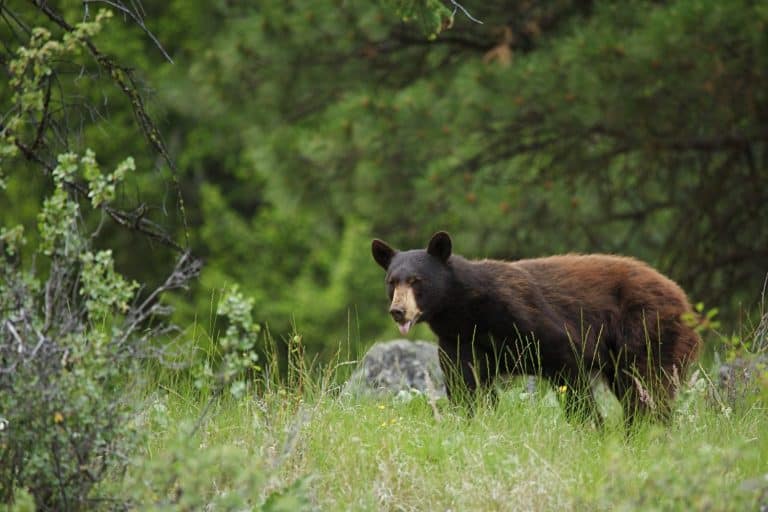
American black bear
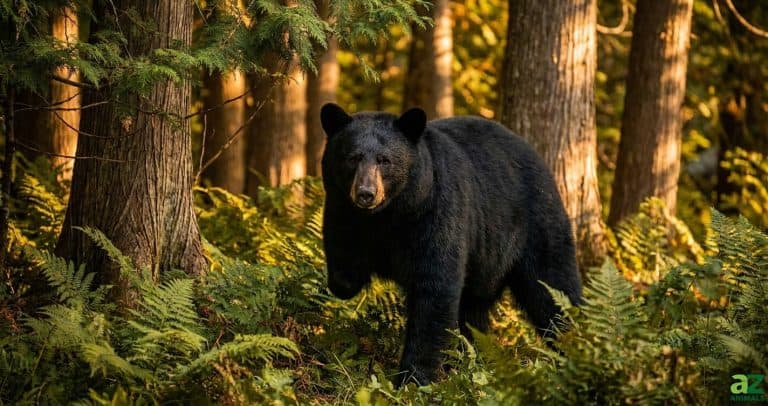
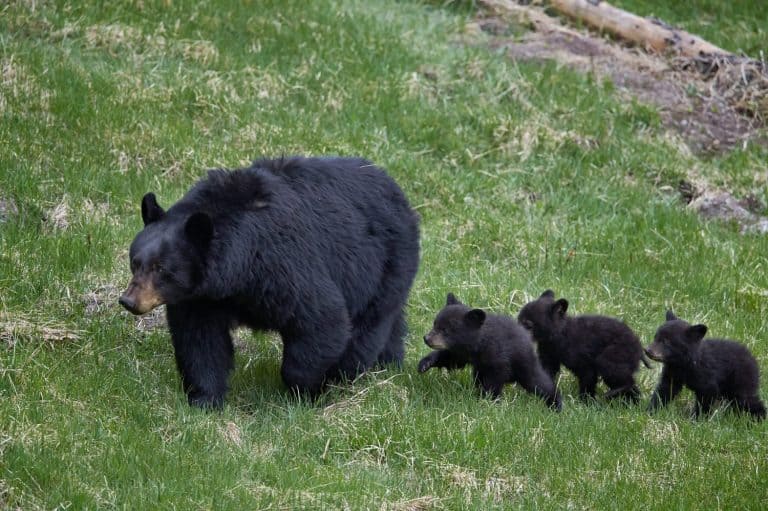
American black bear Ursus americanus Forest-dwelling bear that is omnivorous, eating both plants and meat. Climbs and forages in trees, feeds on mast and fruit, and shifts activity between day and night when disturbed. Good niche comparison to the spectacled bear (Tremarctos ornatus) with known size ranges.
Spectacled bear
Spectacled bear Tremarctos ornatus Useful as a general bear reference. The spectacled bear (Tremarctos ornatus) is primarily herbivorous but can eat insects, carrion, or livestock seasonally; this helps explain energy use and human–bear conflicts. Wild lifespan ~20–25 years.
Giant panda
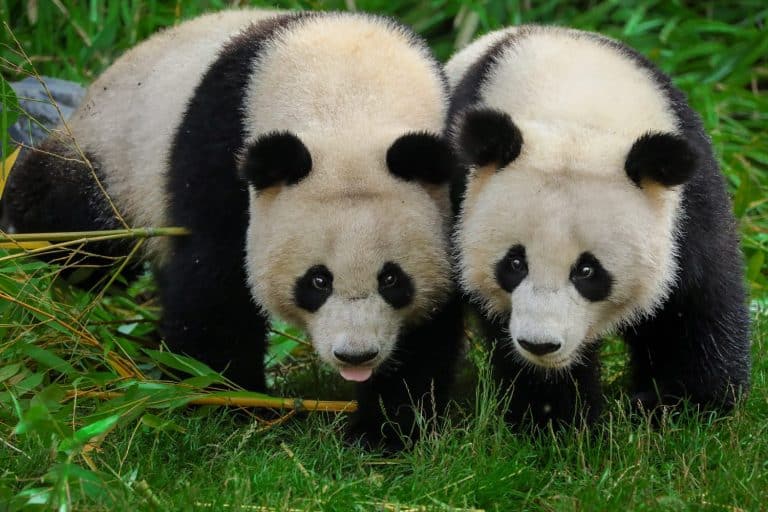
Giant panda Ailuropoda melanoleuca The spectacled bear (Tremarctos ornatus) is often primarily herbivorous in Andean cloud forests and high-altitude grasslands, feeding on bromeliads, fruits, and palm hearts; both species have diets and feeding limits tied to habitat availability and are sensitive to habitat fragmentation.
Sun bear
Sun bear Helarctos malayanus Tropical-forest bear that climbs extensively and forages for fruit and insects; an ecological comparator for arboreal feeding and use of tree platforms. Spectacled bears are also noted for constructing feeding platforms or nests in trees while exploiting fruiting trees and epiphytes in montane forests.
Sloth bear Melursus ursinus An insect-focused bear that illustrates how bear morphology and behavior can center on social avoidance and on exploiting patchy, high-reward food sources (termite and ant nests). Spectacled bears likewise incorporate social insects (ants and termites) as an important protein source in some regions, despite being largely herbivorous overall.

5 Facts

• This bear is also called the Andean bear because it lives near the Andes mountains in South America
• Spectacled bears make a platform or nest of sturdy branches in a tree where they can eat and sleep
• These bears are active throughout the year because food is available to them year-round
• Spectacled bears like to live alone
• These bears eat fruit and plants with spiny leaves as well as insects and rodents

Evolution and Scientific Name

The original bears from 30 million years ago looked like badgers. About 20 million years ago, a new branch on the evolutionary tree resulted in the Panda Bear. Then 10-13 million years ago, the Tremarctinae appeared in North America. The Tremarctinae was the ancestor of the huge, carnivorous Short-Faced Bear (4-5 million years ago) and the Spectacled Bear. The Short-Faced Bear became extinct 2-3 million years ago, as did the North American or Florida Spectacled Bear (tremarctos floridanus).

Fortunately, the South American Spectacled Bear survived, and it is the only bear in South America. Tremarctos ornatus is its scientific name. It’s sometimes called the Andean bear, the Andean short-faced bear, or the Mountain bear. It belongs to the Ursidae family in the class Mammalia.

Tremarctos ornatus is a Greek word. Trem means hole while arctos means bear. The word hole is a reference to a hole in the humerus bone of this particular bear. The word ornatus means decorated. Decorated refers to the unusual coloration of this bear’s fur.
Appearance and Behavior

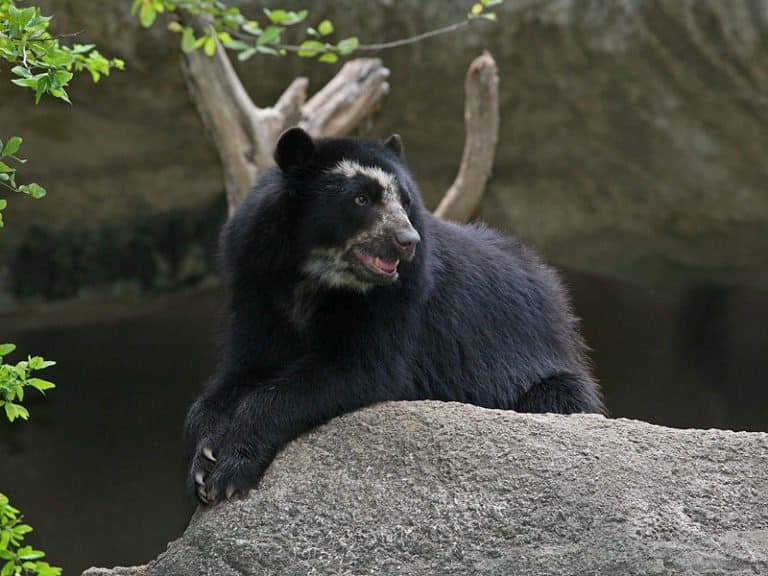
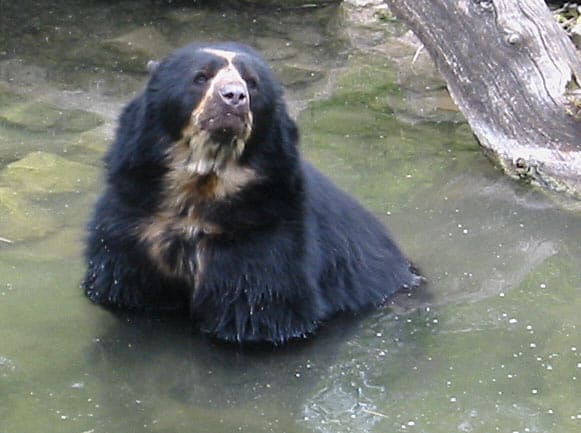
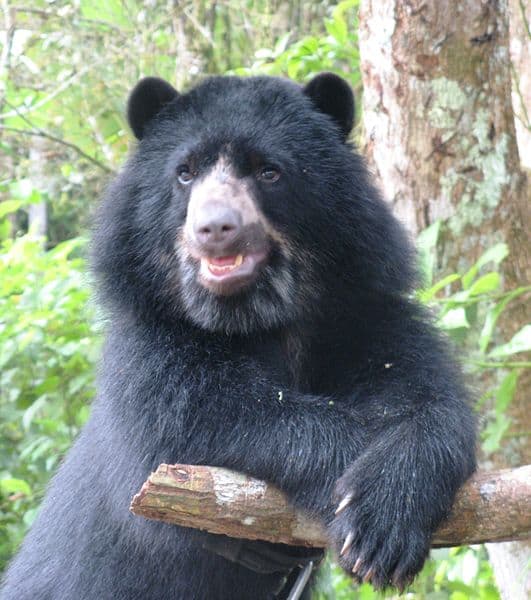
The fur on the body of a spectacled bear is black and brown. These bears have white or light-colored fur creating a half-circle pattern around both their eyes. Every spectacled bear has a unique pattern of white markings on the fur that covers its head, neck, and chest. No two spectacled bears look the same! Scientists think of these markings as the bear’s ‘fingerprint.’

Male bears are about twice as large as females. Males can grow to 6 and a half feet long weighing from 220 to 380 pounds. To put it into perspective, a 6-foot bear is equal in length to the average grown adult man. A 380-pound bear is equal in weight to two adult kangaroos!

A female bear weighs between 130 to 170 pounds and is about 3 and a half to 4 feet long. A female bear weighing 170 pounds is about as heavy as just one adult kangaroo.

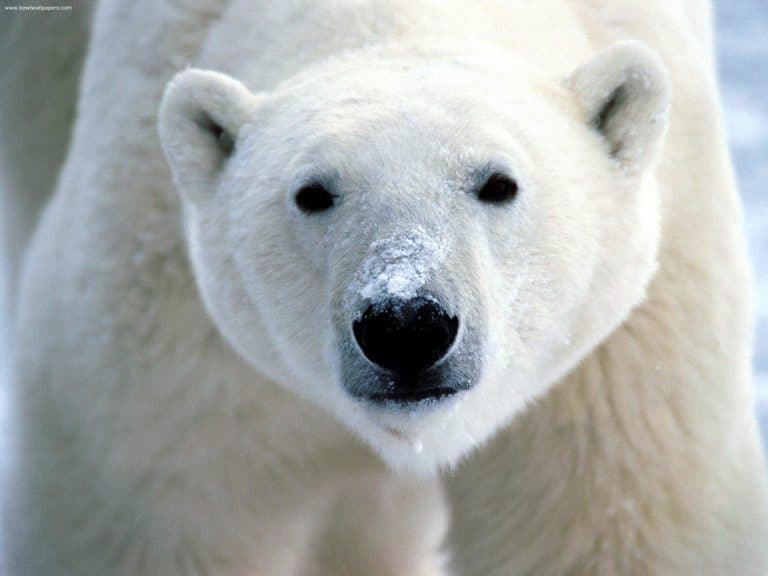
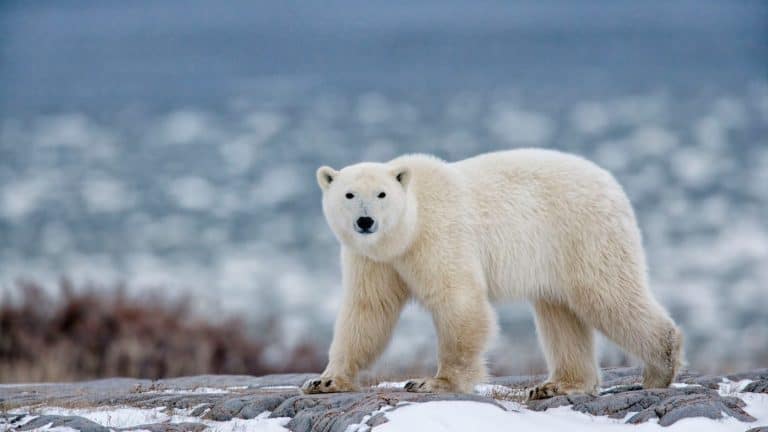
These bears are one of the smallest species of bears in the world. The polar bear is the largest bear in the world while the sun bear is the smallest. As a comparison, a male polar bear ranges from 8 to over 9 feet in length while a male spectacled bear can be as long as 6 and a half feet.

These bears are solitary, shy animals. They stay hidden from sight most of the time. Of course, they are seen together during the breeding season. They are said to communicate with other bears with screeching, cooing, and purring sounds. Like the sun bear, the spectacled bear stays active year-round. They don’t go into hibernation like many bear types because they have a food source available to them throughout the seasons.
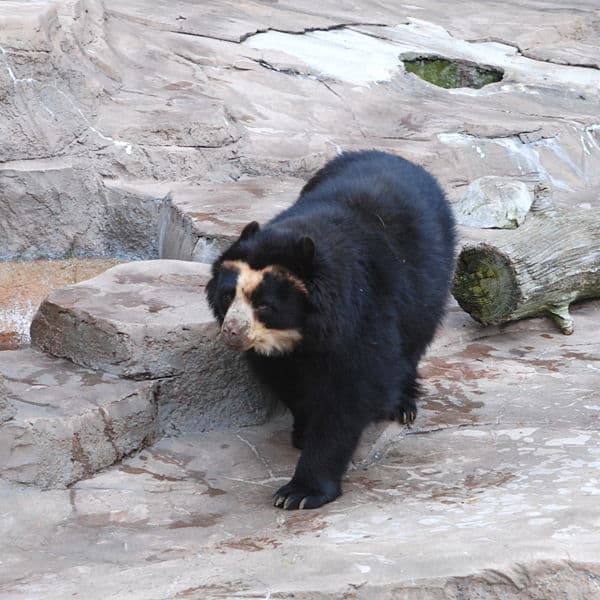
Spectacled Bear walking on rocks

Spectacled Bear walking on rocks in the Andes Mountains.

Habitat

These bears live in South America in the tropical Andes Mountains. Their territory includes Peru, Bolivia, Columbia, Ecuador, and Venezuela. These bears live in cloud forests located 14,000 feet up in the Andes mountains. They’re called cloud forests due to the tropical climate and the low-level clouds or mist that constantly covers the treetops.

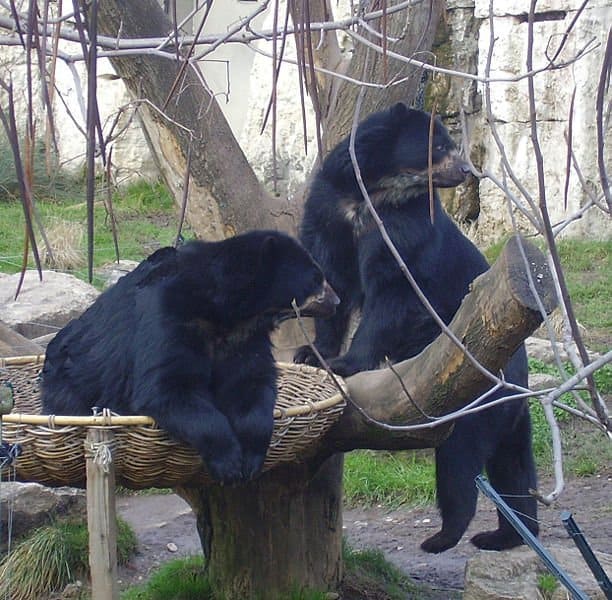
Spectacled bears spend a lot of time relaxing on the branches of trees and climb down when they want to find food. They have sharp, long claws and their front legs are longer than their back ones. These two features help these bears to climb high into the trees. In addition, they use their claws as well as their strength to bend and break branches to create a platform nest in a tree.

Most of these bears stay in the same area throughout the year. They’ll only migrate a short distance if they need to do so to find food.

Diet

What do spectacled bears eat? These bears are still classified as carnivores, but only 5% of their diet is meat, so they live like omnivores. They eat a lot of plant life including palm fronds, fruit, orchid bulbs, nuts, and berries. These bears also eat insects and small animals such as birds and viscachas (a type of rodent). Sometimes they’ll eat dead animals, or carrion, they find in the forest.

Compare this to polar bears that live in a freezing arctic environment. Polar bears are carnivores because they have easy access to walrus, seals, and other animals they can catch and eat.
Predators and Threats

Full-grown spectacled bears don’t have any predators except humans. Some people hunt these bears for their claws, skin, or fur. Others hunt them for bear meat. In addition, some spectacled bears find their way onto farmland. They may be seen as a threat by a farmer and killed.

Bear cubs do have predators because of their small size. In addition, they are blind and helpless when they are born. Unfortunately, this makes them appealing to predators that may be in the area. Their predators include pumas, jaguars, adult spectacled bears, and people. A cub may be attacked if it wanders too far from its mother.

These bears face losing their habitat due to forests being cut down and the land cleared. Forests may be cut down to make way for roads, highways, or gas lines, or the land could be turned into farmland.

The official conservation status of the spectacled bear is Endangered. To help increase the population of these bears, laws have been put into place against hunting them. Also, some zoos have conservation programs set up to protect these bears and increase the population.
Reproduction, Babies and Lifespan

The mating season for spectacled bears falls between April and June. Females give off a certain scent attracting males during mating season. Two male bears may fight for the attention of one female. A female spectacled bear is pregnant for 6 to 7 months and gives live birth to 1 to 2 babies. Sometimes a female bear will give birth to 3 cubs, but that’s not as common. As a note, a female only gives birth about every 2 to 3 years.

A newborn weighs an average of just 11 ounces! That’s almost as much as a soup can. A baby bear’s eyes are closed at birth and don’t open until the bear is about one month old. It can move around, but relies on its mother for everything. The fur of a newborn is black with some white markings on it. The markings become more defined as the young bear grows.

The cubs stay with their mother for about two years, riding around on her back as she teaches them to find food and make shelter. They grow very fast, reaching a weight of 22 pounds at 6 months old. After reaching the age of 2, the young bears make their way out into the world on their own.

The lifespan of spectacled bears in the wild ranges from 20 to 25 years. Bears kept in a zoo can live into their 30s. It stands to reason that a bear that lives in a protected environment is most likely to live longer than one in the wild. The record for the oldest spectacled bear goes to one that lived for 36 years and 8 months in the National Zoo in Washington DC.

Spectacled bears that live in zoos are vulnerable to a condition called alopecia syndrome. This condition causes hair loss on the flanks and elsewhere on the bear’s body.

Population

The conservation status of the spectacled bear is Endangered. It’s difficult to get an accurate number regarding the total population of this bear because it hides most of the time. But, scientists have estimated the population to range between 6,000 and 10,000 bears in the northern part of the Andes mountains. With both the loss of habitat and poaching issues, the population of this bear seems to be decreasing.

View all 390 animals that start with S

Sources

  1. David Burnie, Dorling Kindersley (2011) Animal, The Definitive Visual Guide To The World's Wildlife / Accessed November 24, 2008
  2. Tom Jackson, Lorenz Books (2007) The World Encyclopedia Of Animals / Accessed November 24, 2008
  3. David Burnie, Kingfisher (2011) The Kingfisher Animal Encyclopedia / Accessed November 24, 2008
  4. Richard Mackay, University of California Press (2009) The Atlas Of Endangered Species / Accessed November 24, 2008
  5. David Burnie, Dorling Kindersley (2008) Illustrated Encyclopedia Of Animals / Accessed November 24, 2008
  6. Dorling Kindersley (2006) Dorling Kindersley Encyclopedia Of Animals / Accessed November 24, 2008
  7. David W. Macdonald, Oxford University Press (2010) The Encyclopedia Of Mammals / Accessed November 24, 2008
Thank you for reading! Have some feedback for us?


Spectacled Bear FAQs (Frequently Asked Questions)

Spectacled bears are omnivores. They eat plants as well as insects and small mammals. If there are lots of plants in the area where a bear is living it will eat plants. But, if there’s a lack of plants and fruits in the area, these bears will eat insects and rodents for nourishment.