
Quick Take
- Biologists implant transmitters inside newborn Red Wolf pups, and their reasons for doing so go beyond simply tracking where the animals roam. See how pups are tracked →
- Vehicle strikes rank among the top threats killing Red Wolves. Explore the real threats →
- The Red Wolf Recovery Program has a specific, measurable definition of success, one where the bar is far higher than simply growing the population. See the recovery criteria →
Recently, the U.S. Fish and Wildlife Service (FWS) announced tracking updates on multiple wild-born Red Wolf litters in North Carolina. These new litter milestones are part of their Red Wolf Recovery Program. Biologists successfully vaccinated, microchipped, and fitted several newborn pups with tracking transmitters across wildlife refuges and participating private lands. This marks crucial progress for the critically endangered species.
In this article, we speak with a U.S. Fish and Wildlife Service spokesperson about the new Red Wolf litters, the recovery program, and what they hope to accomplish for the species.
About the New Wild-Born Red Wolf Litters
According to a spokesperson at the FWS, “In 2026, four Red Wolf litters totaling 23 pups were born in the Eastern North Carolina Red Wolf Population, which includes 5 counties in eastern North Carolina (Beaufort, Dare, Hyde, Tyrrell, and Washington) and 1.7 million acres.” These litters were born on/around Pocosin Lakes and Alligator River National Wildlife Refuges.
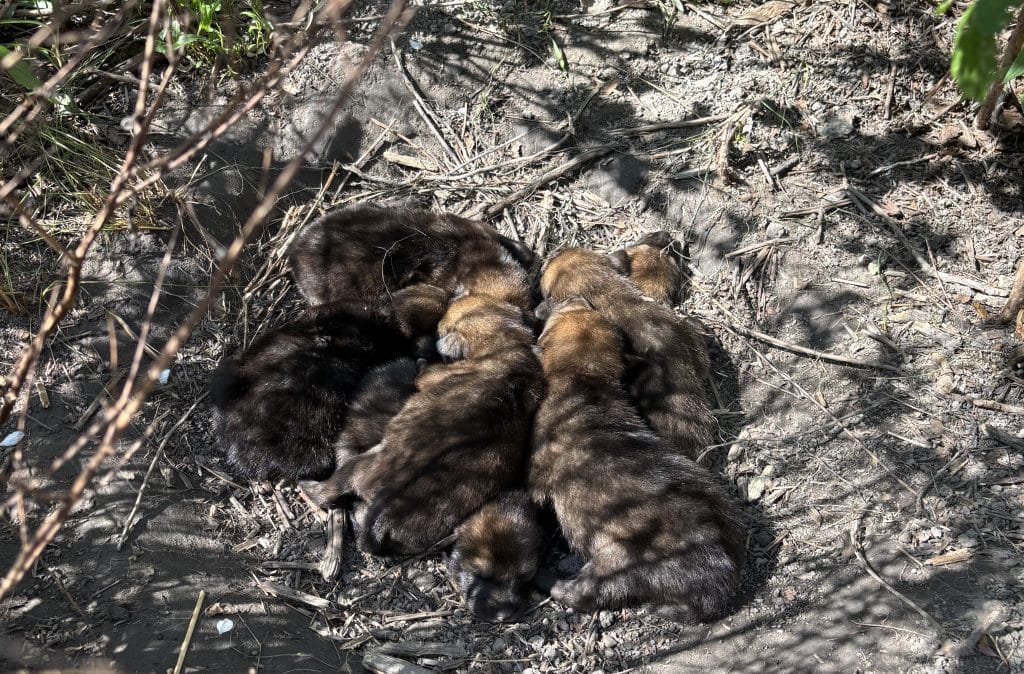
The FWS discovered four new Red Wolf litters in 2026.
©U.S. Fish and Wildlife Service
“After the Service conducted a cross-foster with the St. Louis Zoo (by placing four pups born in the wild into the SAFE American Red Wolf program and bringing three pups from SAFE and placing them in a wild den), there were 22 pups remaining in the wild,” the spokesperson explains. “Of those 22, there are 14-15 remaining in the wild. Natural pup survival of Red Wolves in the wild is around 50% in the first year, with the highest likelihood of mortality occurring within the first few months.”
Monitoring the Red Wolf Pups
To monitor new Red Wolf pups, FWS wildlife biologists take genetic samples and microchip them at approximately nine days old. They also conduct a general physical exam at that time. For these new litters, the biologists also implanted an abdominal transmitter into 18 of the 22 pups.
“These transmitters allow us to track their locations and movements,” the FWS spokesperson explains. “This monitoring helps us prevent disturbance or activity in the area where the litter is being raised and to know when they have moved from one area to another. The abdominal transmitters also make it possible for us to detect pup mortality, and we can attempt to recover them and have a necropsy done to try and determine the cause of death.”
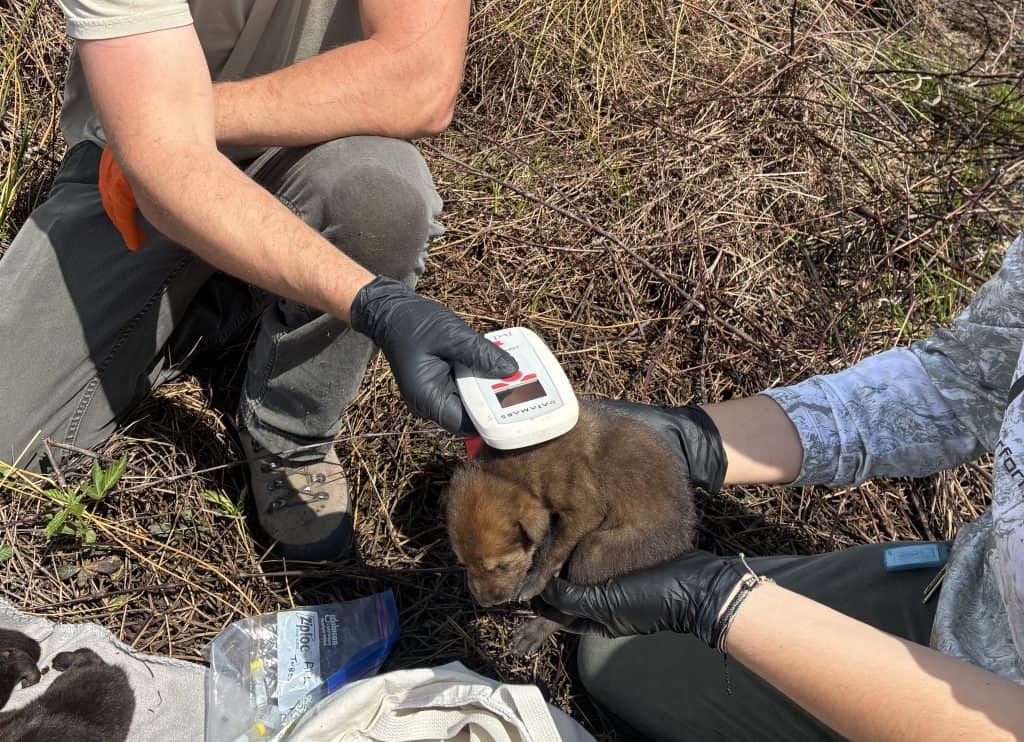
Wildlife biologist Justin Kosiewska with the FWS scans the pup’s microchip during the cross-foster.
©U.S. Fish and Wildlife Service
Additionally, at about five weeks of age, the wildlife biologists hand-captured the pups for another physical exam. Since they were then old enough, the Red Wolf pups received an initial vaccine. This protects them against canine distemper, parvo, and leptospirosis (common canine diseases), the FWS spokesperson explains.
The Future of the Red Wolf Population
These new wild-born Red Wolf litters highlight crucial progress and milestones for the endangered species, but the recovery work is ongoing.
“As with any year, the litters born this year are vital building blocks for the future of the wild Red Wolf population,” says the FWS spokesperson. “Their survival to maturity and becoming part of a breeding pair with litters of their own someday will allow for the continued growth of the population, [as] we have seen over the past five years. The three foster pups represent that growth but also represent an increase in the genetic diversity of the wild population themselves, along with any future pups they may contribute.”
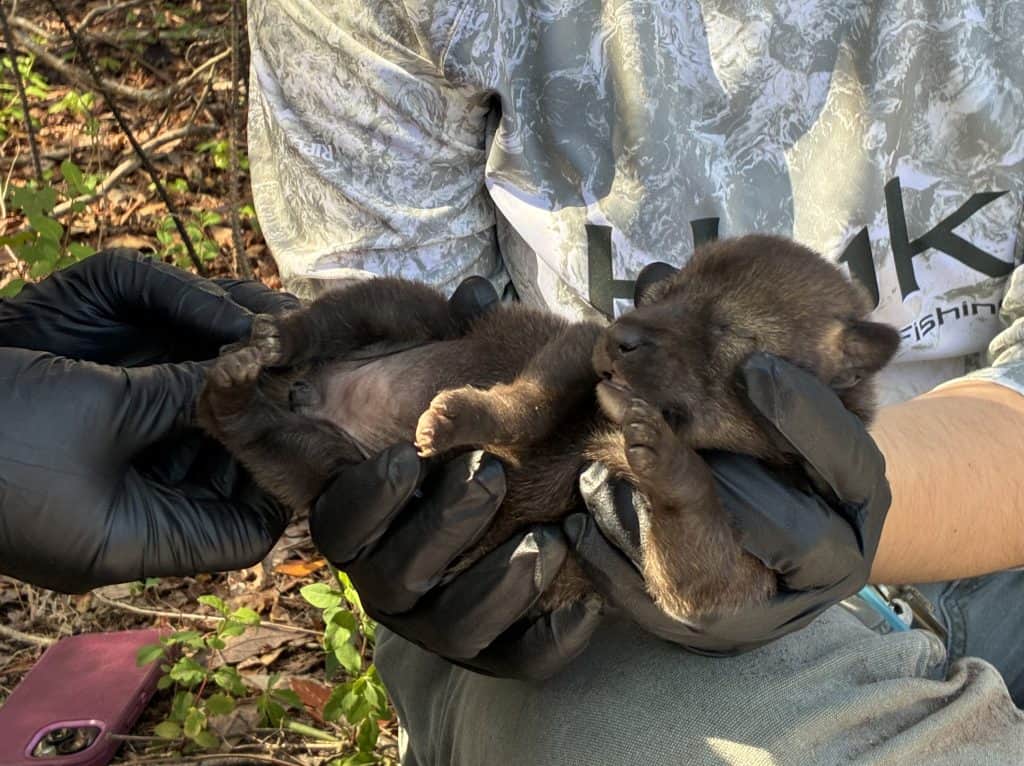
Caitlynn Overton, a biological technician with the FWS, conducts a general physical exam.
©U.S. Fish and Wildlife Service
Of course, the Red Wolf population still faces countless challenges. According to the spokesperson, major threats include fatal gunshot wounds and vehicle strikes, in addition to natural challenges any wild animals face throughout their progression into adulthood.
“The Service will continue to explore many avenues to help ensure their survival by looking at ways to limit human-caused mortality and work with area landowners and stakeholders to convey accurate information back and forth for the benefit of both parties and Red Wolves,” the spokesperson says.
The Ultimate Goal of the Red Wolf Recovery Program
According to the FWS spokesperson, the definition of success to the Service is highlighted in their recovery vision. This can be found in the document Recovery Plan for Red Wolf: “In the future, wild and free Red Wolves will coexist with humans in multiple viable populations across the historic range, where ongoing threats are effectively ameliorated through conservation activities, the public’s trust and engagement, and aligned policies among all involved with Red Wolf recovery,” the document reads. “The recovery of the Red Wolf will provide a strong sense of community ownership, cultural importance, and pride, in line with the values of the communities in which they occur.”
The U.S. Fish and Wildlife Service spokesperson notes that the Red Wolf Recovery Program’s goal is to achieve three recovery criteria. As outlined in the recovery plan, these include: 1) Expand distribution, 2) Increase population abundance and maintain gene diversity long-term, and 3) Implement collaborative conservation.”
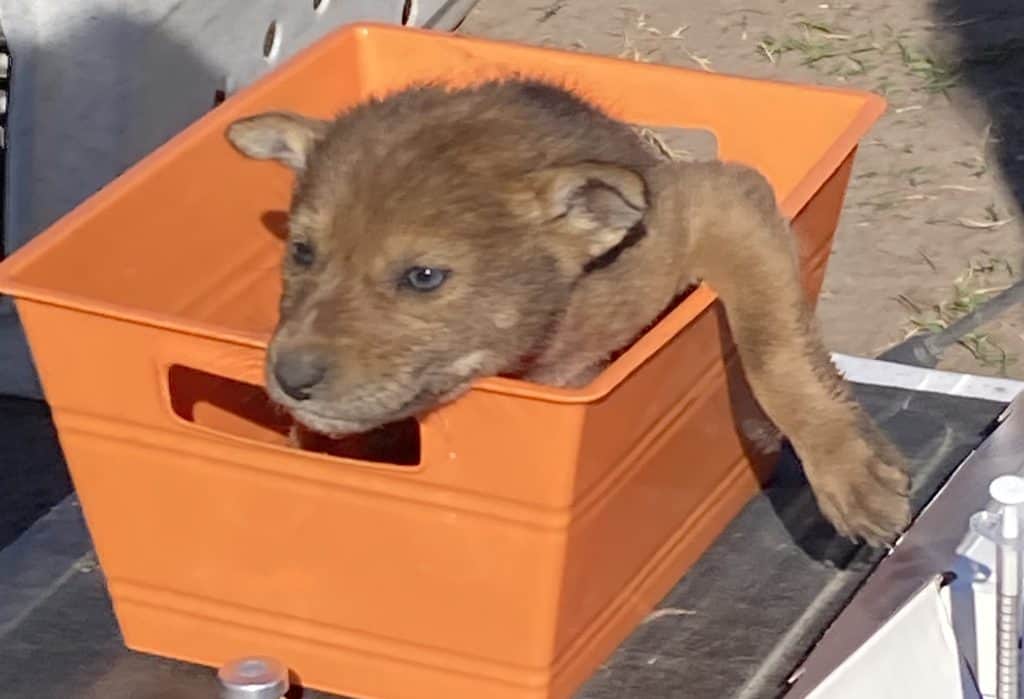
A Red Wolf pup from the Pungo litter gets weighed.
© U.S. Fish and Wildlife Service
More specifically, the spokesperson says, this looks like establishing three viable wild populations within the Red Wolf historic range; meeting population targets, genetic diversity, stability or growth, and a 95% probability of persistence for the next century; and implementing proper mechanisms/long-term commitments to support the growth and gene diversity of each population into the foreseeable future.
“This third component is especially important because it is critical for implementing the other components and lasting, successful recovery,” they conclude.