
Quick Take
- The US once eradicated this parasite using a technique so strange it sounds fictional, and that same method is now being deployed again with one critical flaw. See the sterile fly method →
- Ranchers who spot infected animals may have a financial reason to stay quiet, and that silence could make the outbreak far worse. Explore the reporting gap →
- The fly can't spread animal to animal, yet it's still nearly impossible to contain, and the reason why defies conventional outbreak logic. See why containment is so hard →
- One county's busiest land port may be the single geographic detail that determines whether this outbreak stays regional or goes national. Examine the border crossing risk →
In June 2026, a routine call from a rancher in South Texas set off alarms across agricultural agencies nationwide. The distress wasn’t about market prices or the weather. It was about a parasitic insect that the United States had not seen in its livestock for nearly six decades: the New World screwworm.
Continue reading
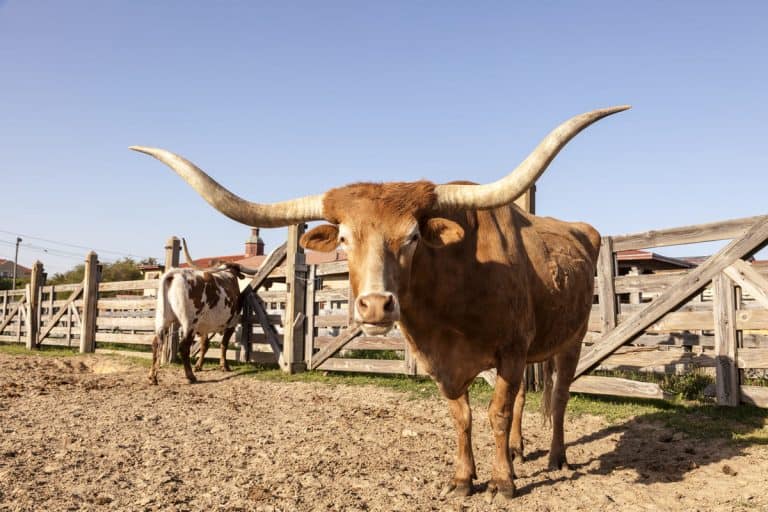
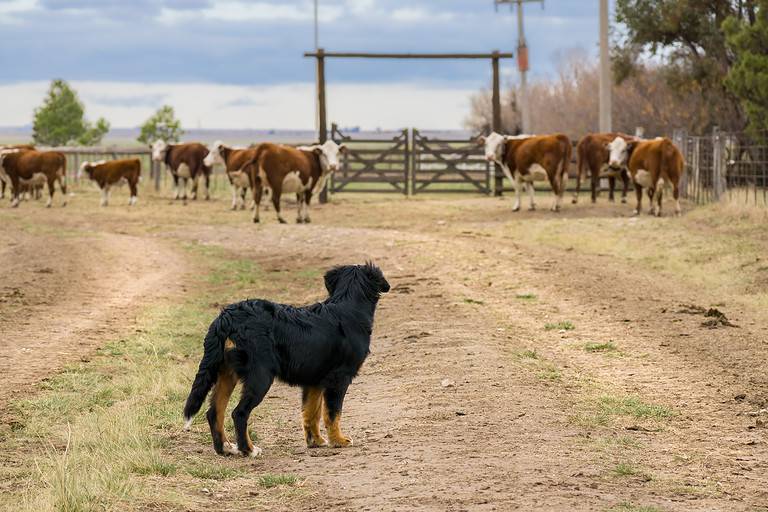
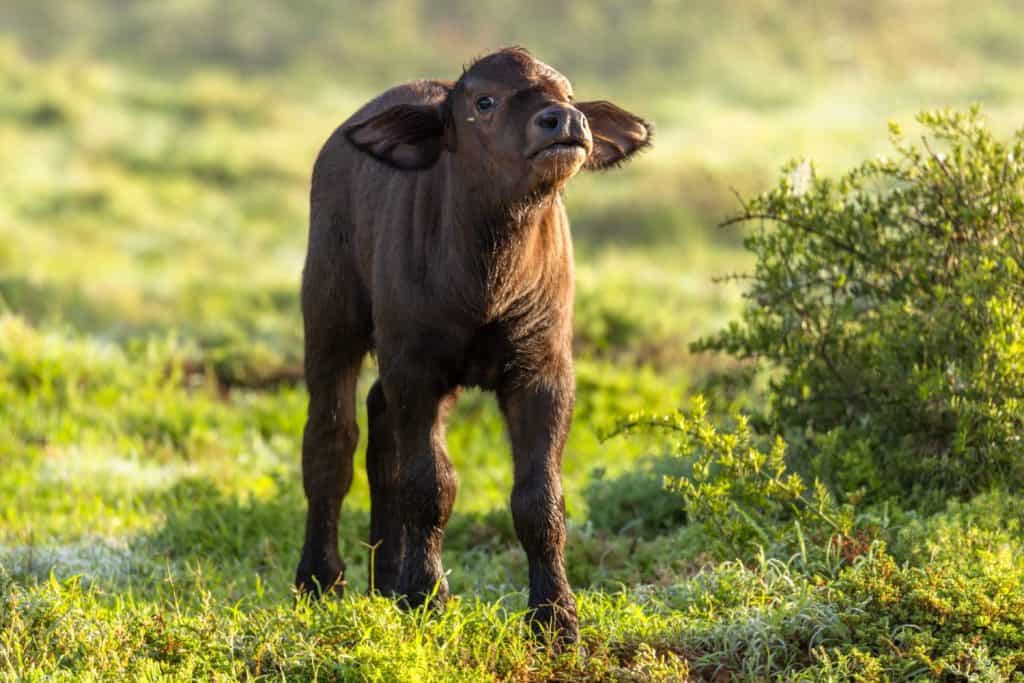
The initial report, confirmed by the USDA on June 3rd, involved a three-week-old beef calf in Zavala County, just 50 miles from the Mexico border. The rancher had noticed larvae in a fresh wound, textbook signs for those familiar with NWS, but a scenario that hasn’t confronted American producers for generations. The calf survived after treatment, but the incident triggered a cascade of concern and rapid response.
©Gunter Nuyts/Shutterstock.com
Traces of an Old Threat on the Move
That calf was only the start. By June 8th, federal and state authorities had confirmed four more cases. Two additional calves, one in Zavala County and another in neighboring La Salle County, tested positive, while a dog in Lea County, New Mexico, and a goat in Gillespie County, Texas, brought the parasite’s reach well beyond its initial detection point. Each case widened the scope of vigilance.
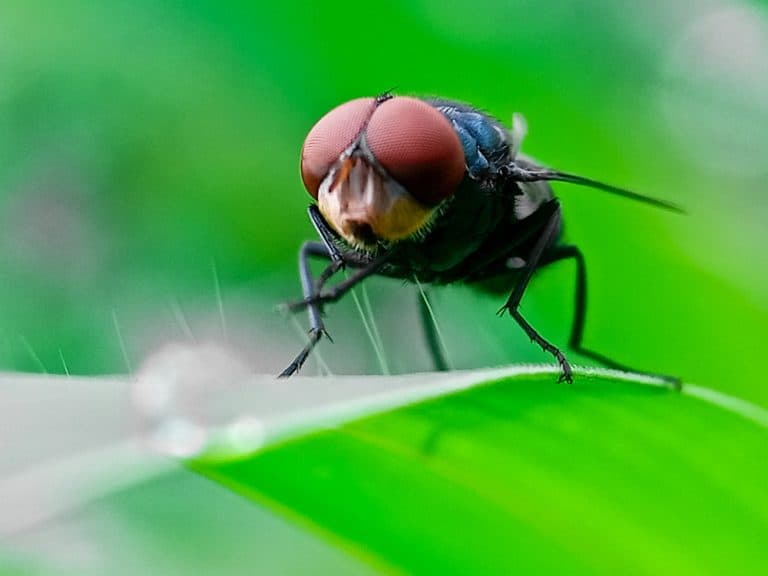
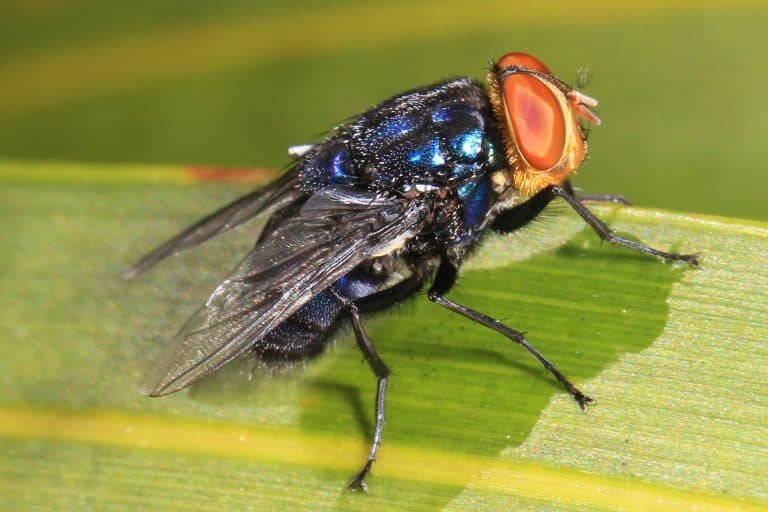
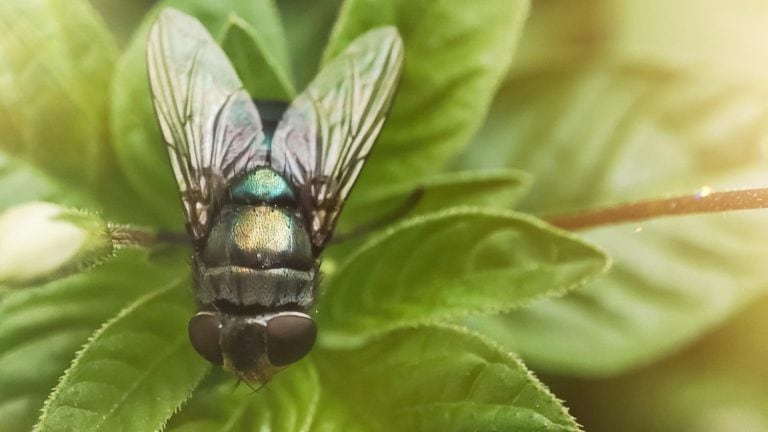
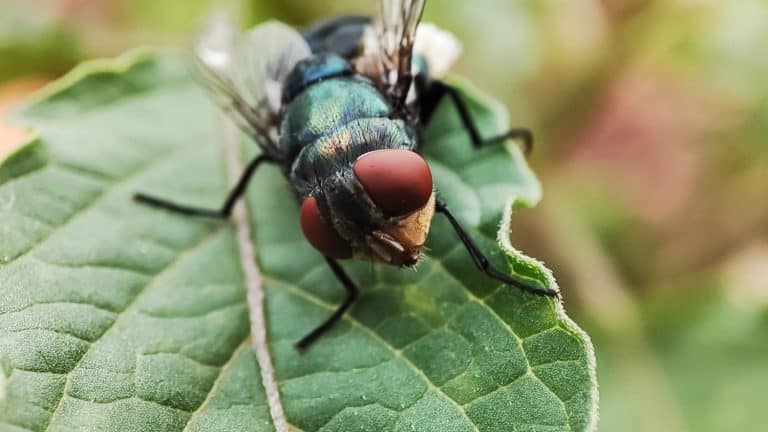
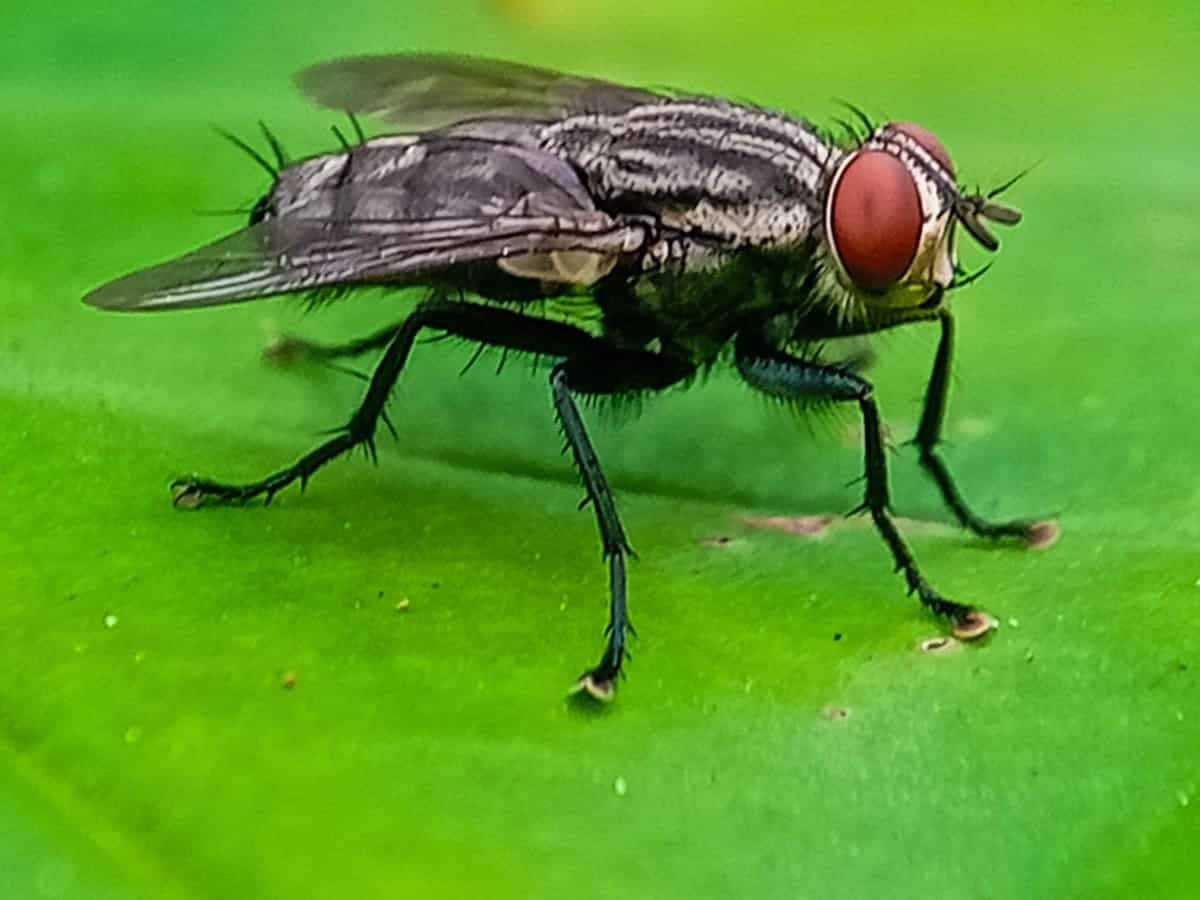
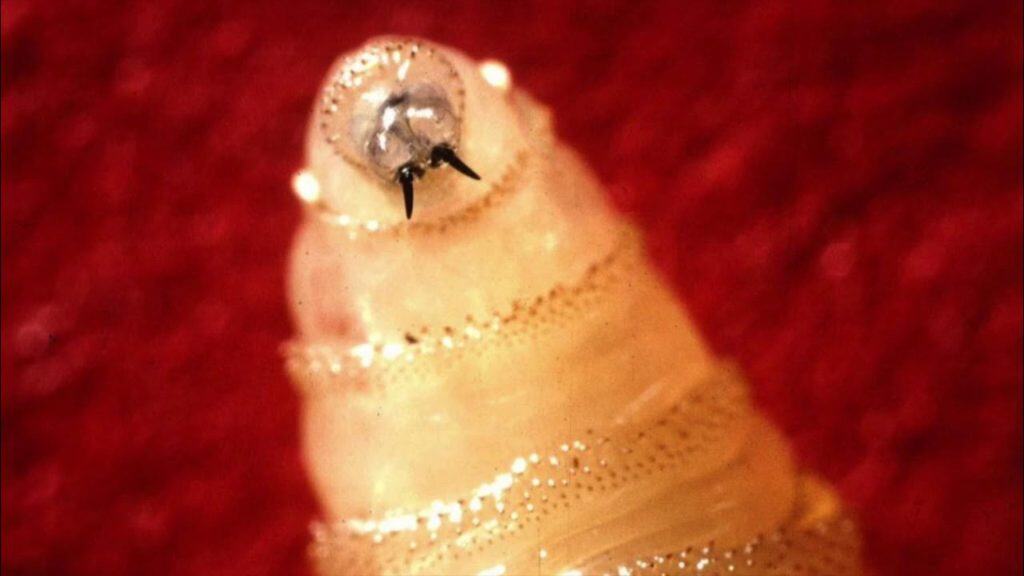
New World screwworm isn’t a typical livestock pest. The adult flies lay eggs in open wounds on warm-blooded animals, cattle, sheep, goats, wildlife, and occasionally even pets and people. The larvae feed on living tissue, causing distress, infection, and potentially death if undetected. While humans rarely face serious risk, the economic threat to livestock is real and immediate.
This wasn’t entirely out of the blue. NWS had reemerged in southern Mexico’s Chiapas region in late 2024 and spread steadily north. By the time it reached Texas, more than 27,000 detections had been logged in Mexico. U.S. officials knew the clock was ticking, but the exact hour of arrival still sent a chill through ranching communities.
© – Original
The Stakes in America’s Livestock Heartlands
For animal health officials and producers, the geography of these detections intensified concerns. The core South Texas detection zone fans out from Zavala and La Salle counties, with ten surrounding counties forming a vast corridor where brush-country ranches mix with cross-border trade routes. The Rio Grande marks not only a political border but also a highway for livestock, wildlife, and disease.
Maverick and Webb counties, closest to Mexico, illustrate the significance. Maverick is home to over 18,000 cattle and derives more than 90 percent of its agricultural sales from livestock. Webb County, encompassing Laredo and the nation’s busiest land port, holds 45,000 cattle and 2.1 million acres of farmland. Both regions serve as critical junctures for livestock movement, even minor breakdowns in surveillance could spell major consequences.
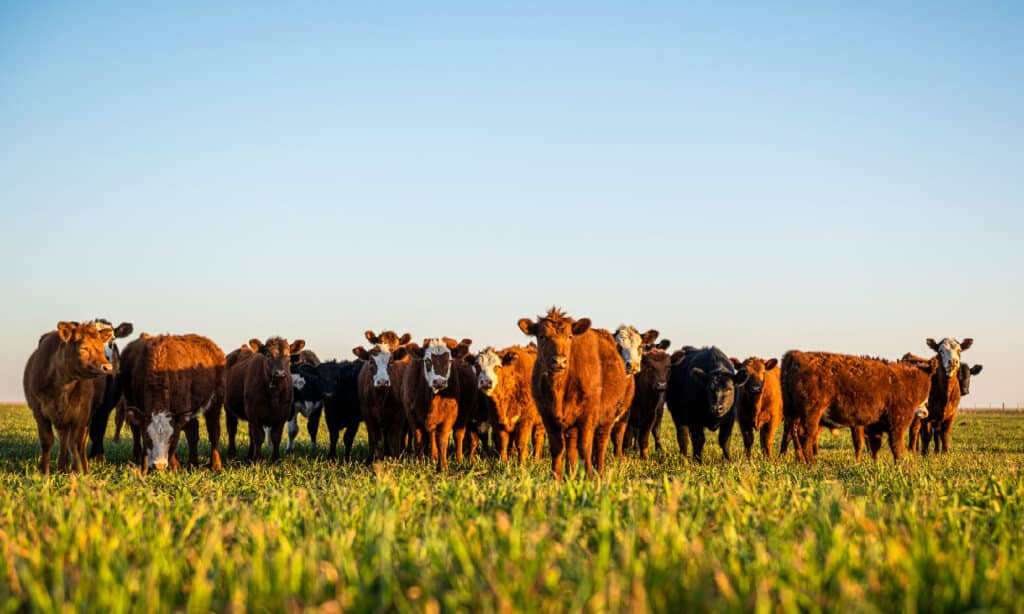
Altogether, the 12-county South Texas zone supports almost 372,000 cattle and 43,000 sheep and goats, contributing over $366 million in annual livestock sales. And yet, that’s only about three percent of Texas’s total cattle inventory. Still, what this region lacks in scale it makes up in connectivity: border crossings, wildlife corridors, and infrastructure all converge here, complicating efforts to contain and eradicate NWS.
New Mexico’s Lea County paints a different picture. It’s one of America’s densest dairy corridors, with over 100,000 dairy cows in the county alone and nearly 435,000 cattle in the immediate surveillance zone. Frequent animal handling in dairies could enable earlier detection, but it also means more potential wounds, a vulnerability for NWS. At the same time, adjacent West Texas counties focus primarily on crops, presenting yet another wrinkle in surveillance strategy.
Meanwhile, Gillespie County and its surrounds include 146,000 cattle and over 117,000 sheep and goats, with small ruminants outnumbering cattle in several counties. The area features a patchwork of hobby farms, exotic game ranches, and peri-urban operations. Here, fragmentation complicates monitoring, underscoring how diverse agricultural landscapes can shape both risk and response.
©iStock.com/nickalbi
Containment: Racing Against Biology and Geography
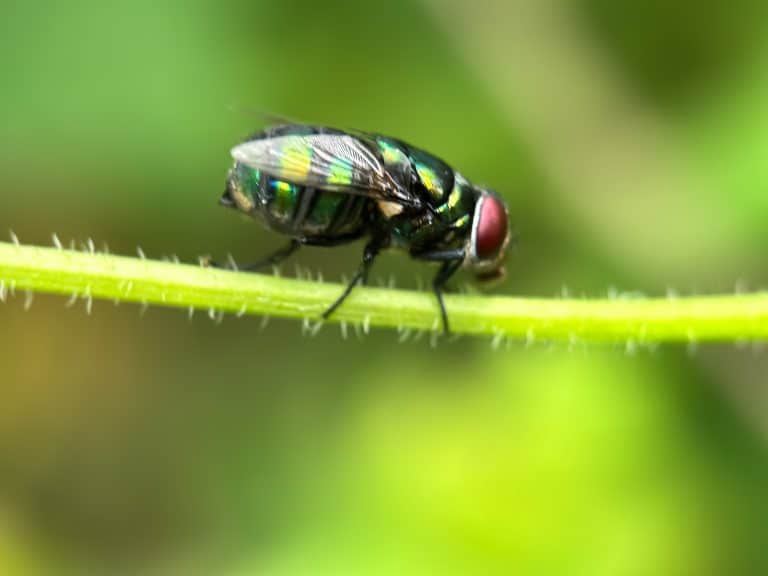
The New World screwworm doesn’t spread from animal to animal through infection. Instead, adult flies move between pastures, and even counties, traveling up to 15 miles in a day. An outbreak, then, is as much a function of flight paths and open wounds as proximity. Detection zones have triggered quarantine measures, barring movement of susceptible animals unless they’re inspected and cleared.
Monitoring such a vast and varied landscape is a heavy lift. In some counties, like Zavala and Kinney, huge ranches cover thousands of acres, making daily inspections logistically taxing. Other places present the opposite challenge: small farms in close proximity, where keeping track means racing across a latticework of properties.
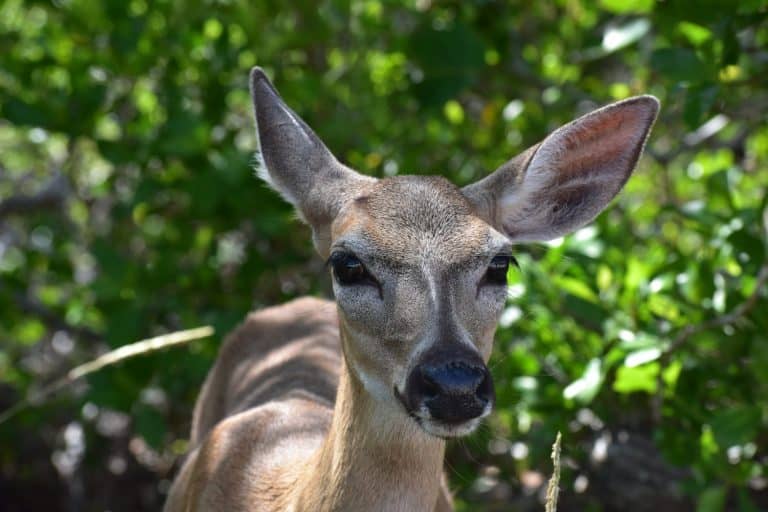
The complexity grows with wildlife. White-tailed deer, feral hogs, and exotic species all abound in South Texas and central Texas, and they too can be hosts for NWS. Unlike managed herds, these populations can’t be routinely checked. The risk to wild animals also raises the specter of ongoing, difficult-to-track spread, prompting officials to expand their surveillance well beyond livestock alone.
Tools and Tactics: The Fight to Push NWS Back
For the United States, eradicating screwworm isn’t uncharted territory. The same pest haunted the Southeast nearly a century ago until the advent of one remarkably effective weapon: the Sterile Insect Technique (SIT). By breeding and releasing millions of sterile flies, authorities were able to outcompete their fertile counterparts. The initial campaign, beginning in 1962, culminated after four decades and over 96 billion sterile releases, pushing NWS back to the edge of the Panama jungle.
Now, that toolkit is back in play. USDA’s Animal and Plant Health Inspection Service activated the National Veterinary Stockpile, ramped up sterile fly releases — four million per week were already being deployed before detection, created 12-mile quarantine zones, and boosted outreach and trapping efforts across key areas. However, current sterile-fly production capacity is limited; nearly all supply comes from a single facility in Panama. Expansion projects are underway, including converting a fruit fly facility in Mexico and building a new U.S. plant in Texas, but neither is ready yet.
Stakeholders agree that a dramatic scaling up in sterile fly production is critical. Without it, the ability to drive NWS back south could falter, especially if the outbreak grows. Federal investments, including partnering with the Army Corps of Engineers for the new facility, acknowledge this urgency but also highlight the bottleneck that could define the response’s success or failure.
©PiggingFoto/Shutterstock.com
Economic Twists and Reporting Hurdles
The NWS outbreak arrives at a complicated moment for American livestock. Tight cattle supplies and strong demand have pushed beef prices to record highs. But these price tags are not evidence of prosperity; they’re signposts of a strained industry, one that faces not only disease threats but mounting drought risks and herd reductions.
Market reaction to the screwworm news has been volatile but not catastrophic. After the first reports, cash prices for cattle dipped only slightly, with futures markets swinging as traders absorbed the uncertainty. The Canadian government quickly announced a temporary block on livestock from affected U.S. regions, but so far, other trading partners haven’t imposed major restrictions.
Yet, beneath the surface, producers are caught in a bind. Reporting a suspected case might mean triggering a quarantine not just on their farm but their neighbors’, too, imperiling both reputation and revenue. Currently, support programs for losses directly tied to NWS controls are limited. Without compensation or insurance, like what was rolled out for avian influenza in dairy cattle, there’s fear that some cases could go unreported, undercutting crucial surveillance.
Some experts and agencies point to recent USDA actions in the dairy sector as a model: when avian flu struck, compensation programs eased the sting for affected producers and reduced stigma around reporting. A similar approach could make a difference for screwworm containment, tipping the balance toward swifter, more transparent action.
Facing the Threat, Again
The emergence of New World screwworm in American livestock is a blunt reminder that eradication doesn’t mean extinction. It’s a reprieve, one that must be guarded, maintained, and, at times, won again. The tools for suppression exist, and officials at all levels are mobilizing to close ranks around this new incursion.
The true test lies not just in science or resources, but in the daily judgments of ranchers, veterinarians, and animal health workers, people who, in many cases, are encountering this parasite for the first time. Their decisions, in the coming weeks and months, will shape whether NWS becomes a costly resurgence or a lesson in the endurance of vigilance over complacency.