
Quick Take
- Feral hogs can't even catch CWD, so why are wildlife managers calling them one of the disease's most dangerous carriers? See how hogs carry prions →
- Only one jurisdiction in North America tests transported hogs for CWD exposure, and that jurisdiction is not a U.S. state. Saskatchewan's lone testing program →
- One state is quietly shipping wild hogs to 26 others, and its deer facilities may be making the problem far worse. Explore Texas's hog exports →
- Nearly 1 in 5 feral hogs gets moved at some point, and not one of them has ever been tested for CWD prion exposure in the U.S. Check the translocation data →
The threats of chronic wasting disease (CWD) and invasive feral hogs have long overshadowed conservation discussions in America. But emerging research now draws these two issues together in unexpected ways, as scientists find wild hogs carrying the misfolded proteins, “prions”, shed by CWD-positive deer. This discovery points to a new, hidden pathway for disease transmission, unsettling wildlife managers across the country.
Continue reading
Uncovering New Disease Vectors
Last year, a study published in the journal Emerging Infectious Diseases detected CWD prions in the tissue of wild hogs. While there are no recorded cases of these hogs themselves falling victim to the fatal neurological disease that devastates deer, elk, and related species, researchers warn the animals can still spread the infectious material. According to the study, “scavenging swine could play a role in disseminating CWD and could therefore influence its epidemiology, geographic distribution, and interspecies spread.” The implication: feral hogs might unknowingly help CWD reach new areas and new hosts.
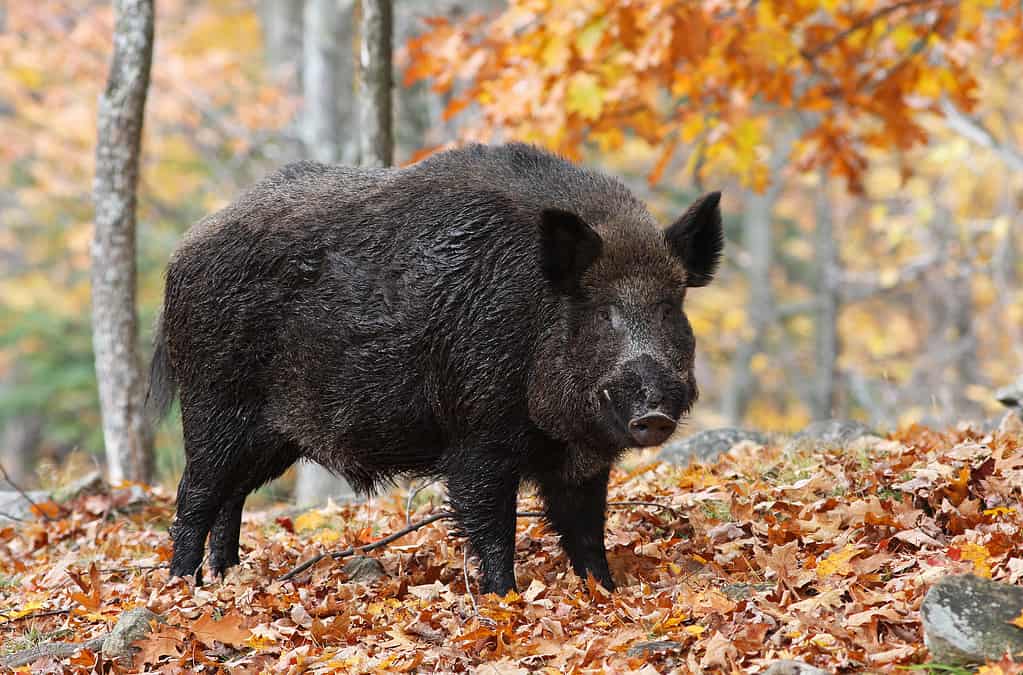
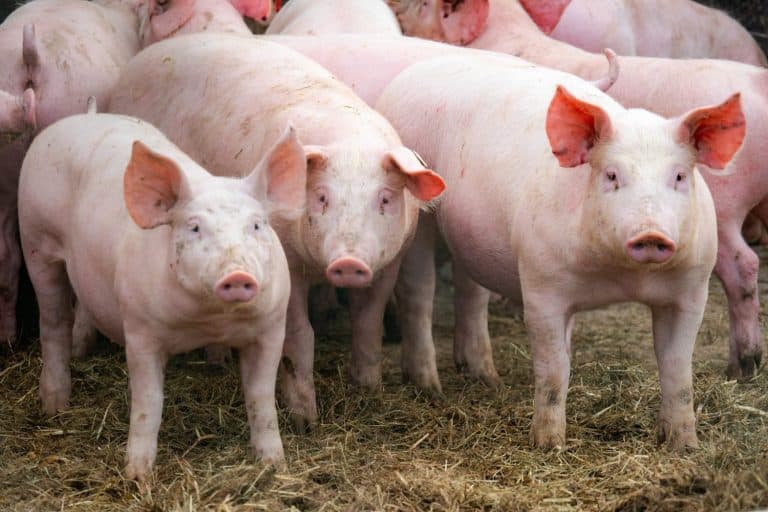
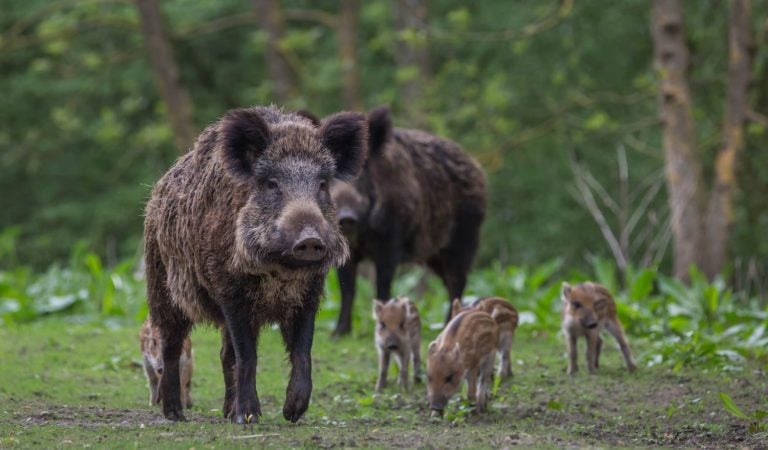
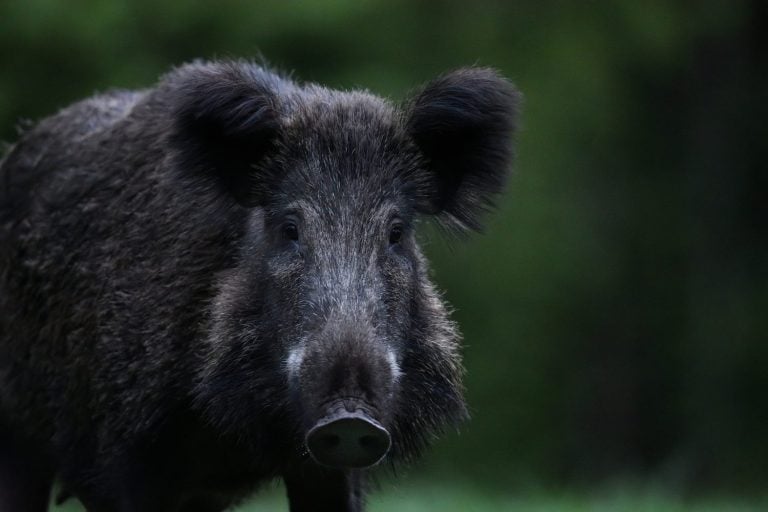
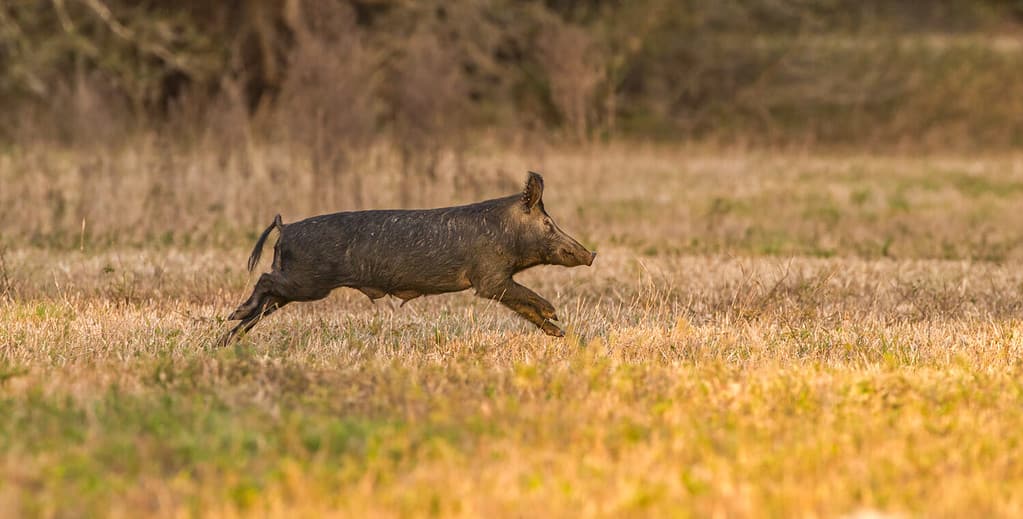
Male feral swine. These omnivorous animals have a strong sense of smell and sharp tusks used for defense.
©Mircea Costina/Shutterstock.com
Regulations, Loopholes, and Surprises
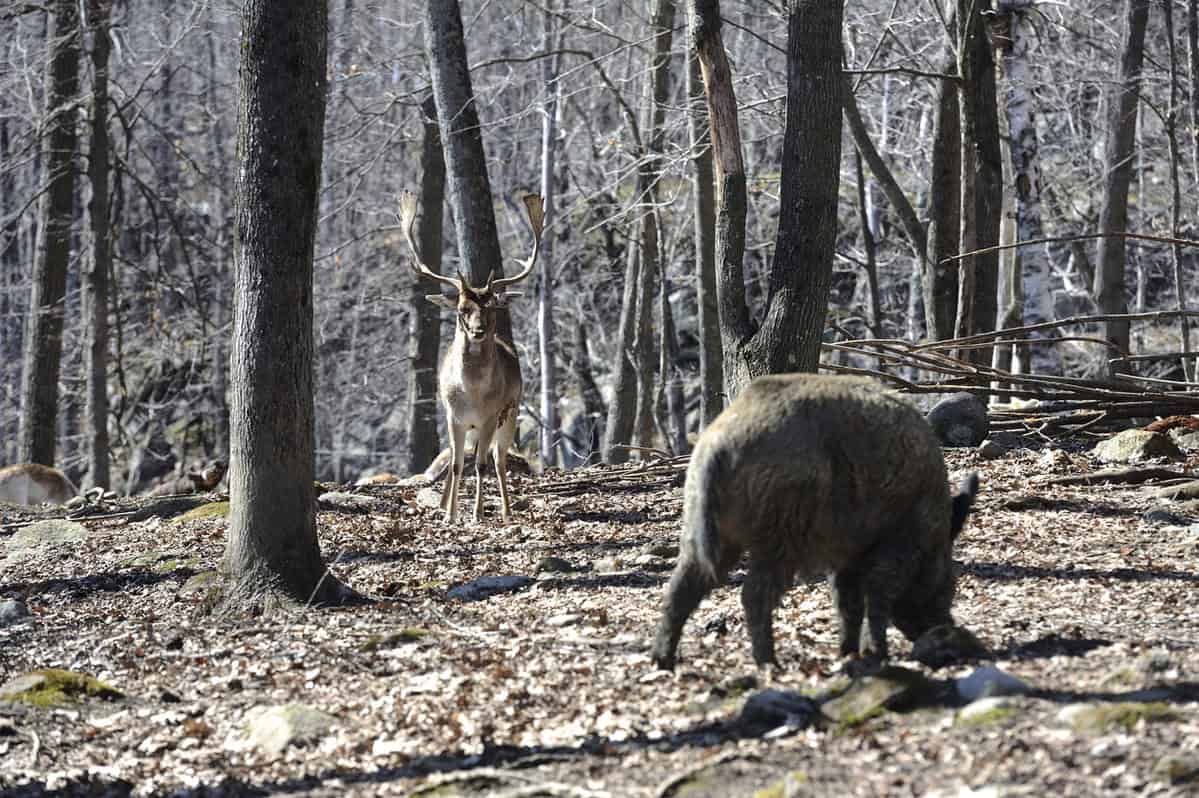
The management of disease in wild herds often hinges on careful animal transport rules. But new findings suggest inconsistencies and gaps in how states regulate both deer and hog movements, especially when these animals are together in confined spaces. Ben Westfall, senior conservation coordinator for the National Deer Association (NDA), expressed surprise about how many facilities permitted pigs and deer to mix within high-fenced enclosures. “Certainly we would like to discourage states from allowing commingling behind fences with cervids and wild pigs,” said Westfall, urging agencies to rethink these practices in light of new research.
Such commingling isn’t the only trouble spot. Many states still move feral hogs within their borders, and none currently test transported hogs for CWD exposure. NDA’s own investigations revealed that nearly 19 percent of feral hogs nationwide were translocated at some stage, sometimes legally, sometimes as part of illicit trafficking. Yet only one jurisdiction, Saskatchewan, has conducted any systematic CWD testing on hogs, a fact Westfall described as “a little shocking.”
The Texas Link and Expanding Footprints
Perhaps most striking is the role that some states play in the larger puzzle. Texas and Oklahoma, among the few allowing deer and hogs to share enclosures, are top sources of hogs dispatched elsewhere. Researchers found that South Texas stands as the nation’s largest exporter of wild hogs, now found in 26 out of the 38 states surveyed. The state’s influence stretches the map; as one team concluded, Texas has “a disproportionate impact on the spread of feral swine.”
For wildlife officials, the rapid population growth of hogs adds another layer of difficulty. “Transportation of feral hogs is certainly a concern,” noted Westfall. “Not only with the issue of feral hogs themselves and how hard it is to mitigate their spread because their population grows so rapidly, but [because] we all know how easily [CWD] prions can spread,” he explained. As hogs travel, they may unwittingly expand the risk landscape for American game animals.
©Chase D'animulls/Shutterstock.com
States Respond, But Gaps Remain
Despite the alarming connections, there are lines of defense emerging. Westfall said that many states are tightening regulations to restrict the import and transport of wild hogs: “A lot of states are taking effort to minimize or mitigate the spread [of wild hogs] by making importation or transportation illegal.” NDA observes that such regulations have become more common in recent years, with agencies taking active steps to counteract feral hog expansion. Programs like Missouri’s Feral Hog Elimination Partnership offer blueprints for what effective local action can look like.
For hunters and residents concerned about wild deer populations in their area, Westfall recommends getting involved and staying informed. This means learning about effective hog management and actively monitoring state wildlife agency efforts. “We’ve seen firsthand that a lot of people push back on their wildlife agency simply because they don’t understand what’s being done and why. So I think it’s important to engage with your agencies and become educated about what they’re doing,” he advised.
What the Hidden Connections Reveal
The discovery of CWD prions in wild hogs underscores the unpredictable ways diseases can travel through animal populations, sometimes through species that seem immune to their effects. This chain of transmission challenges assumptions and calls for coordinated policy, careful management, and broad public awareness. In the ongoing contest between invasive species and conservation, the smallest gaps in oversight can open the door to vast and lasting ecological shifts.