

A
Species Profile

Aussiedor

Canis lupus familiaris

Work hard, play harder - Aussiedor.
Bsewall/Shutterstock.com

Aussiedor Distribution

Domesticated Species

Found Worldwide

Size Comparison

Human 5'8"
Aussiedor 1 ft 10 in

Aussiedor stands at 32% of average human height.

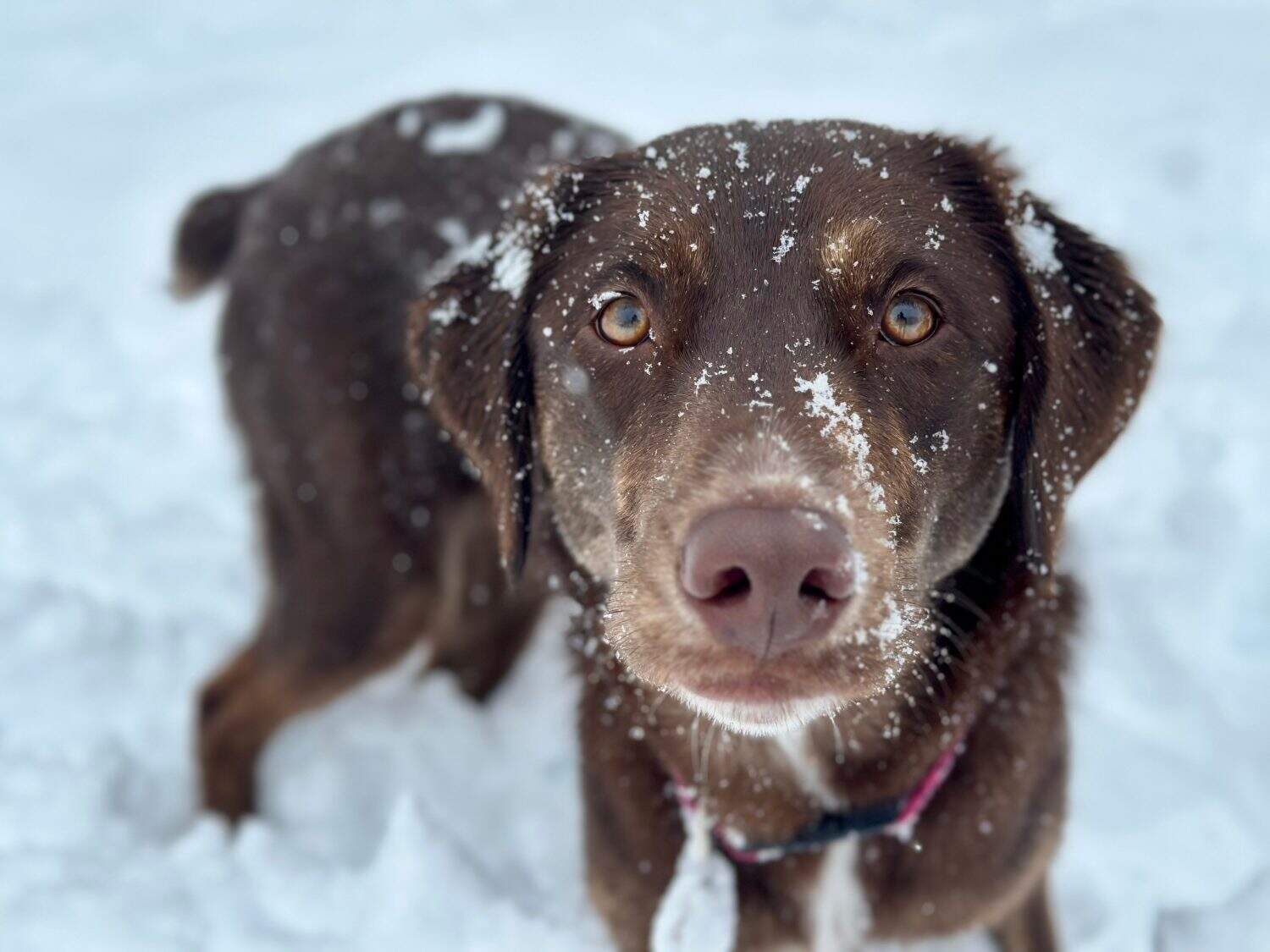
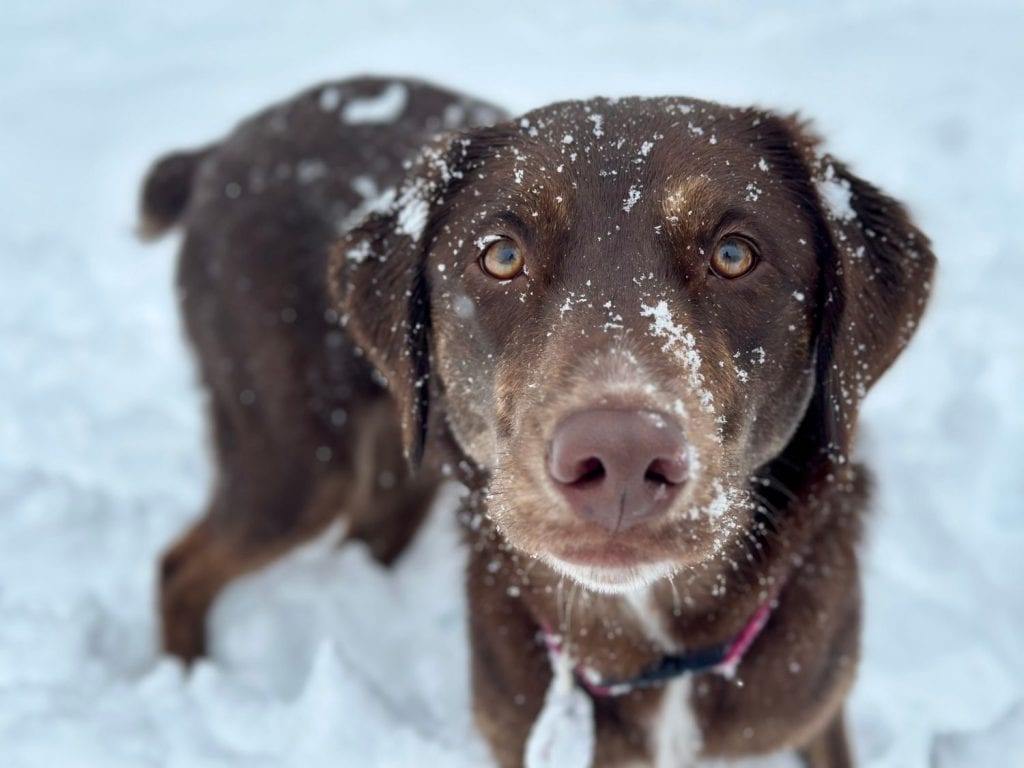
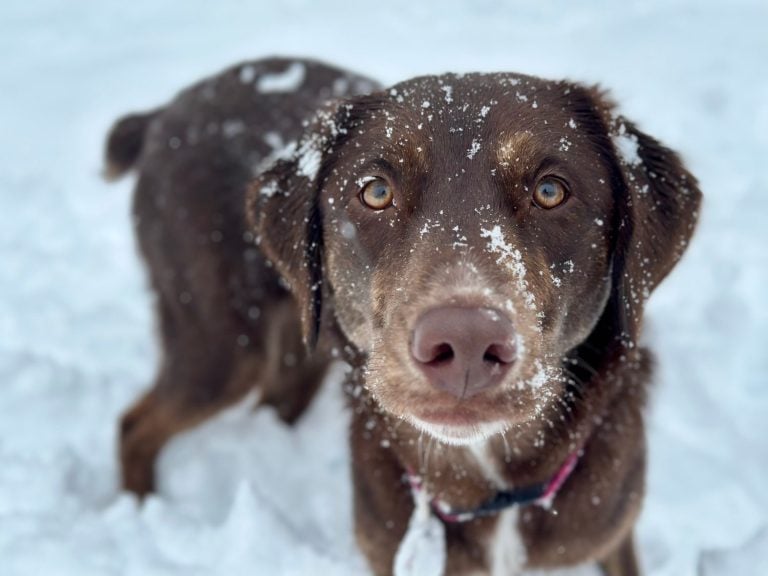
Minka enjoying the cool Vermont snow

At a Glance

Domesticated
Also Known As Aussie Lab, Aussie-Lab, Aussie Lab Mix, Australian Shepherd–Lab Mix, Shepherd-Lab Mix
Diet Omnivore
Activity Diurnal+
Lifespan 12 years
Weight 36 lbs
Status Not Evaluated
Did You Know?

Aussiedor is a designer crossbreed (Australian Shepherd x Labrador Retriever), so temperament and coat can vary widely even within a litter.

Scientific Classification

Aussiedor refers to a mixed-breed domestic dog produced by crossing an Australian Shepherd with a Labrador Retriever. Typical individuals are athletic, highly trainable, and energetic, with variation in coat type and temperament depending on which parent traits dominate.

Kingdom
Animalia
Phylum
Chordata
Class
Mammalia
Order
Carnivora
Family
Canidae
Genus
Canis
Species
Canis lupus

Distinguishing Features

  • Medium to large, athletic build; often 20–27 in (51–69 cm) and ~40–80 lb (18–36 kg), variable
  • Coat variable: short-to-medium, sometimes double-coated; may shed heavily
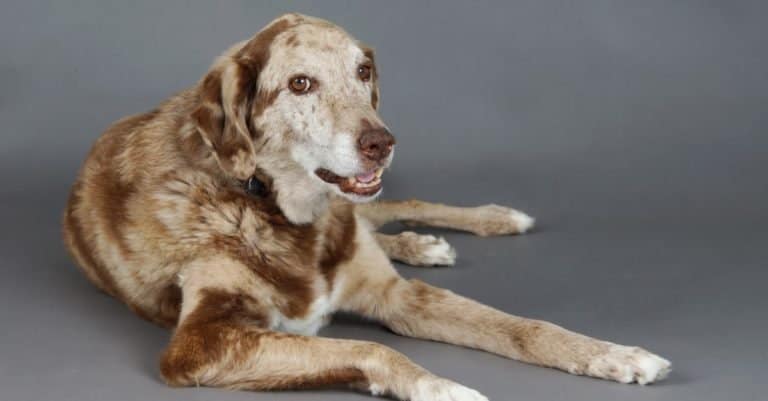
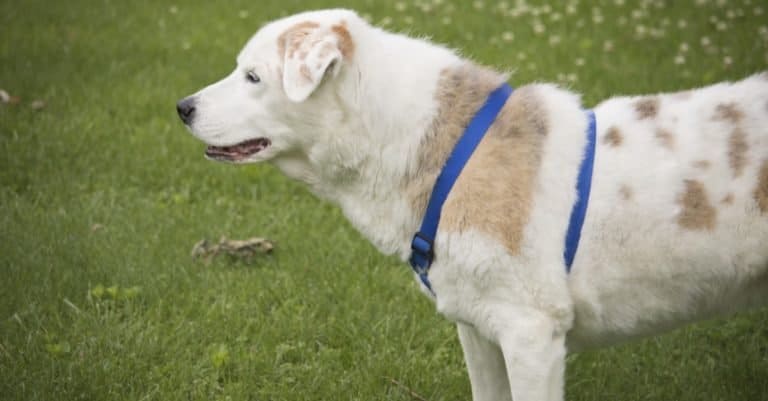
  • Color patterns can resemble either parent; may show Australian Shepherd-style merle patterning (if inherited)
  • Typically high energy, people-oriented, and responsive to training; often strong retrieving/herding drive tendencies

Physical Measurements

Males and females differ in size

Height
♂ 1 ft 10 in (1 ft 8 in – 2 ft 1 in)
♀ 1 ft 8 in (1 ft 6 in – 1 ft 10 in)
Length
♀ 3 ft 4 in (2 ft 9 in – 3 ft 11 in)
Weight
♂ 64 lbs (51 lbs – 79 lbs)
♀ 57 lbs (44 lbs – 71 lbs)
Tail Length
♂ 1 ft 3 in (12 in – 1 ft 6 in)
♀ 1 ft 1 in (10 in – 1 ft 4 in)
Top Speed
30 mph
fast and athletic

Appearance

Primary Colors
Secondary Colors
Skin Type Aussiedors usually have double coats: medium undercoat and short-to-medium straight or slightly wavy outer coat. Skin can be sensitive and may get allergies; nose and eye rim color follows coat, lighter in merle or cream.
Distinctive Features
  • Domestic dog crossbreed: selected for companionship and work with broad coat and body-shape variability compared with wolves.
  • Typical build is athletic and muscular with a deep chest (often Lab-influenced) and agile, quick movement (often Aussie-influenced); overall size and proportions vary by parent traits.
  • Head often broader than an Australian Shepherd, with a medium-length muzzle; stop may be moderate; expression typically alert and people-oriented.
  • Ears vary: floppy drop ears (Lab-like) are common; some individuals have semi-rose or semi-erect ears (Aussie influence).
  • Tail may be long and thick ('otter tail' tendency from Lab lines) or naturally bobbed if inherited from Australian Shepherd ancestry; tail carriage usually active and expressive.
  • Coat shedding is variable but commonly moderate-to-heavy year-round with seasonal 'blow'; coat length ranges from short (Lab-like) to medium with feathering (Aussie-like).
  • High trainability and biddability are typical, with strong food/toy motivation (Lab) and problem-solving/handler focus (Aussie). Requires consistent training to prevent boredom-driven behaviors.
  • Energy and enrichment needs are above average: generally needs daily vigorous exercise plus structured mental work (retrieving, scent games, obedience, agility, hiking). Not ideal for sedentary homes without a plan for outlets.
  • Working/active-companion suitability: often excels at retrieving, hiking, dock diving, canicross, obedience/rally; some show herding-like circling/nipping tendencies that benefit from early training and redirection.
  • Check for hip and elbow dysplasia; torn cruciate ligaments; obesity (Lab influence); exercise-induced collapse (EIC); eye issues (PRA, cataracts); double-merle eye/hearing defects; skin/ear allergies; possible MDR1 drug sensitivity—test first.
  • Care requirements: routine grooming (weekly brushing; more during shedding seasons), ear cleaning/monitoring for infections (especially drop ears), regular nail and dental care, and joint-friendly conditioning (avoid repetitive high-impact jumping during growth; maintain lean body condition).
  • Behavioral care: early socialization, impulse-control training, and structured jobs (retrieving tasks, scent work) help prevent reactivity, mouthiness, or destructive chewing stemming from under-stimulation.

Sexual Dimorphism

As with most domestic dogs, males are typically larger and more robust than females, but the degree varies because the Aussiedor is a mixed cross and not fixed to a single size standard.

♂
  • Often heavier-boned with broader head and thicker neck/shoulders.
  • May show more pronounced musculature and chest depth, especially in Lab-leaning individuals.
♀
  • Often slightly smaller and more refined in head/neck, with a lighter overall frame.
  • May mature a bit earlier in body condition; coat and marking patterns are not reliably sex-linked.

Did You Know?

Aussiedor is a designer crossbreed (Australian Shepherd x Labrador Retriever), so temperament and coat can vary widely even within a litter.

Many inherit the Labrador "retrieve" drive plus the Aussie "work all day" mindset - great for sports like dock diving, agility, and nose work.

Coats range from short Lab-like to medium, feathered Aussie-like; shedding can be light-to-heavy depending on the undercoat inherited.

Merle patterning (from the Australian Shepherd side) is possible; it's striking but requires responsible breeding to avoid health risks linked to double-merle pairings.

They often excel at learning complex cues quickly - both parent breeds are known for biddability and handler focus.

Because Labs can be food-motivated, many Aussiedors train easily with treats, but portion control matters to prevent weight gain.

Because Australian Shepherds and Labrador Retrievers are both high-energy, people-oriented working breeds, many Aussiedors benefit from daily exercise, training, and mental stimulation to do well as family companions.

Unique Adaptations

  • Hybrid blend of working instincts: herding-style awareness and motion sensitivity (Aussie) combined with retrieving stamina and cooperative work style (Lab).
  • Endurance-oriented build: typically athletic with efficient gait, reflecting selective breeding in both parent lines for all-day work rather than short bursts.
  • Coat flexibility: double-coat tendencies can provide insulation for variable weather; grooming needs depend on which parent coat dominates.
  • Potential webbed feet (common in many retriever lines) can improve swimming efficiency when inherited.
  • High trainability and "biddability": shaped by domestication (species-wide) and reinforced by both parent breeds' long histories as human-directed working dogs.
  • Keen scenting + visual tracking: many show strong nose work ability (retriever heritage) paired with quick visual pattern recognition (herding heritage).

Interesting Behaviors

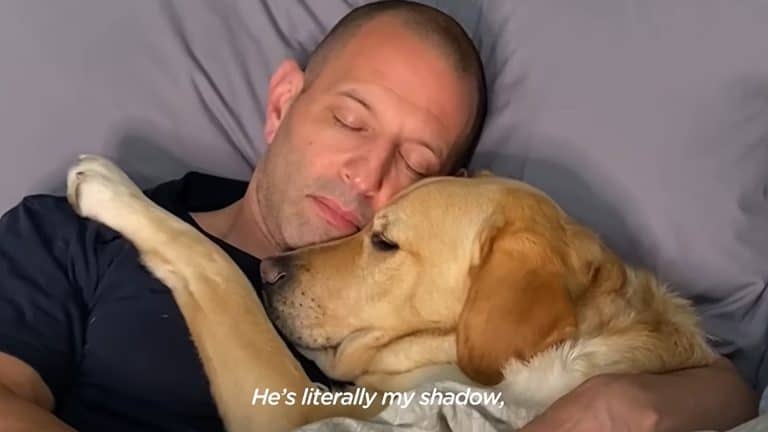
  • "Shadowing" their person: many follow family members room-to-room, reflecting strong social bonding typical of domestic dogs (Canis lupus familiaris).
  • Instant job-making: if under-stimulated, they may invent tasks - carrying items, herding kids/pets, or reorganizing toys (Aussie influence).
  • Retrieval obsession: repeated fetch, carrying objects, or presenting toys as "gifts" (Lab influence).
  • Mouthy puppy phase: Labs and herding breeds can be oral; early training teaches gentle taking/holding and appropriate chew outlets.
  • Alert and generally friendly greeting style; may bark when someone arrives, then engage socially. Behavior varies with individual temperament, training, and socialization.
  • Water curiosity: some inherit the Lab's love of water and strong swimming; others are more land-focused.
  • High responsiveness to routine: they frequently anticipate schedules (walk times, meal prep), a hallmark of dogs' sensitivity to human cues.

Cultural Significance

Aussiedor (Australian Shepherd × Labrador Retriever; Canis lupus familiaris) blends two working breeds. It follows the designer cross trend, mixing Labrador's worldwide role as help and family dog with the Aussie's North American ranch/rodeo roots. Valued in hiking, dog sports, and active families.

Myths & Legends

Old World folklore often cast dogs as guardians of thresholds between worlds-echoed in the Greek image of Cerberus, the multi-headed hound who watched the gate of the Underworld.

In ancient Egypt, Anubis-depicted with a canine head-was linked to guiding and protecting the dead, reflecting deep reverence for canine watchfulness and loyalty.

In Mesoamerican tradition, the dog (especially the Xoloitzcuintli) appears in stories as a guide helping souls cross to the afterlife, emphasizing companionship beyond life.

Norse myth tells of the hound Garmr, a fearsome guardian associated with the realm of the dead - another enduring motif of dogs as protectors at boundaries.

Medieval French tradition includes the tale of Saint Guinefort, a greyhound revered locally after a story in which the dog was believed to have saved a child-an example of folk sainthood centered on canine devotion.

A modern, well-documented cultural legend of loyalty is Japan's Hachiko, remembered for years of waiting at Shibuya Station - often referenced worldwide when people describe devoted family dogs.

Aussiedor stories link Labradors, partly from Newfoundland's St. John's water dog, famous in fishermen's tales for swimming and fetching, with Australian Shepherds tied to American ranching and rodeo herding traditions.

Conservation Status

NE Not Evaluated

Has not yet been evaluated against the criteria.

Population Stable

Life Cycle

Birth 6 pups
Lifespan 12 years

Lifespan

In the Wild
10–14 years
In Captivity
10–14 years

Reproduction

Mating System Polygynandry
Social Structure Managed Domestic
Breeding Pattern Serial
Fertilization Managed Selective
Birth Type Internal_fertilization

Aussiedors are made by people through planned pairings to get certain traits and lower disease risk. Mating is controlled by people and is usually a short-term, one-time pairing. Multiple mates can happen if unmanaged; lasting pair bonds or other dogs helping raise pups are not typical.

Behavior & Ecology

Social Pack Group: 4
Activity Diurnal, Crepuscular
Diet Omnivore Meat-forward foods (chicken or beef) and fish-based treats; many Aussiedors are highly food-motivated and respond strongly to high-value protein rewards.

Temperament

Highly social and human-attuned; typically thrives on frequent interaction and cooperative tasks
Energetic, athletic, and play-motivated; strong need for daily exercise plus structured mental stimulation
High trainability and responsiveness; can become over-aroused without clear routines and impulse-control work
Often friendly and outgoing (Labrador influence), with possible increased vigilance or motion-control/herding behaviors (Australian Shepherd influence)
May be mouthy as a young dog (retriever/herding mix); benefits from early bite-inhibition and appropriate chew outlets
Can be prone to separation-related distress or attention-seeking behaviors if under-stimulated or left alone for long periods
Generally good family companion when appropriately exercised; may be boisterous-supervision around small children and elderly recommended due to enthusiasm
Health/care-linked temperament considerations: joint sensitivity may require moderated high-impact activity; weight management supports mobility and mood stability

Communication

Barks (alert/attention/play), including possible higher frequency of demand or excitement barking if under-exercised
Whines/whimpers to solicit attention, express anticipation, or mild stress
Growls (play growls or boundary-setting); interpretation depends on body language
Howls are possible but typically less prominent than barking/whining in this mix
Body posture and tail carriage: high, wagging tail and loose posture in affiliative contexts; stiffening/forward lean with arousal or guarding
Facial expressions and eye contact: strong gaze to request guidance/rewards; may "stare" or track motion when herding-inclined
Physical contact: leaning, pawing, nudging; may bring objects Toy/ball) to initiate interaction (retriever influence
Mouthing and gentle nipping: can appear during play/excitement or herding-like behavior; managed via training and adequate outlets
Scent investigation and greeting rituals (sniffing) typical of domestic dogs; can be socially persistent if not taught disengagement
Play signals: play bow, bouncy gait, chase invitations; may attempt to control group movement (circling/cutting off) in high-arousal play

Habitat

Biomes:
Temperate Forest Temperate Grassland Mediterranean Temperate Rainforest Savanna Tropical Dry Forest Tropical Rainforest Desert Hot Desert Cold Boreal Forest (Taiga) Tundra Alpine Freshwater Wetland Marine +9
Terrain:
Plains Hilly Valley Plateau Mountainous Coastal Island Riverine +2
Elevation: Up to 14763 ft 9 in

Ecological Role

Domesticated omnivorous mesopredator/scavenger under human care; in this breed mix, activity and retrieving/herding tendencies can increase interaction with wildlife (chasing/harassing) more than in less-driven dogs.

Human companionship and working/utility roles (retrieving, assistance, sport) Deterrence of some pest species through presence and occasional predation Nutrient transfer via waste deposition in human-modified environments (requires responsible management)

Diet Details

Main Prey:
Small rodents Rabbits and hares Ground-nesting birds and eggs Insects and other invertebrates Fish
Other Foods:
Fallen fruit Edible plant matter Root vegetables and squash Grains and starches Legumes

Human Interaction

Domestication Status

Domesticated

Aussiedor (Australian Shepherd × Labrador Retriever; Canis lupus familiaris) is a mixed-breed dog, not a separate species. Bred from Australian Shepherd and Labrador Retriever, Aussiedors are athletic, very trainable, and people-oriented. They need lots of exercise, mental work, and early training. Without this they can be hyperactive, nip, or chew.

Danger Level

Low
  • Accidental knocks/jumps due to size and exuberance (especially around children/elderly)
  • Mouthing or heel-nipping linked to herding instincts if not trained/managed
  • Bite risk increases with fear, pain, poor socialization, or inadequate supervision (as with any dog)
  • Resource guarding can occur in individuals without early training and handling

As a Pet

Suitable as Pet

Legality: Generally legal to own as a pet where domestic dogs are permitted. Restrictions, if any, are usually local (e.g., licensing, leash laws, housing/insurance rules) rather than breed-specific; confirm municipal and landlord/HOA policies.

Care Level: Experienced

Purchase Cost: Up to $1,500
Lifetime Cost: $15,000 - $35,000

Economic Value

Uses:
Companion animal market Veterinary and preventive healthcare services Training and behavior services Pet food and nutrition Grooming supplies/services Canine sports and recreation industry Pet insurance and boarding/daycare
Products:
  • Adoption/rehoming fees or breeder acquisition (varies widely for mixed-breed litters)
  • Obedience and advanced training packages (impulse control, recall, sport foundations)
  • High-activity gear (harnesses, long lines, running gear, fetch toys, enrichment puzzles)
  • Routine veterinary care (vaccines, parasite prevention, spay/neuter) and screening for hips/elbows/eyes when indicated
  • Canine sport participation (classes, trials, travel) for agility/flyball/dock diving/obedience
  • Daycare/boarding expenditures driven by high exercise needs

Relationships

Ecological Equivalents 6

Animals that fill a similar ecological role in their ecosystem

Australian Shepherd
Australian Shepherd Canis lupus familiaris The Aussiedor's Australian Shepherd side adds a strong herding drive, focus, and a need for daily mental work and exercise; it can cause nipping and heel-chasing. Watch for hip and elbow dysplasia, cataracts and CEA-like eye issues, epilepsy, and the MDR1 mutation—testing is wise.
Labrador Retriever
Labrador Retriever Canis lupus familiaris Parent breed. Adds strong retrieve/play drive, food motivation, and friendliness, making Aussiedors easy to train, athletic, people-oriented dogs suited for active homes and sports. Monitor weight, ears (risk of otitis), hips/elbows, and exercise-induced collapse (EIC).
Borador
Borador Canis lupus familiaris Similar herder × retriever niche: high trainability, high daily exercise requirements, and a tendency toward intense focus on moving stimuli. Useful comparison for expected energy level, need for structured work, and potential for nuisance behaviors if under-stimulated.
Golden Retriever × Australian Shepherd mix Canis lupus familiaris Very similar active companion niche and temperament envelope — friendly retriever sociability plus herding-breed trainability. Highlights typical mix variability in coat, arousal level, and handler focus; also overlaps in orthopedic screening priorities (hips and elbows) and ongoing grooming needs.
German Shepherd Dog
German Shepherd Dog Canis lupus familiaris Comparable high-drive working-dog management profile: thrives with advanced training, clear routines, and significant exercise. Included as a niche analog for the kind of structure many Aussiedors need to prevent reactivity, destructiveness, or obsessive behaviors.
Gray wolf
Gray wolf Canis lupus Acts like a wild canid: social, endurance hunter. Aussiedors are domesticated and guided by people; they are bred for cooperation and reduced fear or aggression and are more social with people and dogs, yet still chase prey and require enrichment.

Quick Take

  • Owners must prepare for potential medical expenses reaching $3000 per eye.
  • Consuming 4 cups of food daily creates a specific risk for bloat.
  • The Australian Shepherd parent breed actually originated in Europe despite its misleading name.
  • Implementing early training is essential to managing stubbornness during the Aussiedor puppy stage.

The Aussiedor is a cross between an Australian Shepherd and a Labrador Retriever. This is a hybrid breed that is intelligent, friendly, and affectionate. They are very athletic dogs, making them great companions for hikes and runs. They also make excellent therapy dogs. Aussiedors bred from mini Australian Shepherds share many of the traits of their larger cousins, just in a smaller size. Aussiedors of any kind are ideal for families, and they tend to have fewer health issues than other breeds due to being hybrid dog breeds.

A detailed infographic titled 'Aussiedor: The Ultimate Hybrid Companion' featuring silhouettes of dogs and icons for food, health, and training along with text boxes explaining breed characteristics.
They’re intelligent and athletic, but this high-energy hybrid carries a hefty medical secret and a hidden European history. Discover the high stakes of owning the 'ultimate' companion. © A-Z Animals

History Of The Breed

The Aussiedor is another fairly new breed. A hybrid of the Australian shepherd, which, in spite of its name, actually originated in Europe, and the Labrador retriever, bred in Newfoundland, was the most popular dog breed in the U.S. for 31 consecutive years until 2022, when it was surpassed by the French Bulldog. The Australian shepherd started as a Pyrenean shepherd before being perfected in western America to the parent breed we see today. Labrador retrievers were originally bred in the 1800s to be retrieving dogs for hunters and fishermen.

3 Pros And Cons Of Owning Aussiedors

Pros!Cons!
They make great family dogs. Aussiedors love to be with their people. They are very social, very loving dogs who stick close to their owners and their families.They shed a lot. Aussiedors produce a ton of hair, and they are not hypoallergenic dogs. Constant grooming is needed to reduce the sheer amount of hair that they produce.
They have a fairly low risk when it comes to health issues. Because they are a hybrid breed, Aussiedor breeders have a larger selection of Labrador Retrievers and Australian Shepherds to choose from when breeding their puppies. Because of this, the gene pool is wider.They are prone to separation anxiety. Because of their strong bonds to their family, Aussiedors can become very anxious when left alone.
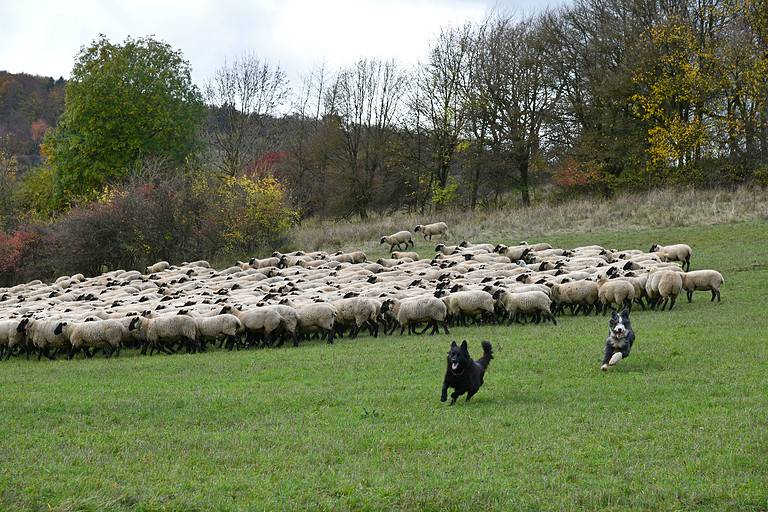
They will likely have a herding instinct. Because of their Australian Shepherd parent, Aussiedors typically have a strong desire to herd. This makes them excellent companions for farmers or people with small groups of other animalsPoor guard dogs. Aussiedors would rather greet strangers at the door than guard the house against them. Due to their easy-going and social nature, they do not make good guard dogs.
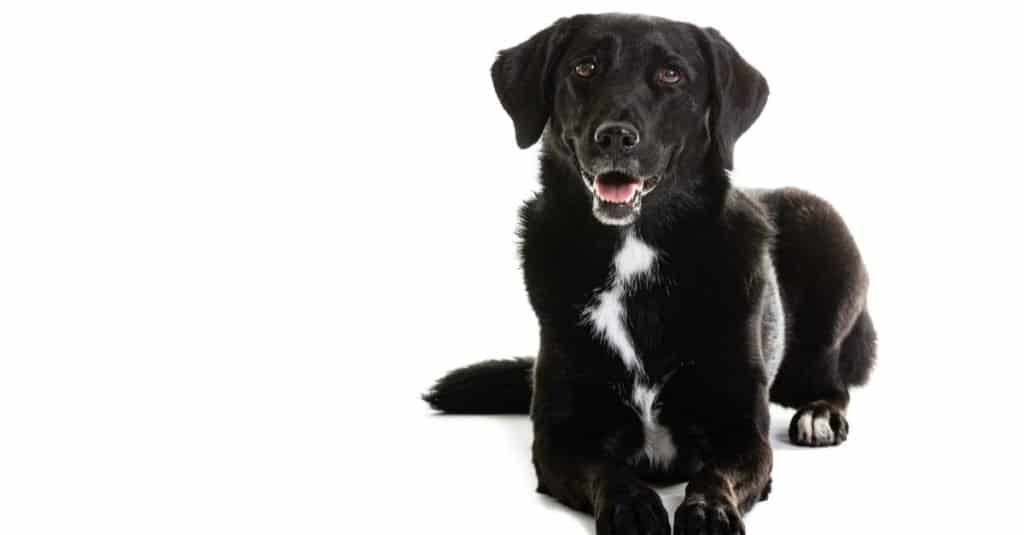
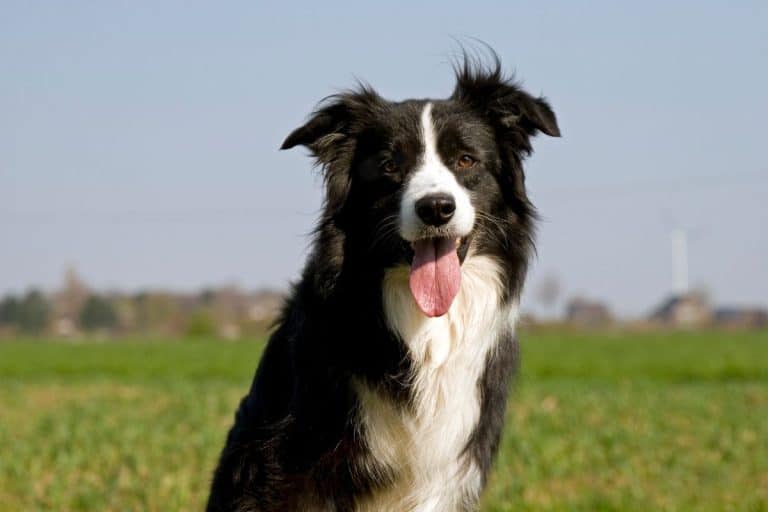
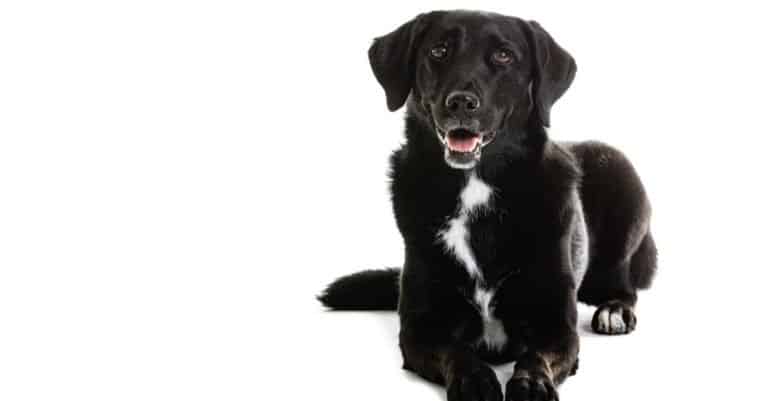
Portrait of black Australian Shepherd and Labrador mixed breed dog sitting on white background

Aussiedors have a strong herding desire.

Size And Weight

Depending on whether the parent was a mini Australian Shepherd or not, Aussiedors are small-to-medium-sized dogs when fully grown. They can be heavier set like a Labrador, or leaner like an Australian Shepherd.

Female Height18-23 inches
Male Height20-25 inches
Female Weight40-70lbs full grown
Male Weight50-80lbs full grown

Common Health Issues

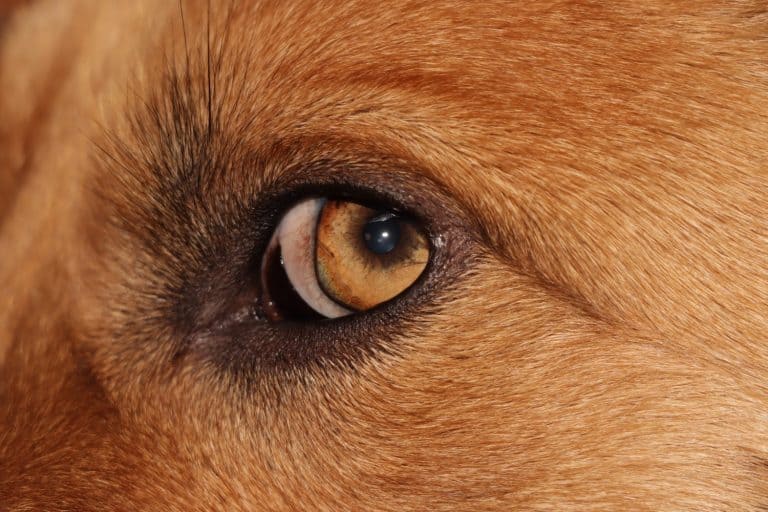
Aussiedors of any kind are ideal for families. While some believe hybrid breeds may have fewer health issues due to genetic diversity, recent studies indicate that Aussiedors are about as likely to experience health problems as purebred dogs. Hip dysplasia and elbow dysplasia are possible for them to inherit, but they have a lower risk of this occurring. Autoimmune thyroiditis is a possible immune system disease wherein the dog will need to be on medication for most of its life, but again, the risk is low. The Australian Shepherd, part of the Aussiedor’s parentage, may pass down the possibility of cataracts, where the dog will suffer from impaired sight or may go completely blind. This can be treated, but the price is $2000-$3000 per eye.

Temperament
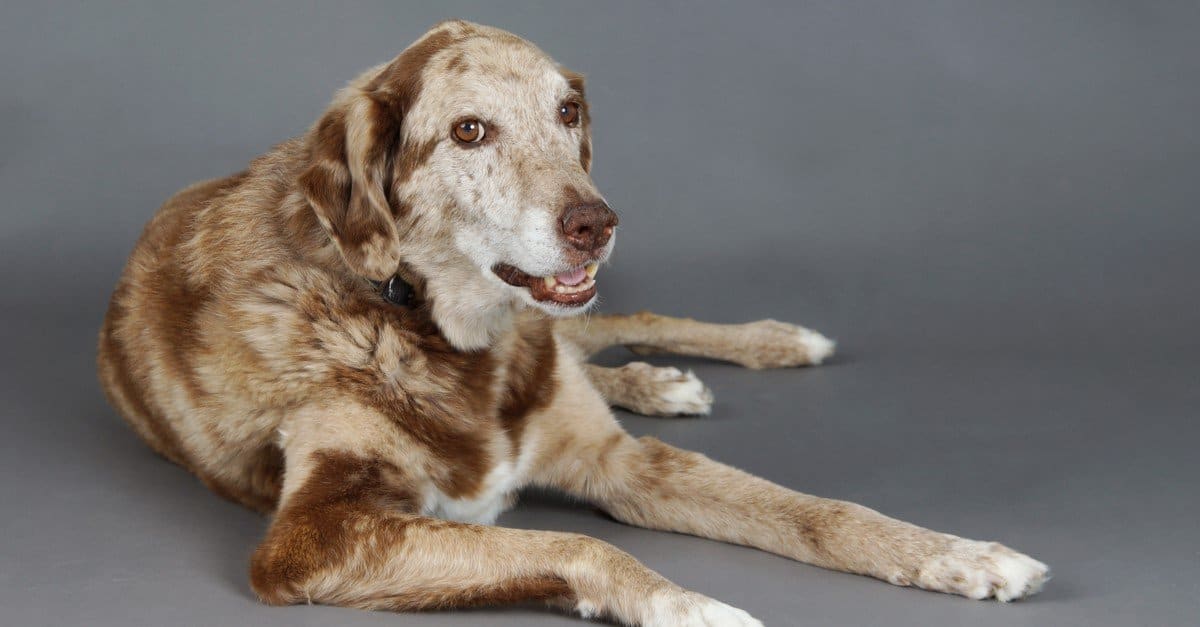
Beautiful big mixed labrador and Australian shepherd dog, Aussiedor, in studio

Aussiedors are most likely to form close bonds with certain family members and can develop separation anxiety.

Aussiedors are kind, loyal, gentle, and friendly. They are likely to form close bonds with certain members of their families. However, this means they can cling to their owners and often develop separation anxiety. They are also a high-energy breed. If not properly exercised, Aussiedors may destroy household items or display unwanted behaviors. Often, this can be mitigated by the appropriate amount of exercise as well as some dedicated training while the dog is young.

Aussiedors are intelligent and kind. It’s possible to teach them a wide variety of tricks, as they aim to please. Aussiedor puppies will quickly learn not to nip or chase children while playing.

How To Take Care Of Aussiedors

Because of their shedding habits, anxiety, and high-energy nature, Aussiedors require moderate care and attention from their owners. However, the reward for this is a loyal companion who will adore being a member of the family.

The Best Dog Food
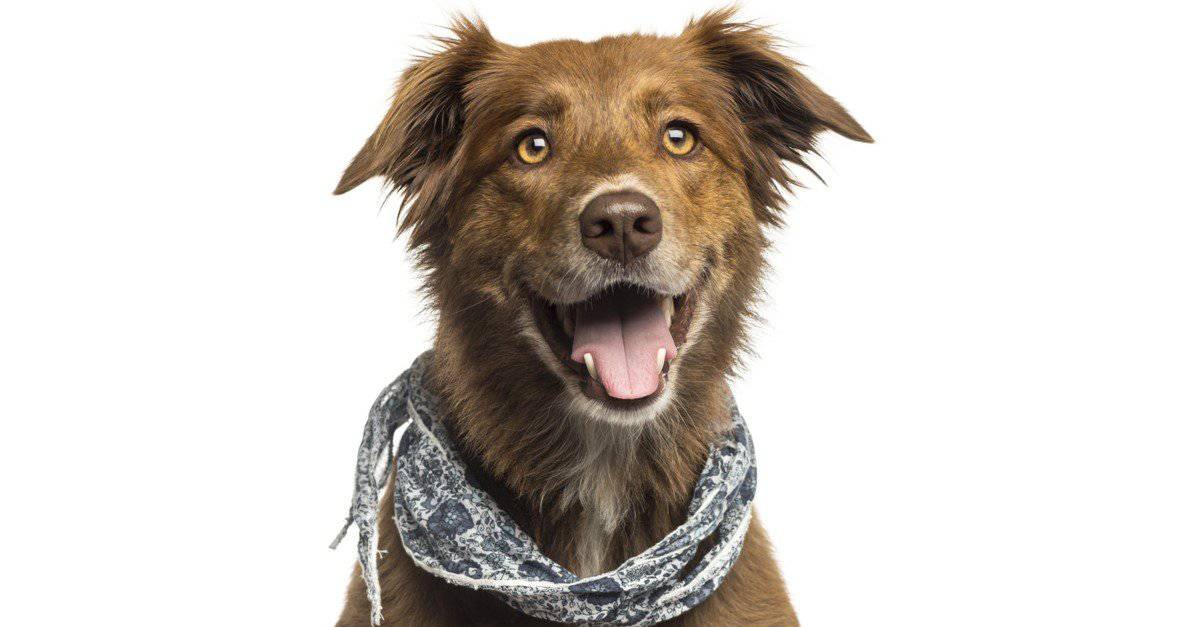
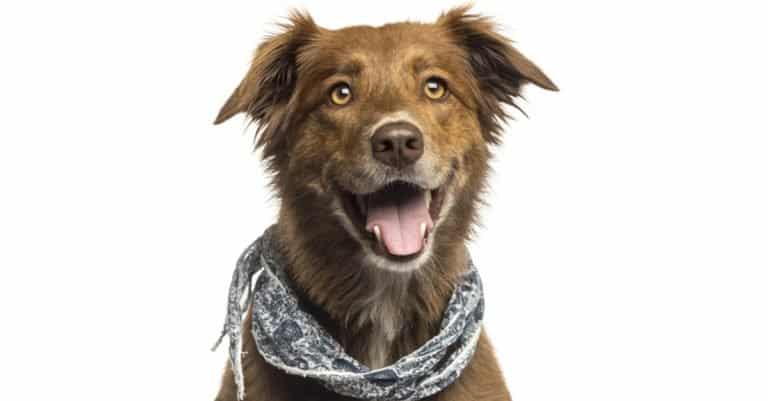
Labrador Australian Shepherd crossbreed dog, Aussidor, panting isolated on white

Adult Aussiedors are prone to bloat, so make sure they eat slowly.

As a relatively hearty breed, Aussiedors are likely to live long and healthy lives eating any high-quality dog food. These energetic dogs’ diets can also be improved by a nutrition-packed frozen diet containing raw veggies and meat.

Puppy dog food: Puppies need proteins and healthy fats, so make sure that real meat is the first ingredient in any food you purchase for your Aussiedor puppy. Ask a veterinarian which amounts are the most suitable for your dog.

Adult dog food: An adult Aussiedor will need three to four cups of dog food split over the day. These dogs are prone to bloat, so a bowl that encourages slow eating may be ideal.

Maintenance And Grooming

Both Labrador Retrievers and Australian Shepherds are big shedding breeds, and the Aussiedor can sometimes be worse than either of those! They require consistent grooming to keep their hair in check, and they are not hypoallergenic.

These dogs should be brushed weekly at the very least, but when their shedding is at its maximum, they may need to be brushed every couple of days. The particular grooming method depends on whether the puppy inherited more of an Aussie coat or more of a Lab coat.

Training
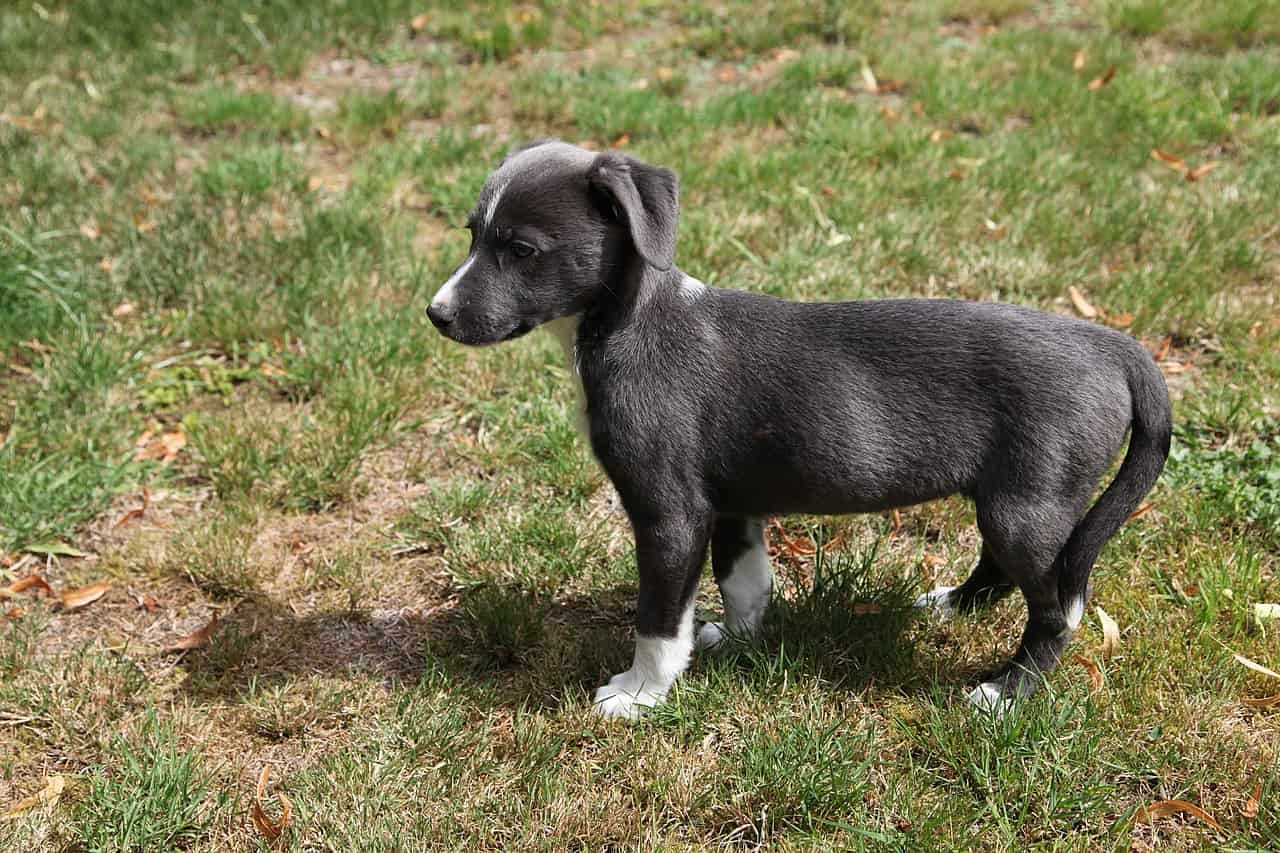
Aussiedor puppy close-up

Positive reinforcement is the best training for your Aussiedor.

Aussiedors are incredibly intelligent dogs who can take to training very well. Positive reinforcement will be hugely important to the training of these dogs. However, because they are so intelligent, they can be stubborn at the beginning of their training. They are very food-motivated, so this will be a great benefit to teaching them good habits. Owners should begin training at a very young age.

Exercise

Aussiedors are very energetic dogs who require lots of exercise. They can easily run and play for hours on end. Open fields for them to run around in are ideal, and they are well-suited to farm life.

It is important to keep an Aussiedor exercised properly. If they have too much pent-up energy, they may become destructive. Take your dog on hikes, runs, or simply play some games of fetch. Their very favorite form of exercise involves their family.

Puppies

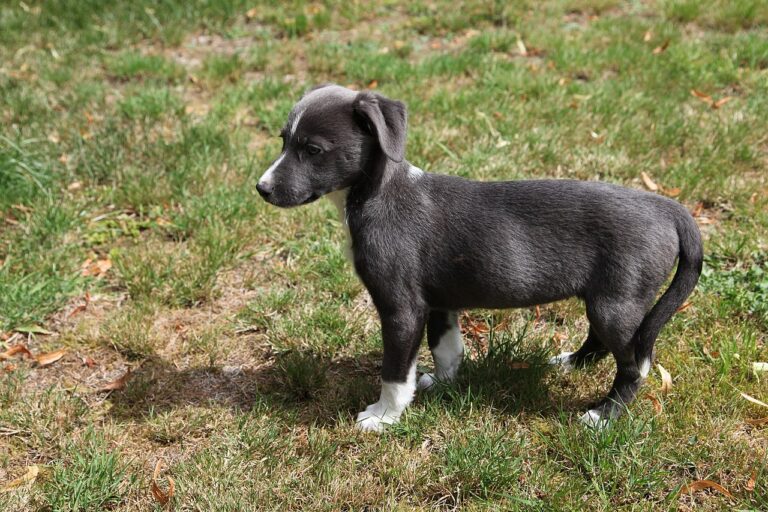
Make sure you get these dogs from a reputable breeder, as many puppy mills will try to sell Aussiedors. The cost of a puppy varies depending on where you adopt it from. Rescues can be $100 to $500, while puppies from a breeder can cost up to $1,000. Make sure you thoroughly research the breeder’s reputation and ask about the health of the parents before purchasing a puppy.
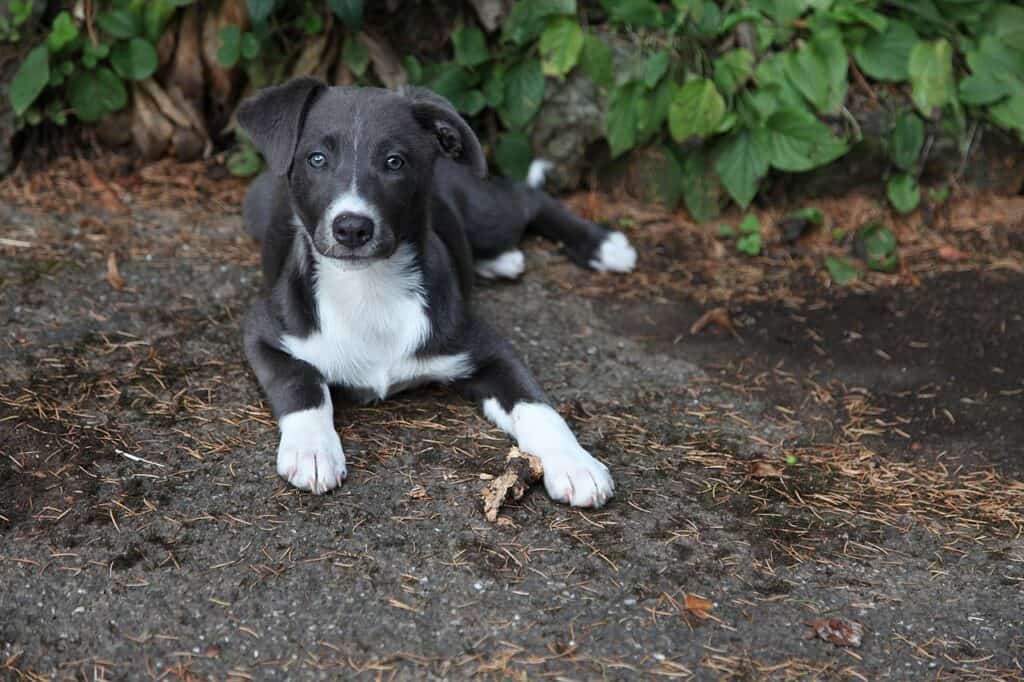
Aussiedor

Make sure to get your dog from a rescue or a reputable breeder.

Aussiedors And Children

These dogs are great with children! They may try to “herd” young children, as they will see kids as part of their “flock”. They can be easily trained not to chase or nip at children. Ultimately, they will get along very well with children.

Dogs Similar To Aussiedors

  • Labrador Retriever: One of the two breeds used to make the Aussiedor, these social and loving dogs contribute to the Aussiedor’s loving personality. The fact that they come in black, brown, and yellow adds to the variety of colors that Aussiedors can be. However, they do lack the herding instincts of the Aussiedor.
  • Australian Shepherd: These dogs come in both a normal-sized and a mini variety. They love to herd and are very energetic, but they are a little bit more suspicious of strangers than the Aussiedor.
  • Goldador: These dogs are another hybrid breed created from the Labrador Retriever. They are also medium-sized dogs with loving personalities and a large amount of intelligence. They will also shed less than the Aussiedor.

View all 328 animals that start with A

Sources

  1. Perfect Dog Breeds / Accessed March 23, 2021
  2. Indulge Your Pet / Accessed March 23, 2021
  3. Doggie Designer / Accessed March 23, 2021
  4. Wag Walking / Accessed March 23, 2021
Melissa Bauernfeind

About the Author

Melissa Bauernfeind

Melissa Bauernfeind was born in NYC and got her degree in Journalism from Boston University. She lived in San Diego for 10 years and is now back in NYC. She loves adventure and traveling the world with her husband but always misses her favorite little man, "P", half Chihuahua/half Jack Russell, all trouble. She got dive-certified so she could dive with the Great White Sharks someday and is hoping to swim with the Orcas as well.
Connect:

Thank you for reading! Have some feedback for us?


Aussiedor FAQs (Frequently Asked Questions)

The cost of an Aussiedor greatly depends on where you adopt from. Rescue pups can cost $100 to $500, while Aussiedors from a breeder will cost up to $1000. The cost for the dogs will vary after that depending on their individual needs, and if they acquire any expensive health issues. They may also need visits to the groomer if they inherit the longer Australian Shepherd coat.