
Quick Take
- Your Malinois may stop gaining height long before it stops changing. What keeps growing is the surprise.
- Fix too early, and your dog could pay for it years later. Timing matters more than most owners realize.
- Wondering when the wild puppy phase ends? This breed has a different answer than most.
- One military connection explains why this breed learns so fast, and how to use it at home.
Has a Belgian Malinois captured your heart and made its way into your family? Congratulations! You’ve found yourself a very loyal, energetic, and fun companion. This guide will help you understand what to expect in terms of your Belgian Malinois’ size, as well as make decisions that will make them a happy pup. Read on to learn more about growth milestones, training tips, and health conditions to watch for.
About the Belgian Malinois
Belgian Malinois, one of the four varieties of the Belgian shepherd, is a medium-sized sheep-herding dog. As you might have guessed, this breed has its roots in Belgium. It is quite similar to the German shepherd but slenderer and, as some would argue, more elegant in build.
They’re known for their valor, great trainability, and intelligence, which is one of the reasons why they serve as law enforcement and military dogs. While they are excellent in these roles, potential owners should be aware of this breed’s “policing” tendencies, as well as their need for both work and exercise.

The Belgian Malinois is known for its beauty, fierceness, and exceptional intelligence.
Belgian Malinois Growth and Weight Chart by Age
Below, we’ll provide an average weight range for a typical Belgian Malinois varying by age. However, remember that the weight will also depend on the individual dog, as well as the sex. Females generally weigh less than males.
| Age | Male Weight | Female Weight |
|---|---|---|
| 2 Months | 8-12 pounds | 6-10 pounds |
| 4 Months | 20-28 pounds | 16-22 pounds |
| 6 Months | 35-45 pounds | 28-38 pounds |
| 8 Months | 45-55 pounds | 36-46 pounds |
| 10 Months | 50-62 pounds | 40-52 pounds |
| 12 Months | 55-68 pounds | 44-56 pounds |
| 18 Months | 60-80 pounds | 40-60 pounds |
When Will My Belgian Malinois Stop Growing?
Belgian Malinois typically reach their adult height and their growth plates will close by around 12-16 months. They will reach near-adult weight around 12 months, but they will continue to put on muscle, especially in their chests and shoulders, until 18 to 24 months, with un-neutered males sometimes growing longer.
Regular vet check-ups can help ensure that your pup is growing at a healthy rate. It’s recommended to take puppies up to about four or five months of age every three to four weeks for general health check-ups, vaccinations, and other treatments. Older puppies should be taken to the vet less often; about once a year.
How Big Will My Belgian Malinois Be When Fully Grown?
When fully grown, a male Belgian Malinois should be 24 to 26 inches tall, while females should be 22-24 inches tall. Males generally weigh between 60 and 80 pounds, but females typically weigh 40-60 pounds. Of course, every dog is an individual, and genetics and diet also play a role in their size when fully grown. You can also get a decent estimate of your pup’s size by looking at the parents’ size.

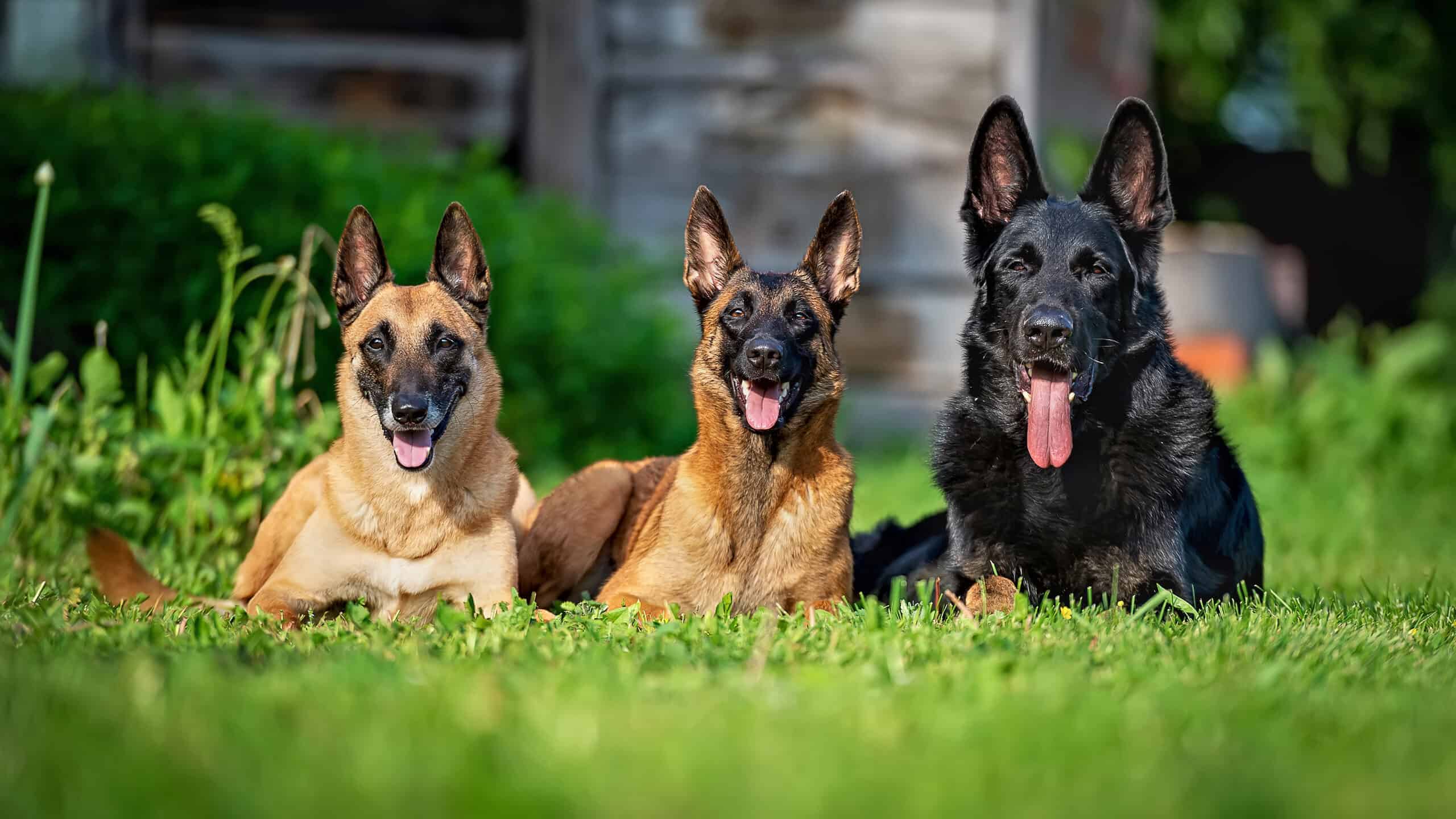
These Belgian Malinois pups will be between 40 and 80 pounds when full grown, depending on sex.
©OlgaOvcharenko/Shutterstock.com
When Should My Belgian Malinois Be Spayed or Neutered?
It’s generally recommended to spay or neuter your Belgian Malinois after sexual maturity is reached, typically between one and two years of age. Researchers have found that larger breeds may have more risks in future health conditions if they are altered too early. Altering a Malinois too early not only impacts their hormone balance, but it may also increase the risk of joint disorders, hip dysplasia, and cranial cruciate ligament (CCL) tears. Talk to your veterinarian about the best time to spay or neuter your dog.
When Should My Belgian Malinois Be House Broken?
As mentioned, Belgian Malinois is considered an extremely intelligent breed, so expect them to get easily accustomed to doing their business outside. Of course, the exact timing will depend on when you start training your pup. As with any dog breed, potty training requires that they have full control over their bladder, which doesn’t usually happen until five or six months of age.
Successful potty training will also depend on the tactics you use, along persistence and patience. Here are a few tips to follow for more effective training:
- Start by creating a designated potty area, whether in your yard or indoors.
- Take your furry friend to that same spot frequently, especially after meals and play.
- Use verbal cues, such as “go potty,” while taking them to that spot.
- Reward them with praise and treats whenever they get it right.
- If accidents happen, stay calm, clean the area thoroughly, and make sure there are no medical conditions interfering with your pup’s ability to control their bodily functions.
- Consider hiring a professional trainer if you don’t see any success after two to three months of training.
When Should My Belgian Malinois Stop Eating Puppy Food?
Switching from puppy to adult food too early or too late can impact your pup’s growth and development Their diet can impact their size, so you don’t want to inadvertently affect their growth by inappropriately feeding your pup. Like most dog breeds, Belgian Malinois dogs are officially considered adults after they turn one year old, so consider switching to adult food around that time.

At six months of age, a Belgian Malinois should have its adult teeth.
©Irina Orlova/ via Getty Images
When Will My Belgian Malinois Start Losing Teeth?
Belgian Malinois typically start losing teeth at around 12 weeks of age. They should have lost all their “baby” teeth by the time they’re six months old. That’s also when they should have all their permanent teeth developed.
Teething and losing teeth can be uncomfortable for your pup. You may also notice some bleeding, redness, or swelling during this time. Don’t be alarmed by such symptoms, as they’re perfectly normal.
However, if you do think that the symptoms are more serious or prominent than they should be, we encourage you to take your puppy to the vet. They may also provide additional advice on how to help your puppy during this period, but providing toys they can chew on usually does the trick!
When Should I Start Training My Belgian Malinois?
As with any dog breed, you should start training your Belgian Malinois as soon as you get them. The sooner you start, the better. However, remember that the Belgian Malinois is frequently used for military and police work. In fact, they’re the only breed raised by the U.S. Department of Defense through their Puppy Program.
According to their website, the Belgian Malinois is the perfect breed for the military due to its agility, fierceness, loyalty, and trainability. That’s great news for you, as it means you can easily get your pup to follow your commands and start exhibiting the behavior you want.
- The perfect time to start teaching your pup commands, like “sit” or “stay,” is typically around eight weeks of age.
- You can gently start introducing these commands even before that. In either case, make sure to spend a lot of quality time with your pup and start socializing them before starting strict training.
- Start with shorter training sessions and gradually increase the time as your puppy gets older.

You should begin training your Belgian Malinois as soon as they come home.
©Wirestock/ via Getty Images
What Commands Should I Teach My Belgian Malinois First?
Start by teaching your Belgian Malinois simpler verbal commands, such as “sit,” “stay,” and “bring,” and gradually work your way toward more complex commands such as “roll over.”
Also, you should start leash training as early as possible. A simple “yes and no” training should do the trick. Say “no” when your dog exhibits unwanted behavior; say “yes” when they’re walking in the heel position.
You should also practice “yes and no” training when teaching your dogs other commands to help them differentiate between correct and incorrect behavior.

Belgian Malinois are very intelligent and can learn many commands and tricks.
©Tatyana Maximova/ via Getty Images
When Will My Belgian Malinois Calm Down?
Although these dogs are physically and mentally mature by 12-18 months, Belgian Malinois typically do not calm down. Even senior dogs frequently have high activity levels. They remain high energy working dogs with a need for tons of exercise and tasks. Although highly trainable, they can also be quite intense, so make sure to provide consistent obedience training, exercise, and attention.
Common Health Issues Your Belgian Malinois Might Experience
Despite being robust and agile dogs, Belgian Malinois can be prone to specific health issues. Here are some to be aware of:
- Hip or elbow dysplasia
- Bloat (gastric torsion)
- Eye problems, such as cataracts and progressive retinal atrophy (PRA)
- Epilepsy
- Thyroid issues, especially hypothyroidism
Remember that all dog breeds are prone to certain health issues unique to their genetics and traits. The above list is no reason to give up on getting such a wonderful companion as a Belgian Malinois. Just ensure you purchase your pup from a reputable breeder that screens their dogs for health issues such as hip and elbow dysplasia and eye conditions.