
Quick Take
- The moment a dog stops trying alone and looks to you for help reveals something researchers didn't expect to find there. See how dogs were tested →
- The breed most people would bet on as the smartest didn't take the top spot, and the real winner challenges what 'intelligent dog' even means. Meet the top-ranked breed →
- One beloved breed aced reading human signals yet failed a basic spatial puzzle, exposing a split in canine cognition that most owners never consider. See the Labrador's split results →
- A trait dog owners often celebrate as charm or independence has a scientific label, and researchers rank it dead last. See who ranked last →
Put a treat in a box your dog can’t open, and watch what happens next. Some dogs paw and nose at it for a long time. Others turn around within seconds and look straight at you. Scientists have used this simple setup for years, and a study published this month in BMC Biology shows that the moment a dog asks for help depends on far more than its breed.
Continue reading
The Test That Shows When a Dog Gives Up and Looks Back
Researchers call it the unsolvable task. The food is visible and smells close, but the container is sealed. What matters is whether the dog keeps working alone or turns to a person. The clearest signal is a “look back”: the dog glances at the human, then at the box, then at the human again.
Ethologists Csenge Anna Lugosi, Izabella Viktória Molnár and Péter Pongrácz at Eötvös Loránd University in Budapest ran this test on 137 purebred dogs from 49 breeds. They also watched each dog for three minutes after its owner left the room. Three factors shaped how quickly the dogs turned to people:
- What the breed was made for. Breeds developed to work closely with a handler, such as herding and sled dogs, looked back at their owners far more often than breeds developed to work alone, such as livestock guardians and many hunting breeds.
- Which line the dog came from. Show-line dogs looked to people more than working-line dogs of the same breeds. They also whined more when their owner left.
- How the dog lives. Dogs that did regular sports or work kept trying on their own for longer, and this experience could hide some of the differences between breeding lines.
The takeaway is that a show-line Border Collie and a working-line Border Collie that competes every weekend may behave very differently, even though they share a breed name.
What Breed Rankings Get Right and Wrong
The best-known attempt to compare breeds directly came from Saara Junttila and colleagues at the University of Helsinki. Their team tested 1,002 Finnish dogs from 13 breeds with a standard set of thinking and behavior tasks. One task was a transparent V-shaped fence with a treat behind it: the dog had to walk around the fence instead of pushing straight toward the food.
Each breed showed its own profile:
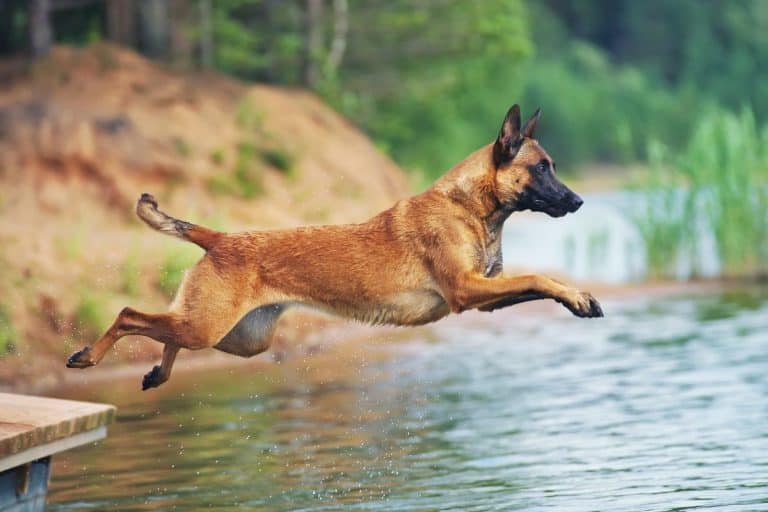
- Belgian Malinois stood out, scoring well both at reading human pointing and at the detour puzzle.
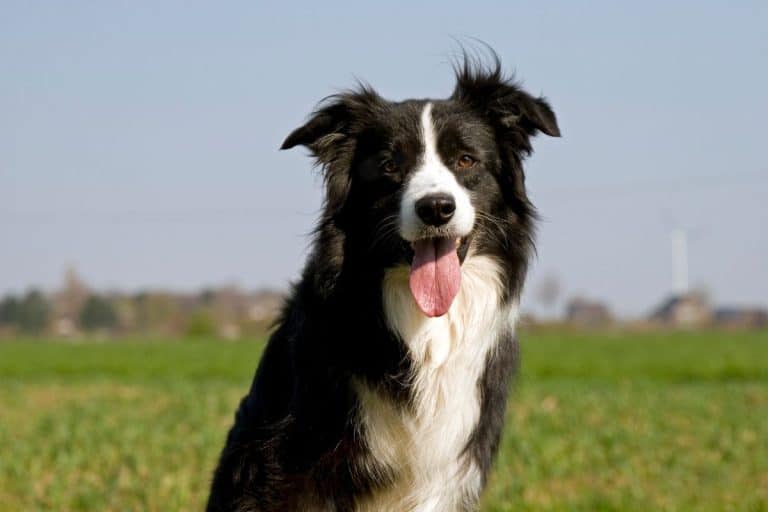
- Border Collies solved the spatial task fastest and showed the best impulse control.
- Labrador Retrievers were strong at reading human gestures.
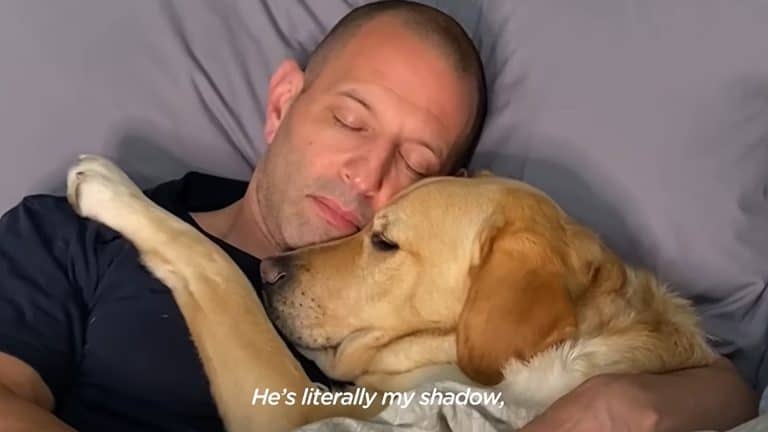
- Golden Retrievers were the most people-focused and tended to ask for help instead of solving problems alone.
- Hovawarts were the most independent.
On logical reasoning and short-term memory, the breeds did not differ.
Older rankings measured something narrower. Psychologist Stanley Coren built his list from surveys of more than 200 obedience judges. Afghan Hounds came last, because trainers reported that they needed over 80 repetitions to learn a new command and obeyed the first time less than a quarter of the time. That measures how easily a dog follows orders, not how well it solves problems. Afghan Hounds were bred to chase prey far from any human.
Breed gaps may also shrink with practice. A 2026 study from the University of British Columbia retested 105 dogs from five breed groups a month after a learning task. Many differences seen the first time had disappeared by the second round.
What It Means for the Dog on Your Couch
A dog that looks at you quickly is not less clever than one that keeps digging. It may come from generations of dogs bred to check in with a handler. A dog that ignores you may come from generations bred to make decisions alone, miles from a shepherd. Both strategies count as intelligence, aimed at different jobs.
Training and daily life also shape the result, so your dog is not simply a copy of its breed’s average. If you want to see your own dog’s style, simple home tests can be revealing, though not every viral “intelligence test” measures what it claims.
As Junttila put it, each dog is still, after all, an individual.