
B
Species Profile

Belgian Malinois

Canis lupus familiaris

Built to work. Ready to learn.
mary981/Shutterstock.com

Belgian Malinois Distribution

Click a location to explore more animals from that region

Origin Location

This map shows the native origin of the Belgian Malinois. As a domesticated species, they are now found worldwide.

Loading map...

Found in 1 country

Size Comparison

Human 5'8"
Belgian Malinois 2 ft

Belgian Malinois stands at 35% of average human height.

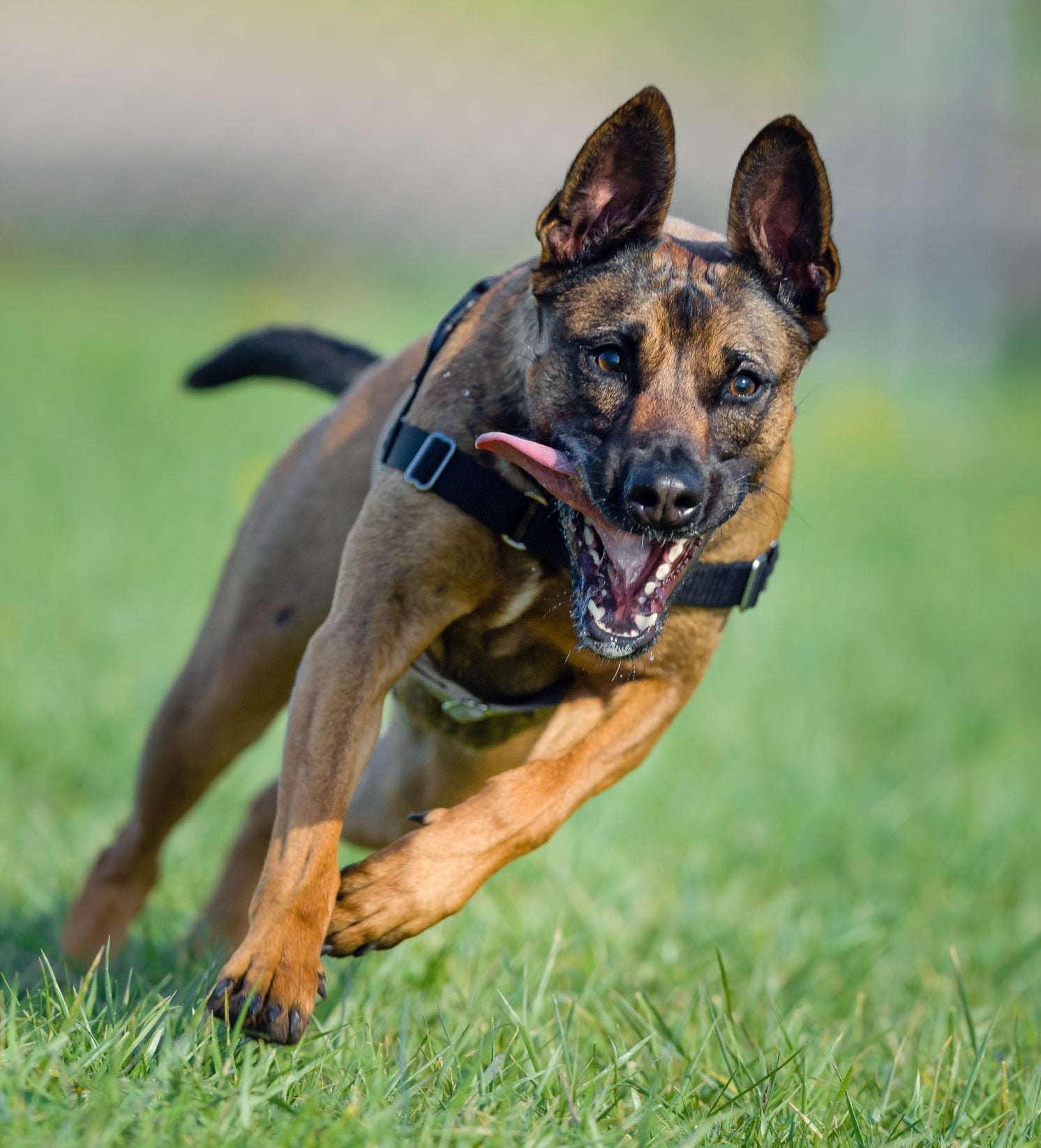
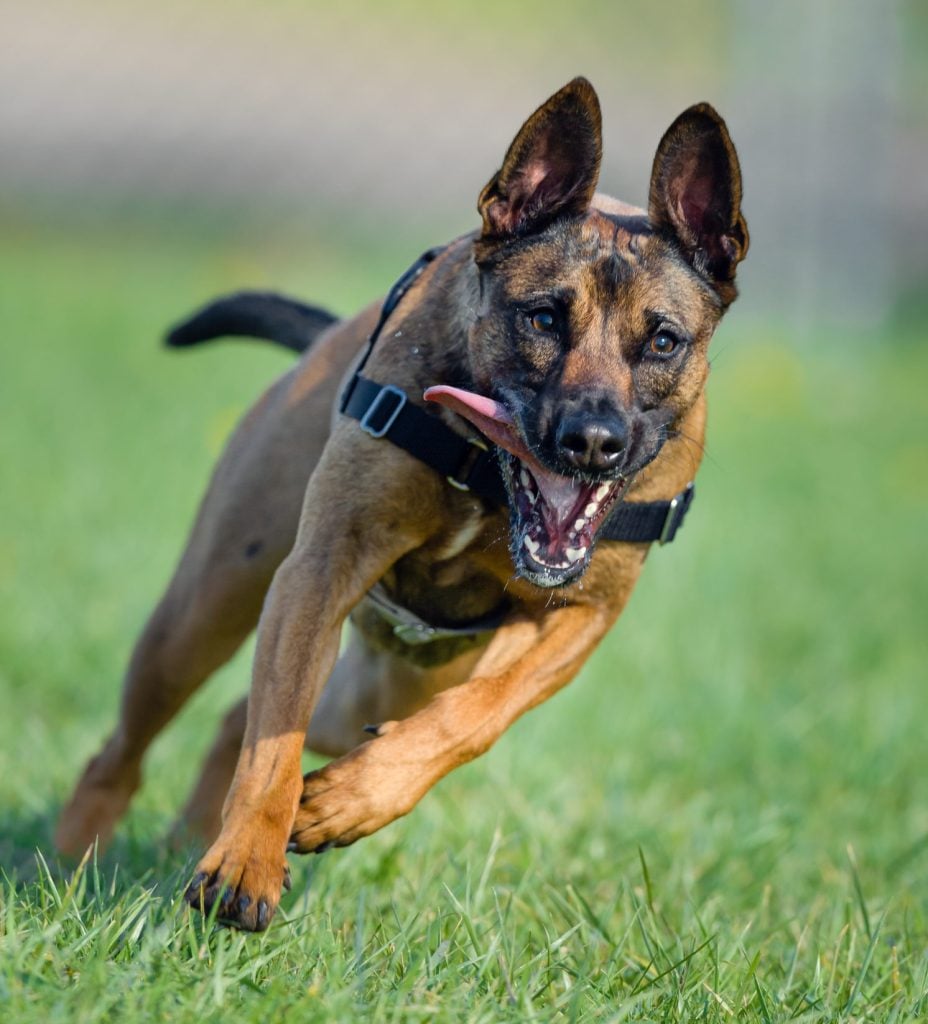
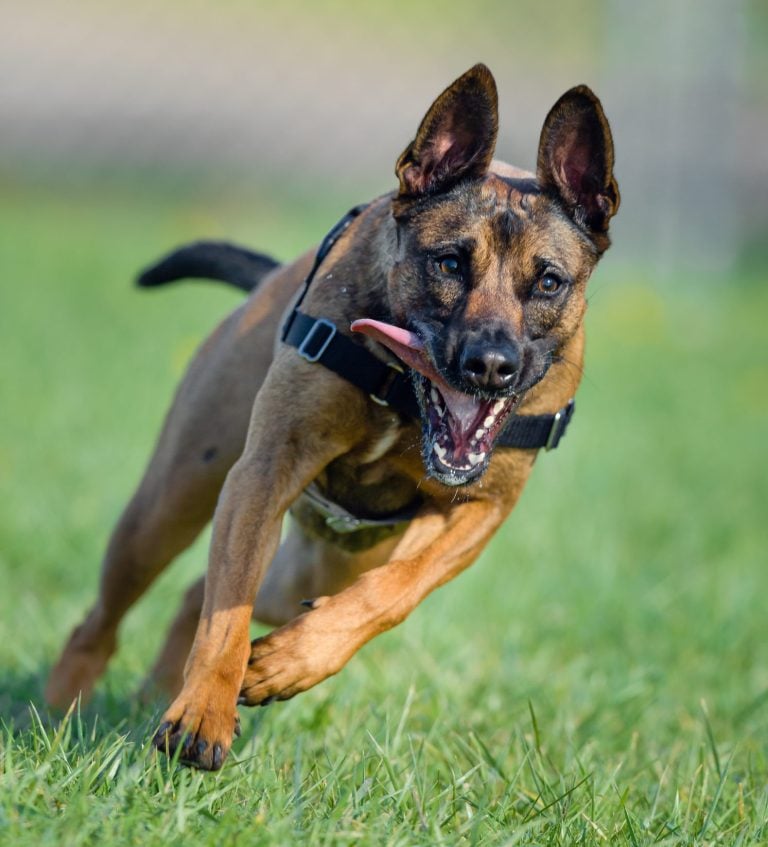
One alert female Belgian Malinois shepherd dog running full speed wearing black harness outside in the grass

At a Glance

Domesticated
Also Known As Malinois, Mal, Mechelaar, Mechelse herder
Diet Omnivore
Activity Diurnal+
Lifespan 15 years
Weight 34 lbs
Status Not Evaluated
Did You Know?

"Malinois" is named for the Belgian city of Mechelen, where this short-coated Belgian Shepherd type was developed.

Scientific Classification

The Belgian Malinois is a medium-sized, short-coated Belgian herding dog developed for livestock work and widely used today as a working dog (police, military, protection sports, search-and-rescue) due to high drive, trainability, and athleticism.

Kingdom
Animalia
Phylum
Chordata
Class
Mammalia
Order
Carnivora
Family
Canidae
Genus
Canis
Species
Canis lupus

Distinguishing Features

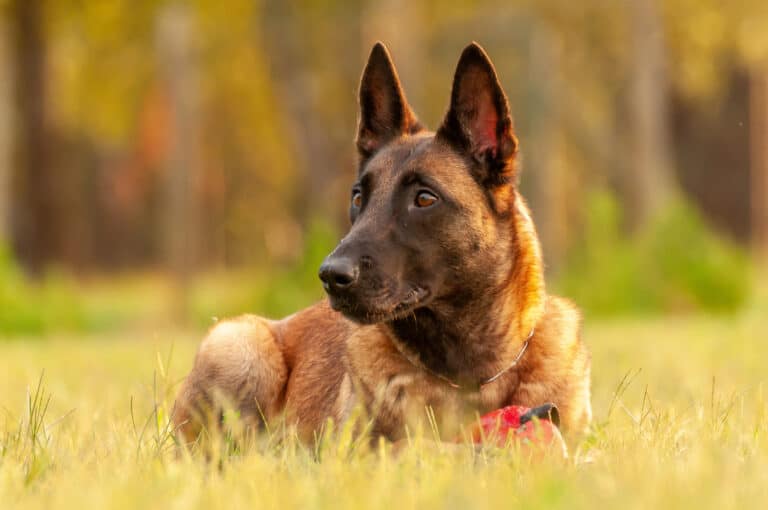
  • Athletic, square-to-slightly-rectangular build; lighter and more agile than many German Shepherd Dogs
  • Short, dense coat often fawn to mahogany with black overlay; distinct black mask common
  • Erect, triangular ears; alert expression
  • High energy/working drive; intense focus and responsiveness when trained

Physical Measurements

Males and females differ in size

Height
♂ 2 ft 1 in (2 ft – 2 ft 2 in)
♀ 1 ft 11 in (1 ft 10 in – 2 ft)
Length
♀ 3 ft (2 ft 9 in – 3 ft 3 in)
Weight
♂ 61 lbs (55 lbs – 66 lbs)
♀ 50 lbs (40 lbs – 60 lbs)
Tail Length
♂ 1 ft 6 in (1 ft 4 in – 1 ft 8 in)
♀ 1 ft 1 in (11 in – 1 ft 4 in)
Top Speed
31 mph

Appearance

Primary Colors
Secondary Colors
Skin Type Mammalian skin with a short, straight, weather-resistant double coat (dense undercoat with harsher outer coat). Skin and nose leather typically well-pigmented; seasonal shedding with heavier coat drop in spring/fall.
Distinctive Features
  • Domestic dog breed (Belgian Shepherd-Malinois variety) selected for intense working ability, distinguishing it from the base species (gray wolf) by shorter muzzle, more variable coat shading, and human-directed trainability and biddability.
  • Medium-sized, athletic, dry-muscled build with a relatively square outline; lighter and more agile-looking than many German Shepherd Dogs and distinctly not brindle like the Dutch Shepherd.
  • Erect, triangular ears set high; alert expression with dark, almond-shaped eyes and a pronounced black mask (a key identifier for the breed).
  • Short coat that lies close to the body, emphasizing musculature; tail carried low with a slight curve when at rest.
  • Movement is quick, efficient, and springy with strong rear drive-built for endurance and rapid acceleration in herding, patrol, and sport work.
  • Behavior-linked appearance notes: commonly high arousal/drive and intense focus; needs structured training and substantial daily physical + mental work (e.g., obedience, tracking, scent work, bite sports, herding-style outlets).
  • Care requirements: frequent high-intensity exercise, job-like enrichment, and consistent impulse-control training; coat care is low-maintenance (weekly brushing, more during shedding), plus routine nail/ear/dental care.
  • Common health concerns seen in the breed: hip and elbow dysplasia, epilepsy/seizure disorders, degenerative eye conditions (e.g., PRA/cataracts), and occasional thyroid issues; maintaining lean body condition and appropriate workload helps support joint health.

Sexual Dimorphism

Sexual dimorphism is moderate: males tend to be taller, heavier, and more robust through the head/neck and chest; females are typically lighter-framed and more refined while retaining the same athletic proportions and black-mask pattern.

♂
  • Slightly larger overall size with thicker neck and broader chest.
  • Heavier head with more pronounced musculature through shoulders and forequarters.
♀
  • More refined head and lighter bone; often a slightly narrower chest.
  • Typically a leaner, more streamlined silhouette while maintaining strong musculature.

Did You Know?

"Malinois" is named for the Belgian city of Mechelen, where this short-coated Belgian Shepherd type was developed.

It's one of four Belgian Shepherd varieties: the short-coated variety (Malinois), the long-coated black variety, the long-coated fawn variety, and the rough- or wire-coated variety.

Belgian Shepherds were used as messenger and Red Cross dogs in World War I, helping carry messages and supplies under fire.

Their combination of speed, agility, and trainability made Malinois a modern favorite in police/military K9 work and search-and-rescue.

In protection sports (for example, IGP, the International Working Dog Trial), Malinois are known for fast, precise obedience and powerful, controlled gripping.

They often mature "mentally" later than many breeds-high energy and adolescent intensity can last into early adulthood.

A short double coat helps them work in varied weather while staying lighter and cooler than many heavier-coated working breeds.

Unique Adaptations

  • Selective breeding from the domestic dog (Canis lupus familiaris) emphasizes biddability, nerve, and work stamina far beyond what's typical in the base species' average companion dog.
  • Medium, lean build and efficient gait favor quick acceleration, tight turning, jumping, and obstacle work-useful in herding, patrol, and SAR.
  • Short, dense double coat provides weather resistance with less bulk, supporting high-output work in moderate heat compared with heavier-coated herders.
  • Erect ears and alert carriage enhance sound localization and visual scanning-traits valued for patrol and detection work.
  • High reinforcement sensitivity: many Malinois learn complex task chains rapidly and maintain performance under distraction when trained well.
  • Strong gripping/holding behavior (shaped in protection work lines) supports controlled bite-work and suspect apprehension under strict handler command.

Interesting Behaviors

  • Laser-focused "lock on" attention to a handler, toy, or task-often sustained for long sessions.
  • Natural herding patterns: circling, gathering, and motion-control behaviors (nipping or body-blocking) that may appear as "heel-nipping" in pet homes.
  • High prey/play drive: strong chase-and-grab instincts; many prefer tug/retrieve as rewards over food.
  • Environmental sensitivity: quick to notice movement/sound; can become reactive without careful socialization and impulse-control training.
  • Shadowing and "velcro dog" tendencies-staying close, monitoring the handler, and anticipating cues.
  • Problem-solving through persistence: will try multiple strategies to access a toy, door, or training reward.
  • Intense mouth use (typical of herding/working lines): carrying, grabbing, and biting objects during play unless guided.

Cultural Significance

The Belgian Malinois (Canis lupus familiaris) is a Belgian herding dog now a well-known symbol of working dogs. Used in police, military, protection sports, and search-and-rescue, it's seen as agile, very energetic, and needs lots of training and ways to use energy.

Myths & Legends

Name-and-origin lore in Belgium ties the "Malinois" identity to the city of Mechelen, with local pride in a hard-working shepherd dog built for fields, flocks, and farmyards.

During World War I in Belgium and France, stories praised Belgian Shepherd–type dogs (like Belgian Malinois) as helpers and messengers, making the lasting legend of the "war dog" that carried notes and supplies.

Early police-dog tradition in Belgium helped create the breed's lasting aura as a guardian: tales from the dawn of modern K9 work praised the Belgian shepherd's courage, steadiness, and loyalty on night patrol.

Modern K9 lore includes widely reported accounts of Malinois serving alongside special operations and counterterror units, reinforcing a contemporary "legendary service dog" reputation in popular storytelling.

Broader European folklore often casts dogs as threshold guardians-keepers at the edge of the known and unknown-an old theme that easily attaches to vigilant working breeds like the Malinois in modern retellings.

Conservation Status

NE Not Evaluated

Has not yet been evaluated against the criteria.

Population Stable

Life Cycle

Birth 7 pups
Lifespan 15 years

Lifespan

In the Wild
14–16 years
In Captivity
12–16 years

Reproduction

Mating System Polygynandry
Social Structure Managed Domestic
Breeding Pattern Serial
Fertilization Managed Selective
Birth Type Managed_selective

Belgian Malinois (Canis lupus familiaris): breeding is human-planned and managed. Multiple males and females may sire litters (popular sire effect); pairings are temporary. Fertilization is internal. Helpers are not typical. Puppies get intensive human care, health checks and training.

Behavior & Ecology

Social Pack Group: 4
Activity Diurnal, Crepuscular, Cathemeral
Diet Omnivore meat-based foods (e.g., beef or chicken)

Temperament

Belgian Malinois have flexible social groups, bond strongly with people, learn through play, and can follow human cues depending on breeding and training; group tolerance depends on early socialization and resources.
Breed-distinguishing profile vs base species/average dog: very high working drive (prey/chase, tug, hunt), rapid arousal, and persistent task focus; selected for responsive herding/guard work rather than the wolf's primarily conspecific-cooperative hunting ecology.
Highly trainable and handler-focused; excels with clear rules, frequent feedback, and structured jobs (tracking, detection, bite sports, agility, SAR).
Alert, environmentally vigilant; can be suspicious of strangers-benefits from extensive, positive, ongoing socialization to prevent fear-based reactivity.
Protective/territorial tendencies are common; poor fit for owners seeking a low-management, universally social dog.
Sensitive to inconsistent handling; harsh correction can increase avoidance, defensive aggression, or conflict behaviors; thrives on reward-based methods with firm boundaries.
High energy and athletic endurance; prone to frustration behaviors (spinning, barking, mouthiness) if exercise and mental work are insufficient.
Health issues that affect behavior and handling include hip and elbow dysplasia (can lower ability for hard work), degenerative myelopathy, epilepsy, and eye problems (progressive retinal atrophy, cataracts); regular checks and lighter work are important.
Care requirements (breed-specific): daily high-intensity physical work plus substantial cognitive work (obedience drills, scent games, problem-solving); early bite inhibition and impulse-control training; secure containment; purposeful outlets for chasing/biting drives; planned rest to prevent chronic over-arousal.

Communication

bark Often sharp, high-frequency alert barking; can escalate with arousal/frustration
growl Warning/guarding, resource disputes, or high-arousal play
whine Anticipation, attention-seeking, stress
howl Less frequent; may occur with sirens or social facilitation
grunt/sigh Affiliative contact in relaxed contexts
HUBS canine channels: facial expressions (lip tension, yawns), ear/tail carriage, piloerection, posture shifts, play-bows, freezing
Scent marking (urine/feces) and sniff-based information gathering; overmarking in multi-dog settings
Mouth-oriented signaling Nipping/mouthing to control movement-breed-typical herding carryover; requires training for safe inhibition
Contact seeking (leaning, pawing, shadowing handler) indicating affiliative bonding and desire for direction
Vocal + body escalation sequence common in guardian contexts: alert posture → bark → forward weight shift/blocking → potential bite if threatened; training/socialization can modify thresholds

Habitat

Biomes:
Temperate Forest Temperate Grassland Mediterranean Boreal Forest (Taiga) Tundra Alpine Desert Hot Desert Cold Wetland Freshwater Marine Savanna Tropical Dry Forest Tropical Rainforest +8
Terrain:
Plains Hilly Coastal Valley
Elevation: Up to 14763 ft 9 in

Ecological Role

Human-associated omnivorous canid; functional mesopredator/guardian in anthropogenic ecosystems

deterrence of threats via guarding/alert behavior control of pest animals (rodents and other small mammals) around human settlements (incidental) scavenging/cleanup of edible waste (opportunistic, should be prevented in managed settings) support of human activities through working roles (police/military, search-and-rescue, detection), indirectly influencing wildlife management and public safety

Diet Details

Main Prey:
Small mammals Birds Insects and other invertebrates Carrion
Other Foods:
Berries and other fruits Grasses Roots and tubers Plant material

Human Interaction

Domestication Status

Domesticated

Dogs (Canis lupus familiaris) come from gray wolves and were changed by thousands of years of living with people and training to work together. The Belgian Malinois was bred in Belgium around the late 1800s–early 1900s from Belgian shepherds for herding, trainability, endurance, and a strong work drive. Today it is bred for police, military, detection, protection sports, and search-and-rescue.

Danger Level

Moderate
  • Bite risk increases with insufficient exercise, poor socialization, fear/stress, or inappropriate protection training; bites can be severe due to speed, grip, and persistence
  • High prey/chase drive can lead to nipping or chasing running children, cyclists, or small pets if unmanaged
  • Over-arousal and reactivity may emerge in crowded/urban settings without careful conditioning
  • Strong guarding tendencies can create liability if the dog is encouraged to 'protect' without professional oversight
  • Escape/roaming risk in under-secured environments, increasing conflict potential

As a Pet

Suitable as Pet

Legality: Belgian Malinois (Canis lupus familiaris) are legal in most places, but some areas ban or limit them with breed laws. Leashes, muzzles, housing or insurance rules may apply. Check local laws and policies.

Care Level: Expert Only

Purchase Cost: $500 - $3,500
Lifetime Cost: $18,000 - $45,000

Economic Value

Uses:
Companion animal ownership Working dog services (police/military/security) Search-and-rescue and disaster response Scent detection (narcotics/explosives/contraband, conservation) Sport and competition (IGP protection sport, ring sports, agility, obedience) Breeding, training, and professional handling
Products:
  • Trained patrol/protection dogs and handler teams
  • Detection dogs (single-odor or multi-odor specialties)
  • SAR dogs (area, tracking/trailing, rubble)
  • Training services, decoy/helper services, seminars
  • Sport titles and event participation driving stud/breeding value
  • Pet sales (show, sport, and working lines)
  • Equipment (leashes, muzzles, bite sleeves/suits, crates, enrichment tools)

Relationships

Ecological Equivalents 7

Animals that fill a similar ecological role in their ecosystem

Domestic dog
Domestic dog Canis lupus familiaris Belgian Malinois is a high‑drive working/herding dog, very trainable with a strong chase/play drive and high endurance. Requires daily vigorous exercise and training. Monitor for predispositions such as hip and elbow dysplasia, epilepsy, degenerative myelopathy, eye problems, and gastric dilatation‑volvulus (bloat).
Dutch Shepherd
Dutch Shepherd Canis lupus familiaris Same niche and selection history as other Benelux herding/working dogs. The Malinois and Dutch Shepherd share similar fitness and drive; the Malinois is more commonly used in police and military work for its stronger bite and ball-drive.
German Shepherd Dog
German Shepherd Dog Canis lupus familiaris Overlaps with many German Shepherd lines in police, military, search-and-rescue, and protection work. Belgian Malinois are often smaller, faster, and more energetic, with shorter coats, and require more daily mental and physical work.
Belgian Tervuren
Belgian Tervuren Canis lupus familiaris Close ecological counterpart within the Belgian Shepherd types: similar temperament and working heritage, but typically longer-coated. The Malinois' short coat is lower maintenance and is commonly favored for operational work. Both require substantial exercise, training, and enrichment.
Belgian Groenendael Canis lupus familiaris Same general working/herding niche. Primarily differentiated by its long black coat. The Malinois is generally more common in high-intensity working deployments, and coat and grooming needs differ significantly.
Belgian Laekenois
Belgian Laekenois Canis lupus familiaris Shares Belgian herding/guardian roots; has a rough, wiry coat and a rarer population. Functional niche overlaps with the Belgian Malinois, but the Malinois has a far larger working-line representation globally.
Border Collie
Border Collie Canis lupus familiaris Has a comparable need for constant mental engagement and high daily activity; both breeds excel in advanced training. Border Collies are more specialized for eye-based herding, while Malinois are commonly selected for protection work, patrol, and high-arousal tasking.

Quick Take

  • Belgian Malinois helped take down two of the world's most wanted terrorists, and their real-life heroics go even further than most people realize.
  • Owning one could backfire badly if you make a common training mistake that even experienced dog owners get wrong. See training requirements →
  • They look like German Shepherds, but the differences between these two breeds matter a lot more than appearance. Compare the two breeds →
  • Their herding instincts never fully switched off, which has unexpected consequences for families who think they're ready for one. Explore herding instincts →

The Belgian Malinois is a medium-sized sheep-herding dog originating in Belgium. It is one of four varieties of the Belgian Shepherd dog, which also includes the Groenendael, Laekenois, and Tervuren. In the United States, the term ‘Belgian Sheepdog’ refers specifically to the Groenendael variety. They look similar to German shepherds but have a more slender and elegant build. Dogs of this breed come in four different varieties with coats of different textures, colors, and lengths.

These brave and loyal dogs have served with distinction as military service animals in both World Wars and more recent conflicts. They make excellent guard dogs and respond well to firm, loving training, but can be domineering with children, other dogs, and unconfident owners. The Belgian Malinois can adapt to living indoors but requires a lot of exercise. This is a dog that needs an attentive, consistent owner, but when properly trained, will reward your effort by being a loyal and loving companion.

A detailed infographic about Belgian Malinois dogs featuring a map of Belgium, trait icons, and photos of the breed jumping into water and running.
They captured Osama bin Laden and guarded the White House. Discover why the Belgian Malinois is the world's most elite protector—and why they’re definitely not for everyone. © A-Z Animals

3 Pros and Cons of Owning a Belgian Malinois

ProsCons
A variety of coat types
Prospective owners can choose between dogs with long, medium, and rough-haired coats of various colors. Some require more grooming than others.
Not great with children
They have herding instincts toward children, other animals, and owners who are not both firm and loving toward them. They do well in a home with older children but are not recommended for small children.
Courageous service animals
Dogs of this breed have been decorated for their bravery in military service. They make excellent service, search-and-rescue, and therapy animals.
Shed twice a year
Most of the time, their coats are low maintenance, but they do shed more heavily twice a year and benefit from daily brushing at those times.
Great guard dogs
They have a strong instinct to guard their families and property. They can be trained to work for security services or as home watchdogs.
Need intense exercise
Daily walks and being left alone in a yard are not enough for a Belgian Malinois. They are highly athletic dogs who will want to accompany their owner for running, hiking, biking, and other vigorous activities.

The Best Dog Food For Belgian Malinois

Regardless of breed, it’s important to provide your dog with a high-quality food with all the healthy ingredients needed for development at all ages.

Dry or wet dog food, or both mixed together, are fine. Meat scraps and meat broth can be added to food to make it tastier, but in moderation. Overfeeding is a common problem that leads to obesity in dogs, causing more health issues as they age. Many commercial brands have special formulas for puppies, adult dogs, and seniors.

Size and Weight

The Belgian Malinois is a medium-sized dog with a solid build. Males stand 24 to 26 inches tall and weigh 55 to 66 pounds. Females are smaller, at 22 to 24 inches tall and 44 to 55 pounds. They are athletic, strong, and carry themselves confidently. Their appearance is slimmer and more elegant than that of a German Shepherd.

Common Health Issues

This is considered to be a healthy breed with comparatively few health problems. They can live for 12 to 14 years. Some of the problems reported include skin allergies, eye problems, and hip and elbow dysplasia. Belgian Malinois should also be tested for epilepsy. All dog breeds should receive regular veterinary checkups and grooming, and have their nails clipped and teeth brushed. These preventive measures will help protect your pet from bacteria and infections and catch any health issues early.
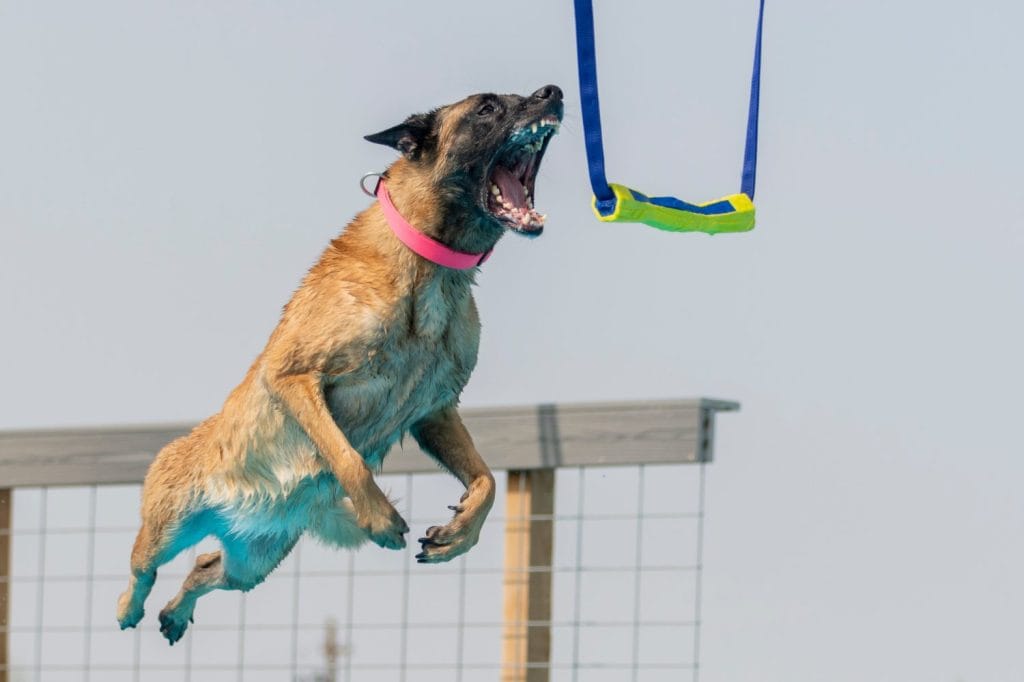
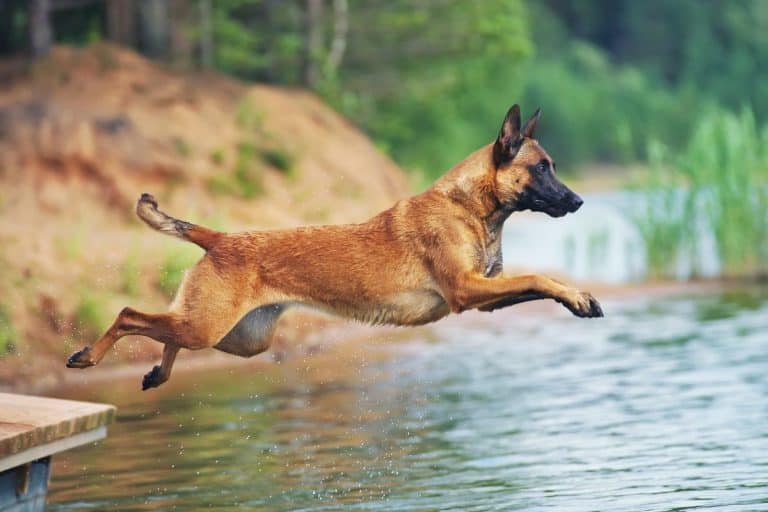
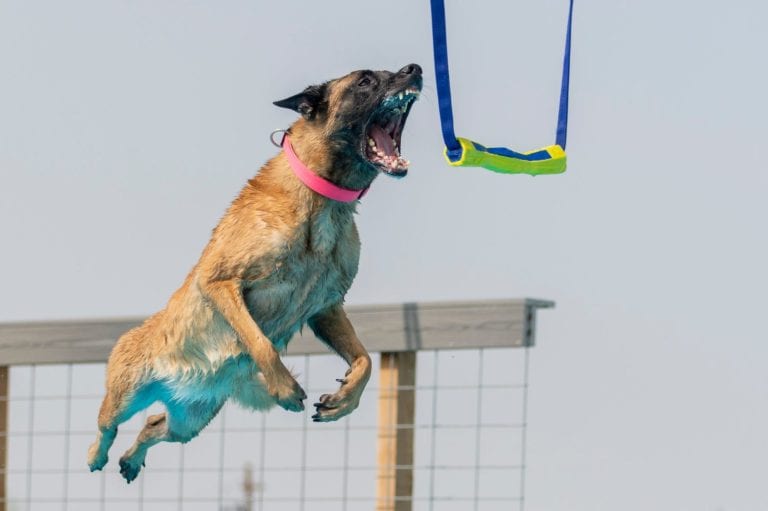
Belgian Malinois in mid air about to grab a toy while dock diving

Belgian Malinois in mid air, about to grab a toy while dock diving.

Temperament and Behavior

This breed is intelligent, athletic, protective, and loyal. They love pleasing their owners and are easily trained. Any activity that stimulates their mind, such as learning tricks, solving puzzles, searching, and fetching, is interesting to them. They are mostly friendly with strangers but can become aggressive if they feel their owner or territory is under threat.

They are very energetic and need a great deal of exercise, mental stimulation, and companionship with their owner. Lacking these, they may bark excessively and engage in destructive behaviors. They do not do well living outdoors, separate from a family, because they thrive on attention and socializing. Apartment living is not a great choice for them because their frequent barking will surely annoy neighbors. The best environment for them is to live with their owners in a house, with daily access to the open countryside.

How To Take Care of a Belgian Malinois

Maintenance and Grooming

The Belgian Malinois comes in four varieties that differ by hair type and color. Varieties include long-haired, short-haired, and rough-haired. Their coats do not require a great deal of maintenance, but this depends on their activities and family lifestyle. Most of the time, they just need an occasional brushing, but twice a year, when they are shedding, owners should brush them daily to remove loose hair. Their coats have two layers that make them water-resistant. When washing them, owners or groomers need to lift the layers of the coat so the water can penetrate to the skin. When drying, lift the hair to make sure moisture evaporates off the skin and undercoat. Owners should also trim their nails and brush their teeth on a regular basis.

Training

Belgian Malinois have been described as bright and obedient. Their intelligence and eagerness to please make them easy to train, if done properly.

They are highly alert and have strong guarding instincts. These traits make them outstanding guard dogs and working dogs for the police and military. However, they do display domineering behavior toward children, other pets, and owners who do not understand alpha behavior and intentionally maintain that role for themselves. If trained inadequately, they may engage in herding behavior: chasing, circling, and nipping to control the movements of people or pets they see as lower in the pack hierarchy.

Controlling such behavior requires a great deal of socialization and intentional training, which can make them into agreeable, loving companions and family pets. Remember, though, that this is a sensitive and intelligent breed. Owners who are too harsh or heavy-handed with them will find their pet quickly becomes uncooperative. Try to build a relationship of mutual respect, with clearly defined boundaries that are firmly and lovingly enforced.

Exercise

Belgian Malinois need a great deal of vigorous exercise daily. Walking them daily is not enough — they need to run, jump, and do drills and jobs that stimulate their mind as well as their body, and let them bond with their owner. The ideal owner for this dog is someone with a physically active lifestyle and the time to invest in daily workouts and bonding with their pet.

Belgian Malinois and Children

These dogs have been bred for generations for herding and guarding, not as family pets. These instincts are still just below the surface, so they may chase, snap, and grab running things, including other animals and children. They can also be aggressively territorial toward neighbors, guests, and passersby.

With careful training and socialization, a puppy can learn to moderate these behaviors and become a more congenial family pet. But overall, they are only a good match for households with adults and older children who can understand and cooperate in consistent training. This breed is not well-suited to families with smaller children.  
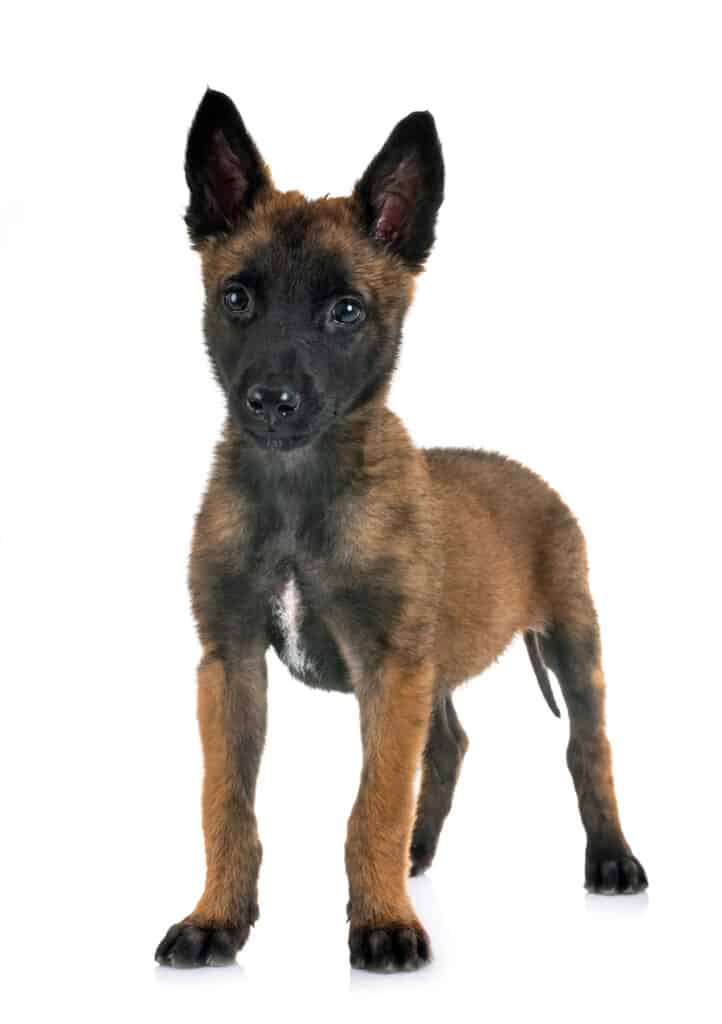
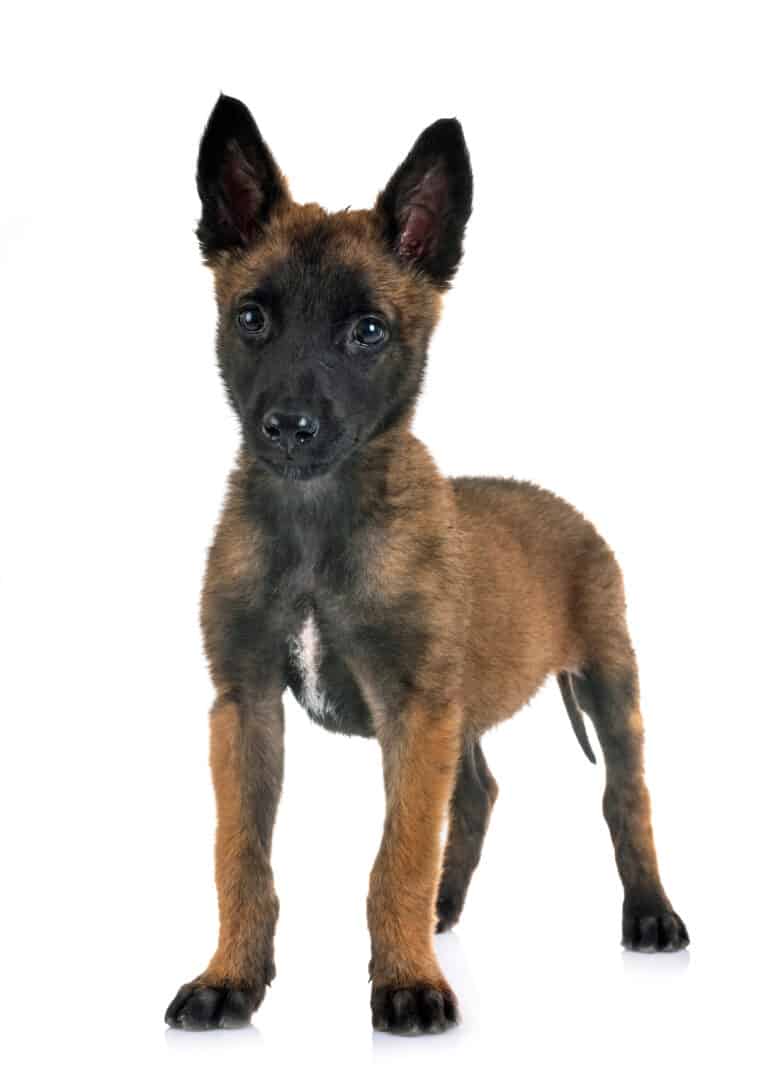
Belgian malinois puppy

Belgian Malinois should be socialized from a young age so they do not display herding behavior.

Dogs Similar to the Belgian Malinois

  • Bouvier des Flandres: A herding dog indigenous to Belgium and France. It is similar in temperament, size, and weight to the Belgian Malinois but requires more grooming.
  • Dutch Shepherd: A rare breed about the same size as the Belgian Malinois. It has a wiry coat that requires little grooming, and it rarely barks.
  • German Shepherd: An extremely popular and easy-to-find breed. Males are heavier than the Belgian Malinois. They shed a great deal and are sensitive to disruptions in the household routine, such as guest visits.

Famous Belgian Malinois

U.S. President Herbert Hoover owned a Belgian Malinois named “King Tut.” King Tut was the President’s favorite dog.

Belgian Malinois have earned great distinction as military and police service animals. Here are a few examples:

  • “Cairo” helped the US Navy SEALs’ operation that killed Osama bin Laden.
  • “Conan” assisted the US Army in capturing and killing Abu Bakr al-Baghdadi.
  • “Kuga” received an award after capturing a terrorist, despite having been shot, during the war in Afghanistan.
  • “Kuno” saved British soldiers’ lives in Afghanistan, despite having been shot.
  • “Mali” completed a mission for the British Army while injured in Afghanistan.
  • “K9 Killer” received a gold medal for helping to capture 115 poachers in South Africa’s Kruger National Park.
View all 453 animals that start with B

Sources

  1. Wikipedia / Accessed November 18, 2022
  2. Central Texas Veterinary Specialty and Emergency Hospital / Accessed November 18, 2022
  3. Dogell / Accessed November 18, 2022
  4. American Kennel Club / Accessed November 18, 2022
  5. DogBreedInfo / Accessed November 18, 2022
  6. Pet Net ID / Accessed November 18, 2022
  7. Wag! Wagwalking.com/daily/names / Accessed November 18, 2022
Drew Wood

About the Author

Drew Wood

Drew is a college professor and freelance writer who graduated from the University of Virginia. His travels have taken him to 25 countries and 44 states, where he has enjoyed learning about wildlife in a wide range of environments. In addition to his love of animals, he enjoys scary movies, landscaping, strategy games, and philosophical discussions over a cup of coffee. He is also an emotional support human to a neurotic Spanish Water Dog and a hyperactive Chihuahua mix.

Thank you for reading! Have some feedback for us?


Belgian Malinois FAQs (Frequently Asked Questions)

The average purchase price of a Belgian malinois puppy is $600-$800. Maintaining them with food, veterinary care, medication, and other supplies will cost approximately $650 a year.