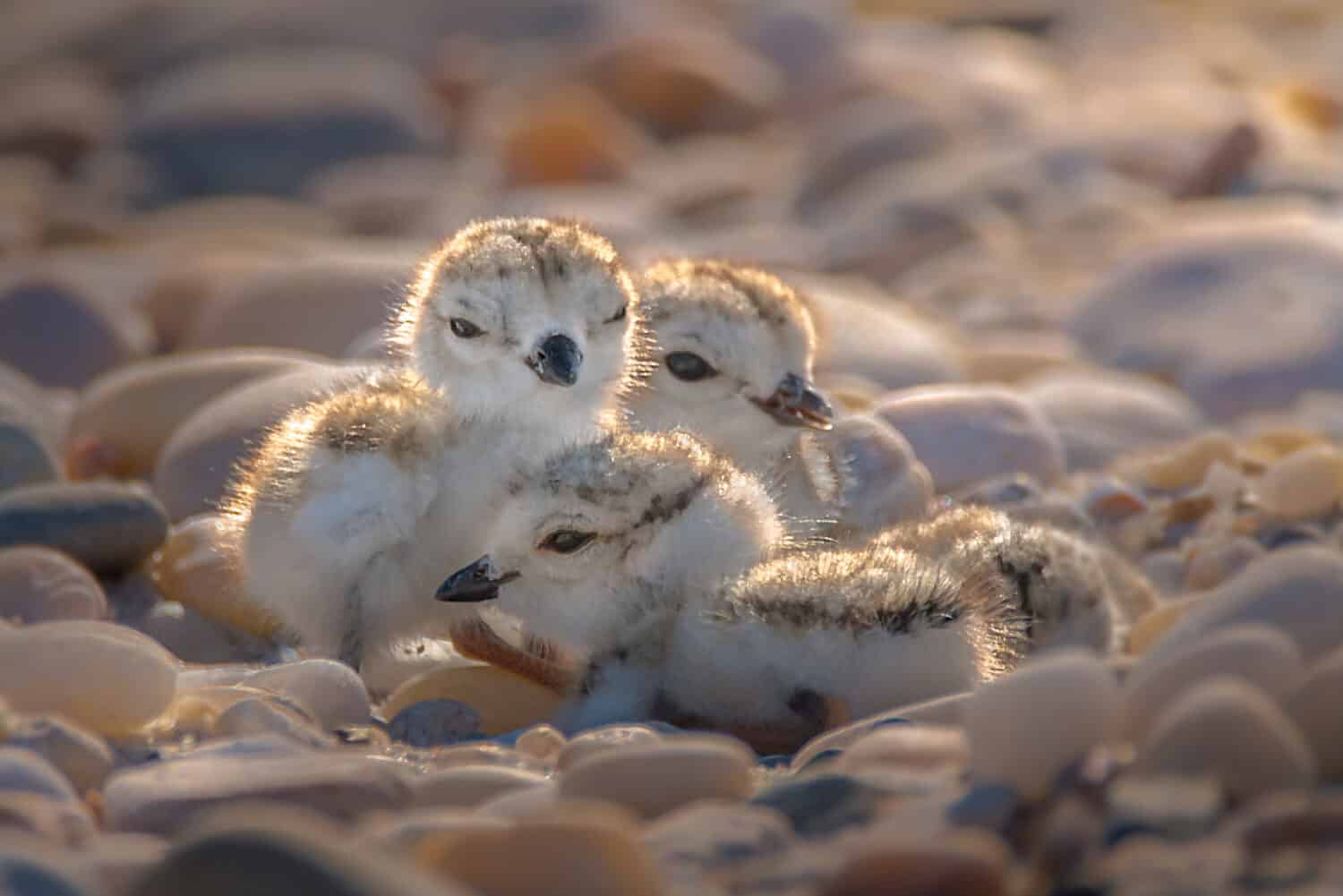

Quick Take
- Delaware is an important stopover for migratory birds along the Atlantic Flyway.
- 429 bird species have been recorded in Delaware, including both residents and migrants.
- Prime Hook National Wildlife Refuge and Bombay Hook National Wildlife Refuge are two of the top destinations for birding in Delaware.
Delaware’s location along the Atlantic coast makes it a prime location for many migratory waterbirds and shorebirds. The state is an important stopover on the Atlantic Flyway, with the Delaware Bay also providing necessary food and rest to fuel migration. According to the Delaware State List of Bird Species, 429 bird species have been recorded in the state, including both regularly occurring species and migrants. If you are a bird watching enthusiast planning a trip to Delaware or a beginning bird watcher in the state, read on to discover some of Delaware’s top hotspots for bird lovers.
Prime Hook National Wildlife Refuge
For an unforgettable bird-watching experience, this 10,000-acre refuge beside the western Delaware Bay is undoubtedly one of the top spots. Birding enthusiasts can see shorebirds, gulls, terns, wading birds, and a variety of marsh birds at the Prime Hook National Wildlife Refuge. Depending on the water levels, shorebirds may be present throughout the year, but numbers peak during spring and fall. Visitors can drive along the four county roads that run through the marshes or hike more than 7 miles of trails.
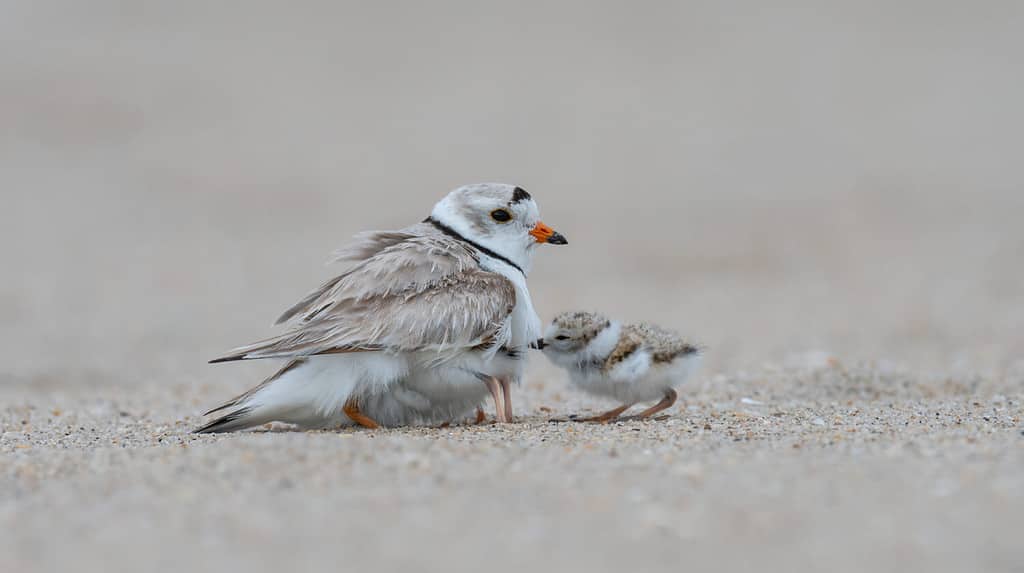
Federally threatened piping plovers nest on Fowler Beach in the Prime Hook National Wildlife Refuge.
©Randy G. Lubischer/Shutterstock.com
Common bird species at Prime Hook National Wildlife Refuge include:
- Piping plover
- Least tern
- Rufa red knot
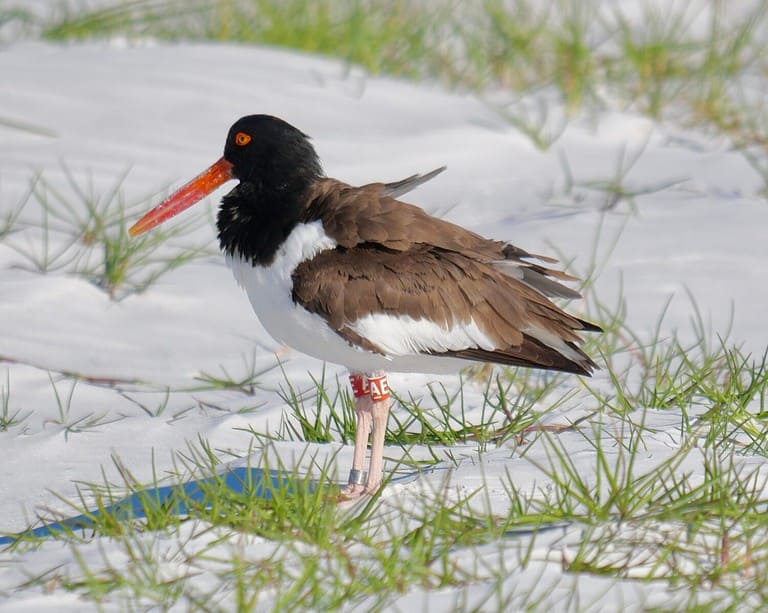
- American oystercatcher
- Osprey
- Bald eagle
- Snow Goose
- Common redpoll
- Spotted sandpiper
- Northern saw-whet owl
Bombay Hook National Wildlife Refuge
Bombay Hook National Wildlife Refuge is one of the most prominent locations for birding in the eastern U.S. The refuge covers 16,251 acres of mostly tidal salt marsh along Delaware Bay. However, it also includes freshwater wetlands and upland habitats for terrestrial birds and other wildlife. Birders can see flocks of ducks, geese, shorebirds, and wading birds, with waterfowl most abundant during March and November. The largest numbers of shorebirds, wading birds, and songbirds are seen during May, August, and September. Bombay Hook offers a 12-mile wildlife drive and five walking trails.
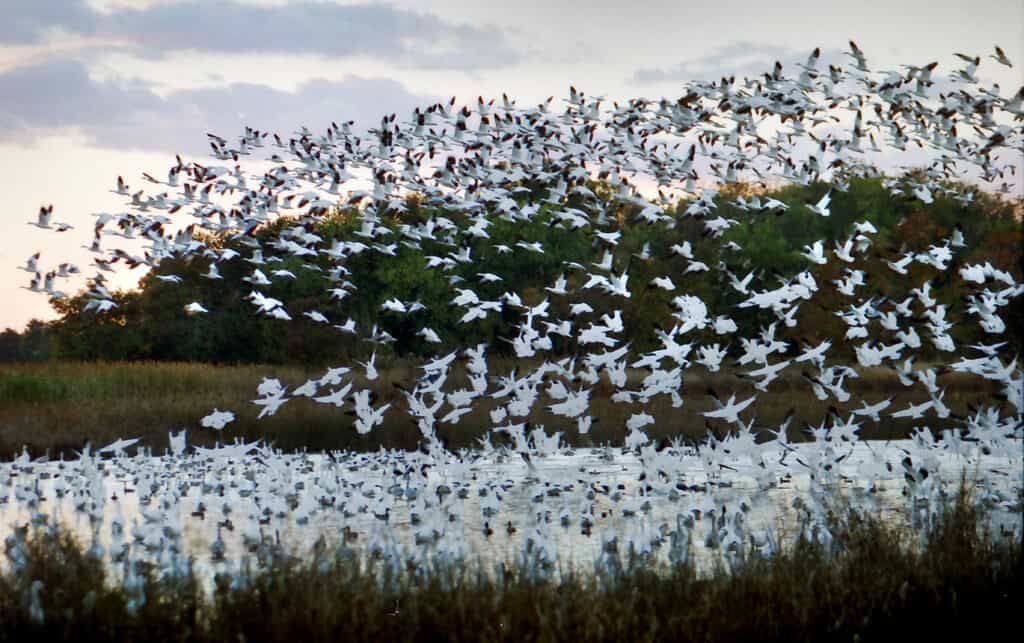
Around 100,000 snow geese winter at Bombay Hook National Wildlife Refuge.
©iStock.com/bilbowden
Common birds found at the Bombay Hook National Wildlife Refuge include:
- Purple martin
- Bald eagle
- Sora
- Saltmarsh sparrow
- Tri-coloured heron
- Seaside sparrow
- Mute swan
- Tundra swan
- Blue-winged and green-winged teal
- American avocet
- Wood duck
- Red-breasted and hooded merganser
Little Creek Wildlife Area
Little Creek Wildlife Area area lies on Delaware Bay just south of Bombay Hook. Bird watchers can view shorebirds, gulls, and terns from spring into fall. The area is also known as a stopover for red knots, which feed on horseshoe crab eggs during migration. Birders should call ahead for hours of operation and inquiries about access during fall and winter, as it is closed seasonally except to hunters. Visitors can stop at the David Small Wildlife Viewing Boardwalk and Tower, an elevated observation tower overlooking the area.
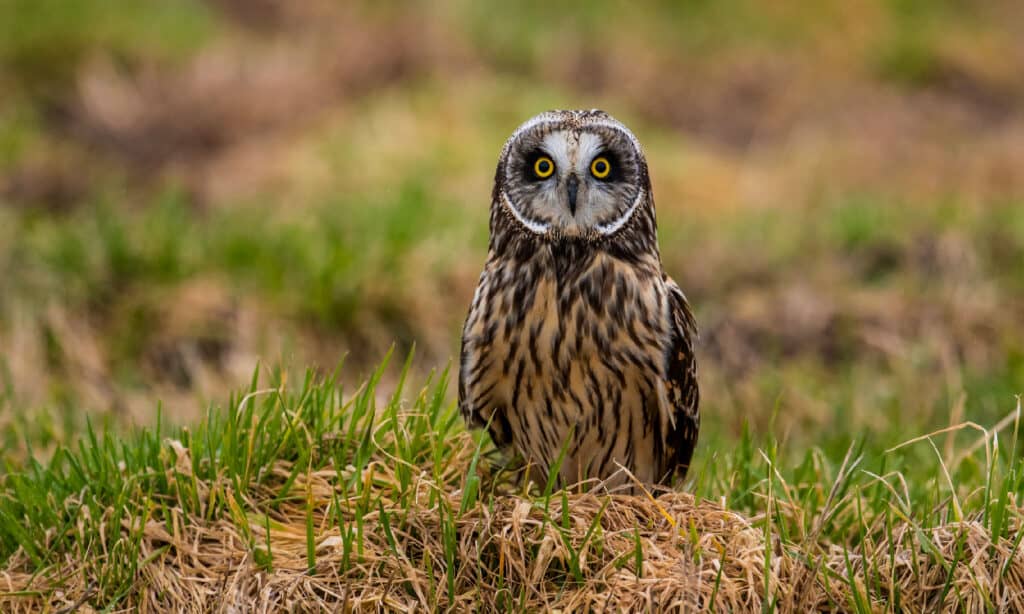
Short-eared owls can be seen at the Little Creek Wildlife Area during the winter.
©iStock.com/Harry Collins
Common birds you may see at the Little Creek Wildlife Area include:
- Red knot
- American black duck
- Northern harrier (winter)
- Seaside sparrow
- American bittern
- Marsh wren
- Saltmarsh sparrow
- Clapper rail
- Short-eared owl (winter)
- Glossy ibis (summer)
Cape Henlopen State Park
The Atlantic Ocean meets the Delaware Bay at Cape Henlopen State Park. This 5,000-acre park is considered one of the most scenic places to go for bird watching, especially for birders interested in waterbirds, shorebirds, or the autumn hawk migration. Various waterfowl can be seen from fall through spring. Shorebirds are found on the beaches, but the beaches close seasonally to protect nesting birds such as piping plovers. In September and October, birders can view raptors crossing the bay from Cape May, New Jersey, which is about 12 miles away. Visitors can drive to the end of the road toward Cape Henlopen, but there is a one-mile walk to reach the cape itself.
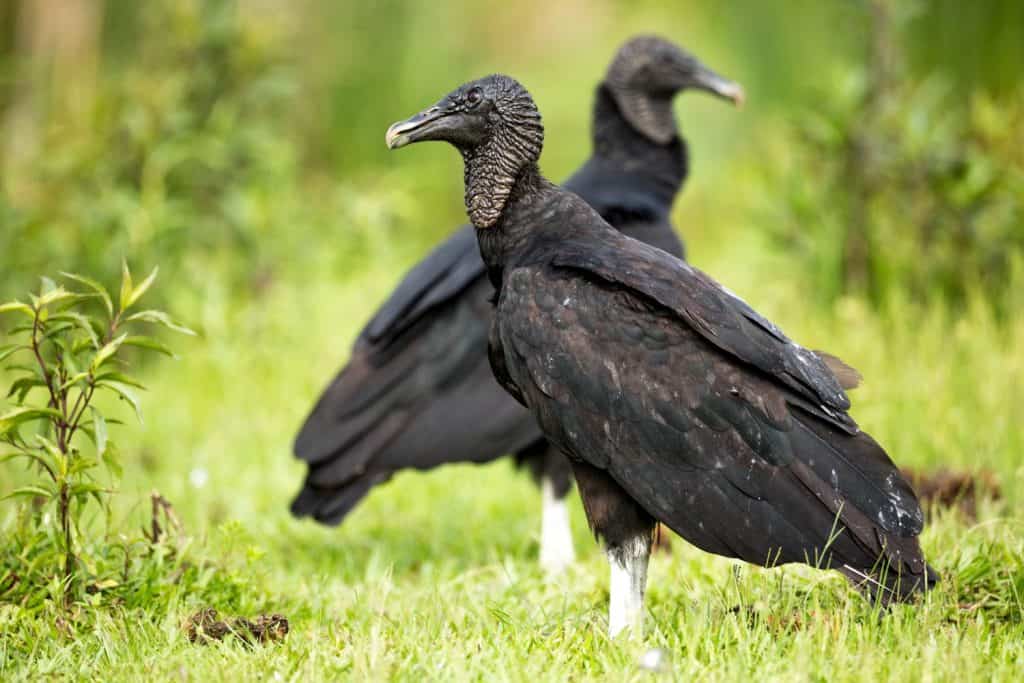
Black vultures are commonly seen crossing the bay from Cape May, New Jersey to Cape Henlopen, Delaware.
©buteo/Shutterstock.com
Common birds seen at Cape Henlopen State Park include:
- Red-tailed hawk
- American kestrel
- Least tern
- Northern gannet
- Peregrine falcon
- Turkey vulture and black vulture
- Black skimmer
- Red-throated loon
- Piping plover
- Purple sandpiper
Middle Run Natural Area
The 860-acre Middle Run Natural Area is a long-standing favorite of Delaware nature enthusiasts. The park offers 10 miles of biking and hiking trails, including a trail that was specifically constructed to accommodate bird watching. This one-mile loop includes a variety of habitats from mature forest to meadows to scrubby thickets. Middle Run Natural Area is considered a top destination for both spring and fall migration, and features many breeding species, including scarlet tanagers, pileated woodpeckers, Baltimore orioles, and more.
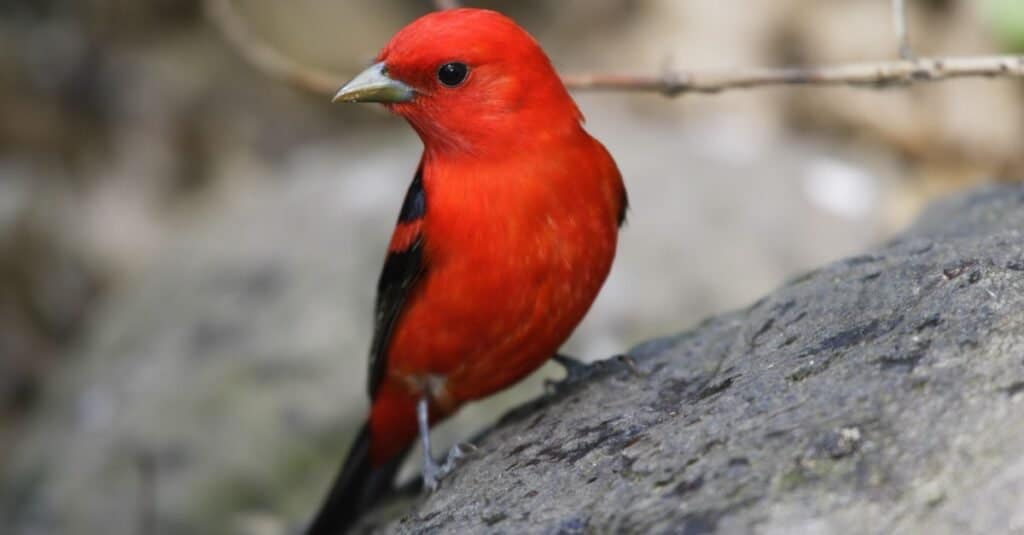
Scarlet tanagers are one of many breeding species that nest in Middle Run Natural Area.
©Stubblefield Photography/Shutterstock.com
Common birds found at Middle Run Natural Area include:
- Louisiana waterthrush
- House wren
- Tree swallow
- Acadian flycatcher
- Prairie warbler
- Yellow-breasted chat
- Indigo bunting
- Eastern bluebird
- Orchard oriole
- Blue-winged warbler
Brandywine Creek State Park
Brandywine Creek State Park is located along Brandywine Creek in northern Delaware. The park offers diverse habitats, including old growth forest, thickets, meadows, and fields, making it a hotspot for migratory birds such as eastern thrushes, warblers, and songbirds. Brandywine Creek’s breeding birds include wood ducks, barred owls, pileated woodpeckers, and many others. Tall hillsides also provide an excellent view for fall hawk watching. There are over 14 miles of trails that wind throughout the park.
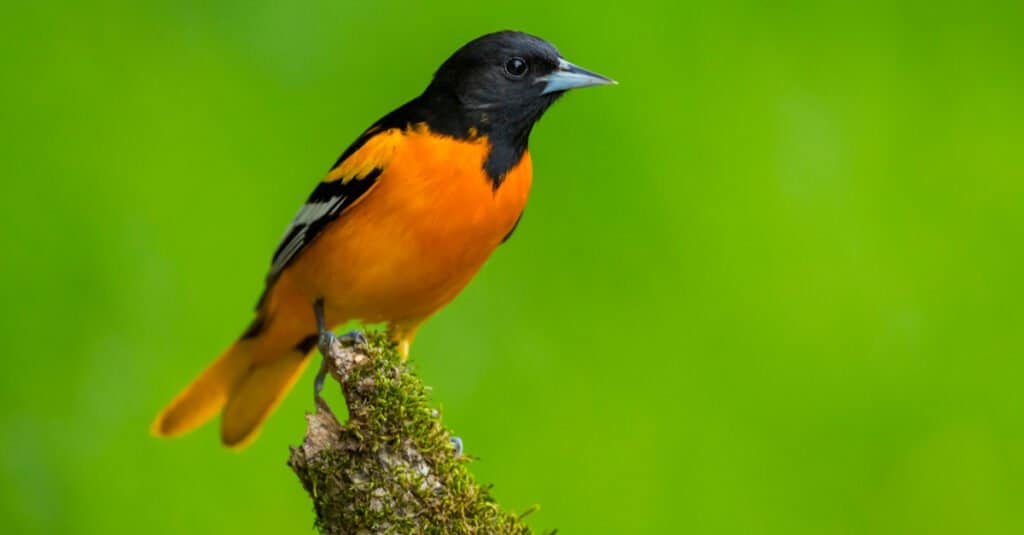
Brandywine Creek State Park is a breeding area for Baltimore orioles.
©Agami Photo Agency/Shutterstock.com
Common birds you may see at Brandywine Creek State Park include:
- Yellow-billed cuckoo
- Red-tailed hawk
- Yellow-throated vireo
- Eastern bluebird
- Ovenbird
- Scarlet tanager
- Baltimore oriole
- Warbling vireo
- American kestrel
- Prairie Warbler
Whether you are totally new to the birding world or an avid birder, you’ll find the locations listed here to be some of Delaware’s top hotspots. Click on the links in the sections above to learn more about any of these destinations. There is also a wide variety of year-round birding opportunities throughout Delaware’s state parks.