
Quick Take
- One Maryland park sees up to 10,000 raptors pass through in a single spring season, yet many birders have never heard of it. See the raptor numbers →
- Maryland's most eagle-dense refuge holds a record that stretches all the way down the Atlantic Coast, and it sits in a spot most visitors would never expect. Explore the eagle refuge →
- At one popular state park, the best birding season is the exact opposite of when most people visit. Find the best seasons →
- Maryland's most surprising bird watching spot is not on the coast but tucked inside an old-growth mountain forest. Discover the mountain forest →
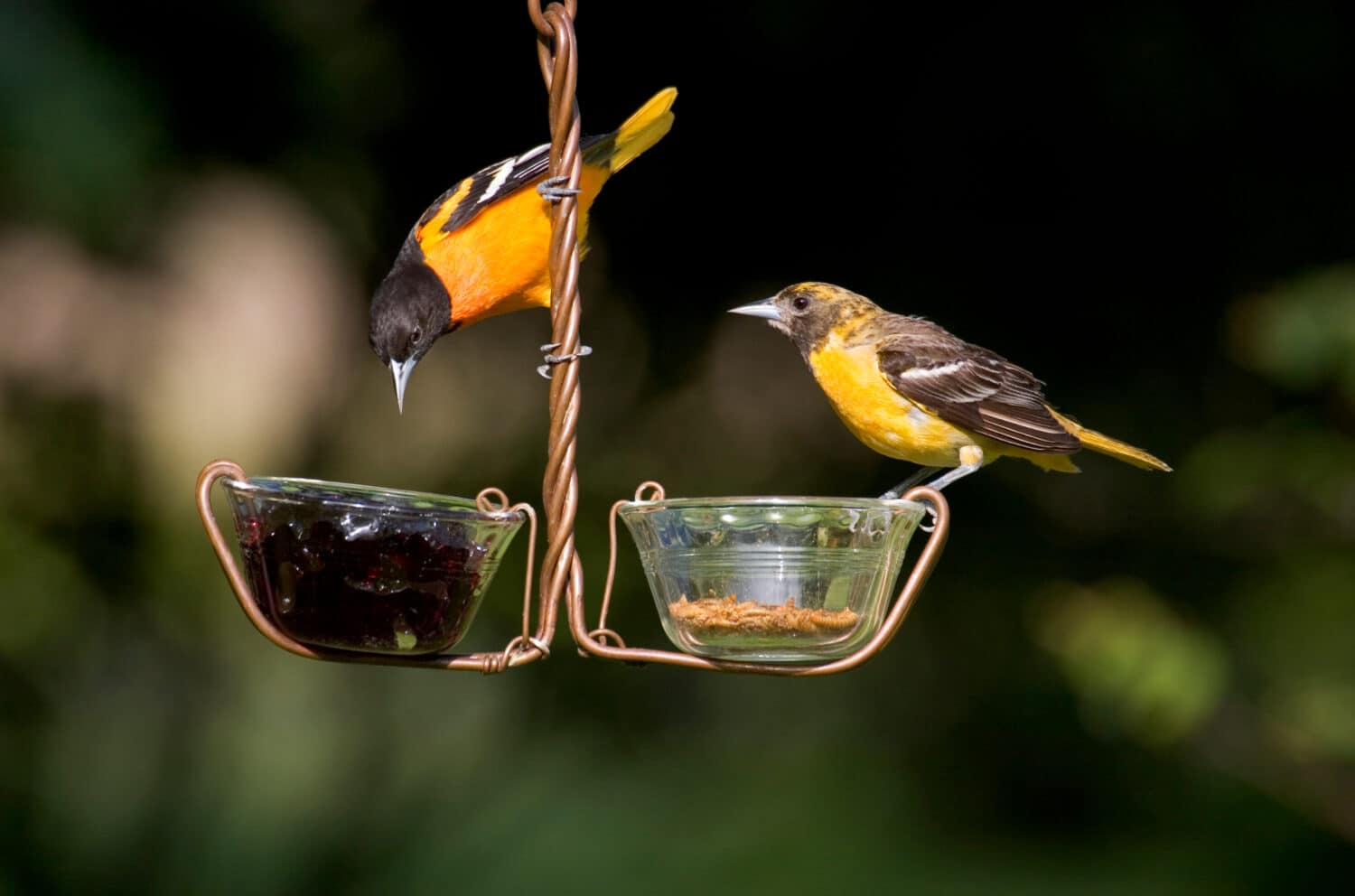
More than 450 species of birds have been documented throughout Maryland. The state is a crucial stopover for birds on the Atlantic Flyway. From migrating songbirds and coastal seabirds to the state bird, the Baltimore Oriole, Maryland offers both beginners and seasoned birders an impressive variety of places to go bird watching. There are wetlands, tidal marshes, forests, fields, and coastal habitats where you can discover the state’s diverse bird life. Read on to learn about some of Maryland’s must-visit bird watching destinations.
Point Lookout State Park
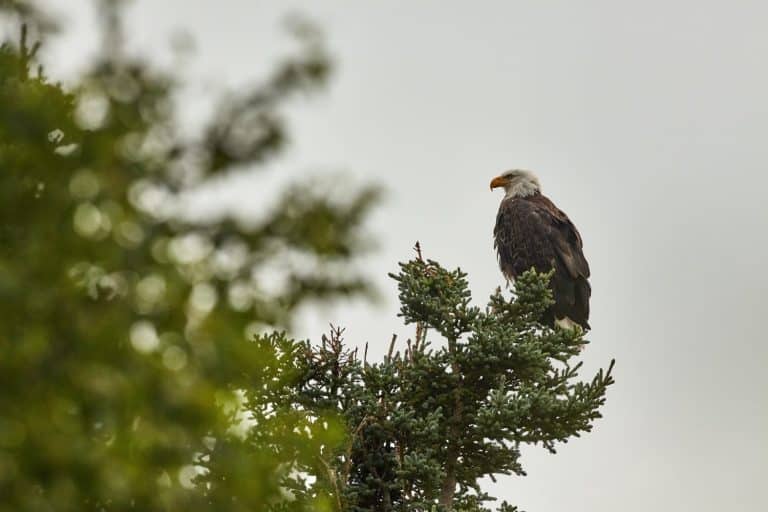
One of the best places in Maryland for bird watching is Point Lookout State Park. The park is on a peninsula where the Potomac River and the Chesapeake Bay meet. It’s an important stopover for birds flying north in the spring and south in the fall. Over 300 bird species have been recorded here. Visitors can see many seabirds, such as gulls, loons, and terns. Ospreys are a common sight here throughout most of the year, except in winter. Bald eagles can be seen year-round. The park has a 710-foot pier, as well as roadside viewing areas where birders can catch a glimpse of scoters, mergansers, and long-tailed ducks. From spring through fall, there is a wide variety of shorebirds, migrating songbirds, and raptors.
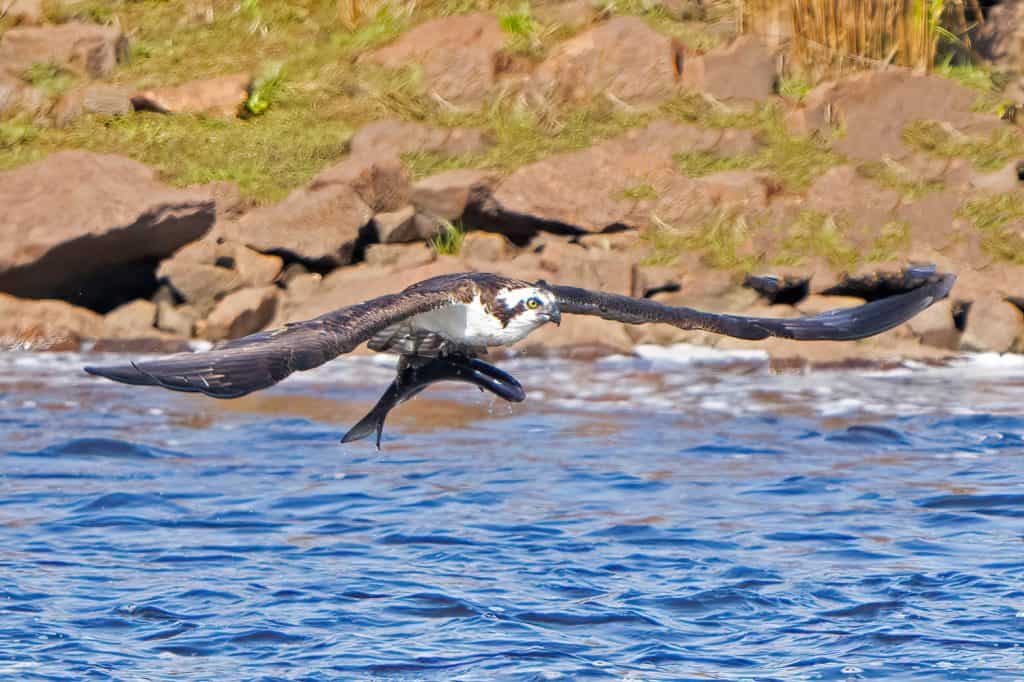
Point Lookout State Park is home to many seabirds, including ospreys, which can be seen most of the year.
©Brian E Kushner/Shutterstock.com
Sandy Point State Park
Sandy Point State Park is a 786-acre state park located on the western shore of the Chesapeake Bay, north of the Chesapeake Bay Bridge in Annapolis. Waterfowl such as ducks, grebes, and loons can be seen here during the winter, while osprey is common from spring through fall. A variety of tern species are summer visitors. Marsh and land birds include marsh wrens, blue grosbeaks, yellow warblers, and northern bobwhite. Bald eagles are year-round residents. Due to the heavy beach crowds during the summer, experts note that the best birding is from fall through spring.
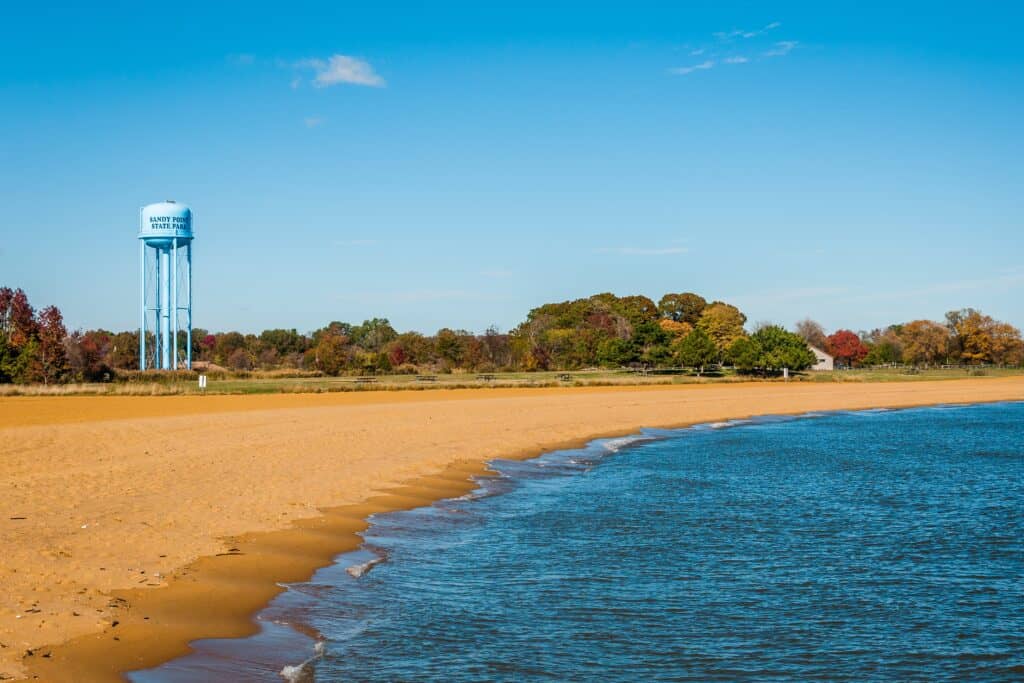
Sandy Point State Park’s one mile sandy beach overlooks the Chesapeake Bay.
©Walt Bilous/Shutterstock.com
Blackwater National Wildlife Refuge
The Blackwater National Wildlife Refuge is a sanctuary of more than 27,000 acres for migratory birds on Maryland’s Eastern Shore. The refuge is famous for breeding bald eagles, with the highest density on the Atlantic Coast north of Florida. It is also an important wintering stop for Canada geese on the Atlantic Flyway. Tundra swans from Canada begin to arrive in November, with hundreds remaining through the winter. Mallards, black ducks, blue-winged teal, green-winged teal, wigeons, and pintails are the most prevalent duck species. Great blue herons, hawks, and some shorebird species can also be seen at the refuge.
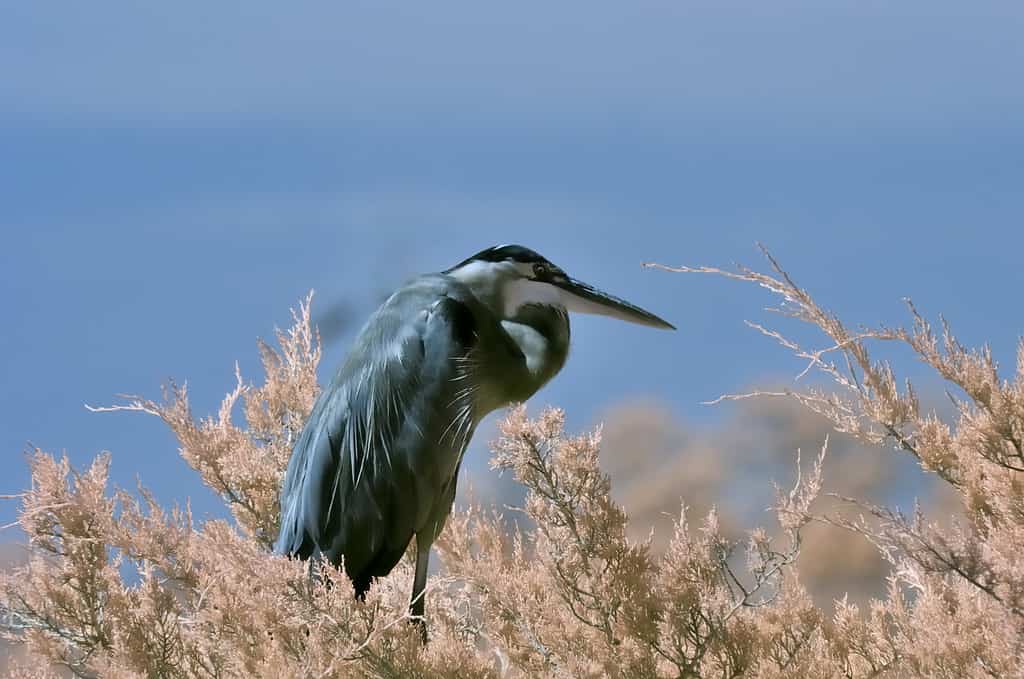
Great blue herons are found in the marshes of Blackwater National Wildlife Refuge during the winter.
©Joesboy/iStock via Getty Images
Fort Smallwood Park
Fort Smallwood Park is a 100-acre park in northern Anne Arundel County. The park is located where the Patapsco River and Rock Creek converge with the Chesapeake Bay. During the northward spring migration, the park serves as one of the major raptor migratory routes in the mid-Atlantic area. Turkey vultures, sharp-shinned hawks, and broad-winged hawks make up the majority of the up to 10,000 raptors that are present in the spring during some years. The park’s 380-foot fishing pier is a favorite spot of local birders, with mid-March to mid-May being the best times to see the raptors.
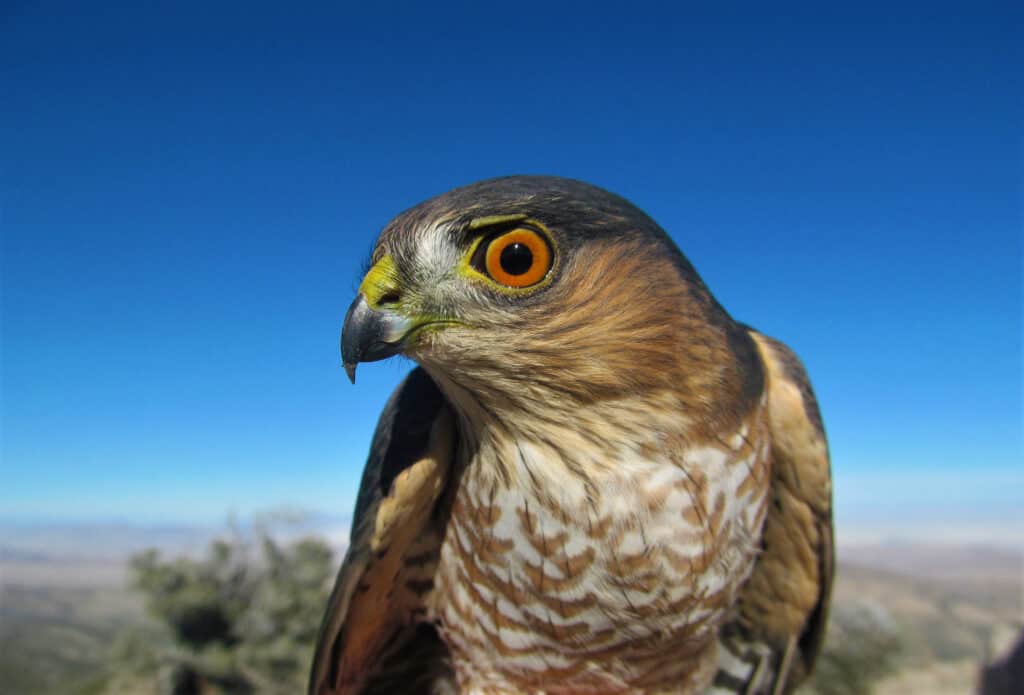
Sharp-shinned hawks can often be spotted at Fort Smallwood Park during the spring migration.
©RJ Ridley/Shutterstock.com
Assateague Island National Seashore
Assateague Island is an Atlantic Ocean barrier island maintained by the National Park Service. The island is famous for its native wild horses, but it is also a great place to see many species of waterbirds, wading birds, and seabirds. Piping plovers come to Assateague in spring and start their extensive territorial and courtship rituals. In the coastal waters along the marsh edge, wading birds such as great egrets and clapper rails can be observed foraging during the summer. While patrolling their midsummer nesting grounds amid the higher reeds and rushes, red-winged blackbirds chirp constantly.
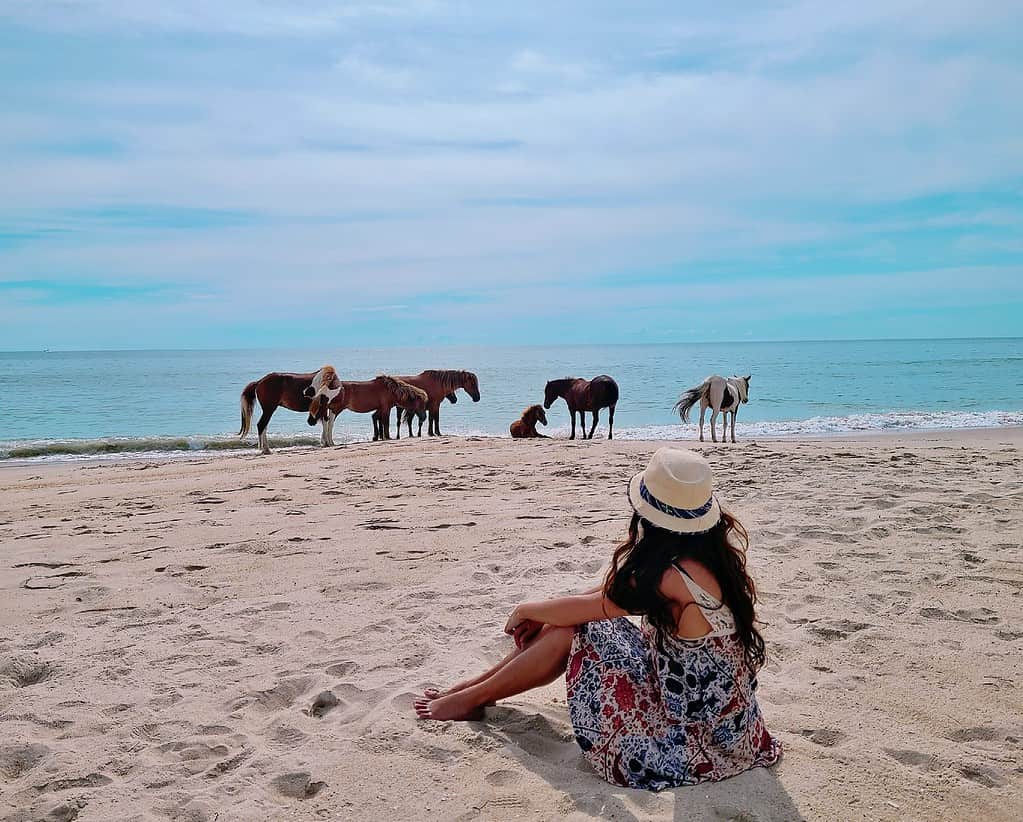
Assateague Island is known for native wild horses, but it is popular for bird watching as well.
©Vicky Faye Aquino/Shutterstock.com
Eastern Neck National Wildlife Refuge
The Eastern Neck National Wildlife Refuge is a 2,285-acre island sanctuary for wintering waterfowl on the state’s eastern shore. The refuge provides habitat such as brackish marsh, upland forest, grasslands, and natural ponds for over 250 species of birds, including bald eagles, which are year-round residents. Tundra swans are one of the highlights of the refuge, visiting from November through March. Breeding birds include osprey, wild turkey, least tern, marsh wren, Virginia rail, and pine warblers. Note that some areas may be closed to protect breeding bald eagles.
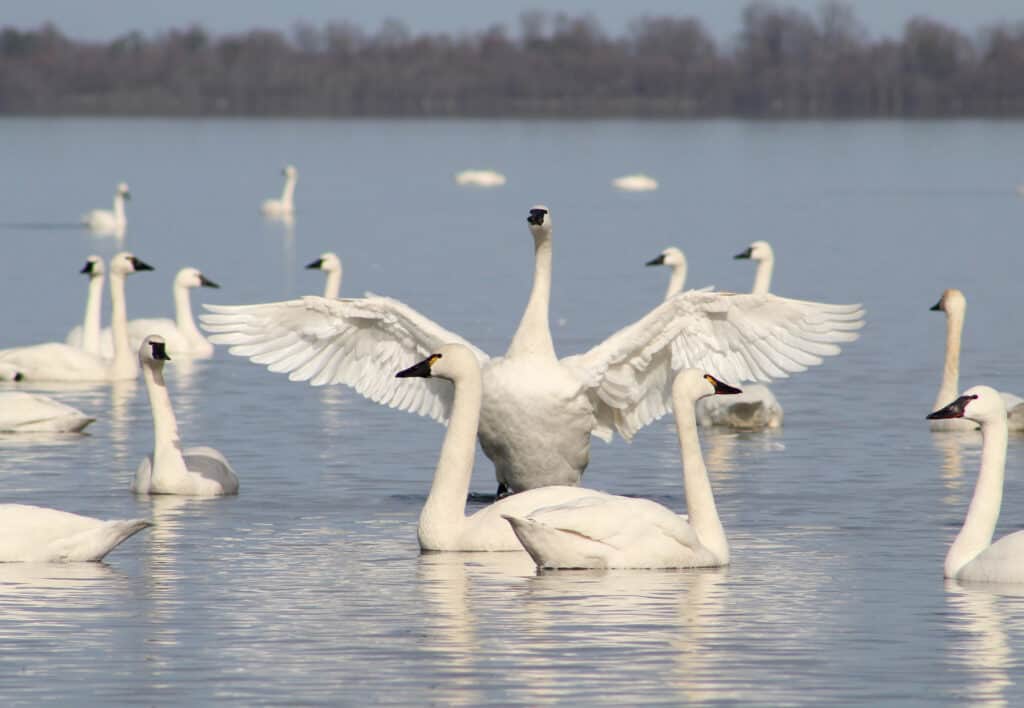
After a 4,000-mile journey, tundra swans call Eastern Neck home from November through March.
©hay_mn97/Shutterstock.com
Swallow Falls State Park
Swallow Falls State Park in Oakland is a popular mountain birding destination with several waterfalls surrounded by old growth hemlock forest. Some mountain species that can be seen here include brown creeper, veery, dark-eyed junco, and red-breasted nuthatch. A number of warblers can also be spotted in the park, such as Canada warblers, black-throated blue warbler, and magnolia warblers. Hikers may also hear male blackburnian warblers staking out their territory in May with their thin, high-pitched calls and songs. Blackburnians will congregate in the mature evergreen woods with foraging flocks of chickadees, nuthatches, and golden-crowned kinglets once the young have fledged.
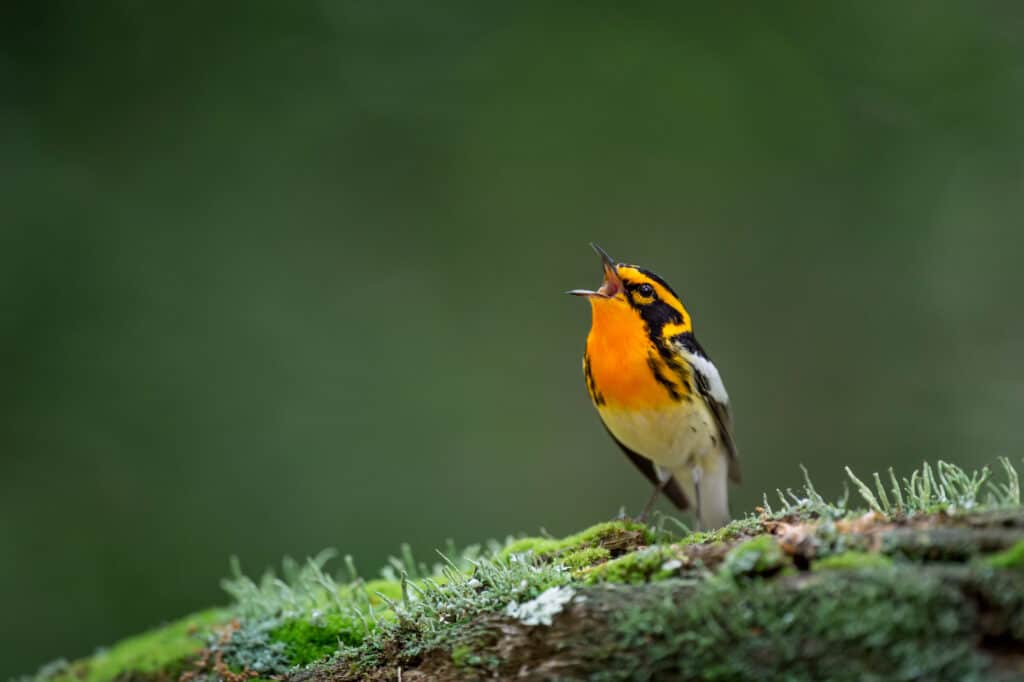
The beautiful blackburnian warbler can be found in Swallow Falls State Park.
©Ray Hennessy/Shutterstock.com