













C
Species Profile

Chiweenie

Canis lupus familiaris

Tiny body, big backbone.
Mr. James Kelley/Shutterstock.com

Chiweenie Distribution

Click a location to explore more animals from that region

Origin Location

This map shows the native origin of the Chiweenie. As a domesticated species, they are now found worldwide.

Loading map...

Size Comparison

Human 5'8"
Chiweenie 8 in

Chiweenie stands at 12% of average human height.

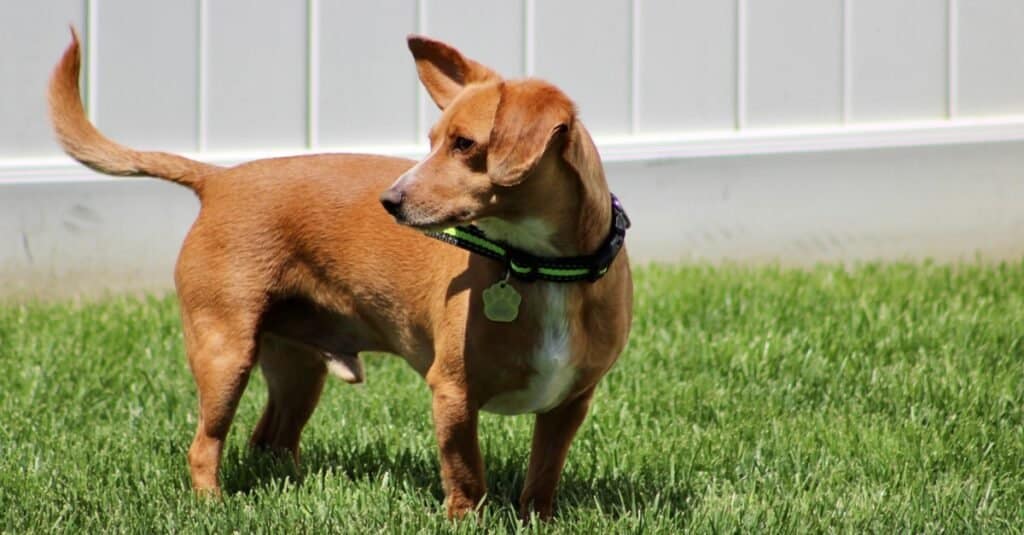
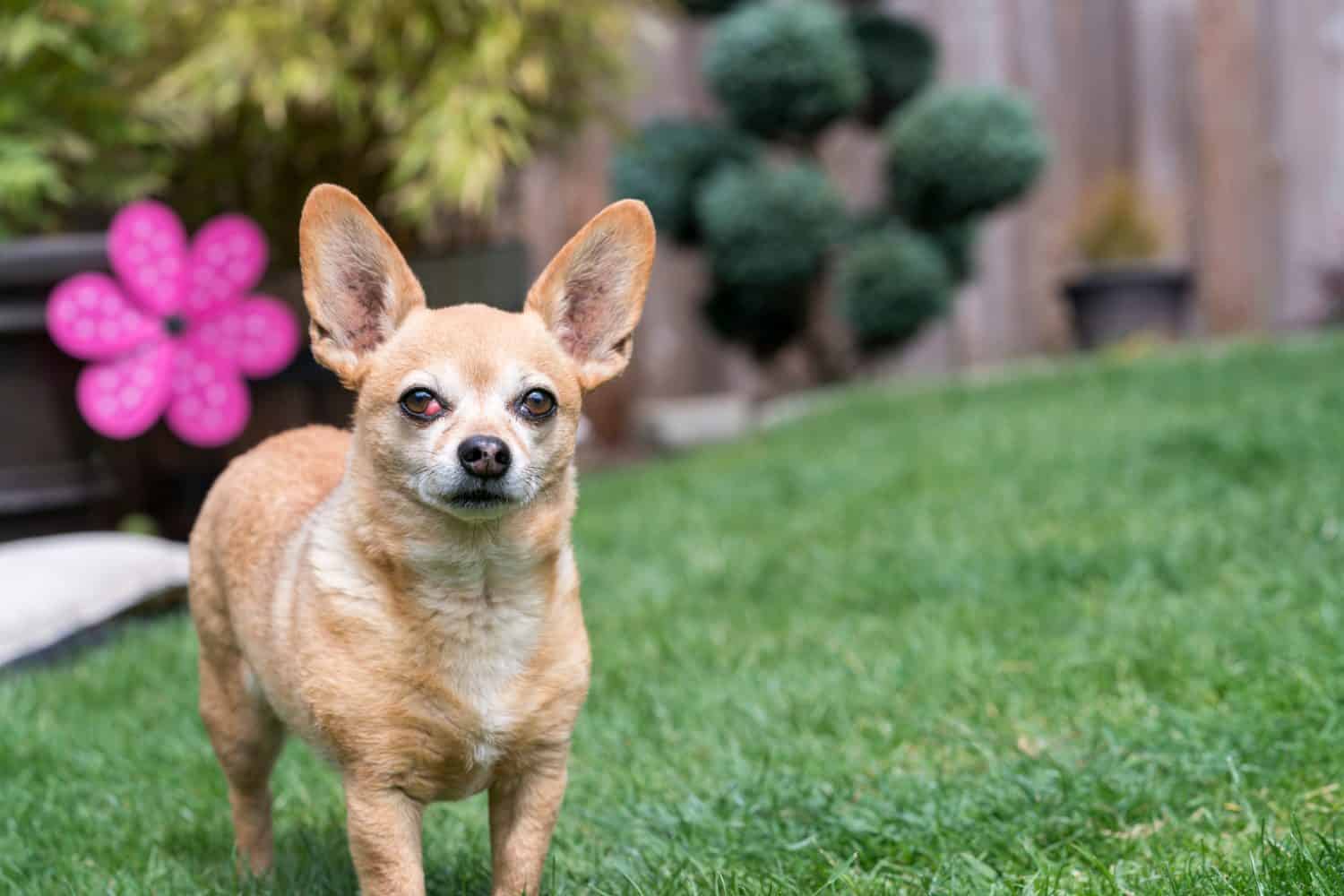
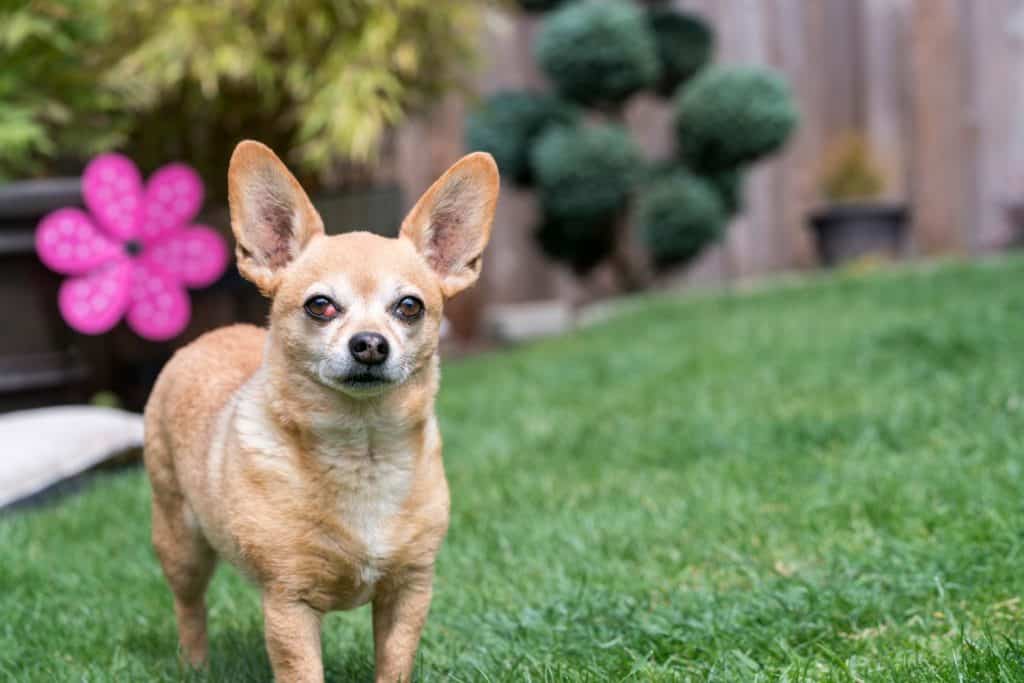
Chiweenie Dog Standing in Yard - female with cherry eye medical condition

At a Glance

Domesticated
Also Known As Chihweenie, Chiweeny, Chi-Doxie, Chi-Dog
Diet Omnivore
Activity Diurnal+
Lifespan 14 years
Weight 6 lbs
Status Not Evaluated
Did You Know?

"Chiweenie" is a modern nickname for a Chihuahua × Dachshund cross; many are intentionally bred as a companion "designer" mix.

Scientific Classification

The Chiweenie is a mixed-breed (designer) domestic dog resulting from Chihuahua × Dachshund ancestry. Individuals vary widely in size, coat type, and temperament depending on parentage.

Kingdom
Animalia
Phylum
Chordata
Class
Mammalia
Order
Carnivora
Family
Canidae
Genus
Canis
Species
Canis lupus

Distinguishing Features

  • Small companion dog; often long-bodied with relatively short legs (Dachshund-like)
  • Head/ears may resemble Chihuahua (apple- or deer-head influence), with ears either erect or floppy
  • Coat can be short or longer; colors/patterns variable (solid, bicolor, dapple, etc.)
  • Behavior commonly described as alert, vocal, affectionate; may have strong bonding and some stubbornness

Physical Measurements

Males and females differ in size

Height
♂ 9 in (7 in – 11 in)
♀ 9 in (6 in – 11 in)
Length
♂ 1 ft 8 in (1 ft 4 in – 1 ft 12 in)
♀ 1 ft 7 in (1 ft 3 in – 1 ft 12 in)
Weight
♂ 11 lbs (7 lbs – 15 lbs)
♀ 8 lbs (4 lbs – 13 lbs)
Tail Length
♂ 6 in (4 in – 8 in)
♀ 5 in (3 in – 7 in)
Top Speed
19 mph
Quick short bursts, low stamina

Appearance

Primary Colors
Secondary Colors
Skin Type Chiweenie (Canis lupus familiaris) skin is covered in dog hair. Coat may be single or double, smooth or short, long and silky, or sometimes wiry. Some lines have mildly sensitive skin; shedding varies.
Distinctive Features
  • Designer mixed-breed companion dog (Chihuahua × Dachshund), distinguished from the base species (Canis lupus familiaris) by intentionally selected small size, companion-focused temperament, and highly variable coat/shape outcomes rather than a standardized breed-true phenotype.
  • Small-bodied with a 'big dog' attitude: typically alert, expressive, and prone to watchdog-style vocalization; often strongly bonds to one or a few people.
  • Body proportions often reflect Dachshund influence: elongated torso, relatively short legs, and a deep chest; however, some individuals are more Chihuahua-like (more square-bodied, lighter bone).
  • Head and face vary: Chihuahua-like 'apple head' to more elongated muzzle; eyes often appear large and prominent; ears may be erect (Chihuahua-like) or semi-floppy (Dachshund-like).
  • Tail carriage varies from a Chihuahua-style high tail to a Dachshund-like straight or slightly curved tail; feathering is possible in long-coated individuals.
  • Movement can show a low, quick stride if legs are shortened; care should be taken with jumping/stairs in longer-backed individuals.
  • Health considerations (breed-cross context): increased risk of intervertebral disc disease (IVDD)/back strain if Dachshund body type is strong; monitor for pain, reluctance to jump, or hind-limb weakness and manage weight carefully.
  • Dental crowding and periodontal disease risk are common in toy/small dogs (Chihuahua influence); requires routine tooth brushing and regular veterinary dental care.
  • Patellar luxation can occur in small breeds; watch for skipping gait/limping and maintain appropriate muscle conditioning.
  • Possible tracheal sensitivity/collapse risk in small dogs; a harness is often preferred over collar walking to reduce neck pressure.
  • Thermoregulation: small body size and short coats can predispose to chilling; provide warmth in cold weather (especially smooth-coated individuals).
  • Care requirements: consistent positive training and early socialization to reduce fearfulness/reactivity; provide mental enrichment and moderate daily exercise tailored to size and back conformation.
  • Grooming needs depend on coat type: smooth coats need minimal brushing; long coats need regular brushing to prevent mats; wire-textured coats may benefit from periodic hand-stripping or trimming depending on coat.

Sexual Dimorphism

Sexual dimorphism is generally mild in Chiweenies; differences are more individual/line-dependent than sex-dependent. Males may average slightly larger or more robust, but overlap is substantial and temperament varies more with socialization and lineage.

♂
  • On average, slightly heavier bone/muscling and a broader head in some lines.
  • May appear a bit larger in overall frame/neck thickness, though not consistently.
♀
  • On average, slightly finer build and narrower head/muzzle in some lines.
  • May appear a bit lighter and more compact, though not consistently.

Did You Know?

"Chiweenie" is a modern nickname for a Chihuahua × Dachshund cross; many are intentionally bred as a companion "designer" mix.

They can inherit either the Dachshund's elongated body or the Chihuahua's more compact build-littermates may look surprisingly different.

Coats vary widely (smooth, long, or wire-like) depending on Dachshund lineage, with many color patterns possible.

Many Chiweenies are notably vocal and alert, making them enthusiastic "doorbell dogs."

Their personality often mixes Chihuahua boldness/attachment with Dachshund curiosity and scent-driven interests.

Because both parent breeds are small, Chiweenies commonly fit well in apartments-if given daily enrichment and exercise.

Many Chiweenies can become very attached to a primary caregiver and may be cautious with strangers, reflecting commonly reported companion-dog temperaments seen in their parent breeds (Chihuahua and Dachshund).

Unique Adaptations

  • Hybrid variability: traits are not standardized-size, coat, ear shape, and temperament can vary widely even within the same litter due to mixed ancestry.
  • Small-body efficiency: like many small dogs, Chiweenies often have high metabolisms and can be energetic in short bursts rather than long endurance work.
  • Potential long-backed build (Dachshund influence): can increase leverage for digging but also raises the need for careful spine-friendly handling (avoid jumping from heights).
  • Large, expressive ears (often Chihuahua-like) can enhance sound detection, supporting alert/watchdog behavior in a companion context.
  • Companion-driven adaptability: domestic dogs as a species are highly behaviorally flexible; Chiweenies often thrive on routines, training, and human attention.

Interesting Behaviors

  • "Burrowing" into blankets and laps, a comfort-seeking habit common in small companion dogs and especially Dachshund-descended lines.
  • Scent-tracking and "nose-to-ground" exploring on walks, reflecting Dachshund heritage as a scent hound originally developed for digging quarry.
  • High alertness and watchdog-style barking at new sounds or visitors-often stronger in Chihuahua-leaning temperaments.
  • Shadowing a favorite person from room to room; many show strong attachment and may dislike being left alone.
  • "Digging" at cushions, bedding, or yard edges-an instinctive behavior tied to Dachshund digging history.
  • Selective sociability: some are friendly with strangers; others are reserved and may benefit from early, gentle socialization.
  • Cold sensitivity leading to seeking warm spots (sun patches, sweaters, heated blankets), especially in short-coated individuals.

Cultural Significance

Chiweene (Canis lupus familiaris) is a modern designer cross of the Chihuahua and Dachshund. Not a kennel-club breed, it is popular in cities and on social media for small size, lively, expressive personalities, and being good companions, showing how people shape dogs for companionship.

Myths & Legends

Dachshund lore in Germany tells of fearless "badger dogs" (Dachshunds) willing to enter burrows against formidable quarry-stories that helped cement the breed's brave, tenacious reputation.

European hunting folklore and sporting tales often depict small hounds whose determination outmatches their size; Dachshund anecdotes are commonly told in this tradition, praising grit and persistence underground.

Chihuahua origin lore in Mexico has long celebrated tiny dogs as special companions; popular retellings link them to ancient small dogs (often associated with the Techichi), emphasizing their revered, intimate bond with people.

In modern pop culture storytelling, the Chiweenie is frequently portrayed as a "big dog in a small body," a humorous contemporary legend that mirrors real-owner anecdotes about outsized confidence and protectiveness.

Naming-origin anecdotes treat "Chiweenie" as a playful portmanteau-part Chihuahua, part Dachshund-reflecting a modern tradition of coinage and identity-making around new companion-dog mixes.

Conservation Status

NE Not Evaluated

Has not yet been evaluated against the criteria.

Population Stable

Life Cycle

Birth 3 pups
Lifespan 14 years

Lifespan

In the Wild
12–16 years
In Captivity
10–18 years

Reproduction

Mating System Polygynandry
Social Structure Managed Domestic
Breeding Pattern Serial
Fertilization Managed Selective
Birth Type Internal_fertilization

Chiweenie (Chihuahua x Dachshund) are bred by people, not wild mates. Dogs are polygynandrous, but Chiweenie breeding is managed, often serial. Small size means small litters (~2–5), higher birthing problems and possible C-sections. Gestation about 58–68 days.

Behavior & Ecology

Social Pack Group: 3
Activity Diurnal, Crepuscular, Cathemeral
Diet Omnivore Cooked lean poultry (e.g., chicken) in small, measured portions

Temperament

Affectionate, loyal, and people-oriented; tends to form a strong bond with its family (sometimes one person) and may be prone to separation anxiety.
Alert, vocal watchdog tendency (often stronger than many domestic dogs); may bark at novel sounds/people unless trained.
Bold/confident for size; can be "big-dog in a small body," sometimes escalating quickly if fearful or overstimulated.
Affectionate and cuddly with trusted people; may be wary of strangers; early, ongoing socialization is key.
Stubborn/independent streak (common with Dachshund influence); responds best to short, upbeat, reward-based training rather than harsh correction.
Prey/foraging drive can be moderate; enjoys scent games and short tracking; some individuals show strong chase of small animals.
Handling sensitivity: can dislike rough play; best with gentle, supervised interactions-especially around children.
Common behavior issues: leash reactivity, nuisance barking, house-training inconsistency (small bladder + routine sensitivity).
Health-linked behavior/care: risk of IVDD/back injury (Dachshund lineage) supports calmer jumping habits, ramp/stair management, and weight control; small-breed dental disease risk makes mouth handling/dental routines important.
Exercise needs: generally moderate-multiple short walks + indoor play; mental enrichment reduces barking and anxiety.

Communication

High-pitched bark/yap used for alerting and territorial signaling
Growl Warning during discomfort, guarding, or fear
Whine/whimper Attention-seeking, distress, anticipation
Grumble/low bark during play or mild guarding
Howl is less common but may occur in response to sirens or excitement
Body language: ear position, tail carriage, freezing, lip-licking, yawning Stress signals often subtle in small dogs
Proximity seeking/leaning and pawing to solicit contact; climbing into laps as affiliative behavior
Scent marking and sniffing; some males show frequent marking indoors without consistent management
Play signals: play bow, bounce, rapid direction changes; can switch to defensive signaling quickly if overstimulated
Mouthing/nipping may occur during play or when handled; best addressed with gentle handling training and appropriate chew outlets
Care/health communication: reluctance to jump, yelping, or guarded posture may indicate back pain (IVDD concern) and warrants prompt veterinary evaluation

Habitat

Biomes:
Temperate Forest Temperate Grassland Mediterranean Desert Hot Desert Cold Boreal Forest (Taiga) Tundra Alpine Tropical Rainforest Tropical Dry Forest Savanna Freshwater Wetland Marine +8
Terrain:
Plains Hilly Mountainous Coastal Island
Elevation: Up to 18044 ft 8 in

Ecological Role

Human-associated companion canid; primarily dependent on humans for food but retains small-prey hunting/scavenging instincts. In neighborhoods it can function as a minor mesopredator of rodents and may impact small wildlife if allowed to roam.

companionship and mental-health support for humans sentinel/alert barking and deterrence localized pest control (rodent chasing) participation in training/work roles at small scale (therapy visits, obedience/sport activities)

Diet Details

Main Prey:
Small rodents Rabbit Small birds and eggs Invertebrates Carrion and food scraps
Other Foods:
Starchy plant foods Legumes Vegetables Fruits Grasses

Human Interaction

Domestication Status

Domesticated

Domestic dogs (Canis lupus familiaris) are fully domesticated from gray wolves by long human selection for tameness, being trainable, and for work or companion roles. The Chiweenie is a modern mixed-breed/designer dog (Chihuahua × Dachshund) made mainly as a pet. Individuals vary widely in looks and behavior by parentage.

Danger Level

Low
  • defensive/fear-based biting, especially if under-socialized or mishandled (notably around children)
  • resource guarding or reactivity toward strangers/other animals in some individuals
  • falls/tripping hazards due to small size and underfoot behavior
  • zoonotic risks typical of pet dogs if preventive care is neglected (e.g., parasites)

As a Pet

Suitable as Pet

Legality: Chiweenie (Canis lupus familiaris) is usually legal where dogs are allowed, but owners must follow local rules: dog license, leashes, shots (rabies), and housing or HOA limits; breed bans rarely affect them.

Care Level: Moderate

Purchase Cost: $50 - $1,500
Lifetime Cost: $15,000 - $45,000

Economic Value

Uses:
Companion animal sector Pet services (veterinary, grooming, boarding, training) Pet retail (food, supplies) Small-scale breeding/rehoming
Products:
  • companionship and emotional support (informal, not a guaranteed service role)
  • consumer demand for pet goods (food, crates, harnesses, dental chews)
  • veterinary services (vaccination, dentistry, orthopedic evaluation)

Relationships

Ecological Equivalents 5

Animals that fill a similar ecological role in their ecosystem

Quick Take

  • Owners must prepare for a 16-year commitment to maintain this lucrative designer hybrid.
  • An inherited small stomach dictates a strict 90-minute nutritional window to prevent sudden metabolic failure.
  • These small-build dogs are ill-suited companions for children due to a defensive behavioral complex.
  • The 1990s intentional breeding process was required to bypass the spinal vulnerabilities of purebred ancestors.

The Chiweenie is a hybrid breed derived from the Chihuahua and the Dachshund. They are widely available for sale from breeders and adoption sites, and are quite loving and playful. They can also be fairly stubborn, which can make training very difficult. It is important to take care of their teeth well to avoid further dental costs. Despite their many personality traits, this dog primarily just wants to be loved.

A white and green infographic detailing the Chiweenie dog breed, featuring illustrations of a Chihuahua and a Dachshund alongside charts for health facts, pros, and cons.
Beyond the playful exterior lies a high-stakes nutritional window that determines this hybrid's survival. © A-Z Animals

Owning A Chiweenie: 3 Pros And Cons

ProsCons
Won’t shed much: Though the coat will play a role in the extra hair of the Chiweenie, they don’t shed much and only require weekly brushing to keep it under control. Yappy: The biggest downfall of this dog is the incessant barking that even training cannot correct.
Long lifespan: This hybrid dog has a lifespan of 12-16 years, giving you plenty of time to enjoy its company. High in cost: The sale of these puppies can be lucrative for some breeders, with prices often ranging from $100 to $1,900 depending on the breeder’s reputation and the puppy’s characteristics.
Playful personality: Whether a puppy or an adult, this dog never seems to lose its playful energy. Difficult to keep safe: The small size of this dog can be a disadvantage. You will have to pay close attention to their physical activity to prevent major costs at the vet for broken bones.
A young alert Chiweenie, a mix of Chihuahua and Dachshund dog breeds, standing on a green lawn on a sunny day.

A young Chiweenie, a mix of Chihuahua and Dachshund dog breeds, has a lot of playful energy.

History Of The Chiweenie

This is a designer breed that originated in the late 1990s in North America. The goal was to help eliminate the back problems of a purebred Dachshund while still having its look and temperament. Even though intentional breeding began during this time, it is believed that they were accidentally crossed earlier, in the early to mid-1950s.

The Chiweenie is also known as the German Taco dog, the Mexican hot dog, and the choxie. While the American Kennel Club doesn’t recognize this hybrid, these playful and cute dogs are becoming very popular.

Size And Weight

Just like the Dachshund and the Chihuahua, the crossbreed is quite small. There aren’t many size standards with the newness of the species, but they can weigh anywhere from 5 to 12 lbs. They also range from 6 to 10 inches tall, though there doesn’t seem to be consistency between females and males to determine which is bigger.

These limits can easily be exceeded, but most of these hybrid dogs can have a lifespan of 12 to 16 years.

Common Health Issues
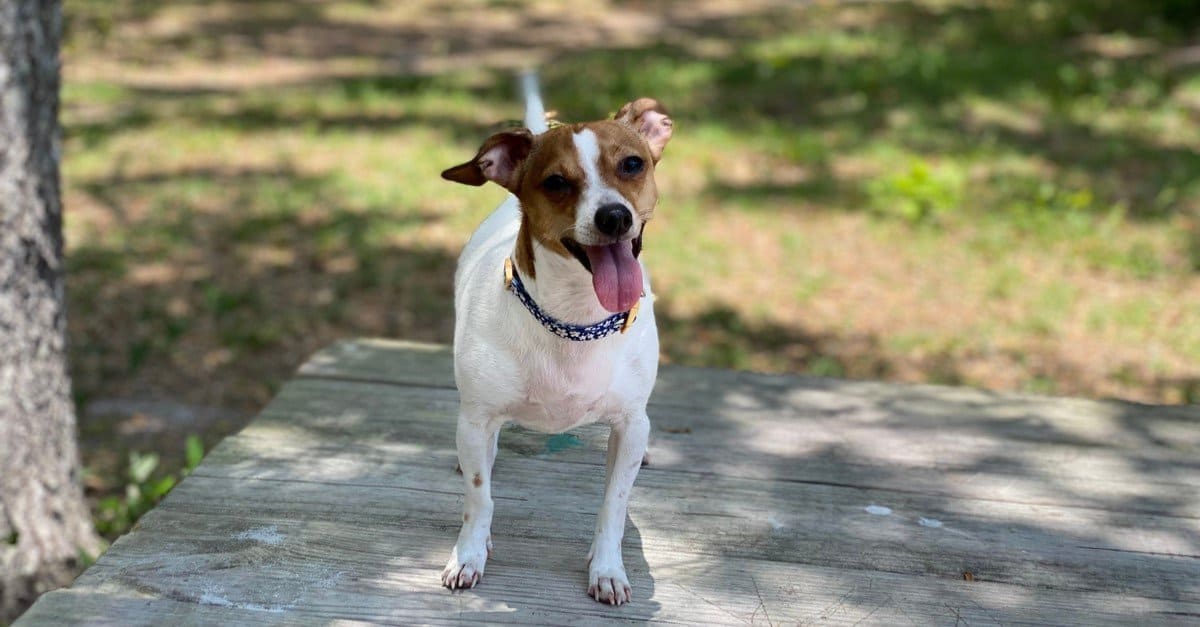
A cute Chiweenie playing in the woods.

A Chiweenie may develop hypoglycemia, so consistent vet visits to screen for this condition are best.

As with most crossbreed dogs, the Chiweenie can come with certain health concerns that every owner should prepare for. Luckily, the right breeding can minimize health concerns, and consistent vet visits can help to prevent or screen for these problems to keep their lifespan long.

Hypoglycemia is a big concern among these hybrid dogs, which is better known as low blood sugar. The dog has a rather small stomach, which is inherited from the Chihuahua. Diabetes is another concern since it can develop with hypoglycemia.

Degenerative disc disease can lead to spine issues and even paralysis. Dachshunds often deal with this issue as well, but that is part of the reason you should be careful with climbing and jumping. These dogs can also suffer from issues with their teeth, metabolism, knees, and joints.

Temperament And Behavior

Chiweenie

The Chiweenie has the funniest name and a charming personality.

The personality of the Chiweenie is rather easy to love. This spunky pup is the perfect size to stay on your lap, though their high energy won’t keep them there for very long. In fact, if you’re looking for a way to entertain them, a game of fetch is much more fun.

Their natural prey drive can lead them to hunt when they side with their Chihuahua breeding. However, they often get their traits from the Dachshund parents. They will alert anyone to anything that brings their attention with immense barking, which some owners don’t appreciate. However, if you want to know anytime someone reaches the door, this small pup is prepared to tell you.

Overall, any behavior that you want to eliminate should be taught out of this dog when it is still a puppy. They have a certain stubbornness to their personality, which can cause difficulty during housetraining. However, they have the desire to please their owners, which can offer a distinct advantage.

How To Take Care Of Chiweenies

The care for a Chiweenie requires many considerations, like any other pet. Adopting a puppy or an adult dog will keep their lifespan long and their personality just as exciting as the day you met them. Check out the tips below to learn about what this hybrid dog needs.

The Best Dog Food
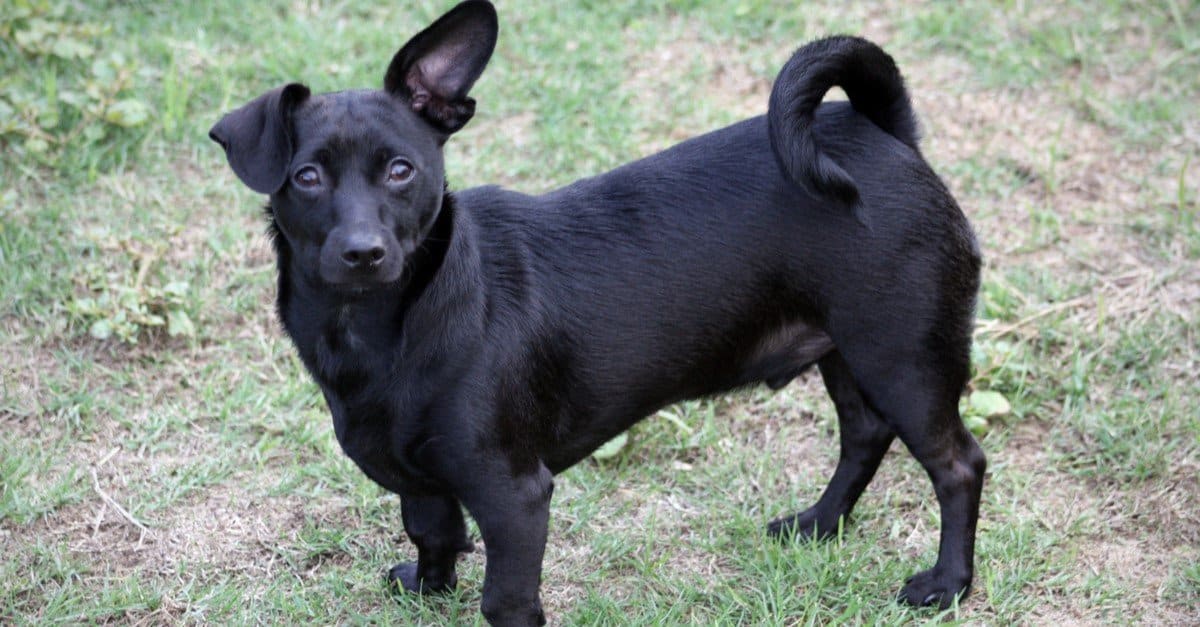
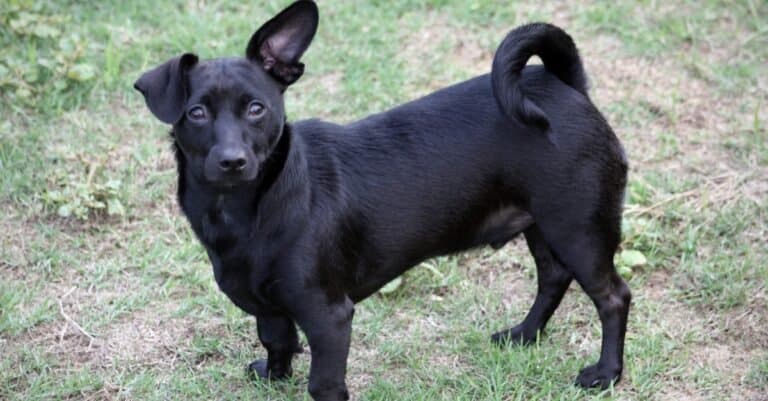
Young, black Chiweenie dog playing outside.

This breed is prone to weight gain, so a consistent feeding schedule is advised.

Ideally, the diet of a Chiweenie requires a balance of protein and high-quality dry food. They are prone to gaining too much weight without the right attention to how much they consume, so a consistent feeding schedule is best. Don’t leave their food bowl out during the day to allow them to graze. Also, to prevent low blood sugar (hypoglycemia), make sure your Chiweenie eats a square meal ninety minutes before exercising.

Since each dog has substantial variations (based on their build and other factors), speak with a veterinarian for more specific instructions.

Maintenance And Grooming

The coat of this hybrid dog will vary, considering that there are two different breeds to consider. The coat is often a blend of the Dachshund and the Chihuahua, which means they can be naturally short or long. If you suffer from allergies, the best choice will probably be a shorter coat, but grooming is easy for both.

Brushing weekly is the best way to keep it detangled and to prevent too much shedding. During wintertime, most Chiweenies will have to wear some type of sweater or coat to keep them warm. The Chiweenie also needs some layer of protection on its ears and nose, like sunscreen, when it is out in the summer and spring sunlight.

Training

As fun as it might be to own a Chiweenie, it is not easy to train. This pup comes from two fairly stubborn breeds, and they are quite independent. Taking the time to train a Chiweenie when it is still young gives you a better chance of getting some of this training done.

If the owner is just as energetic and enthusiastic, they may be a good match.

Exercise
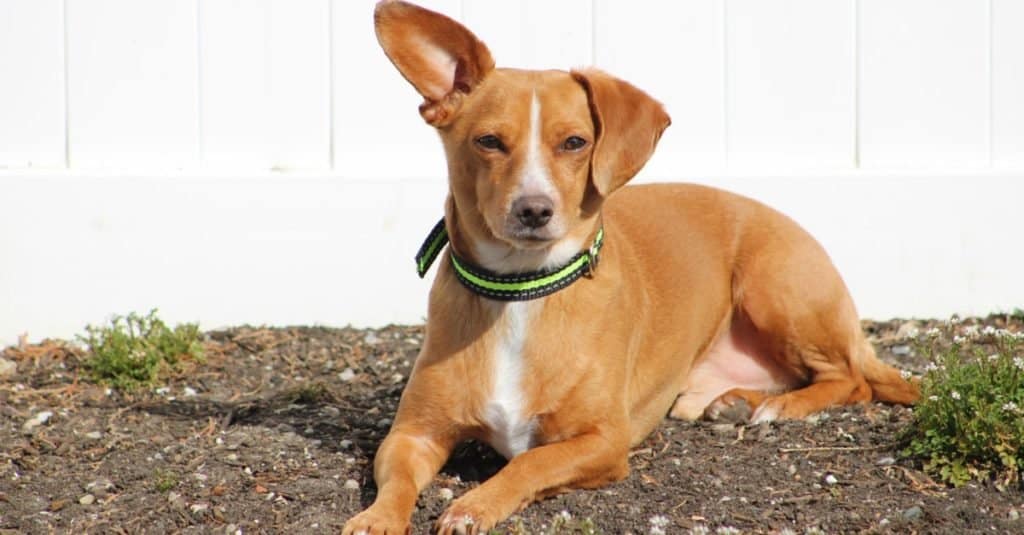
small pet dog - Chiweenie

The Chiweenie is energetic, and while it doesn’t need too much exercise, should still get daily walks to prevent weight issues.

The Chiweenie is small and rather energetic, but they don’t need much exercise. Don’t put this dog in situations that can be hard on its spine, like jumping or climbing. Still, they are playful, so playing fetch or catch with the right-sized toy can be quite fun. Plus, the extra activity with your new puppy will offer a great time to bond.

Their small size makes the dog a great companion in apartments, but they will need to go on walks often to prevent weight issues.

Puppies

The puppies are extremely small and delicate, even when they are fully grown. This crossbreed must be fed the proper diet to thrive, though they will only need a fraction of what they have as an adult.

Since this animal is so tiny when it is still a puppy, it is important to protect them from high ledges and stairs that it may fall from.

Tiny Chiweenie puppy lying on a gray sofa.

Chiweenie puppies are extremely small and delicate, even as adults.

Chiweenie And Children

Though there are plenty of dogs that do well with children, this pup may not be the best option. These types of dogs need to be trained well, and they don’t love to be overhandled when they are not accustomed to children. They have something of a “small dog” complex, and they don’t want to be cornered or picked up without feeling comfortable.

Typically, because they are so small, they become rather aggressive in their own defense to prevent children from picking them up. If you choose to bring this breed into the home, make sure to always monitor your children around them to prevent any unfortunate accidents.

Dogs Similar To Chiweenies

If this hybrid dog isn’t the right dog for you, there are a few alternatives that could work out perfectly for you. Consider the dachshund, chihuahua, or Brussels griffon.

  • Dachshund: Dachshund is one of the two breeds that make up the dog. It loves to hunt and is a great show dog.
  • Chihuahua: The Chihuahua is the second breed that the dog comes from, offering a playful attitude and a big personality.
  • Brussels Griffon: The Brussels Griffon offers a similarly small build to the dog, and it is closely related to the pug.

Famous Chiweenies

While the hybrid has yet to become more famous in movies and television, one particular pup has made quite an appearance on social media — Tuna. Tuna already has millions of followers, and he was born in 2010.

The breed is still fairly new, so there aren’t any recorded versions in history or as celebrity pets, but that may change as their popularity rises.

View all 395 animals that start with C

Sources

  1. Dogtime / Accessed September 4, 2021
  2. Pet Guide / Accessed September 4, 2021
  3. Perfect Dog Breeds / Accessed September 4, 2021
  4. Dog Breed Info / Accessed September 4, 2021
  5. Daily Paws / Accessed September 4, 2021
  6. Pet Side / Accessed September 4, 2021
  7. Ready.Set.Puppy / Accessed September 4, 2021
Melissa Bauernfeind

About the Author

Melissa Bauernfeind

Melissa Bauernfeind was born in NYC and got her degree in Journalism from Boston University. She lived in San Diego for 10 years and is now back in NYC. She loves adventure and traveling the world with her husband but always misses her favorite little man, "P", half Chihuahua/half Jack Russell, all trouble. She got dive-certified so she could dive with the Great White Sharks someday and is hoping to swim with the Orcas as well.
Connect:

Thank you for reading! Have some feedback for us?


Chiweenie FAQs (Frequently Asked Questions)

For people who have plenty of time to spend with the dog during the day and stay home often, these dogs can be an excellent choice.