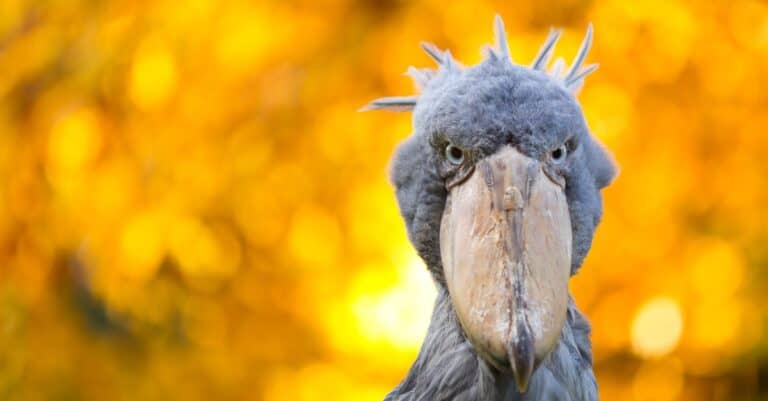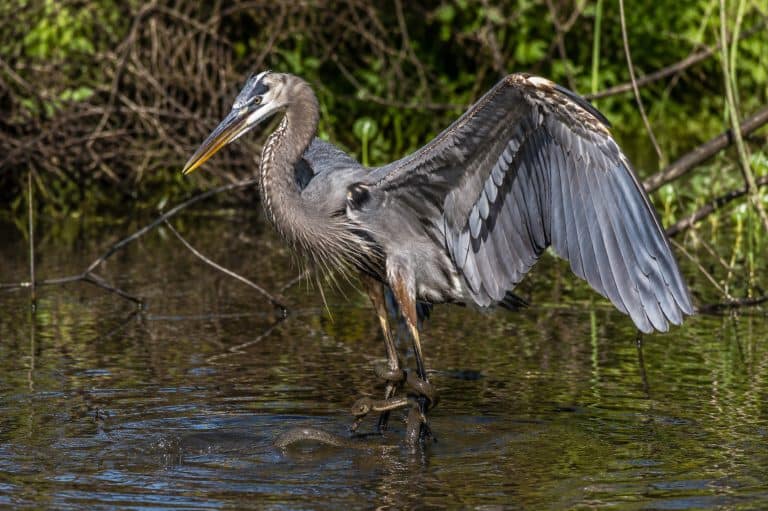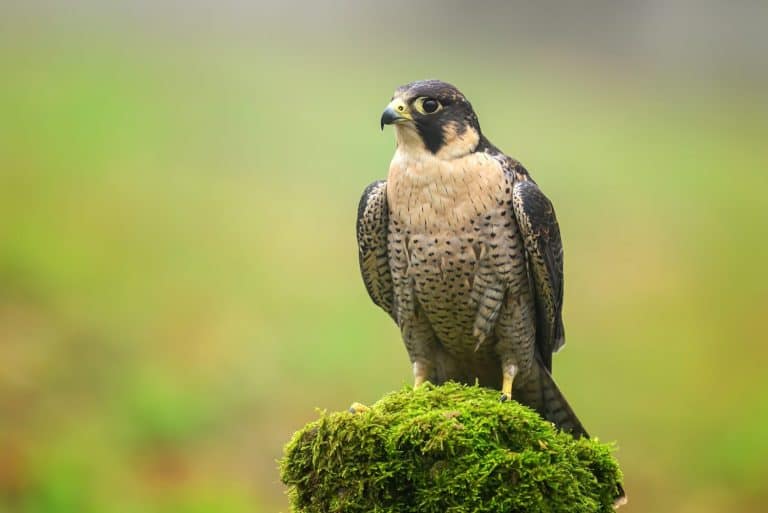

Though storks and herons look similar, they differ in several key ways. Surprisingly, these look-alike birds belong to different families. The stork belongs to the Ciconiidae family, while the heron belongs to the Ardeidae family. The key differences between storks and herons are in their physical characteristics, distribution and habitat, social behaviors, and diet. Continue reading to discover more about what sets these two birds apart.
Physical Characteristics
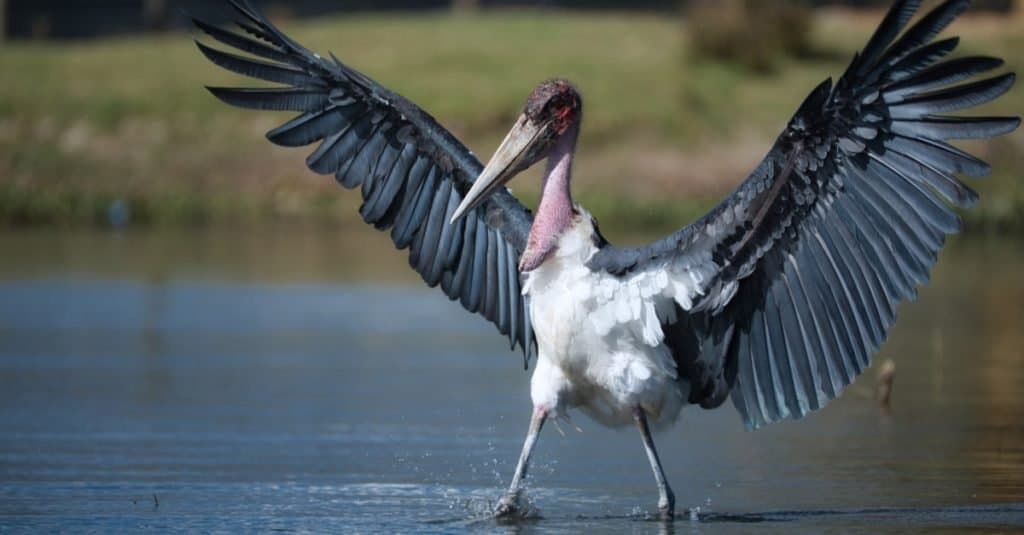
The stork is larger than the heron.
©Blount Photography/Shutterstock.com
Storks and herons are similar in size, but storks are generally slightly larger. Storks measure 39 to 49 inches in height, 6.2 to 7.3 lbs in weight, and have a wingspan of 86.6 to 126 inches. Herons measure 34 to 55 inches in height, 3.3 to 6.6 lbs in weight, and have a 66 – 91 inch wingspan.
Stork bills are typically large, thick, and pointed. While heron bills are also pointed, they are generally more slender, dagger-shaped. These differences reflect their distinct feeding methods: herons use their bills as spears, while the stork’s larger bill allows it to catch a wider variety of prey.
Storks are typically white with black flight feathers and red bills and legs, though coloration varies among the 20 different recognized species.
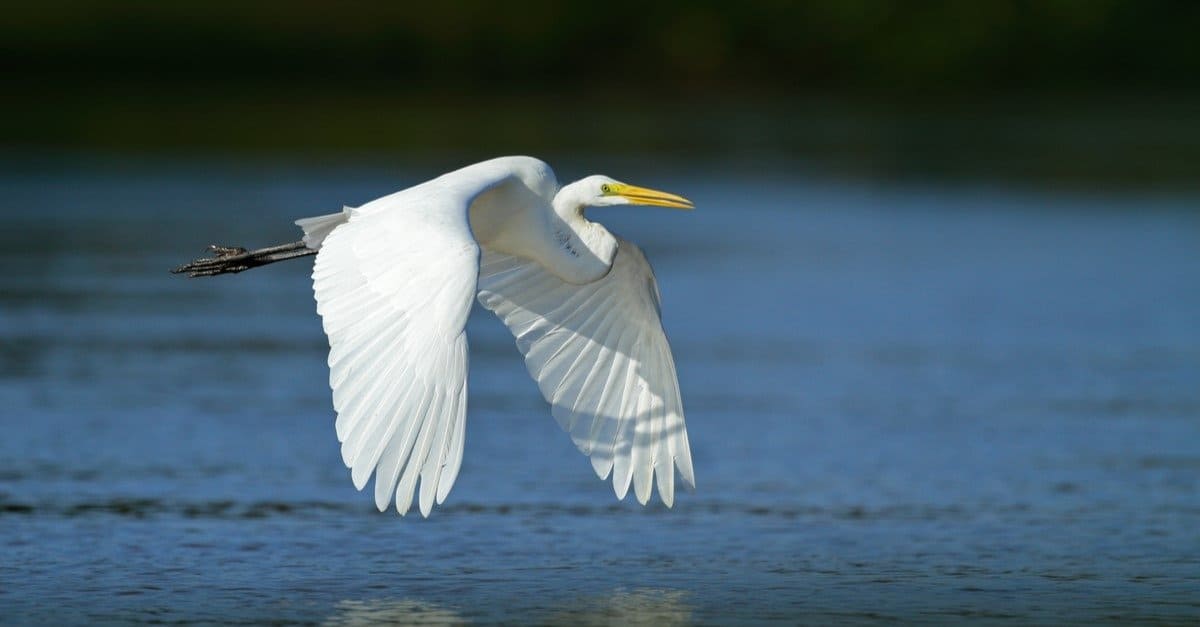
Herons also display a variety of colors. Their plumage is often a mix of blue, black, brown, gray, or white. The great blue heron (Ardea herodias) is bluish-gray, while a great egret (Ardea alba) is all white. The tricolored heron (Egretta tricolor) is a mix of blue-gray and white with a reddish-brown back
Distribution and Habitat
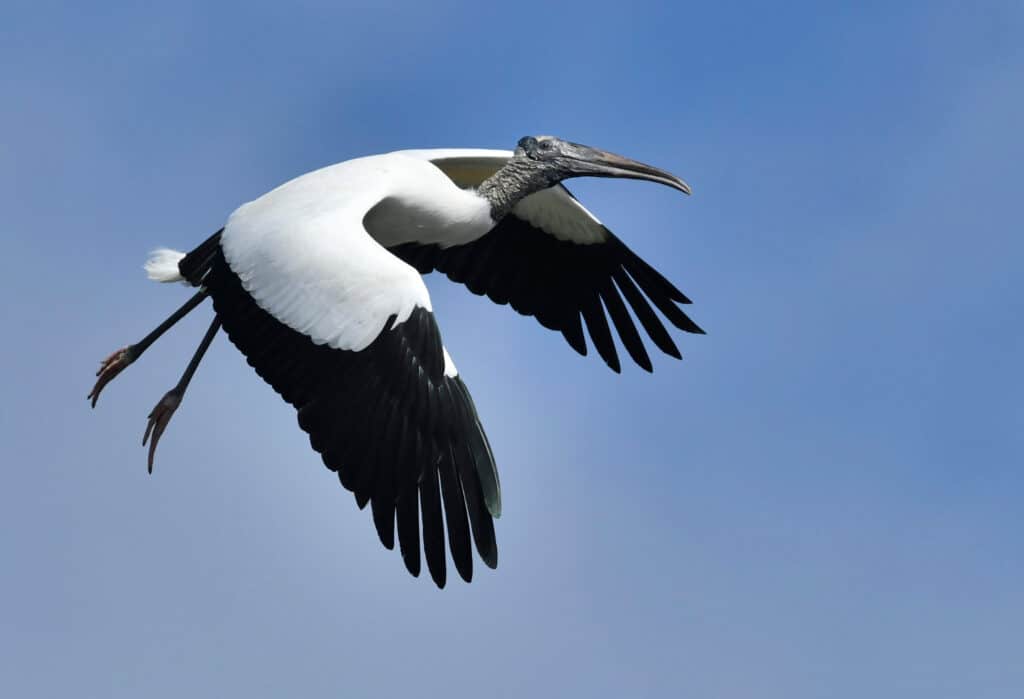
Wood storks are huge birds with a 6-foot wingspan.
©Breck P Kent/Shutterstock.com
Storks are found in tropical and subtropical regions on all continents except Antarctica, with their greatest diversity in tropical Asia (eight breeding species) and sub-Saharan Africa (six breeding species). They are commonly found in wetlands, marshes, savannas, and grasslands near open water, though some species may also inhabit forests and drier, open areas. Several stork species are migratory and move to warmer climates during colder months. Herons are found on every continent except Antarctica. They live near shallow water such as lakes, rivers, ponds, marshes, swamps, and coastlines, as they are wading birds that feed on aquatic life.
Social Behavior

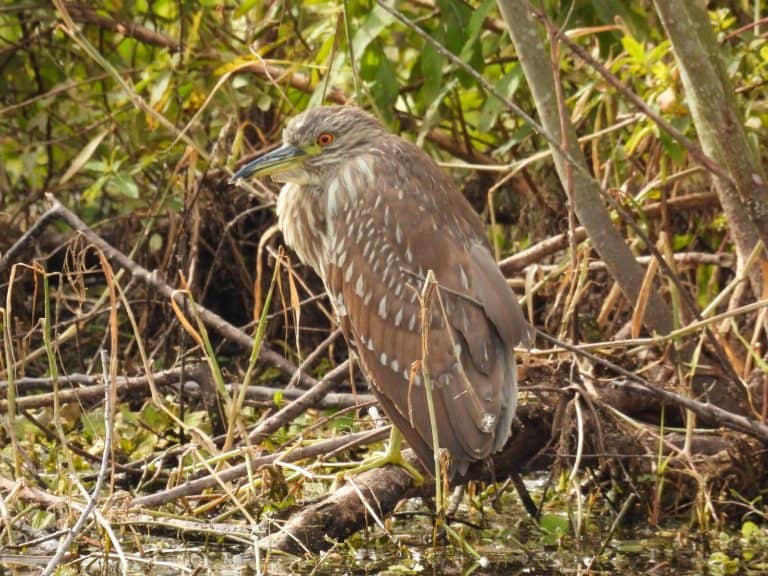
Herons are solitary birds that are highly territorial.
©Nycticorax nycticorax/Shutterstock.com
Storks form loose colonies during breeding season and gather in large flocks for migration and cooperative foraging. Communication among storks is vital and often involves bill-clattering and elaborate displays. Young storks may follow more experienced flock members to learn migration routes, and older storks in a colony often occupy higher-quality nests. Male and female storks work cooperatively building nests. The nests are typically constructed of sticks and mud and are built to be reused over the years.
Herons form communal nesting colonies called heronries for protection, but exhibit more solitary behavior outside of breeding season. While nesting, they engage in elaborate courtship rituals. Once paired, the female builds the nest while the male stands guard over the territory. The nest is made from sticks, moss, grass, and pine needles, and can be built in various locations, including trees, bushes, or on the ground.
Diet
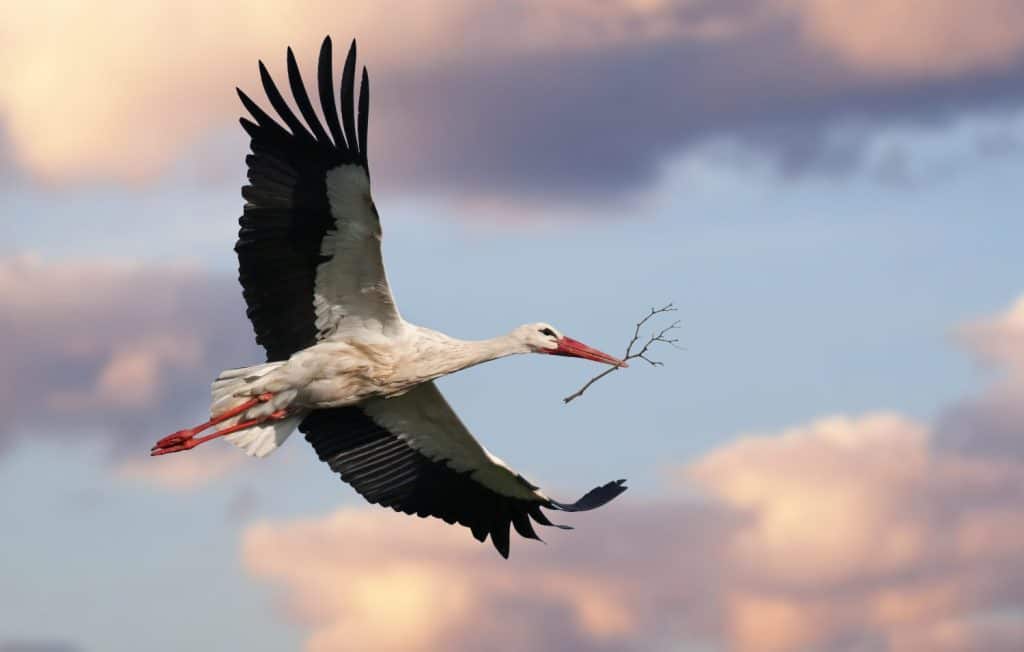
A white stork (Ciconia ciconia) carries a twig for nest building.
©Fercast/Shutterstock.com
Storks are carnivorous, opportunistic feeders that eat a variety of animals, including frogs, fish, insects, earthworms, and small mammals. Their diet varies greatly depending on what is available in their environment. They hunt by wading in shallow water or foraging on land, using their keen senses of smell and touch to find prey.
Some storks use their strong beaks to stab and kill prey such as fish, snakes, and even baby crocodiles.
Herons are also carnivores that eat fish, but their diet includes a variety of other animals such as insects, amphibians, crustaceans, and small mammals. Herons are skilled hunters that typically stand motionless in shallow water before striking with their long beaks to catch prey.