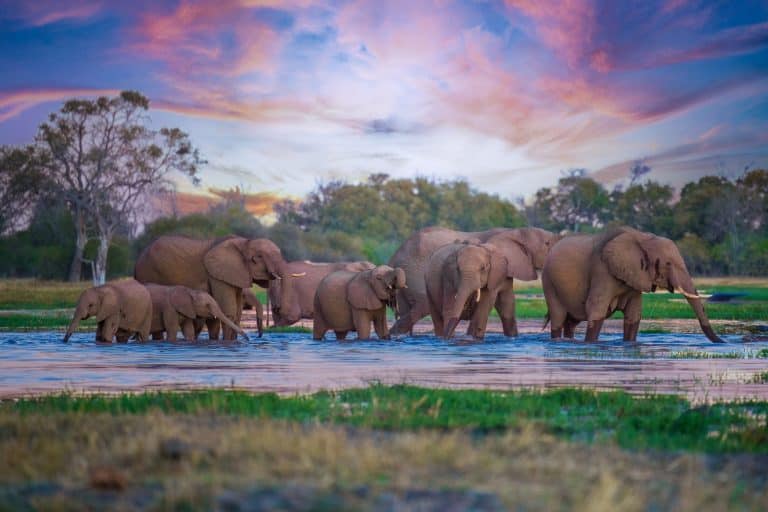
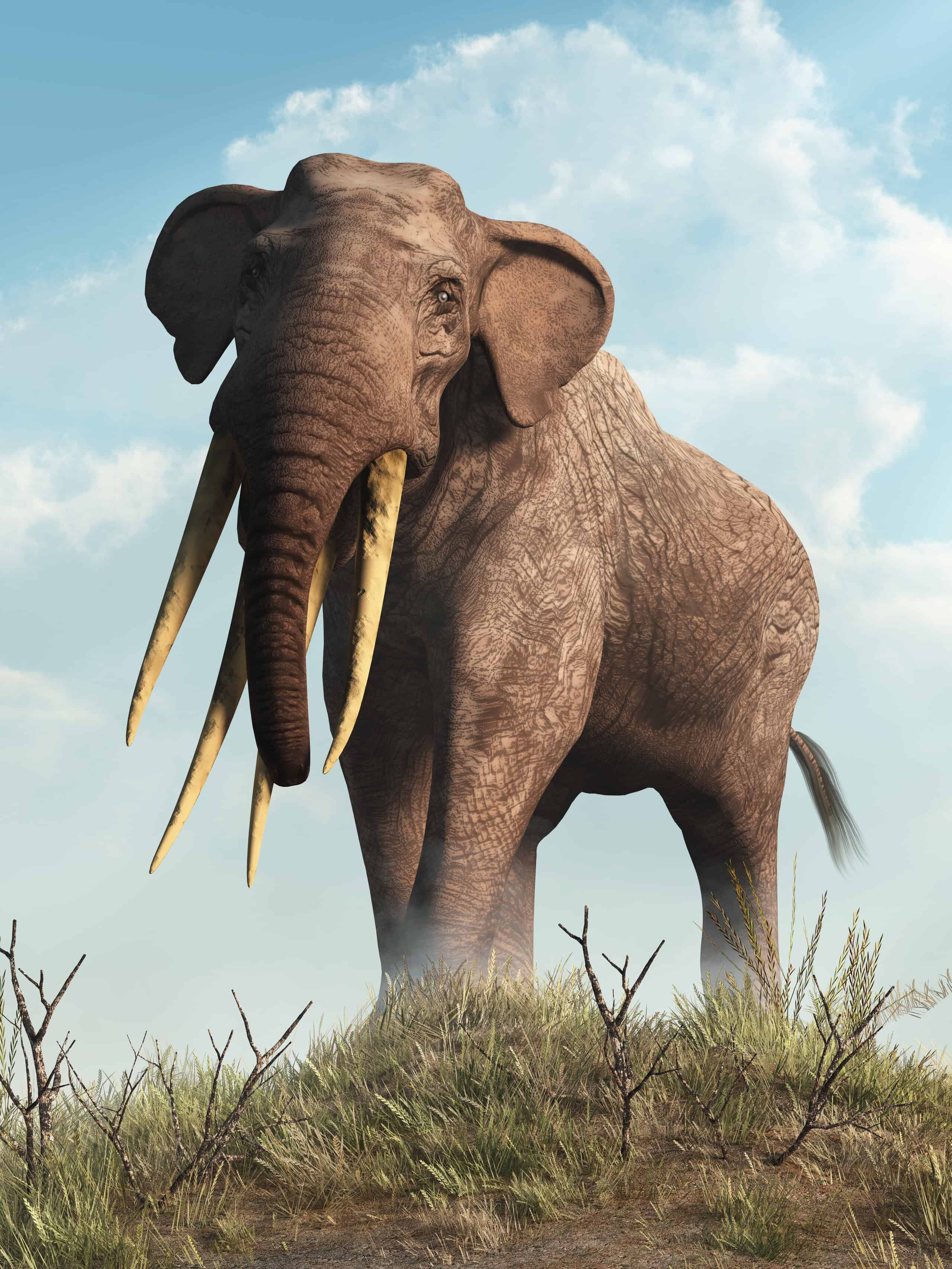
Even after the extinction of the dinosaurs, a group of giants roamed the Earth. Among these prehistoric mammals were the gomphotheres, the ancient cousins of modern-day elephants. Though existing 34 million years ago, the huge animals looked extremely similar to elephants of today. However, they featured four elongated tusks, which emerged from their jaws. Despite this intimidating appearance, these massive creatures were just as gentle as the elephants we know and love today.
Gomphotheres inhabited widespread regions of the globe, surviving in marshes, forests, and grasslands. Fossil evidence reveals they lived on every continent except Antarctica and Australia. Originally occupying Africa, they migrated to Eurasia, North America, and South America. Across species, trunk size varied, with some having shorter, tapir-like trunks, and others having long flexible trunks like modern day elephants.
Despite missing the extinction event that wiped out the dinosaurs, gomphotheres eventually went extinct roughly 11,700 years ago. The factors leading to their demise included dwindling food sources, climate change, and tribal hunting. Early tribes likely hunted these animals for food, and fossils located near prehistoric weapons help to support this assumption. This slideshow reveals how gomphotheres once thrived across the planet, their defining features, and why they no longer exist.
What Is a Gomphothere?
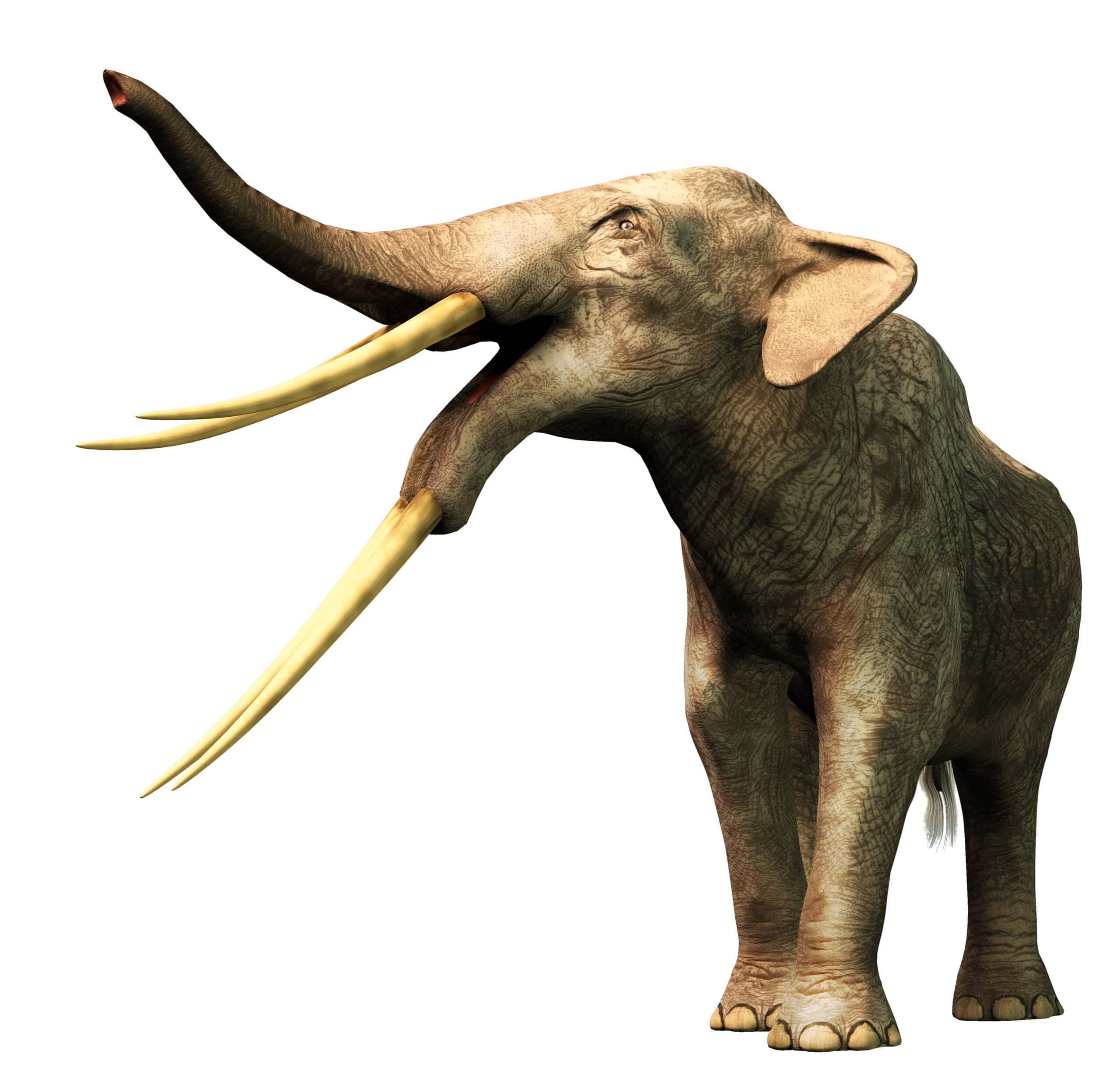
©Daniel Eskridge/Shutterstock.com
- Gomphotheres were massive, prehistoric mammals resembling elephants.
- They lived from about 34 million years ago until around 11,700 years ago.
- Unlike elephants, gomphotheres had four tusks instead of two.
Appearance and Features
©Daniel Eskridge/Shutterstock.com
- Gomphotheres had trunks like elephants, though some were shorter and more rigid.
- They had two upper tusks and two lower tusks used for defense and feeding.
- Their jaws and teeth evolved to handle tough vegetation.
Diet and Feeding
©iStock.com/johan63
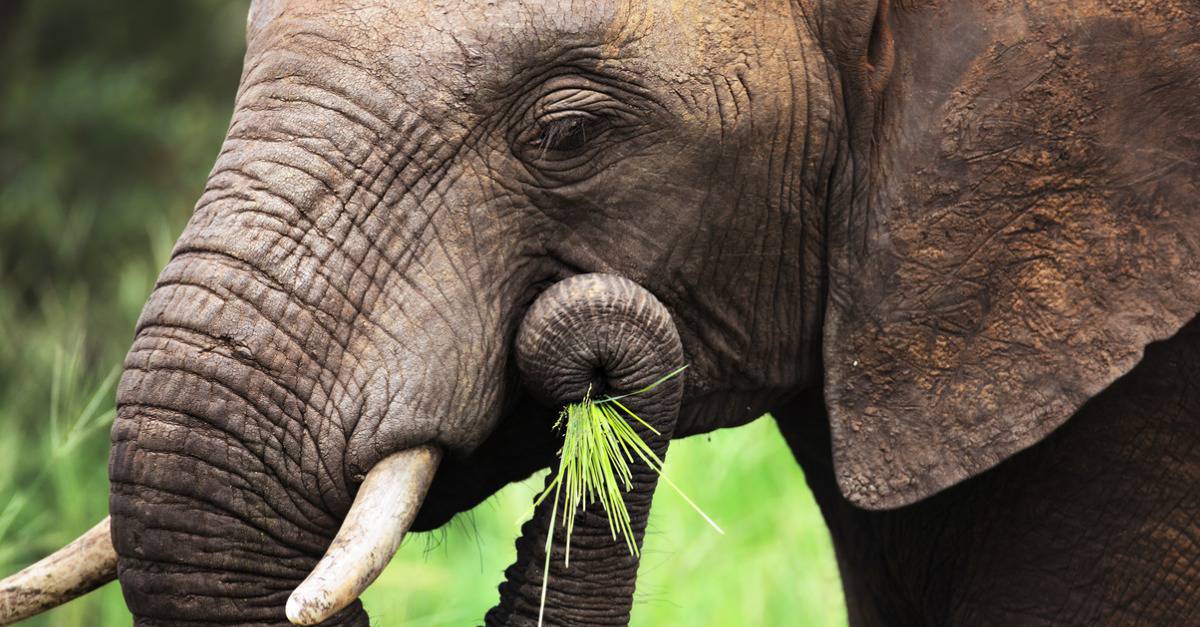
- These giant herbivores fed on grasses, marsh plants, and other vegetation.
- Their tusks and jaws were adapted for scooping and chewing tough plants.
- Some species likely chewed with a sideways jaw motion to break down food.
Habitat and Range

©Ricardo Reitmeyer/Shutterstock.com
- Gomphotheres lived in grasslands, forests, and marshes across many continents.
- They thrived in Africa, Eurasia, and the Americas, migrating via land bridges.
- Fossils suggest they adapted to diverse landscapes over millions of years.
Human Interaction

©iStock.com/gorodenkoff
- Early humans, such as the Clovis people, hunted gomphotheres for food.
- Fossils found near weapons provide evidence of human hunting activity.
- These interactions contributed to their decline in some regions.
Fossil Discoveries
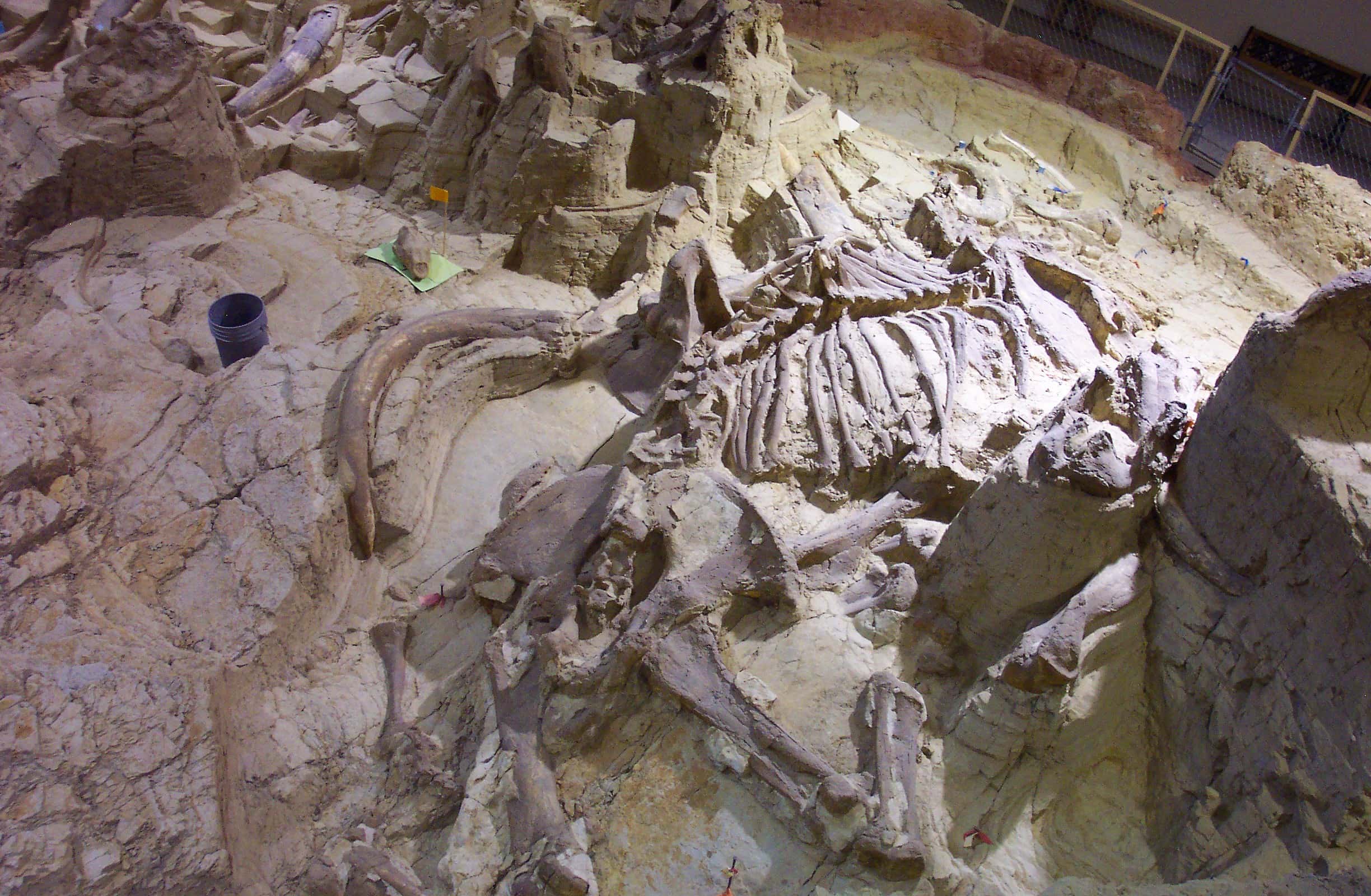
- Fossils have been found in Africa, Europe, Asia, and the Americas.
- Evidence includes jawbones, teeth, and tusks that reveal diet and structure.
- Key discoveries in Mexico show humans and gomphotheres coexisted 11,500 years ago.
Extinction

©iStock.com/Denis-Art
- Gomphotheres went extinct gradually, likely due to food scarcity and climate change.
- Hunting by early tribal humans also accelerated their decline in numbers.
- The last evidence of them dates to around 11,700 years ago in Eurasia.
Similar Animals

©Dmytro Gilitukha/Shutterstock.com
- Modern elephants are distant relatives, with only two tusks instead of four.
- Mammoths lived during the same period and shared tusks and trunks.
- All are part of the Proboscidea order, which includes trunked mammals.