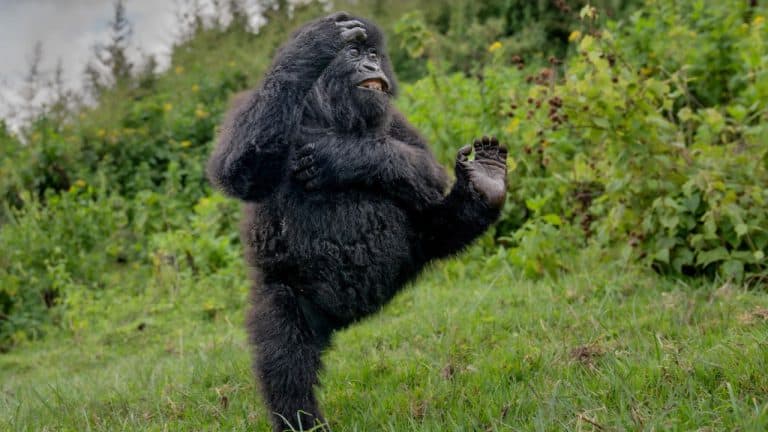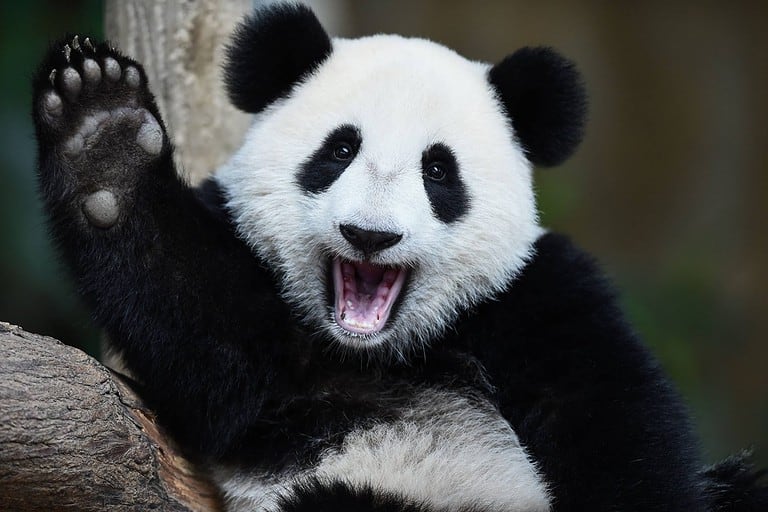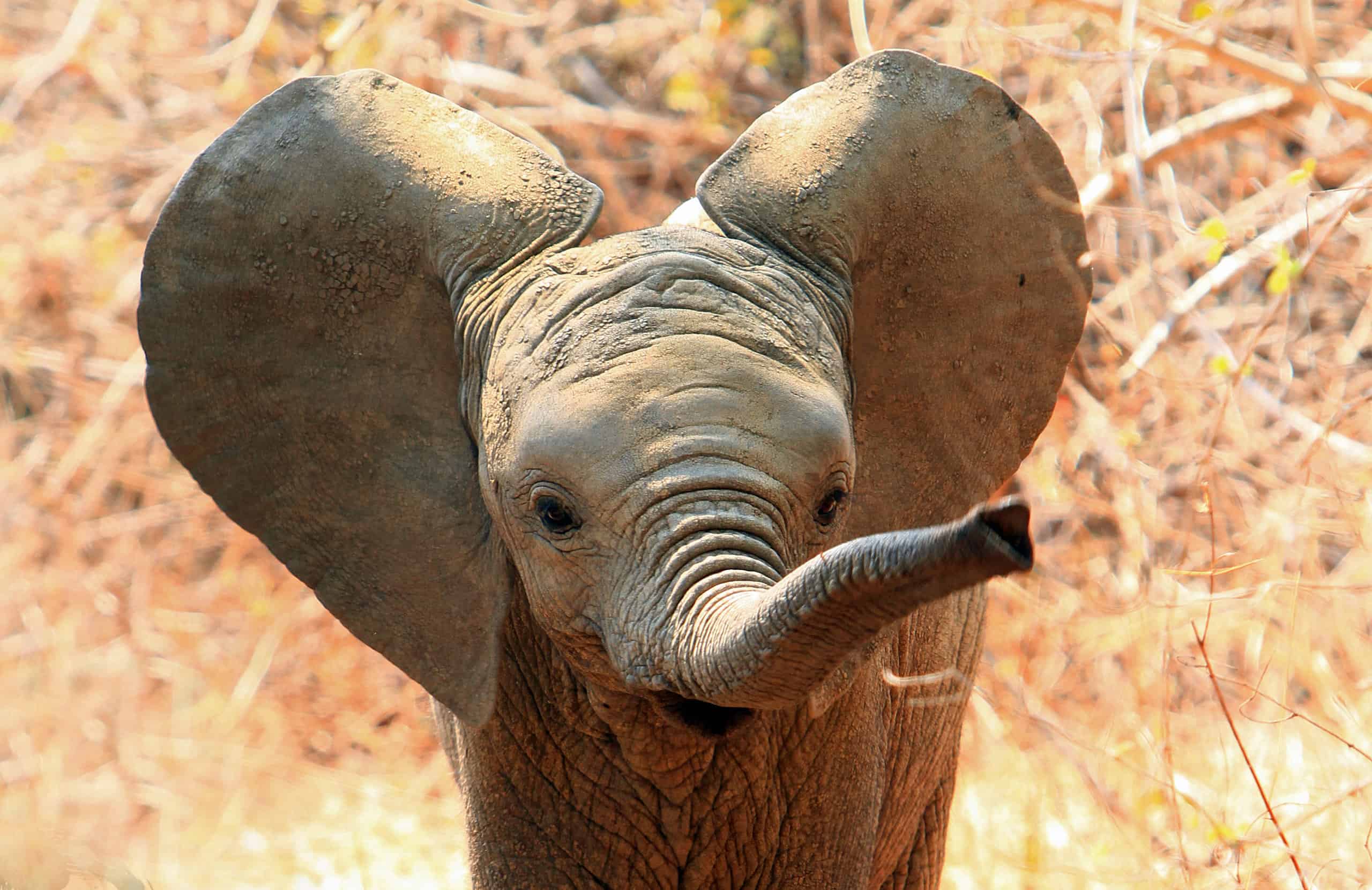

When you think of a baby throwing a tantrum, cuteness doesn’t generally come to mind. They’re likely in distress or simply upset that someone would let them eat paste. When it comes to baby animals throwing a tantrum, it’s just about the cutest thing in the world!
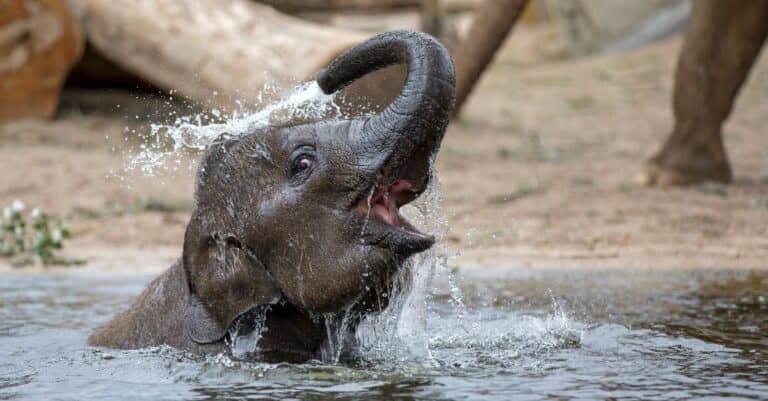
This Baby Elephant is Too Cute
©Martin Mecnarowski/Shutterstock.com
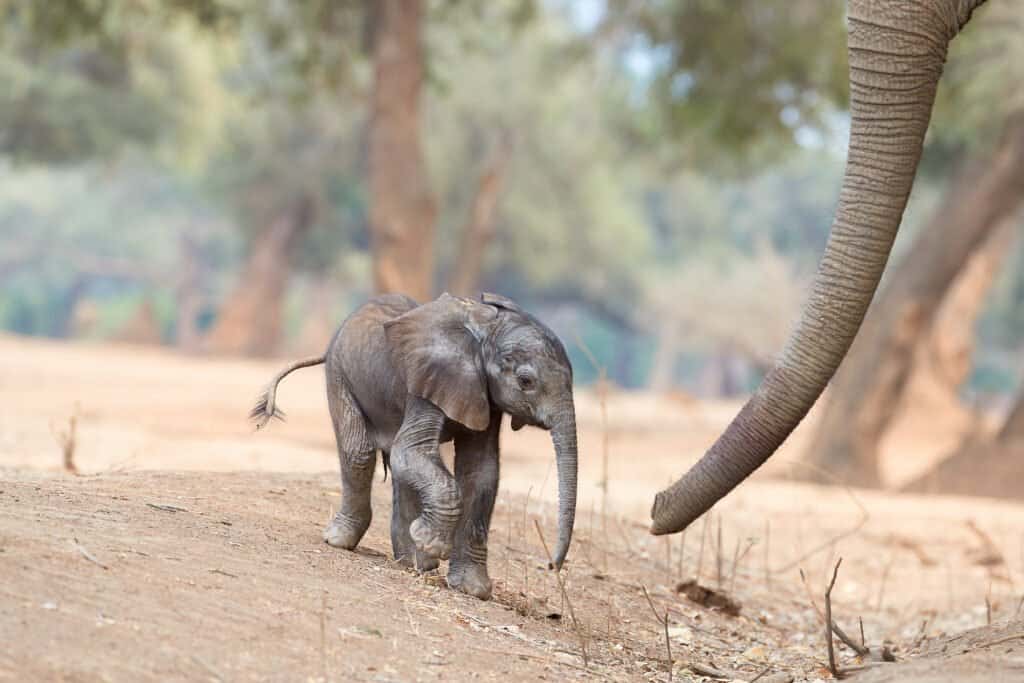
A visitor caught an adorable young elephant having a fit near a dirt road. While we can’t tell what caused this outburst, we’re glad someone was recording!
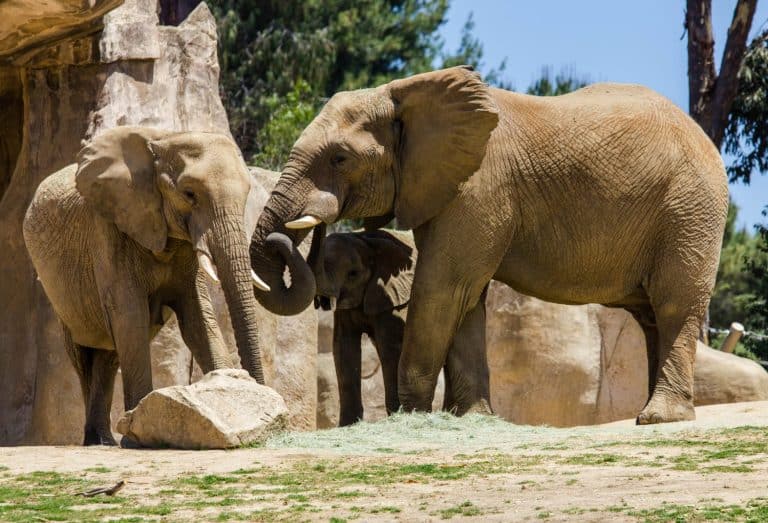
Young elephants start to learn how to feed and drink using their trunks around the six to eight-month mark. By the age of a year, they are fairly adept at controlling their trunks and, like mature elephants, use them for grabbing, feeding, drinking, and cleaning. Male elephants begin living alone at around the age of 12 to 14, while females remain with the herd for the rest of their lives.
A comment on this adorable video mentions they think the young one isn’t throwing a tantrum at all. In fact, they believe they’re enjoying scratching themselves and playing near the gravel trail. Who knows- either way, it’s cute!
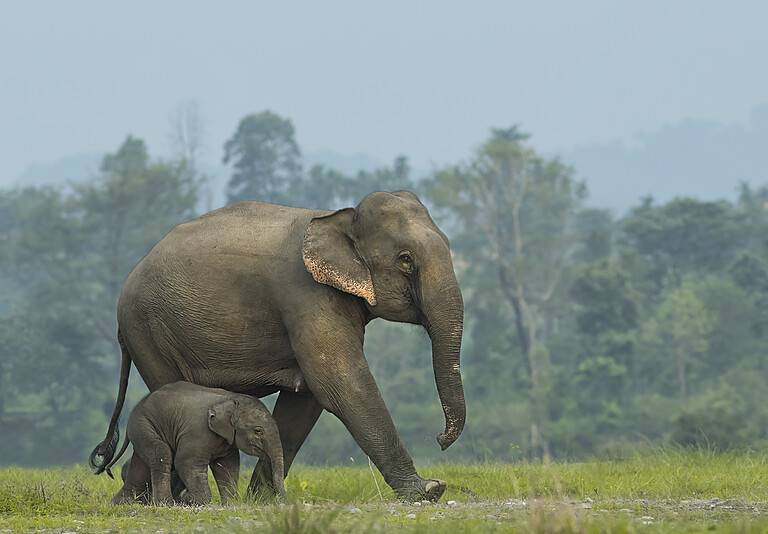
Baby Elephant Behaviors
©Mogens Trolle/Shutterstock.com
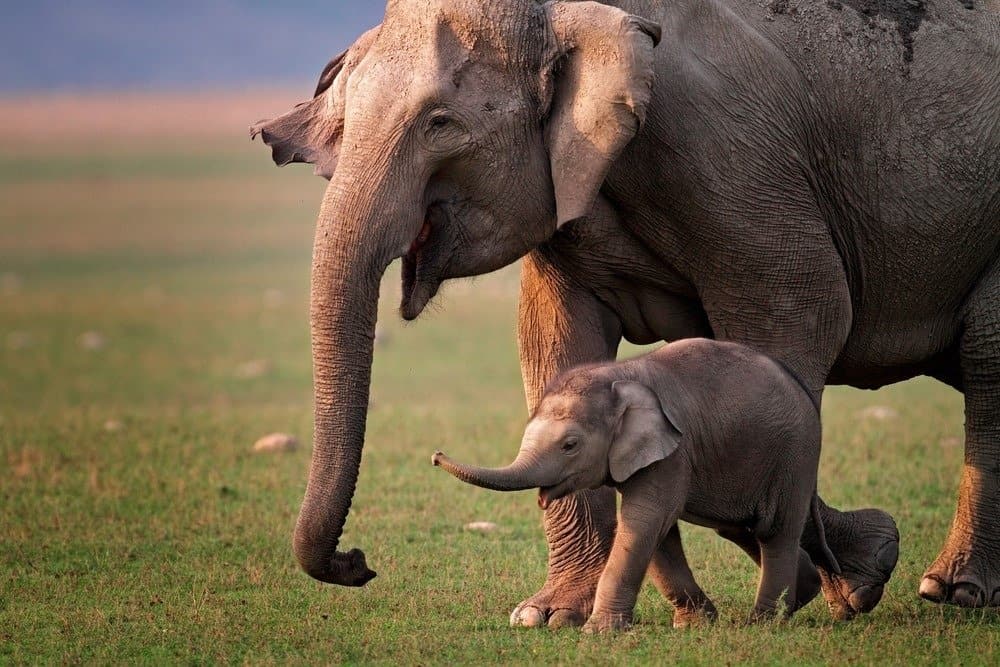
Young elephants are frequently observed imitating their elders; this is how they develop and help enhance their own personalities. Additionally, they are highly playful and won’t think twice about charging a car that comes near them.
Today, guests frequently find this to be quite humorous, and guides take pleasure in it as well because they always stay a safe distance when taking tourists toward these animals. Experts who are familiar with animal behavior can distinguish between amusing behavior and conduct caused by pressure or threat.
Young elephants are frequently observed acting oddly, such as inserting their trunks into the mouths of their more senior relatives, consuming the manure of other elephants, and attempting to pick up objects. Now, most of this might sound strange, but there is a rationale for everything. Elephant calves still have to learn how to navigate the bush. These are all factors that go into that.
People frequently assume that playing is something that one does for fun rather than learning vital life skills like hunting, mating, and avoiding predators. Although it is enjoyable for all parties involved as well as for onlookers, play behaviors emerged as ritualized versions of survival skills required later in life, giving the chance to hone those abilities.
Watch This Adorable Baby Elephant For Yourself
Play gives animals a safe space to try out novel actions without worrying about negative repercussions. They can explore a wide range of possibilities thanks to the unwritten rules of having a tantrum like this little fella.