
Quick Take
- Elephants respond to their own 'name' and ignore calls meant for others, a fact scientists proved with a clever experiment you won't see coming. See the experiment →
- Adopted parrotlet chicks learn a completely different set of vocal identities than their biological siblings, a finding that reveals something profound about how names actually work. Explore parrotlet naming →
- Male dolphins who spend time together gradually do something unexpected with their names, which hints at a social bond far deeper than scientists anticipated. Discover dolphin name-sharing →
- Language was supposed to be humanity's defining trait, yet a growing body of animal research is quietly dismantling that assumption. See what research reveals →
There are many aspects of life that humans consider to be uniquely their own. We tend to view ourselves, as bipedal apes, as more exceptional than we may actually be. Take names, for example. Every human being has a name. Experts believe our unique call signs developed in tandem with our complex social groups. Differentiating and remarking upon the various members of large groups requires names. However, it turns out that names might not be entirely human constructs.
Many animal species seem to use specialized sounds that are analogous to names. Green-rumped parrotlets, for example, learn specific vocal calls from their parents during their first few weeks of life. Remarkably, foster parrotlets learn the calls of their foster parents instead of their biological parents. This not only suggests that naming is important in the animal kingdom, but also that it serves a clear social function. Let’s learn more about the naming process that occurs among a wide range of species, why it happens, and how scientists have figured it out.
Continue reading
Call Me By My Name
Extensive research and recording have shown that many animal species use names for each other.
©Danita Delimont/Shutterstock.com
To have a name is to inhabit an identity. In many ways, names are the anchoring point from which all other aspects of our personal identities spring forth. And yet, on a definitional basis, human names are abstract, idiosyncratic, and untethered to physical reality. Since most babies are given names just before or at birth, these names are not usually tied to anything specific, concrete, or physically observable. Perhaps these abstract naming designs helped us inhabit large, intricate social groups.
Scientists believe that naming functions in other animal species operate along similar lines to those in humans. Solitary or less social animals usually have little need for names. However, animals that live in large, sometimes mobile, social groups need a way to both stand out and recognize one another.
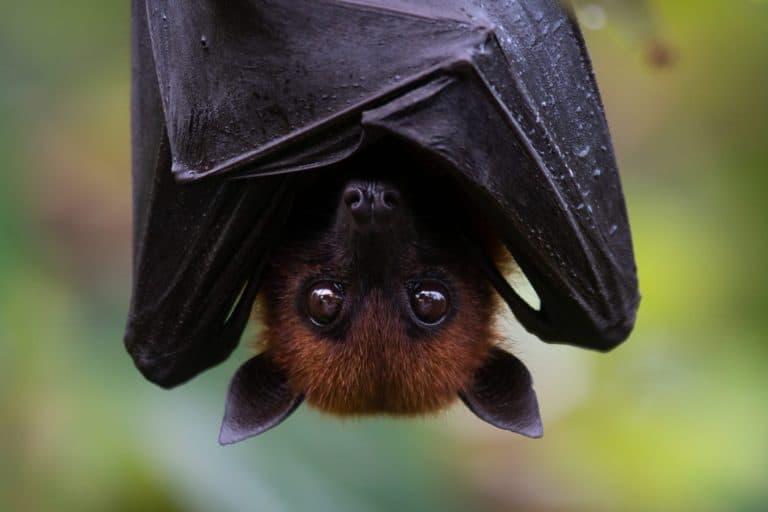
In the last few decades, careful observation has led scientists to suggest that naming is a very real aspect of many social animals’ lives. Creatures like bottlenose dolphins, marmosets, and even Egyptian fruit bats rely on acoustic signatures and vocalized naming devices to address each other. However, perhaps the most well-studied use of names comes from the study of African elephants.
Elephant Names
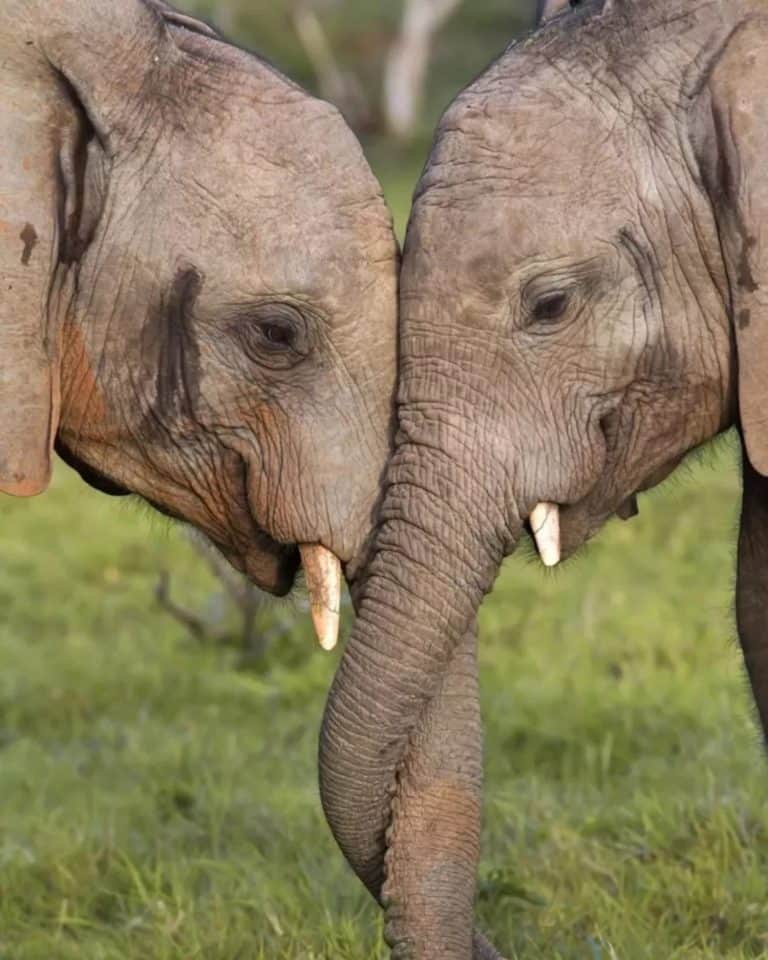
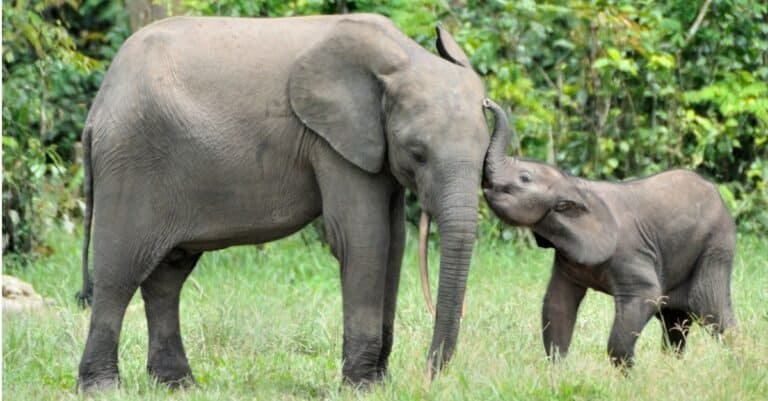
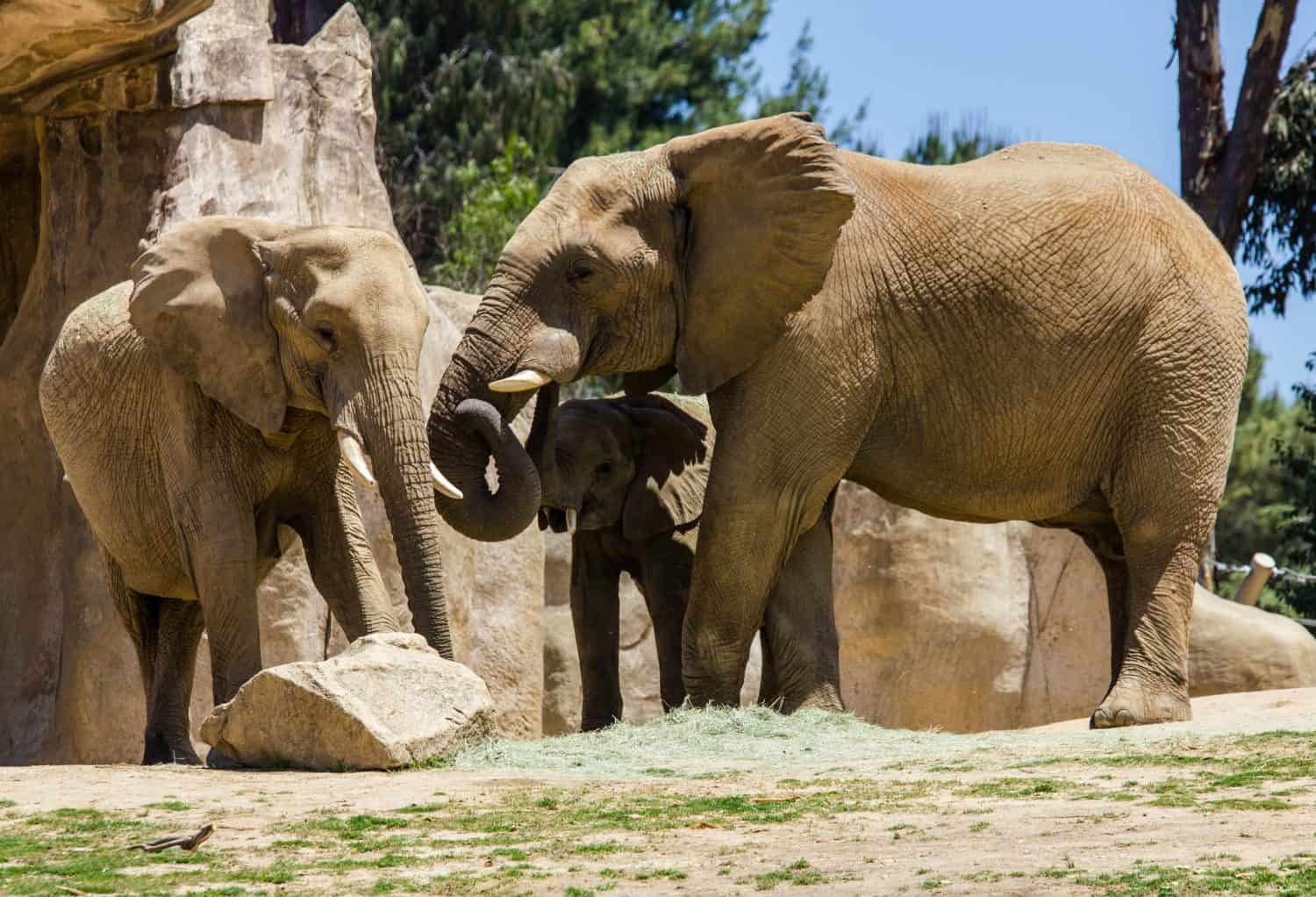
For the past few decades, scientists have closely studied the wild elephants that live in Kenya’s National Parks. They watched their movements, studied their behaviors, and meticulously recorded the sounds they made. Researchers classified each aspect of the elephant rumbles: who made the call, how nearby herd members responded, and who the call was intended for, based on physical cues.
This produced a set of 469 elephant rumbles or calls, each clearly identified by sender and receiver. Using AI models, the researchers analyzed the sounds along more subtle, frequency-based lines. The result was a new understanding of just how specific and directed elephant rumbles and calls actually were.
Then, to test their findings, the researchers played the recordings of rumbles back to the elephant herds. More specifically, they played one call directed at a particular individual and another call directed at a different elephant. Remarkably, calls made for certain elephants caused those elephants to respond or approach. Meanwhile, calls for other elephants were routinely ignored. This demonstrated that naming functions are encoded in the subtle variations of elephant vocalizations.
Other Animals and Their Names
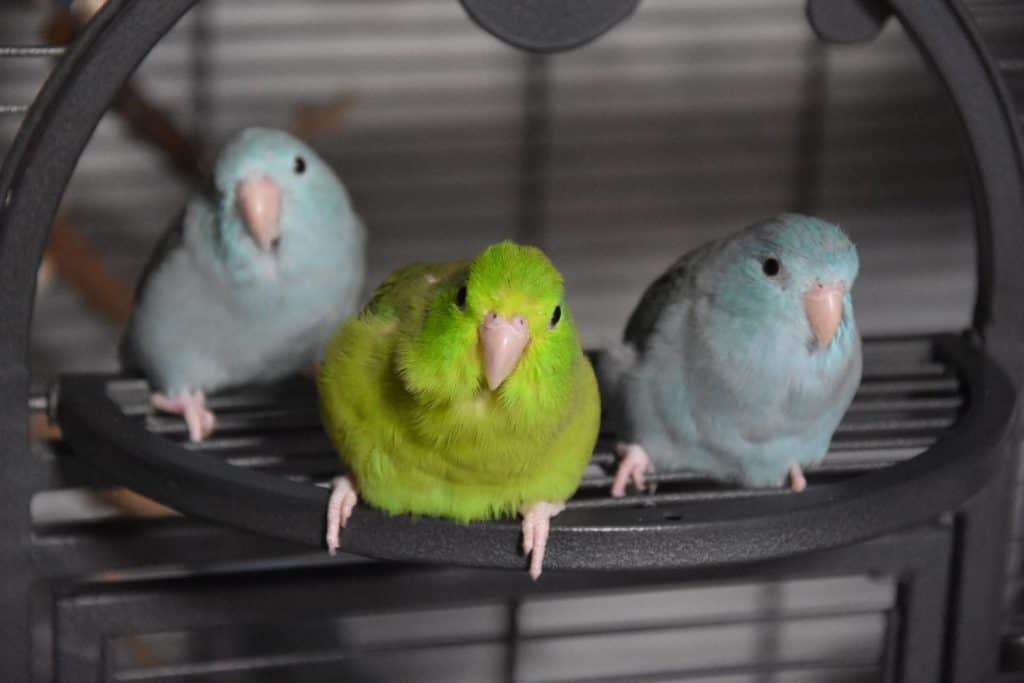
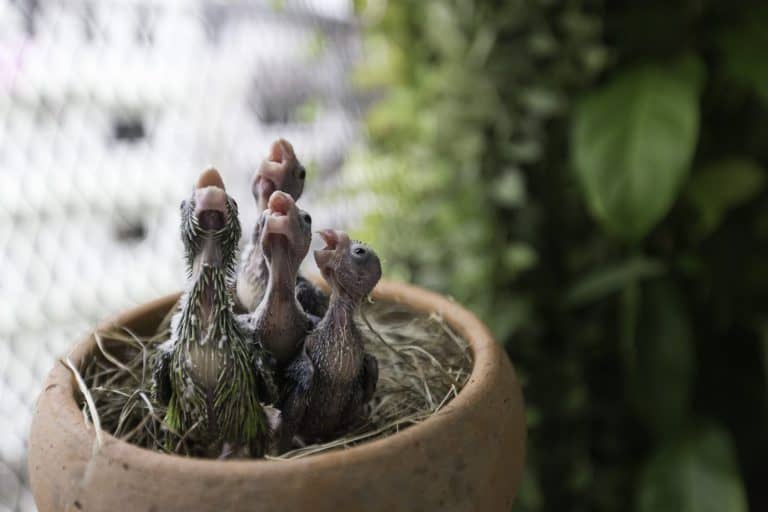
Parrotlet chicks raised by foster parents learn their foster parents’ vocalizations rather than those of their biological parents.
©Andrej Jakubik/Shutterstock.com
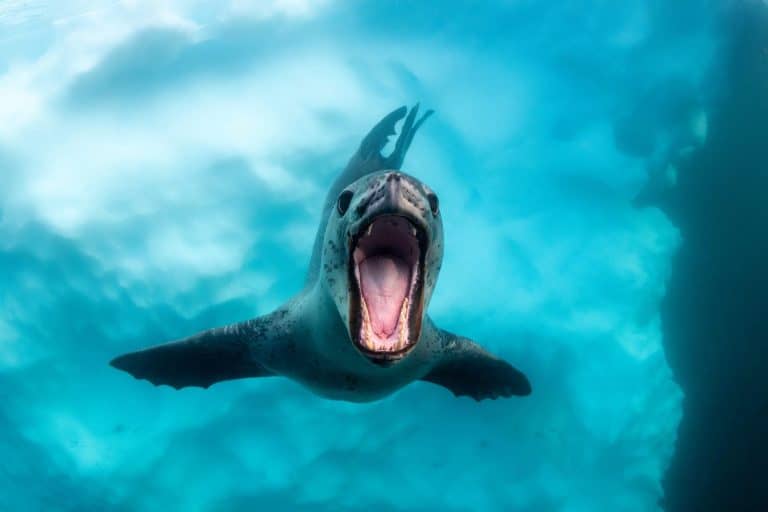
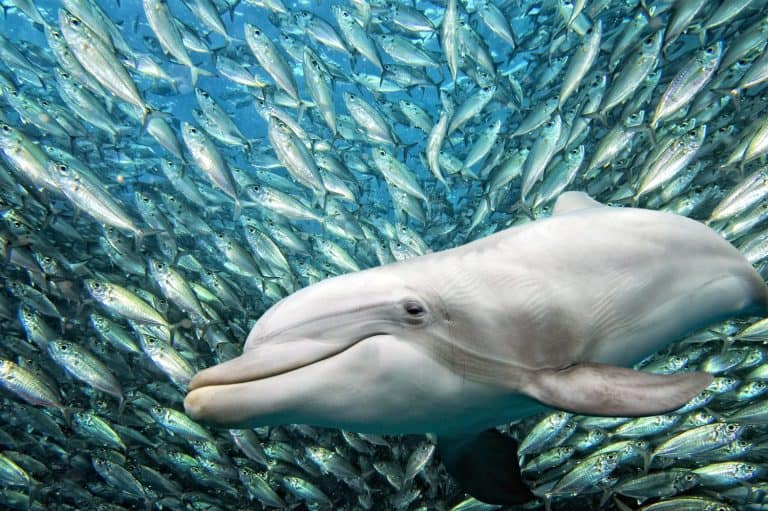
Other species of animals have also been found to use naming. Bottlenose dolphins, for example, learn unique acoustic calls as calves. This allows them to announce their presence and enables other dolphins to recognize them. Furthermore, when male dolphins spend significant time together, they gradually adjust their signature sounds to more closely resemble each other’s.
Marmosets also use alterations of their calls to target specific members of their family group. They modify their standard “phee” calls to address specific individuals. In turn, these individuals seem to know exactly when a call is meant for them. Egyptian Fruit Bats are similar; they vocalize and broadcast specific information regarding the sender and receiver simultaneously.
The naming functions of green-rumped parrotlets are among the more interesting examples. As chicks, green-rumped parrotlets learn to identify their parents by specific vocal calls. Remarkably, chicks adopted by foster parents learn their calls instead of those from their biological parents. This suggests that naming, across species, is fundamentally a social phenomenon.
Scientific and Cognitive Implications
Language was once thought to be a uniquely human adaptation, arising from a sudden breakthrough rather than a gradual evolutionary process. However, the more research done on intraspecies identification, the more language seems to be a trait that works hand-in-hand with social complexity. Naming in particular appears to arise when social group intricacies necessitate it.
Although only a few species have been studied closely enough to identify subtle signature calls and naming, scientists expect to discover more examples in the future. With innovative tools and bioacoustic developments, it’s likely that scientists will find naming processes at work in a host of other species, including primates and whales. Our reliance on social connections is mirrored in other species, and their naming behaviors affirm this idea.