
Quick Take
- Baby tigers sleep far more than you'd expect, and the reason behind it goes deeper than just being cute and lazy. Explore their sleep needs →
- Wild and captive tiger cubs eat very differently, and what ends up on a captive cub's menu might actually surprise you. See their captive diet →
- All that wrestling and tail-nipping between cubs isn't just play. It's training for something far more serious. Discover the play purpose →
- A tiger cub's first weeks of life follow a strict nutritional timeline, and skipping any stage carries significant consequences. Follow the nutrition timeline →
Nothing is cuter than a sleeping baby animal. Their twitchy little faces are absolutely adorable. One look at a dozing little animal can instantly brighten anyone’s day. This Instagram post by @wildliferescuers shows two videos of sleeping baby tigers. One of them is moving around a lot, likely experiencing an active dream. Read here to learn more.
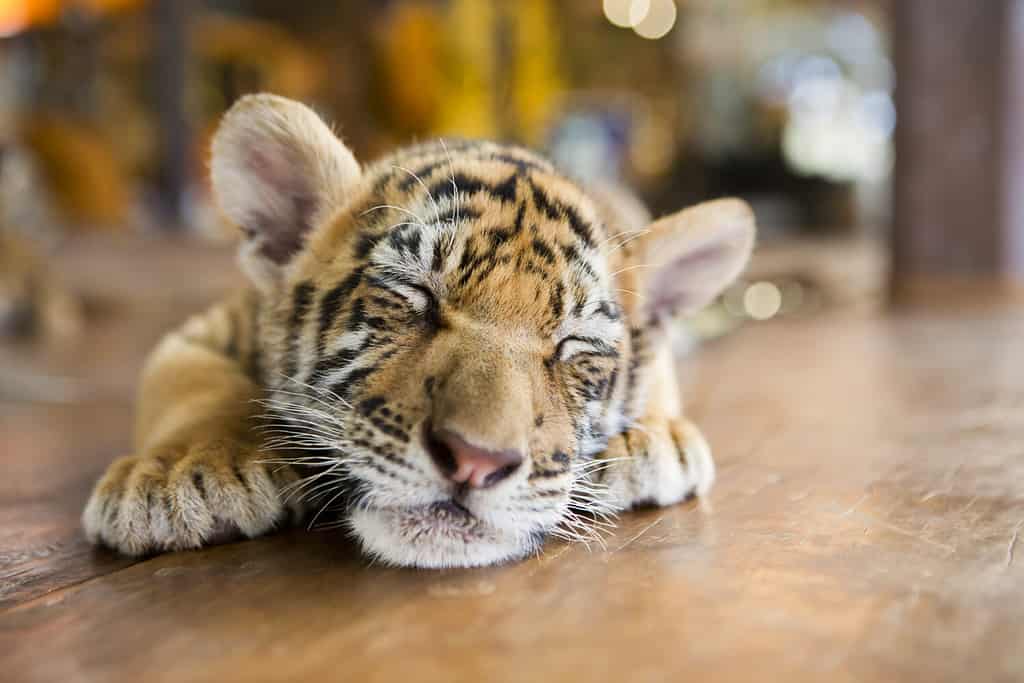
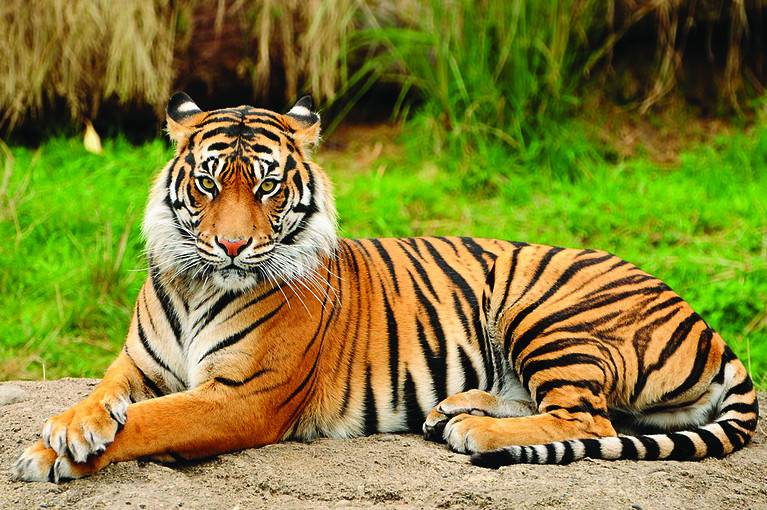
This adorable baby tiger will grow into a formidable adult.
©Iryna Kalamurza/Shutterstock.com
About Baby Tigers
Just like human babies, baby tigers require a great deal of nourishment and care. But the video above shows the easy moments, when the babies are simply resting and lazing about.
To grow up healthy, baby tigers need to eat quite a bit. For the first eight weeks of their lives, tigers mostly drink their mother’s milk. Later, they start eating small amounts of meat that their mother provides. This can include deer, boar, and buffalo. Captive tigers, like those in the video above, receive a more varied diet that includes raw beef, chicken, and nutritional supplements.
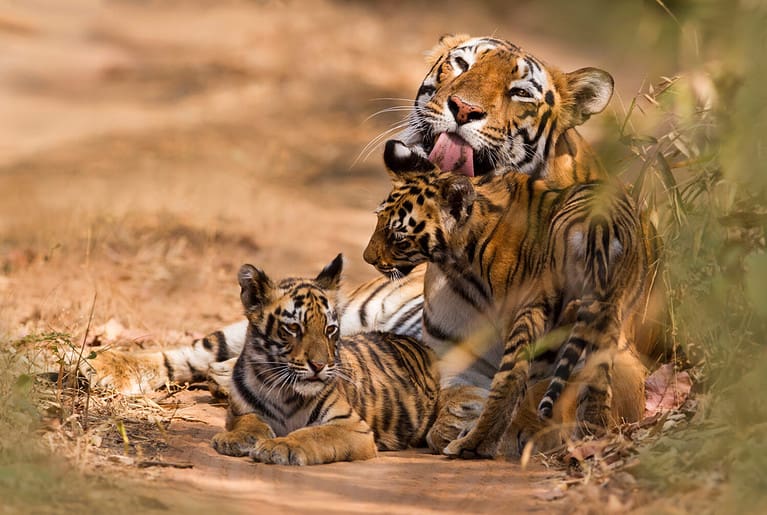
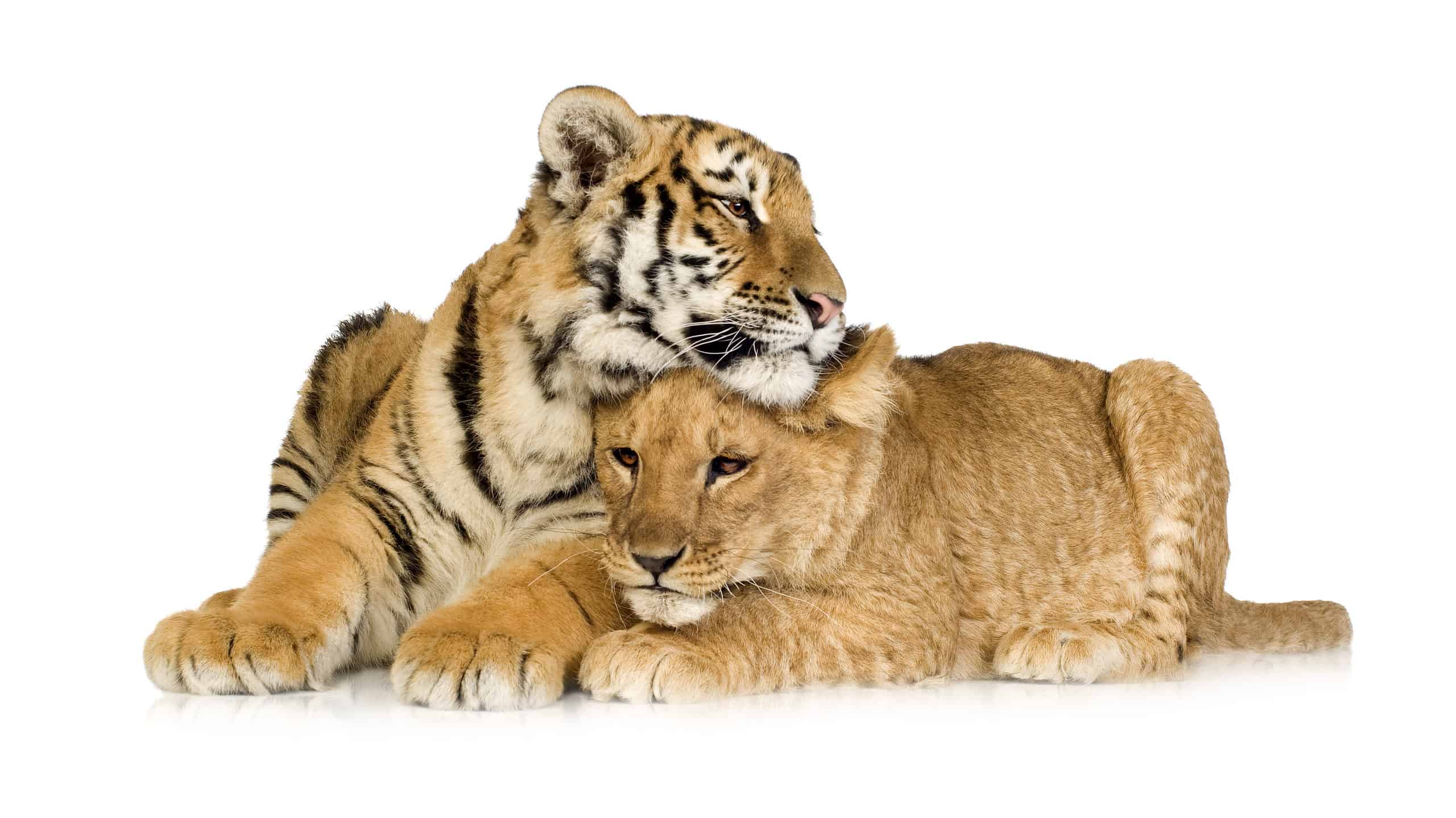
Cubs are exceptionally playful. As you’ve most likely seen with domestic kittens, cubs often wrestle, bite, pounce on each other, nip at each other’s tails, and stalk each other to practice hunting. These behaviors help encourage socialization, strength, and hunting skills.
Another essential factor for growing big and strong is getting enough sleep. Young cubs are fortunate, as they can sleep between 16 and 20 hours a day! For big cat cubs, getting adequate sleep is crucial to the activity of growth hormones. Sleeping for most of the day and waking up just to play sounds like a great life!