
Quick Take
- Bathing a ferret seems like the obvious fix for the smell problem, though it actually makes things worse. Why de-scenting backfires →
- Most people assume ferrets are cheap, small-animal pets, but the actual cost of ownership tells a very different story. See the real costs →
- Keeping your ferret away from your rabbit might not be enough to protect the rabbit, even when the two animals have zero contact with each other. How scent alone harms rabbits →
- The word "ferret" literally translates to something that perfectly predicts their most annoying household habit. Their instinct to hoard →
Ferrets are full of personality. They’re funny, adorable, and smart. However, they can also be messy and expensive. While this may sound like a good trade-off, there are a few reasons why you might want to think twice before adopting ferrets. If you still want a ferret, continue reading to learn more about their challenges. Of course, ferrets may still be the perfect pets for you, but it’s important to know what you’re getting into first.
1. Ferrets are Messy
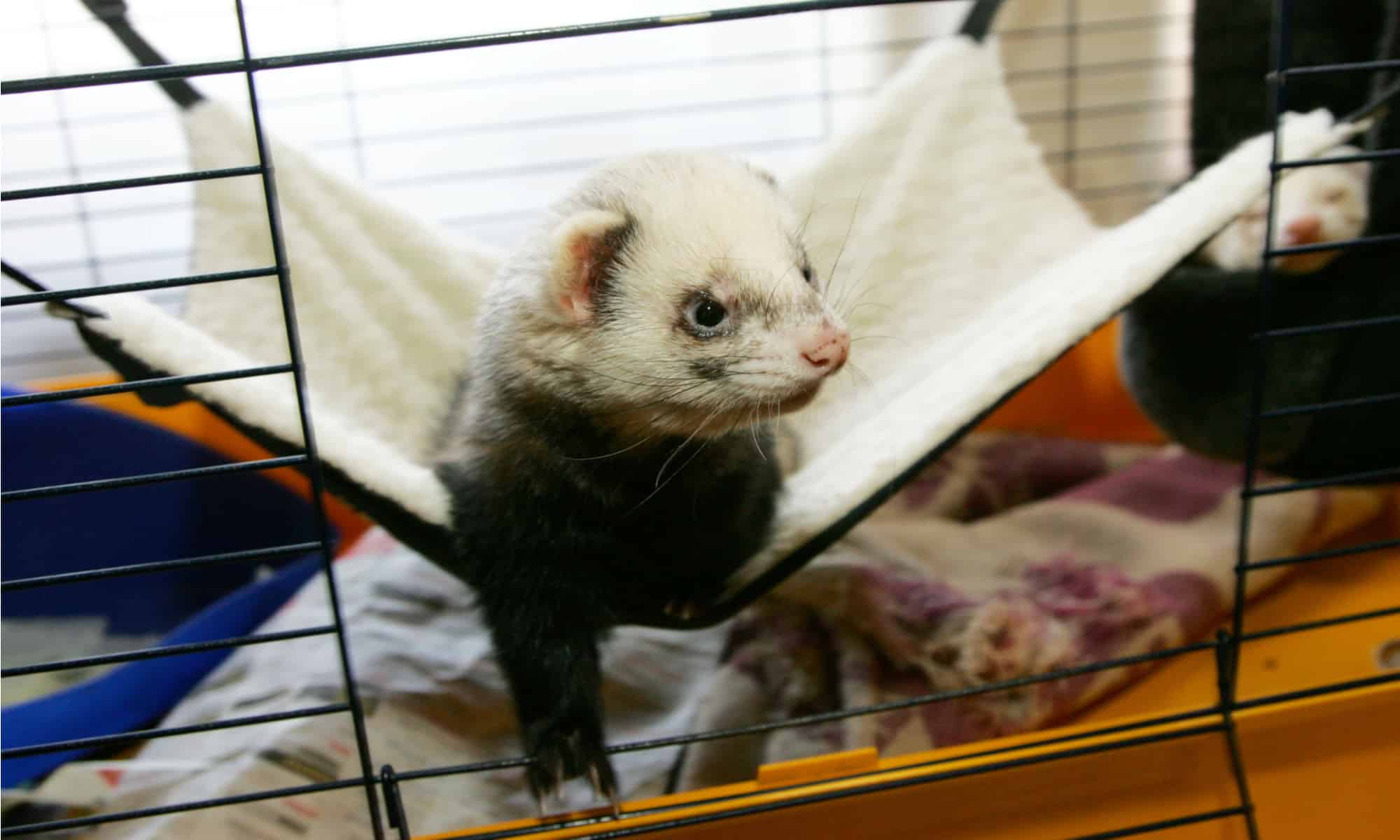
Ferrets often make quite a mess in and around their cages.
©AJSTUDIO PHOTOGRAPHY/Shutterstock.com
Don’t adopt a ferret thinking their mess will be confined to their cage or litter box. Ferrets are messy animals who are sure to dirty their cage, the surrounding area, and their free-roam environment. Ferrets can be litter box trained, but you’ll still need to clean the litter regularly, as they poop several times a day.
2. They Smell
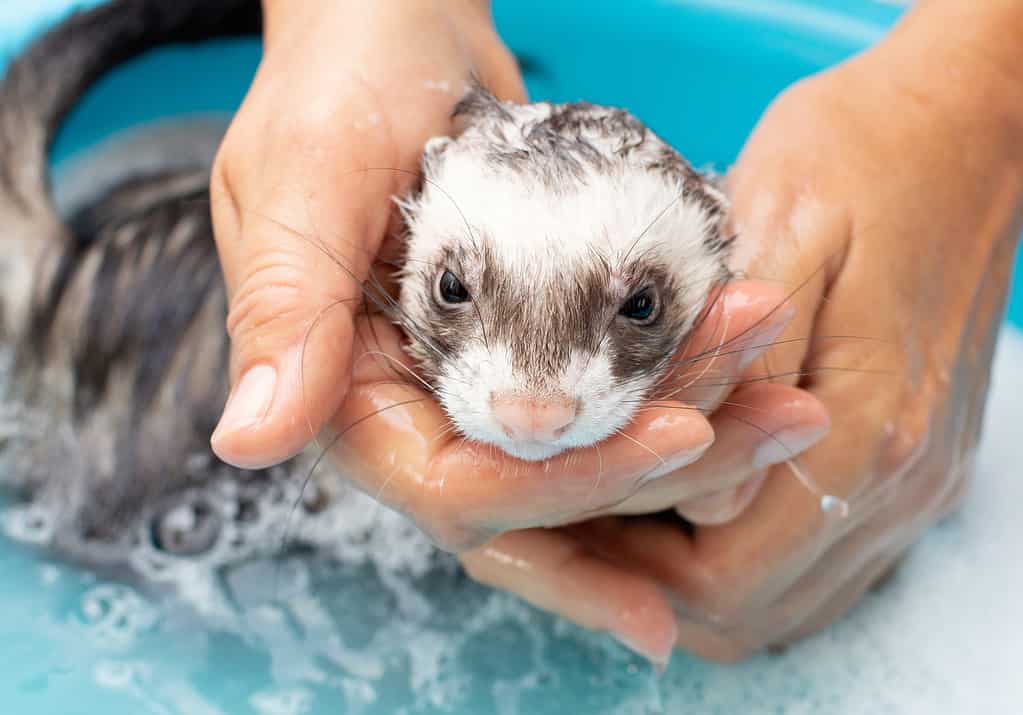
Bathing a ferret too often strips the oils from their skin, causing the glands to overproduce.
©Irina Vasilevskaia/iStock via Getty Images
Ferrets are mustelids like weasels and otters, so they have scent glands for marking territory and attracting mates. When they are scared, they emit a strong odor from scent glands near the anus. While this scent is rare and dissipates quickly, their sebaceous glands still produce a musky scent. However, most owners say clean, neutered ferrets smell like popcorn or corn chips.
De-scenting a ferret doesn’t effectively reduce odors from their natural body musk and puts the animals through unnecessary surgery. Bathing them too often strips the oils from their skin, causing the glands to produce even more oil. Spend time around ferrets before adopting them to ensure you can deal with their smell in your home.
3. Ferrets Shouldn’t Live Alone
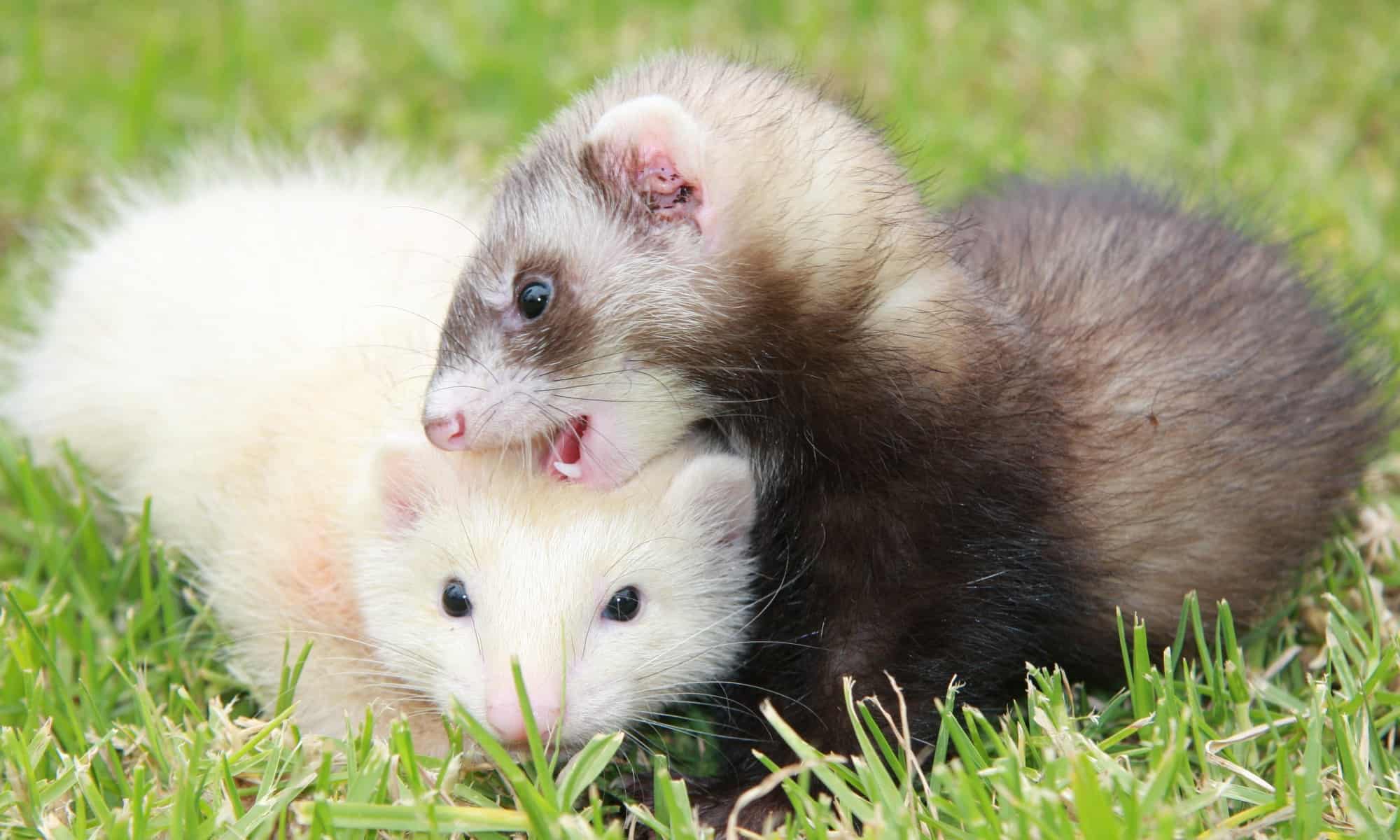
You’ll need to keep two or more ferrets at all times.
©iStock.com/Delecrouix
Ferrets must live with other ferrets. Even if you spend all day with your ferret, you cannot communicate or play like another ferret can. You’re also going to need to leave at some point, even if only to run quick errands.
Other pets are also not suitable companions for ferrets for multiple reasons. First, they may see other small animals as prey. They also tend to become territorial around other pets. Finally, even if your ferret did bond with another animal like your dog, they’re still different species that cannot adequately meet one another’s social needs.
4. Some Ferrets Bite
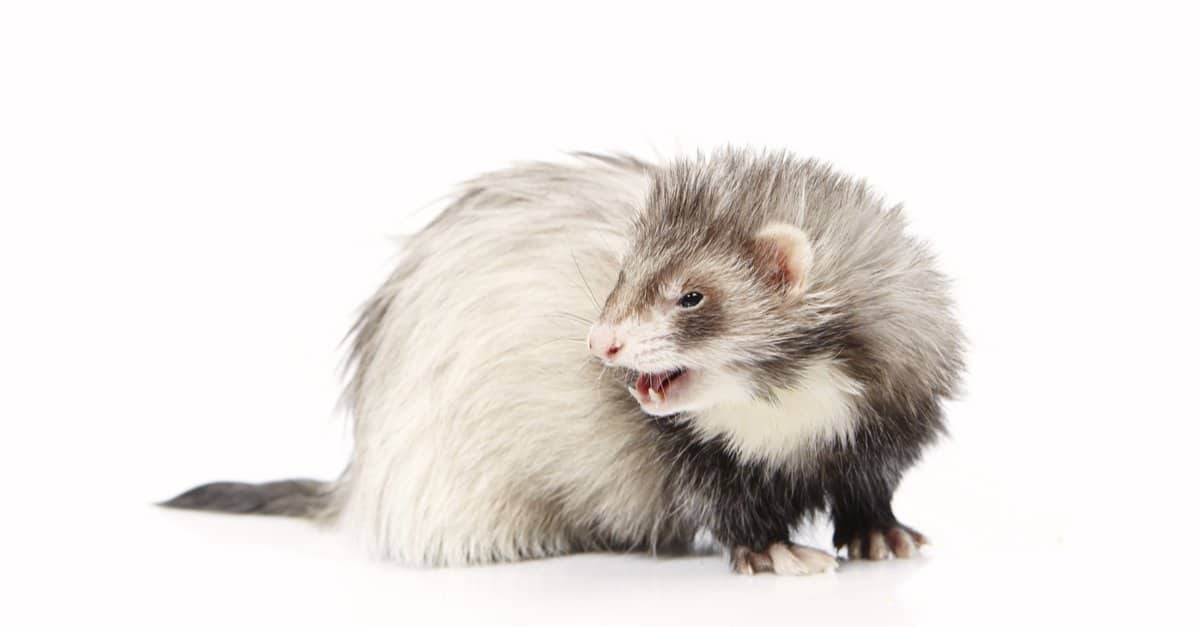
Ferrets have sharp little teeth and may bite when not properly handled.
©Couperfield/Shutterstock.com
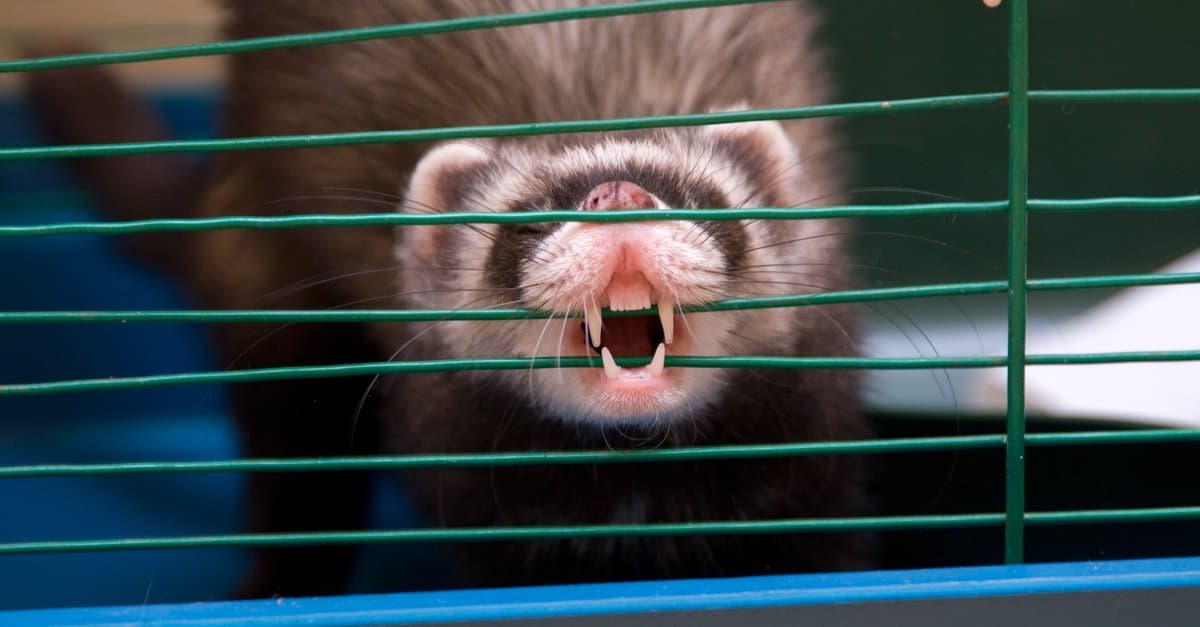
Ferrets aren’t as docile as some other animals of a similar size, like guinea pigs. They tend to bite, especially when not properly handled. It’s important to research how to hold your ferret comfortably.
They might also bite during play, which should be redirected to toys, or playtime should stop. This teaches them not to bite people, which is especially important if there are going to be children or guests interacting with your ferrets.
5. They’re Not Children’s Pets
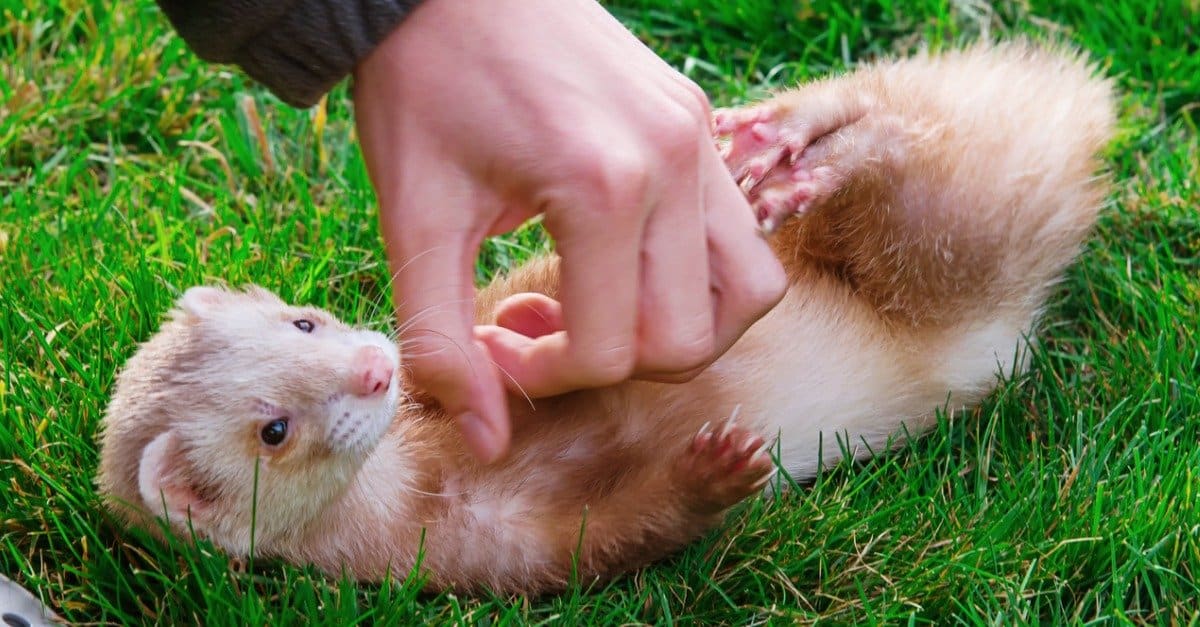
Ferrets are exotic pets who require more attention and complex care than a young child can provide.
©iStock.com/OKrasyuk
As we discussed, ferrets will often bite if mishandled. They’re also fairly fragile little animals who need gentle handling. Ferrets are also a lot of work. They require large cages and daily cleaning, which can be difficult for a child to keep up with, especially given the height of the cage. Ferrets also need regular grooming, including nail trims and teeth brushing, and hours of daily free roam time.
If you’re looking for a pet for your child, ensure you’re ready to take on the entirety of their care if the child cannot or doesn’t want to. Be prepared to teach your child to handle the animal appropriately, to supervise small children with pets at all times, and to pay for pricey veterinary bills. Ferrets are best suited for older children and adults.
6. They’re Curious Animals
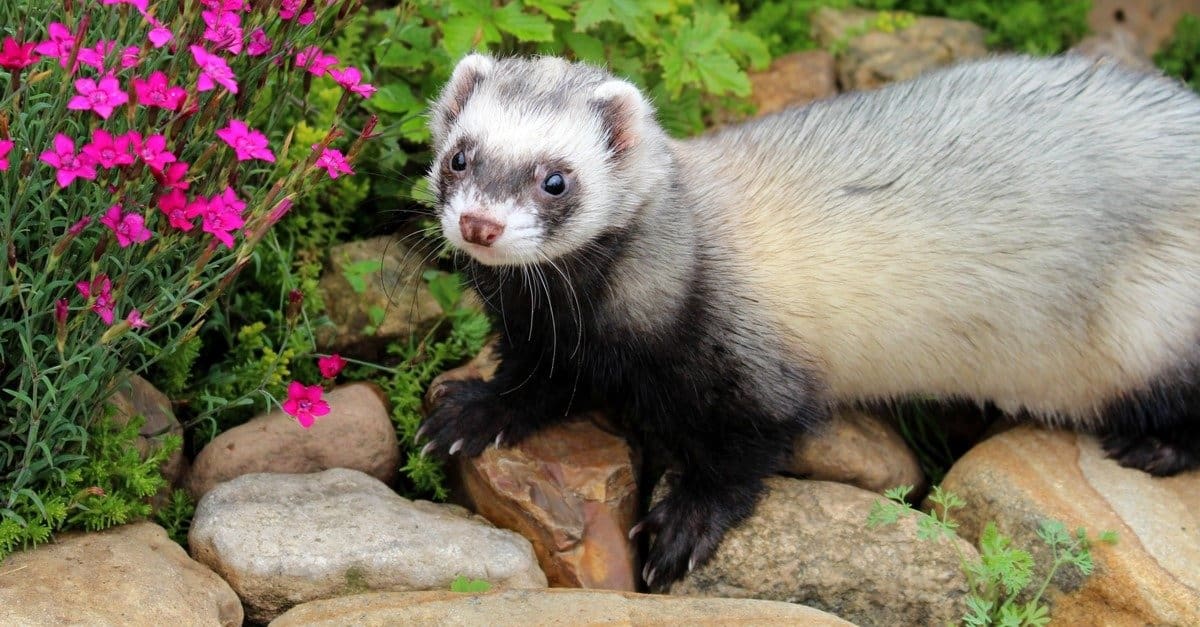
Ferrets love to explore, and their curiosity can get them into trouble.
©Maria Lazutkina/Shutterstock.com
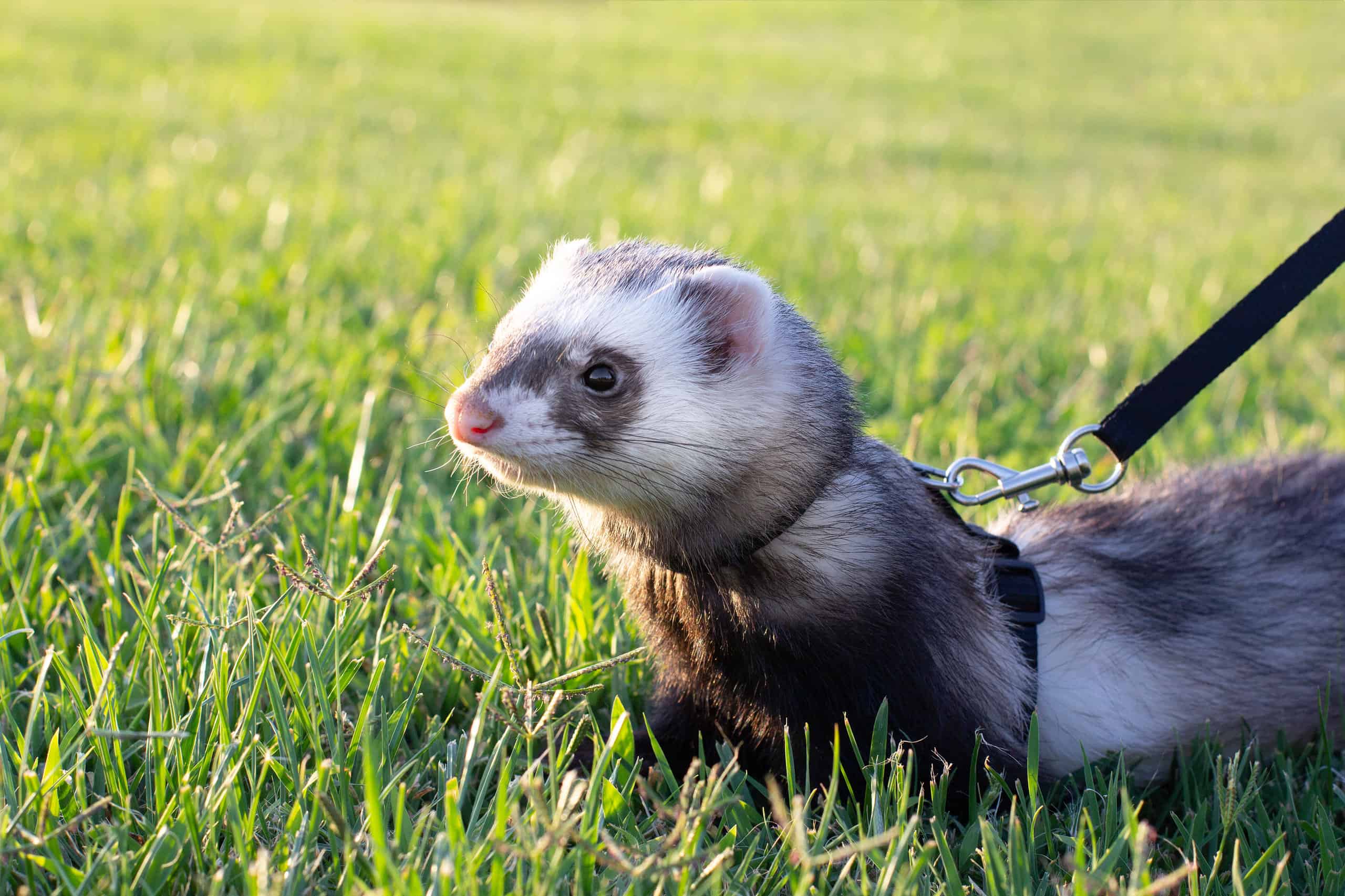
Ferrets can be real troublemakers. They’re escape artists, and they like getting into things they probably shouldn’t. It’s vital to ferret-proof your space before bringing ferrets home. Most people allow them a securely fenced area outside of the cage to free-roam so that they don’t need to ferret-proof a whole room or house, which can be difficult.
You’ll need to put away anything you don’t want them to have, cover heating vents so they don’t crawl inside, and block off any dangerous items securely. Keep in mind that ferrets are agile, curious, and love to climb. They can get into more places than you think!
7. They Can be Destructive
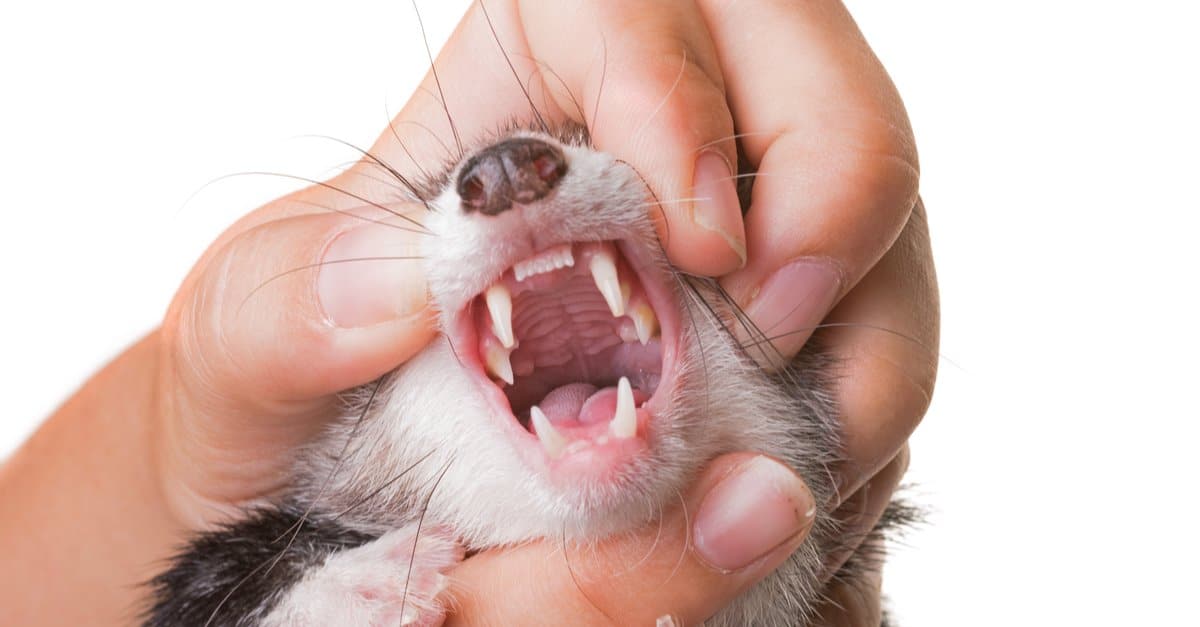
Be prepared to replace your ferrets’ things regularly, as they like to tear into things with their sharp teeth.
©cynoclub/Shutterstock.com
Ferrets can also be destructive, especially when not properly cared for. Think about being kept in a cage for most of your life as a highly energetic, curious, and intelligent animal. They can easily end up very bored, which can result in mischief.
It’s important to give your ferret plenty of enrichment, exercise, and time outside of their cage. As noted above, it’s equally important to ferret-proof any area where you allow them to roam so they don’t destroy your things.
8. They Like to Steal

Your ferrets won’t only want to hide their own toys, but any of your stuff that’s within reach.
©Couperfield/Shutterstock.com
Ferrets have an instinctual need to stash items away for later. The name “ferret” comes from the Latin word furittus, which means “little thief.” In the wild, ferrets often hoard food and nesting materials. In your home, they will take whatever they can get their hands on and hide it.
This habit can become very frustrating if you leave important items within their reach. Experts recommend providing them with a basket or box filled with fabric scraps, safe toys, or other chewable items to redirect their hoarding habits.
9. They Need Hours a Day to Free Roam
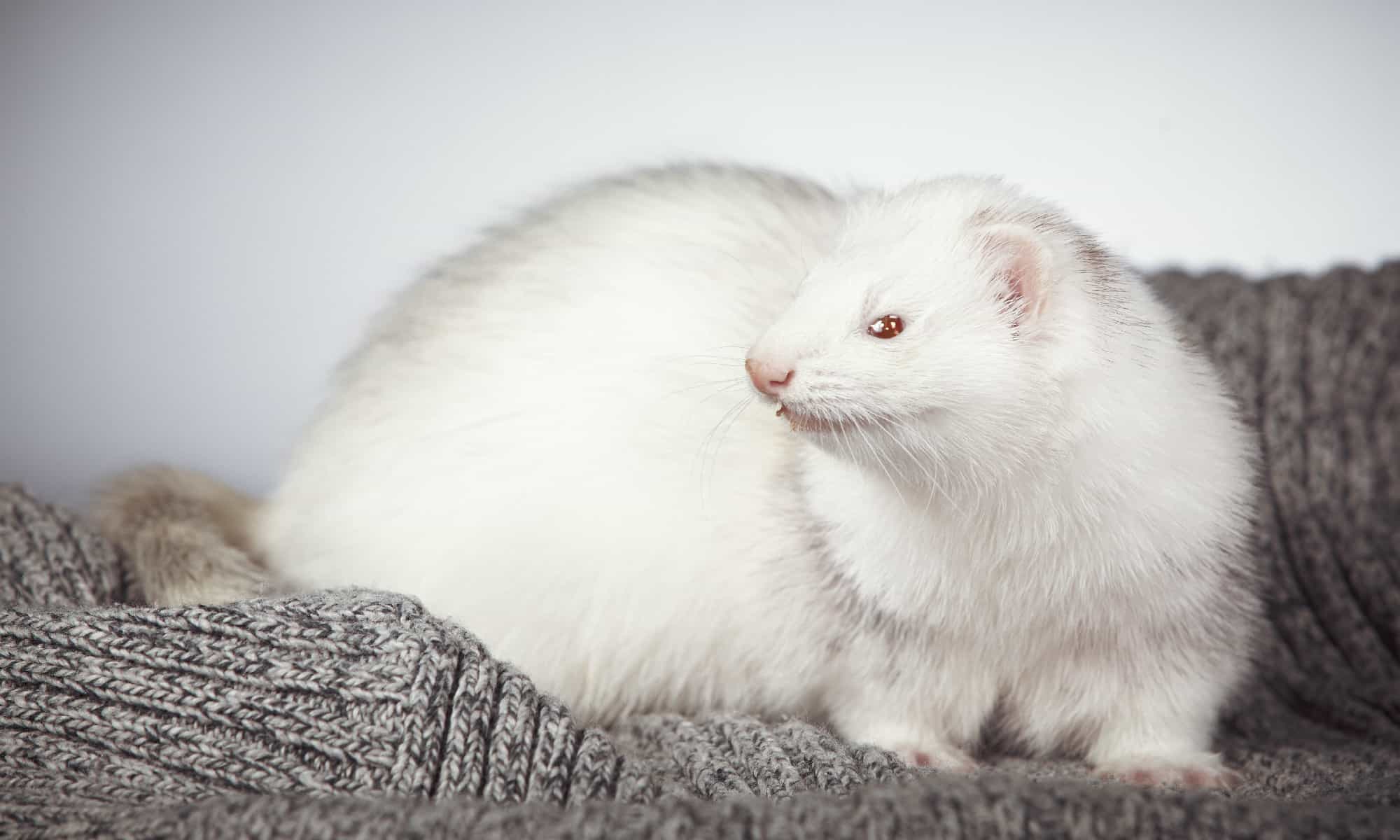
Leaving your ferret in their cage all day long is considered neglectful, as they need exercise and enrichment.
©Couperfield/Shutterstock.com
The minimum time that ferrets should spend outside of their cage is four hours. This must happen every single day, even if you’re busy or sick. At least two of those hours should include hands-on time with you. The more time out of the cage, the better.
10. Ferrets Are More Expensive Than You’d Think
Appropriately-sized enclosures are expensive, as they shouldn’t be kept in tiny pet store cages.
©Olga Pysarenko/Shutterstock.com
Many people think of ferrets as small animals and assume they’re cheap and easy to care for. Unfortunately, this isn’t true. They can be very expensive pets. Veterinary expenses are higher for exotic pets, so ferrets can rack up some hefty vet bills. They also need large, costly enclosures and free-roam setups, as well as pricey food.
11. Not All Veterinarians Care for Ferrets
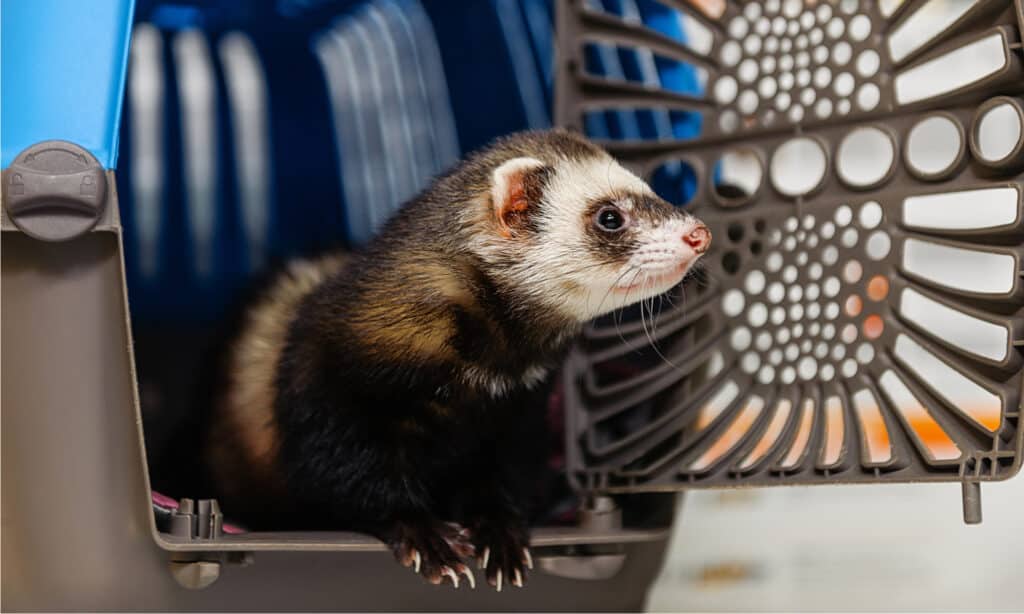
Most vets who treat dogs and cats are not equipped to treat ferrets.
©flywish/Shutterstock.com
Exotic pet vets can also be difficult to find, and you’ll want one with ferret experience specifically. Most dog and cat vets won’t take ferrets as clients because they don’t have the education to treat them properly. Before adopting ferrets, check whether there are any exotic pet vets in your area who will take them on as patients.
12. They’re Predators

Ferrets are predators, so they should not be around prey animals such as rabbits.
©everydoghasastory/Shutterstock.com
Previously, we mentioned that ferrets shouldn’t be paired with other animals for companionship. It’s also important to know that they’re considered a predator species. Having ferrets in the house may not be responsible if you also have prey animals, even if you keep them separated.
Some prey animals, such as rabbits, grow very stressed even without interacting with ferrets. This is because they can smell their strong odor and associate it with the danger of having predators nearby.
13. They Have Short Lifespans
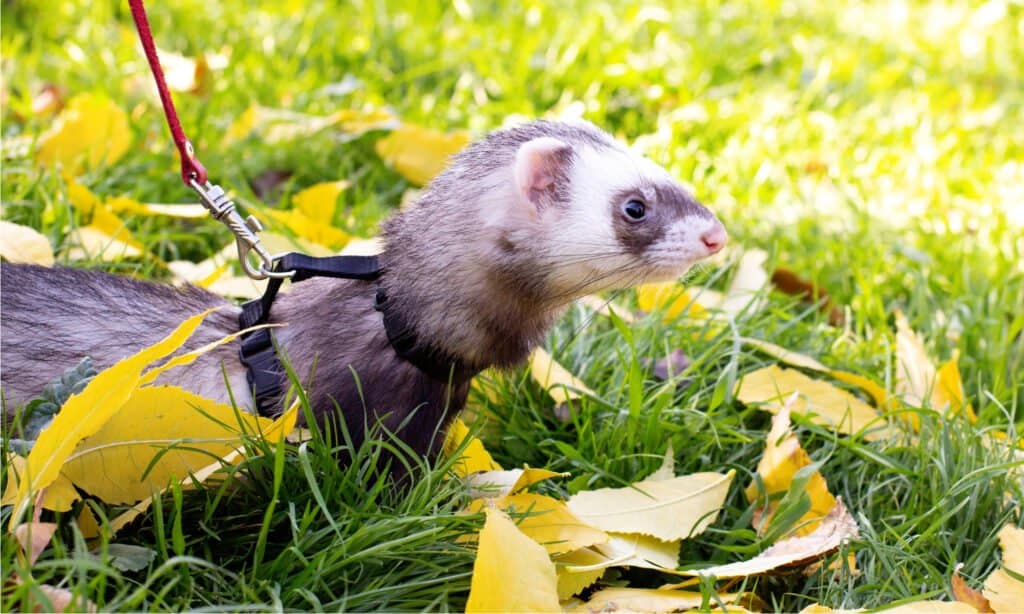
Domestic ferrets have a lifespan of about 8 years.
©Irina Vasilevskaia/Shutterstock.com
Finally, ferrets have short lifespans. According to the FDA, domestic ferrets have an average lifespan of 8 years. This can be due to issues such as poor genetics, neutering too early, or a predisposition to endocrine disorders.
However, some ferrets may live longer with excellent care. First, purchase your ferrets from a private breeder. Then, provide them with a proper diet, ensure they have healthy activity levels, and take them to the vet for routine check-ups to give them the best chance at a longer life.