
Quick Take
- Only 380 North Atlantic right whales remain, and the bigger threat to their survival is not what most people assume. Right whale survival threats →
- Social media influencers are quietly fueling a wildlife crisis that law enforcement has almost no tools to stop. Social media's role in smuggling →
- When law enforcement seizes a smuggled tiger cub at the border, there's a reason they often can't do much about it. What happens after seizure →
- Protecting wildlife habitat isn't just about land. There's a movement issue that could make every conservation effort pointless. Habitat connectivity challenges →
When it was founded by Welsh activist Brian Davies in 1969, the International Fund for Animal Welfare (IFAW) had one primary mission: ending the commercial hunting of whitecoat harp seals and pups on the east coast of Canada.
In the nearly six decades since forming, the IFAW has expanded to cover a broader scope of wildlife conservation efforts spanning habitat protection, disaster response, anti-poaching, illegal trade, wildlife rescue and rehabilitation, and fostering human and wildlife cohabitation across 40 countries.
Today, there are 328 staff members working for the IFAW across 16 offices worldwide in veterinary, field research and operations, policy, and organizational support, along with wildlife rehabilitators and care technicians, marine rescue and stranding officers, and biologists.
“I think as long as you have the passion for animals, there are so many different skill sets that are needed at IFAW to execute our mission,” says Danielle Kessler, Director at the U.S. office of IFAW, who oversees policy and campaign management.
Kessler is also an alum of the Emerging Wildlife Conservation Leaders (EWCL) training program at IFAW, which has trained staffers at other institutions across the global conservation sector. Since launching in 2005, the EWCL has trained 245 early-career conservationists working across more than 100 organizations globally.
“In wildlife conservation, we all have the same sort of end goal of saving animals and saving habitat,” says Kessler, “but there are often different approaches to go about doing that and different ways that people feel are the best way to pursue that.”
Kessler says the IFAW has built a solid foundation around its core pillars: rescue and conservation. Globally, a core area of conservation for the IFAW revolves around the focus on animals and people thriving together.
“When we’re working in areas, people’s development and their livelihoods are at the center of our programmatic work,” Kessler says. “It’s not a quick process: getting into the communities and having a genuine engagement and being able to build and develop programs together. I hesitate to call it education because it’s so much more. It’s not like a two-day session or ‘This is what we’re telling you to do.’ It’s about co-design and building the trust and relationships to meaningfully engage in those communities.”
Most of the work is accomplished by IFAW providing technical expertise, funding, or other resources to partners and field workers on the ground. “We’re able to really amplify our impact as well by taking our core team,” she says, “and finding and engaging great local partners to help push forward some of the work locally.”
Kessler works more behind the scenes at IFAW, helping manage the challenges their teams face out in the field, along with developing and improving policies and supporting international negotiations to better advance conservation efforts on land and water. “It’s asking, ‘How do we create the political infrastructure, the political will, and the policy frameworks that can really help to support these conservation efforts?’” Kessler says.
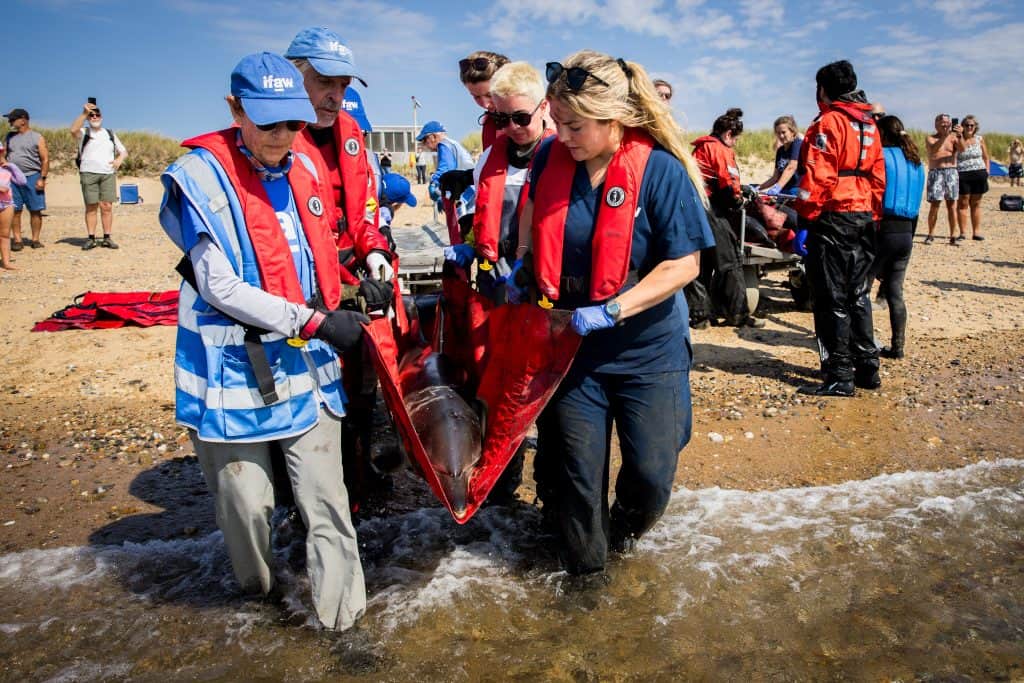
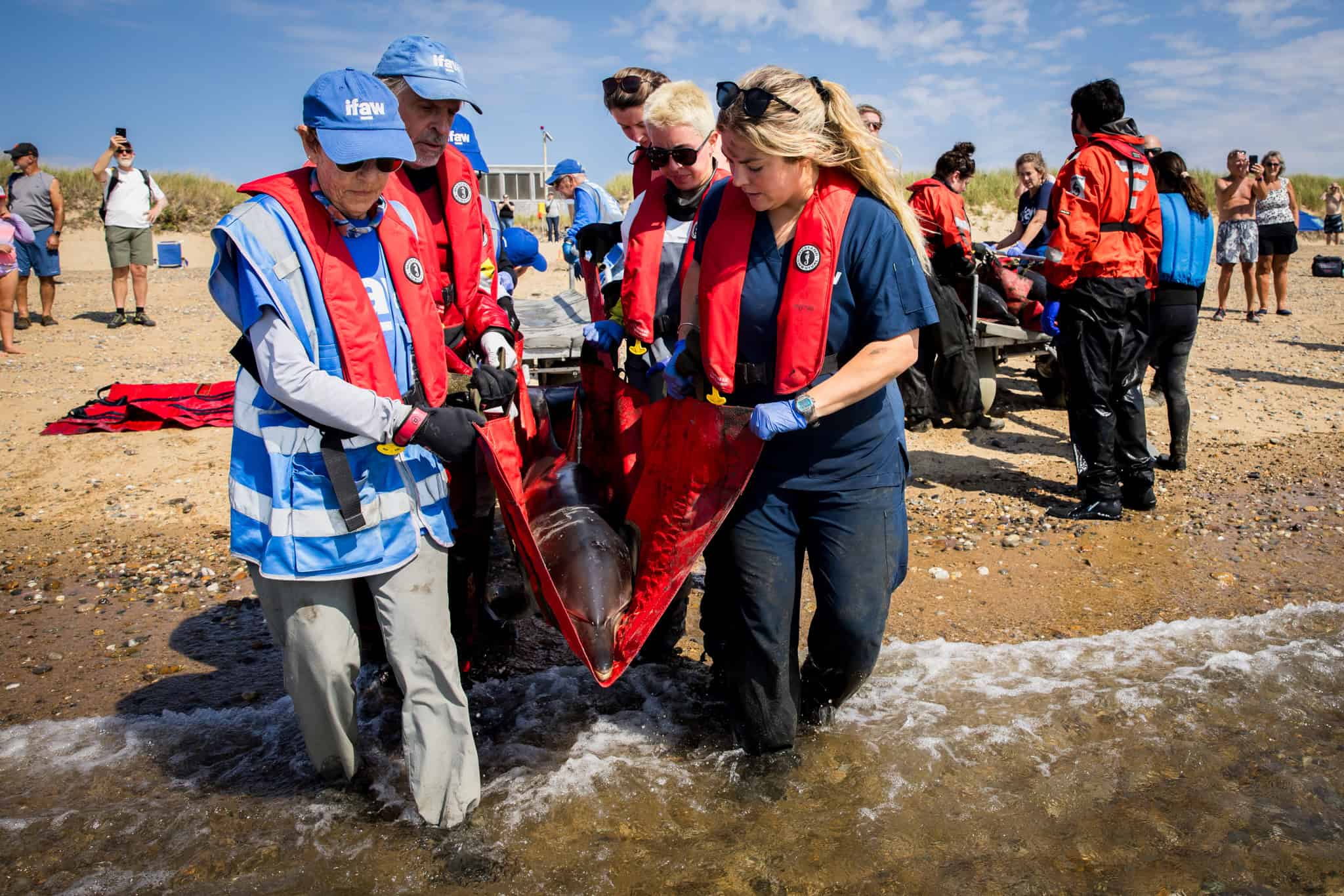
Over one weekend in September 2025, IFAW’s Marine Mammal Rescue team and volunteers saved 11 common dolphins during a two-day stranding event in Wellfleet, Massachusetts. The dolphins received emergency care and were safely released into deeper waters off Provincetown.
By Sea
In the U.S. alone, IFAW has teams working along the coasts, including one group of marine rescue responders based in Cape Cod, Massachusetts, which is a “hotspot,” says Kessler, in terms of the number of marine strandings and whale entanglements. Each year, the Marine Animal Entanglement Response Program at the Center for Coastal Studies in Provincetown fields more than 150 reports of distressed or entangled marine animals across southern New England.
“Those folks are out there literally knee-deep in the mud responding to animals and are really at the forefront of the science of rescuing individual animals,” adds Kessler.
As with any IFAW rescue group, this team on the East Coast is staffed by veterinarians, disaster responders, and individuals trained in water rescue. Part of their mission is also the conservation of North Atlantic right whales, a critically endangered species of larger whales that navigate the Atlantic coast of North America. Today, there are only 380 right whales left, including 70 reproducing females. “Every single individual animal matters,” says Kessler.
On the marine side, the IFAW is also working with the fisheries industry to make improvements to fishing gear that can reduce entanglements and the speed at which large fishing vessels move to prevent strikes to marine life.
In wildlife conservation, we all have the same sort of end goal of saving animals and saving habitat.
Danielle Kessler, U.S. Director, International Fund for Animal Welfare
On Land
Today, one of IFAW’s larger campaigns is its Room to Roam initiative, which focuses on habitat connectivity and mending fragmented habitats, a result of infrastructure expansion, human encroachment, and shifting land-use policies, and how these factors impact the movement of wildlife in Africa and other parts of the world.
“We can’t just have these small, fragmented habitats and expect to have healthy, fulfilled ecosystems,” says Kessler. “Room to Roam aims to take some of the protected areas in which we’re already working, expand some of those protected areas, and create corridors or migratory pathways in which animals can move between areas.”
Habitat fragmentation is also a concern throughout the U.S., particularly with efforts to roll back the Roadless Area Conservation Rule, commonly known as the ‘Roadless Rule.’ This rule helps protect wildlife habitats in national forests by restricting road construction and development. Rolling it back could open these areas to further development, fragmenting habitats and making it more difficult for wildlife to move freely. The 2001 Roadless Rule policy was established to protect approximately 58 million acres of undeveloped national forestlands from new road construction and reconstruction and most commercial timber harvesting.
On top of the depletion of habitats, Kessler says wildlife is also threatened by more natural elements and changes in climate, which have also had a significant global impact on animals’ chance for survival.
“With climate change, animals need to adapt,” says Kessler. “And habitats and ecosystems need to adapt, but if we suddenly cordon them off into these small, fragmented areas, then you’re preventing that adaptation response. We must allow for movement so that animal populations can continue to adapt and continue to thrive.”
IFAW’s Global Community
A nonprofit, IFAW also relies on funds to support its campaigns, which is supported by a collective of global communicators — a mix of corporate sponsorships, digital media coalitions, and celebrity ambassadors — to help boost its global visibility and expand fundraising efforts.
Despite foreign aid reductions and a funding freeze in 2026, which put more than $5 million in planned IFAW work at risk, Kessler says the organization is still in a fortunate space.
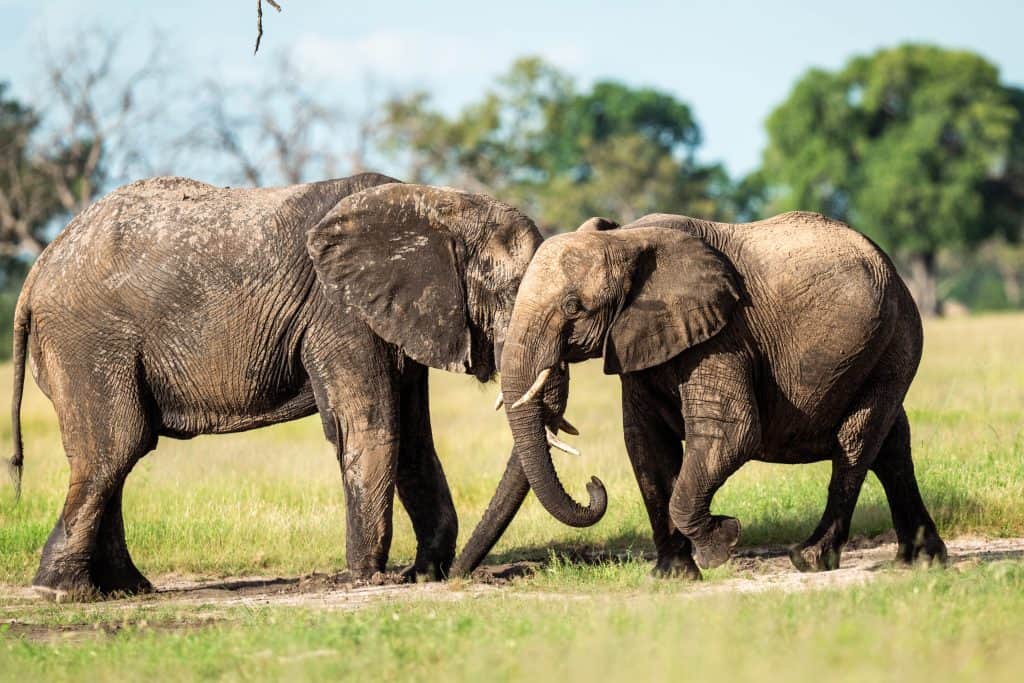
The IFAW Room to Roam initiative includes the rescue and rehabilitation work with Wild is Life Zimbabwe Elephant Nursery, an elephant release site at Panda Masuie Forest Reserve, and community engagement work at Hwange National Park.
The IFAW is diversified enough, she says, and has retained many of its key campaigns with the support of local partners, despite government cuts. Nevertheless, many of these partners have also lost some infrastructure around fundraising or acquiring grants and subcontracts for funding.
“We’re going to support the folks who are on the ground, and the frontline workers who are getting this work done,” says Kessler, “but it [recent cuts] has certainly just shifted the entire sector.”
Crossing Borders
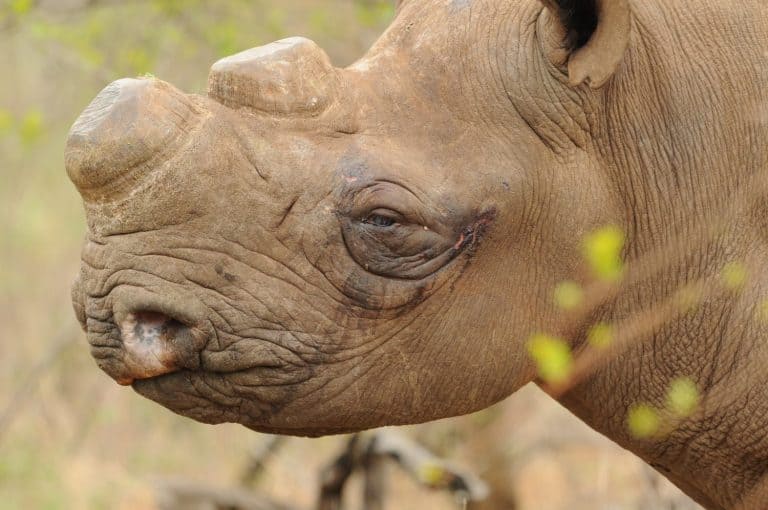
Along with its two pillars, the IFAW is also addressing broader threats impacting wildlife, specifically the illegal trade of animals across borders. Kessler has spent the majority of her career helping to combat wildlife trade, and while there’s been some progress in areas, including elephant and rhino poaching, they are not close to eliminating the problem.
The demand for live animal trade has also moved into more regions, with an uptick in demand for reptiles, birds, and small mammals, along with an increase in the movement of captive primates in the U.S., something Kessler says has been driven by the anthropomorphizing of wildlife in social media influencer culture. In some cases, unnatural actions, such as a monkey in a diaper being raised as a human child, are being normalized online.
“It’s shocking what we’re seeing in regard to smuggled wildlife coming across the border,” says Kessler. The challenge with smuggling is staying ahead of the trade, which is often well underway before it’s recognized as a problem.
“They’ve already acquired these illegal animals before the alarm bells have been raised,” says Kessler. “Being able to stay ahead of those trends is difficult since policy moves slowly, and the world and social media are moving so quickly now. The legal infrastructure to rein those things in also moves a lot slower.”
Wildlife Mortality Rates
These illegal trades have a significant impact on species in the wild, often driven by cruelty and inhumane conditions, and animal welfare issues in the U.S. When smuggled, animals are often removed from their mothers as babies, and those mothers might be killed in the process. Then, the animals may be drugged before being confined for transport.
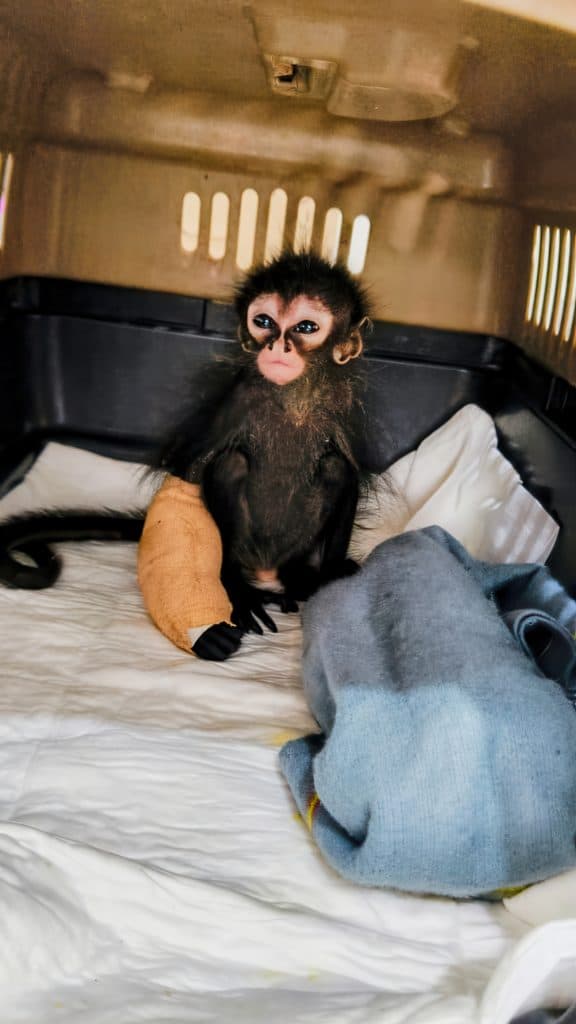
Four infant spider monkeys were rescued from illegal wildlife trafficking in Quintana Roo, Mexico, and received veterinary treatment and rehabilitation with IFAW’s support after being found malnourished, dehydrated, and injured.
©Courtesy of Payo Obispo Zoological Park – Original / License
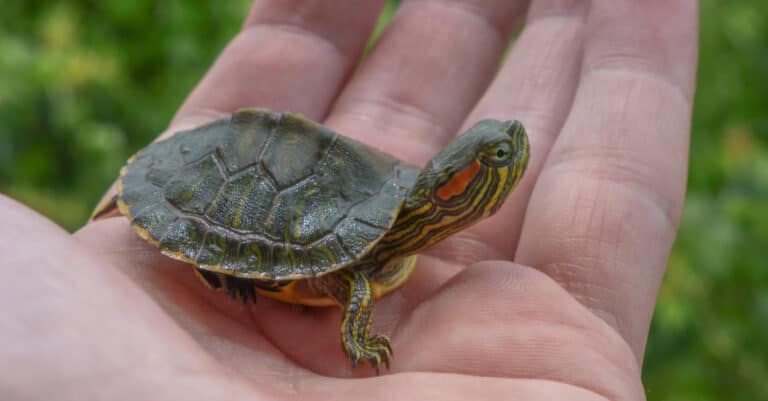
Whether it’s primates, birds, or other species, their transport results in very high mortality rates, says Kessler. For instance, when turtles are smuggled, they are often duct-taped and bound so they’re not moving during transport. Without movement, water, and essentials, many of these animals don’t survive.
In December 2025, 930 turtles were seized at Los Angeles International Airport, intercepted by the U.S. Fish and Wildlife Service (USFWS) before they were flown to Thailand and South Korea and on to a final destination in China. Within the shipment were North American box turtles and approximately 20 critically endangered Vallarta mud turtles, which can fetch $10,000 or more on the black market in Asia.
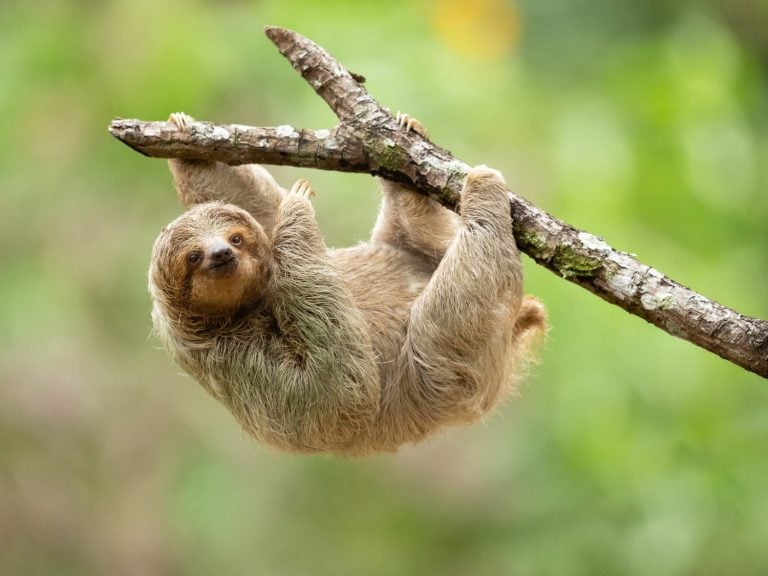
Earlier, between December 2024 and early 2025, more than 31 sloths died after being captured and transported for an exhibit at Sloth World, a slotharium, in Orlando, Florida. Framed as a rescue mission to save sloths from deforested areas in Peru and Guyana, the animals reportedly died from poor conditions at the facility, which left them emaciated and dehydrated. Sloth World has since permanently closed, and its owner Ben Agresta did not face criminal charges.
Globally, the main challenge with illegal trade is that law enforcement is rarely trained to care for animals that have been confiscated. “That’s not their job; they’re law enforcement, so one of the barriers to confiscation is not having anywhere to place them,” explains Kessler. “What do they do if they find somebody smuggling a tiger cub across the border? What are they doing with that tiger?”
IFAW is working to help train law enforcement by using several modules for frontline officers on what to do when they encounter smuggled wildlife and how to triage the animals so they can get the appropriate care. They’ve also piloted the Southern California Wildlife Confiscations Network, providing law enforcement with a single point of contact when they come across confiscated animals, allowing them to focus on the prosecution of the criminals involved in the trade.
Today, there is still more work to be done globally, but the IFAW continues to face each challenge head-on.
“IFAW will continue to bring together the different aspects of wildlife conservation,” says Kessler, “and look across the whole spectrum of threats that animals are facing.”