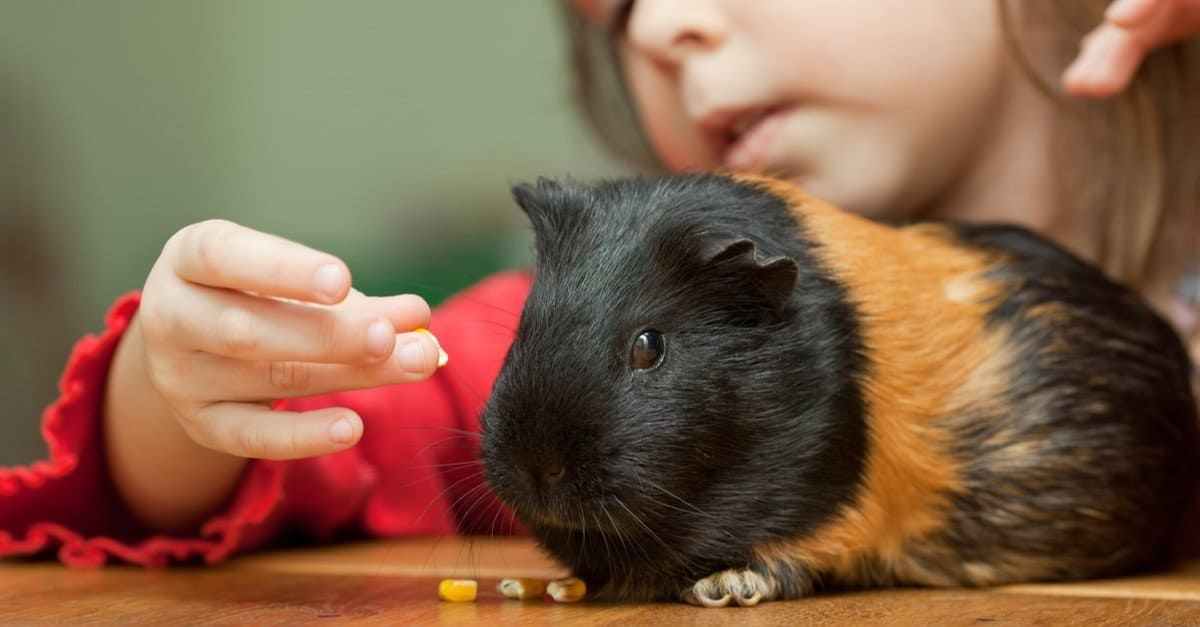

Where is the best place to adopt a guinea pig? If you’re interested in bringing one of these small, furry rodents into your home, you might think the local pet store is the best option. However, many people don’t realize that guinea pigs can often be found at local sanctuaries or shelters. If you’d rather rescue a guinea pig that someone bought on a whim, odds are that you can adopt a pet from one of these organizations. Plus, there are lots of benefits to doing so. Keep reading to find the best place to adopt your new furry friend.
What to Know Before You Begin Your Search
Before looking for guinea pigs to adopt, it helps to know some of the basics. First, you can expect to pay anywhere from $10 to $100 or more, depending on where you obtain your new pet. For instance, the average adoption fee for a guinea pig from a local shelter, animal control, or rescue is typically between $10 and $50. Keep in mind that many shelters and rescues require you to adopt two guinea pigs, unless you already have guinea pigs at home. Pet stores sometimes have these furry little critters available for adoption for between $30 and $50. Purchasing from a breeder is the most expensive option. The average cost is typically up to $50 to more than $100 per pet, depending on the breed.
Many animal sanctuaries and rescues require home visits before releasing guinea pigs to their new owners. Therefore, it is best to be prepared for that. With this in mind, set up a space for your new pet before you go to adopt one. Find a quiet, secure area in your home, and ensure you have all the necessary supplies. These include a large cage with a low roof or lid, a water bottle, bedding, timothy hay, and vitamin C-fortified pellets. You can buy fresh food when you are ready to bring your pet home.
1. Local Animal Sanctuaries

Local animal sanctuaries can be great places to find a new pet.
©hedgehog94/Shutterstock.com
Many local animal sanctuaries rescue and rehome unwanted or otherwise homeless guinea pigs. You may find a few local animal sanctuaries that are dedicated to small mammals like guinea pigs and gerbils. Unfortunately, these services are necessary because people often rashly decide to adopt them, assuming they require virtually no care. Although these are low-maintenance pets, you must be willing to dedicate time and effort to keep them healthy and happy.
When adopting guinea pigs from an animal sanctuary, take your time and visit with all of the available animals. You might even want to return multiple times to see which guinea pig seems like the best fit for you and your home. It’s also a good idea to visit multiple sanctuaries, if possible, before making your decision.
2. Local, Independent Guinea Pig Rescuers
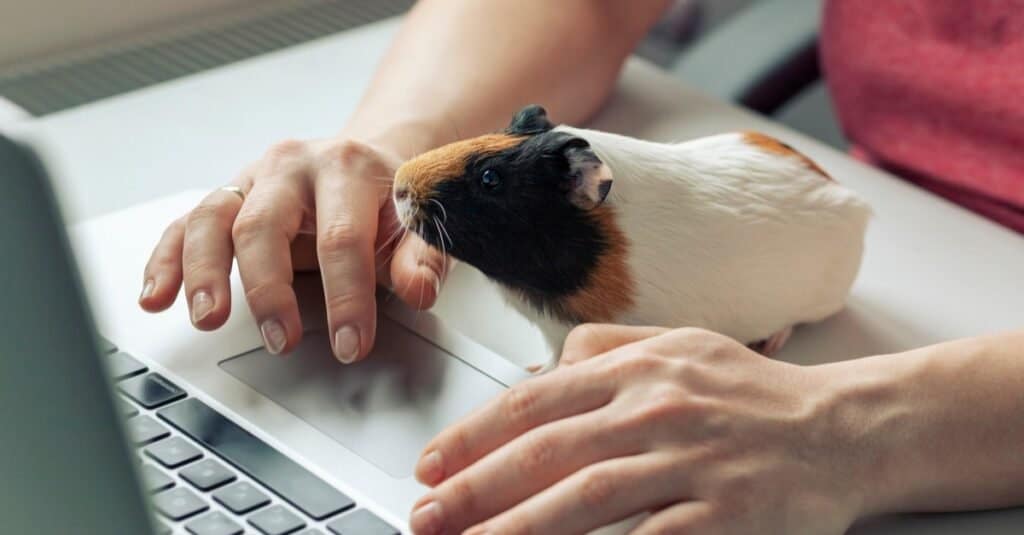
Independent rescuers act as foster homes for unwanted guinea pigs.
©Skylines/Shutterstock.com
Since not all local sanctuaries and shelters accept guinea pigs, private individuals often dedicate themselves to rescuing, fostering, and finding new homes for them. These guinea pig rescuers are usually very knowledgeable about caring for them. So, they are great places to learn about the ins and outs of guinea pig care. At the same time, you can feel good knowing that you’re helping to save and rehome a helpless, homeless animal.
These rescuers act as foster homes for unwanted guinea pigs, temporarily providing food, shelter, and love until a suitable home can be found. However, make sure you’re dealing with an actual foster care service rather than a guinea pig “farm,” where they are bred continuously by unscrupulous people trying to make money. Warning signs include finding multiple baby guinea pigs for adoption at one time and being charged exorbitant prices for adoption.
3. Small Animal Rescue Organizations
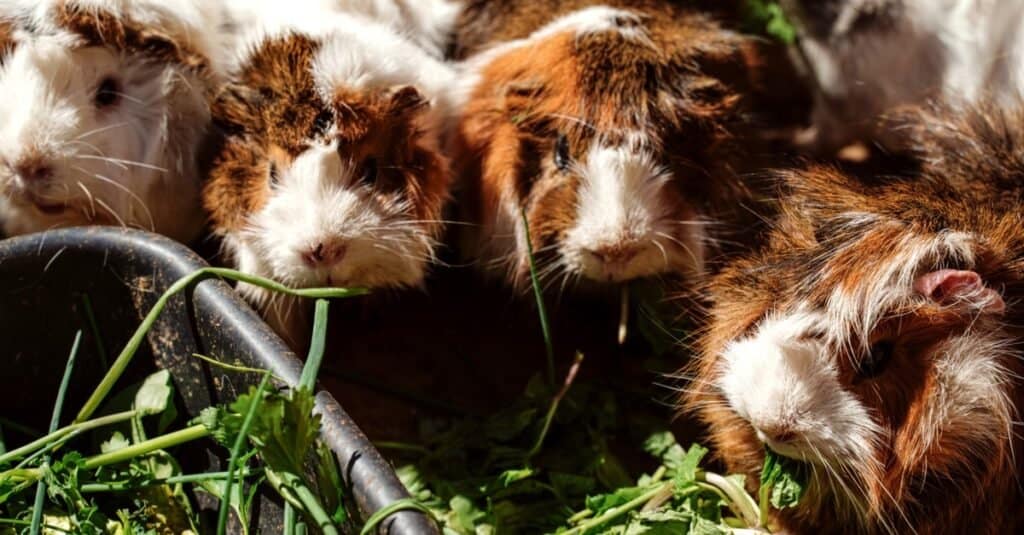
Small animal rescue organizations are experts in guinea pig care and can assist you with your new pet.
©iStock.com/NeonShot
In many areas, you can find non-profit organizations specializing in rehoming small animals like guinea pigs. However, to avoid inadvertently adopting from a breeder, it’s crucial to do your homework about any organization you’re considering. A great way to find a reputable local small animal rescue organization is through online search portals like Petfinder.
Like independent guinea pig rescuers, small animal rescue organizations are typically staffed by people with extensive knowledge about these types of pets. Not only can you find your furry new friend, but you can also pick up helpful tips about caring for them. Small animal rescue organizations strive to keep guinea pigs in their charge healthy and happy. Plus, they know how to sex them properly to avoid unwanted litters down the road.
4. Animal Control Facilities
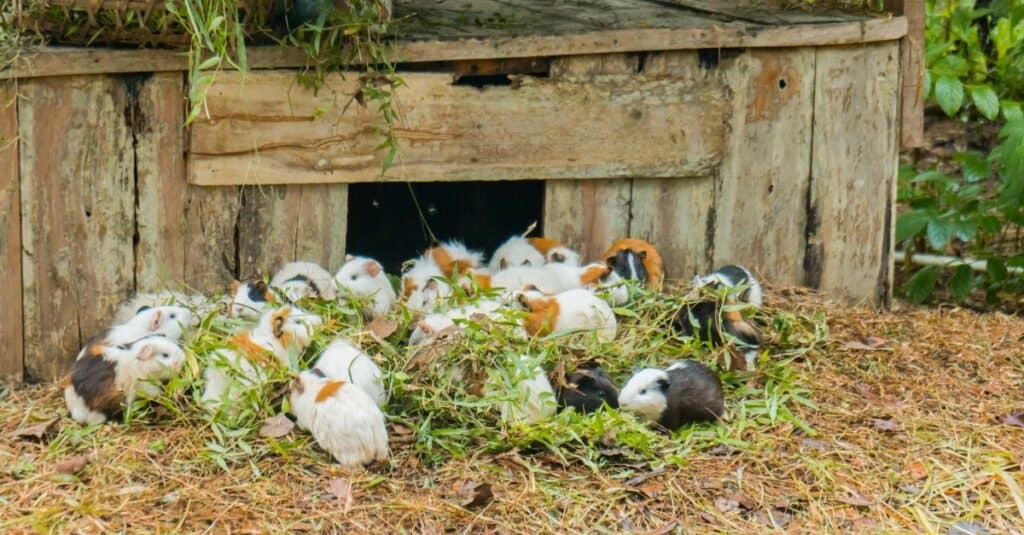
You can sometimes find small animals for adoption at your local animal control facility.
©yasuspade/Shutterstock.com
Another place to look for guinea pigs to adopt is an animal control facility or shelter operated by a local city or other jurisdiction. Guinea pigs found in these places usually arrive there after their owners decide not to keep them. Occasionally, abandoned guinea pigs are found outdoors and brought in by concerned citizens.
By adopting a guinea pig from a local animal control facility, you may be saving its life. Such facilities usually do not have much space, so they can only house guinea pigs for so long. Additionally, employees aren’t necessarily well-versed in guinea pig care, so you may need to see additional information elsewhere. Therefore, make sure to educate yourself about the ins and outs of caring for guinea pigs before attempting to adopt one from this type of facility.
5. Online Classified Ads

Online classified sites like Craigslist are a good place to look for guinea pigs to adopt.
©Zerbor/Shutterstock.com
If you strike out at local shelters and rescues, online classified ad sites or marketplaces are another option. People who urgently need to rehome these critters often turn to such sites to find new homes as quickly as possible. As an added bonus, many folks are also willing to throw in cages, water bottles, and other supplies, so you can potentially save a little money by pursuing this option.
Although the terms of service for such sites ban the sale of animals, it’s not unusual for breeders to circumvent this by listing animals with “rehoming fees.” So it’s vital to do your due diligence before proceeding. Beware of sellers with several small guinea pigs around the same age, and avoid sellers who are asking for more than $50 or so per pet. These are red flags that something may be amiss and that you should pursue other options.
6. Pet Stores
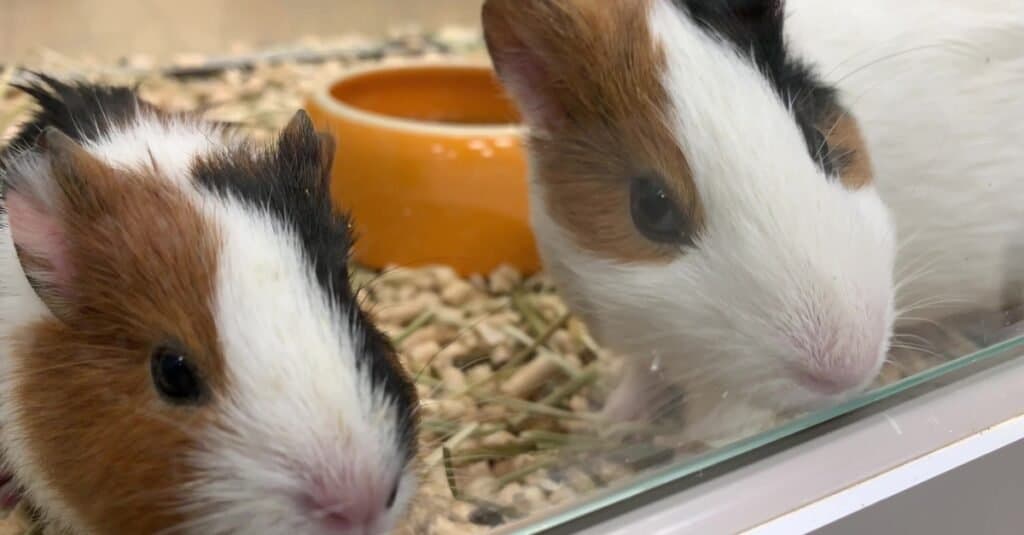
Some pet stores sell guinea pigs at reasonable prices.
©iStock.com/Iuliia Mikhalitskaia
In some communities, local pet stores may accept unwanted guinea pigs, helping their owners find new homes for their former pets. However, this is not a typical practice, and policies vary. If you are thinking about adopting a guinea pig from a pet store, start with local, family-owned stores first. These businesses tend to have connections in the local community, so they may be able to help you locate guinea pigs for adoption, even if they don’t have any at the moment.
Although smaller pet stores are easier to deal with when adopting a guinea pig, chain stores are sometimes the only option. These stores generally have guinea pigs available for sale, although availability may vary. As an added bonus, they typically stock all the supplies you’ll need, including cages, bedding, and food. Plus, you can usually select one and take it home the same day.
7. Guinea Pig Breeders
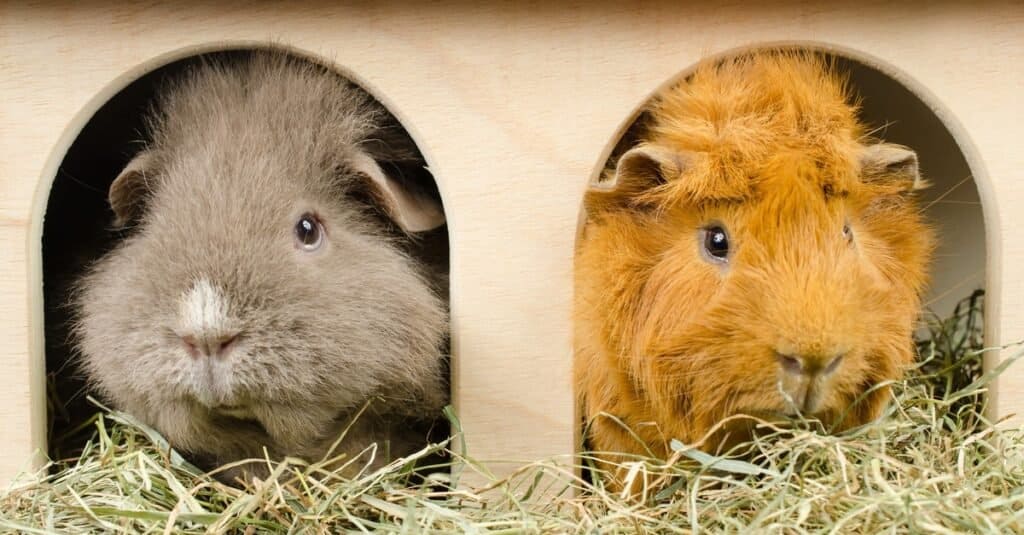
If you prefer a specific breed of guinea pig, a breeder may be your only option.
©PHOTO FUN/Shutterstock.com
Most people prefer to rescue unwanted, homeless guinea pigs. However, guinea pig breeders may be an option if you are looking for a particular breed. With that being said, it’s essential to know the difference between reputable breeders and people operating guinea pig “farms,” which churn out pets with no regard for their health or well-being.
Without question, purchasing a guinea pig from a breeder is the most expensive option. Depending on the breed and other variables, breeders typically charge up to $50, with rare or show-quality breeds costing $100 or more. You are unlikely to get any free supplies from a breeder, so ensure you have everything your guinea pig will need before proceeding. On the plus side, reputable breeders are very knowledgeable about guinea pig care and can provide many tips for keeping your pet healthy, happy, and safe.
As you can see, you have more options for finding and adopting a guinea pig than you probably realize. Before taking the plunge, research available options in your area. Chances are that you will be able to find your new pet at a local shelter, rescue operation, or sanctuary, allowing you to rescue an unwanted guinea pig that needs a home. Alternatively, online classified sites, local pet stores, and independent breeders are also viable options — just be sure to avoid guinea pig mills, which prioritize profit over the well-being of these animals.