



Quick Take
- The Havashu's most lovable trait doubles as its biggest liability, and ignoring it could make ownership a real problem. See the separation anxiety issue →
- One inherited condition can go completely undetected for months before suddenly changing everything about how this dog develops. Explore inherited health conditions →
- Training this breed requires unlearning the instinct most dog owners rely on, since the usual approach can backfire badly. See the reward-based approach →
- A Havashu's energy level and a common physical trait it may inherit are on a collision course, so owners need to know where the line is. Check the breathing caution →
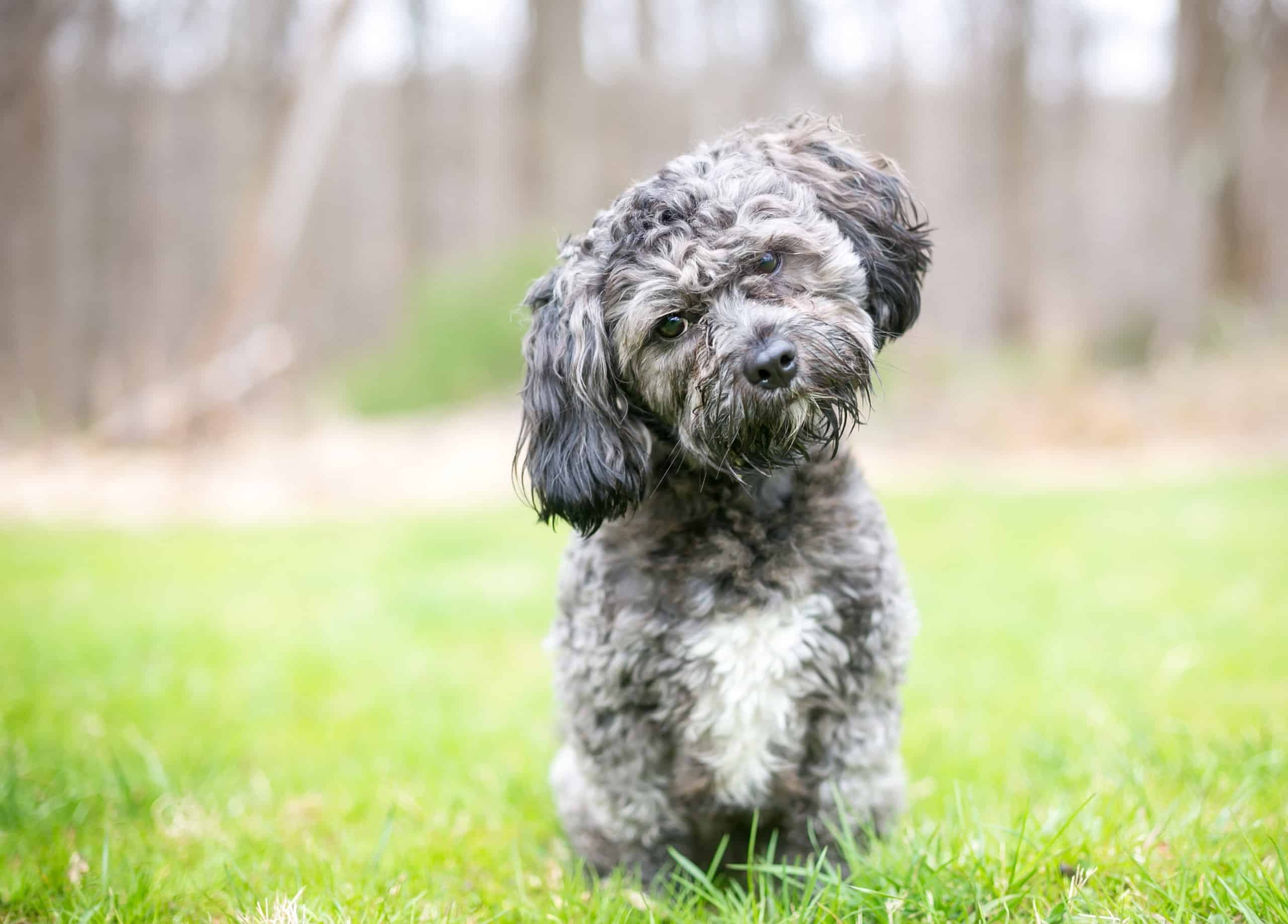
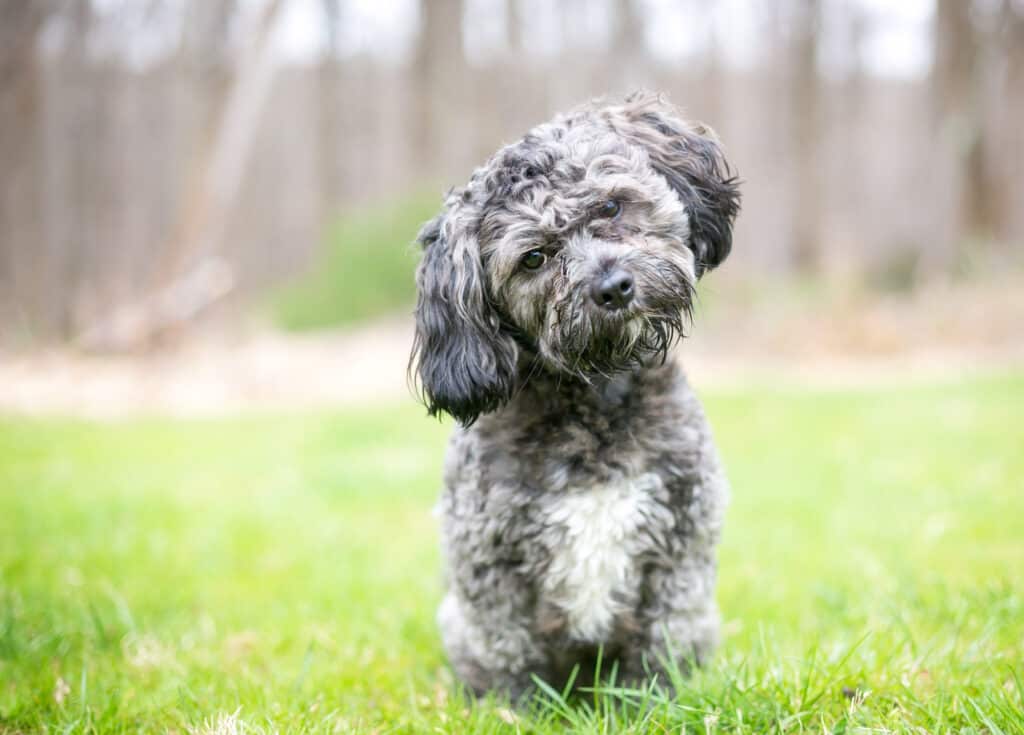
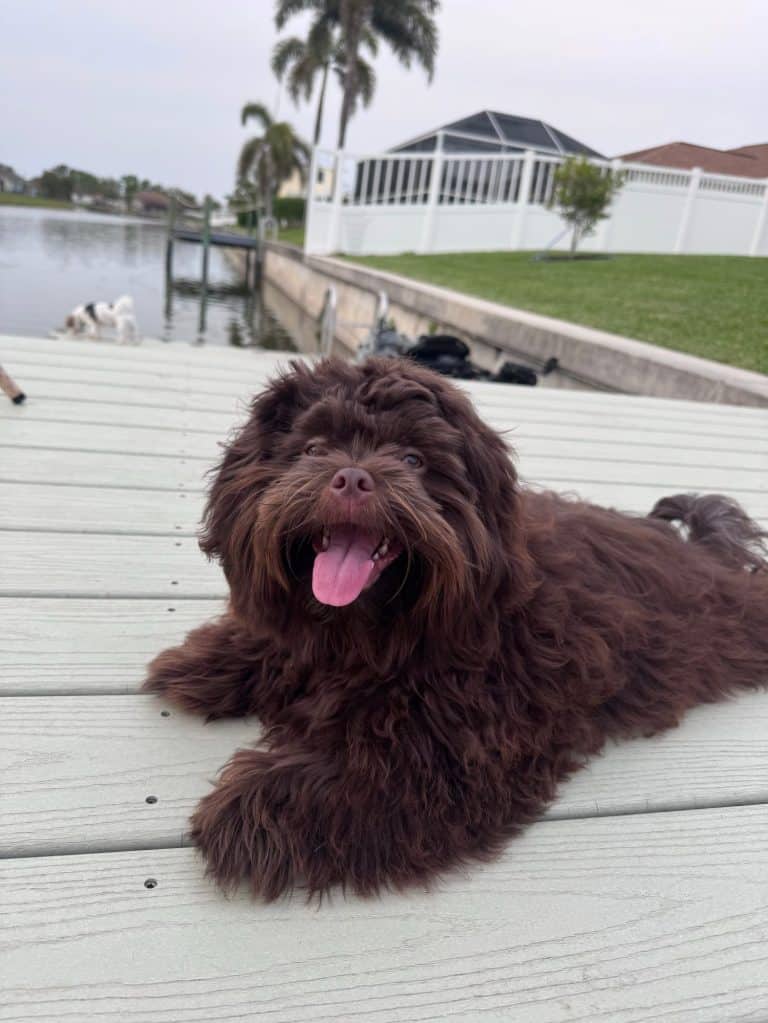
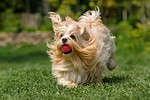
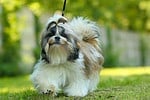
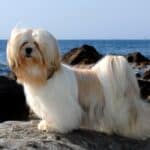
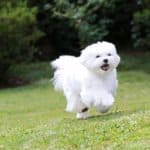
The Havashu is an affectionate companion dog bred from the people-pleasing Havanese and the lovable but stubborn Shih Tzu beginning in the 1990s. This adorable, devoted, and playful pup is excellent with children — they can keep one another entertained for hours! They are happy to greet everyone who approaches them, even strangers.

3 Pros And Cons Of Owning Havashu
| Pros | Cons |
|---|---|
| The Havashu is a lovable companion dog. It is playful, fun, and interested in what you are doing. Whatever it does, it wants to be with people. | It can sometimes take after its Shih Tzu parent and be ornery and stubborn, impacting things like housebreaking. |
| Since the Shih-Tzu tends to shed less and may produce fewer allergens than some breeds, some Havashus may also be more suitable for people with mild dog allergies, but neither breed is truly hypoallergenic. Ask for tests to determine if a particular dog is suitable for people with dog allergies. | It can be easy to overfeed the Havashu because they only require a cup of food a day. Make sure you are giving your dog plenty of activity and cut back on the treats if it appears to be gaining too much weight. |
| The Havanese and the Shih Tzu are long-lived, so it’s natural that the Havashu is, too. You can look forward to 12-17 years with your adorable companion if shown the proper care. | One feature of the Shih Tzu is its flat face, which can sometimes interfere with breathing. The Havashu may inherit this condition, meaning if it struggles to breathe during activity, it might be a good idea to pick it up and go home. |
History Of The Breed
The Havashu is a relatively new breed, beginning in the 1990s, and while the exact origin is not known, its parent breeds, the Havanese and the Shih Tzu, can be traced back to Cuba and China. The Havanese can be traced back to Cuba in the 1400s when Spanish farmers came to settle in the area. These farmers brought the now-extinct Bichon Tenerife dogs with them, which were the ancestors of the Havanese. The Bichon Tenerife was then crossed with the also now-extinct Blanquito de la Habana to eventually produce the national dog of Cuba, the Havanese.
The Shih Tzu is believed to have originated in Tibet and was likely bred from the Lhasa Apso and the Pekingese, becoming favored by Chinese royalty particularly during the Tang and Ming dynasties. It is believed that Tibet gifted these dogs to Chinese royalty, who then bred them with Pekingese or Pugs to get the Shih Tzu we have today.
Size And Weight
Havashus are lap dogs, so they are a small but sturdy breed. Male dogs are 9 to 12 inches tall and weigh 8 to 15 lbs. The female is 8 to 11 inches tall and weighs 7 to 14 lbs.
Common Health Issues
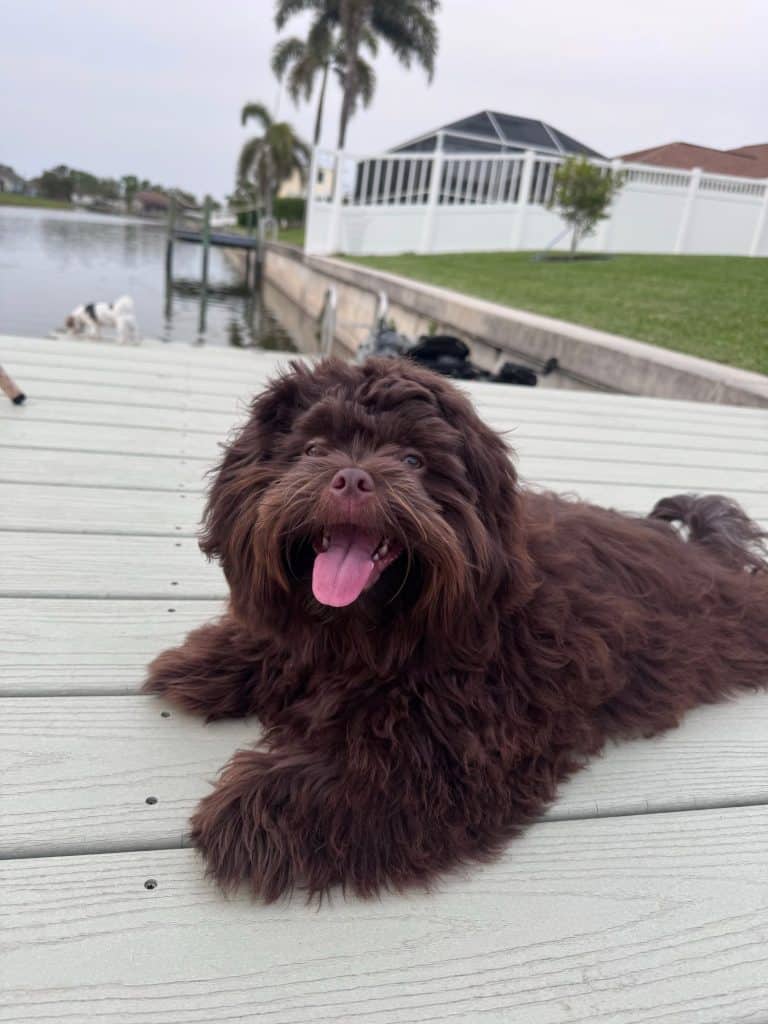
The Havashu may occasionally inherit some genetic conditions from its parent breeds.
©Life extension/Shutterstock.com
Havashu, as a hybrid breed, are pretty robust and healthy dogs. However, they occasionally inherit some significant concerns from their parent dogs.
Patellar luxation is when the kneecap slides out of place, which can happen when jumping off high furniture, so be sure to help your dog avoid these situations.
Another condition may be chondrodysplasia, a form of canine dwarfism that doesn’t usually show up until the puppy is about 5 to 6 months old. The affected animal will stop growing normally and begin showing bowed legs and unusual facial proportions. Heart and joint problems may develop alongside the noticeable outward changes. A dog suffering from chondrodysplasia will need regular veterinary care and may benefit from adaptive devices, such as doggy wheelchairs, later in life.
Havashu can also be prone to bladder stones, which are indicated by blood in the urine or straining during urination, and should be evaluated by a vet. The vet can identify the stones through an X-ray or ultrasound. They can then be removed through surgery, flushed out, or dissolved with special dietary additives.
Finally, some dogs may have mitral valve disease, a leaking heart valve. This doesn’t usually occur until the dog is about 6 to 10 years old. This may show up as a heart murmur and will eventually cause heart failure.
These are rare conditions; otherwise, the Havashu is a sturdy and healthy dog. Many of these conditions may occur because of irresponsible breeding, so choose a reputable breeder.
More common issues to watch for in your Havashu are allergies and ear infections (because of those floppy ears).
Temperament
The Havashu has a playful, energetic personality and is a joy to be around. It is a curious, sometimes mischievous dog that loves nothing better than to be with its family, and its behavior with children and family pets is exemplary. However, its people-pleasing traits can cause separation anxiety, so if you aren’t around much, let somebody else enjoy this dog’s company.
How To Take Care Of Havashu
The Best Dog Food
Havashus don’t require a lot of food; 1 cup a day will do. To avoid overeating, divide it up over 2-3 meals, and choose a dog food with fewer carbohydrates. Dry kibble will help promote dental health.
Maintenance And Grooming
The Havashu’s double coat calls for attentive grooming. Every other day at the very least, you should run a pin brush and a detangling comb through its hair. Its long, luxurious coat should be bathed almost monthly. To get your Havashu looking dapper, take it to a groomer every few months to trim and wash the coat.
Of course, you should brush the dog’s teeth three times a week, trim the nails (without trimming down to the skin), and especially clean the ears regularly. The Havashu’s floppy ears are prone to wax and debris buildup, resulting in infection.
Training
When training your Havashu, remember that it may have inherited some of its Shih Tzu parent’s stubbornness, so be patient. If you are harsh with it, it can get sulky. Use rewards, a positive tone, and a favorite toy to encourage cooperation. Keep the sessions short and be consistent with your expectations, and the people-pleasing Havanese side of this lovable dog will reward your efforts.
Exercise
Havashus have a fairly high energy level and always want to play. This is a good way to get in some of the 60 minutes of high-energy activity this dog requires. They also need one to two brisk walks a day. A fenced-in yard or a dog park is also a good place to let them run and explore off-leash.
One thing to be aware of, though, is that if your dog has inherited the flat face of the Shih Tzu, watch for struggling or shortness of breath. If this occurs, you may want to pick the dog up and carry it to a cool location.
Puppies
Their stubbornness can make them harder to housebreak, but the pups are sensitive to harsh treatment, so begin training early and be patient.
Some of the breed’s potential health problems can result from poor breeding practices, so ensure that you get your pup from a reputable breeder. Also, request vaccination records and test results from health screenings.
Havashu And Children
Havashus are great with kids. They long for someone to play with them and make them a part of what they’re doing. Train children to be careful with them, though. Their small size makes it possible for an overeager child to injure them.
Dogs Similar To Havashus
If you are interested in the Havashu, you may be interested in the dogs listed below.
- Toy Poodle: Like the Havashu, this dog is found in the toy group. The Toy Poodle is a small dog that is loyal and affectionate, having many of the character traits of the Havashu.
- Maltese: If you are interested in a playful toy dog that is, like some Havashu, also hypoallergenic, the Maltese may be the choice for you.
- Whoodle: Finally, if you are looking for a larger dog than the Havashu with combined traits of two breeds, the Whoodle is a lovable hybrid. This is an energetic combination of the Poodle and the Wheaten Terrier.
Havashu Pictures
View all of our Havashu pictures in the gallery.

Life extension/Shutterstock.com
Sources
- Pet Keen / Accessed October 18, 2022
- Pet Guide / Accessed October 18, 2022
- Wag! / Accessed October 18, 2022
- Everything Shih Tzu / Accessed October 18, 2022
- Hepper / Accessed October 18, 2022
- Premier Pups / Accessed October 18, 2022
- Premier Pups / Accessed October 18, 2022
- Dog Pregnancy Calendar / Accessed October 18, 2022
- Dog Pregnancy Calendar / Accessed October 18, 2022
- Shih Tzu Expert / Accessed October 18, 2022
- Walkin' Pets / Accessed October 18, 2022
- VCA Animal Hospitals / Accessed October 18, 2022
- Shake A Paw / Accessed October 18, 2022