






W
Species Profile

Whoodle

Canis lupus familiaris

Soft curls, sharp minds, big heart
iStock.com/Jonathan Koh

Whoodle Distribution

Click a location to explore more animals from that region

Origin Location

This map shows the native origin of the Whoodle. As a domesticated species, they are now found worldwide.

Loading map...

Size Comparison

Human 5'8"
Whoodle 1 ft 5 in

Whoodle stands at 25% of average human height.

Whoodle

At a Glance

Domesticated
Also Known As Wheaten Doodle, Wheaten Poo, Wheatenoodle, Wheatiepoo
Diet Omnivore
Activity Diurnal+
Lifespan 13.5 years
Weight 25 lbs
Status Not Evaluated
Did You Know?

A Whoodle is a cross between a Soft Coated Wheaten Terrier and a Poodle, so traits can vary widely.

Scientific Classification

The Whoodle (Wheatenpoo) is a domesticated dog crossbreed combining Soft Coated Wheaten Terrier and Poodle ancestry. It is kept as a companion animal and varies in size and coat depending on the Poodle variety used. Temperament and grooming needs can vary widely among individuals.

Kingdom
Animalia
Phylum
Chordata
Class
Mammalia
Order
Carnivora
Family
Canidae
Genus
Canis
Species
Canis lupus

Distinguishing Features

  • Poodle-influenced curly or wavy coat
  • Often low-shedding but coat varies
  • Size varies with Poodle variety used
  • Friendly companion-dog temperament common

Physical Measurements

Males and females differ in size

Height
♂ 1 ft 6 in (12 in – 1 ft 10 in)
♀ 1 ft 5 in (1 ft 2 in – 1 ft 7 in)
Length
♂ 2 ft 9 in (2 ft 1 in – 3 ft 5 in)
♀ 2 ft 9 in (2 ft 6 in – 3 ft 1 in)
Weight
♂ 35 lbs (20 lbs – 55 lbs)
♀ 35 lbs (26 lbs – 44 lbs)
Tail Length
♂ 9 in (7 in – 11 in)
♀ 12 in (10 in – 1 ft 2 in)
Top Speed
25 mph
running

Appearance

Primary Colors
Secondary Colors
Skin Type Wavy-curly coat
Distinctive Features
  • Designer crossbreed: Wheaten Terrier × Poodle ancestry; look varies widely.
  • Coat ranges wavy to curly; can be single-coated or lightly double.
  • Medium-length coat prone to matting; frequent brushing and regular clipping needed.
  • Drop ears with hair in canals; higher risk of ear infections.
  • Teddy-bear face with bearded muzzle and expressive, dark eyes.
  • Size varies by Poodle variety used; small-to-medium companion build.
  • Skin can be sensitive; allergies and itchiness seen in some lines.
  • Health watch: hip dysplasia, patellar issues, eye problems, Addison's risk.
  • Wheaten-linked risks: protein-losing enteropathy/nephropathy in some individuals.
  • Needs daily exercise and mental stimulation; can become restless if underworked.

Sexual Dimorphism

Sexual dimorphism is subtle: males are often slightly taller, heavier, and more broad-chested. Females tend to appear a bit finer-boned with a narrower head and muzzle.

♂
  • Slightly larger frame with broader chest and neck ruff.
  • Head and muzzle often appear blockier and wider.
♀
  • Slightly lighter build with more refined facial features.
  • Narrower shoulders and ribcage; overall more delicate outline.

Did You Know?

A Whoodle is a cross between a Soft Coated Wheaten Terrier and a Poodle, so traits can vary widely.

Size often tracks the Poodle parent: toy/mini mixes stay smaller, while standard mixes can be medium-large.

Many have a soft, wavy coat that sheds less than typical dogs, but grooming needs are usually higher.

They commonly inherit strong learning ability from Poodles, making reward-based training especially effective.

Wheaten ancestry can bring a playful "bounce" and people-focused temperament, often enjoying close family contact.

Because they're mixed-breed, predicting coat type, adult size, and allergen levels is less certain than in a pure breed.

Unique Adaptations

  • Often low-shedding, wavy-to-curly coat that can reduce loose hair in the home, though not allergy-proof.
  • Highly trainable, people-attuned temperament; many respond best to positive reinforcement and routine.
  • Athletic, agile build suited to activities like agility, nose work, and long daily walks.
  • Coat and size variability allows matching different households, from apartment-friendly minis to larger active companions.
  • Social flexibility: many do well with families when early socialization builds comfort with kids, dogs, and visitors.

Interesting Behaviors

  • Enthusiastic greeting "bounce" or hopping, especially when excited to see familiar people.
  • Retrieving and carrying toys around the house, reflecting Poodle-origin fetching instincts.
  • Terrier-influenced digging or chasing squirrels; best managed with games and structured exercise.
  • Shadowing family members from room to room, a common companion-dog attachment pattern.
  • Quick pattern learning, but can develop nuisance habits if under-exercised or under-trained.

Cultural Significance

Whoodles reflect the modern "designer crossbreed" trend, pairing Poodle trainability with Wheaten charm. They're valued mainly as companions, and they highlight how domestic dogs (Canis lupus familiaris) vary dramatically through selective breeding.

Myths & Legends

In Irish rural history, Soft Coated Wheaten Terriers were remembered as hardworking "poor man's" farm dogs, prized for vermin control and steady companionship.

The Poodle's name is often said to come from a German verb meaning "to splash," reflecting its history as a water-retrieving duck dog.

Irish hero tales tell of Cu Chulainn ("Hound of Culann"), whose name links guardianship and honor to the image of a powerful dog.

European folk belief often treated curly-coated water dogs as lucky for sailors and hunters, valued for bringing game back through cold water.

Conservation Status

NE Not Evaluated

Has not yet been evaluated against the criteria.

Population Stable

Life Cycle

Birth 5 pups
Lifespan 14 years

Lifespan

In the Wild
12–15 years
In Captivity
10–18 years

Reproduction

Mating System Promiscuity
Social Structure Managed Domestic
Breeding Season Year-round; females cycle every 6-8 months
Breeding Pattern Transient
Fertilization Managed Selective
Birth Type Managed_selective

As a human-managed crossbreed, Whoodles are typically bred via selected pairings with internal fertilization; no stable pair-bonds form and matings are opportunistic. Variable size/coat; requires frequent grooming; watch for allergies, hip dysplasia, PRA, and protein-losing disease.

Behavior & Ecology

Social Pack Group: 4
Activity Diurnal, Crepuscular
Diet Omnivore meaty kibble

Temperament

People-oriented
Affectionate
Playful
Intelligent
Trainable
Sometimes stubborn
Sensitive
Moderate-to-high energy
Social when well socialized
Variable prey drive
May develop separation anxiety
Mouthy as adolescent
Low-shedding coat with high grooming needs
Prone to ear issues with floppy/corded coats
May have allergy-prone skin
Risk: hip dysplasia
Risk: progressive retinal atrophy
Risk: Addison's disease

Communication

barks
alert barks
whines
grumbles
howl-like vocalizing
body language
tail carriage signals
play bowing
pawing for attention
nudging/leaning
eye contact
scent marking
jumping up if undertrained

Habitat

Biomes:
Temperate Forest Temperate Grassland Mediterranean Boreal Forest (Taiga) Tundra Alpine Desert Hot Desert Cold Savanna Tropical Rainforest Tropical Dry Forest Temperate Rainforest Freshwater Wetland Marine +9
Elevation: Up to 18044 ft 8 in

Ecological Role

Domestic companion; occasional small-pest predator, dependent on humans for food.

human companionship pest deterrence emotional support

Diet Details

Main Prey:
Rodents Rabbit Small birds
Other Foods:
Cooked grains Vegetables Berries

Human Interaction

Domestication Status

Domesticated

Domestic dogs descended from wolves and were domesticated at least 15,000 years ago for hunting, guarding, and companionship. The Whoodle is a modern companion crossbreed (Wheaten Terrier × Poodle), developed in recent decades for temperament and coat traits.

Danger Level

Low
  • Nipping during rough play
  • Bites when fearful or in pain
  • Knocking over small children
  • Allergy-triggering dander exposure

As a Pet

Suitable as Pet

Legality: Generally legal; follows local dog licensing rules.

Care Level: Moderate

Purchase Cost: $800 - $2,500
Lifetime Cost: $18,000 - $45,000

Economic Value

Uses:
Companionship Services Therapy Sport Breeding
Products:
  • pet sales
  • grooming
  • training
  • veterinary
  • boarding

Quick Take

  • Maintaining this hybrid requires 60 minutes of dedicated daily activity to ensure behavioral stability.
  • Developing Progressive Retinal Atrophy creates a specific behavioral resistance that complicates evening outdoor activities.
  • Contradictory, peak intelligence in this breed serves as a direct barrier to traditional obedience training.
  • The socialization phase is necessary to ensure the dog remains compatible with children of all ages.

When you breed a poodle with a soft-coated Wheaten terrier, you get what’s known as a Whoodle. This canine has a friendly, affectionate personality and is very energetic. Whoodles belong to the hybrid group of dogs.

Though Whoodles originated in the United States, no one knows exactly when they were first bred. These dogs shed very little, which is a trait they get from both sides of the family.

These dogs are popular with families because of their playfulness and ability to interact well with children.

A detailed infographic explaining the Whoodle dog breed, featuring a breeding formula, a growth timeline, and categorized sections on health, temperament, and care requirements.
They’re hypoallergenic and brilliant, but that high IQ makes every training session a constant battle against distraction. Discover why this "genius" breed requires a 60-minute daily commitment to prevent behavioral instability. © A-Z Animals

Evolution

The Whoodle is one of many ‘designer dogs’ developed in the late 20th century, likely around the 1980s, in an attempt to combine the hypoallergenic, non-shedding coat and intelligence of the poodle with other popular breeds. The Soft-coated Wheaten Terrier is known for its beautiful, soft fur, so the combination produces a dog with a lovely, soft, low-shedding coat.

Whoodle sitting in car

Whoodles shed very little and are great pets for people with allergies.

3 Pros and Cons of Owning Whoodles

ProsCons
Child-friendly
Whoodles get along well with children, which makes them a favorite of families with kids of all ages.
Very energetic
These dogs have a high energy level. An owner must be devoted to giving this pet at least 60 minutes of exercise once a day.
Child-friendly
Whoodles get along well with children, which makes them a favorite of families with kids of all ages.
Tricky to train
Though Whoodles are intelligent, their high level of energy can affect their focus during training sessions.
Apartment-friendly
Toy and mini Whoodles are suitable in size for apartment living.
Doesn’t like to be alone
This dog suffers from separation anxiety if left alone for long periods of time. Their anxiety can take the form of chewing or causing other damage.
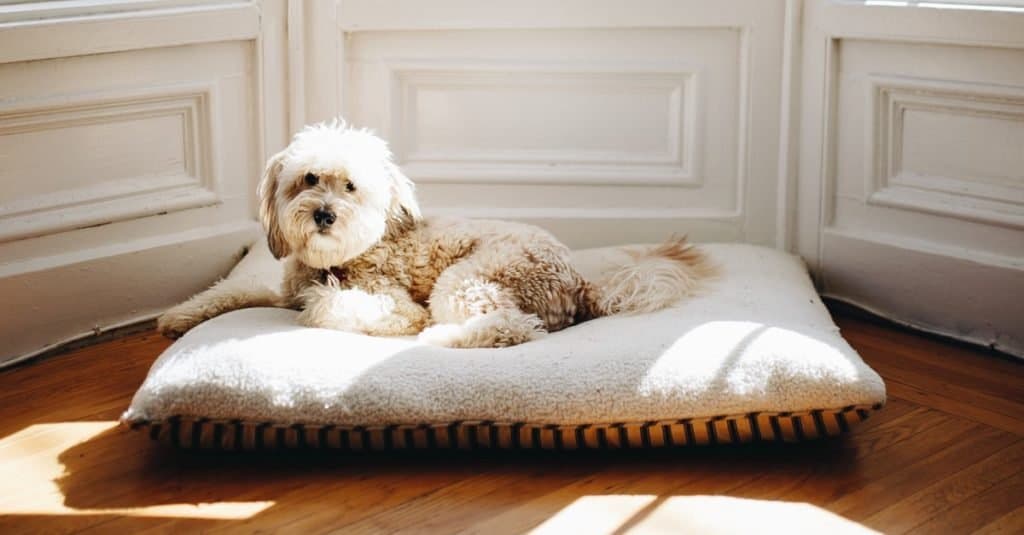
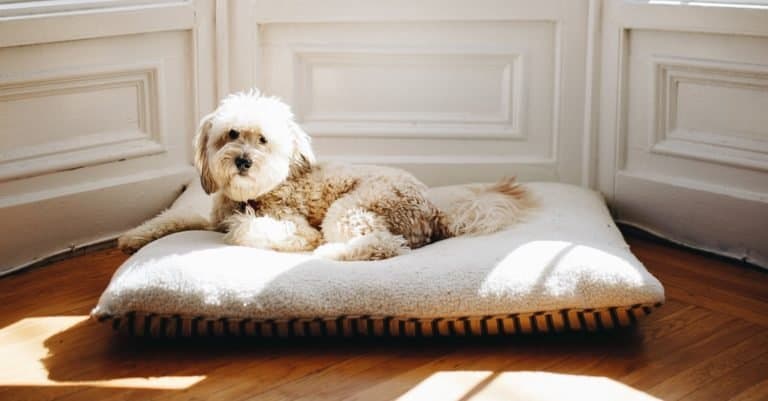
Whoodle relaxing

A Whoodle’s size depends on the size of its poodle parent.

Size and Weight

Usually, standard Whoodles can grow as tall as 20 inches from head to foot. Furthermore, these dogs can weigh as much as 60 pounds, fully grown. At 8 weeks of age, standard Whoodles weigh around 10 pounds, and they are considered fully grown at 18 months.

Common Health Issues

Whoodles have the same health issues as poodles and Wheaten terriers.

Understandably, Whoodles have some of the same health issues as poodles and Wheaten terriers. One of those issues is epilepsy. This condition is a result of abnormal electrical activity in the dog’s brain. It can cause a dog to have seizures. These seizures can come in the form of convulsions, or a dog can lose consciousness. This is usually diagnosed in a dog between the ages of 1 and 5 years old. Fortunately, some medications can control seizures.

Additionally, Progressive Retinal Atrophy can happen. This is when the cells in a dog’s eyes deteriorate over time, leading to partial or total blindness. A dog that’s reluctant to go outside in the dark is one possible sign of this condition. Sometimes supplements can slow down its progression.

Also, Whoodles are prone to bloat. This is when the dog’s stomach becomes twisted, trapping food, liquid, and air. Bloat decreases blood flow to other organs and is very serious. Eating food too quickly can lead to bloat. Some symptoms include a distended stomach, retching, and trouble breathing. A veterinarian can relieve bloat with a special tube or even surgery. An owner needs to be aware of the signs of this condition.

Temperament and Behavior

These dogs have playful, goofy personalities and an affectionate temperament. They love to run, jump, and play games with their families. In fact, they are well-known for their energetic behavior. These dogs are intelligent and eager to please, just like their poodle and Wheaten terrier parents.

Of course, the trait of intelligence is helpful when training any dog. However, they are inquisitive, which means they are easily distracted during training time. So, having very few distractions around and keeping training sessions short are both helpful in providing obedience instruction to this hybrid dog.

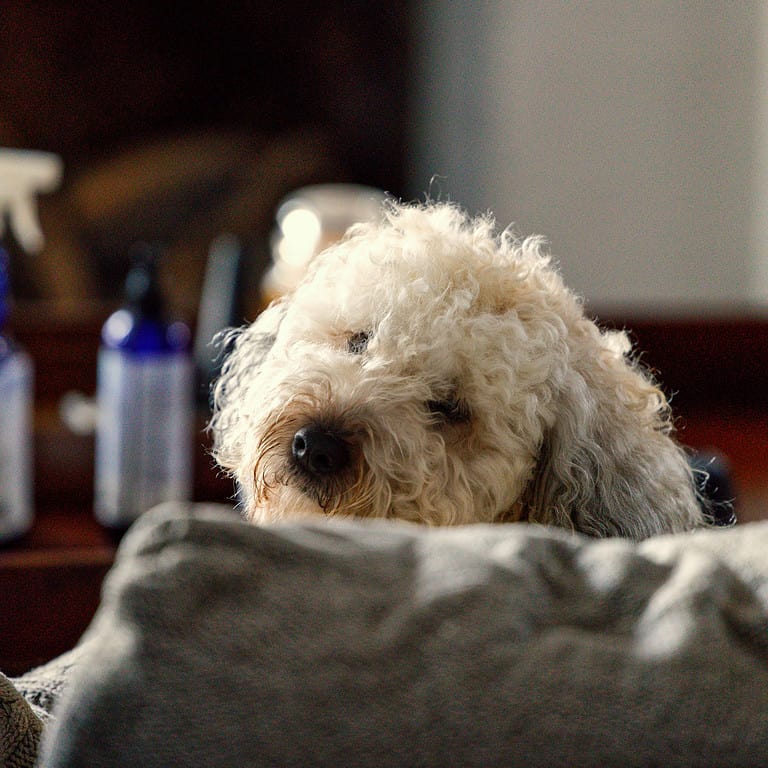
Whoodle

Whoodles are a lively breed that is always ready to play.

How to Take Care of Whoodles

First of all, an owner who wants to take excellent care of their pet can begin by learning as much as possible about this breed before getting one. Taking into account the diet of a puppy or adult as well as its exercise needs, health issues, and grooming requirements can help an owner to make a sensible plan of care for this lively dog.

The Best Dog Food

Not surprisingly, a puppy and an adult dog require different types and amounts of nutrients in their diet. For that reason, discover some of the basic nutrients to include in the diet of puppies and adults.

Puppy food: Omega-3 fatty acids and DHA in a Whoodle puppy’s diet contribute to the healthy development of its eyes and brain. Supporting a puppy’s eye health early on can help to prevent Progressive retinal atrophy. Calcium is an important ingredient that provides strength to the puppy’s growing bones and teeth. Fat is essential for giving these active puppies the energy they need to explore and discover their environment. Plus, protein in the form of chicken, whole grain wheat, or pork liver adds strength to developing muscles and joints.

Adult dog food: Antioxidants support a healthy immune system in an adult Whoodle. Omega-3 fatty acids contribute to the healthy vision of this dog and serve as some protection against Progressive retinal atrophy. Protein supports strong muscles and tendons. An adult Whoodle should still have fat in its diet, but a limited amount. A limited amount of fat offers an adult dog the energy it needs without adding excess weight. An adult Whoodle should receive three small portions of food, three times a day. This prevents the dog from gulping down food (along with a lot of air), leading to a possible case of bloat.

Maintenance and Grooming

So, how much do these dogs shed? One of the many reasons why this hybrid is so popular is that it sheds very little hair.

A grooming routine for the dog should include brushing it two to three times per week. A slicker brush is useful for removing mats and tangles. Make sure the bristles of the slicker brush have plastic covers, so they brush lightly against the dog’s skin. It’s a good idea to go over the dog’s coat with a nylon brush. This grooming tool stirs up natural oils and makes the dog’s black, silver, or rust coat look shiny.

Sebaceous adenitis is a common skin condition. Hair loss and redness are both signs of sebaceous adenitis. Luckily, there are some topical salves that can help treat this condition.
Animal, Beauty, Close-up, Color Image, Cute

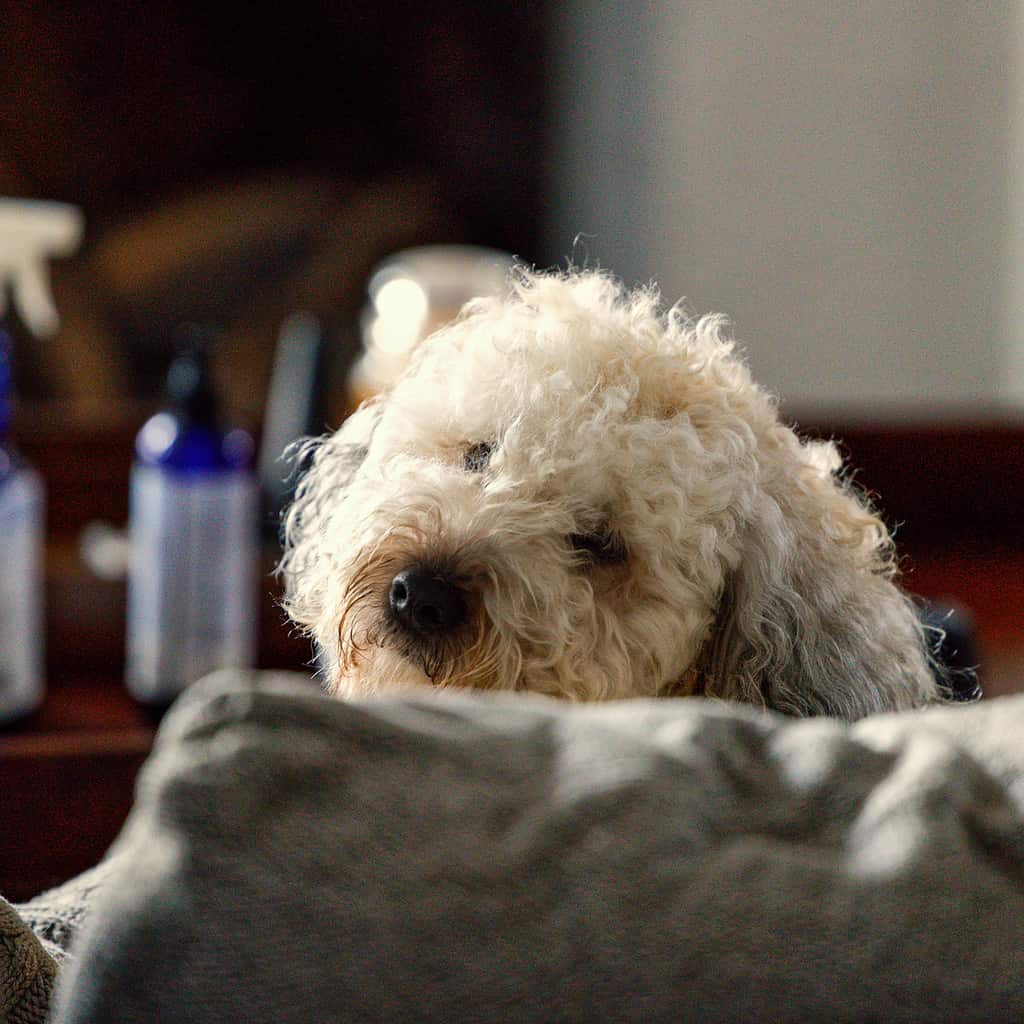
Whoodles are intelligent and easy to train if you can keep distractions to a minimum.

Training

These are intelligent dogs. As a result, they’re easier to train. But, along with being intelligent, they are easily distracted. So, it’s best to schedule short training sessions in an area that is free of distractions.

Exercise

Importantly, regular exercise plays a part in maintaining the good health of these dogs. They need around 60 minutes of exercise each day. Playing chase, walking in a nearby field or woods, or alternately visiting a dog park are all great forms of exercise for the dog.

A toy or mini Whoodle would be suitable for apartment living. However, in terms of size, a standard Whoodle is a little too large to live comfortably in an apartment.

Puppies

Puppies are anxious to explore their environment from the get-go. An owner should allow these puppies to wander in a fenced-in, safe area until they get some obedience training.
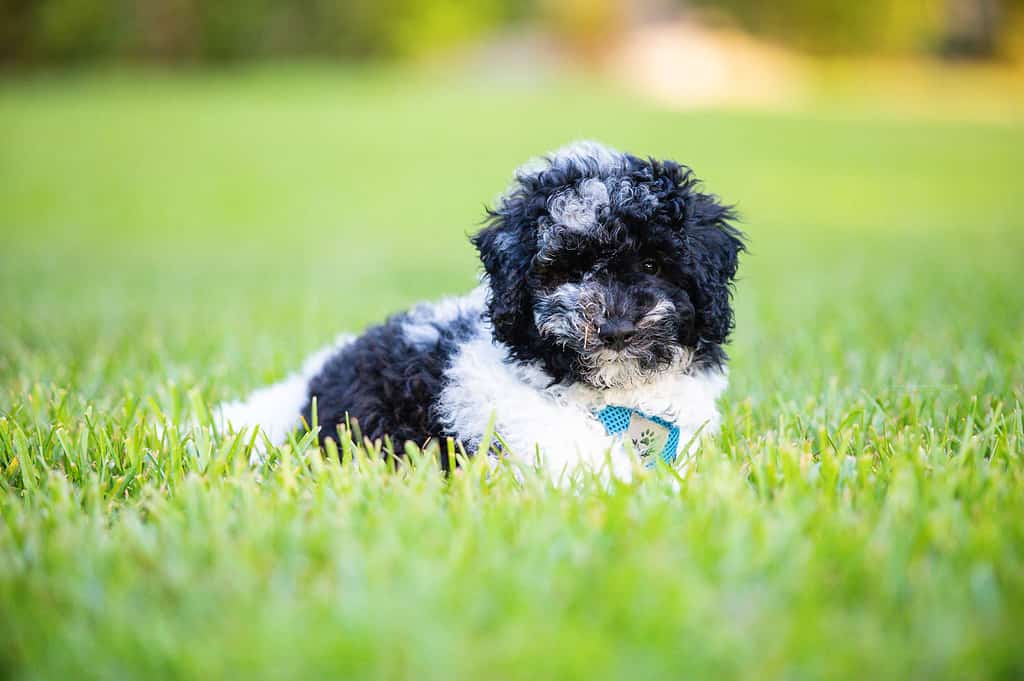
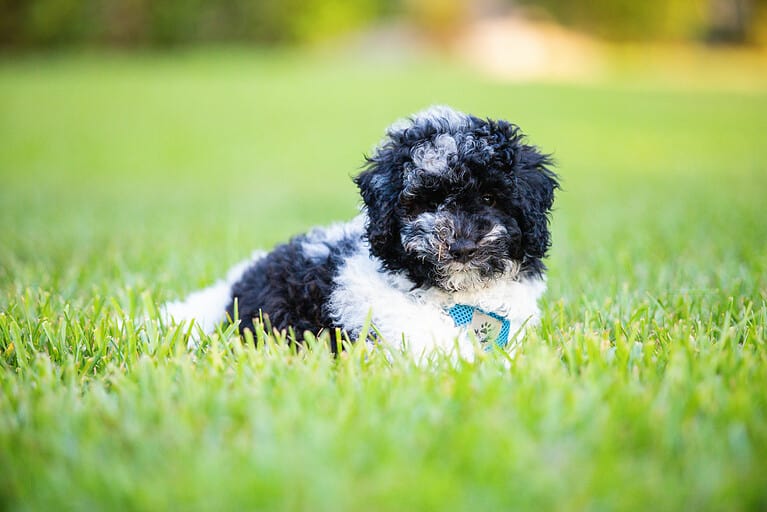
Whoodle puppy playing with frisbee

Once Whoodle puppies have been socialized, they are great with children.

Children and Whoodles

Once they’ve been socialized, these dogs are good with kids of all ages. They love to run around outside and have fun or cuddle next to a family member indoors.

Dogs Similar to Whoodles
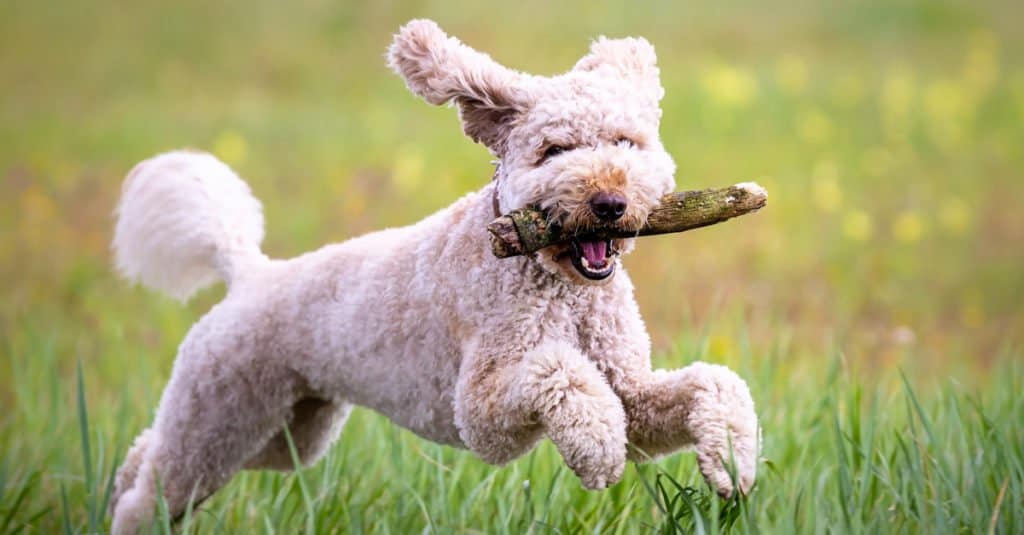
white mini labradoodle

Mini-Labradoodles are similar to Whoodles.

Other breeds similar to these dogs include:

  • Labradoodles: Labradoodles and Whoodles are intelligent and shed very little. Both dogs can have a black coat; however, a Whoodle’s fur can be many other colors, such as silver, chocolate, or rust.
  • Goldendoodles: Goldendoodles and Whoodles have a friendly, playful temperament. In terms of energy, a Goldendoodle is less energetic than a Whoodle.
  • Cockapoos: Cockapoos and Whoodles have an affectionate temperament. When it comes to size, a Whoodle weighs more than a Cockapoo.

white Cockapoo standing on a couch

Like the Whoodle, socialized cockapoos are gentle and friendly with children.

View all 442 animals that start with W

Sources

  1. Dog Breed Info / Accessed March 13, 2021
  2. Hello Bark / Accessed March 13, 2021

Lisha Pace

About the Author

Lisha Pace

After a career of working to provide opportunities for local communities to experience and create art, I am enjoying having time to write about two of my favorite things - nature and animals. Half of my life is spent outdoors, usually with my husband and sweet little fourteen year old dog. We love to take walks by the lake and take photos of the animals we meet including: otters, ospreys, Canadian geese, ducks and nesting bald eagles. I also enjoy reading, discovering books to add to my library, collecting and playing vinyl, and listening to my son's music.

Thank you for reading! Have some feedback for us?


Whoodle FAQs (Frequently Asked Questions)

A Whoodle is a cross between a soft-coated Wheaten terrier and a poodle. The poodle in the mix is the one that dictates the size of the Whoodle. If the father is a standard poodle, then the Whoodle will be a standard size. The same goes if the poodle father is a mini or a toy.

Whoodles can be black, silver, rust, cream, brown, or spotted.

Breeders decided to combine these two purebreds to make a dog that is a low shedder, intelligent and affectionate.