
Quick Take
- Hummingbirds have one of the fastest metabolisms of any vertebrate, burning energy at a staggering rate.
- Nectar fuels their flight, but insects provide the protein they need to survive.
- Without frequent feeding and nighttime torpor, a hummingbird couldn’t make it through a single day.
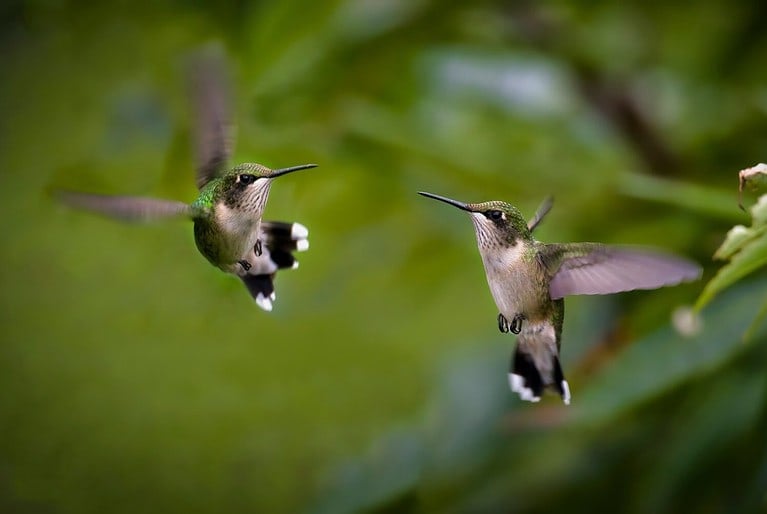
Hummingbirds are very fast animals. Their wings beat 80 times per second, and their hearts beat up to 1,260 beats per minute. But their wings and circulatory systems aren’t the only things that are speedy. Hummingbirds have one of the fastest metabolisms of any animal on the planet. In fact, hummingbirds have one of the highest mass-specific metabolic rates of any vertebrate, meaning they burn energy far faster per gram of body weight than humans or elephants.
Hummingbirds are tiny (only 3-4 grams in weight), but supporting such high metabolisms requires a lot of calories. Because their metabolism is so extreme, hummingbirds must feed frequently during the day. At night, many species enter a state called torpor, lowering their body temperature and heart rate dramatically to conserve energy. If a human burned calories at the same rate as a hummingbird, they would need to consume tens of thousands of calories per day just to survive.
How Hummingbirds Build Energy
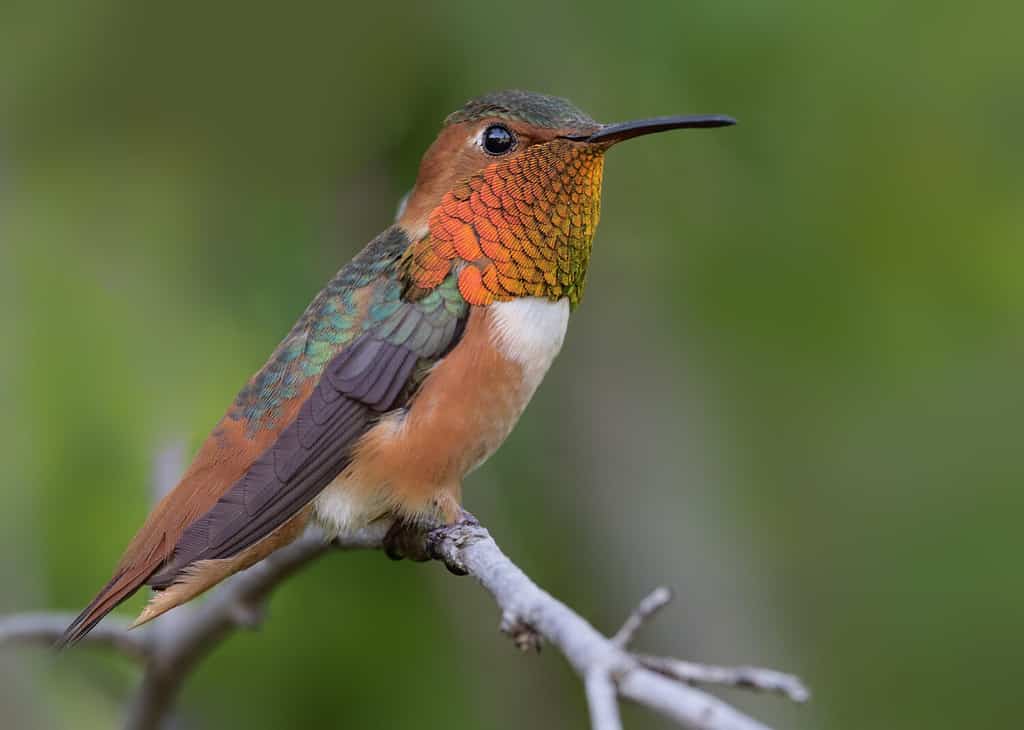
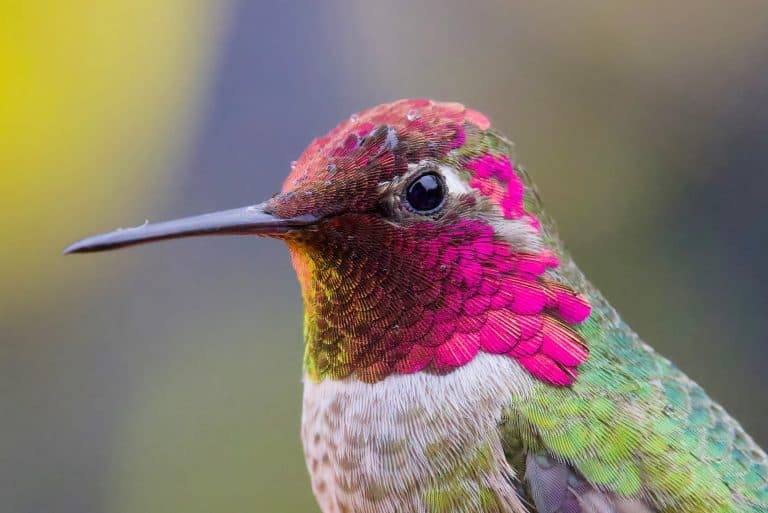
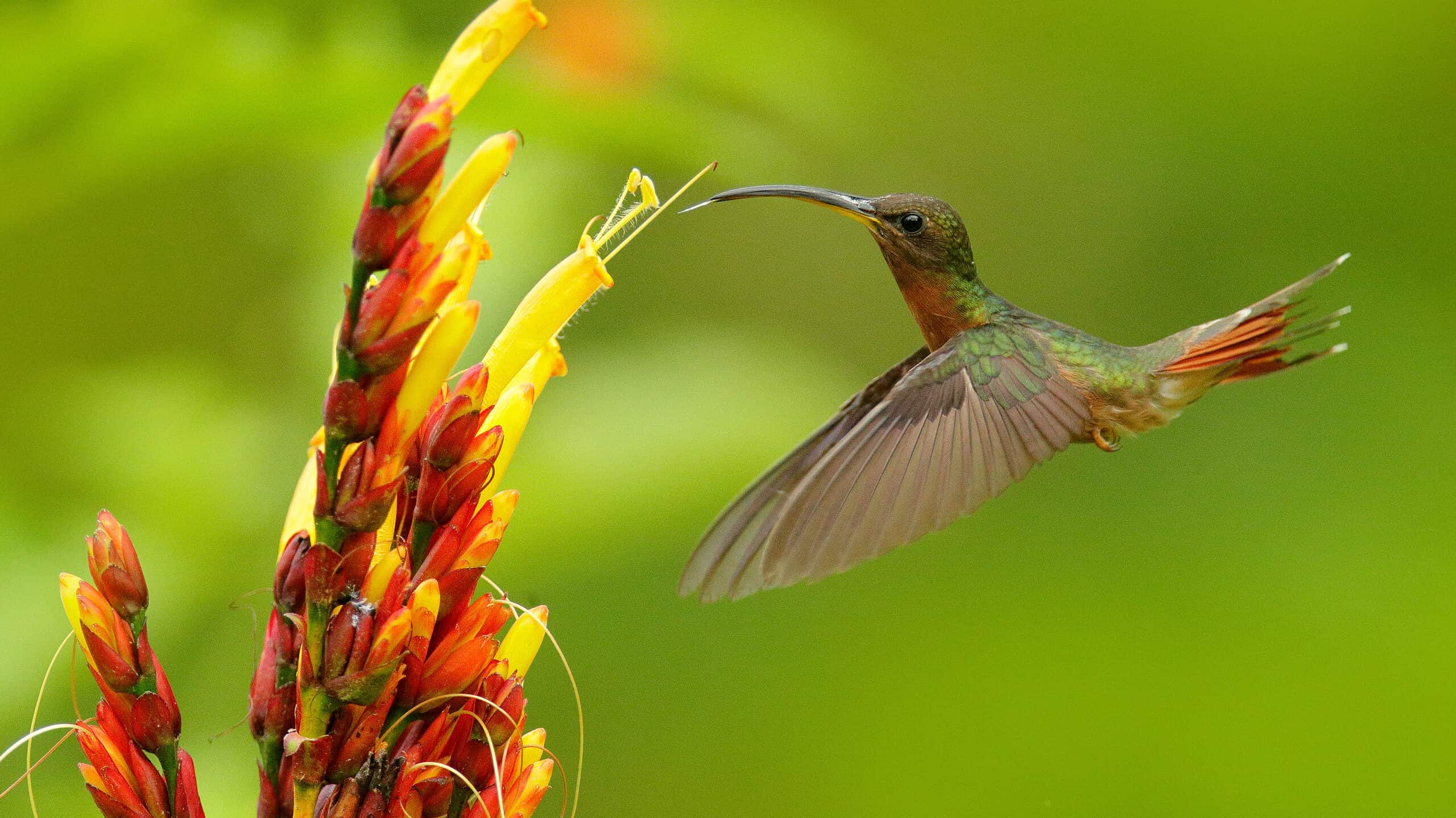
As omnivores, hummingbirds eat a variety of foods.
©Angel DiBilio/Shutterstock.com
Hummingbirds eat up to two times their body weight in food every day to stay fueled. Many people think hummingbirds only drink nectar from plants or hummingbird feeders, but these little birds are omnivores and eat a variety of foods. This includes spiders and insects such as gnats, flies, mosquitoes, and ants. Nectar provides most of a hummingbird’s calories, while insects and spiders supply essential protein, fats, and nutrients.
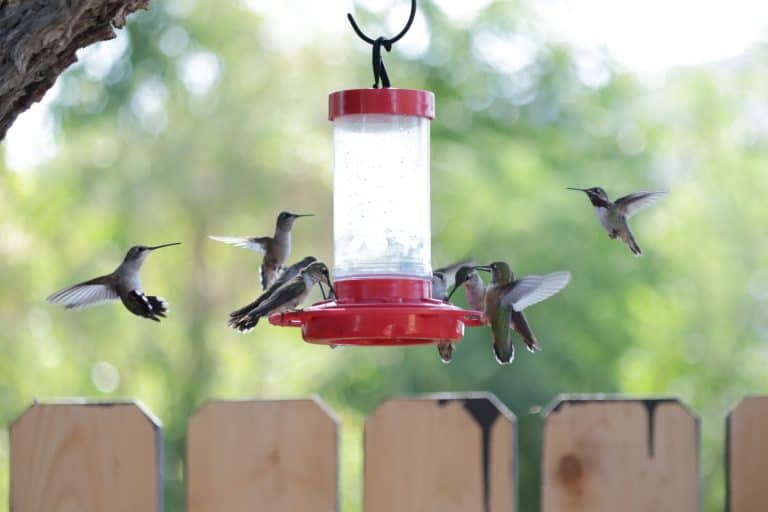
Hummingbirds also need sugar to sustain their high metabolism, and that’s where flower nectar comes in. Hummingbirds prefer flowers with nectar that has high sugar content. Many people put out hummingbird feeders filled with sugar water to replicate nectar. Sugar water mixtures are easy to make and just require a 1:4 ratio of sugar and water.
Refined white sugar (sucrose) most closely matches the composition of natural nectar. You should never use other sugars, honey, sugar substitutes, or corn syrup. This is because they may contain additives that could harm a hummingbird. While people often add red dye to sugar water, the chemicals in red dye #40 can be bad for hummingbirds. Luckily, while the color red attracts hummingbirds, sugar water is enough to get their attention without red coloring.
Sugar water is an easy way to feed hummingbirds, but there are other things that attract the birds and provide a much-needed food source. Here are four options to consider to attract more hummingbirds to your yard and offer an alternative to sugar water.
#1: Plant Nectar
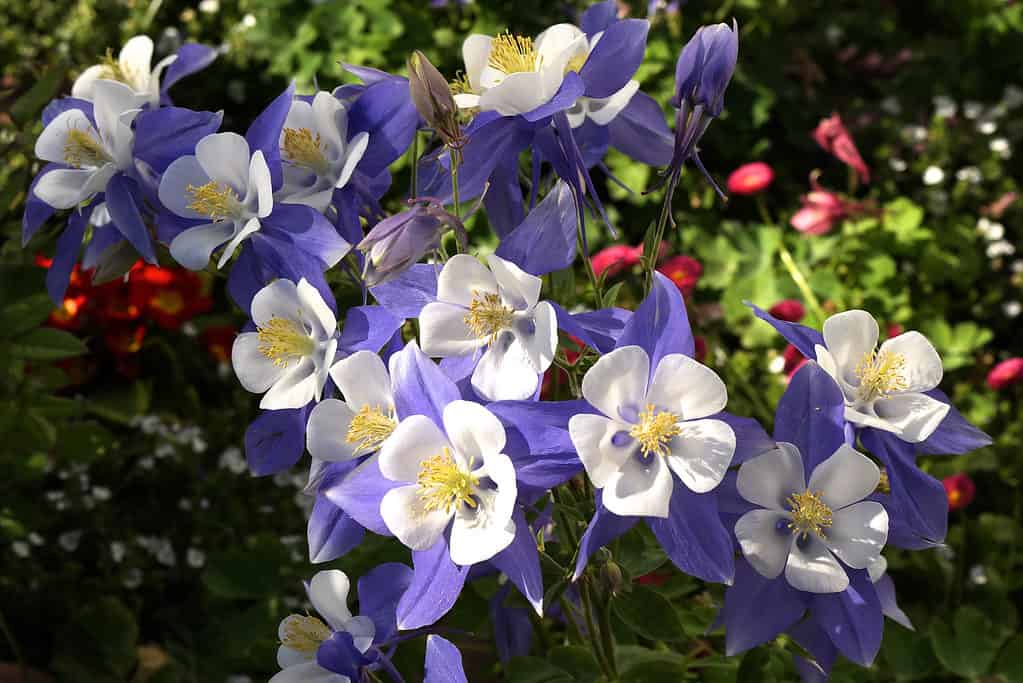
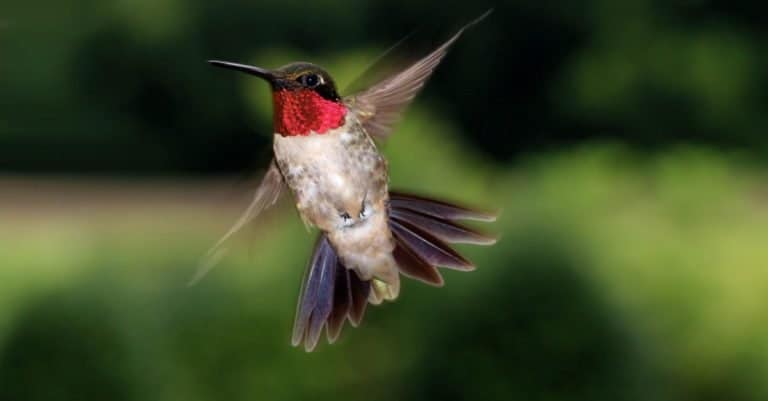
Columbine flowers are a popular choice for hummingbirds because of their shape and color.
©iStock.com/Linda Jo Heilman
Hummingbirds enjoy the sugar water in hummingbird feeders, but their primary natural source for nectar is flowers. Hummingbird migration is seasonal and timed around the bloom schedule of flowers, so that they have plenty of food along the way. The energy from food is critical for migration. because migration is not a short trip. Some species such as rufous hummingbirds travel huge distances, migrating from Mexico to Alaska in the spring, and back again in the fall. The ruby-throated hummingbird often flies 18-20 hours straight without stopping to cross the Gulf of Mexico.
Hummingbirds migrate twice a year, so planting both early- and late-blooming flowers in your garden can help feed them on their long journey. The birds look for nectar with an average sugar content of around 26 percent (almost double the amount of sugar found in a soda!). The nectar can’t be too thick or sticky, or the hummingbirds will be unable to drink it.
In addition to nectar, the shape of the flower can attract or deter a hummingbird. Hummingbirds look for flowers that are tubular and long in shape, so they can easily reach their tongue and bill inside to feed. Easily visible, bright colors such as red or orange are also attractive to hummingbirds. Popular plants with hummingbirds include coral honeysuckle, cardinal flowers, columbine, bee balms, and butterfly bushes.
#2: Insects
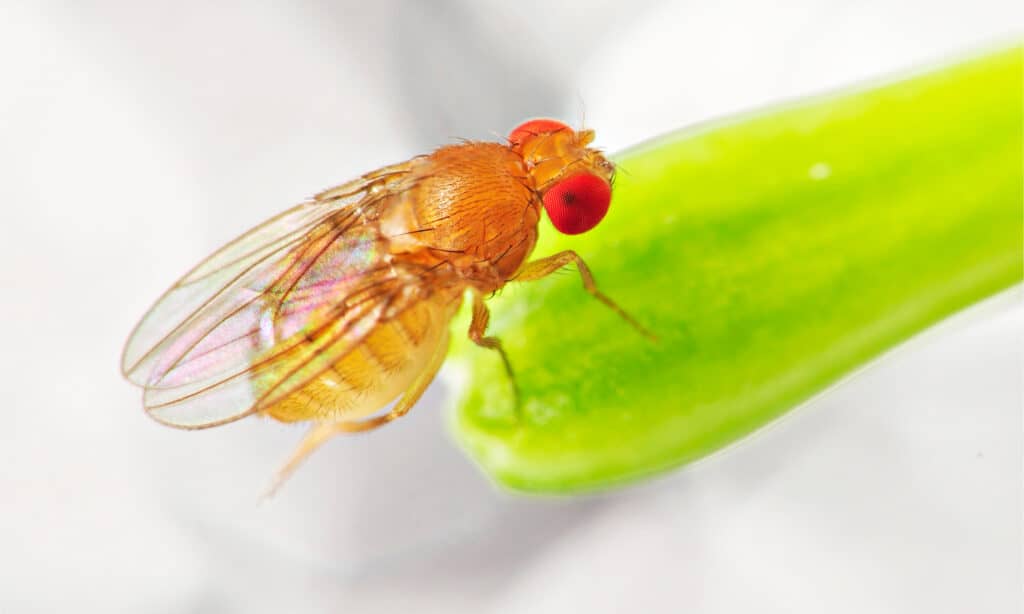
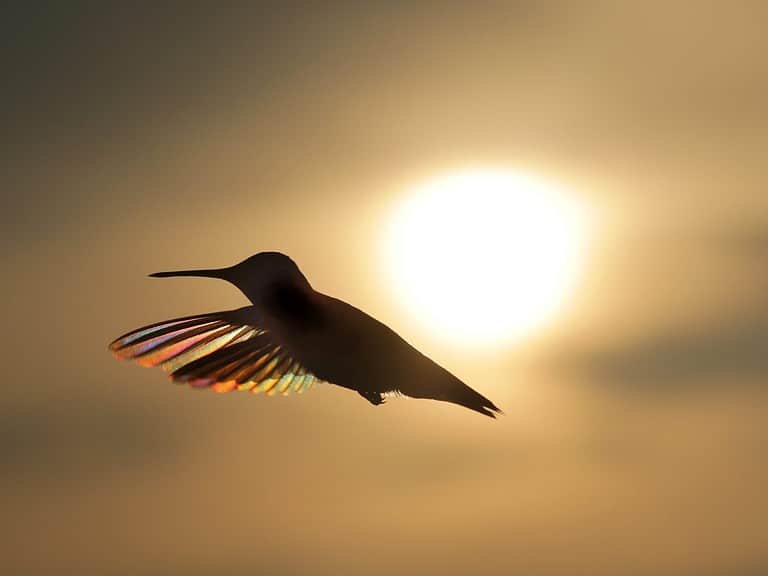
Insects and spiders can make up a significant portion of a hummingbird’s diet, especially during breeding season when protein needs increase.
©Alexlky/Shutterstock.com
Attracting insects to your garden may not seem like a great idea, but hummingbirds love areas with high concentrations of bugs for them to eat. Sugar water feeders often attract ants, which frustrates many people. However, insects are just a second meal opportunity for hummingbirds. Leaving out ripe or overripe fruit attracts insects that are appealing to hummingbirds, such as ants, gnats, and fruit flies.
If you don’t want to leave overripe fruit in your yard, there are also feeders designed to attract bugs specifically for hummingbirds. These protein feeders have a compartment into which you can insert fruit or banana peels and are similar in appearance to the red sugar-water feeders. The incubating fruit and peels attract fruit flies, which in turn attract hummingbirds.
#3: Store-Bought Nectar
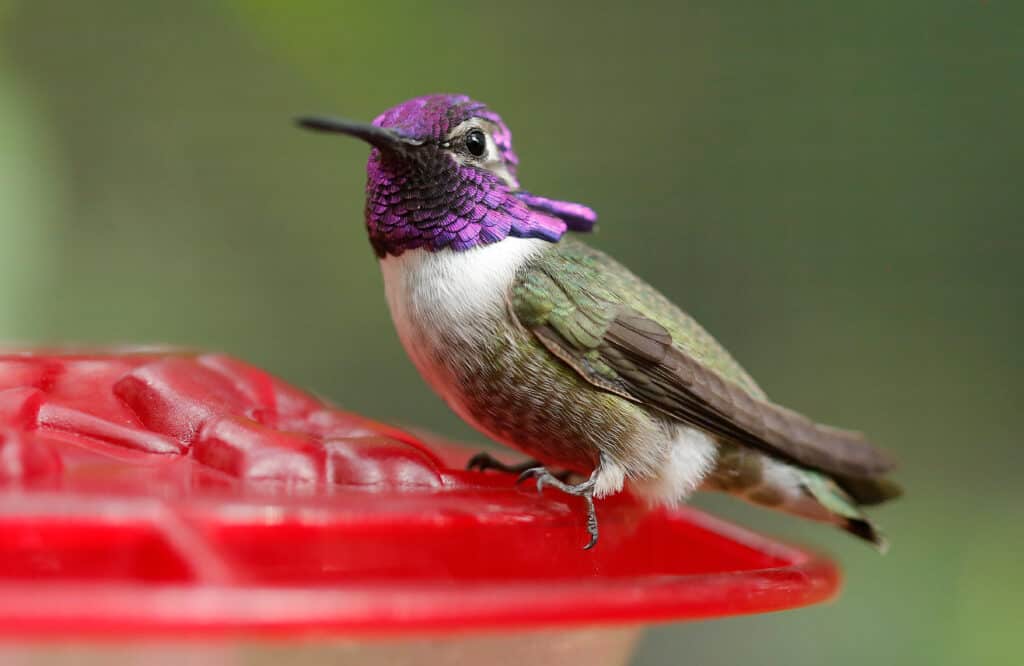
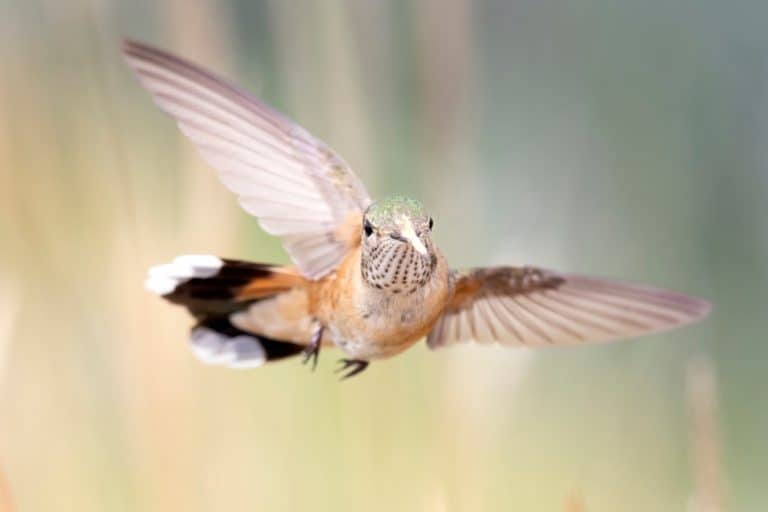
Store-bought nectar mixtures often make a less granular liquid, as they are finely ground and mix easier with water than plain sugar.
©Rick Scuteri/Shutterstock.com
Sugar water is the best substitute for natural nectar for hummingbirds, but commercial options are also available. Pre-made options save the work of mixing sugar and water, but many store-bought options contain dyes or additives that can be harmful to birds. If you buy pre-made nectar, ensure it is sucrose-based and dye-free. The best nectars only have sugar and water in them, with nothing else added in. It is usually safer (and less expensive) to just make sugar water at home, rather than purchasing packaged options.