
Quick Take
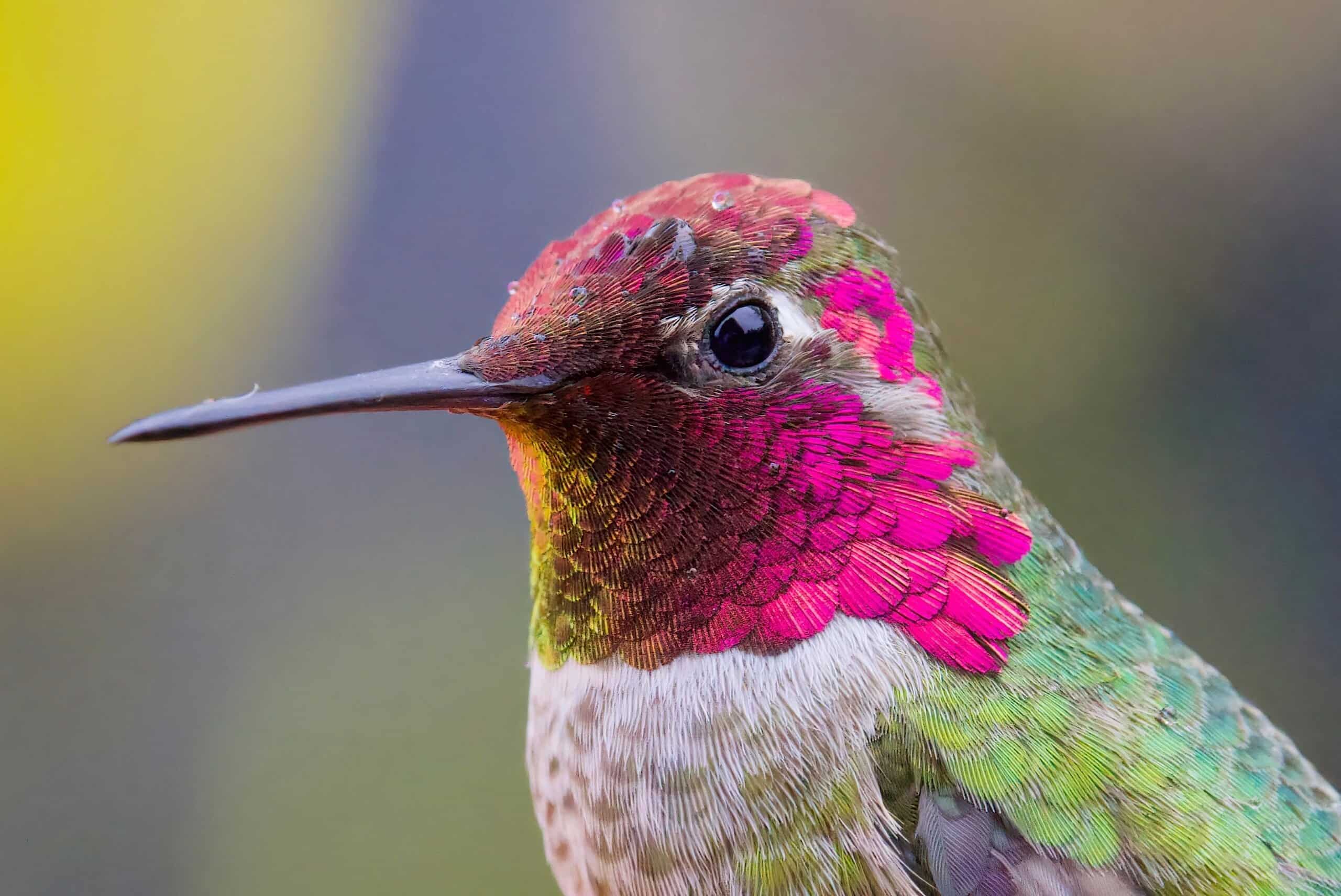
- Hummingbirds are known for their small stature and beautiful coloring.
- These little birds are not very peaceful; in fact, they arequite territorial.
- Male hummingbirds are aggressive towards other birds to protect food sources and mating preferences.
- Female hummingbirds defend theireggs and young from predators.
Hummingbirds may be tiny, but their behavior often surprises people who expect them to be gentle and easygoing. Instead of peaceful and laidback, these colorful birds can appear bold, feisty, and even aggressive. They are often seen chasing each other away from feeders and fiercely guarding their space. While it might seem unusual for such small creatures to act this way, their behavior is driven by instinct and survival.
At the core of their territorial nature is a constant need for energy. Due to a high metabolism, hummingbirds burn calories at an incredibly fast rate and rely on frequent feeding to survive, making nectar a valuable resource. And any essential resource is worth defending. Their aggression always serves a purpose, from protecting ideal feeding spots to competing during breeding season. Here’s a closer look at why hummingbirds behave in a territorial manner.
Why are Hummingbirds So Territorial?
©Peter Milota, Jr./ via Getty Images
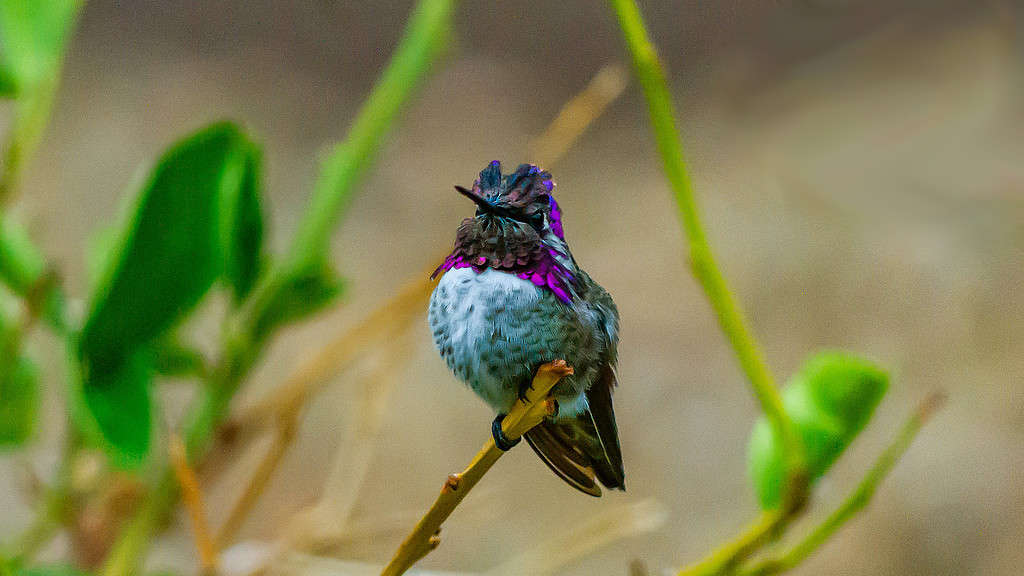
For tiny birds, hummingbirds sure do have a lot of attitude. But why are hummingbirds so territorial?
Hummingbirds are known for their remarkable bravery despite their small size. In nature, they will often spar with each other to protect their food sources and those of their young. Some species may even challenge larger birds, such as blue jays, to protect their territory. People often wonder why these birds, which symbolize love, don’t just live in harmony with each other. There are several reasons.
1. To Claim Their Territory
©Bonnie Taylor Barry/Shutterstock.com
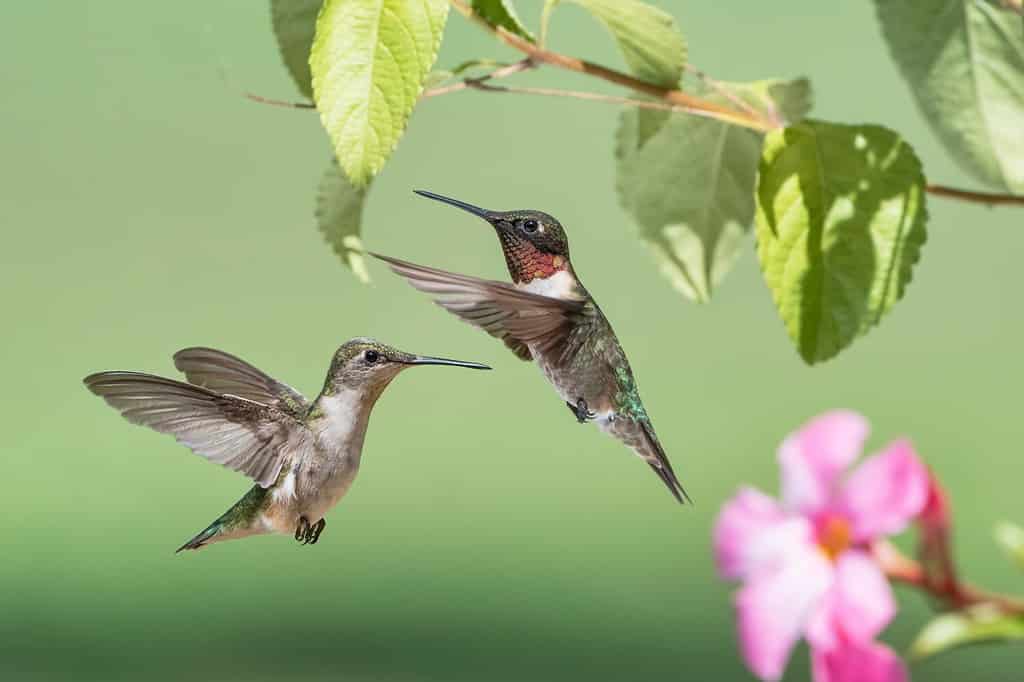
Male hummingbirds demonstrate strong behavior when they are attempting to acquire a new territory. This is an important part of ensuring the male has access to plenty of females for mating purposes. The male will mate with several females once he has ahold of a territory. Additionally, the males will chase away any other males in the vicinity.
2. To Protect Their Food
©yhelfman/Shutterstock.com
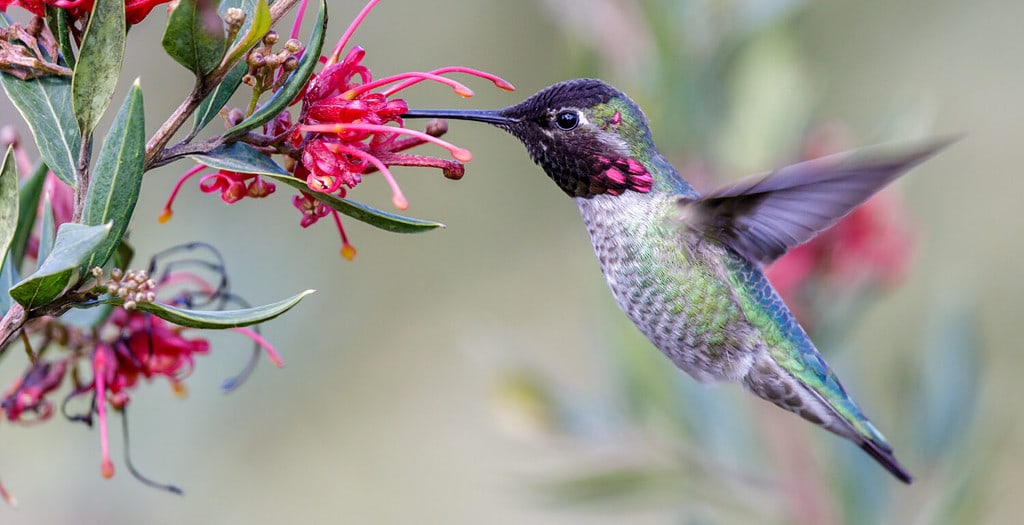
Hummingbirds fight over food, especially if there is a lack of nectar-rich flowers, or only one hummingbird feeder. They are often spotted diving and jabbing at each other with their beaks. This is often done out of necessity, as they are fiercely competitive when it comes to food sources. Additionally, some species may also try to steal flower nectar from other birds or insects.
3. To Protect Their Offspring!

©RobDemPhoto/Shutterstock.com
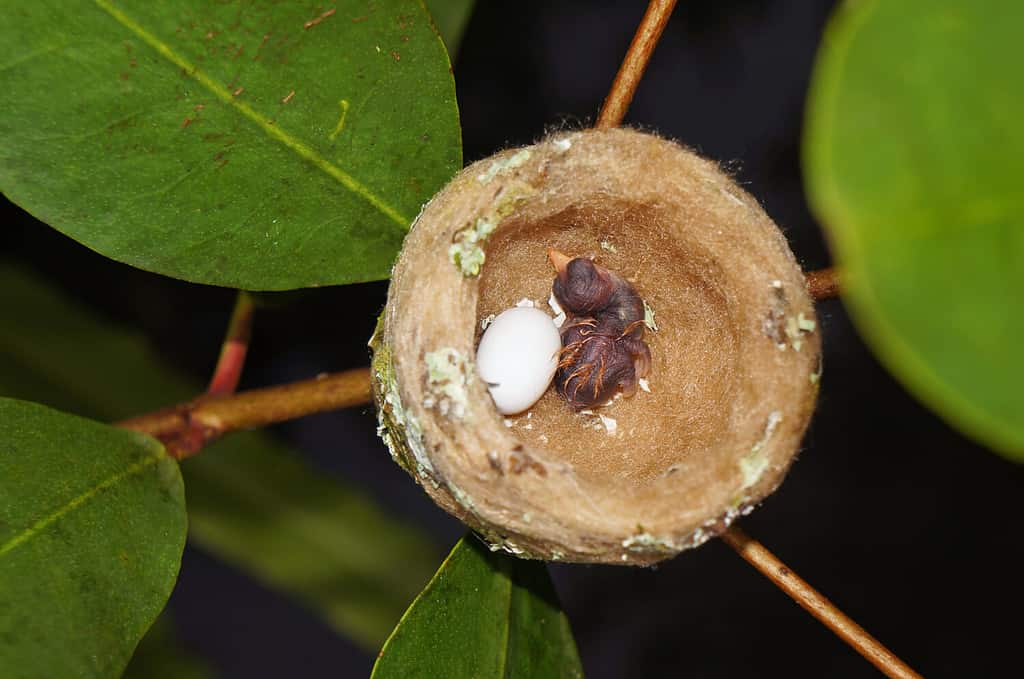
Protecting their hatchlings is one major reason that female hummingbirds are territorial. And for a good reason! Several types of larger birds will not hesitate to steal and eat hummingbird babies or eggs.
Female hummingbirds will often guard their nests and territory aggressively against any intruders, both small and large. They may dive at other birds or animals that come near the nest or their chosen area and even chase them away with their beaks open wide. Mama hummingbirds won’t hesitate to protect fledglings from predation by larger birds such as hawks, owls, crows, and jays.
How Do Hummingbirds Fight?
©Ondrej Prosicky/Shutterstock.com
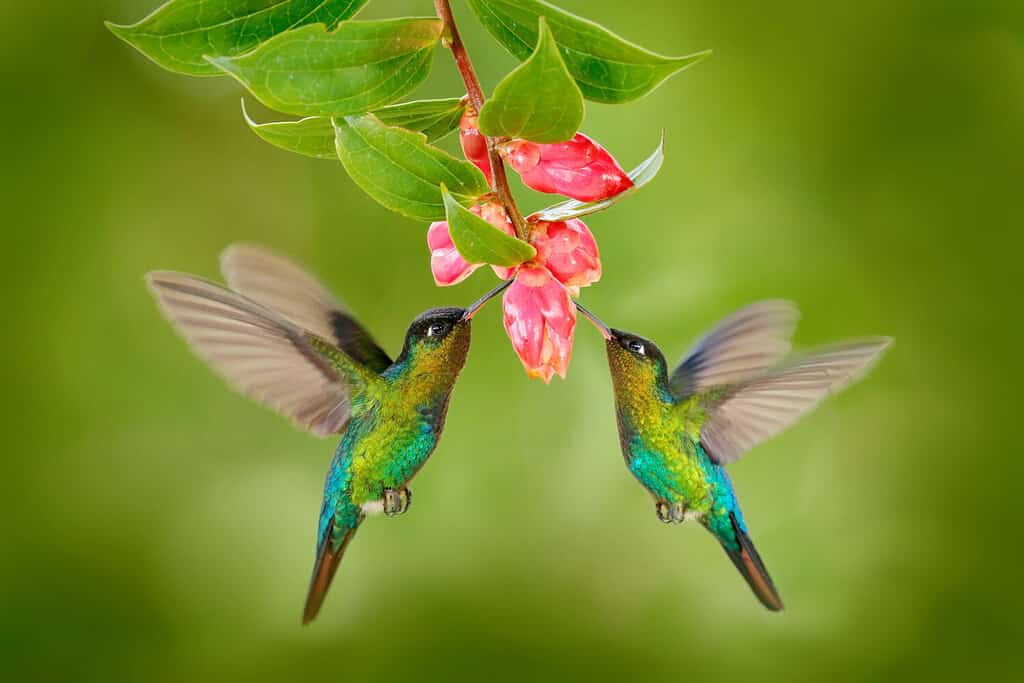
Hummingbirds use their anatomy to protect their territory. Their sharp vision gives them an advantage in spotting other birds entering their domain, allowing them to quickly chase them away. However, this is not always a successful tactic.
Hummingbirds are known to become aggressive towards other birds, using their beaks as they chase, dive, and peck at the adversary. These brief battles require a huge amount of energy and usually end in one bird backing down.
When they fight, they can appear quite frantic. To make themselves look bigger and more intimidating, they sometimes puff up their feathers. Despite their small size, a puffed-up hummingbird can seem formidable to another bird.
Why Do Hummingbirds Chase Each Other Away from the Feeders?
©Christine Balleau/iStock via Getty Images
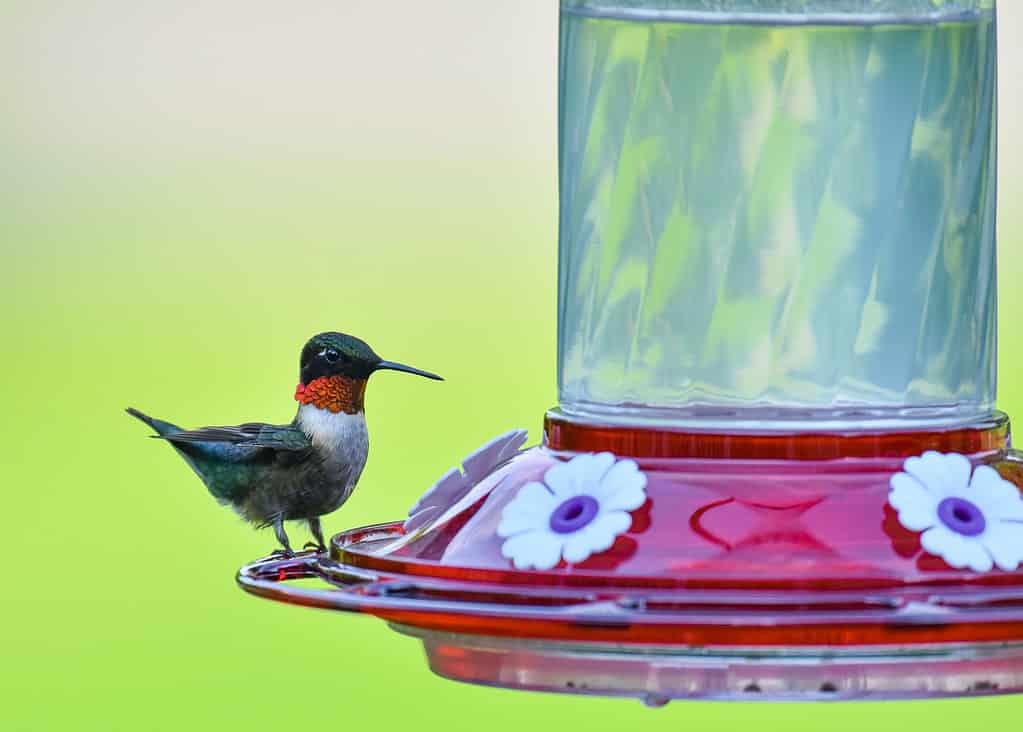
Hummingbirds are fiercely territorial when it comes to feeding, even if there is plenty of food in the feeder. This natural survival instinct is present even when there is an abundance of sugar water hanging right in front of them.
They will often guard their chosen feeders and chase away any other hummingbird that comes too close for comfort. This behavior is mostly seen at the start of the nesting season when they need to protect their food source from rivals, but you might see it during the rest of the year as well.
Males may establish a large territory around a specific feeder where they will aggressively defend against intruders by chasing them away. This behavior is essential for the hummingbird to ensure that it has enough food and resources to survive, and it also helps reduce competition with other birds for the same feeder.
How Do I Stop Hummingbirds from Competing for My Feeder?
©Rachel Lambert/Shutterstock.com
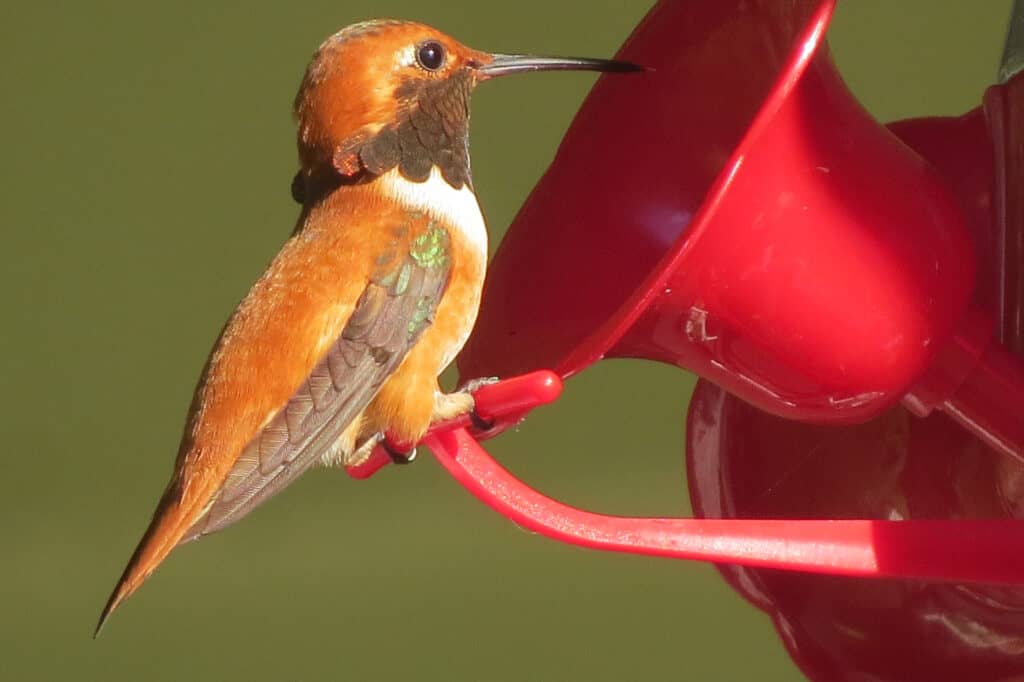
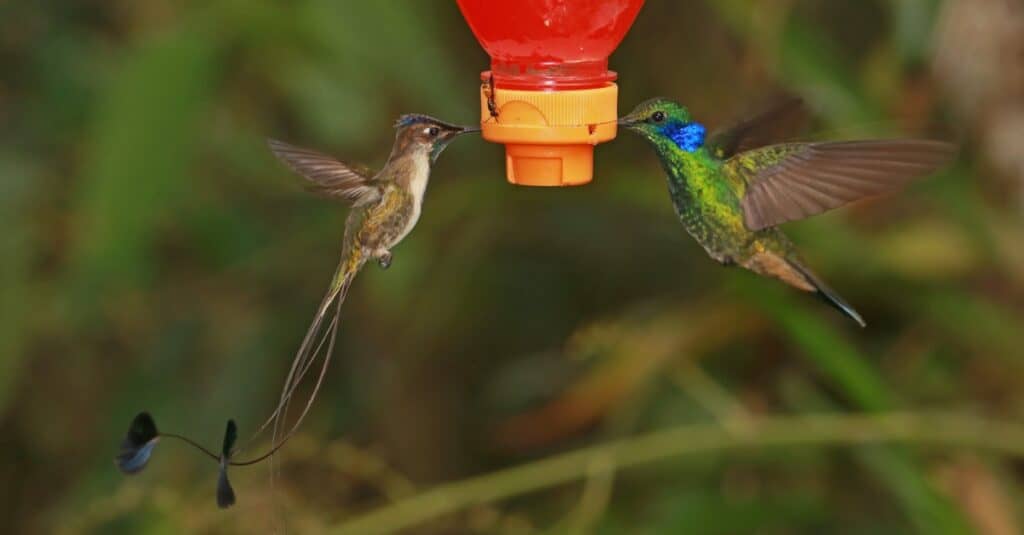
The hummingbird has the highest metabolic rate of any bird, meaning they require a lot of nectar. Did you know they generally eat every 10 or 15 minutes? If you put out only one feeder, multiple birds are likely to compete over it. To reduce fighting, simply provide more than one feeder and make sure they are placed far enough away from each other that one male hummingbird can’t guard both. That way, each feeder will have its own guardian.
Adding some flowers to your garden as an alternative source of nectar can also help reduce the amount of competition for resources.
Are Hummingbirds Territorial Toward Humans?
©Freebilly Photography/Shutterstock.com
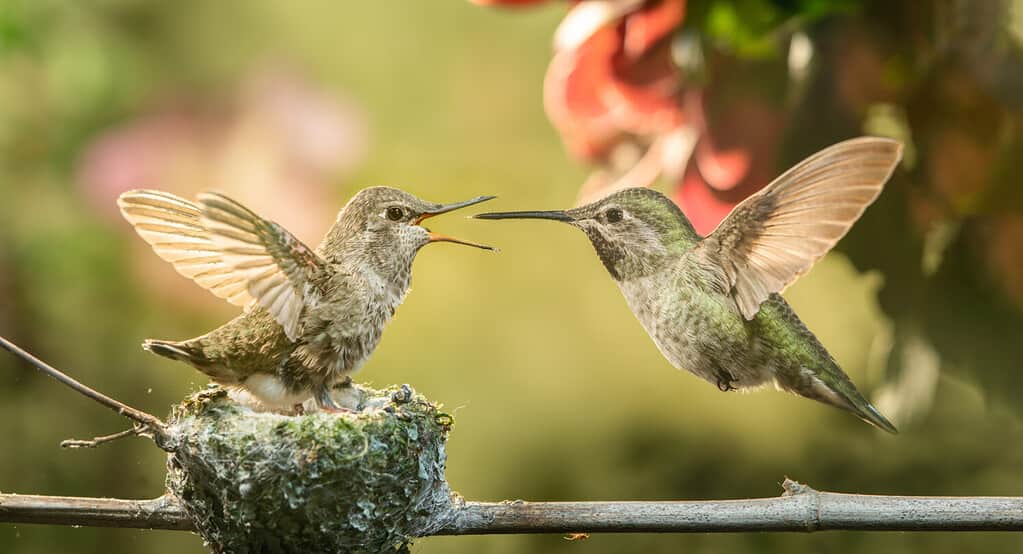
Hummingbirds generally aren’t territorial towards humans. However, they may become aggressive if you get too close to their nest or feeders. It’s best to keep your distance and observe from afar so as not to disturb them.
Many people have reported hummingbirds that return to the same yard year after year for a reliable source of nectar. Those birds tend to become very familiar with the humans who live there. Sometimes, they will even notify you that the hummingbird feeder is empty by buzzing around your head.
Sometimes They Are Playing
©Gregory Johnston/Shutterstock.com
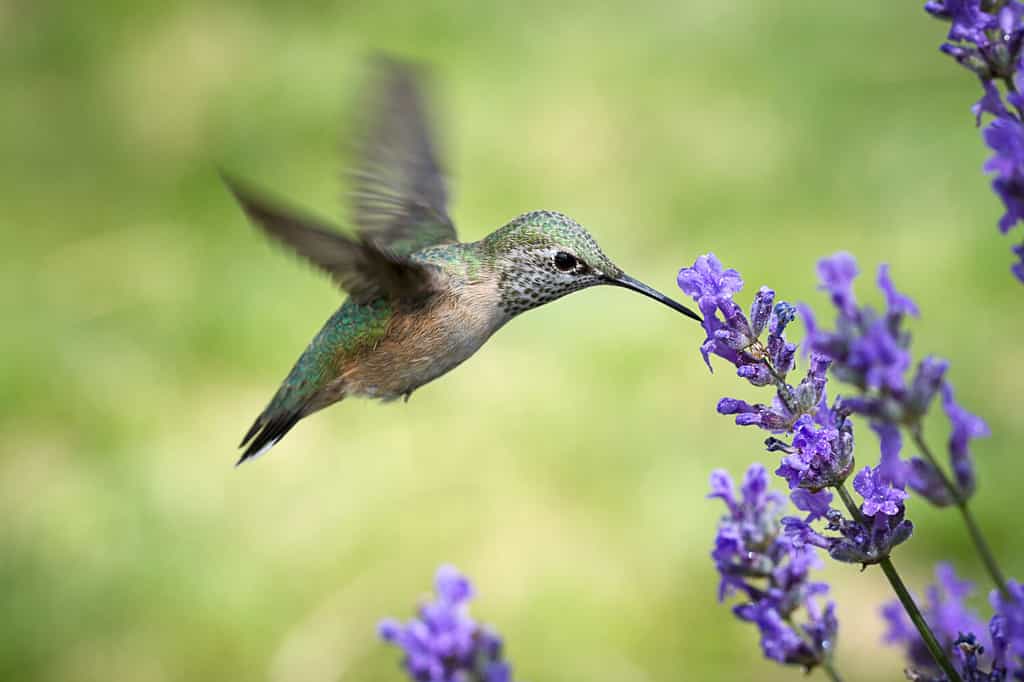
Hummingbirds exhibit playful behavior when they are courting during the breeding season. This looks like chasing and flying around in circles. Males will also do courtship dives, where they fly very quickly from high to low, making a loud buzzing sound as they move.
What Time of Year are Hummingbirds Most Territorial?
©Damsea/Shutterstock.com
Birdwatchers are particularly fond of hummingbirds because of their huge presence and character. Every summer, people often wonder why these energetic birds have disappeared from their feeders. The truth is that the number of hummingbirds changes as the season progresses. As spring comes around, they make their way back to North America (with certain species like Anna’s Hummingbirds living there all year). You’ll see one arrive first, then gradually more and more will appear in your garden.
Hummingbird Feeder Dos and Don’ts
©iStock.com/neil bowman
Dos
- Clean the feeder regularly with hot, soapy water to prevent mold and the spread of disease.
- Fill the feeder with plain water and sugar at a 4:1 ratio.
- Refill the feeder when the nectar level is low.
- Place the feeder in an area with good air circulation.
- Hang the feeder at least 4-6 feet off the ground.
- Hang multiple feeders out of sight from each other.
- Hang the feeder 10 or 15 feet away from a safe, protected spot.
- Place a bird bath with trickling or bubbling water in the area for hummingbirds.
Don’ts
- Don’t add food colorings to the feeder solution.
- Don’t hang the feeder too close to plants, as this can attract ants.
- Don’t use honey.
- Don’t hang the feeder near sources of bright lights, such as street lights.
- Don’t wait longer than 7 days to clean the feeder. You don’t want to make the hummingbirds sick.
- Don’t place the feeder where you can’t see it from inside the house. You and the hummingbirds both want to enjoy this show!