
Quick Take
- A common feeder additive many people think attracts hummingbirds is unnecessary—and may do more harm than good. See what to avoid →
- Hummingbirds need something in your yard that has nothing to do with flowers or feeders, and skipping it limits how many birds visit. See what else they need →
- Not all hummingbirds leave your yard at the same time, and the first to disappear is not the one you would expect. See who leaves first →
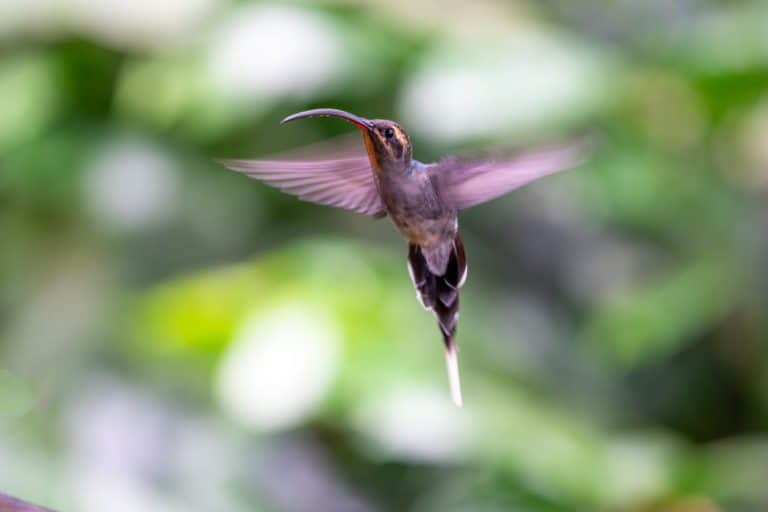
If you’ve been outside in your yard or walking through the park, you’ve probably started to realize that hummingbirds are everywhere this time of year. That’s because July is especially attractive to these wonderful birds. One reason you may be seeing more hummingbirds than usual is that summer is a prime time for refueling. Hummingbirds are among the smallest birds in the world, but they live remarkably active lives. Their wings beat anywhere from 50 to 80 times per second, depending on the species and what they’re doing. Their hearts can beat over 1,000 times per minute while in flight, and they must constantly refuel to maintain that incredible energy output.
July is the month when all of those factors come together. Flowers are producing abundant nectar, insects are plentiful, and hummingbird populations have reached their seasonal peak. As a result, depending on where you live, your yard may have become a hummingbird hotspot. Since it’s the peak of the season, let’s look more closely at why this month is so special for hummingbirds and how you can attract them to your yard.
Why Hummingbirds are Everywhere in July
You’re likely noticing that hummingbirds are everywhere because this is part of their natural life cycle. By this point in the season, many adult hummingbirds have successfully raised at least one brood of chicks. Those young birds are now leaving the nest and learning how to feed themselves. Instead of just one or two adult birds visiting your yard, you may suddenly have several juveniles joining them.
Young hummingbirds are very curious, and they’re constantly searching for reliable food sources. If you have feeders or a flowering garden in your yard, you’ve created a place where hummingbirds can build the strength they’ll eventually need for migration. It’s also during this time that flowers are reaching peak bloom. That means there is a plethora of native wildflowers, flowering shrubs, annuals, and perennials that provide the nectar hummingbirds depend on.
Essentially, a garden full of flowers is like a buffet. If you want to attract hummingbirds to your yard, consider these plant species:
- Bee balm
- Cardinal flower
- Trumpet vine
- Coral honeysuckle
- Salvia
- Penstemon
- Columbine
- Petunias
- Fuchsia
- Zinnias
- Phlox
The nectar in these flowers provides the sugar that hummingbirds need to fuel their rapid metabolism. As the birds move from flower to flower, they also pollinate countless plants, making them an essential member of many ecosystems. You may have heard that hummingbirds are drawn to red flowers, and there is some truth to that. However, blossoms of other colors will also draw them in.
Make Your Feeder Attractive to Hummingbirds
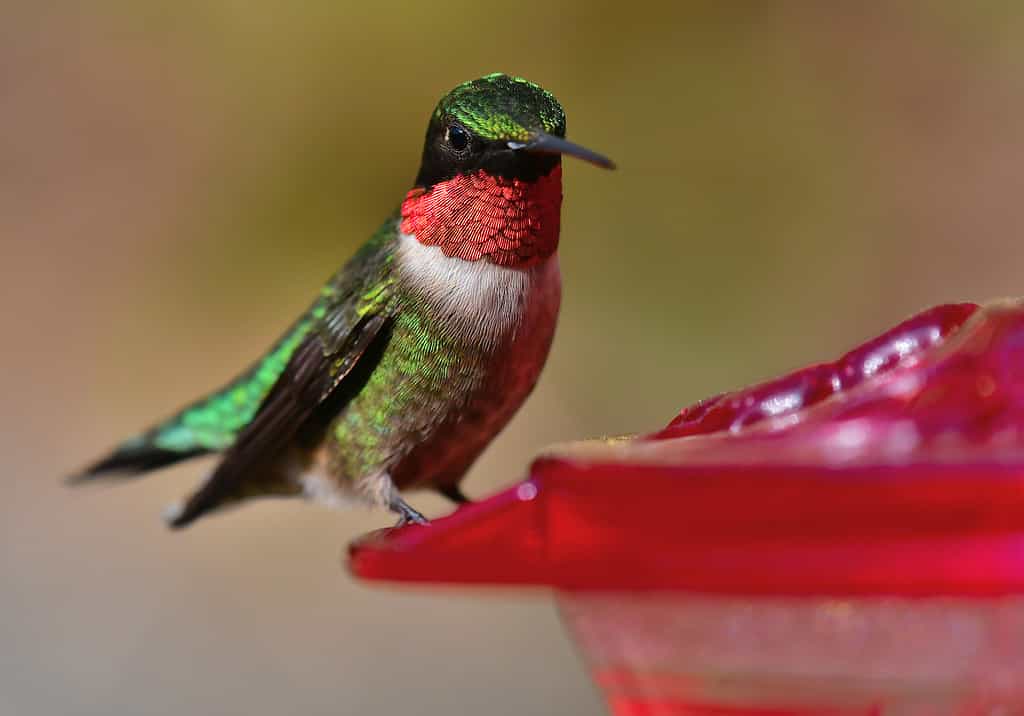
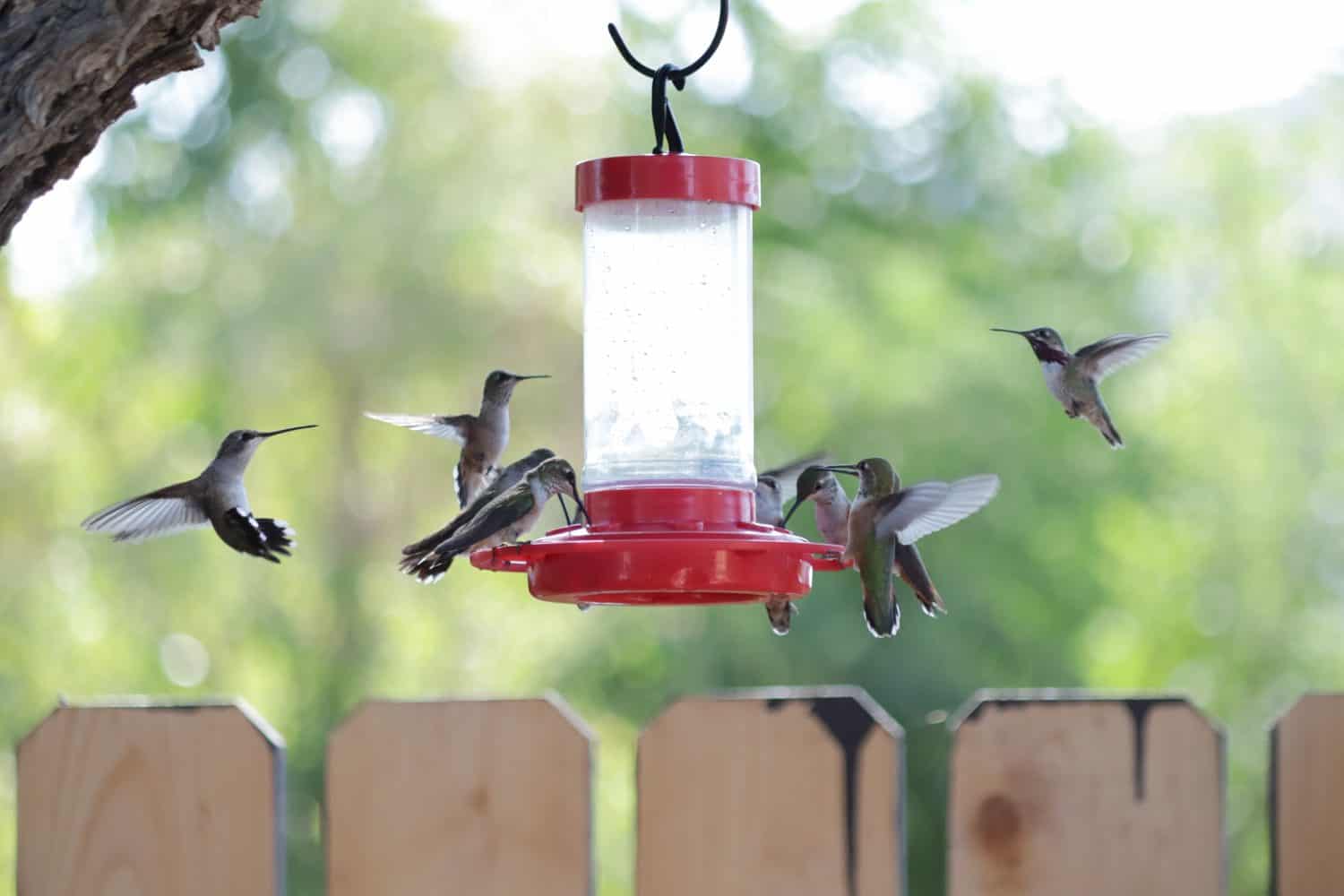
Even if your garden is filled with flowers, you are likely to attract more hummingbirds with a suitable feeder. The birds will be looking for a dependable source of energy, so provide what they need.
You can create an alluring nectar recipe by combining 1 part white granulated sugar with 4 parts water. Avoid using brown sugar, artificial sweeteners, food coloring, or red dye. If you’re adding dye and artificial products to try to attract hummingbirds, you’re probably not helping your chances. Luckily, the feeder itself is likely colorful enough for the birds to notice.
Refill the feeder with the water and granulated sugar mixture every two to four days in hot weather, and more frequently if the temperature rises above 90 degrees Fahrenheit. Dirty nectar can ferment or grow mold, making it unsafe for birds. Thoroughly cleaning feeders with hot water between refills is one of the most important things you can do to help hummingbirds stay healthy.
Hummingbirds Need More Than Sugar
Keep in mind that though nectar supplies quick energy, it isn’t a complete diet. If you find that hummingbirds are everywhere during July, it’s also likely because you have a large selection of insects that these birds enjoy, such as tiny flies, gnats, mosquitoes, aphids, and small spiders.
Insects provide protein, fats, vitamins, and minerals that sugar does not. So, if you’re looking to attract hummingbirds, avoid using excessive pesticides around your yard. Eliminating insects removes an important food source that hummingbirds rely on throughout the breeding season.
Also, note that hummingbirds enjoy moving water. They’ll generally avoid a traditional birdbath that has standing water. However, a gentle mist, a small fountain, a dripping water feature, or a fine spray often attracts hummingbirds because they enjoy flying through the mist to bathe. Hummingbirds enjoy darting repeatedly through a fine spray before landing nearby to preen their feathers.
How to Increase Your Chances of Seeing Hummingbirds in Your Yard
In addition to the tips above, there are numerous other methods you can use to ensure that hummingbirds are everywhere around your yard this summer.
Provide Shelter and Places to Rest
Food is only part of the equation. Hummingbirds also need a safe place to rest and regroup. By leaving bushes and natural vegetation around your yard, you will provide many perks to hummingbirds, including:
- Protection from predators
- Shade during hot weather
- Places to survey feeding territories
- Safe nighttime roosts
Hang Multiple Feeders
If you’re very keen on seeing many hummingbirds, you may need to invest in additional feeders. By adding the right nectar to several feeders that are spaced around the yard, you’ll provide plenty of resources and reduce territorial disputes.
Keep Feeders Clean
Fresh nectar is far more attractive than old nectar. Regular cleaning also protects hummingbirds from harmful bacteria and mold.
How Long Will Hummingbirds Stay?
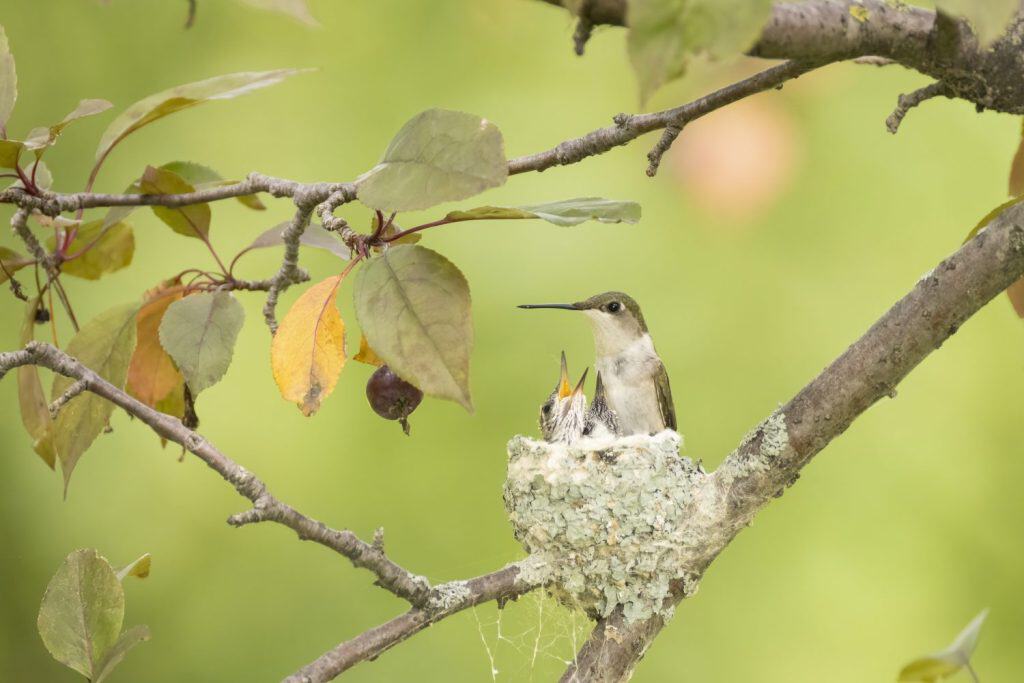
While it’s common for people to believe that hummingbirds leave as soon as summer ends, the reality depends on the species, location, and weather. The most widespread hummingbird in eastern North America, the ruby-throated hummingbird, generally begins migrating in late summer. However, some adults start heading south as early as late July or August, especially males, who often leave breeding areas before females and young birds.
Females usually remain longer while finishing their parental duties. Juveniles often stay even later as they build fat reserves for migration. In many northern states, it’s not uncommon to see hummingbirds stay through September. Farther south, they may continue visiting your feeders into October. Finally, some western hummingbird species follow different migration schedules, with a few remaining year-round in mild climates.
Enjoy Peak Hummingbird Season
July offers an ideal opportunity to slow down and appreciate one of nature’s smallest marvels, so take advantage if you can. With a few nectar-rich plants, clean feeders, plenty of fresh sugar water, and a little patience, almost any yard can become part of a hummingbird’s daily routine. Enjoy the experience while it lasts, because by late summer and early fall, many hummingbirds will begin their incredible journeys south, and that will be it for the year. July provides one of the year’s best chances to witness these remarkable birds at the height of their activity, so do your best to enjoy it.