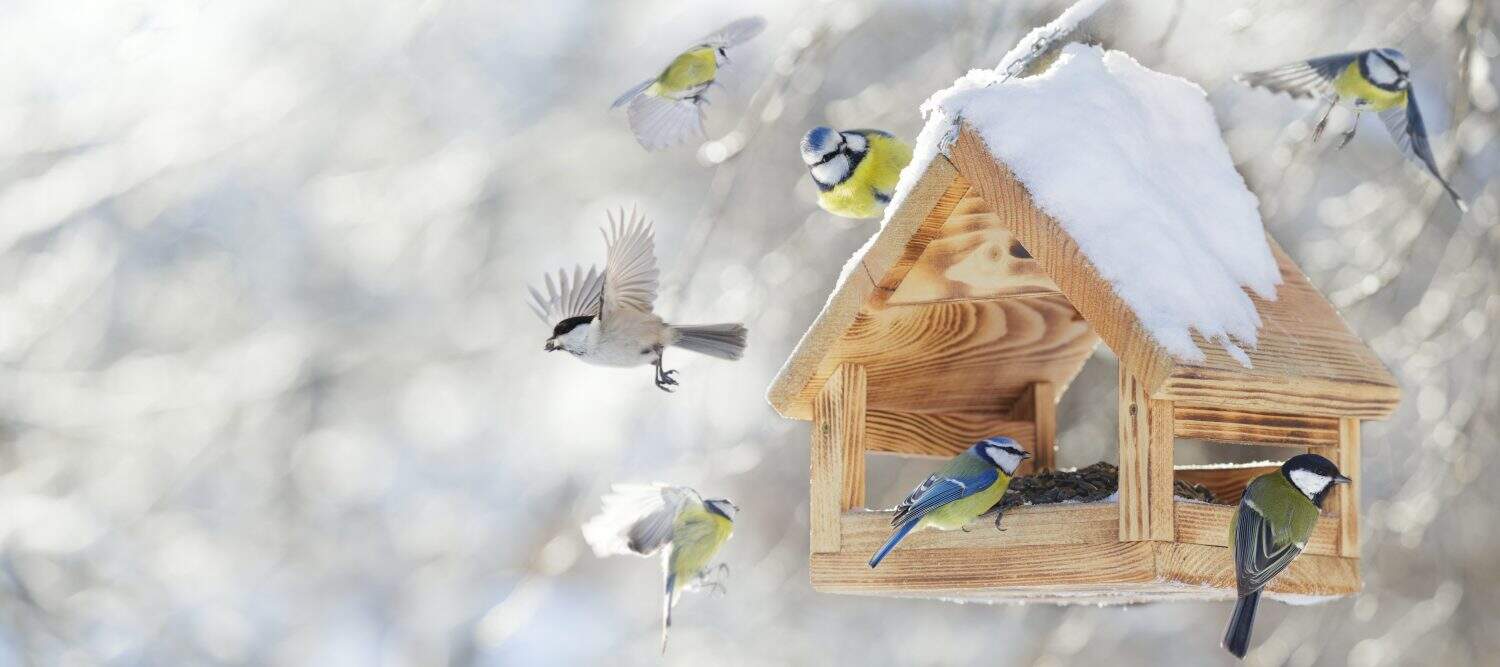

The winter season is quickly approaching, which means many things will change when it comes to the wildlife that frequents your backyard. This is especially true at the bird feeder. Many birds will migrate and leave the area, but plenty still stay behind. Birds need food during the winter to maintain their energy levels and thrive through the colder season. With that in mind, if you want those lovely birds to keep coming to your yard, you’ll need to think about what to change at your bird feeder as the cold weather approaches.
In this guide, we’ll tell you everything you need to know, from the type of seed to put out to tips for maintaining your bird feeder so it lasts throughout the season.
Provide High-Calorie Foods
If you truly care about the birds, then give them food that will help them thrive in harsh climates. When winter hits, many birds may depend on you and other bird enthusiasts to provide the food that will get them through the season. At this time, insects become harder to find, so you may be the oasis they need.
Providing Necessary Energy
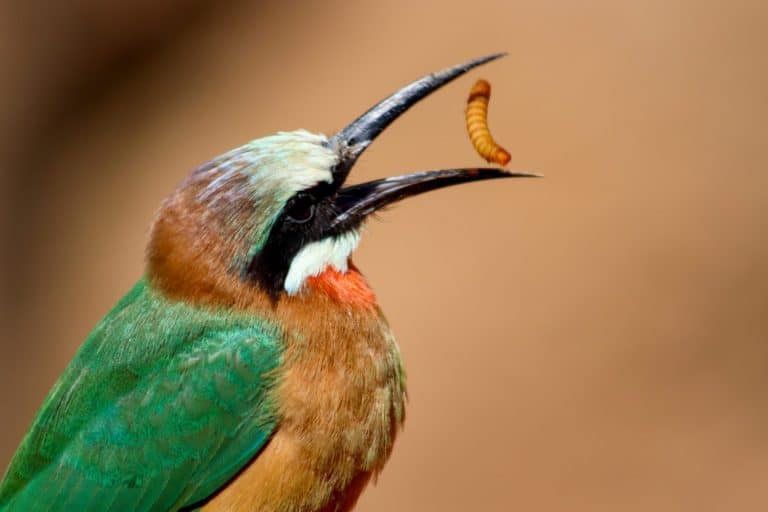
High-fat and high-calorie foods will help birds refuel after a night in the cold. Great foods in this vein include mealworms, sunflower seeds, and suet. In this case, suet is a high-energy food that is rendered from animal or vegetable fat and may also contain seeds, nuts, and dried fruit. These menu items are suitable for the birds and are very easy to eat.
Here are some other food options to consider:
- Black-oil Sunflower Seed – It’s packed with protein, and it’s a favorite among birds of all sizes.
- Cracked Corn – Great for doves and sparrows.
- Nyjer Seed – This is a great option if you have finches in the area, and squirrels hate it.
- Peanuts – They may not be your first guess, but peanuts are loaded with protein, and birds love them. You can serve them either in the shell or cut into small pieces.
- Safflower Seed – This is another food that squirrels dislike but birds will eat. Chickadees, grosbeaks, and cardinals especially like them.
Hummingbirds will often remain active during the winter. They need a special, sugar-rich diet to maintain their health and energy levels. A good recipe for food will contain four parts water to 1 part sugar. Bring it to a gentle boil for a minute and then put it in the feeder. Replace it every few days to avoid mold.
Birds also love to eat fruit in the winter because of the energy it provides. Many people put out oranges, cherries, grapes, apples, and more. Cut round fruit into thin disks so they’re easier to eat. Other household foods, like raisins, pasta, rice, and even peanut butter, are tasty options for woodpeckers, chickadees, and more.
Try to refill the feeder daily, but don’t provide more than you expect the birds to eat during the day. That’s because, when it gets dark, raccoons and other nocturnal visitors could come around to eat, and you don’t want to attract them night after night.
Provide Water
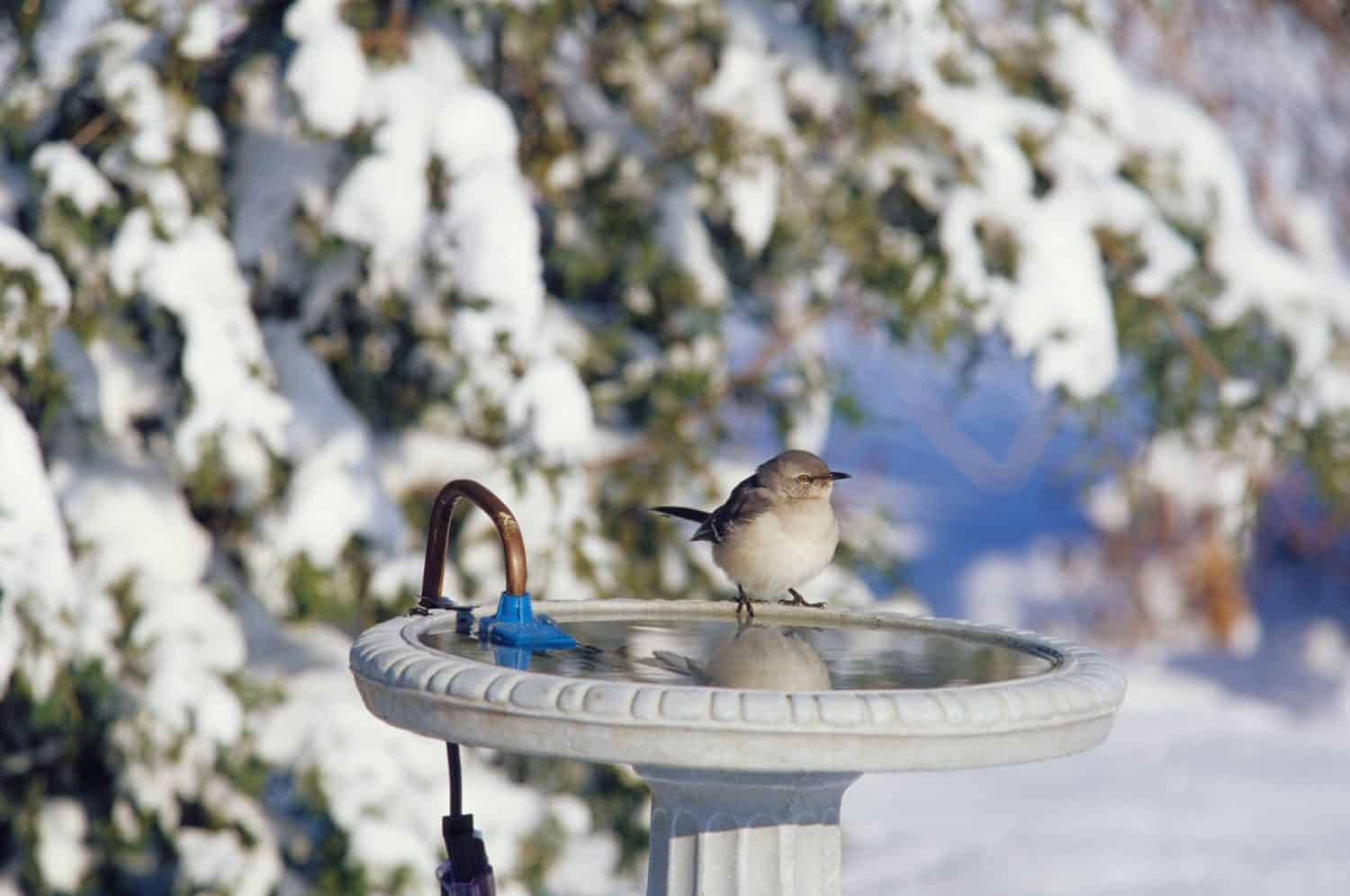
Attach a heater to your bird bath to provide a warm space for the birds to hydrate.
©Danita Delimont/Shutterstock.com
While food is essential, so is fresh water, so keep your bird bath out in the yard during the winter. Water will freeze in the harshest temperatures, so consider putting a heater out near your bird bath during the day or purchasing a heated bird bath. If you’re unable to try either of those tactics, at least place one oven-heated brick in the bird bath every morning, and it should keep the bath sufficiently warm.
There’s nothing quite as lovely as seeing birds gather around the bird bath during the winter while enjoying your generosity.
Setting the Scene
Deciding where to place the bird feeder is just as important as making adjustments to it for winter. Foxes, coyotes, and other winter predators may still try to eat birds or their food, so place the bird feeder high in a tree so it can’t be reached from the ground. Consider putting out multiple feeders in different locations so the birds have options.
Other pests may try to steal food from your birds, so consider following the 5-7-9 rule when placing your feeder: place it five feet off the ground, seven feet away from structures like decks or fences that squirrels can jump from, and nine feet from overhanging branches.
Another trick is to sprinkle a layer of coffee grounds around the bird feeder, as squirrels and other pests are believed to dislike the smell and may stay away. If your bird feeders are near flowers, avoid cutting the flowers back. Leaving them provides alternative food sources for birds and helps brighten the winter landscape.
Maintaining Your Bird Feeder
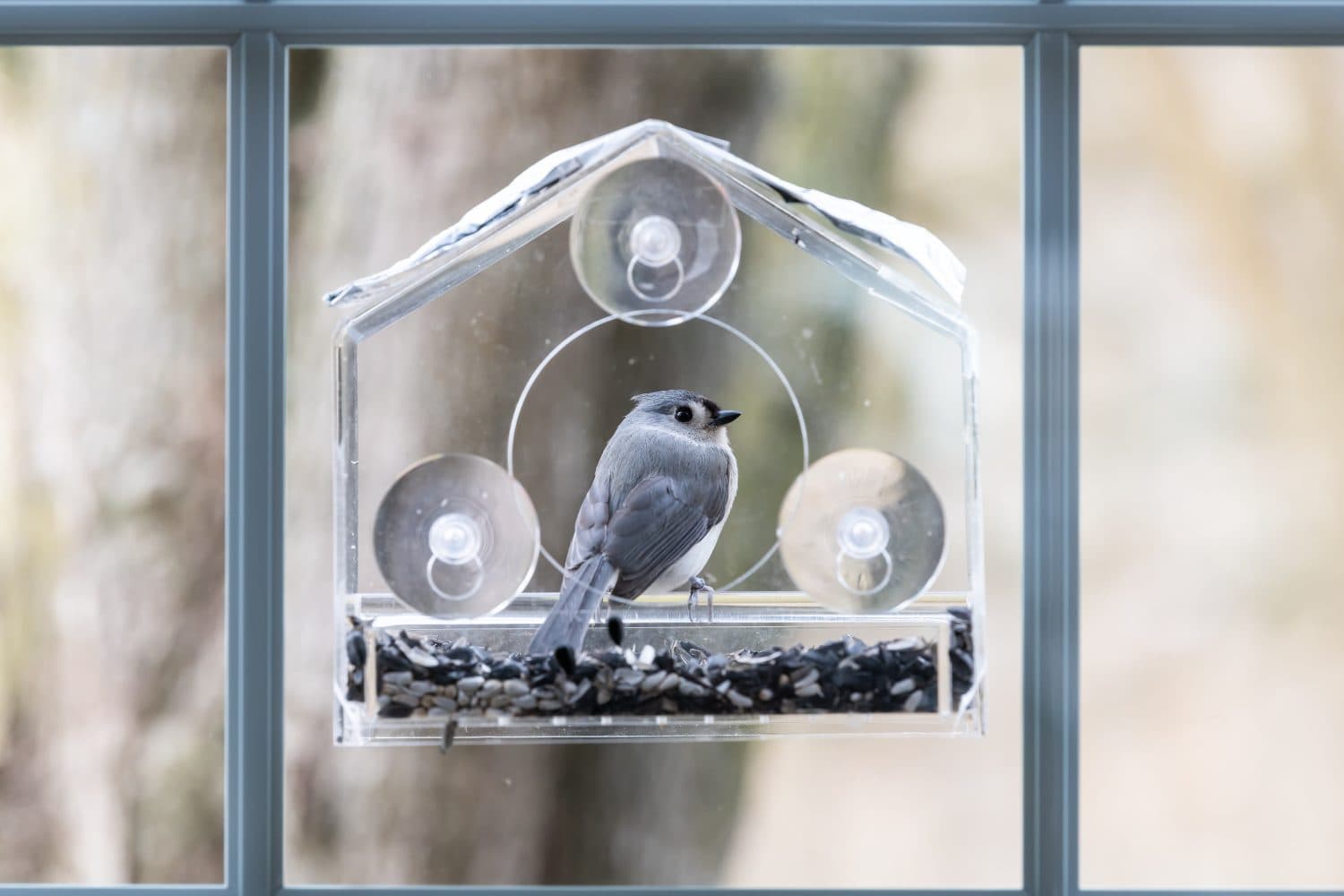
Glass bird feeders can be nice, but be cautious that a gust of wind could cause them to fall and break.
©Andriy Blokhin/Shutterstock.com
While providing the right seed is crucial, you also need to consider how to maintain your bird feeder so it stays in good shape throughout the season.
To start, ensure that you replenish your feeder with food on a regular basis. Many birds stay warm by puffing their feathers to create air pockets that help them maintain body warmth. This process takes a lot of work, so to maintain the metabolic rate necessary to keep producing that energy, birds need to eat continuously throughout the season.
Before temperatures drop, repair any damage to your bird feeder or replace it if necessary. Even if it seems fine, strong winds and extreme cold can cause damage, so be proactive. Be cautious with glass bird feeders. Although they are usually sturdy, a strong gust of wind can cause them to fall and shatter, leaving glass in your yard.
Constant ice and snow can sometimes cause wooden feeders to crack. Splintered wood or broken glass can injure birds just as it can humans, so replace damaged feeders immediately.
Replacing Your Bird Feeder
\If your current bird feeder breaks or you want something different, look for a feeder designed specifically for winter feeding. At a minimum, look for one that has a closed top so you keep the elements out. Look for a feeder that has a wide lid so it not only keeps moisture out of the food, but also provides shelter for birds that are eating or resting while helping them to maintain their body heat.
You’ll also want to look for a bird feeder that allows moisture to drain quickly so it doesn’t affect the seeds or the birds. Many feeders have metal mesh that dries quickly when exposed to air. Any feeder with drain holes in the feeding tray is best.
Also, consider the type of birds you have around your home because many of them eat differently. For instance, the white-breasted nuthatch likes to pluck seeds out of a taller feeder, while cardinals prefer eating off of trays. You can also keep the squirrels away by finding a feeder with a weight-activated shut-off, so they can’t steal all of the food. Finally, find a feeder that’s easy to remove from the pole or hanging hook when it comes time to clean it out.
Maintenance for Snowy Climates
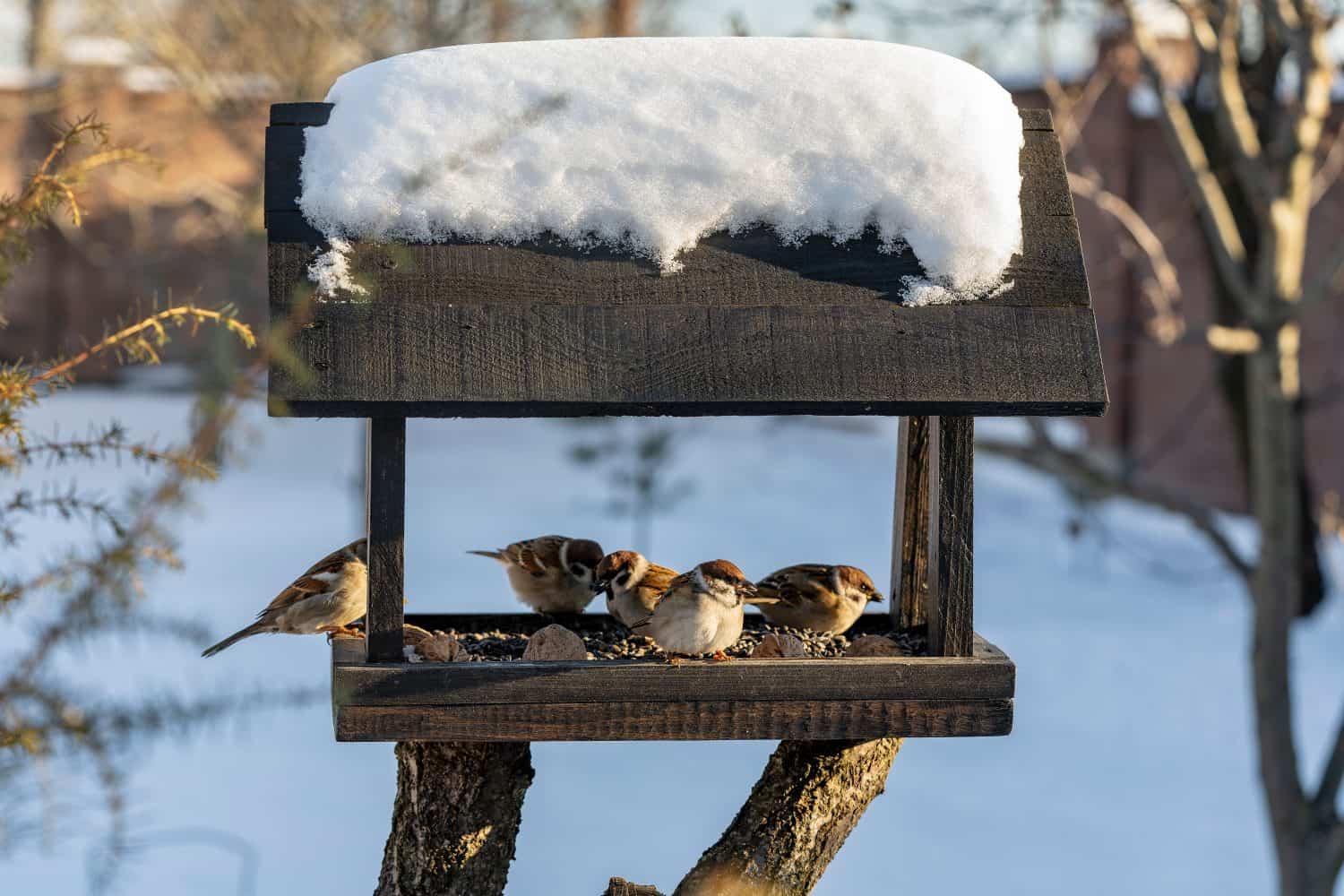
Try to keep the bird feeder clean, especially if you live in a snowy climate.
©OlegD/Shutterstock.com
When deciding what to maintain and change at your bird feeder, it often depends on your climate. If you live in a snowy climate, you’ll likely need to take extra steps.
Keep in mind that many birds like to eat on the ground. So, if it does snow, try to clear the area below the bird house so every species can enjoy a meal. Sparrows, cardinals, doves, juncos, grosbeaks, and many other birds love to walk or hop around and eat. Use a shovel to either completely remove the snow or stamp it down so the food can land on top and not sink down.
If you know that ground feeders frequent your yard, add some extra seed to the yard so they have plenty to eat. A final idea is to add a small bench or table to the area. That way, when it snows, the snow will land on the table, and it will always be snow-free underneath for the birds.
Remove Ice and Snow
It’s also crucial that you remove ice and snow from the bird feeder itself. Remove snow from the seed trays and the top of the feeder. Ensure that all openings are clear and never clogged so the seeds can flow freely. There may also be frozen or wet seeds stuck inside that should be removed. By leaving snow and moisture on the feeder for days, weeks, or months, you increase the chance that the seeds will become moldy. That, in turn, can lead to bacterial infections and fungi that can harm the birds.
Make it a habit to clean your bird feeder every two weeks. Use a cleaning solution of one part bleach to nine parts water. Scrub the feeder thoroughly and let it dry completely before adding more seed. Scrub it down and wait until it dries to add more seed. Try to replace the water in your bird bath every other day to keep it fresh. You can use the same cleaning solution you created for the bird feeder on the bird bath.
Take the time to care for your bird feeder and provide the seeds and food that your flying friends love, and you’ll be able to enjoy their company throughout the season.