









J
Species Profile

Jack-Chi

Canis lupus familiaris

Tiny body, terrier turbo
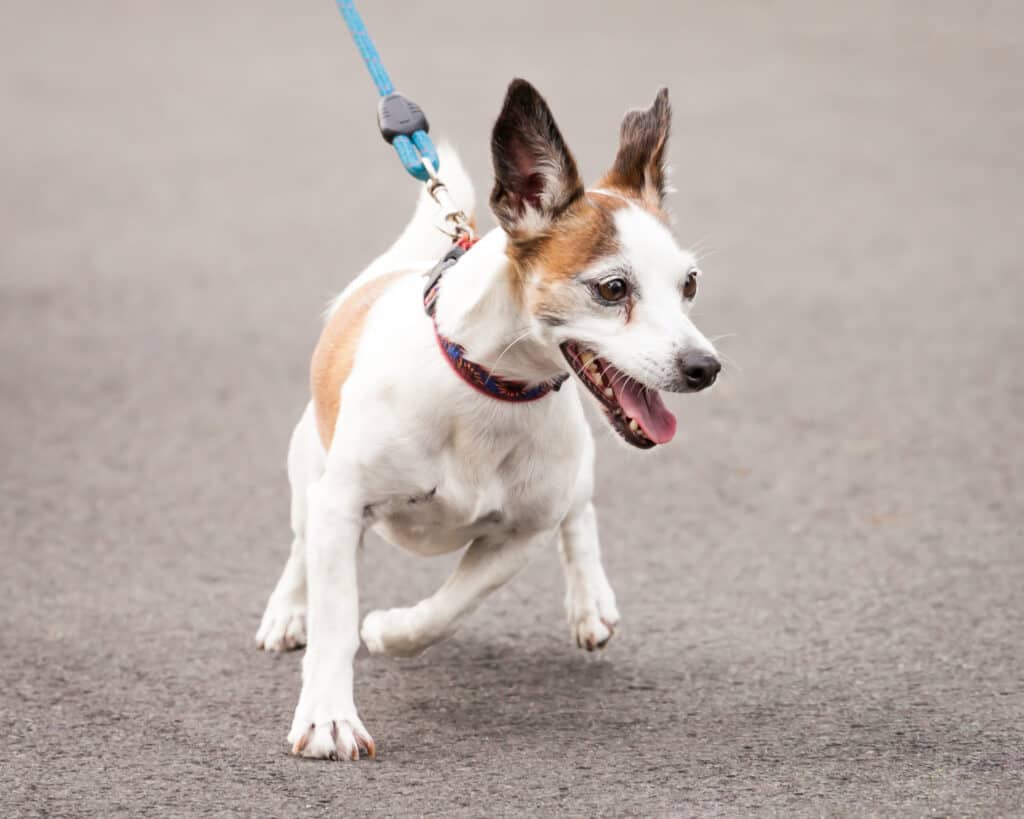
iStock.com/sjallenphotography

Jack-Chi Distribution

Click a location to explore more animals from that region

Origin Location

This map shows the native origin of the Jack-Chi. As a domesticated species, they are now found worldwide.

Loading map...

Size Comparison

Human 5'8"
Jack-Chi 11 in

Jack-Chi stands at 16% of average human height.

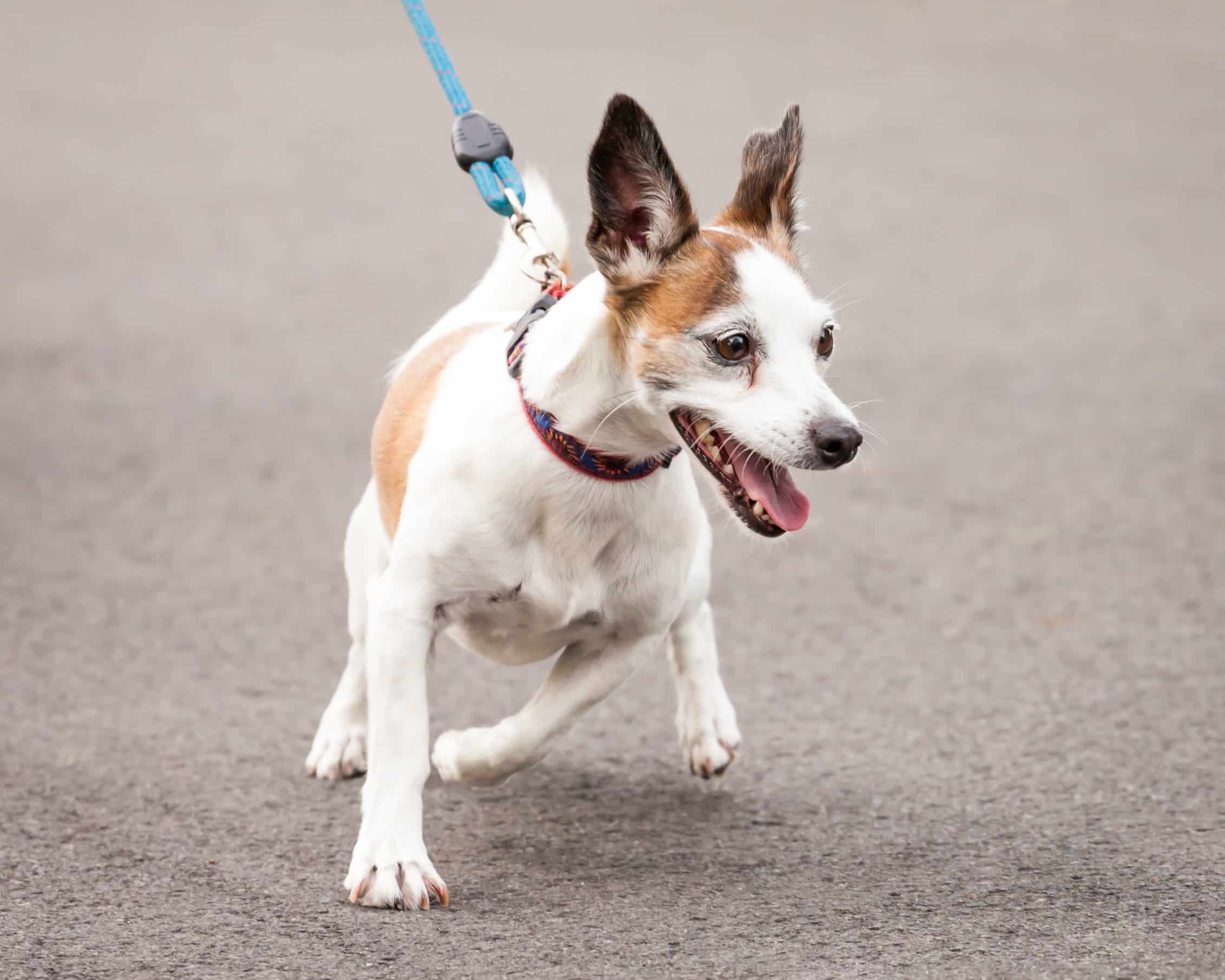
A Jack-Chi

At a Glance

Domesticated
Also Known As Jackchi, Jack-Chi
Diet Omnivore
Activity Diurnal+
Lifespan 5 years
Weight 8 lbs
Status Not Evaluated
Did You Know?

A Jack Chi is a designer cross (not a standardized kennel-club breed), so looks and temperament can vary widely even within a litter.

Scientific Classification

A domestic dog crossbreed (designer mix) typically combining the Chihuahua and Jack Russell Terrier; commonly kept as a companion animal.

Kingdom
Animalia
Phylum
Chordata
Class
Mammalia
Order
Carnivora
Family
Canidae
Genus
Canis
Species
lupus

Distinguishing Features

  • Small companion dog; often compact and athletic
  • Traits vary widely; may show terrier-like build with Chihuahua-sized frame
  • Coat commonly short to medium; coloration highly variable
  • Temperament often energetic/alert; variability depends on individual and upbringing

Physical Measurements

Males and females differ in size

Height
♂ 1 ft 1 in (11 in – 1 ft 4 in)
♀ 10 in (7 in – 1 ft 1 in)
Length
♂ 1 ft 8 in (1 ft 4 in – 1 ft 12 in)
♀ 1 ft 8 in (1 ft 3 in – 2 ft)
Weight
♂ 14 lbs (9 lbs – 20 lbs)
♀ 10 lbs (6 lbs – 14 lbs)
Tail Length
♂ 6 in (4 in – 8 in)
♀ 6 in (4 in – 8 in)
Top Speed
22 mph

Appearance

Primary Colors
Secondary Colors
Skin Type Jack Chi skin: short-to-medium coat, often smooth and close to the body; sometimes slightly rough terrier texture. Skin can be somewhat sensitive; light-colored noses/ears and thin-coated dogs have higher sunburn risk.
Distinctive Features
  • Domestic dog (Canis lupus familiaris) designer mix, not a wild canid and not a formally standardized pure breed; appearance and temperament vary widely across individuals and even within the same litter.
  • Typically a small, compact companion dog with a terrier-like athletic build (Jack Russell influence) combined with a finer-boned, smaller frame and larger ear/eye proportions (Chihuahua influence).
  • Head and ears are variable: may have a longer terrier muzzle or a shorter Chihuahua-like muzzle; ears may be erect (common with Chihuahua ancestry) or button/semi-drop (common with Jack Russell ancestry).
  • Coat usually short and low-shedding to moderate-shedding; many have the classic terrier white base with dark patches, while others present as fawn/cream with darker facial shading.
  • Common breed-mix behavioral traits: high alertness and vocal tendency (Chihuahua) plus high prey drive, energy, and tenacity (Jack Russell). Needs structured training and early socialization to reduce reactivity, nipping, and small-dog overconfidence.
  • Distinguishes from the base species context: compared with ancestral wild canids, this mix is strongly human-selected for companionship, smaller body size, and neotenous facial traits; behavior is shaped for household living rather than survival hunting.
  • Higher risk (from parent breeds) of: patellar luxation (kneecap issues); crowded teeth and gum disease; windpipe (tracheal) sensitivity or collapse; Legg-Calvé-Perthes; lens luxation or cataracts; allergies and skin irritation; occasional back or spine strain.
  • Needs daily mental games and brisk exercise (about 45–90 minutes per day); secure leash or fence for chasing; training with treats and impulse control; daily teeth brushing, nail trims, and cold-weather protection.
  • Handling considerations: may be prone to stress/startle and resource guarding if under-socialized; consistent routines, gradual introductions, and cooperative care (muzzle/handling training) improve veterinary and grooming tolerance.

Sexual Dimorphism

Sexual dimorphism is mild, typical of small domestic dogs: males are often slightly heavier with broader heads/neck, while females are often a bit lighter and finer-boned. Individual variation from mixed ancestry can exceed sex-based differences.

♂
  • Often marginally larger/heavier with a slightly broader skull and thicker neck/shoulders.
  • May show more confident territorial marking behaviors if not neutered; behavior is heavily influenced by training/socialization.
♀
  • Often slightly smaller with a finer-boned frame and narrower head.
  • May be more prone to weight fluctuation around spay/heat cycles; maintain body condition to reduce patellar/knee strain.

Did You Know?

A Jack Chi is a designer cross (not a standardized kennel-club breed), so looks and temperament can vary widely even within a litter.

Many inherit the Jack Russell's athletic "spring" and the Chihuahua's vigilant watchdog attitude-making them tiny but intense companions.

Common coats range from smooth to slightly rough; colors often mirror Jack Russells (white with patches) or Chihuahua mixes (tan, sable, black).

Their size makes them apartment-friendly, but their energy level often isn't-daily exercise and training matter more than floor space.

They're frequent "blanket burrowers," a behavior often linked to the Chihuahua side's love of warmth and den-like nesting.

"Hybrid vigor" can occur, but it's not guaranteed; they can still inherit parent-breed health issues and should be health-screened like any dog.

Unique Adaptations

  • Compact, lightweight frame: easier for the dog to maneuver in tight spaces and jump/climb (but also means falls can be riskier).
  • Keen hearing and reactivity: excellent early-warning "sentinel" behavior typical of many small companion dogs.
  • Efficient sprint-and-recover activity style: bursts of speed and agility aligned with terrier ancestry.
  • Strong prey-drive circuitry (Jack Russell influence): quick visual tracking and chase motivation.
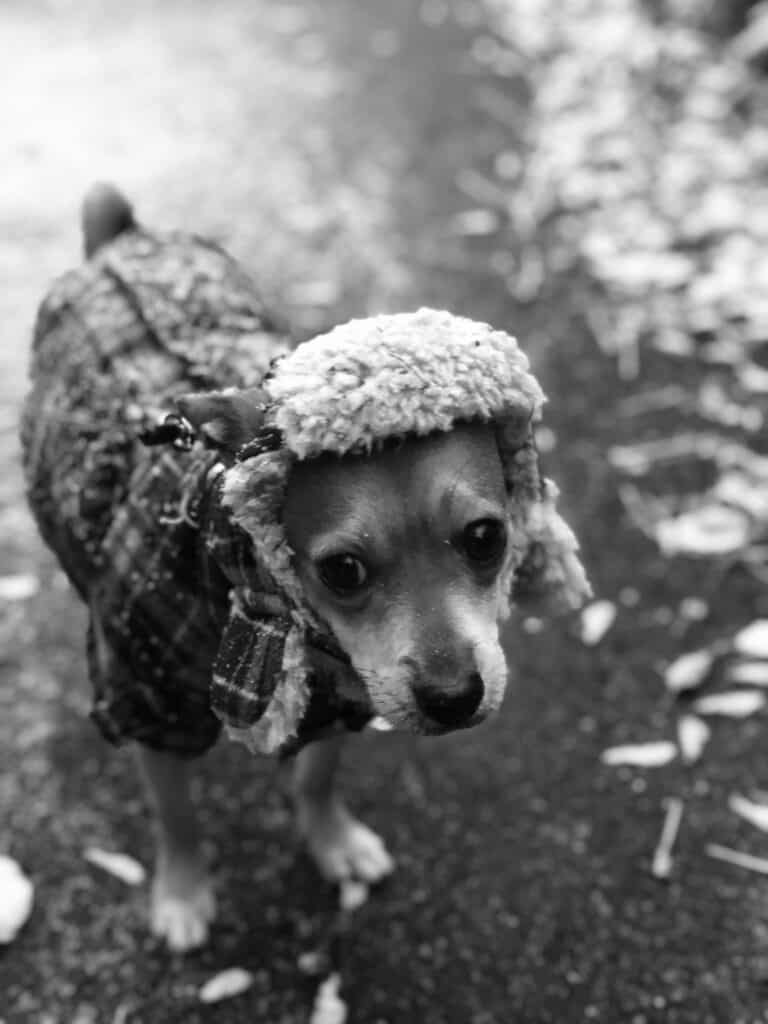
  • Cold sensitivity (common in toy breeds): a higher tendency to seek warmth; some benefit from sweaters in cool weather.
  • Highly food- and toy-motivated learning: training can be very effective with consistent rewards and structure.

Interesting Behaviors

  • High-alert scanning and quick alarm barking-often more pronounced than in many other small companion dogs.
  • Terrier-style chasing and pouncing on moving objects (squirrels, toys, feet), sometimes paired with intense focus.
  • Digging or "nesting" in beds/blankets; some also paw at cushions like they're making a den.
  • Fast learning with a mischievous streak: they may test boundaries, open doors, or steal and stash small items.
  • Strong attachment to a person ("velcro dog") with frequent lap-sitting and close-following.
  • Play that shifts rapidly between cuddle mode and high-speed zoomies; many prefer short, energetic bursts.
  • Possible wariness with strangers or larger dogs if under-socialized; early positive exposure often improves confidence.

Cultural Significance

The Jack Chi is a modern designer mix of Jack Russell Terrier and Chihuahua. It pairs the Jack Russell’s drive to hunt rats and pests with the Chihuahua’s small companion role, showing how humans shaped Canis lupus familiaris.

Myths & Legends

Techichi soul-guides (Mesoamerica): Small companion dogs linked to ancestors of the modern Chihuahua are tied to Toltec and Aztec Techichi; stories say these dogs helped guide souls to the underworld.

In Aztec myth, the god Xolotl—connected to dogs—guides the dead through dangers in the underworld. This lasting dog-underworld theme appears in stories about Mexico’s ancient small companion dogs.

Reverend John Russell's 19th-century England terrier 'Trump' is a famous story. He picked a white-and-tan dog that shaped the Jack Russell Terrier hunting type, a behavior many Jack Chis still show.

European hearth-dog lore: Small lapdogs across Europe were sometimes treated as 'bed warmers' and comforting household companions-an old cultural association that fits the Jack Chi's frequent burrowing and lap-seeking behavior today.

Folklore often shows domestic dogs as guardians, from Cerberus to many village tales of dogs sensing danger. This matches the Jack Chi's very alert, quick-to-warn protective nature.

Conservation Status

NE Not Evaluated

Has not yet been evaluated against the criteria.

Population Stable

Life Cycle

Birth 3 pups
Lifespan 5 years

Lifespan

In the Wild
1–10 years
In Captivity
10–18 years

Reproduction

Mating System Polygynandry
Social Structure Managed Domestic
Breeding Pattern Transient
Fertilization Managed Selective
Birth Type Managed_selective

Jack Chi (Jack Russell Terrier × Chihuahua) (Canis lupus familiaris) is a very small, active companion dog with terrier prey drive and Chihuahua clinginess. Owners usually control mating. Small size raises pregnancy and birth risks; health checks, exercise, and vet care are needed.

Behavior & Ecology

Social Pack Group: 2
Activity Diurnal, Crepuscular
Diet Omnivore Meaty, high-aroma foods (e.g., cooked chicken or fish-based kibble/wet food), often favored due to terrier-driven food motivation and small-dog palatability preferences.

Temperament

High-energy, alert, and busy; typically more driven to chase/move and to investigate than many small companion breeds (Jack Russell terrier influence).
Affectionate and people-oriented, often strongly bonded to one person; may be cuddly at home yet bold outdoors (Chihuahua + terrier mix).
Confident, feisty, and sometimes stubborn; benefits from short, engaging training sessions with clear boundaries and consistent reinforcement.
Watchful and vocal; more likely than many dogs to alarm-bark at novel sounds/visitors-early habituation and reward-based 'quiet' training are key care needs.
Playful with a strong prey/foraging drive (digging, chasing); daily outlets (sniff walks, flirt pole in moderation, puzzle feeders) help prevent frustration behaviors.
Potential reactivity (to strangers, handling, or other dogs) varies widely across the group; strong socialization during puppyhood and cooperative care handling reduce fear-based snapping.
Breed-typical care considerations: small body and fine-boned individuals may be prone to injury from rough play/jumping-use ramps/steps and supervise interactions with large dogs/children.
Patellar luxation, dental disease, tracheal sensitivity or collapse risk, Legg-Calve-Perthes, and allergies can cause pain, scratching, or irritability. Regular dental care and gentle, pain-aware handling improve friendliness.

Communication

High-pitched yaps/barks and rapid alarm barking
Growls Warning/resource guarding
Whines/whimpers Attention, stress, separation
Play barks
Howl/partial howl Occasional; more individual than breed-typical
Scent marking and ground sniffing Information gathering; can be intense on walks
Body posture: forward-leaning, stiff stance when aroused; low/crouched posture when unsure Variation by confidence
Tail and ear signaling: quick tail flicks and ear pinning/forwarding to show uncertainty or interest
Pawing, nudging, and jumping up to solicit contact; may escalate to barking if attention is delayed
Mouthy play and grabbing toys (terrier-style); redirect to tug/toys to prevent nipping
Face licking and close-contact leaning for affiliation; may shake/tremble in cold or stress Often Chihuahua-influenced

Habitat

Biomes:
Temperate Forest Temperate Grassland Mediterranean Boreal Forest (Taiga) Tundra Alpine Desert Hot Desert Cold Savanna Tropical Rainforest Tropical Dry Forest Freshwater Wetland Marine +8
Terrain:
Plains Hilly Mountainous Coastal Valley Island Plateau +1
Elevation: Up to 16404 ft 3 in

Ecological Role

Domestic companion animal and localized mesopredator of small pests; primarily reliant on humans for food, with occasional opportunistic predation.

companionship and human well-being support rodent/pest deterrence in home environments alarm/alert function can contribute to local pest control but may negatively impact small wildlife if allowed to roam

Diet Details

Main Prey:
Rodents Small lagomorphs Small birds and nestlings Lizards Insects and other invertebrates Animal proteins
Other Foods:
Plant foods Dog-safe fruits Grains and starches Plant matter

Human Interaction

Domestication Status

Domesticated

Canis lupus familiaris: domestic dogs come from gray wolves and were shaped by humans. The Jack Chi is a modern cross of a Jack Russell Terrier and a Chihuahua, bred as a small, lively companion with strong terrier energy, alertness, and attachment. They live with people in homes and cities, need walking, training, grooming, vet care, and may bark more.

Danger Level

Low
  • Bite/nip risk if under-socialized, fearful, startled, or handled roughly (small dogs can still cause injury, especially to children's hands/face).
  • Resource guarding or possessiveness (toys/food/person) in some individuals, influenced by genetics and learning.
  • Reactivity to strangers/dogs (barking/lunging) can create conflict situations in public spaces.
  • Zoonotic risks typical of domestic dogs (e.g., parasites) if preventive care is neglected.

As a Pet

Suitable as Pet

Legality: Jack Chi (Jack Russell Terrier × Chihuahua mix) is usually legal where dogs are allowed. Rules may require license, rabies shot, leashes, and dangerous-dog laws based on behavior. Home or HOA rules may limit size, noise, or weight.

Care Level: Moderate

Purchase Cost: Up to $1,500
Lifetime Cost: $12,000 - $30,000

Economic Value

Uses:
Companion animal/pet industry Veterinary services (preventive care, dental, parasite control) Training and behavior services Grooming and pet retail (food, treats, accessories) Pet sitting/boarding
Products:
  • adoption/rescue placement fees or breeder sale
  • routine veterinary care (vaccines, spay/neuter, annual exams)
  • dental cleanings (often important for small breeds)
  • training classes (basic obedience, reactivity management)
  • puzzle feeders and durable chew toys (high-drive terrier influence)
  • harnesses/leashes (often preferred over collars to reduce tracheal strain risk)
  • premium small-breed diets and treats

Relationships

Ecological Equivalents 6

Animals that fill a similar ecological role in their ecosystem

Chihuahua
Chihuahua Canis lupus familiaris Shares the role as a small companion pet and exhibits typical toy-breed care issues — increased cold sensitivity, dental crowding, and patellar luxation. Chihuahuas are very small, show bold alertness and a strong bond with owners, and are more sensitive to cold and handling than the gray wolf.
Jack Russell Terrier
Jack Russell Terrier Canis lupus familiaris Fills the terrier "ratting" niche: strong prey drive, intense play and work motivation, and a need for daily exercise and training. The Jack Russell influence brings higher energy levels, increased barking and alertness, and a greater tendency to chase and dig.
Rat Terrier
Rat Terrier Canis lupus familiaris Occupies a small, agile vermin-control and companion niche; has comparable needs for mental enrichment, recall training, and secure containment due to strong chase instincts.
Miniature Pinscher
Miniature Pinscher Canis lupus familiaris Similar size and 'bold watchdog' companion niche. Overlaps in needs for positive reinforcement training, socialization to reduce reactivity, and careful management around larger dogs.
Dachshund
Dachshund Canis lupus familiaris Similar household companion niche with notable prey/chase tendencies. Overlaps in management needs—leash reliability, managing scent/chase distractions, and enrichment—though Dachshunds differ markedly in body shape and have a higher risk profile for intervertebral disc disease (IVDD).
Toy Fox Terrier
Toy Fox Terrier Canis lupus familiaris Similar blend of toy-sized companionship and terrier drive; typically comparable grooming ease but with high activity levels and significant training needs to attain polite indoor behavior.

The Jack-Chi dog is a mixture of two purebred dogs, the Chihuahua and the Jack Russell. The Jack-Chi is a modern designer hybrid breed that originated in the United States in the late 20th or early 21st century, resulting from the crossbreeding of a Jack Russell Terrier and a Chihuahua. While the Jack Russell Terrier parent was originally bred for hunting, the Jack-Chi is primarily bred as a companion dog and is not typically used for hunting.

Fun Facts About the Jack-Chi Dog

  • The Jack-Chi dog is known as the yapping dog because of its insistent bark.
  • When the Jack-Chi relocated to the USA, people disregarded the breed and did not view them as purebred dogs, giving them the name mutt.
  • The Jack-Chi is known for chewing on objects and burrowing underground.
  • Sometimes the Jack-Chi dog is called the Jackahuahua.
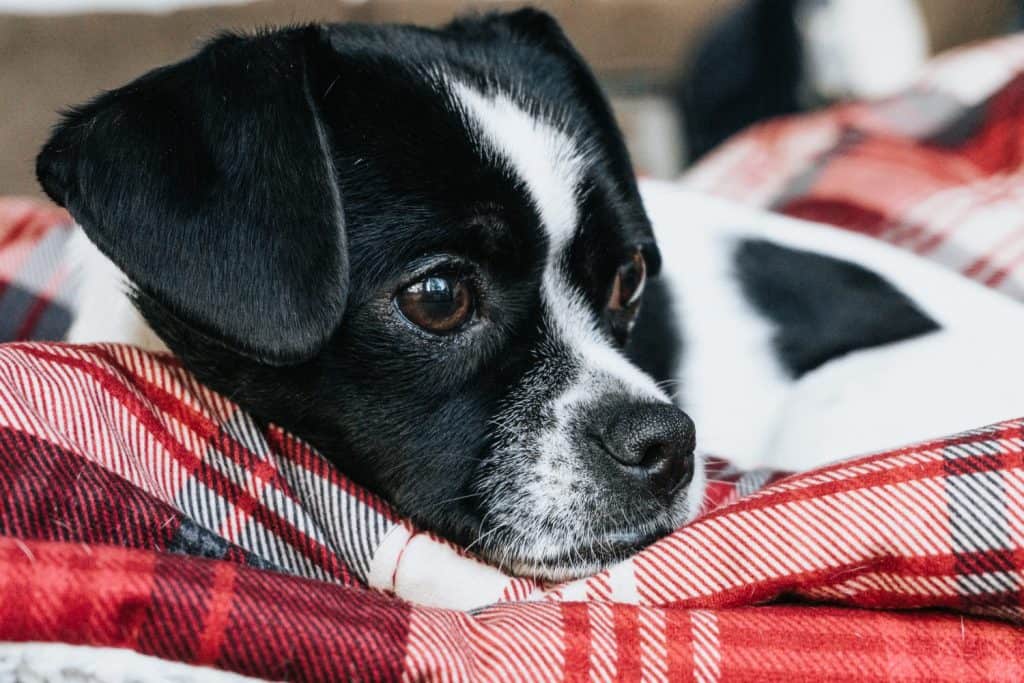
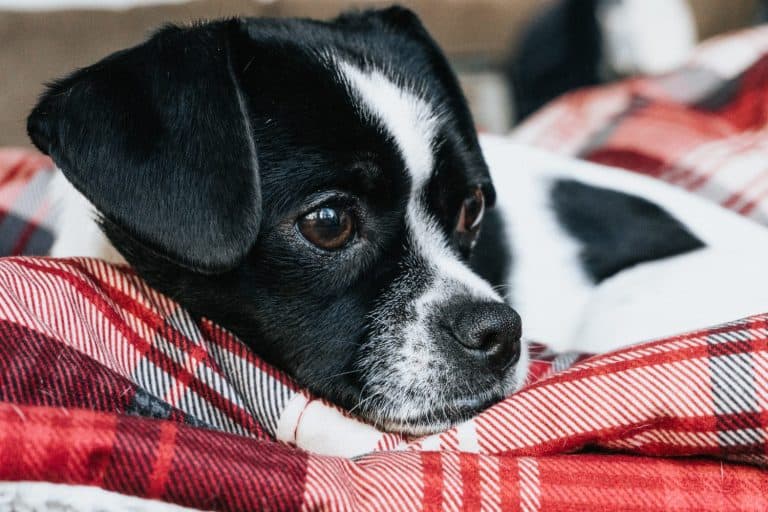
Cute small black and white Jack Russell/Chihuahua dog sleeping and resting on a tartan blanket in natural light

A cute, small black and white Jack Russell/Chihuahua dog sleeping and resting on a tartan blanket.

Pros and Cons of Owning a Jack-Chi Dog

ProsCons
Very smart: They pick up on commands quickly, and although they might have a stubborn streak, they are determined to follow through with a task.Need a secure area: The Jack-Chi is known for its excellent digging skills and muscular build. These little tricksters can get out of many places, so keep a close eye on them.
Affordable: Because this breed is small, you won’t be spending much money on food and grooming.Loud barkers: They like to communicate a lot, and sometimes bark incessantly. With consistent training, their barking can be reduced.
Extremely affectionate: Jack-Chis enjoy human companionship as they thrive on getting lots of cuddles and attention.High energy: Their energetic nature can be overwhelming to some people.

The Best Dog Food for the Jack-Chi Dog

Since the Jack-Chi is a small-bodied dog, they don’t need to consume much food. However, in accordance with their feeding chart, the Jack-Chi requires a proportionate one to two cups of dog food, which should make up at least 500 to 560 calories per day.

The Jack-Chi enjoys a tasty treat, especially from table scraps. Therefore, be mindful of what you give this dog, as it can quickly gain weight.

Their diets should consist of protein, carbohydrates, healthy fats, vitamins, and minerals. An all-round balanced diet will provide them with a healthy, functioning metabolism, preventing Jack-Chi’s from experiencing food allergies, where their stomachs can become inflamed, causing pain and discomfort.

Jack-Chi Dog Weight and Height

Both male and female dogs generally weigh between eight and 18 pounds and have a height of 14 to 15 inches.

Jack-Chi Health Issues

Because the Jack-Chi comes from two different parent breeds, this hybrid dog can inherit certain health conditions.

Patellar Luxation

A luxating patella happens when the kneecap shifts out of its original position. If the kneecap is dislodged permanently or keeps moving automatically in and out of the aperture, your dog can experience severe pain, lameness, impaired mobility, or reduced limb function. Depending on the diagnosis, anti-inflammatory medication may help to control the pain.

Hypoglycemia

If your dog is experiencing lethargy, sudden blindness, muscle loss, or weakening in the legs, hypoglycemia may be at play. If your dog’s blood sugar keeps fluctuating, your veterinarian will recommend dietary management and may suggest glucose supplementation to address hypoglycemia.

Heart Problems

If there is not enough blood being pumped throughout your dog’s body, your pet may experience lethargy, fainting, shortness of breath, reduced appetite, or swelling of the abdomen.

Legg-Calve-Perthes Disease

This condition results when the joint that connects to the ball-and-socket starts to degrade over time. Common symptoms include sudden lameness and pain.

Jack-Chi’s Temperament

These dogs are very smart, loving, and energetic. They are always looking for adventure, especially outdoors, as they search for birds and squirrels to chase. This breed longs for attention, so make sure to acknowledge your Jack-Chi when they are running up and down hallways, jumping on high to reach places, and just being silly. They have big hearts and love being close to their owners.

Jack-Chi dog sitting on grass inside a ballpark

A Jack-Chi loves to play outdoors.

How to Take Care of a Jack-Chi Dog

Smaller dogs are becoming a lot more popular nowadays. Moreover, with the rise of a growing population, many more people are living in apartments, and the Jack-Chi is a perfect fit for a small home.

When owning this breed, it is necessary to provide them with a healthy diet, clean water, grooming, exercise, training, and regular vet visits. If your dog is well cared for, he can live a long and happy life.

Grooming

The Jack-Chi has short fur, allowing the coat to shed moderately. You can brush your Jack-Chi a few times weekly to control shedding.

Because their coat is dense, they need a bath every two weeks to wash oil and loose hair away, but keep in mind not to bathe them often, as this can cause their skin to become irritated and dry.

Incorporate dental hygiene into their grooming routine, as this will keep their teeth healthy and prevent decay. Trimming your dog’s nails is also necessary, as this will allow them to walk correctly and stop their nails from curling or tearing, causing infection and discomfort.

Training

Training will prevent behavioral issues and provide mental stimulation. A lot of consistency and patience are needed when training your Jack-Chi. They might be intelligent and respond well to commands, but they can also be headstrong, making training a bit more complicated.

Because they display these stubborn qualities, owners should be firm and show assertiveness. Make use of positive rewards, such as verbal praise or dog treats.

Exercise

These dogs express a very untiring nature. They require a lot of exercise to prevent naughty behavior and stay healthy.

Your Jack-Chi will enjoy trips to the park and adventurous walks where they can explore and interact with other dogs and people. It is best to keep this breed on a lead, as they have a tendency to run off.

Puppies

Jack-Chi puppies need to be supervised as they will be on the search for shoes and socks to chew on; pack away all personal items, and give them a nice chew toy to occupy them.   

Jack-Chi Dog and Children

The Jack-Chi gets on very well with children, making for a perfect friendship. Their silly nature and high energy will keep your child happy and entertained, but it is important to educate your child when bringing your bundle of joy home. Teach your child to be gentle and avoid pulling on their ears and tails. Even though these dogs are small, they will bite if their space is not respected.

View all 52 animals that start with J

Sources

  1. petguide / Accessed November 8, 2022
  2. petkeen / Accessed November 8, 2022
  3. k9web / Accessed November 8, 2022
Kayeleen Parsons

About the Author

Kayeleen Parsons

Kayeleen Parsons is a writer at A-Z Animals that thoroughly enjoys writing about animals of all types. She has a love for many animals, but her Cocker Spaniel dog holds a special place in her heart. In addition to being a writer, she's also an English teacher, sharing her knowledge to help her students become excellent in the language and literature. When she's not busy writing, Kayeleen enjoys reading and spending quality time with her family in her homeland of Cape Town.

Thank you for reading! Have some feedback for us?


Jack-Chi FAQs (Frequently Asked Questions)

The Jack-Chi is medium in size, growing to a maximum of 15 inches tall.