











R
Species Profile

Rat Terrier

Canis lupus familiaris

Small Dog. Big Farm-Dog Energy.
Dlpwagner/Shutterstock.com

Rat Terrier Distribution

Click a location to explore more animals from that region

Origin Location

This map shows the native origin of the Rat Terrier. As a domesticated species, they are now found worldwide.

Loading map...

Size Comparison

Human 5'8"
Rat Terrier 1 ft 2 in

Rat Terrier stands at 21% of average human height.

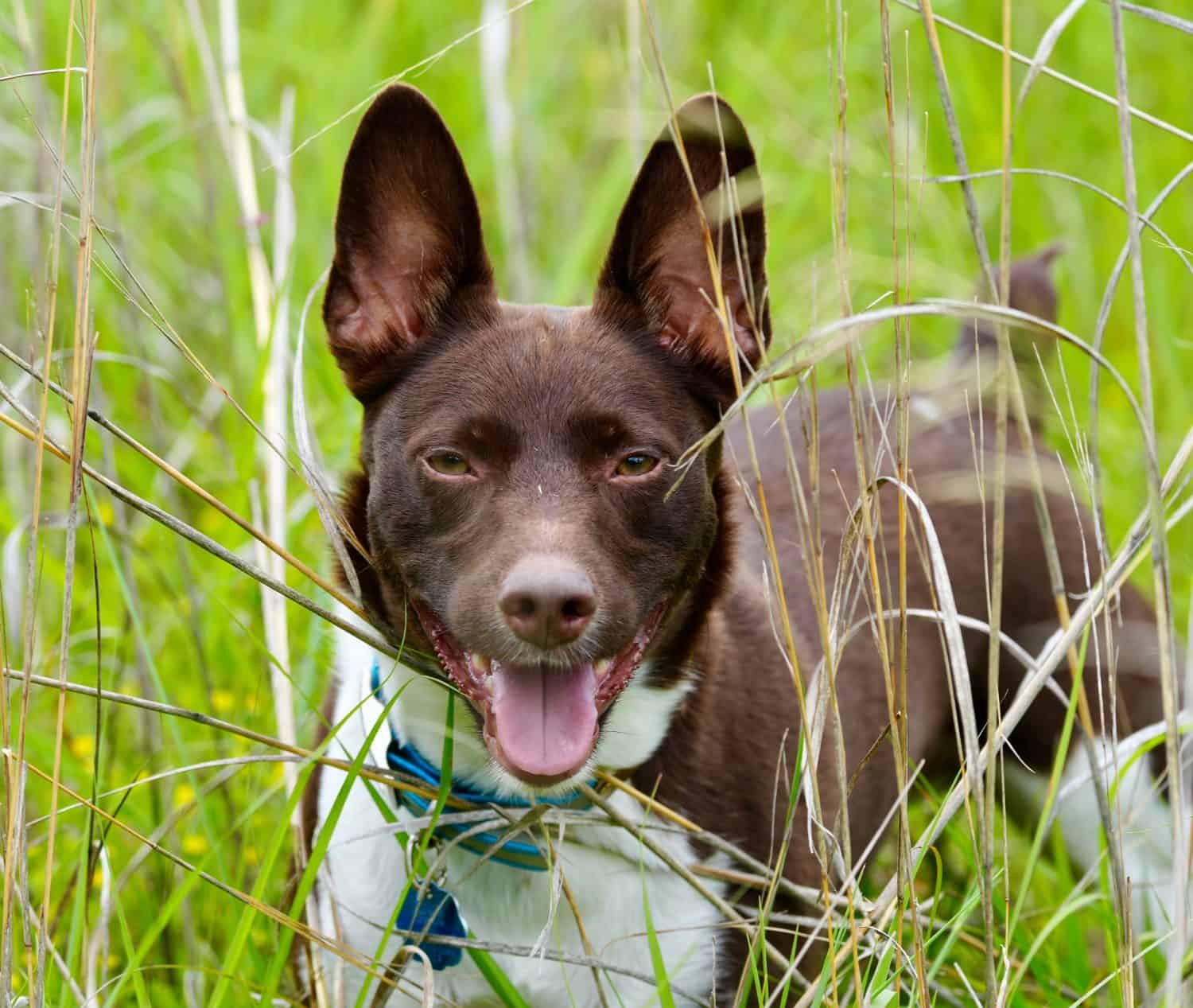
Rat terrier enjoying the outdoors

At a Glance

Domesticated
Also Known As Ratter, Ratting Terrier, Rat Dog
Diet Omnivore
Activity Diurnal+
Lifespan 15 years
Weight 11.3 lbs
Status Not Evaluated
Did You Know?

Rat Terriers were developed in the U.S. as all-purpose farm dogs-ratters, squirrel dogs, and family companions.

Scientific Classification

The Rat Terrier is an American-developed small-to-medium working terrier breed historically used for farm pest control (“ratting”) and as an all-around farm dog and companion.

Kingdom
Animalia
Phylum
Chordata
Class
Mammalia
Order
Carnivora
Family
Canidae
Genus
Canis
Species
Canis lupus

Distinguishing Features

  • Small-to-medium, athletic terrier build with strong prey drive
  • Short, smooth coat often with white plus black/tan/chocolate/lemon markings
  • Erect or semi-erect ears; alert expression
  • Traditionally a versatile farm/companion dog with high energy and trainability

Did You Know?

Rat Terriers were developed in the U.S. as all-purpose farm dogs-ratters, squirrel dogs, and family companions.

Unlike many terriers, the breed commonly shows hound influence (e.g., Beagle in some lines), which can add scenting ability and sociability.

They come in two main size ranges (often called Miniature and Standard), and there's also a larger working strain known as the Decker Rat Terrier.

The breed is recognized by the UKC (1999) and entered the AKC Terrier Group in 2013.

Their short, smooth coat sheds but needs minimal grooming-many owners describe them as "wash-and-wear" dogs.

They're frequently confused with Toy Fox Terriers; Rat Terriers are generally more robust and come in a wider range of sizes and head shapes.

True to their name, many retain intense prey drive and impressive speed for their size-traits selected far beyond the base domestic dog's average.

Unique Adaptations

  • Selected prey-drive and motor patterns (stalk-pounce-grab-shake) tuned for small vermin control-more specialized than the general domestic dog average.
  • Compact, athletic build and efficient gait supporting quick acceleration and tight turns in barns, sheds, and brushy farm edges.
  • Short, smooth coat suited to active work with low grooming burden, though often less tolerant of cold than heavier-coated breeds.
  • High trainability paired with independence-an adaptation for farm tasks where initiative matters, but cooperation with people remains essential.
  • Strong visual reactivity to movement (a terrier hallmark), aiding rapid target acquisition during pest work.

Interesting Behaviors

  • Instinctive "ratting": rapid pounce-and-grab sequences, scanning for movement, and persistent investigation of holes, brush piles, and barn corners.
  • High "check-in" tendency with their people when well-bonded-working close like a farm partner rather than ranging far.
  • Alert, quick vocalizations to new sounds or visitors (often more of an alarm-bark than sustained aggression).
  • Toy-driven play and strong chase response; many excel at lure coursing-style games, fetch, and fast tug routines.
  • Problem-solving and "DIY" behavior (opening doors, learning routines), reflecting selective pressure for an independent working mind.
  • Digging and den-making behavior, especially in soft ground or blankets-common in terrier-type dogs.

Cultural Significance

Rat Terrier (Canis lupus familiaris), a U.S.-developed working terrier, is tied to American small farms. A versatile dog that cleared rodents, alerted to strangers, and fit into homes. It shows practical mixing of breeds for speed, grit, and being easy to train.

Myths & Legends

A common White House story says President Theodore Roosevelt made the name Rat Terrier popular after a small terrier dog chased a rat problem during his time there, a tale often repeated in breed histories.

Old farm stories tell of one-dog barn hero dogs, Rat Terrier-type dogs that could clear grain rooms of rats at night and be gentle with children by day.

Stories from late 1800s and early 1900s ratting matches, public shows timing dogs killing rats, made the small, fast ratter a working-class sports legend and helped shape the Rat Terrier's reputation.

Conservation Status

NE Not Evaluated

Has not yet been evaluated against the criteria.

Population Stable

Life Cycle

Birth 6 pups
Lifespan 15 years

Lifespan

In the Wild
12–18 years
In Captivity
12–18 years

Reproduction

Mating System Polygynandry
Social Structure Managed Domestic
Breeding Pattern Serial
Fertilization Managed Selective
Birth Type Internal_fertilization

As a managed domestic breed, Rat Terriers usually reproduce via planned pairings; males show competition and mate-guarding around a female in estrus, and females accept one or multiple sires. Parental care is primarily maternal, with human support.

Behavior & Ecology

Social Pack Group: 4
Activity Diurnal, Crepuscular, Cathemeral
Diet Omnivore Meat-forward foods (e.g., chicken/turkey/fish-based complete dog food; high-value lean meat treats).

Temperament

Breed vs base species context: smaller, terrier-built, and purpose-bred for intensive vermin pursuit and dispatch.
High prey drive and fast chase/grab behavior; more "ratting" focus than many companion-bred dogs.
Alert watchdog tendency; quick to notice movement/sounds and may bark readily without training.
Energetic with bursty sprint-play style; benefits from structured daily exercise and games.
Affectionate and people-oriented; often Velcro-like with family, including older children.
Intelligent and trainable but can be independent/stubborn; responds best to reward-based, varied sessions.
Dog sociability varies: many are friendly, some are selective; early neutral social exposure helps most.
Handling/household skills: thrives with clear routines, impulse-control work, and consistent boundaries.
Care requirements: secure fencing/leash reliability due to prey drive; enrichment (nosework, puzzles, fetch) reduces nuisance behaviors.
Grooming is low (short coat), but nails/ears need routine care; dental hygiene is especially important for small breeds.
Health concerns seen in the breed: patellar luxation, Legg-Calvé-Perthes, dental disease/periodontal issues, allergies/skin sensitivity; occasional hip issues.
Rat Terriers commonly show strong human bonding, alertness, and prey-chasing; individuals vary in vocality and dog tolerance.

Communication

sharp alert bark
excited yip
play growl
warning growl
whine
occasional howl
intense visual tracking and pointing-like stare at prey/movement
tail carriage and rapid wag changes indicating arousal or uncertainty
ear position shifts (pricked/flattened) as quick emotional signals
play bows and rapid feints during social play
scent investigation and urine marking Especially intact males
body blocking/leaning toward handler to seek proximity or reassurance

Habitat

Biomes:
Temperate Forest Temperate Grassland Mediterranean Boreal Forest (Taiga) Tundra Alpine Desert Hot Desert Cold Savanna Tropical Dry Forest Tropical Rainforest Freshwater Wetland Marine +8
Terrain:
Plains Hilly Valley Coastal Riverine
Elevation: Up to 16404 ft 3 in

Ecological Role

Human-associated mesopredator and pest-control specialist in farm/yard ecosystems; companion animal reliant on provisioned food.

Rodent and small pest suppression around farms/homesteads Early detection/alerting behavior that can deter pests Potential negative impact if free-roaming: predation pressure on native small wildlife (birds, small mammals), so leash/containment mitigates ecological harm

Diet Details

Main Prey:
Rat Mice Vole Ground squirrel Rabbit Small birds and eggs Insects +1
Other Foods:
Berries and fallen fruit Grasses and plant matter Starchy plant foods Vegetables

Human Interaction

Domestication Status

Domesticated

Canis lupus familiaris (domestic dog) came from gray wolves and was shaped over thousands of years as people picked traits for tame ways, talking with people, and useful jobs. The Rat Terrier is a U.S. small-to-medium working terrier, bred late 1800s–early 1900s for ratting and farm work, chosen for speed, prey drive, easy to train, compact bodies, and short coats.

Danger Level

Low
  • Bites or nips typically associated with fear, pain, resource guarding, rough handling by children, or insufficient training/socialization
  • Scratches or minor injuries during high-arousal play due to speed and intensity
  • Zoonotic/health risks common to dogs generally (e.g., parasites) if preventive care is neglected

As a Pet

Suitable as Pet

Legality: Rat Terrier (Canis lupus familiaris) is generally legal to own as a pet in the United States and most places. Rules are rarely breed-specific but may include leash laws, barking, licenses, rabies shots, and HOA/rental limits. Check local rules.

Care Level: Moderate

Purchase Cost: Up to $1,500
Lifetime Cost: $15,000 - $40,000

Economic Value

Uses:
Companion animal Working/pest-control dog Dog sports and recreation Breeding and showing Pet services economy
Products:
  • puppies from registered breeders (purchase fees)
  • adoption placements (shelter/rescue fees)
  • training services (basic manners, recall, impulse control, prey-drive management)
  • veterinary services (preventive care, dental care, orthopedic evaluations)
  • sport participation (agility, obedience, rally, barn hunt-style events)
  • pet supplies (food, crates, leashes/harnesses, enrichment toys, parasite prevention)
  • breeding services (stud fees, health testing)

Relationships

Quick Take

  • Achieving full height and weight requires a lengthy 24-month developmental timeline for this specific breed.
  • Utilizing 7 breeds during development introduced a critical risk for the debilitating Legg-Calve-Perthes disease.
  • Their no-nonsense temperament creates a surprising conflict for homes with young children.
  • Completing a 12-week targeted feeding cycle is mandatory to avoid lifelong skeletal failures in puppies.

Rat terriers are brilliant dogs, but they can be very stubborn. This breed was first developed by early American farmers who wanted a dog that could kill rodents, and they are very talented at burrowing and digging. The standard rat terrier stands between 13 and 18 inches tall. This dog is vigilant, and it will often alert its owners to unusual happenings. The coat of the rat terrier is most often bi- or tri-colored, though solid white is also possible according to breed standards.

A loyal rat terrier is a serious dog that will want to be with you constantly. They are a happy breed that would love to be a trusted member of your family.

An infographic regarding Rat Terrier breed traits, including its 12-35 pound weight range, its ancestry from seven different breeds, and its vulnerability to hip dysplasia.
Achieving full maturity takes 24 months, but a single 12-week feeding window determines if this loyal companion will escape a lifetime of skeletal failure. © A-Z Animals
Watch on YouTube

Origin Of The Rat Terrier

Once one of the most common farm dogs of the early 20th Century, the rat terrier was bred to specifically eliminate animals that were destructive to farms, like rabbits and rats. The rat terrier was developed in the United States in the early 20th century using at least seven breeds: the now-extinct Old English White Terrier, the Beagle, Manchester Terrier, Bull Terrier, Italian Greyhound, Smooth Fox Terrier, and the Whippet. It is believed that their name came from Teddy Roosevelt.

3 Pros And Cons Of Owning A Rat Terrier

ProsCons
Easy to groom
Provide a monthly bath and an occasional brushing with a rubber comb. More frequent brushing may be necessary if the dog sheds in the spring and fall.
Stubborn
Rat terriers can be stubborn, so you need to be a good leader.
Intelligent
Rat terriers are very smart.
Strong prey instincts
Be sure to socialize this dog well with other animals, as it has a strong prey instinct, especially towards small animals.
Loyal
Rat terriers are very loyal and take their job of protecting you seriously.
No nonsense
This breed often has trouble tolerating nonsense, which means that it may not be the best dog for families with young children.
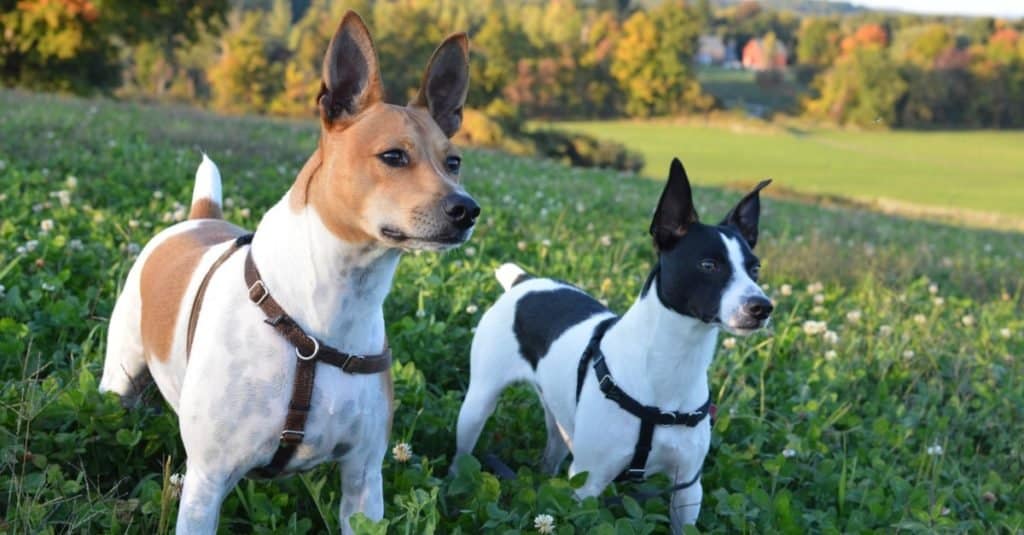
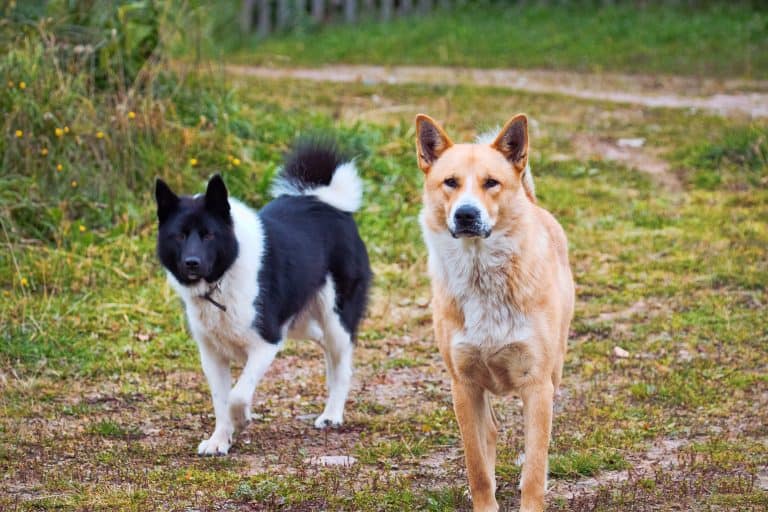
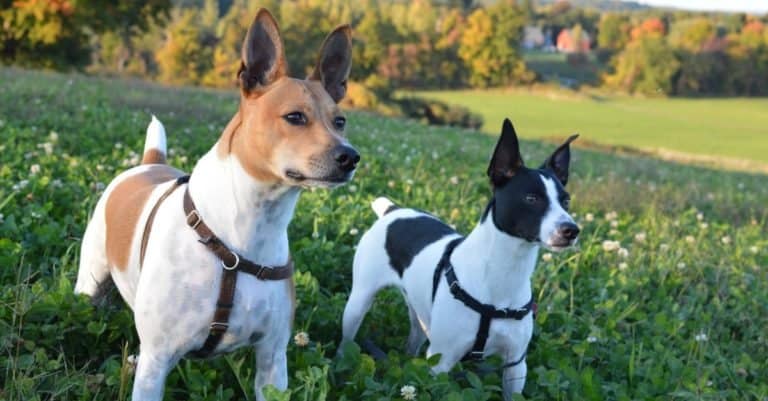
Alert Rat Terriers outside in field

Rat terriers have a strong prey instinct and need to be socialized.

Size And Weight

Standard rat terriers stand between 13 and 18 inches tall at the shoulder. The dog should be slightly longer than it is tall, and it should have long legs. The dog typically weighs between 12 and 35 lbs. There is little difference between the size of a dog and a bitch. Puppies are usually born in litters of five to seven pups. These pups may take up to 15 months to mature mentally and 24 months to gain their total weight and height.

According to the American Kennel Club, there are two official sizes of rat terriers. The standard rat terrier must be at least 13 inches tall, while the mini is shorter. Unofficially, there are also toy rat terriers that grow to be about 8 inches tall. Only the mini and the full-size are officially recognized in shows, but the toy can make an interesting pet.

Common Health Issues
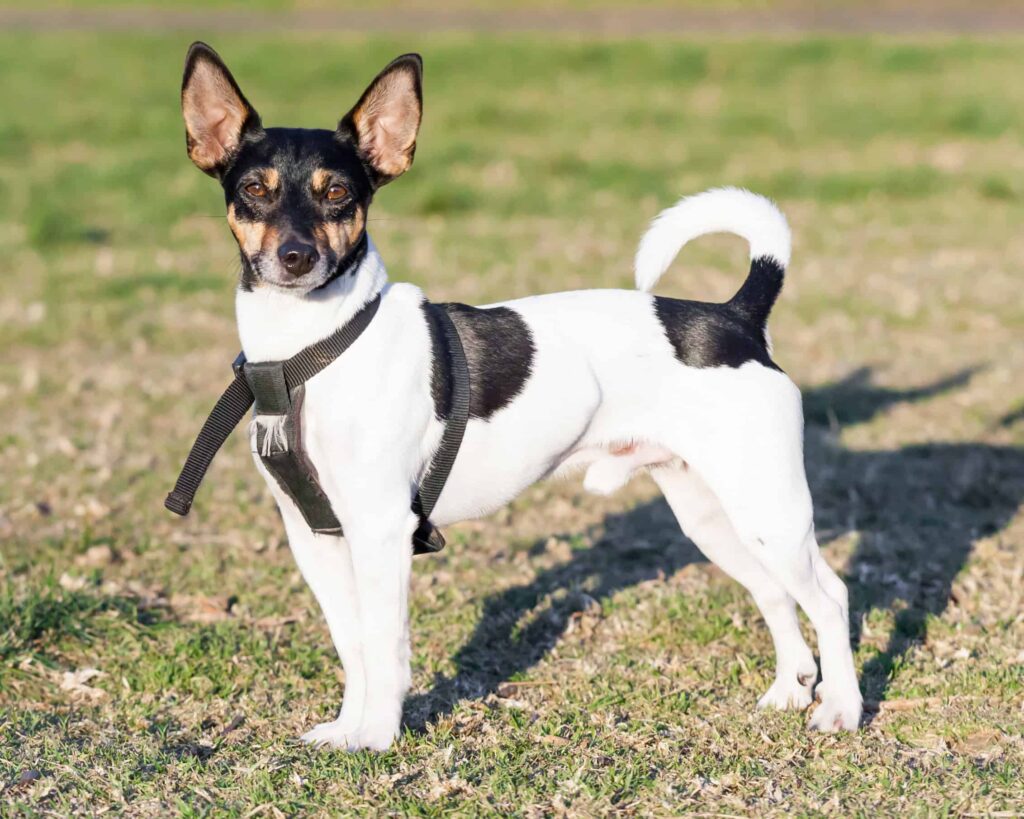
Rat Terrier

Rat Terriers may develop hip dysplasia, so regular vet visits are recommended.

Rat terriers are usually healthy dogs, but there are some common health issues that you may want to prepare for if you add one to your family. Hip dysplasia occurs when the ball of the hip no longer fits properly in the socket. It can affect older rat terriers’ quality of life as they have a hard time getting around. Another issue that may occur is patellar luxation, which means that the kneecap becomes loose. Additionally, rat terriers can have Legg-Calve-Perthes disease, where the blood does not circulate properly to the hip joint, and the bone dies. Remember that getting a mixed-breed animal, like those crossed with mini breeds, can add additional health problems.

Temperament And Behavior

Rat Terrier sitting on a couch at Christmas time

Rat terriers are independent but loyal dogs.

Rat terriers are intelligent dogs who love to learn new tricks. This breed loves to please its owner. You can use this trait to your advantage when training them. Start reinforcing the behavior you want to see early, and you will end up with a dog with a well-mannered personality that everyone will love to be around.

Another personality trait that you will notice in this breed is that they are exceptionally watchful and loyal. They take their jobs of keeping dangers away very seriously. This can sometimes lead to nervous behavior. Therefore, they may not make the best dogs for families with young children unless you are willing to supervise them and introduce the child to the dog properly.

Rat terriers are independent dogs. Once they decide that they want to do something, almost nothing can stand in their way. Be sure to spend time giving your rat terrier things to keep them occupied, or you may notice destructive behaviors. Overcome your dog’s stubbornness trait by being firm in your training so that the dog knows who is in charge. Use their independent personality to train them for a task that they need to complete each day.

How To Take Care Of Rat Terriers

You need to take care of your rat terrier pet mentally and physically. You must give your pet the correct type of diet. Rat terrier puppies need a different diet than older dogs. It is also vital that you train them and exercise them regularly. Proper care often lengthens their lifespan. Regular brushing helps stop them from shedding all over your home.

The Best Dog Food

iams puppy food

Rat terrier puppies need a balanced diet with appropriate calcium levels to support healthy bone development.

Puppy food: Since rat terriers tend to have bone issues, you must feed a puppy food that is high in calcium, as it is the building block of strong bones. Until your rat terrier pup is 12 weeks old, they need to be fed four times a day. Between three and six months, you can feed the puppy three meals a day. Then, cut back to two meals a day if the puppy is growing properly.

Adult food: Rat terriers tend to get obese quickly. Feeding your dog twice a day can help keep them at the proper weight. Most rat terriers need about 1 cup of food daily, but it depends on their metabolism and the amount of exercise they get. You should be able to see where their waist is and feel, but not see their ribs.

Maintenance And Grooming
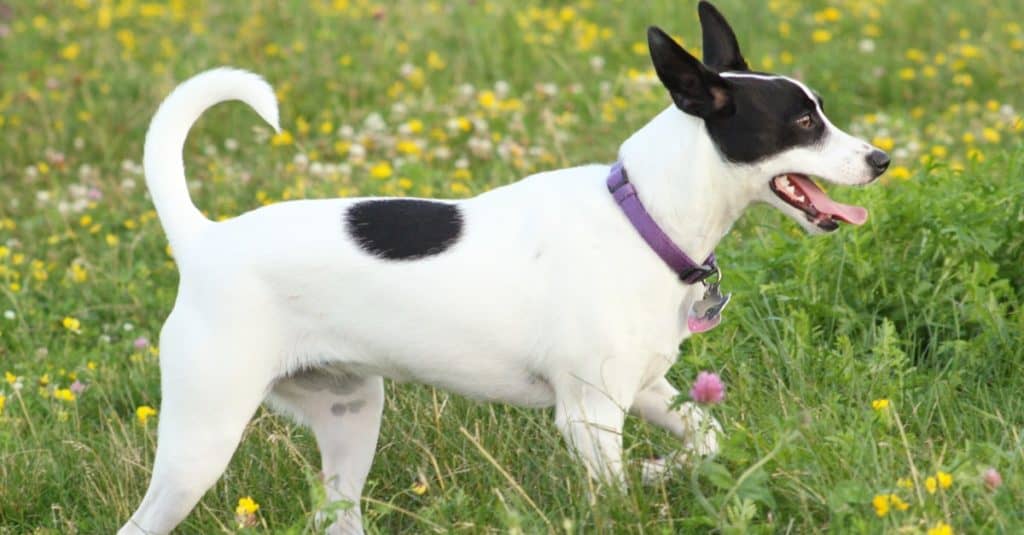
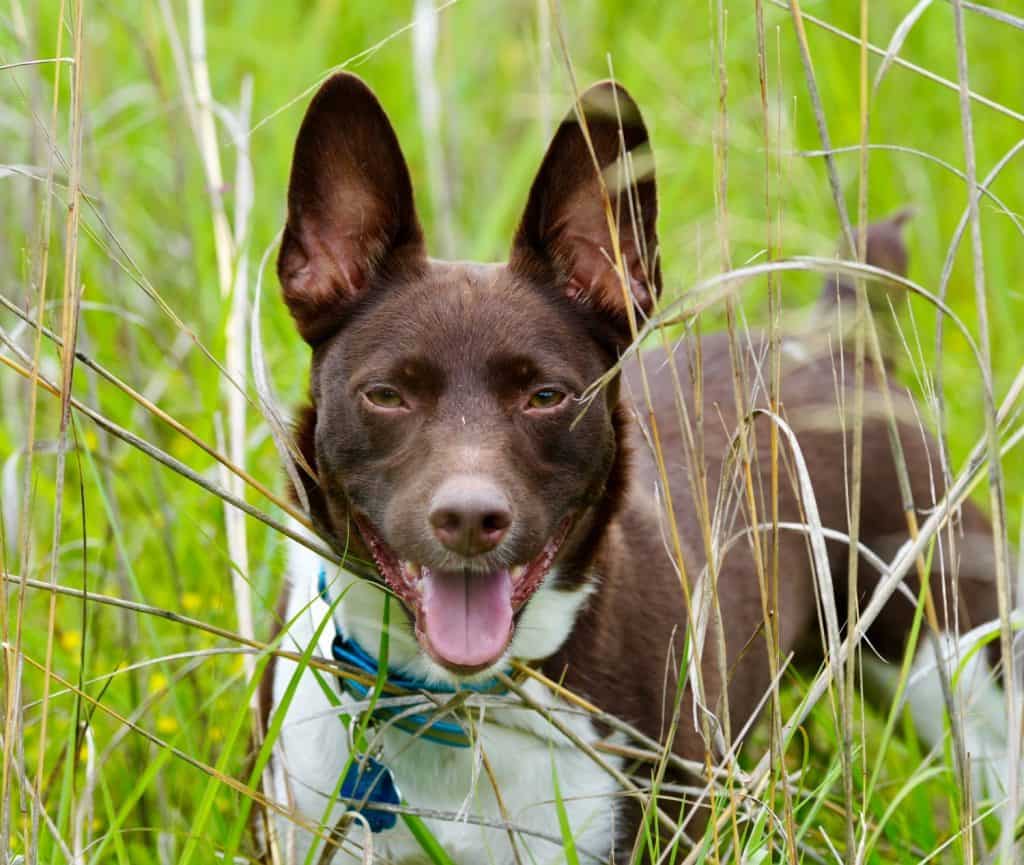
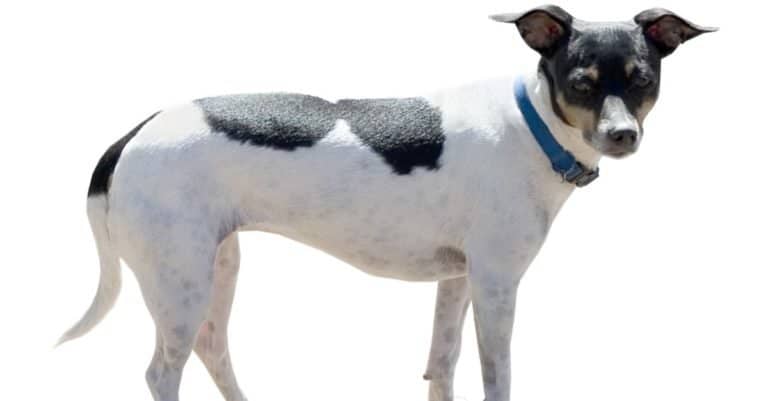
Rat Terrier standing in field

Shedding is common but happens more frequently in the spring and fall.

Rat terriers shed lightly throughout the year, and you will notice more shedding in the spring and fall. Use a soft brush or a rubber grooming mitt to brush the dog weekly. When your rat terrier has been digging, be sure to give him a bath using a gentle dog shampoo. Plan on trimming his nails about once a month.

Training

Rat terriers love to please their owners, but they can be a little stubborn. Positive reinforcement usually works well with them. Start as soon as possible to socialize your rat terrier as they can be shy around strangers.

Exercise
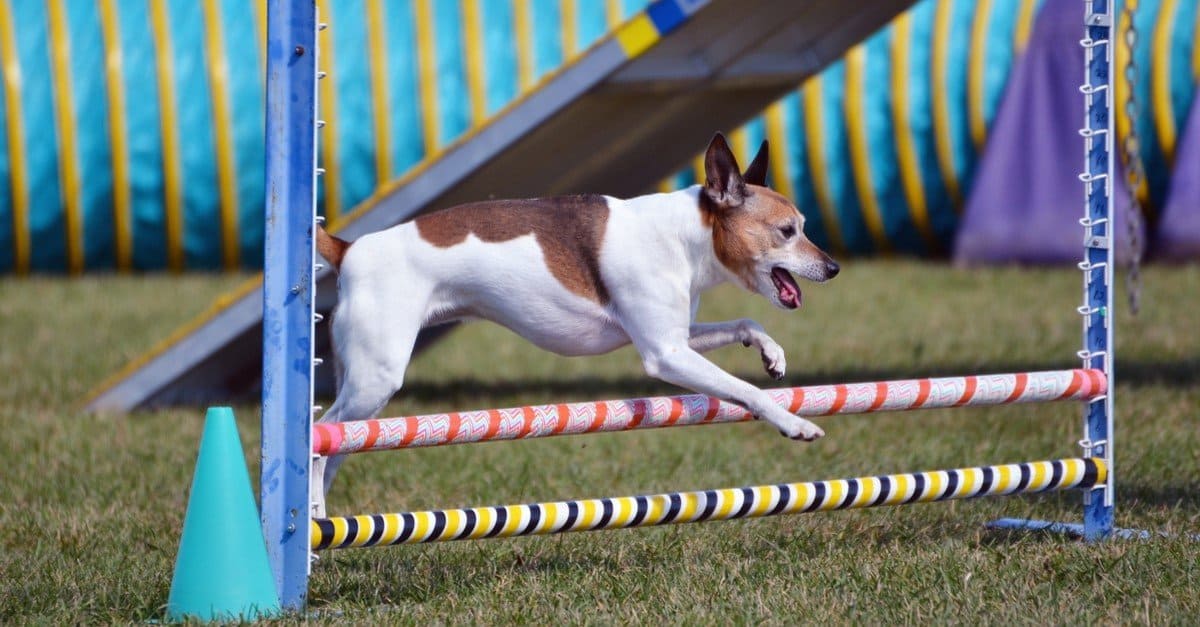
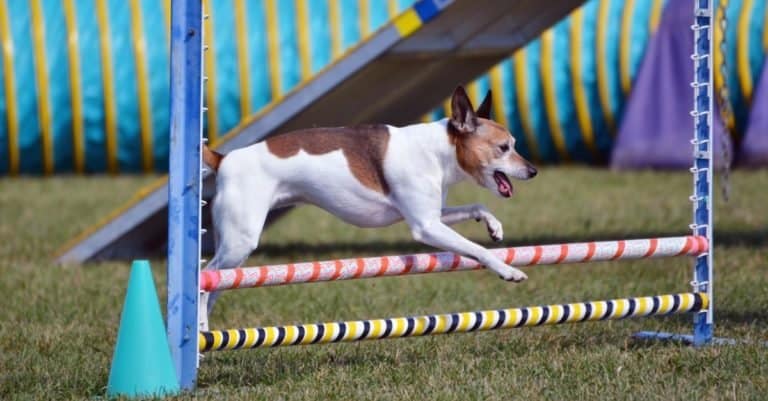
Rat Terrier leaping over a jump at a Dog Agility Trial

60 minutes of daily exercise should be good for this breed.

Rat terriers need 30 to 60 minutes of daily exercise. They have a powerful prey drive, so be sure to choose where you let them off-leash carefully. Take them for a daily walk and enjoy their companionship. This breed can be trained for a variety of competitions, including agility training.

Puppies

You must socialize your rat terrier puppy early. Their prey instinct means that they see other small animals as prey to be caught without proper training. They often take their job as a watchdog seriously, so they can also see strangers as something to worry about without proper early training. Breeders and rescues are often good sources of advice.
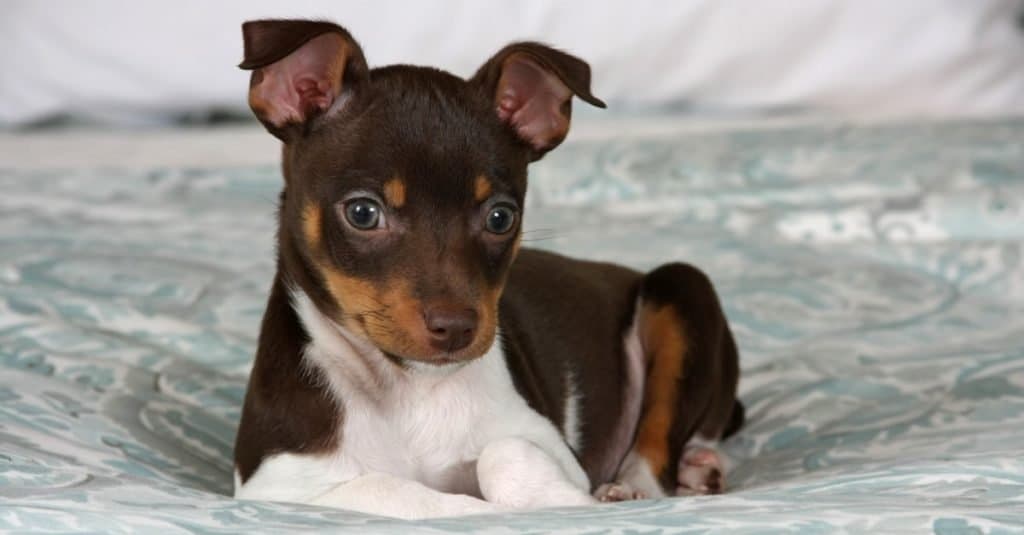
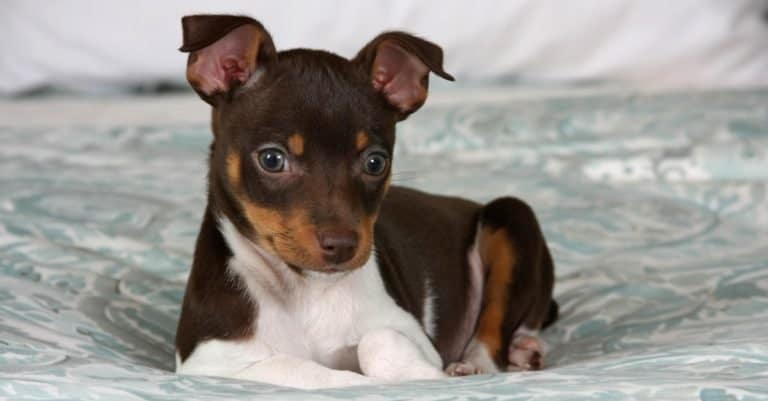
An 8 week old Rat Terrier puppy posing for the camera.

Puppies should begin socialization early.

Rat Terriers And Children

Rat terriers can form a strong bond with children who have been appropriately introduced and are supervised. These dogs have a no-nonsense temperament, which may not make them the best dogs for families with young children. Once the child is old enough to understand how to treat the dog properly, you will likely discover that they quickly become best buddies. Deciding on a mini rat terrier may mean it is easier for a young child to hurt the dog. This is also true of rat terriers mixed with a smaller breed, so be sure to talk to breeders about your family situation.

Dogs Similar To Rat Terriers

Several dog breeds are similar to the rat terrier, including:

  • Fox terriers: Ranging from about the same size to a little smaller, these dogs share the rat terrier’s intelligence and alertness. Often, the price of a purebred fox terrier is higher than that of a rat terrier.
  • American Staffordshire terrier: This stockier dog shares the rat terrier’s intelligence while being friendlier to children. The price of owning these dogs is usually higher because they need more feed.
  • Cairn terrier: The Cairn terrier loves to dig like the rat terrier, and it is usually active and happy. The price of owning this breed is usually higher because they need more grooming.

Famous Rat Terriers

There have been several famous rat terriers throughout history, including:

  • Harper Lee mentions a rat terrier in To Kill a Mockingbird.
  • Eleanor Powell trained a rat terrier she named Buttons to tap dance for the movie Lady Be Good.
  • Shirley MacLaine wrote a book called Out on a Leash about her rat terrier.
  • William Faulkner owned several rat terriers and often wrote about them.
  • Shirley Temple is seen putting a rat terrier to bed in The Little Colonel.
View all 181 animals that start with R

Sources

  1. American Kennel Club / Accessed March 22, 2021
  2. Small Dog Place / Accessed March 22, 2021
  3. Animal Care Tips / Accessed March 22, 2021
  4. Europetnet / Accessed March 22, 2021

Melissa Bauernfeind

About the Author

Melissa Bauernfeind

Melissa Bauernfeind was born in NYC and got her degree in Journalism from Boston University. She lived in San Diego for 10 years and is now back in NYC. She loves adventure and traveling the world with her husband but always misses her favorite little man, "P", half Chihuahua/half Jack Russell, all trouble. She got dive-certified so she could dive with the Great White Sharks someday and is hoping to swim with the Orcas as well.
Connect:

Thank you for reading! Have some feedback for us?


Rat Terrier FAQs (Frequently Asked Questions)

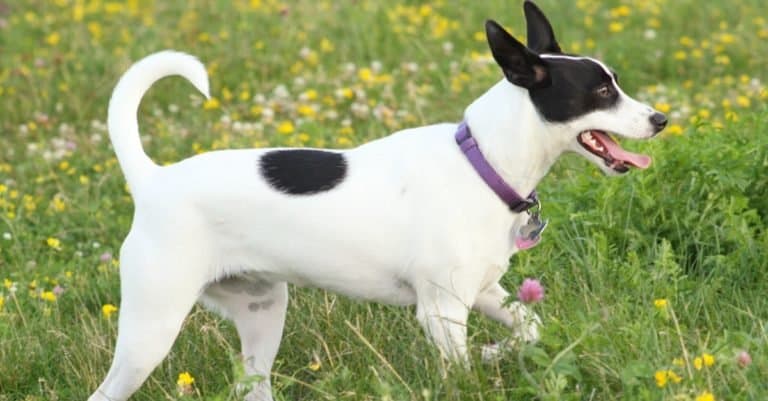
A rat terrier stands between 12 and 18 inches tall at the shoulders. They are slightly longer than they are tall. This breed has an upright tail and upright V-shaped ears. The coat of the rat terrier is most often bi- or tri-colored, though solid white is also possible according to breed standards. This breed tends to get heavier during their 15 to 18-year lifespan.