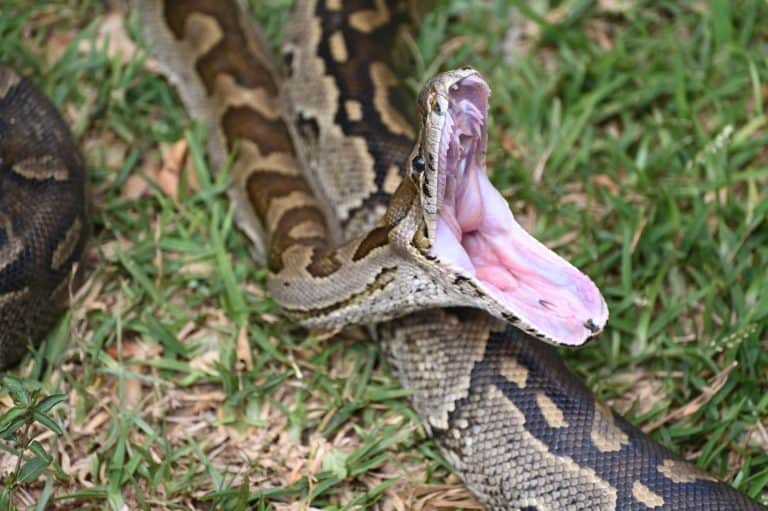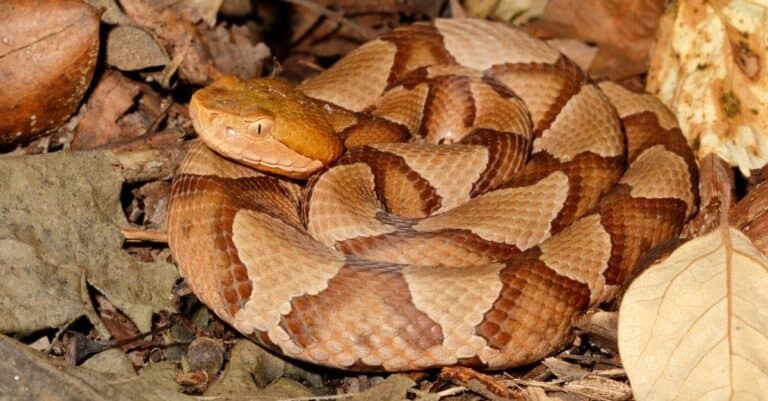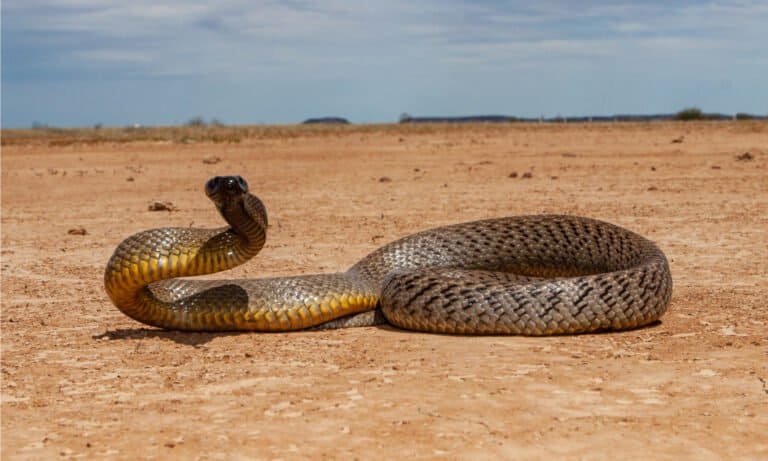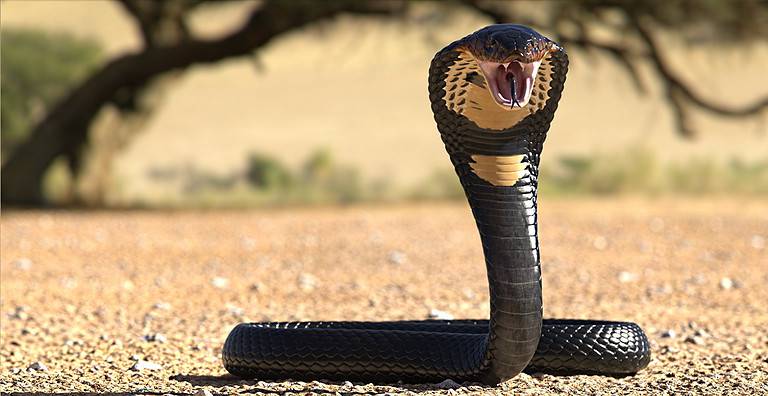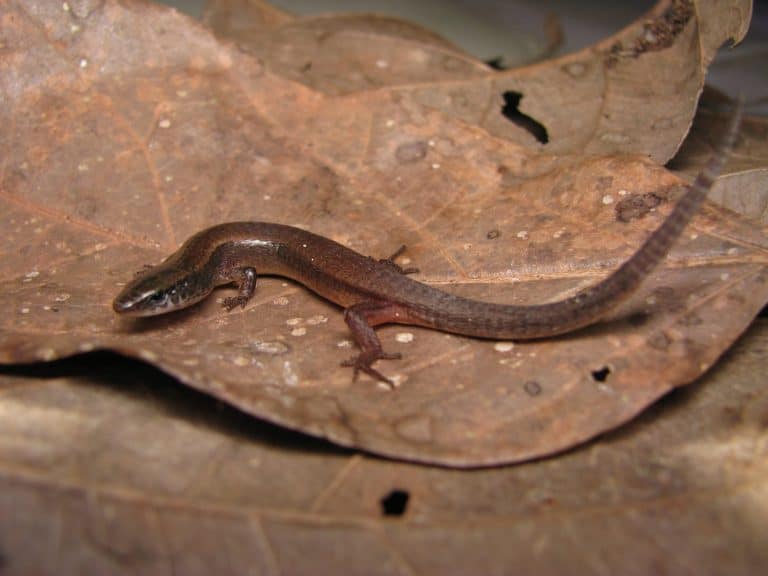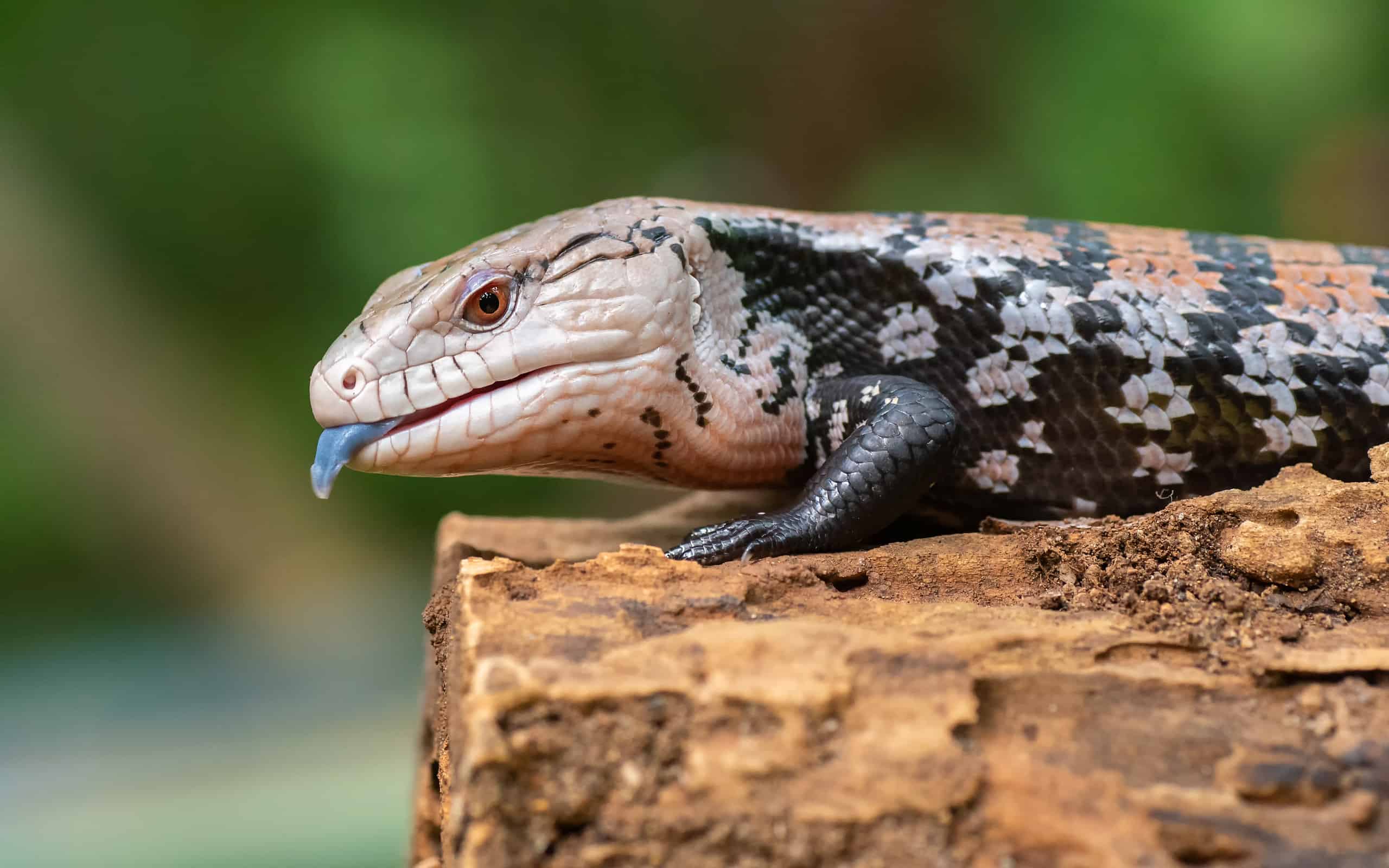

The Australian skink is a type of lizard inhabiting the continent of Australia. Though seemingly just your average lizard, these reptiles have evolved an amazing defense mechanism against predatory snakes. The University of Queensland conducted research on the skink’s incredible ability to overcome death from venom. The results, published in the International Journal of Molecular Science, reveal how the skink developed resistance to snake venom through something called “molecular adaptations.” The information may be a vital component of better antivenom treatments for humans.
The research team at the University of Queensland analyzed tissue samples collected from 45 different skink species. The study showed that 13 lineages evolved resistance to venom. The ability to resist the toxin comes from slight changes to muscle receptors that prevent paralysis and death from venom. This occurs through the alteration of amino acids or sugar molecules. Despite a lack of genetic connection to mammals, one skink species was discovered to have the same venom-fighting adaptation as honey badgers.
This slideshow covers how snake bites are a major health issue worldwide, affecting millions of individuals each year. Studying the skinks’ natural ability to resist snake venom may lead to a greater understanding of the mechanism, allowing scientists to create next generation antivenoms. Learn how the humble skink may just be the key to life saving biomedical treatments.
Australian Skinks vs. Snake Venom
©Ken Griffiths/Shutterstock.com
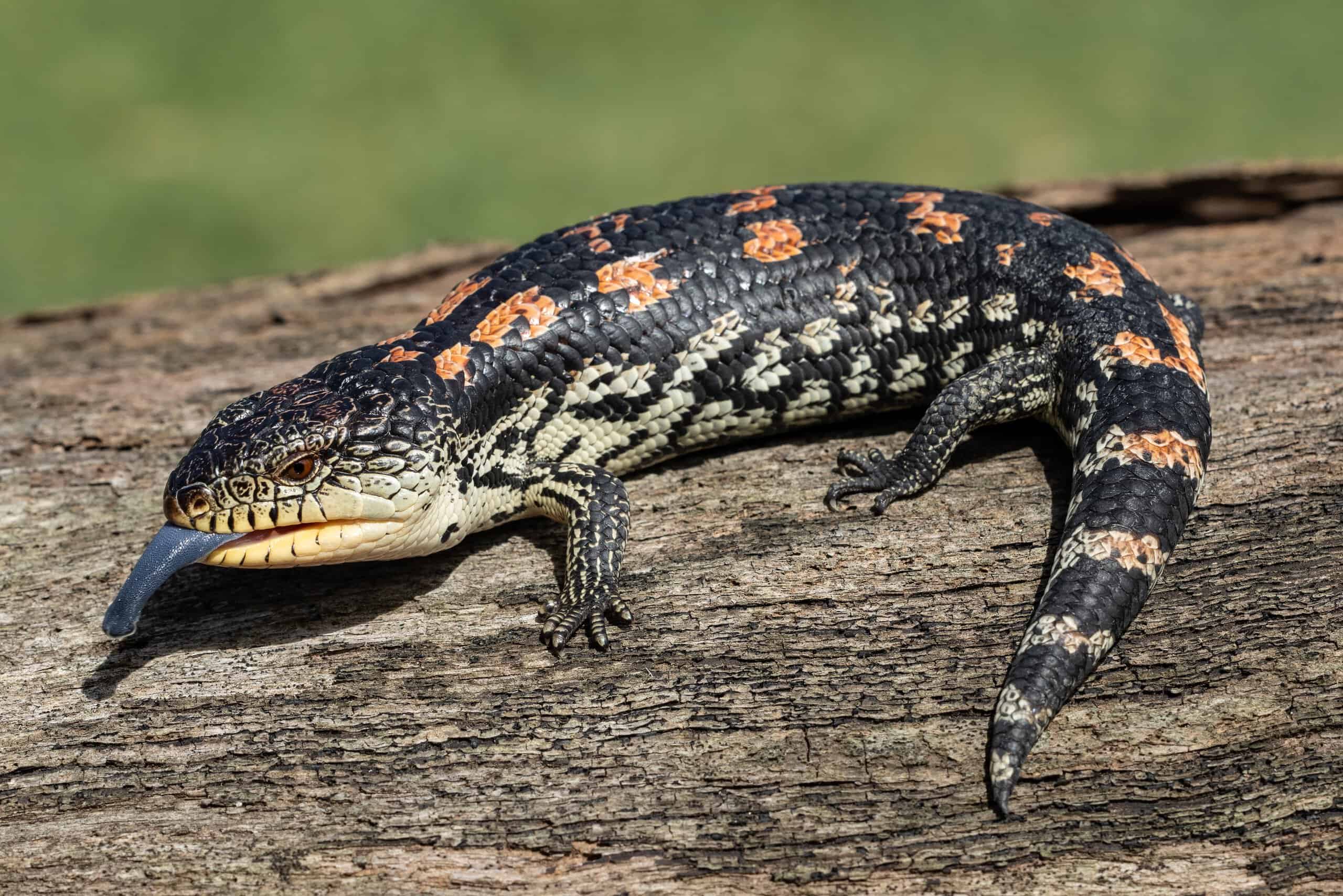
- Australian skinks have evolved natural resistance to deadly snake venom through unique biological adaptations.
- A new study reveals that these evolutionary traits could lead to breakthroughs in creating better antivenoms for humans. *
- Researchers believe this resistance emerged as snakes became a major threat on the continent millions of years ago.
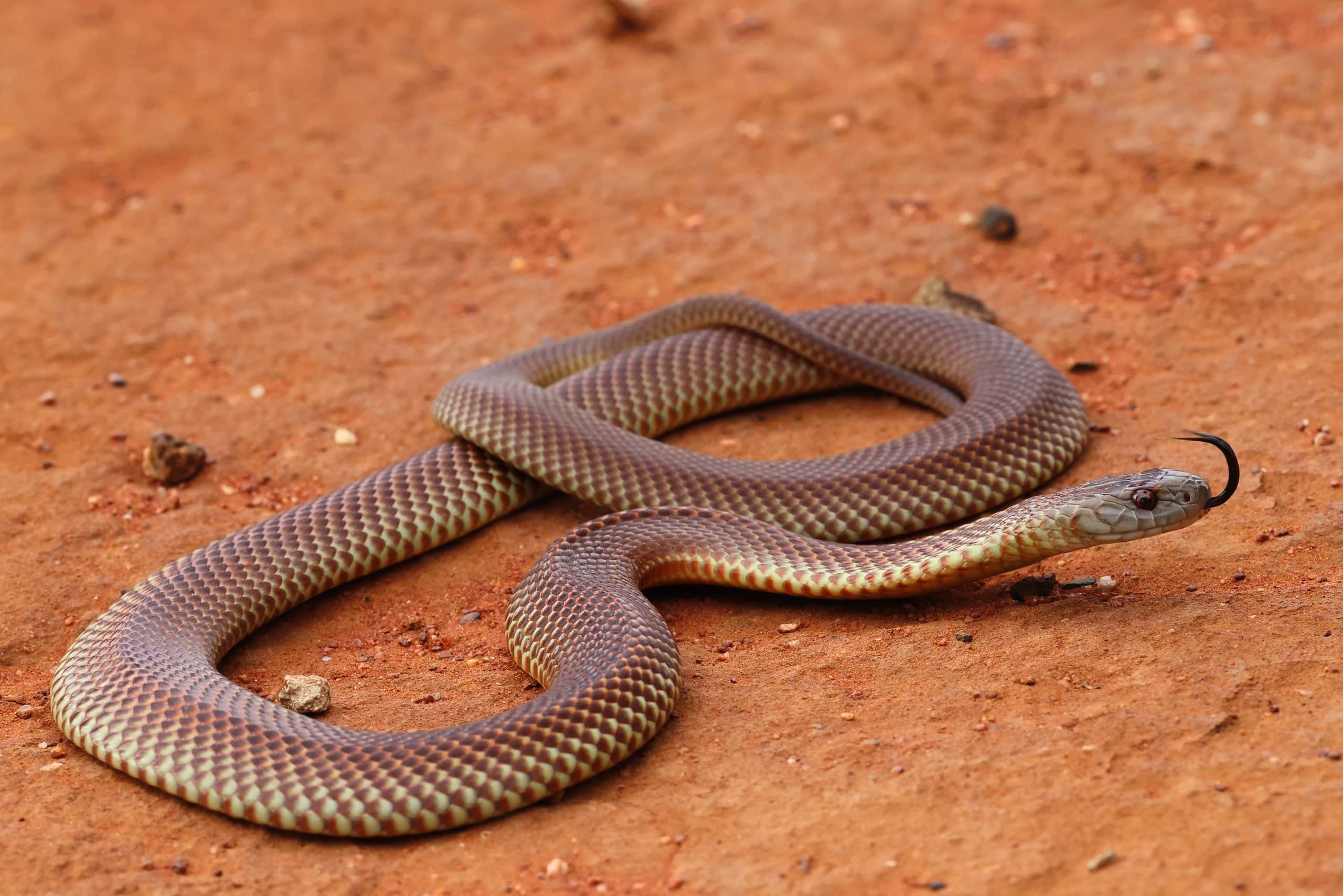
Snakes Arrive, Skinks Adapt
©Ken Griffiths/Shutterstock.com
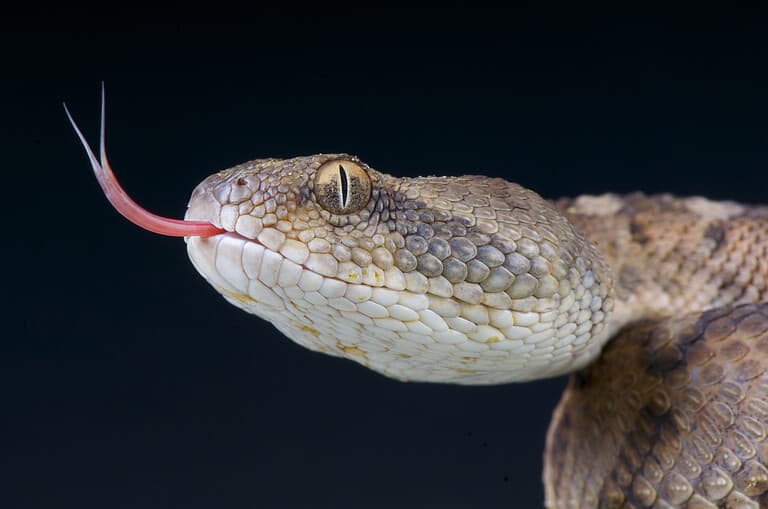
- Snakes first reached Australia around 25 to 30 million years ago, posing a new threat to native skinks.
- The arrival of venomous snakes created evolutionary pressure for skinks to adapt quickly or perish.
- Over time, skinks developed defense mechanisms to survive deadly bites from their new predators.
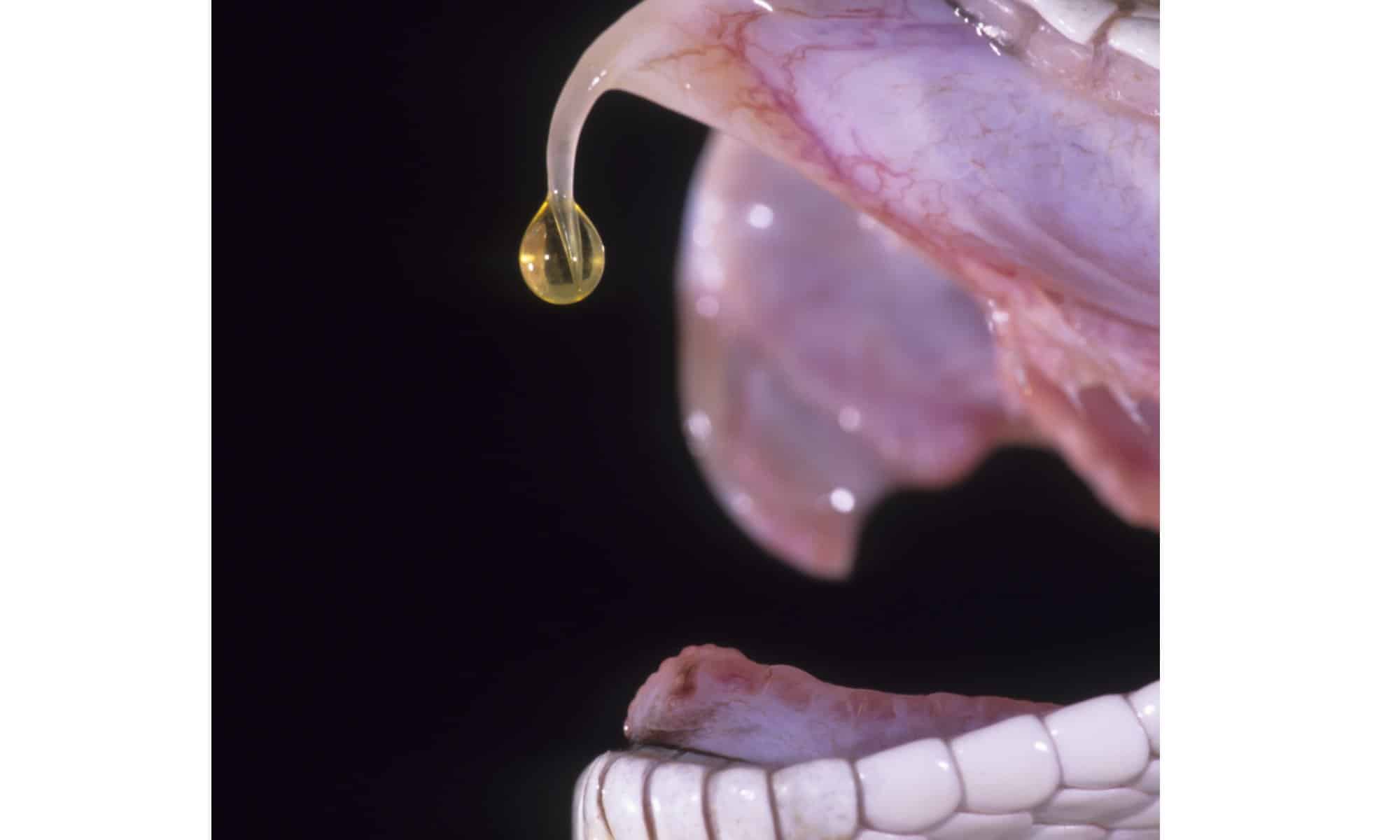
Venom Resistance in Action
©Joe McDonald/Shutterstock.com
- The venom typically attacks muscle receptors, causing paralysis and death in prey.
- Some skinks evolved sugar-coated or mutated receptors that prevent venom from binding.
- These adaptations allow skinks to survive encounters that would kill most other animals.
Lab Testing Confirms Resistance

©Totojang/iStock via Getty Images
- Scientists used synthetic receptors to mimic skink venom resistance in controlled lab tests.
- The altered receptors showed no reaction to venom, confirming the skinks’ evolved immunity.
- One small protein change can make the difference between life and death in nature.
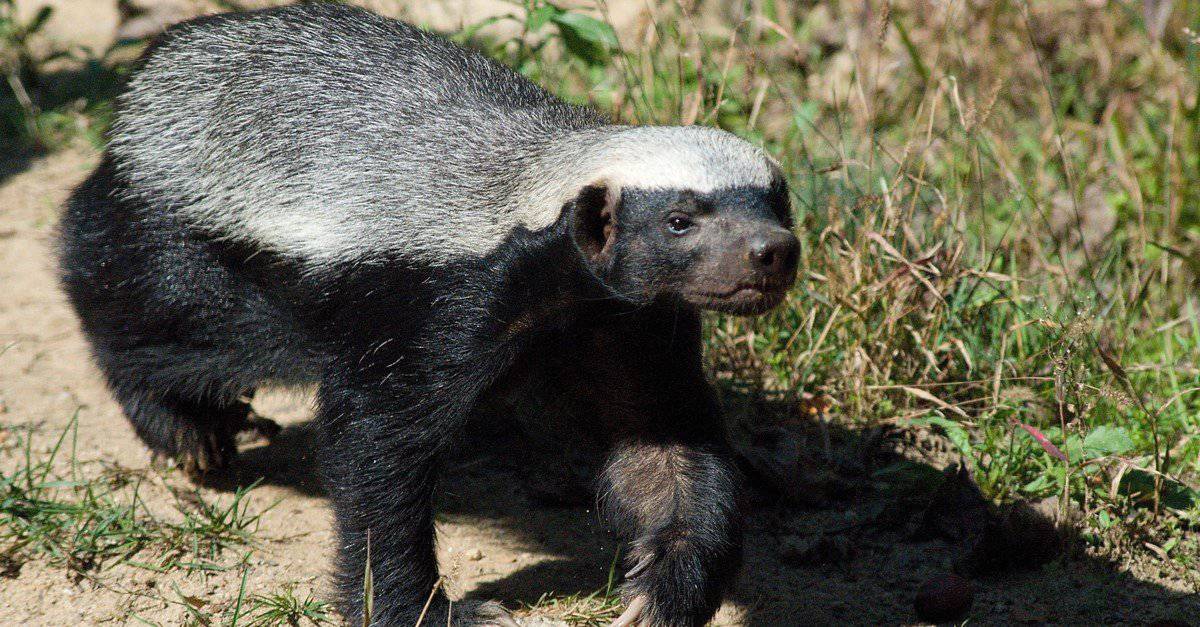
Shared Mutation with Mammals
©Pavel Kovaricek/Shutterstock.com
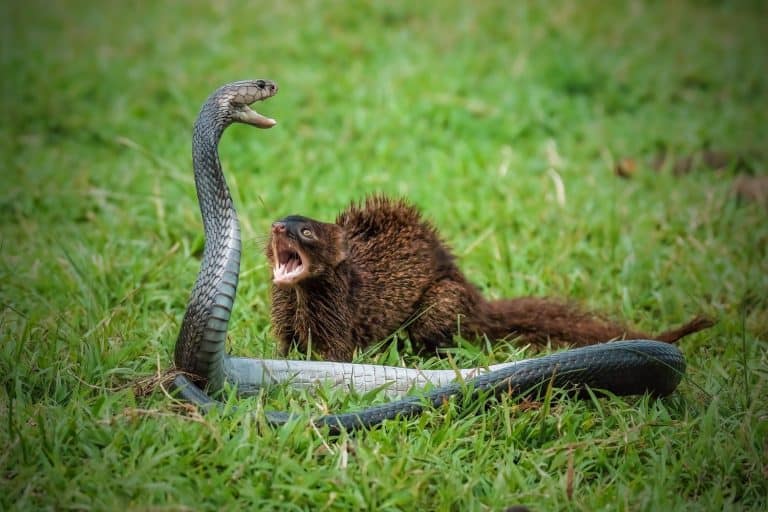
- The major skink species shares a key mutation with honey badgers that grants venom resistance.
- Another skink mutation is nearly identical to one found in mongooses, which also eat venomous snakes.
- These parallel mutations show nature’s repeated solutions to venom threats across species.
Potential for Human Antivenom
©diy13/Shutterstock.com
- The skinks’ evolved traits offer a blueprint for designing more effective antivenoms.
- Understanding their molecular defenses can inspire new medical treatments for snakebites.
- Studying nature’s solutions may help solve one of the world’s ongoing public health challenges.
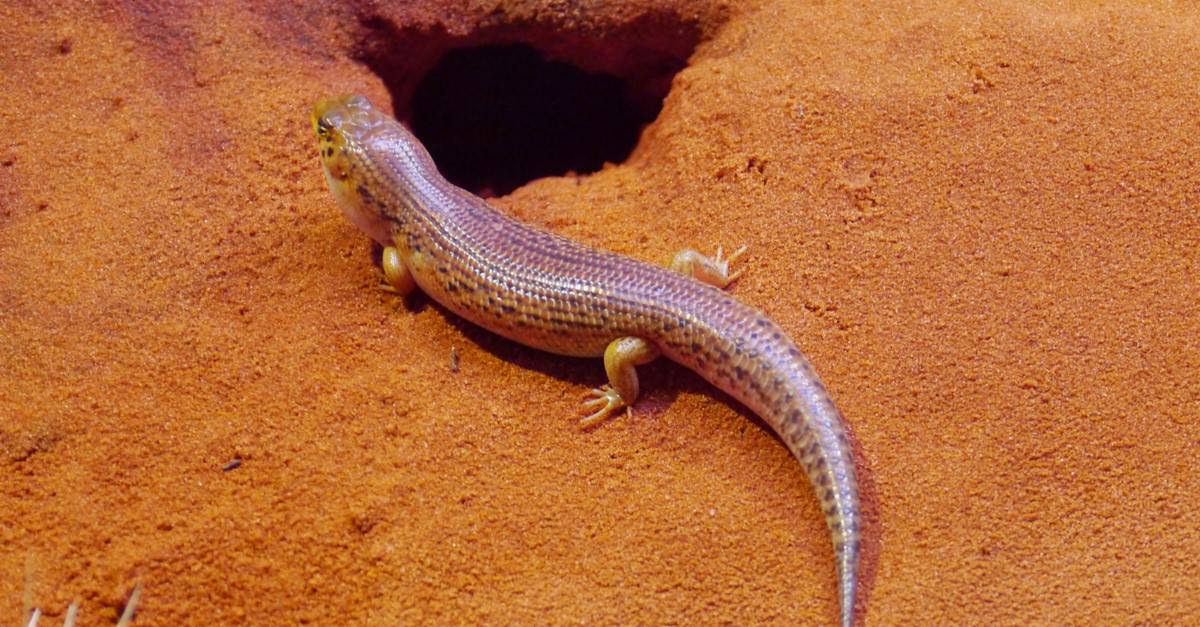
Skinks: Tiny Lizards, Big Impact
©inavanhateren/Shutterstock.com
- Australia is home to around 470 species of skinks, making them one of the most abundant lizard groups.
- Many species are still being discovered, and much remains unknown about their biology.
- These tiny reptiles are now helping to solve a major global health problem.