
Wildlife of
Saint Pierre and Miquelon
About Saint Pierre and Miquelon
Saint Pierre and Miquelon's wildlife identity is overwhelmingly maritime: a wind-sculpted archipelago where life concentrates along rocky shores, open ocean, and the nutrient-laden continental shelf. With a small land area and a harsh, foggy oceanic climate, terrestrial habitats are relatively limited, yet the islands still support hardy coastal vegetation, nesting sites, and seasonal stopovers for birds. For wildlife enthusiasts, the appeal lies in experiencing North Atlantic nature at close range-dramatic cliffs, surf lines, and nearshore waters that can turn into a living field guide on a single outing.
Key ecosystems include rocky coastlines, small wetlands and ponds, dune and heath-like coastal plant communities, and-most importantly-the surrounding marine environment. The offshore waters are shaped by cold currents and mixing that fuel plankton blooms, which in turn support forage fish and squid, drawing seabirds and marine mammals. Seabirds use the islands and nearby islets as breeding and loafing areas, while migratory species pass through during spring and fall. On the water, conditions can shift quickly from calm to wild, making wildlife viewing feel like true ocean-going exploration rather than a curated safari.
In terms of conservation, the collectivity's importance is best understood in a global North Atlantic context rather than an African one: these islands sit within a larger migratory network linking eastern Canada, Greenland, and the broader Atlantic basin. Protecting clean, productive seas, minimizing disturbance at nesting sites, and supporting sustainable fisheries and bycatch reduction all matter here because so much of the wildlife is wide-ranging and ocean-dependent. What makes the experience unique is the immediacy of the marine world-seabirds riding the wind at eye level from cliff paths, and the possibility of encountering whales and seals just beyond the harbor, framed by distinctly French culture in an otherwise North American seascape.
Geography
Saint Pierre and Miquelon is a very small, windswept archipelago with a cool, foggy, ocean-dominated climate. Most wildlife habitat value is concentrated along its extensive rocky shoreline, sea cliffs, offshore islets, and nearshore waters, which support seabird colonies and rich marine food webs (fish, squid, forage species) that attract marine mammals. On land, limited area and exposure constrain forest development; habitats are mainly low boreal scrub, heath/grassland, peatlands, and freshwater ponds/wetlands, so terrestrial wildlife diversity is comparatively low and patchy, while marine and coastal species dominate distribution.
Key Landscapes
- Rocky, cliffed Atlantic coastline with headlands and sea stacks (major seabird nesting/roosting habitat)
- Sheltered bays/harbors and nearshore kelp/rocky reefs (nursery/foraging areas for fish and invertebrates)
- Dune systems and sandy beaches (limited but important coastal habitat, especially on Miquelon-Langlade)
- Miquelon-Langlade tombolo/isthmus and associated lagoons/wetlands (key for waterbirds and migratory stopovers)
- Peat bogs, wet heaths, and marshes (breeding/foraging habitat for wetland birds and invertebrates)
- Low, rugged hills and exposed heath/grassland (wind-pruned vegetation; habitat for ground-nesting birds)
- Small lakes, ponds, and short streams (freshwater habitat patches in an otherwise marine-dominated landscape)
- Offshore waters over the continental shelf and nearby channels (high productivity; important for marine mammals and seabird foraging)
Ecoregions
- Newfoundland Boreal Forests (WWF terrestrial ecoregion; islands are an exposed, ocean-influenced fringe with scrubby boreal/heath mosaics)
- Newfoundland-Labrador Shelf (MEOW marine ecoregion; cold-temperate, shelf-driven productivity supporting seabirds and marine mammals)
Protected Areas
Saint Pierre and Miquelon (a French overseas collectivity) has a small terrestrial area but very high biodiversity importance in surrounding northwest Atlantic waters. There is no national-park system like mainland France's large parks; conservation is typically implemented through a mix of site-specific measures (local regulations/seasonal access controls on seabird islets), habitat and species protections under French environmental law, and identification of priority biodiversity sites (e.g., seabird colonies and wetlands) that guide management. The most significant conservation values are seabird breeding colonies on offshore stacks/islets and coastal wetlands/lagoon systems on Miquelon-Langlade, plus nearby marine feeding grounds for seabirds and cetaceans.
Approximate land under formal, site-based protection appears to be very low (likely <1-2% of land area), reflecting the collectivity's small size and limited number of formally designated reserves. Many of the most important wildlife areas are instead managed via targeted regulations and/or recognized through non-statutory biodiversity inventories (e.g., important bird sites) rather than large, legislated protected-area polygons.
Notable Parks & Reserves
Grand Colombier (seabird colony islet/offshore stack)
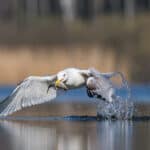
Important Bird & Biodiversity site / seabird colony (site-specific local management; not a national park)One of the archipelago's best-known seabird nesting sites, with dense cliff colonies and strong viewing value from boats. It is especially important for breeding auks and cliff-nesting gulls/kittiwakes in the northwest Atlantic.
Pigeon Island (Miquelon-Langlade) and nearby seabird islets
Seabird colony site (local restrictions/management; often treated as a priority bird area)A cluster of small islands used for breeding and resting by seabirds; these islets concentrate nesting birds because of predator-free terrain and limited human disturbance when access is controlled. They are among the highest-value terrestrial conservation features in the collectivity.
Grand Barachois Lagoon (Miquelon)
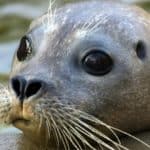
Key coastal wetland/lagoon (locally managed; high conservation value though not known as a Ramsar site)A large brackish lagoon and barrier-beach system that supports migrating and wintering waterfowl and provides haul-out/resting habitat for seals. It is one of the best places in the archipelago for reliable wildlife observation from shore.
Mirande Pond and surrounding freshwater wetlands (Miquelon)
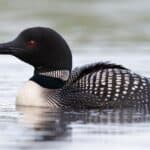
Key freshwater wetland (not a UNESCO site; typically managed through local land-use controls and species regulations)Freshwater ponds and wetland margins provide breeding and stopover habitat for ducks, loons, and shorebirds-important in a landscape with limited inland habitat. The area is valued for birding, especially during migration periods.
Cape Miquelon coastal headlands and cliff shoreline
Coastal biodiversity area (no confirmed national-level protected-area designation)Exposed headlands and rocky shores concentrate seabirds for feeding and resting and offer regular vantage points for seawatching. The adjacent nearshore waters can be productive for auks, gannets, and seasonal marine mammals.
Nearshore and shelf waters around the archipelago (Northwest Atlantic feeding grounds)
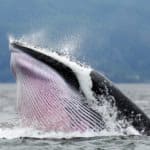
Ecologically important marine area (generally managed via fisheries/shipping rules rather than a single formal MPA designation)The surrounding cold, productive waters support large seasonal aggregations of seabirds and are used by migrating and feeding whales. While not necessarily designated as a strict marine protected area, these waters are central to regional conservation concerns (bycatch, disturbance, prey availability).
Wildlife
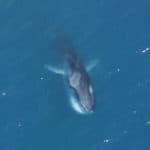
Saint Pierre and Miquelon's wildlife is defined by the cold, nutrient-rich northwest Atlantic rather than by terrestrial biodiversity. The small, windswept islands have limited forest and freshwater habitat, so land mammals and herpetofauna are scarce. In contrast, the surrounding shelves, currents, and productive coastal waters support conspicuous seabird colonies and seasonal concentrations of marine mammals (whales, seals, and porpoises), especially during spring-autumn feeding periods.
Iconic Species

Notable Populations
- Wildlife value is overwhelmingly marine: the islands sit within a broader northwest Atlantic "seabird and cetacean highway," supporting high seasonal diversity and dense feeding aggregations offshore.
- Regionally important seabird presence: large numbers of auks, kittiwakes, gannets, and storm-petrels occur in surrounding waters, with local breeding/nearby colony foraging driving predictable seasonal concentrations.
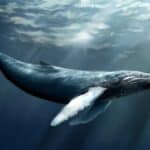
- Seasonal whale-feeding opportunities: humpbacks (and other baleen whales in some years) use the productive shelf waters, making late spring through early autumn the peak period for sightings.
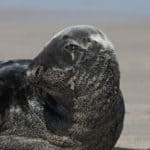
- Seal haul-outs and coastal use are a consistent feature of the archipelago's nearshore ecosystems, with grey seals especially visible around rocky coasts.
Conservation
Primary Threats
- Warming ocean conditions and shifting northwest Atlantic currents are altering the timing and distribution of plankton and forage fish that seabirds and marine predators rely on. Increased storm intensity and coastal erosion can reduce breeding success for cliff- and ground-nesting seabirds, while sea-level rise and storm surge threaten low-lying coastal habitats and infrastructure that can further concentrate impacts on remaining natural shorelines.
- The territory sits in a region with a history of heavy exploitation of groundfish (notably cod) and ongoing pressure on marine resources. Even when local catches are regulated, broader regional stock dynamics and fishing in surrounding waters can reduce prey availability and slow recovery of depleted species, with knock-on effects up the food chain (including seabirds and marine mammals).
- Marine litter and plastics arrive via currents and local waste streams, accumulating on rocky shores and in seabird habitats. Port activity and vessel traffic increase risks of localized hydrocarbon spills and chronic contamination, and microplastics can enter the food web through forage fish and invertebrates in nearshore waters.
- Because most activity is concentrated along the coasts (settlements, ports, recreation), sensitive seabird colonies and shoreline habitats can be disturbed by foot traffic, boating, and drone/photography activity. Disturbance can cause nest abandonment, increased predation on exposed eggs/chicks, and reduced breeding success, especially on accessible islets and coastal headlands.
- Island ecosystems are vulnerable to introduced predators and competitors. Rats, invasive plants, or other introduced species (even at low levels) can disproportionately impact ground-nesting seabirds and simplify already limited terrestrial habitats, with eradication/control more challenging in windy, rugged coastal settings.
- Coastal defenses, port facilities, roads, and utilities are concentrated in the narrow coastal zone. Hardening shorelines to protect communities can fragment or eliminate natural intertidal/upper-shore habitats, and construction/maintenance activity can disturb nearby colonies or sensitive coastal vegetation.
- Shoreline armoring, dredging around ports, and alterations to small wetlands/ponds (where present) can change sediment movement and nearshore habitat quality. In a small territory, even modest modifications can represent a large proportion of available habitat and reduce ecological connectivity between remaining natural areas.
Wildlife Tourism
Saint Pierre and Miquelon offers a compact but high-quality wildlife trip focused on the northwest Atlantic: seabirds, seals, whales, and rich nearshore marine life shaped by cold currents and a rugged maritime climate. Wildlife tourism is a niche but growing complement to the islands' cultural travel, supported by local boat operators, guides, and small hospitality businesses-especially during the late spring through early autumn peak. Historically, the economy centered on fishing; today, that maritime heritage underpins wildlife viewing (pelagic trips, coastal cruises, seabird outings). Accessibility is straightforward but weather-dependent: most visitors connect via flights from Newfoundland (and seasonally/periodically via other regional links) or by ferry from Newfoundland; fog, wind, and sea state can disrupt schedules, so planning buffers and flexible itineraries is practical. On land, the small area limits "big terrestrial wildlife," but coastal hikes and headlands provide excellent birding and dramatic scenery; the surrounding waters deliver the headline encounters.
Late spring through early autumn is prime, with the strongest mix of seabirds + whales typically from June to September.
- April-May: Spring seabird return and migration; coastal birding heats up as breeding season begins. Expect busy colonies on cliffs/islets and strong chances for sea ducks and other migrants along exposed shorelines.
- June-July: Peak seabird breeding activity (dense colonies, constant flight lines) and reliable marine-life boat viewing in productive coastal waters. Great for photography (long daylight) and "classic" island hikes.
- August-September: Often the best overall window for whales + seabirds together; sea conditions can be calmer than early summer, and marine productivity remains high. Excellent for boat trips and headland scanning.
- October: Shoulder season with fewer tours; chances for late migrants and sea ducks, with occasional marine mammal sightings, but weather becomes more volatile.
- November-March: Limited wildlife tourism infrastructure due to harsh weather; some hardy birding (winter seabirds/sea ducks) possible from shore, but expect fewer services and shorter days.
Top Wildlife Experiences
- Take a small-boat seabird-and-marine-life cruise to offshore islets and cliffy coasts to watch breeding seabirds commuting between nests and feeding grounds (bring binoculars and windproof layers).
- Join a dedicated whale-watching trip (half-day) timed for calm seas; spend time scanning along current lines and near productive inshore waters where feeding can concentrate.
- Do a sunrise or late-evening headland watch with a local birder/guide: set up on a windy point to identify shearwaters/auks/gannets/sea ducks moving along the coast (excellent for serious birders).
- Hike a coastal loop to prime cliff viewpoints for seabird colonies and marine mammal spotting-pack lunch, use trekking shoes, and plan around fog and wind for visibility.
- Book a photography-focused boat charter for seabirds in flight and dramatic coastal geology; use fast shutter speeds and lens protection for salt spray.
- Go sea-kayaking or guided coastal paddling (in suitable conditions) to quietly approach seabird haul-outs/roosts and scan for seals at a respectful distance (best in summer with experienced guides).
- Take an intertidal naturalist walk at low tide to explore cold-water tidepools and shoreline life (anemones, sea stars, crabs, algae communities)-great for families and macro photography.
- Plan a 'pelagic-style' day on the water (weather permitting) to look for offshore-feeding birds and marine mammals beyond the immediate harbor area-ideal in late summer when encounters can stack up.
- Combine cultural + nature: follow a 'maritime heritage' itinerary that includes fishery-history stops paired with an afternoon wildlife cruise, connecting the islands' human story to the surrounding ecosystems.
Safari Types Available
- Boat safaris (whale watching, seabird cruises, coastal wildlife boat trips)
- Pelagic-style excursions (offshore birding/marine mammal searching; weather-dependent)
- Shore-based wildlife watching (headland scanning, seawatches, seal/whale spotting from points)
- Guided birding walks and hikes (coastal trails, colony viewpoints, migration hotspots)
- Sea-kayak/coastal paddling wildlife trips (conditions and guide experience critical)
- Intertidal 'micro-safari'/tidepooling walks (naturalist-led, timed to tides)
- Photography-focused wildlife outings (boat or shore-based, tailored to light and sea state)
Did You Know?
Despite being politically France, the wildlife "feels" like Newfoundland: a short boat ride from a French-speaking town can put you alongside classic North Atlantic seabirds-puffins, murres, razorbills, and kittiwakes-packed onto wave-battered cliffs.
The islands' land habitats are small and wind-scoured, so the wildlife spectacle is disproportionately offshore: much of the area's biodiversity (and the biggest animals) is in the surrounding ocean, not on land.
The archipelago sits where cold Labrador Current water meets warmer Atlantic influences-one reason the area is notorious for fog, and the same ocean mixing that helps concentrate plankton and baitfish that seabirds and whales rely on.
A single small islet-Grand Colombier-carries an outsized conservation role: it's formally protected as a seabird sanctuary, safeguarding nesting ledges and burrows that would be extremely vulnerable to disturbance in such a compact territory.
You can experience "subarctic-meets-temperate" wildlife whiplash: in some seasons you may spot ice-linked species like harp seals, while in the same broad period humpbacks and other baleen whales can be feeding nearby on open-water prey.
Blue whales-the largest animals ever known-are seasonal visitors to the waters around Saint Pierre and Miquelon, feeding in the same Northwest Atlantic hotspot that draws whales to the Newfoundland/Grand Banks region.
Fin whales (the second-largest animal on Earth) are also regular summer visitors offshore, taking advantage of the dense prey fields along the shelf edge near the Grand Banks.
The Grand Banks adjacent to the archipelago are famous as one of the world's most productive fishing grounds-an outsized marine "food factory" for such a tiny speck of land.
Grand Colombier Islet (a protected seabird reserve) hosts the largest seabird breeding colony in Saint Pierre and Miquelon, with dense nesting concentrations of cliff- and burrow-nesters like black-legged kittiwakes, common murres, razorbills, and Atlantic puffins.
In cold years, drifting sea ice from the Gulf of St. Lawrence can reach the archipelago's waters-making it one of the southernmost places in the region where you can sometimes encounter true ice-associated wildlife such as harp seals.