
Quick Take
- The amount of standing water mosquitoes need to breed successfully is far smaller than most homeowners would ever worry about. See how little water it takes →
- Mosquitoes actively avoid large bodies of water when choosing where to lay eggs, a behavior that reflects a calculated survival strategy. Discover their egg-laying strategy →
- During one stage of their life cycle, mosquitoes stop eating entirely yet pull off a counterintuitive survival trick to stay alive. Explore the pupa survival trick →
- One female mosquito's reproductive output alone should change how urgently you deal with that puddle by your front door. See the reproduction numbers →
Mosquitoes can be a nuisance in our everyday lives, often appearing in swarms and breeding in unexpected places. They lay their eggs in still water, even in small puddles. This YouTube video by Ilse Knatz Ortabasi shows the mosquito life cycle.
Continue reading
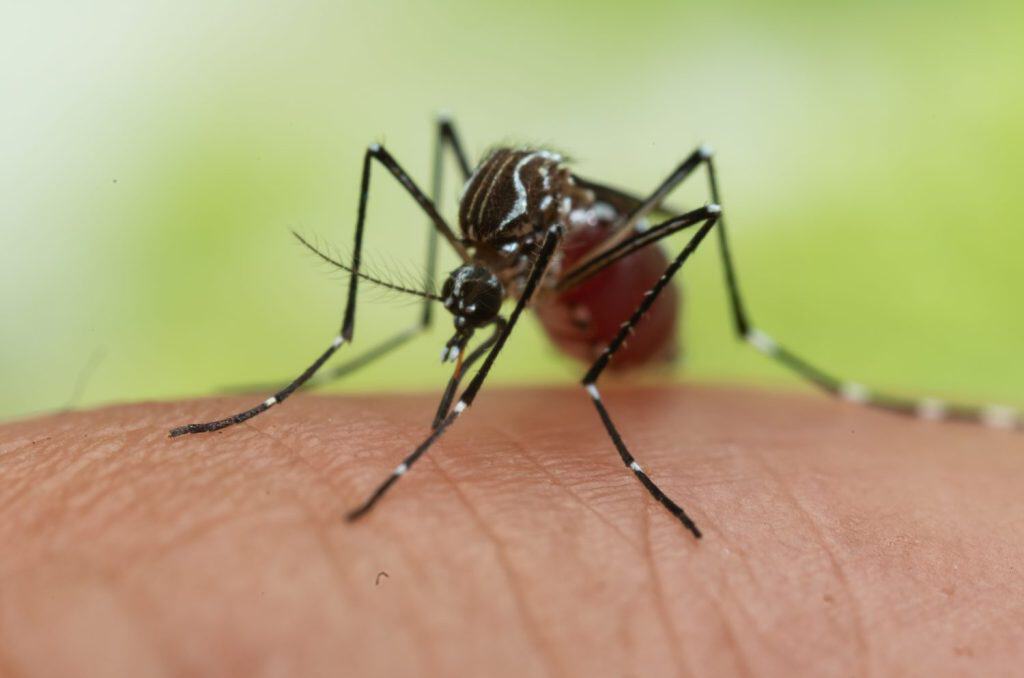
Mosquitoes start their life cycle by laying their eggs on standing water such as in bird baths or flower pots.
©frank60/Shutterstock.com
About the Mosquito Life Cycle
Mosquitoes go through a metamorphosis just like many other insects in nature. Their transformation is drastic, as it is split into four distinct stages. The beginning of the cycle starts with the egg. Females lay their eggs in batches, but the method of laying varies by species. Some species lay each egg individually on the surface of standing water, while others create ‘rafts’ consisting of hundreds of eggs. Depending on the species, some eggs may hatch within a day of being laid, while others may take several months to hatch. After hatching, the mosquito emerges as an aquatic larva. In this stage, they feed almost constantly to support their growth. Their diet includes algae, bacteria, and fungi. The larva will molt its exoskeleton roughly four times as it grows, and this stage lasts between four and 14 days. This timeline also depends on the species, but other factors like water temperature and food availability can influence it as well.
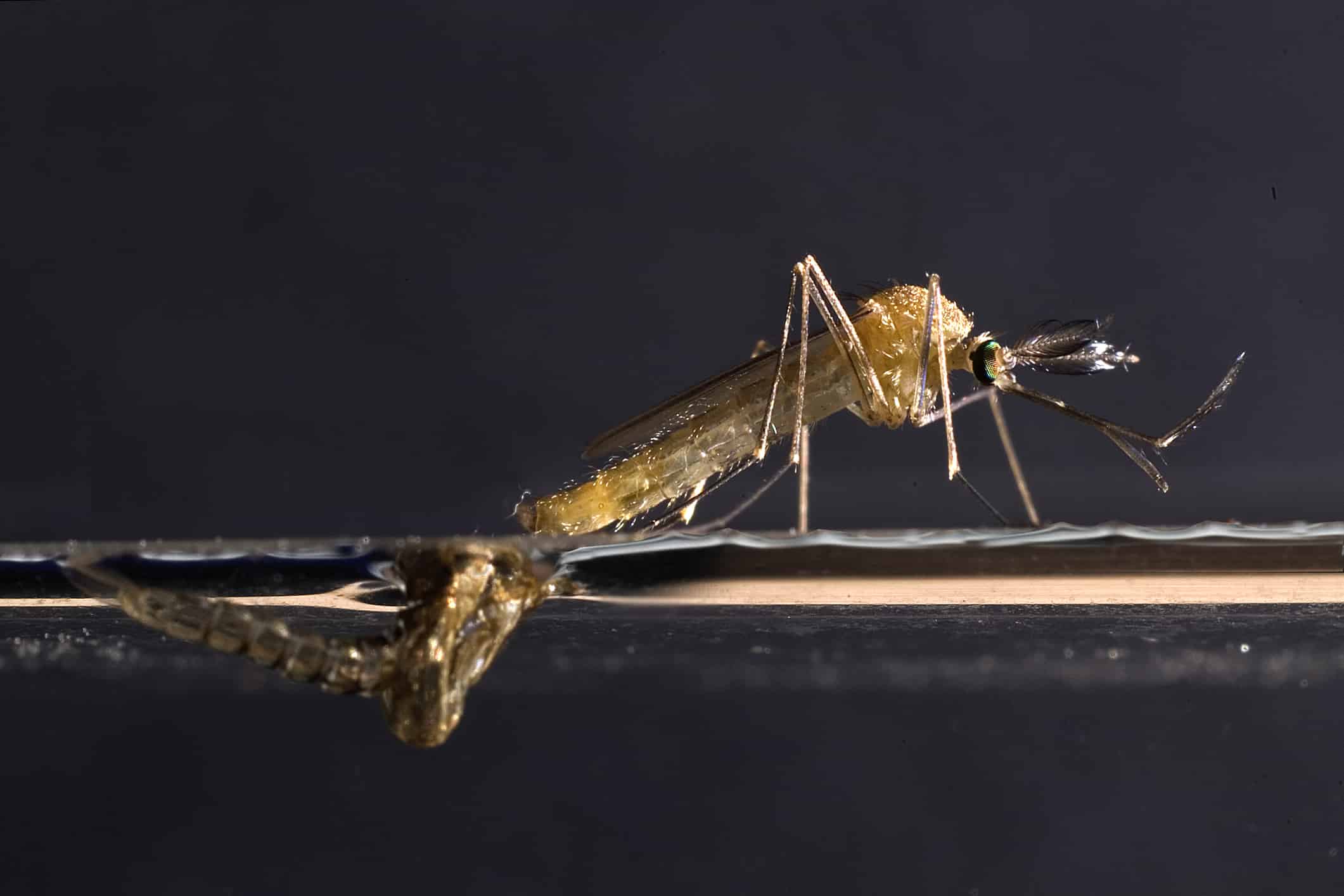
After its final larval molt, the mosquito becomes a pupa. Inside the pupal case, many changes occur. For example, they gain their wings, develop long legs, and their eyes enlarge. These changes occur over the course of about 1 to 4 days. During this time, the pupae do not eat. Instead, they rely almost entirely on all of the collected energy from their larval stage. The adult mosquito that emerges is the form we are all too familiar with. After splitting open the pupal skin, the mosquito needs some time to adjust and prepare for flight. Similar to butterflies, they spend time pumping fluid into their wings, which expands. Their exoskeleton also hardens, and once this is done, the mosquito flies away to continue the life cycle. Water is essential for mosquito reproduction. Without standing water, mosquitoes have nowhere to lay their eggs or for larvae to develop — they will even use bottle caps or flowerpots containing only small amounts of water.