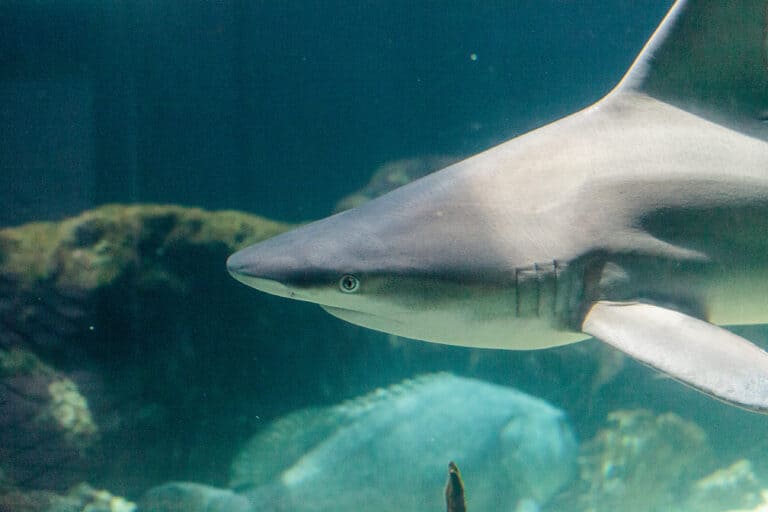
Blacknose Shark
Spot the snout-smudge shark

Spot the snout-smudge shark
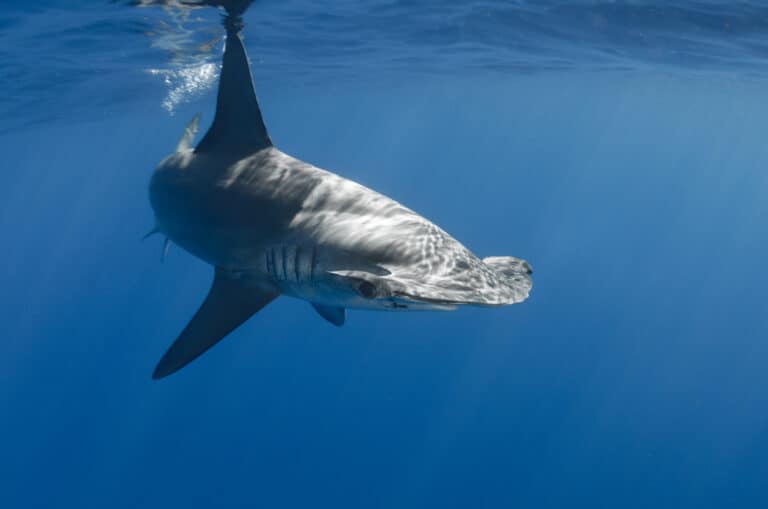
Smooth head, sharp hunter.
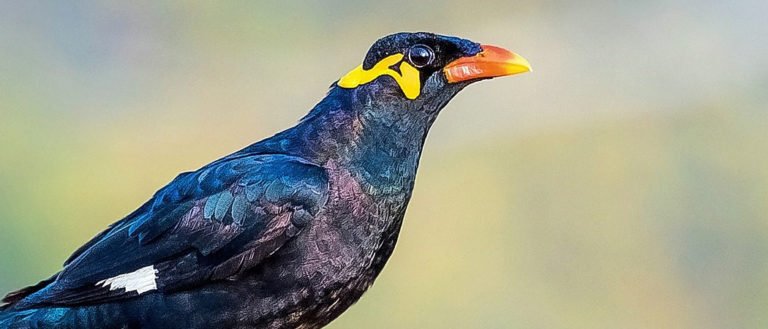
Bold, brainy, and brilliantly vocal
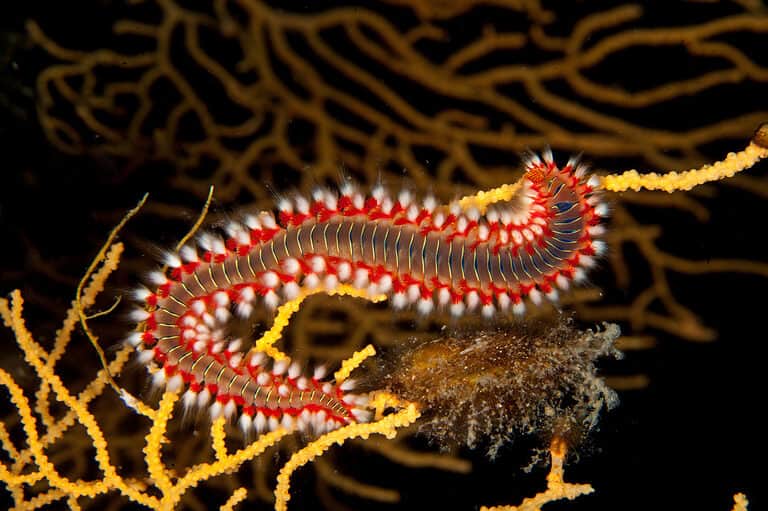
Look, don't touch-the reef's fire-beard

Thumbprint spot, pin-sharp defense.
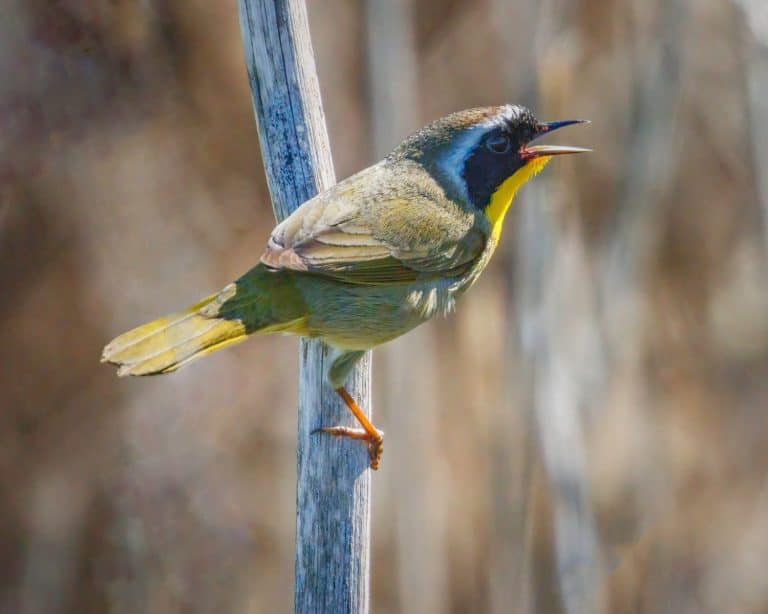
Masked singer of the marsh edge

The soft coo of North American backyards
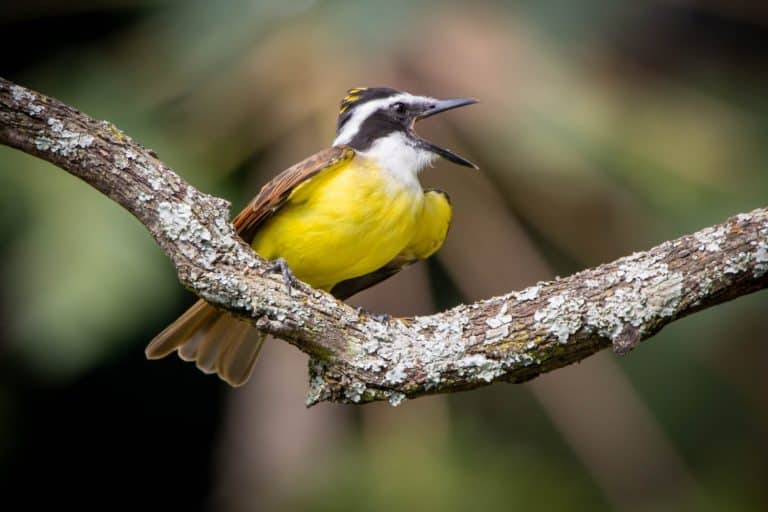
Hear it before you see it: Kiskadee!
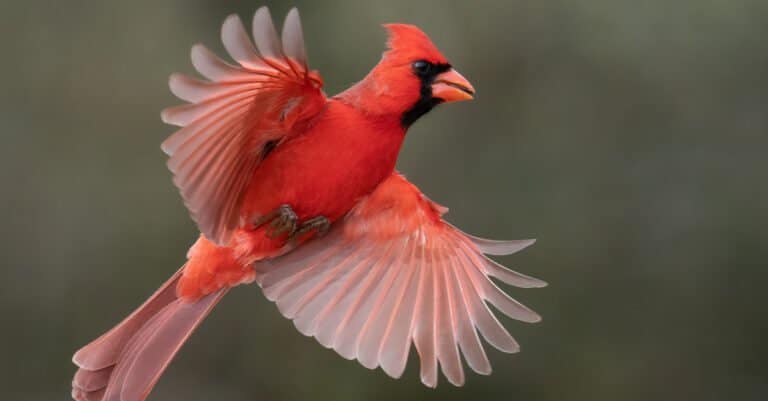
Bold bills, bright songs, New World
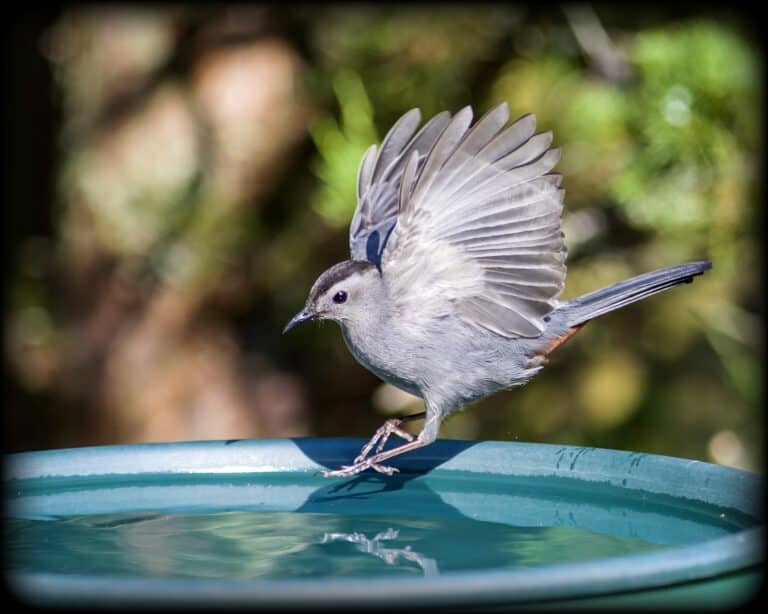
Mew, mimic, and melt into the thicket
Bermuda's natural heritage is inseparable from the sea: an isolated, subtropical island chain where reef, rock, and deep ocean meet in a compact area, creating an unusually accessible cross-section of Atlantic marine biodiversity. While terrestrial wildlife is more limited (and heavily influenced by introduced species), Bermuda stands out for its surrounding marine communities, from colorful reef fish and corals to visiting megafauna that pass through on migration. The islands' seabirds and coastal habitats add another dimension-windswept islets, cliffs, and sheltered bays provide crucial breeding and roosting sites in a vast ocean where safe nesting space is scarce.
Key ecosystems include fringing and patch coral reefs, seagrass beds, mangroves, and the dramatic drop-offs at the edge of the Bermuda platform that quickly transition to pelagic waters. Reefs and seagrass support juvenile fish, foraging turtles, and a diversity of invertebrates; mangroves and sheltered coves buffer shorelines and provide nursery habitat; and the surrounding deep ocean brings seasonal pulses of life, with migratory species using Bermuda's waters as feeding and transit corridors. Because Bermuda sits far from continental landmasses, its ecosystems are sensitive indicators of ocean health-warming seas, storms, and water quality changes can rapidly reshape reefs and coastal habitats.
In global conservation terms, Bermuda's importance is less about African connectivity and more about safeguarding North Atlantic island and ocean biodiversity-particularly seabirds and reef-associated species-through habitat protection, invasive predator management, and marine stewardship. The wildlife experience is uniquely "blue": visitors can snorkel or dive over shallow coral gardens, then be within short distance of deep pelagic waters where larger ocean travelers may appear seasonally. This blend of intimate reef encounters and big-ocean ecology, paired with island seabird conservation stories, defines Bermuda's appeal for wildlife enthusiasts.
Bermuda is a small, low-lying limestone archipelago surrounded by deep ocean, so wildlife distribution is dominated by coastal and marine habitats rather than inland gradients. Extensive fringing reefs, seagrass beds, and the adjacent Sargasso Sea shape fish, turtle, and pelagic communities, while rocky shores, sandy beaches, mangroves, and coastal ponds provide critical habitat for seabirds, shorebirds, and resident/endemic terrestrial species. With no major rivers and very limited freshwater, wetlands and brackish ponds are especially important focal points for birds and other fauna, and habitat is naturally fragmented across narrow islands and heavily influenced by salt spray, storms, and oceanic climate.
Bermuda's protected-area system is built around a network of government-designated parks and nature reserves managed primarily by the Department of Environment and Natural Resources (e.g., Bermuda National Parks and associated reserve designations). Because Bermuda is a small, densely settled archipelago, protection tends to focus on high-value wetlands (freshwater marshes and ponds), coastal headlands and beaches, offshore islets, and key seabird nesting habitat. Marine conservation is also important through fisheries rules and site-based protections around reefs and inshore waters, though the most visible "protected areas" to visitors are the terrestrial parks/reserves and coastal reserves.
Approximately ~10-15% of Bermuda's land area is under formal protection (parks/nature reserves). This is an approximate range commonly cited for Bermuda's park and reserve estate; exact values vary by whether small coastal/islet parcels and certain managed buffers are included.
Bermuda's largest nature reserve, centered on a large coastal brackish pond and surrounding coastal habitats. It is one of Bermuda's premier birding sites, especially for migratory shorebirds and waterbirds, with rocky shore, scrub, and pond-edge habitats that also support notable reptile populations.
A rare peat marsh and freshwater wetland system that supports breeding and stopover habitat for waterbirds and migrants. It is one of Bermuda's most important inland biodiversity refuges, with sensitive wetland-dependent species.
A landmark island-restoration site (native coastal forest and seabird habitat recovery) that showcases Bermuda's conservation work on offshore islands. It is closely associated with Bermuda's seabird conservation efforts and endemic species recovery in the Castle Harbour area.
A major coastal reserve with beaches, rocky shoreline, and adjacent reef waters that attract seabirds and support sea turtle use of nearshore habitats. It is one of the best places for accessible coastal wildlife viewing and marine nature observation.
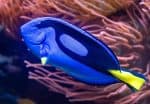
Bermuda's most significant mangrove wetland, functioning as a nursery for fish and a feeding area for herons and other waterbirds. The sheltered mangrove habitat is especially important in an island system where mangroves are naturally limited.
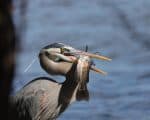
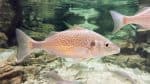
A scenic reserve of coastal woodland, limestone formations, and nearby shoreline that supports resident landbirds and reptiles and offers strong opportunities to observe migratory songbirds in season. Its varied microhabitats make it notable for compact, high-diversity wildlife encounters.
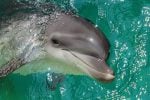
Bermuda's wildlife is defined less by large land animals and more by ocean-driven biodiversity: coral reefs, seagrass beds, and pelagic waters support sea turtles, reef fish, dolphins, and migrating whales. On land, native vertebrate diversity is low (a classic oceanic-island pattern), but Bermuda is globally notable for seabirds-especially the conservation comeback of the endemic Bermuda petrel (cahow)-and for coastal birdlife around cliffs, islets, and wetlands.
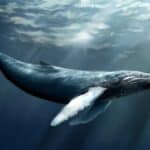
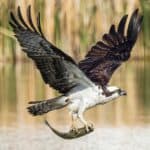
Bermuda's wildlife tourism is largely marine-led, built around its subtropical reef system, clear ocean waters, and an outsized concentration of seabirds and migratory pelagic life for such a small island territory. Economically, nature-based activities (snorkeling, diving, glass-bottom boating, sailing/charters, and seasonal whale watches) are a core part of the visitor experience and feed a strong local guiding/boating sector. Historically, Bermuda's island biodiversity has been shaped by isolation and the sea; conservation stories-especially the recovery of the endemic Bermuda petrel (cahow)-are a standout, and many visitors combine beach time with reef and seabird-focused excursions. Accessibility is high: flights connect Bermuda to major North American hubs and the UK; once on-island, many wildlife activities are reachable by short transfers to marinas and south-shore beaches, and you can be in the water (snorkel/kayak) within a day of arrival. Because wildlife is ocean-driven, trip planning works best when you match activities to sea state, visibility, and seasonal migrations.
Year-round, with clear seasonal highlights:
- January-April: Prime humpback whale migration window offshore (best chances typically February-March). Cooler water but excellent for whale-watching by boat; also good for seabird watching from headlands on windy days.
- May-June: Warming seas and improving underwater visibility; strong for snorkeling and scuba on reefs and wrecks, with active reef fish and turtles becoming more common.
- July-August: Warmest water and easy conditions for long snorkel sessions, kayak/snorkel combos, and night dives; great for observing reef fish behavior in shallow lagoons.
- September-October: Often excellent water clarity and warm temperatures with fewer crowds; strong all-around for diving/snorkeling and pelagic encounters on offshore trips.
- November-December: Cooling water, but good birding as migratory species pass through; calm, clear days can still be great for reefs when weather windows align.
A "Lazarus" seabird story: the cahow was believed extinct for ~330 years (after heavy harvesting following early settlement) until it was rediscovered alive in 1951-one of the most famous seabird rediscoveries in modern conservation history.
Bermuda's land wildlife is unusually "thin" for a lush-looking island: there are no native land mammals, and (unlike many islands) no native frogs or toads-its only native terrestrial reptile is a single skink species (the Bermuda skink).
Winter can be coral season's stress test: Bermuda's reefs regularly experience cooler winter water than most tropical reefs, yet many corals persist-an example of reef communities living close to their temperature limits.
Big-animal migration, close to shore: humpback whales (*Megaptera novaeangliae*) migrate past Bermuda in late winter/early spring, and they're often seen surprisingly close to the island as they travel between Caribbean breeding grounds and North Atlantic feeding areas.
Atlantic record: Bermuda sits on the Atlantic Ocean's northernmost coral reef system (around 32°N), making it a rare place where reef-building corals and tropical reef fish persist this far from the tropics.
Global "only": the Bermuda petrel (cahow, *Pterodroma cahow*) breeds nowhere else on Earth-its entire global nesting population is confined to a few tiny islets in Bermuda's Castle Harbour.
Global "only": the Bermuda skink (*Plestiodon longirostris*) exists nowhere else in the world, and it is Bermuda's only native terrestrial reptile and only endemic terrestrial vertebrate-a remarkable "one-species" native terrestrial reptile fauna for an inhabited territory.
Ecosystem record next door: Bermuda is in the Sargasso Sea region-the only "sea" on Earth defined by ocean currents rather than land boundaries-whose floating *Sargassum* mats form a unique open-ocean nursery habitat used by many juvenile fishes, turtles, and invertebrates.
Range-limit record: Bermuda hosts some of the Atlantic's most northerly mangrove stands (including red mangrove, *Rhizophora mangle*), marking a notable high-latitude outpost for a habitat usually associated with the tropics.
28 species documented in our encyclopedia
Thank you for reading! Have some feedback for us?
We appreciate your help in improving our content.
Our editorial team will review your suggestions and make any necessary updates.
There was an error submitting your feedback. Please try again.