N S W E
Wildlife Expeditions

Wildlife of
Andorra

Andorra's wildlife allure lies in its compact, high-Pyrenees landscapes-where alpine meadows, pine forests, and rocky crags offer close-up chances to spot mountain specialists like chamois, marmots, and soaring raptors in dramatic scenery.
19 Species
468 km² Land Area
Overview

About Andorra

Perched high in the eastern Pyrenees between France and Spain, Andorra's natural heritage is defined by altitude: steep valleys rising quickly into subalpine forests, open alpine grasslands, and rugged scree slopes. Despite its small size and a landscape shaped by centuries of pastoralism and modern recreation, the country still supports a classic suite of mountain wildlife. Patient visitors can encounter Pyrenean chamois moving across ridgelines, marmots whistling from meadow burrows, and a rich mix of woodland birds and mammals that thrive in conifer and mixed forests.

Key ecosystems include subalpine pine forests (notably mountain pine) that provide cover and winter habitat for ungulates and carnivores, plus high alpine meadows that bloom in summer and concentrate feeding wildlife and pollinators. Cold, clear streams and wet flushes add pockets of amphibian habitat, while cliff bands and open sky corridors are crucial for raptors that use the thermals and updrafts along the valleys. Protected areas-especially the Madriu-Perafita-Claror valley (a UNESCO World Heritage cultural landscape) and Comapedrosa Valley Natural Park-help safeguard representative mountain habitats and maintain connectivity within the broader Pyrenean ecological network.

In terms of conservation, Andorra's role is best understood in a regional and global context: it contributes to transboundary Pyrenean conservation through habitat protection, monitoring, and alignment with European biodiversity goals rather than large-scale "African-style" megafauna initiatives. The wildlife experience here is uniquely intimate and hike-driven-short distances can take you from villages into prime mountain habitat, where dawn and dusk walks often yield sightings without long drives. For enthusiasts, Andorra is a focused destination for alpine ecology, raptor watching, and experiencing how wildlife persists alongside high-elevation human land use and tourism.

Physical Features

Geography

Andorra's wildlife is shaped by its high-elevation Pyrenean setting: steep mountain relief creates strong altitude-driven habitat zonation (valley bottoms to subalpine forests to alpine meadows and rocky summits), while narrow river valleys act as movement corridors and concentrate human land use. This results in a patchwork of forests, shrublands, grasslands, and cliff/scree habitats that favor montane and alpine species, with distributions tightly linked to elevation, slope aspect (sun vs. shade), and the limited extent of lowland areas.

468 km² Land Area
Among the world's ~20 smallest sovereign states; roughly comparable in area to the Isle of Wight (UK) Size Rank

Key Landscapes

  • High Pyrenees mountain ranges with steep ridgelines and peaks (dominant control on temperature, snow cover, and habitat zonation)
  • Deep glacially influenced valleys and basins (local refuges, varied microclimates, and connectivity routes)
  • Subalpine conifer forests and mixed montane forests on mid-slopes (core habitat for many forest and montane species)
  • Alpine meadows and montane grasslands above treeline (seasonal forage areas; sensitive to climate and grazing)
  • Rocky scree, cliffs, and exposed summits (nesting/denning sites and specialized high-altitude niches)
  • River systems and riparian strips-especially the Valira river network (movement corridors, breeding/foraging habitat, and winter refuge)
  • High-elevation tarns and small lakes/ponds (localized aquatic habitat in an otherwise steep, fast-flowing landscape)

Ecoregions

  • Pyrenees conifer and mixed forests (WWF)
Parks & Reserves

Protected Areas

Andorra has no large, federally designated "national park" system in the way many countries do; instead, its most important biodiversity areas are protected through a small set of legally declared natural parks (often managed at the parish/communal level), plus internationally recognized designations such as a Ramsar wetland and a UNESCO Biosphere Reserve. Protection focuses on high-Pyrenean alpine and subalpine ecosystems-glacial cirques, mountain lakes, scree slopes, and conifer/deciduous forests-embedded in a heavily used landscape (ski areas, roads, grazing), so zoning, hunting regulation, and habitat stewardship are key tools.

Protected Coverage

Approx. ~15% of Andorra's land is under relatively strict, named protected-area designations (notably its two natural parks plus the Madriu valley protection/UNESCO property). If counting broader, zoned international designations (e.g., the Ordino UNESCO Biosphere Reserve, which overlaps existing parks and includes multiple-use buffer areas), the share of land under some formal conservation recognition is higher (roughly on the order of ~25-35%, depending on overlap and what is counted).

Notable Parks & Reserves

Comapedrosa Valleys Natural Park

Natural Park (communal/parish protected area)

Andorra's highest-mountain protected area (around the Comapedrosa massif) safeguards alpine meadows, cliffs, and subalpine forests that support classic Pyrenean high-elevation wildlife and raptors.

Sorteny Valley Nature Park

Natural Park (protected area)

Known for exceptionally rich mountain flora and well-preserved subalpine habitats, Sorteny is one of Andorra's best places to encounter Pyrenean montane wildlife along accessible valley trails.

Tristaina Lakes

Ramsar Wetland of International Importance

A glacial-lake complex and surrounding alpine terrain important for cold-water and wetland-associated biodiversity in an otherwise steep, human-used high-mountain landscape.

Ordino (UNESCO Biosphere Reserve)

UNESCO Biosphere Reserve (Man and the Biosphere Programme)

A large, zoned landscape in northern Andorra that integrates village life, traditional grazing/forestry, and core conservation areas-supporting wide-ranging mountain fauna and raptor populations across an elevational gradient.

Madriu-Perafita-Claror Valley

UNESCO World Heritage Site (Cultural Landscape) + nationally protected valley landscape

A largely roadless high valley with extensive forests, alpine pastures, and rocky headwaters that provides important habitat connectivity and refugia for Pyrenean wildlife despite Andorra's small size.

UNESCO World Heritage Sites

  • Ordino Biosphere Reserve (UNESCO Biosphere Reserve)
  • Madriu-Perafita-Claror Valley (UNESCO World Heritage Site)
Animals

Wildlife

Andorra's wildlife is shaped by steep Pyrenean topography: subalpine conifer and mixed forests (pine, fir, beech), rocky cliffs, high meadows, and cold, fast-flowing mountain streams. Species diversity is modest compared with larger European countries, but the "character" is strongly alpine-mountain ungulates, forest mammals, raptors and vultures riding valley updrafts, and a small set of high-elevation reptiles/amphibians. Human influence is high (roads, ski areas, dense valley settlement), so many notable species are best found in quieter forest blocks, cliff systems, and protected uplands.

≈40-55 native species (small carnivores, deer/boar, bats, and alpine rodents dominate; large predators occur only sporadically nearby) Mammals
≈140-190 recorded (with a smaller set of regular breeders concentrated in forests, cliffs, and alpine meadows) Birds
≈8-12 species (mostly montane lizards and a few snakes at lower elevations) Reptiles
≈5-8 species (stream and pond breeders; cold-water specialists are most notable) Amphibians

Iconic Species

Pyrenean Chamois The signature mountain ungulate of the eastern Pyrenees, frequently seen on steep grassy slopes and rocky ledges above treeline; a defining wildlife sight on Andorra's high ridgelines and alpine basins.
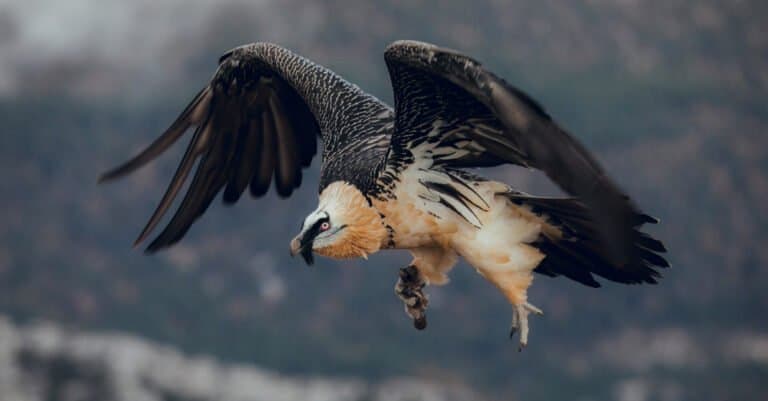
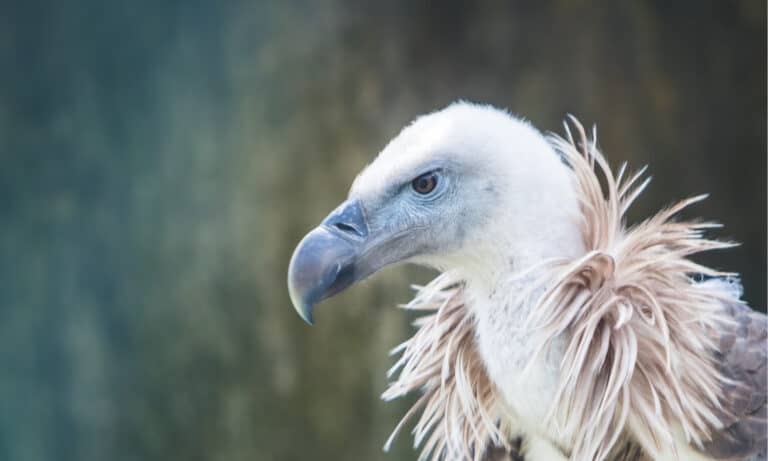
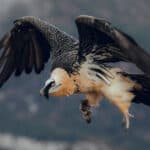
Bearded Vulture (Lammergeier) A flagship Pyrenean scavenger that uses major cliffs and broad valleys for soaring; Andorra sits within the wider Pyrenean stronghold where this species has persisted and recovered in Europe.
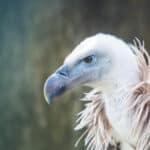
Griffon Vulture
Griffon Vulture Often visible in groups circling on thermals above valleys and cliff faces; a conspicuous large raptor in mountainous landscapes and a memorable species for visitors scanning the sky.
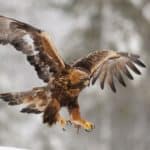
Golden Eagle
Golden Eagle An emblematic high-mountain predator; sightings come from open slopes and ridge systems where it hunts marmots and other small mammals.
Alpine Marmot A classic alpine meadow mammal (locally notable where colonies occur), most easily detected by whistles and seen in summer on sunny subalpine/alpine grasslands.
Red Deer
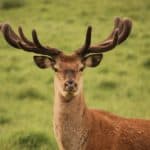
Red Deer The largest common wild ungulate in the area; best chances are in quieter forest edges and upper valleys, especially at dawn/dusk and during the autumn rut.
Roe Deer
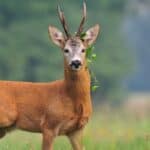
Roe Deer A widespread forest-edge deer in Andorra's mixed woodlands; often the most frequently encountered deer species along woodland clearings and pasture margins.
Western Capercaillie A sought-after, secretive grouse of mature conifer and mixed forests; an indicator of higher-quality forest habitat and a prized sighting for birders.
Wallcreeper A charismatic cliff specialist; visitors often look for it on sheer rock faces and crags where it feeds on insects, especially outside the breeding season.

Endemic Species

Pyrenean Brook Salamander Pyrenees near-endemic amphibian of cold, oxygen-rich mountain streams; Andorra is within its natural range, making it a notable local specialty where suitable clean headwaters persist. Endemic
Pyrenean Desman A Pyrenees-northern Iberia near-endemic, semi-aquatic mammal tied to high-quality, fast-flowing streams; presence is patchy and sensitive to water quality and disturbance, but Andorra lies within its core mountain distribution. Endemic

Notable Populations

  • Andorra lies within the broader Pyrenean stronghold for Bearded Vulture in Europe, where conservation and habitat connectivity across the range are critical.
  • Cold, fast headwaters in Andorra contribute to regional refuges for Pyrenean stream specialists such as Pyrenean Brook Salamander and (where present) Pyrenean Desman; these taxa are conservation-sensitive at a global scale due to limited ranges and water-quality dependence.
Protection

Conservation

Primary Threats

  • Transport links in narrow valleys, associated slope stabilization works, and tourism infrastructure (ski lifts, pistes, snowmaking networks, service roads, power lines) can fragment habitats and disturb sensitive high-elevation areas. Because developable land is concentrated in valley bottoms and on accessible slopes, even small projects can have outsized ecological footprint.
  • High visitor density-skiing, hiking, trail running, mountain biking, off-piste activities-creates chronic disturbance in a small territory. Disturbance can affect breeding raptors and forest birds, stress mountain ungulates in winter, and increase erosion on fragile alpine soils and trails.
  • Warming in the Pyrenees reduces snow reliability and shortens snow seasons, pushing increased reliance on artificial snow and water storage. Alpine and subalpine species face upward range contraction, earlier flowering/phenology shifts, and higher drought/heat stress; headwater hydrology becomes more variable, affecting cold-water stream ecosystems.
  • Most direct habitat loss occurs where urban expansion and tourism facilities occupy valley bottoms and lower slopes (the most biodiverse and connected zones). Localized loss of wetlands, riparian buffers, and traditionally managed open habitats can reduce biodiversity and connectivity between forest and alpine zones.
  • Road traffic linked to shopping and tourism concentrates air and noise pollution in valleys. Winter road maintenance (e.g., de-icing) and runoff from paved areas can affect streams; wastewater and stormwater pulses during peak seasons can stress water quality if treatment and capacity are exceeded.
  • River and torrent channel works for flood control, bank reinforcement, and protection of infrastructure can simplify riparian habitats. Snowmaking reservoirs, water diversions, and altered flow regimes can modify headwater systems. Land-use change such as abandonment of traditional grazing/meadow management can lead to shrub/forest encroachment, reducing open-habitat biodiversity.
  • Non-native plants can establish along roadsides, disturbed ski slopes, and construction zones. Stocking or spread of non-native fish in mountain waters (common in the region) can alter aquatic food webs and affect native amphibians and invertebrates. Increased cross-border movement and tourism raises introduction risk.
  • Hunting pressure is generally regulated, but it can still affect local populations of game species and disturb wildlife, especially in a small country where refuge areas are limited. Management must balance cultural practices with conservation of sensitive species and maintain ecological connectivity across parish boundaries.
  • Settlement is concentrated in a few valleys, so incremental development (housing, retail, parking, utilities) can cumulatively consume riparian corridors and semi-natural patches critical for movement of wildlife and for ecosystem services such as flood attenuation.
Visit

Wildlife Tourism

Andorra's wildlife tourism is small-scale but rewarding, centered on alpine and subalpine ecosystems in the eastern Pyrenees. Rather than a big safari, the draw is high-mountain scenery, accessible trail networks, and the chance to see emblematic Pyrenean fauna (Pyrenean chamois, marmots, raptors, owls) in a compact country with good infrastructure. Economically, nature-based visits complement Andorra's dominant ski and shopping economy-especially in the shoulder seasons (late spring to early summer, and early autumn) when hiking, birding, and photography trips increase. Conservation and habitat management are anchored by protected areas (notably Comapedrosa Natural Park) and regulated hunting areas in the wider landscape. Accessibility is straightforward: Andorra has no airport or rail, but is easily reached by road from Barcelona or Toulouse; once there, short drives and well-marked trails make many wildlife habitats reachable within 30-60 minutes from main towns. Expect a European mountain wildlife experience: patient observation, early starts, and respect for livestock, dogs, and seasonal trail conditions.

Best Time to Visit

May-October is best overall for alpine wildlife in Andorra (most trails are accessible and animals are active), with season highlights:

- March-April: Lower-elevation forest edges as snow retreats; good for early bird song, woodpeckers, and raptor display flights. High mountains are often still wintery.
- May-June: Peak variety. Marmots emerge from hibernation; Pyrenean chamois become easier to spot on green slopes; spring wildflowers draw insects and birds; excellent raptor activity (including large soaring birds using thermals).
- July-August: Best for high-alpine hikes and dawn/dusk mammal watching (marmots, Pyrenean chamois) above treeline; midday heat reduces animal movement, but soaring birds remain active.
- September: Autumn visibility and early migration can be productive for birds (including raptors on clear days).
- October-November: Best period for Pyrenean chamois rutting activity, which can increase sightings; continued autumn bird movement depending on weather.
- December-February: Limited wildlife touring due to snow cover and short days; focus shifts to winter scenery, tracks in snow (where safe), and opportunistic forest birding. Some high routes require avalanche awareness and proper gear.

Top Wildlife Experiences

  • Dawn Pyrenean chamois spotting hike in Comapedrosa Valley Nature Park (Comapedrosa Valley Communal Nature Park): start pre-sunrise, scan open slopes above the tree line, and watch animals move between feeding and refuge areas.
  • Marmot listening-and-photography session on a high meadow: pick a quiet slope in early summer, sit for 30-60 minutes, and use their alarm calls to locate burrow colonies and grazing groups.
  • Raptor "thermal watching" from a high pass viewpoint: spend late morning scanning for griffon vulture, golden eagle, and other soaring birds riding rising air over valleys.
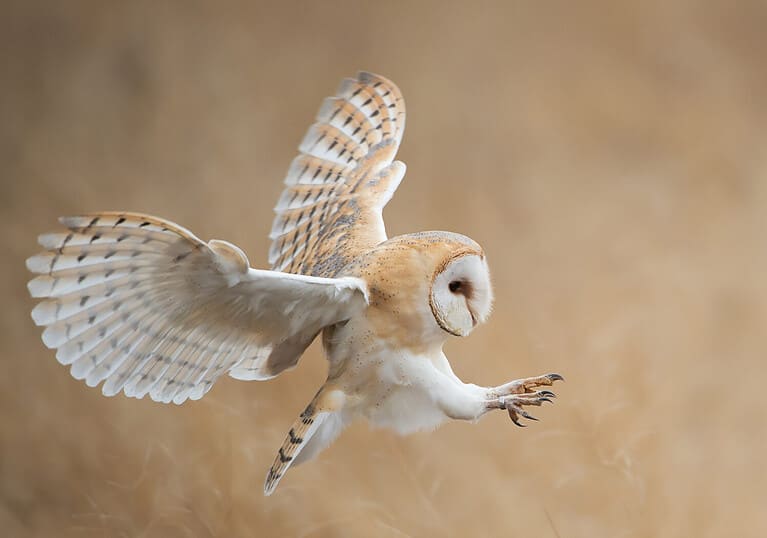
  • Nocturnal owl walk at forest edge (guided): slow, low-noise evening walk with red-light etiquette to listen for owls and locate calling birds without disturbance.
  • Wildlife tracking in fresh snow on a safe lower trail (winter/early spring): learn to identify tracks and sign of fox, hare, and other forest species with a local guide.
  • High-altitude botanical-and-butterfly ramble (late spring/early summer): combine wildflowers, pollinators, and bird activity on sunny slopes; ideal for macro photography.
  • Ridge-line photography hike for Pyrenees megascapes and wildlife: carry binoculars and a telephoto lens, pausing at rock outcrops where Pyrenean chamois and raptors are often visible below.
  • Family-friendly "micro-safari" on a valley nature path: short, stroller-friendly sections where you can spot forest birds, amphibians near wet areas, and signs of mammals while learning local ecology.
  • Citizen-science style birding morning: join or emulate local monitoring routes by recording species along an elevational gradient from village edges to montane forest.
  • Autumn rut watch (September-October): a quiet vantage-point session to observe Pyrenean chamois behavior from a distance during rutting season, minimizing stress by staying off their movement corridors.

Safari Types Available

  • Self-guided hiking wildlife watching (binoculars + patience; best at dawn/dusk)
  • Guided walking safaris/nature walks (specialist wildlife, botany, birding, tracking)
  • Vantage-point scanning/stakeout sessions (raptors, Pyrenean chamois, marmots)
  • Wildlife photography outings (telephoto-focused, sunrise/sunset itineraries)
  • Night walks (owl and nocturnal wildlife listening, guided/regulated)
  • Winter tracking excursions (snow-tracks and sign interpretation on safe routes)
  • Family nature trails and interpretive walks (short, accessible routes near towns)
Fun Facts

Did You Know?

Andorra's UNESCO "wild" valley is famous partly because it isn't wilderness: Madriu-Perafita-Claror is protected as a cultural landscape where traditional grazing and hay meadows created a biodiversity-rich mosaic-if grazing stops, those open habitats can shrink as forest expands.

One of Andorra's most iconic big birds is a specialist bone-eater: bearded vultures are known for carrying bones aloft and dropping them onto rocks to crack them-an unusual feeding strategy you can witness in the Pyrenean skies above Andorra.

A national-park-sized botany lesson fits in a small morning hike: Sorteny's 700+ plant species include high-elevation specialists and Pyrenean endemics, so rare alpine flora can appear within a few kilometers of trail.

Wildlife management is inherently cross-border here: many animals in Andorra (e.g., chamois, roe deer, wild boar, raptors) use French-Andorran-Spanish ridgelines and passes as a single connected mountain system, so conservation and hunting rules in neighboring regions can quickly affect what's seen inside Andorra.

Some of Andorra's "natural" open slopes are maintained by people (and livestock): subalpine grasslands and shrub mosaics often persist because of long-term pastoral use; where that use declines, landscapes can become more uniformly wooded-changing which birds, insects and plants dominate.

Plant-diversity density: Sorteny Valley Natural Park (~10.8 km²) is documented by park authorities as hosting 700+ vascular plant species-an unusually high species count for such a small alpine area.

Biggest protected landscape in the country: the Madriu-Perafita-Claror Valley covers ~4,247 ha (~42.5 km²), about 9% of Andorra's territory-Andorra's largest protected area and its only UNESCO World Heritage site (listed as a cultural landscape).

High-alpine record for a microstate: Coma Pedrosa (2,942 m) is Andorra's highest point, putting true alpine habitat (above the treeline) inside one of Europe's smallest countries.

"Many habitats in a postcard": Andorra packs an elevational span of roughly 840 m to 2,942 m into just 468 km²-one of the tightest country-scale altitude gradients in Europe, which helps explain why forest, subalpine and alpine wildlife can occur within a short drive or hike.

Regional raptor stronghold next door (and overhead): the Pyrenees hold Europe's largest population of bearded vultures (Gypaetus barbatus), and Andorra sits within this Pyrenean core range where the species is regularly observed soaring over valleys and ridgelines.

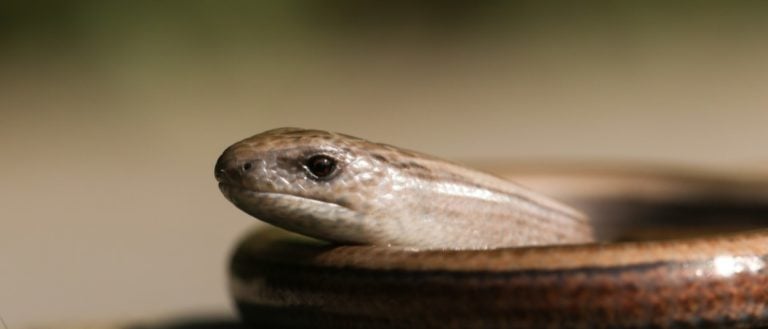
Andorra is a landlocked country in Europe located on the Iberian Peninsula. This country shares a border with France and Spain. Over 200 species of animals live in the country. They include mammals like the western roe deer, birds like the peregrine falcon, and reptiles like the smooth snake. People can observe the country’s diverse animals in the wild, protected areas, and zoos

The National Animal of Andorra
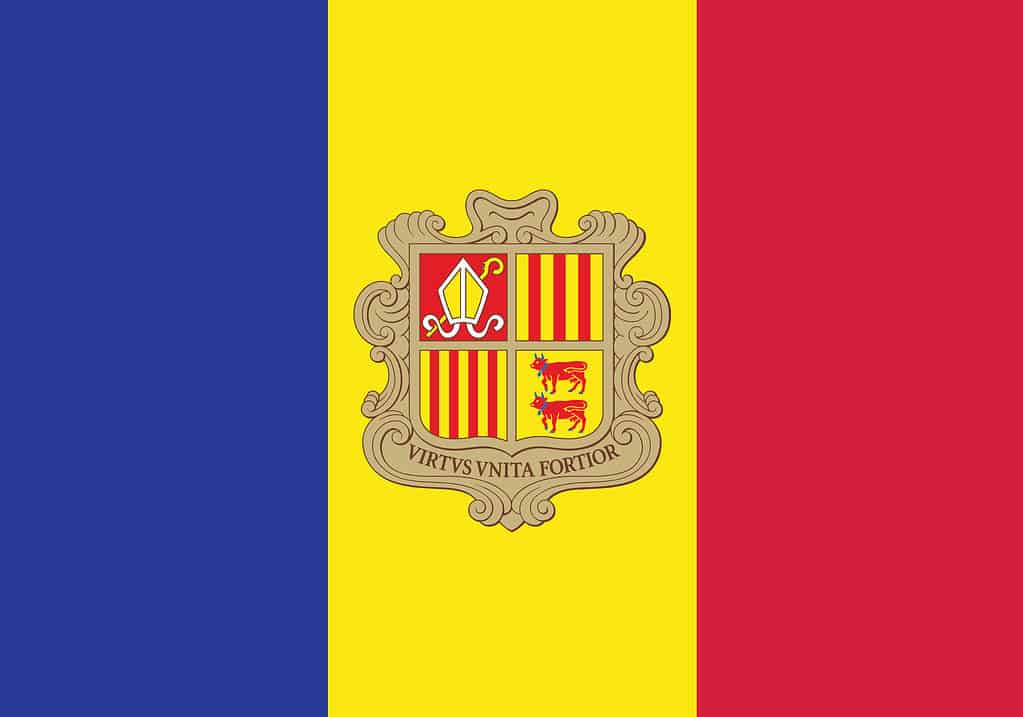
Flag of Andorra

The flag of Andorra features the national animal.

The national animal of Andorra is the Bruna d’Andorra cow. The cattle breed is inscribed on the nation’s flag. The national bird of the country is the Lammergeier, also known as the bearded vulture. The population of this large bird is on the decline in Andorra and other parts of the world. The bearded vulture is known for its large wingspan that can reach over 9 feet!

Where to Find Wild Animals in This Country
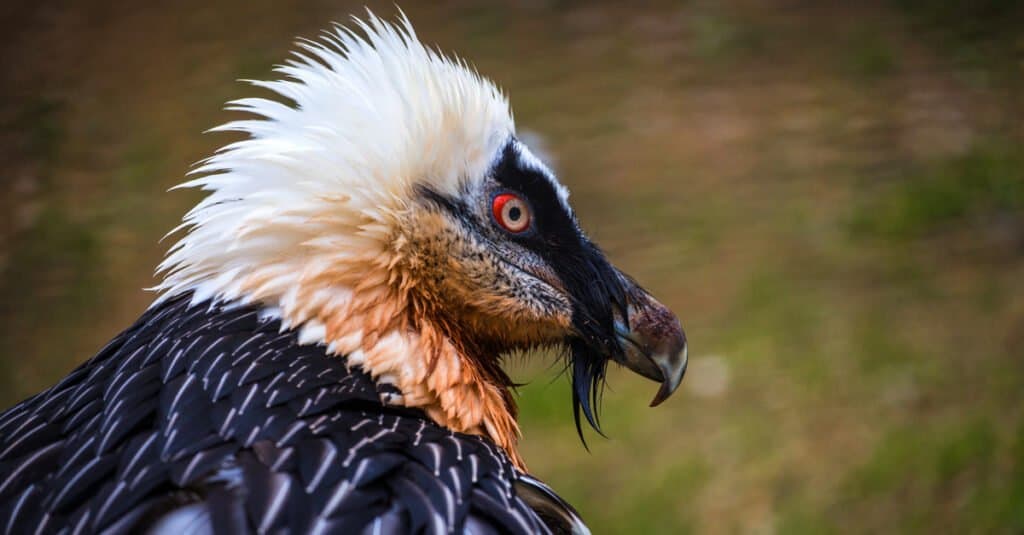
bearded vulture side profile closeup

The bearded vulture is known as the bone-breaking vulture.

The best places to find wild animals in Andorra is by going to national parks in the country. These protected areas help people encounter the flora and fauna of the country in a natural setting. The Parc Natural de la Vall de Sortenyhas over 700 species of flowers and plants across 1,000 hectares!

Meanwhile, Parc Natural Comunal de les Valles del Comapedrosa is a mountainous nature park where people can see the famous bearded vultures and golden eagles!

What Zoos Are in Andorra?

While they may not rival some of the most famous zoos in the world, visitors to Andorra can see animals in zoo-like settings. Naturland is one such park in southern Andorra that is like a petting zoo with various animals like sheep, chickens, geese, and pigs. Nature parks are a better source of animal sightings.

The Most Dangerous Animals in Andorra
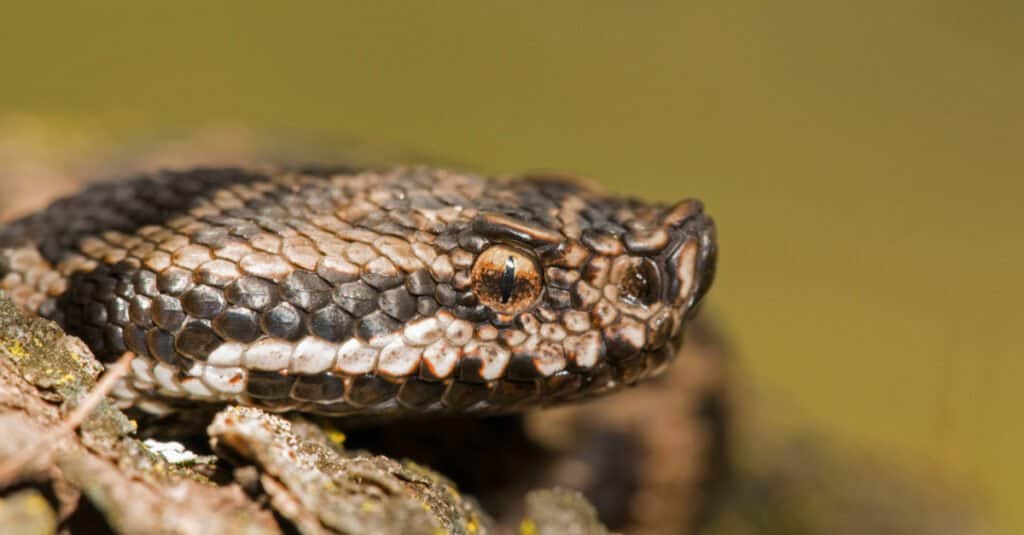
Close-up of Vipera aspis (Asp viper). The snake has long, hollow fangs it can rotate independently.

Close-up of Vipera aspis (Asp viper). The snake has long, hollow fangs it can rotate independently.

Andorra has some dangerous species people should know about before visiting. The most dangerous animals in Andorra include:

  • False widows– spiders with a mildly venomous bite that can cause pain and potentially more damage in humans.
  • Asp viper– venomous snakes that can cause a medically significant bite.
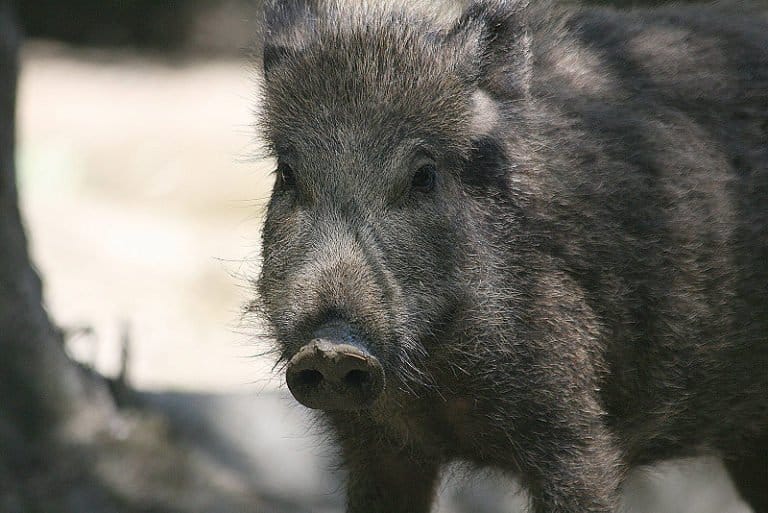
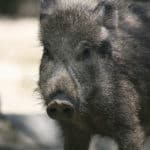
  • Wild boars– large swine that can gore pets and humans while passing on significant infections.

Few truly dangerous animals live in this landlocked country, but it’s worth knowing about those that can cause harm to humans.

Endangered Animals in Andorra

This small country has a few endangered animals. Among them are:

  • European rabbits
  • Wild horses
  • Aurelio’s rock lizard

These are a few of the most famous endangered animals in the region. They require support to stave off extirpation. Fortunately, the nation has developed some protected areas. If people continue to support the endangered species, these animals and others may survive for future generations.

Animals Found in Andorra

19 species documented in our encyclopedia

Thank you for reading! Have some feedback for us?