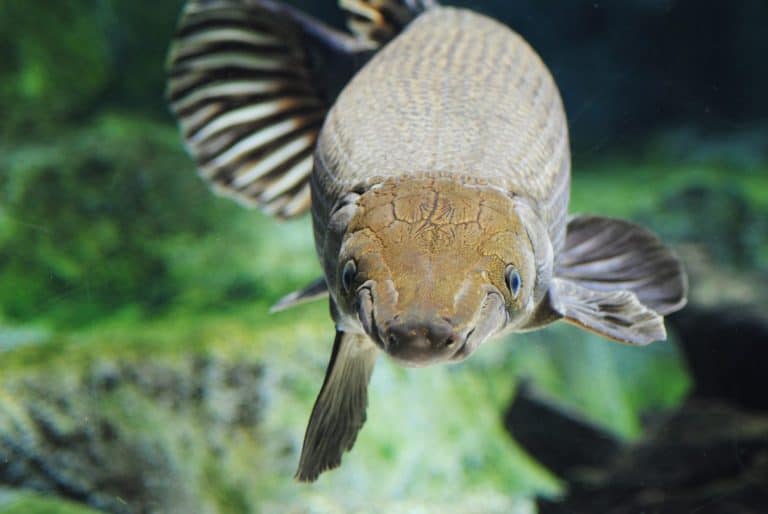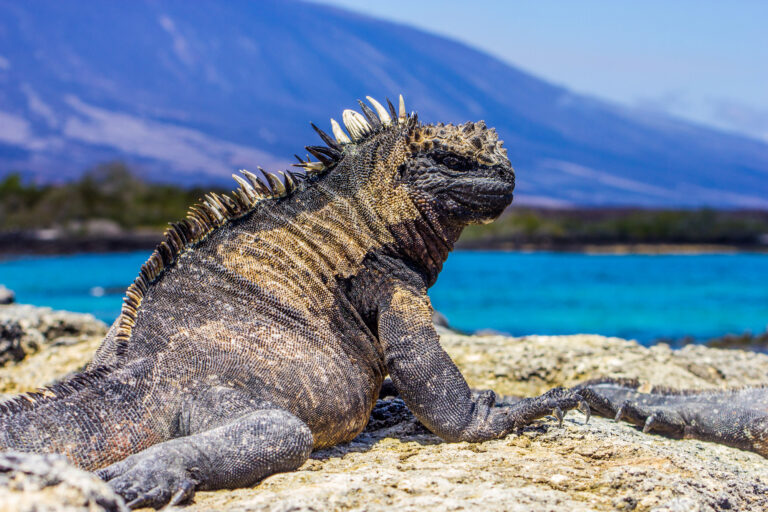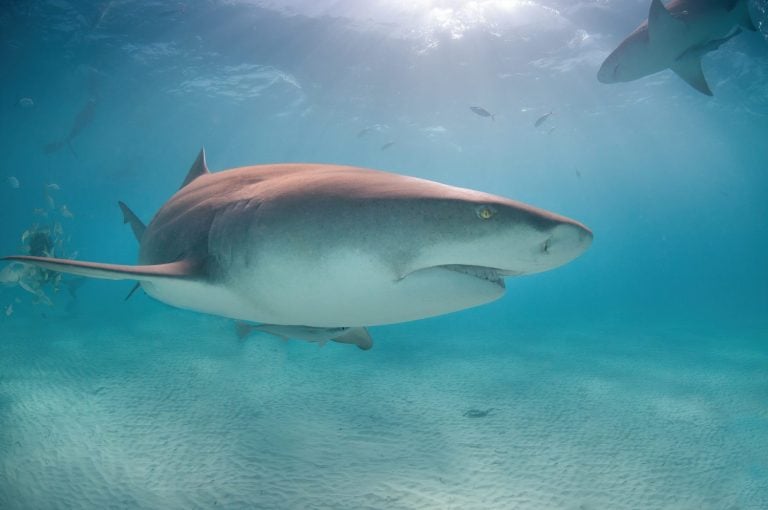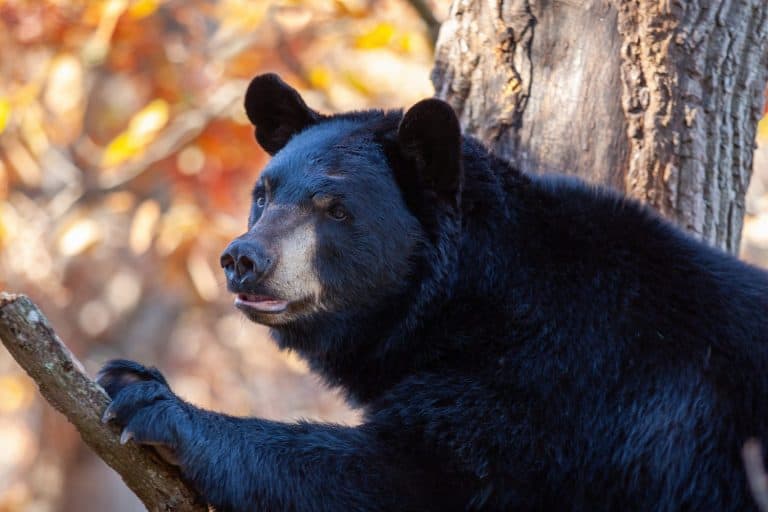

Many animals hibernate during the winter months. Animals like bears, chipmunks, bats, hedgehogs, many insects, reptiles, and amphibians slow their metabolisms to help them survive extreme periods of cold. It’s a sort of deep sleep during which the animal survives on a reserve of body fat instead of facing the blistering cold of winter when food is scarce. Have you ever wondered how warm-blooded animals like mountain lions survive the winter? Do mountain lions hibernate during winter like many other mammals? Read on to find out.
Do Mountain Lions Hibernate?
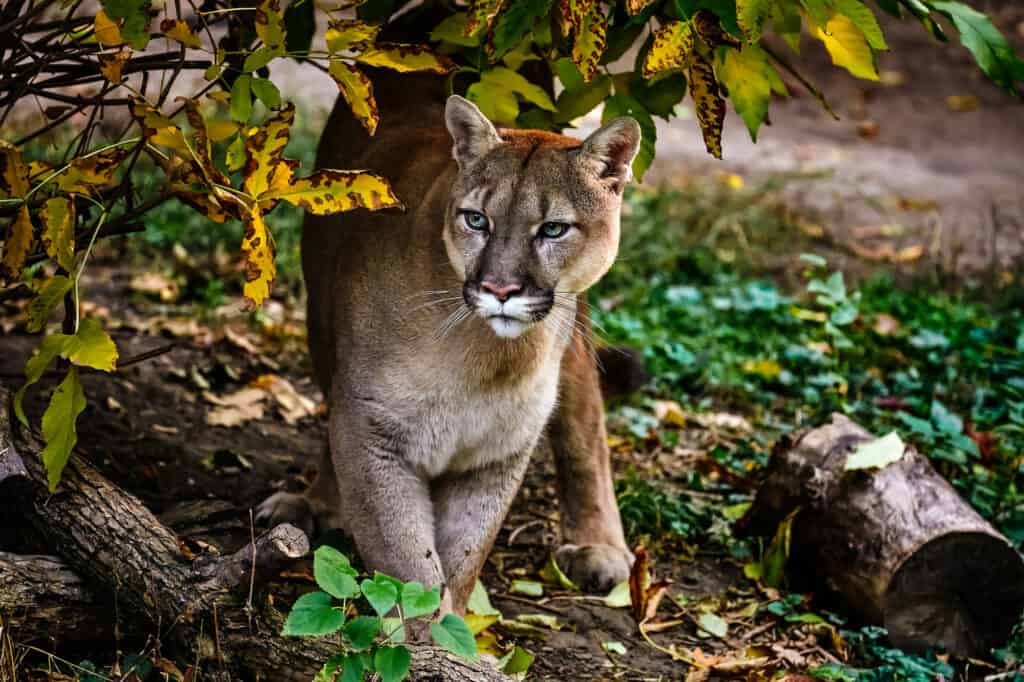
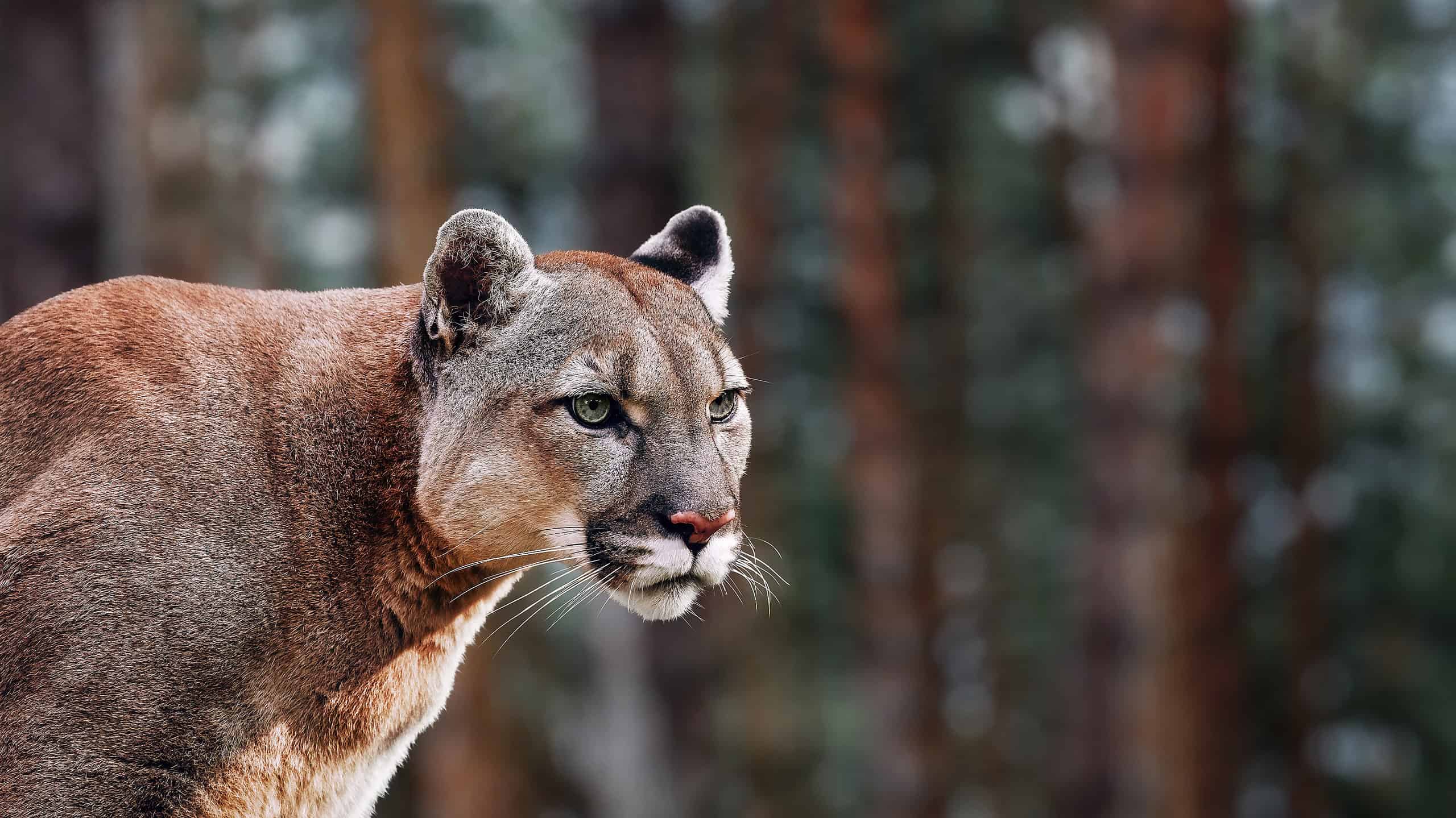
Mountain lions stay active throughout the year.
©Evgeniyqw/Shutterstock.com
Hibernation is one of the most interesting adaptations to survive extreme conditions. Animals that live in cold regions of the world with long winters survive the several weeks or months of winter by hibernating. During this period, the animal enters a burrow or nest and “goes to sleep.” Their metabolism slows down significantly, their heartbeat slows, they breathe slowly, or even stop breathing entirely for long periods, and their temperature drops.
While hibernation is one of the most common survival tactics of animals that live in cold climates, not all animals exhibit this adaptation. Mountain lions (Puma concolor) do not hibernate. Instead, they stay active throughout the year. Thanks to their own set of unique physiological adaptations, they can survive the cold winter months. Deer, rabbits, elk, and other smaller animals remain their primary food during this period. Mountain lions also eat fruits occasionally in addition to their carnivorous diet.
Survival Adaptations
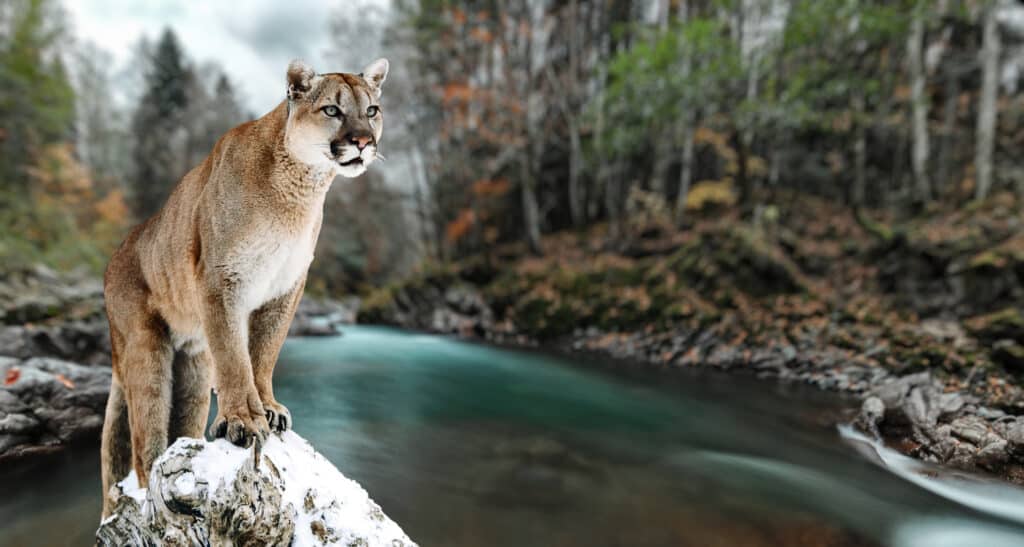
Mountain lions have special adaptations that help them thrive in harsh winter conditions.
©Evgeniyqw/Shutterstock.com
So, if mountain lions do not hibernate, how do they survive the harsh winter months? Nature has been kind to the big cats. While hibernation seems like an incredible adaptation, it is a pretty harsh one that takes its toll on the animal’s body. In fact, many hibernating animals die if they use up their body’s fat reserves.
Mountain lions do not have to suffer through several months of suspended animation. Instead, they have special anatomical and physiological features that help them thrive in harsh winter conditions. For instance, they have thick body fur, which helps conserve body heat. Mountain lions do not starve because they can still hunt and catch prey despite heavy snow. The following are winter adaptations or strategies that mountain lions rely on to survive without hibernating.
Behavioral Adaptations
In extreme winter conditions, mountain lions take refuge among trees, in caves, rocky crevices, hollow logs, and dense vegetation to stay out of the wind and cold. They may also move to lower elevations where the temperatures are milder.
Since mountain lions do not hibernate, they spend a significant part of the season hunting. They are primarily nocturnal hunters with a need to make a major kill at least once about every 9-12 days. A mountain lion can consume up to 20 pounds of meat in a single meal, and may bury the rest of the kill for later.
Thick Coats
During fall, mountain lions grow a thicker, denser coat that helps insulate them against the cold winter temperatures. This soft layer of fur underneath the guard hairs traps heat. The longer, stiffer guard hairs keep the underfur dry in rain and snow.
The fur covers the entire body and is typically tawny, greyish, or reddish-colored. Mountain lions groom their fur similarly to domestic cats, and this routine reduces their characteristic scent, which may attract other mountain lions or deter potential prey. The dull color scheme of the mountain lion’s coat also helps to conserve body heat.
Sensory Organs
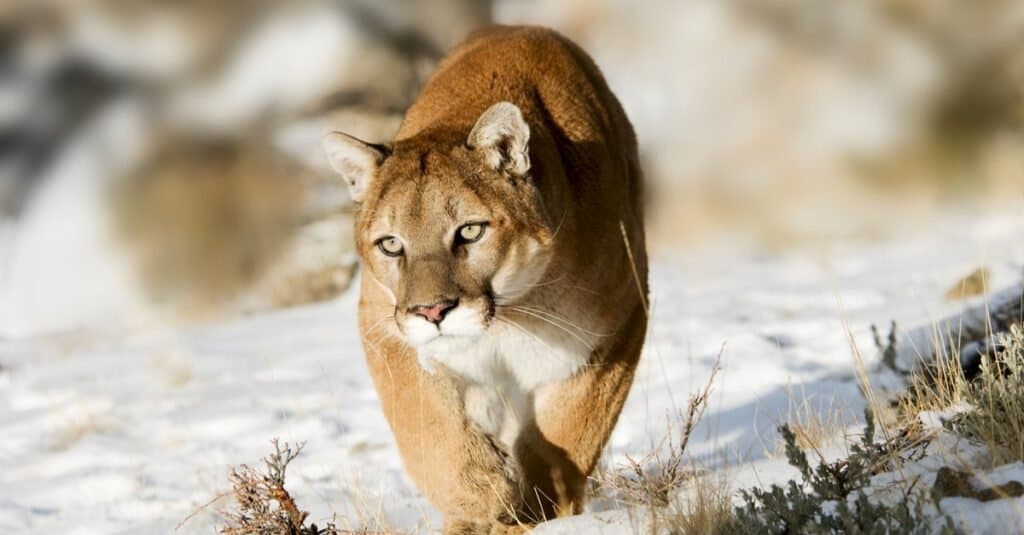
Mountain lions have excellent eyesight, which helps them locate prey.
©Scott E Read/Shutterstock.com
The scarcity of food during winter is one of the main reasons many animals hibernate. Animals that do not hibernate during winter must have other ways to keep up their energy reserves and prevent starvation. Luckily, the sensory organs of mountain lions make them well-suited to catching prey during the winter. They have fantastic eyesight, which allows them to hunt any time of the day, from dusk to dawn. Snow cover also make their prey more visible.
Mountain lions also use their tracking and stalking abilities to locate prey in winter. Deer find it difficult to move on ground heavily covered in snow. As it moves around, it leaves behind visible prints in the snow. Although mountain lions don’t have a strong sense of smell, scientists think they have adapted the ability to follow the tracks of their prey in the snow. They will follow prey tracks in the snow for several miles until they catch up.
Physical Abilities
Another advantage mountain lions have over other animals is the design of their paws, which allow them to move gracefully on snow. Its large, fur-covered paws help distribute its weight, making it easier to travel on snow compared to some other animals. So, while its prey animals like elk and deer struggle to move around in the deep snow, the mountain lion can move more easily.
Mountain lions also have powerful legs with impressive jumping abilities. While the forelimbs are flexible for manipulating captured prey, the hindlimbs are powerfully built to attain incredible speeds and heights. A mountain lion can jump higher than many other animals of similar size, a trait that comes in handy when capturing prey. They can jump up to 40 feet horizontally and up to 20 feet vertically.
Do Mountain Lions Migrate During Winter?
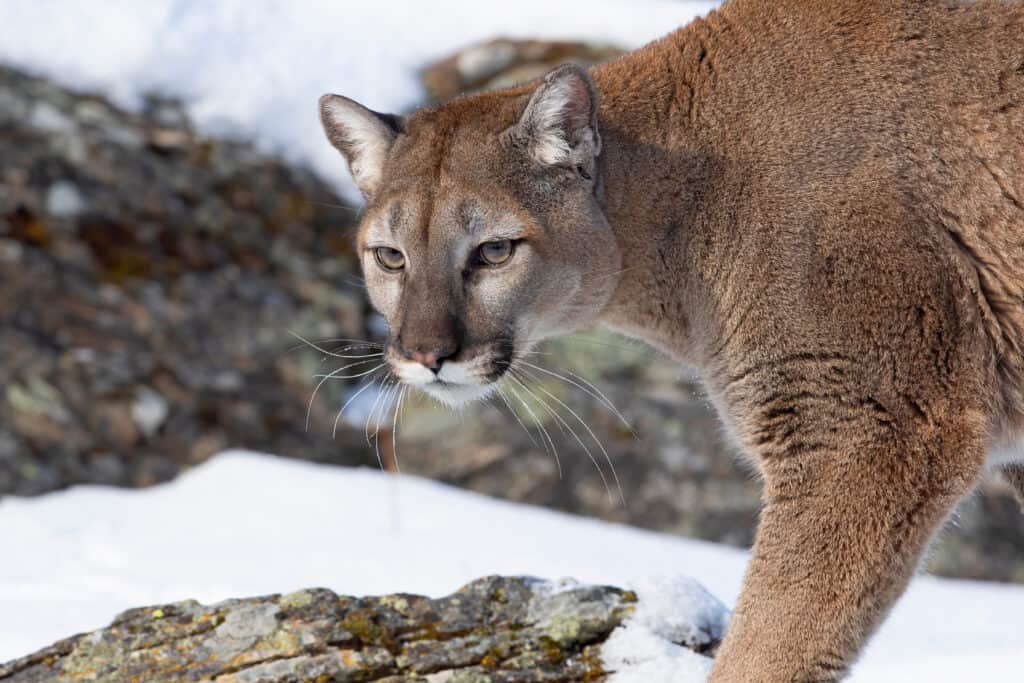
Some mountain lions follow their primary prey when they migrate.
©Jim Cumming/Shutterstock.com
Although these cats are not generally migratory, they may change location during winter to search of food. In some regions of the world, the migration pattern of mountain lions depends on that of their prey. For example, some mountain lions in the Sierra Nevada Mountains of California have been observed to migrate seasonally with deer herds, while others remain at lower elevations year-round. In contrast, mountain lions in South America do not migrate with their primary prey.
It is also important to note that not all prey animals migrate. Regardless of the change in season, some prey animals remain in their habitat. This non-migratory pattern is mainly observed in regions that do not experience extreme winter conditions. In this case, the mountain lion does not need to relocate.
Conclusion
Mountain lions are formidable predators that stay active throughout the year. Although they do not hibernate during winter, they have several anatomical adaptations and abilities that help them survive the season. In extreme winter conditions, mountain lions take refuge among trees, in dens, or in caves for safety. However, they still need to venture out occasionally to catch prey. Fortunately, these big cats have no trouble hunting for prey in terrain where other animals would have difficulty surviving.