
Quick Take
- A quarter of the DNA found in lion poop matched nothing in any scientific database, and what that gap reveals about big cat biology turns out to be stranger than expected. See the unclassified DNA findings →
- Sedating wild lions to collect fecal samples sounds extreme, yet the pride's reaction during the procedure was something researchers didn't anticipate. See how lions were sampled →
- The computers analyzing lion DNA essentially hit a wall, leaving human researchers to step in and salvage the findings. Explore the sequencing challenges →
- What lions eat based on their habitat could mean two lions from different parks carry entirely different microbial universes inside them. Compare lion habitats and microbiomes →
Human gut microbiome research has been ongoing for 400 years. With advances in technology, researchers have made major strides in understanding how digestion and immune system regulation affect overall health.
One species about which very little is known regarding its gut microbiome is the African lion. However, researchers are trying to change this by understanding what lion poop reveals about Africa’s great cats.
Lion Poop Reveals What the Gut Microbiome of Africa’s Big Cats Looks Like
The gut microbiome is not well studied in African lions. This seems surprising, given that lions are some of the most observed animals in Africa. But these details can only come from the contents of the gut microbiome.
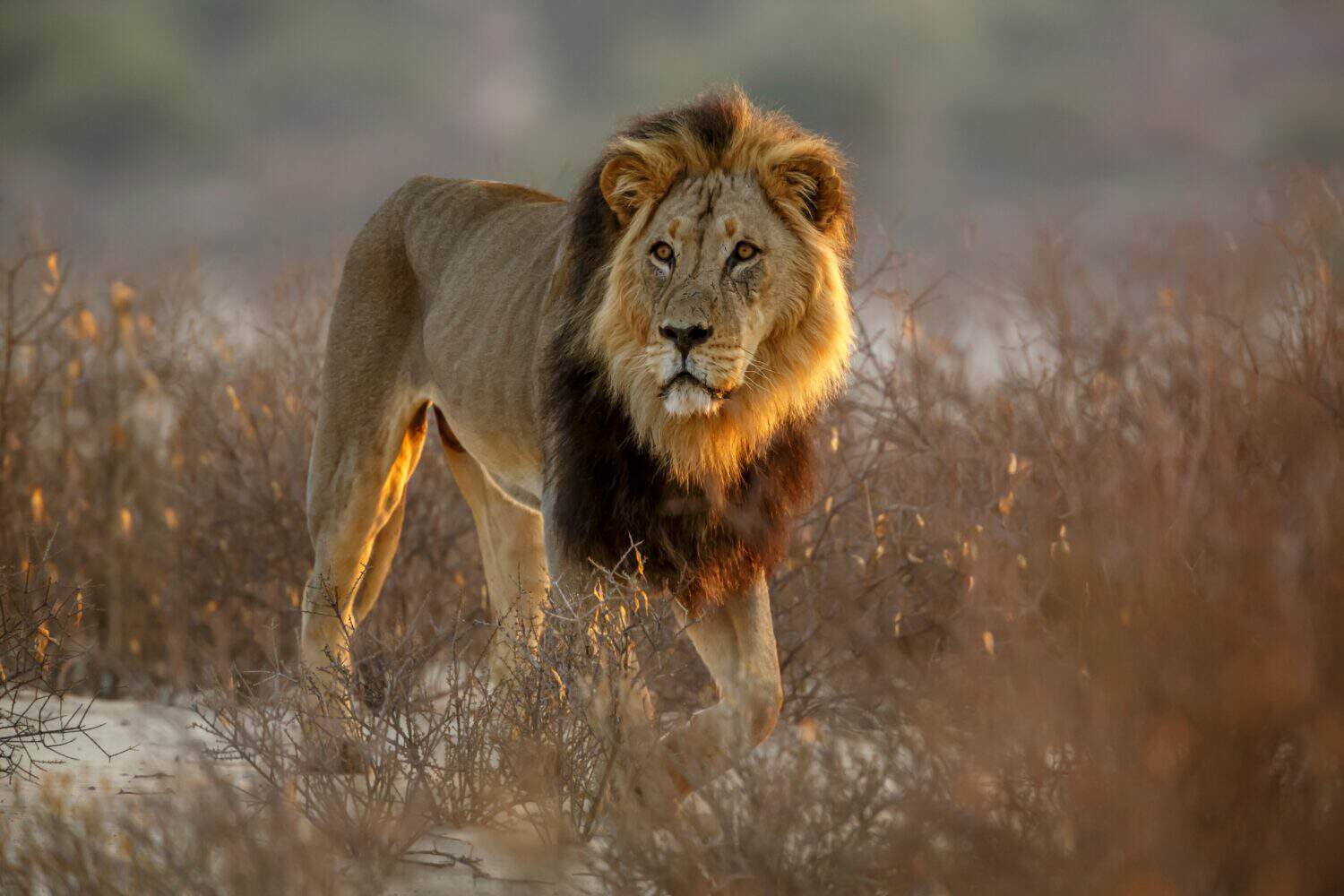
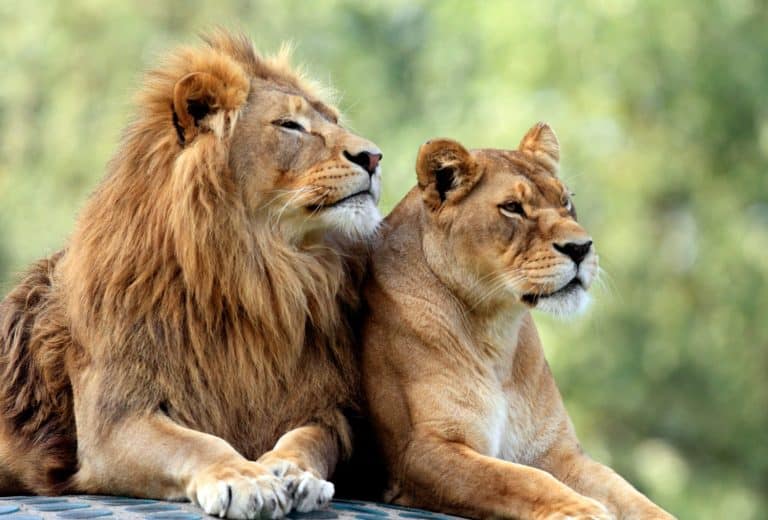
Researchers identified 318 bacterial and 102 viral genomes after taking fecal samples from 20 lions at Etosha National Park.
©PACO COMO/Shutterstock.com
According to a new study published in Animal Microbiome, researchers are beginning to lift the curtain on the viruses and bacteria in the gut microbiome. Researchers from WIT reconstructed 318 bacterial and 102 viral genomes using 23 fecal samples from 20 lions in Etosha National Park in Namibia.
While some of these bacteria and viruses were previously cataloged, many were not. This led researchers down a rigorous path of sequencing DNA.
How Samples Were Collected for Analysis
Collecting fecal samples was somewhat invasive. Researchers needed the samples to be fresh, which meant going directly to the source to obtain them.
To get the necessary samples, according to the study, the lions had to first be immobilized. While under veterinary care in the field, fecal samples were collected. However, the research did not end there. Multiple researchers were involved in the process, collecting hair and blood and fitting the lions with collars.
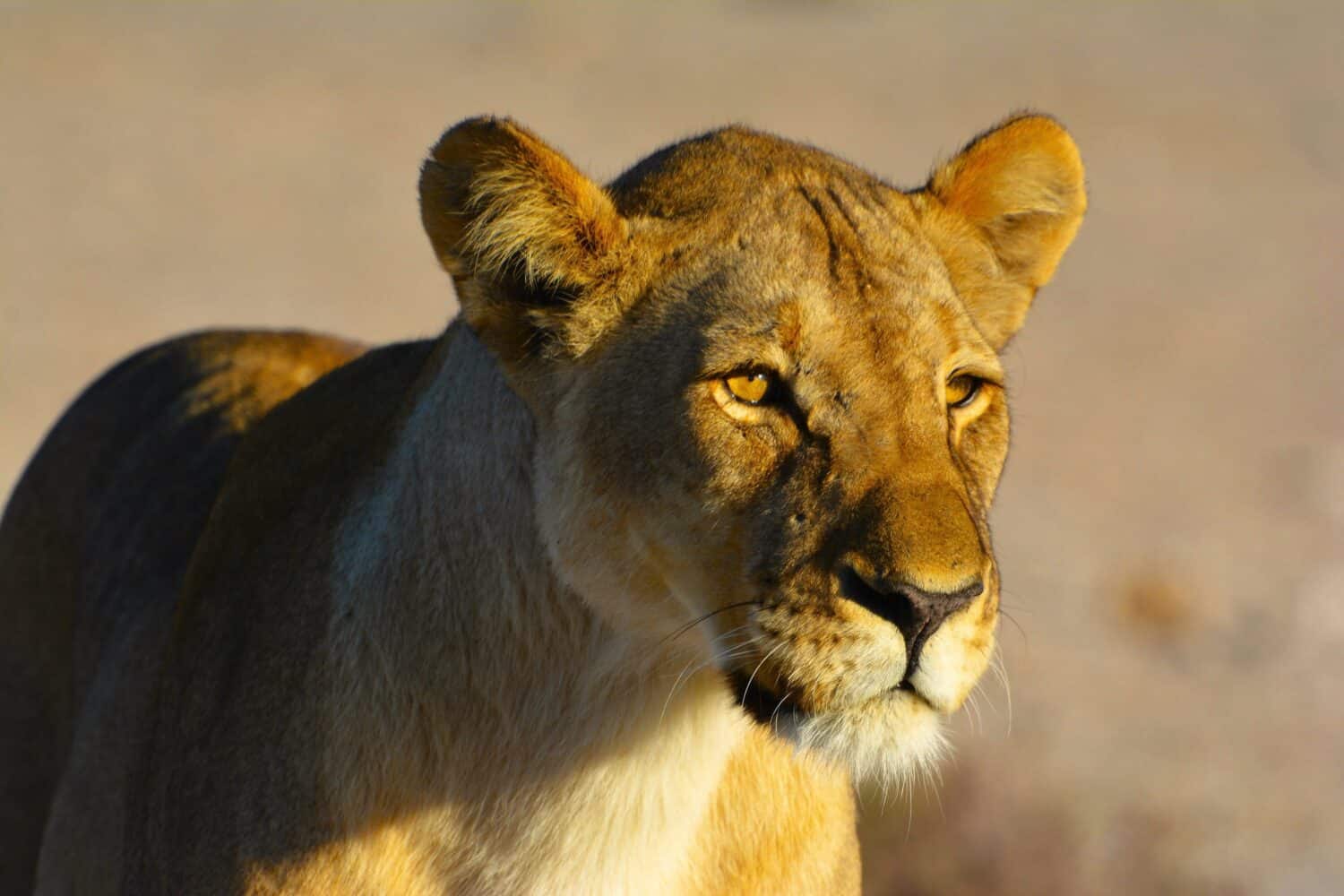
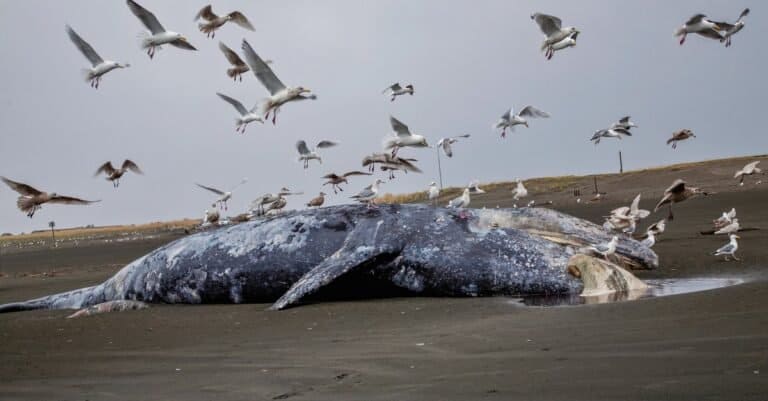
Etosha lions required sedation to obtain fecal samples.
©Romana Kontowiczova/Shutterstock.com
With researchers coming together at the same time to collect their samples, the lions only needed to be disturbed once. This made things less stressful for both the sedated lion and its pride, who were noted at least once standing in the distance and watching as a pride member was used as a test subject.
Novel Bacteria Was Not Initially Identifiable
Once the samples were collected, the work truly began. The study noted that researchers had to sequence the samples’ DNA. To do this, researchers had to separate genetic fragments so they could reconstruct the genomes of different organisms.
According to Scott Hazelhurst, co-author of the study and a professor, senior scientist, and bioinformatician at the Sydney Brenner Institute for Molecular Bioscience at Wits, the data set was extensive.
“It is computationally intensive,” Hazlehurst explained in a press release. “The lion analysis involved tens of thousands of CPU hours and generated tens of terabytes of data.”
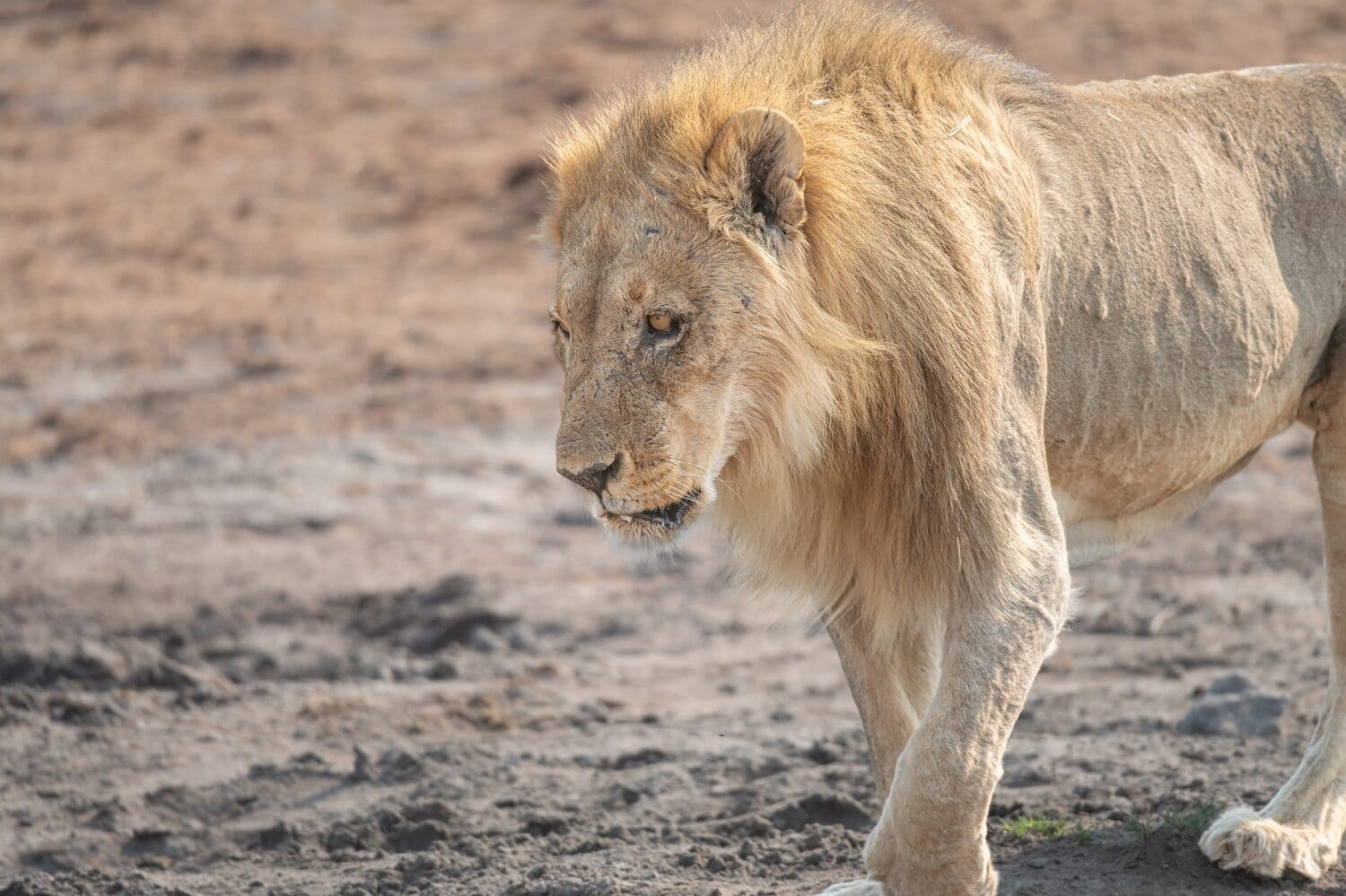
Much of the work in identifying bacterial and viral genomes in the lions’ gut microbiome came from researchers, rather than computers.
©dvlcom – www.dvlcom.co.uk/Shutterstock.com
All the hours paid off, as researchers reconstructed viral and bacterial genomes from both previously known and unknown organisms. This proved advantageous, as the computers were no help in analyzing the data.
The computers were only capable of identifying DNA from cataloged samples. With so many novel organisms discovered in the lion gut microbiome, the computer program indicated that 24.5% of reads were unclassified.
When the microbial genomes the researchers reconstructed were added to the database, that number decreased significantly to 4.5%.
This uncertainty is a direct result of the limited knowledge about lion microbiomes. While researchers like Hazlehurst expected to identify new viruses and bacteria, they were astonished by just how many they found.
“I did expect to find a lot of novel bacteria in the lions,” Hazlehurst stated in the press release. “I was surprised by how novel it was.”
What Was the Analysis Unable to Show?
In total, the study examined 20 different lion microbiomes within a very specific timeframe. As a result, many questions remain unanswered for future studies to explore.
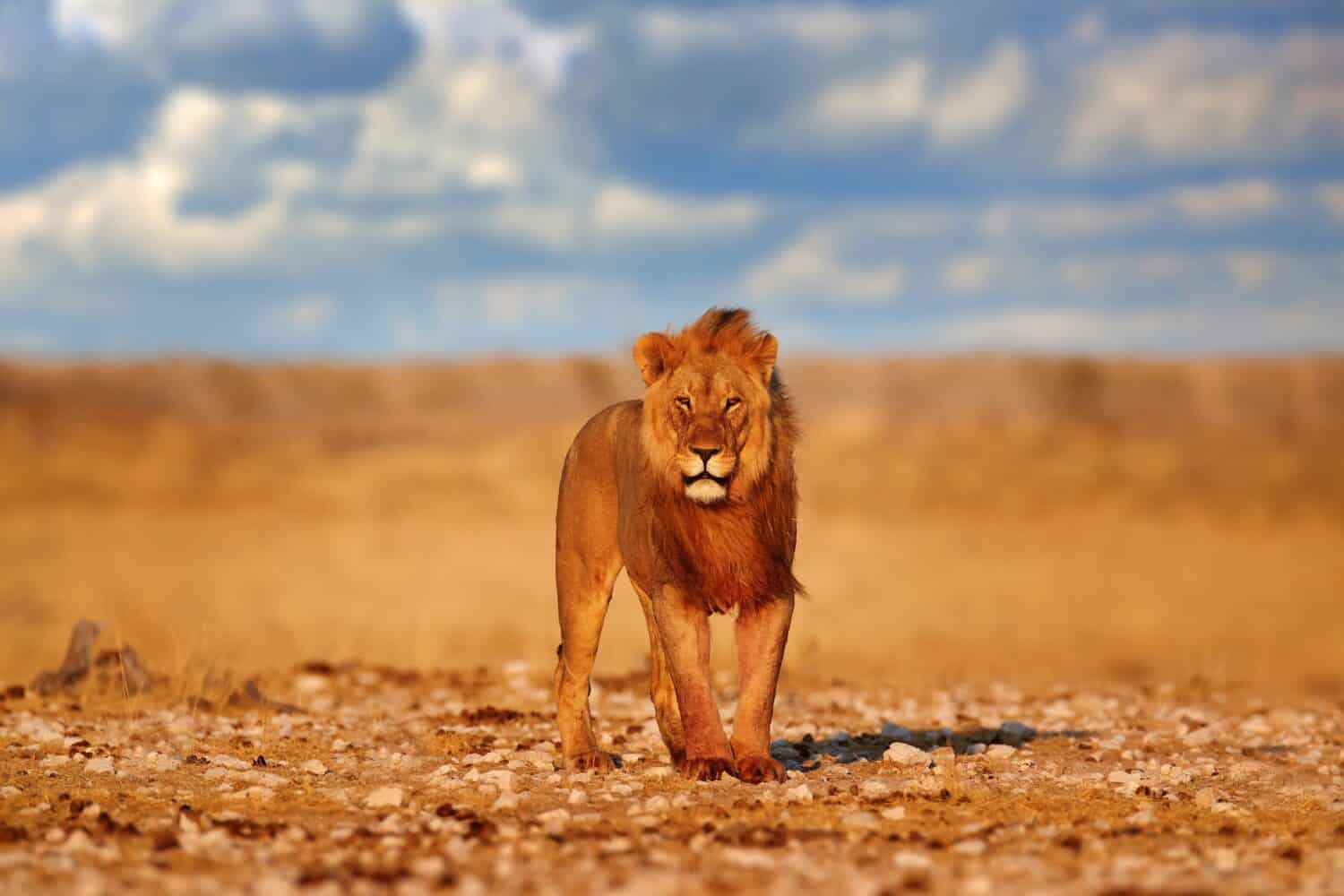
More studies will be necessary to determine if gut microbiomes change between prides, older and younger lions, or with seasonal changes.
©Ondrej Prosicky/Shutterstock.com
Some of the areas for gut microbiome study that were not able to be covered in the new study include:
- Differences between prides
- Differences between male and female microbiomes
- Older versus younger lion gut microbiomes
- Seasonal changes in gut microbiomes
- Changes in pregnant versus not pregnant microbiomes
- How environmental stress affects microbiomes
As studies in these areas are completed, the database currently compiling microbial genomes will become more complex, enabling a better understanding of African lions.
Gut Microbiome of Etosha Lions May Differ from Other Lions
Sequencing the gut microbiome of Etosha lions is still in its early stages. Future researchers can reveal much more by examining different prides, habitats, and even seasonal gut microbiome composition within Etosha lions. Studies can also reveal differences between subspecies of African lions.
The study focused on lions in Etosha National Park. This matters because Etosha lions live in a very arid landscape with limited access to water. During the rainy season, the lions congregate at the Etosha Pan, a mineral-rich basin that fills with water after massive rains. In the dry season, the lions rely on natural springs. Additionally, Etosha lions eat ungulates (hoofed animals), carrion, and small mammals.
By comparison, lions in the Serengeti live in a grassland habitat. Here, riverbeds flow year-round, and migrating mammals travel through the region. This means there is consistently large prey available for hungry lions.
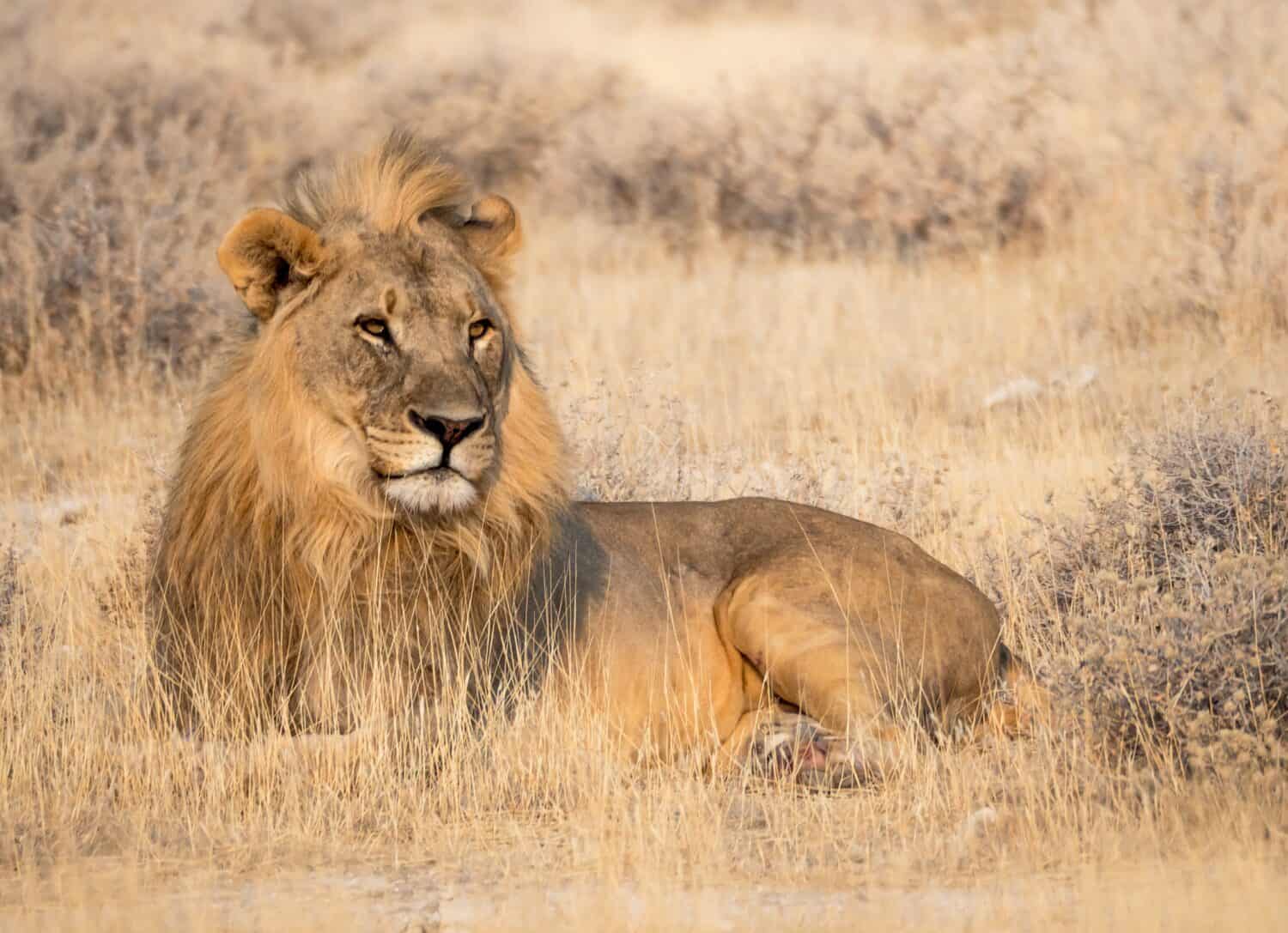
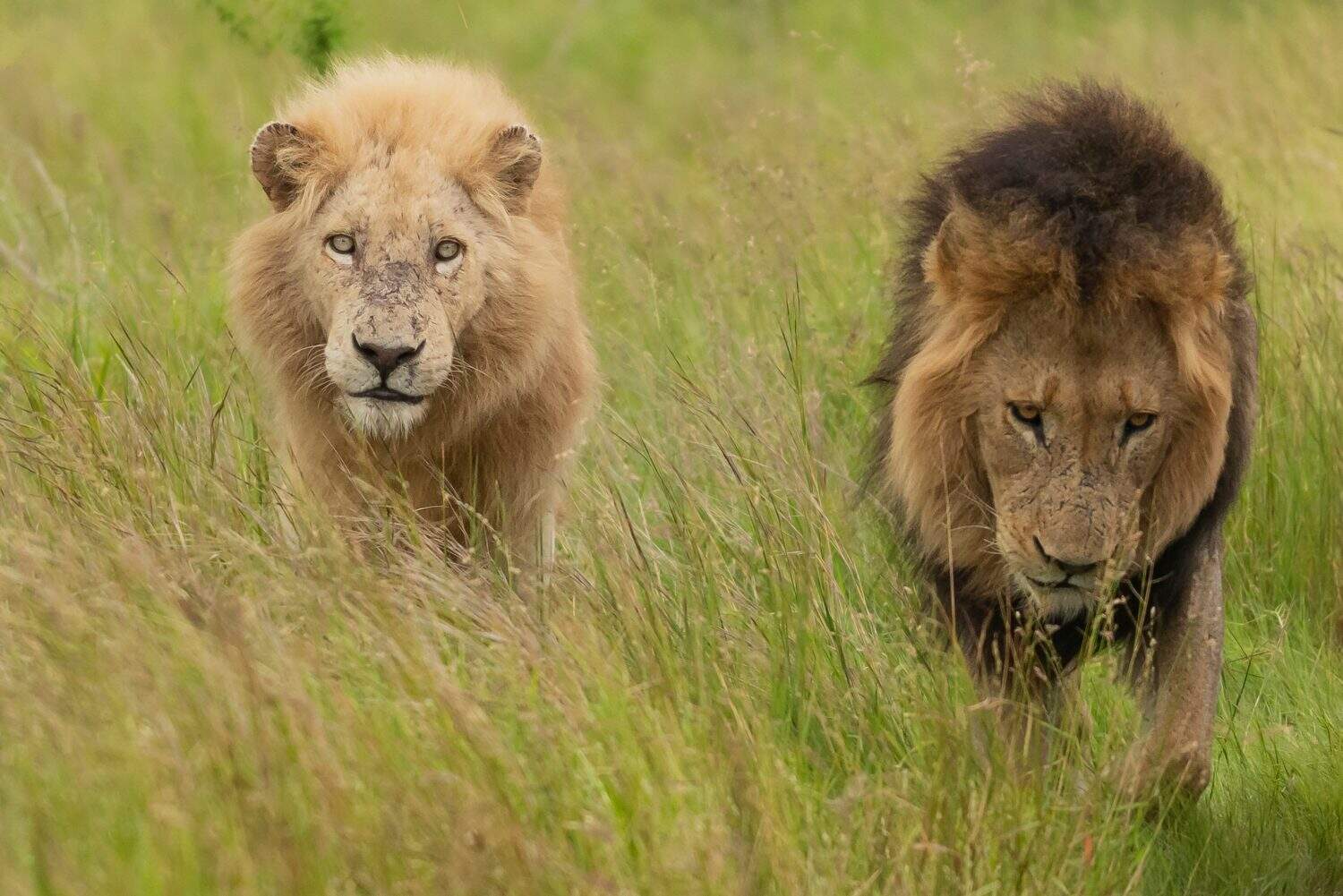
Future studies are expected to show that gut microbiomes differ among Etosha, Serengeti, and Kruger lions.
©Repina Valeriya/Shutterstock.com
African lions in Kruger National Park live in a habitat that blends Etosha National Park and the Serengeti. The habitat includes dense bush, open grasslands, and seasonal wetlands. This means that prey varies for lions in Kruger depending on the season.
If researchers collected fecal samples from these lion subspecies, their novel bacteria would likely differ from those of Etosha lions. Consequently, this new study has only scratched the surface of identifying the gut microbiome of African lions, leaving room for future studies to unlock more secrets about them.