Quick Take
- Most people are wrong about a raptor's deadliest weapon, and that misconception explains why streetlights work better than trees. See why height wins →
- Cell towers have quietly become prime nesting real estate in northern Illinois, though the reason has nothing to do with signal strength. Explore the cell tower shift →
- The same structures giving raptors a survival edge are also setting a trap that most birds never see coming. Discover the hidden dangers →
- There's a low-effort way the public can reduce raptor deaths in urban areas, and it doesn't require policy changes or permits. Find low-effort solutions →
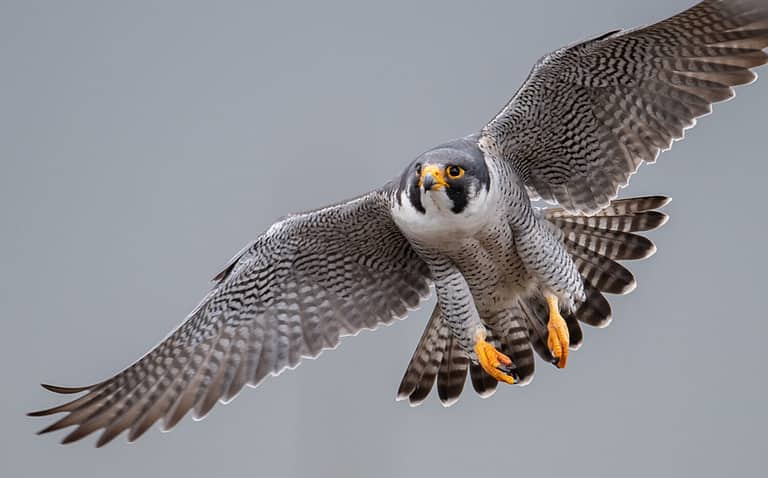
Drive long enough through the Chicago region, and you may spot a hawk balanced on a highway light pole, an osprey nest crowning a cell tower, or a peregrine falcon perched above a busy commercial corridor. These sightings can feel surprising at first. Birds of prey are often associated with cliffs, shorelines, forests, and open country—not traffic, utility corridors, and suburban sprawl.
But for hawks, ospreys, falcons, and other raptors, Chicago’s built environment is increasingly becoming part of their landscape.
Wildlife observers have documented a striking rise in osprey nests on cell towers in Lake and McHenry counties. According to WBEZ, active osprey nests grew from only a few known cell-tower nests in 2020 to at least 26 by 2025. That trend points to more than a quirky wildlife story. It shows how raptors are adapting to urban and suburban development by using human-made structures to perch, hunt, feed, and raise young.
Why Raptors Are Choosing Human-Made Structures
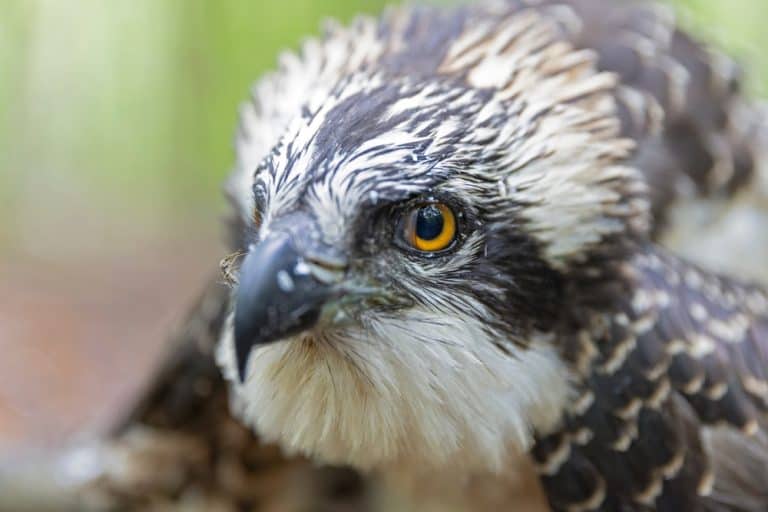
Blaithe Flaherty, lead animal care specialist for birds at Brookfield Zoo Chicago, said the appeal starts with one of a raptor’s greatest strengths: vision.
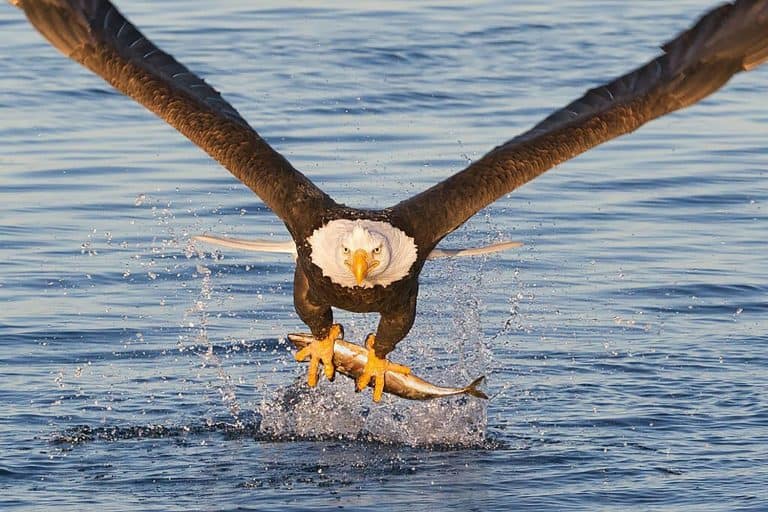
“Most people would think that a raptor’s sharpest tool would be their talons, but in my opinion, it is their sight,” Flaherty said. Using tall, widely available structures such as streetlights, poles, and towers, she explained, birds of prey gain a clear vantage point that helps them detect movement from afar and quickly launch toward prey.
That hunting advantage is especially useful in a region where roadsides, medians, utility corridors, retention ponds, and fragmented green spaces can all hold small animals. A red-tailed hawk scanning for rodents, a falcon watching for birds, or an osprey searching for fish all benefit from height and visibility. In that sense, a streetlight or pole can act like a substitute cliff or snag.
Ospreys and the Shift to Cell Towers
For some raptors, these structures are not just temporary lookout points; they are becoming nesting sites too.
“In the case of osprey, man-made structures have become attractive nesting sites, as shoreline and habitat development has reduced the number of natural nest sites available to them,” Flaherty said. She noted that these structures are often sturdier, taller, and more conveniently available than natural alternatives, making them especially appealing for breeding birds.
That helps explain why cell towers, in particular, have emerged as osprey real estate in northern Illinois. Flaherty said the increase in nests suggests the birds are adapting directly to habitat change. “Since natural nest sites are not as widely available, they are adapting to how their habitats are changing by using a less competitive resource that provides nest sites where they can raise their young,” she said.
In other words, development may be shrinking or altering the places raptors once relied on, but some species are responding with remarkable flexibility.
That does not mean human infrastructure is an ideal replacement for wild habitat. It simply means these birds are using what is available.
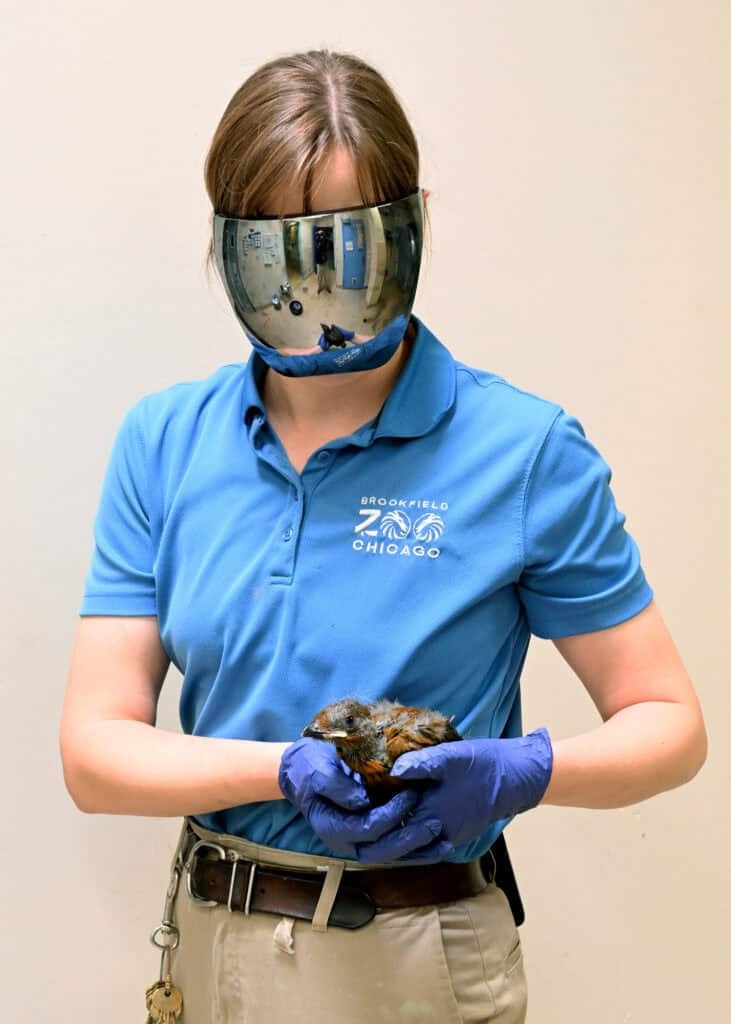
Behind the scenes of specialized bird care: this mask helps reduce human imprinting during chick rearing.
©Blaithe Flaherty, Brookfield Zoo Chicago lead animal care specialist for birds – Original / License
The Advantages of Height, Stability, and Limited Disturbance
Flaherty said accessibility is one of the biggest advantages of man-made structures. There are simply more of them. Ospreys once nested more commonly in large trees or on rocky cliffs, but development has reduced the number of natural sites that can support a safe nest. By contrast, towers are plentiful.
They also offer another important benefit: protection. “Man-made structures like cell towers also tend to be spaces that have restricted access,” Flaherty said. Their height limits predators’ access to eggs and chicks, and fences around towers can add another layer of defense. Human disturbance may also be lower than people assume, since trained workers service these sites and otherwise leave them alone.
For nesting birds, that combination of height, stability, and relative seclusion can make a tower feel secure.
The Hidden Dangers of Urban Adaptation
Still, survival in the built environment comes with serious tradeoffs.
“Due to streetlights and other such structures being close to the road, collisions with vehicles are a risk raptors face,” Flaherty said. While the birds may be safe perched high above traffic, danger increases the moment they dive low to pursue prey or fly across busy corridors.
Electrical infrastructure poses another hazard. “Due to the electrical nature of some of these structures, electrocution is a real risk,” Flaherty said. “There is also the risk of fire if any nest structure is exposed to a charged current.”
Power lines add yet another layer of danger. Raptors may not easily see them in flight, especially while hunting or navigating fragmented habitat. Collisions can lead to severe injury or death.
Those fragmented habitats matter too. As roads, towers, buildings, and utility corridors divide the landscape, wildlife must navigate increasingly fragmented environments. “As habitats are developed for human use, fragmentation is always a risk,” Flaherty said. “Cell towers, roads, and other human needs often divide habitats, increasing the risks wildlife faces.”
That tension—between adaptation and exposure—is at the heart of the story. Raptors may be proving themselves resourceful, but resourcefulness is not the same as safety.
What Coexistence Could Look Like
From a conservation standpoint, Flaherty said the goal should be coexistence that reduces risk. She noted that utility companies can make structures safer for birds while still maintaining reliable service. Bird diverters installed on power lines can make them more visible and help prevent collisions.
Public support matters too. “The public can help support nature centers installing and monitoring nesting platforms in their communities, which give raptors like osprey places to nest that are not cell towers,” Flaherty said. Nesting platforms can provide elevated, attractive alternatives in safer locations, helping shift some breeding activity away from hazardous infrastructure.
“The more we support initiatives that provide infrastructure for wildlife to coexist with us, the less conflict and hazards there will be,” she said.
Due to the electrical nature of some of these structures, electrocution is a real risk. There is also the risk of fire if any nest structure is exposed to a charged current.
Blaithe Flaherty, lead animal care specialist for birds at Brookfield Zoo Chicago
A Sign of Resilience and Responsibility
The clearest lesson in Chicago’s raptor story may be that hawks, ospreys, falcons, and owls are not waiting for untouched landscapes to return. They are adapting now, in real time, to a world shaped by humans. Streetlights become hunting posts; utility poles become feeding stations; cell towers become nurseries.
Their resilience is impressive. But it also places responsibility back on us.
If birds of prey increasingly rely on the structures we build, then we should design and manage those structures with wildlife in mind. Otherwise, the same towers and poles that offer an opportunity today may become tomorrow’s trap.
Chicago’s skyline, highways, and suburbs may never look wild in the traditional sense. But the raptors perched above the traffic make one thing clear: nature is still here, adapting to the world we have made.